Liechtenstein - Vaduz
Liechtenstein - Vaduz
Finding a second home

When I applied for a semester exchange in Liechtenstein way back in February 2025, I did so on the recommendation of my best friend Connor, who took part in it in 2024. I applied, signed the papers, and waited for a response without really knowing anything about the country except the praise it had received from Connor. In all honesty, I didn’t know this place existed until he told me about it.
I have lived at home with my family my whole life, aside from holidays with friends and trips within Australia. I haven’t had much experience on my own. I had independence in many ways, but not when it came to the necessities of day-to-day household life. I took this opportunity to come to Liechtenstein to learn about myself and see what I am really capable of. For the nine months leading up to the exchange, I was worried, nervous, excited, afraid, happy, and sad—all because I knew my way of life was going to change; I wouldn’t be comfortable anymore. My family reassured me that it would be a great experience and the best way to move forward into adulthood. Connor, in particular, reassured me that Liechtenstein would feel like a second home very quickly and that the people and places were beautiful. But still, it was in my nature to doubt.
I have now been here for just over one month, and it is safe to say that it already feels like a second home; in fact, it feels just like home. My city of Adelaide is home to 1.47 million people—not exactly the size of Liechtenstein—but as Australia’s second smallest mainland city, it is known as the place where everyone knows everyone. Although that feeling is embedded in my being, it disappears when I travel outside the country and returns when I come back. However, no sooner had I arrived in Liechtenstein than that feeling returned to me. And the most amazing part was that I was not stunned or surprised; rather, it felt natural.
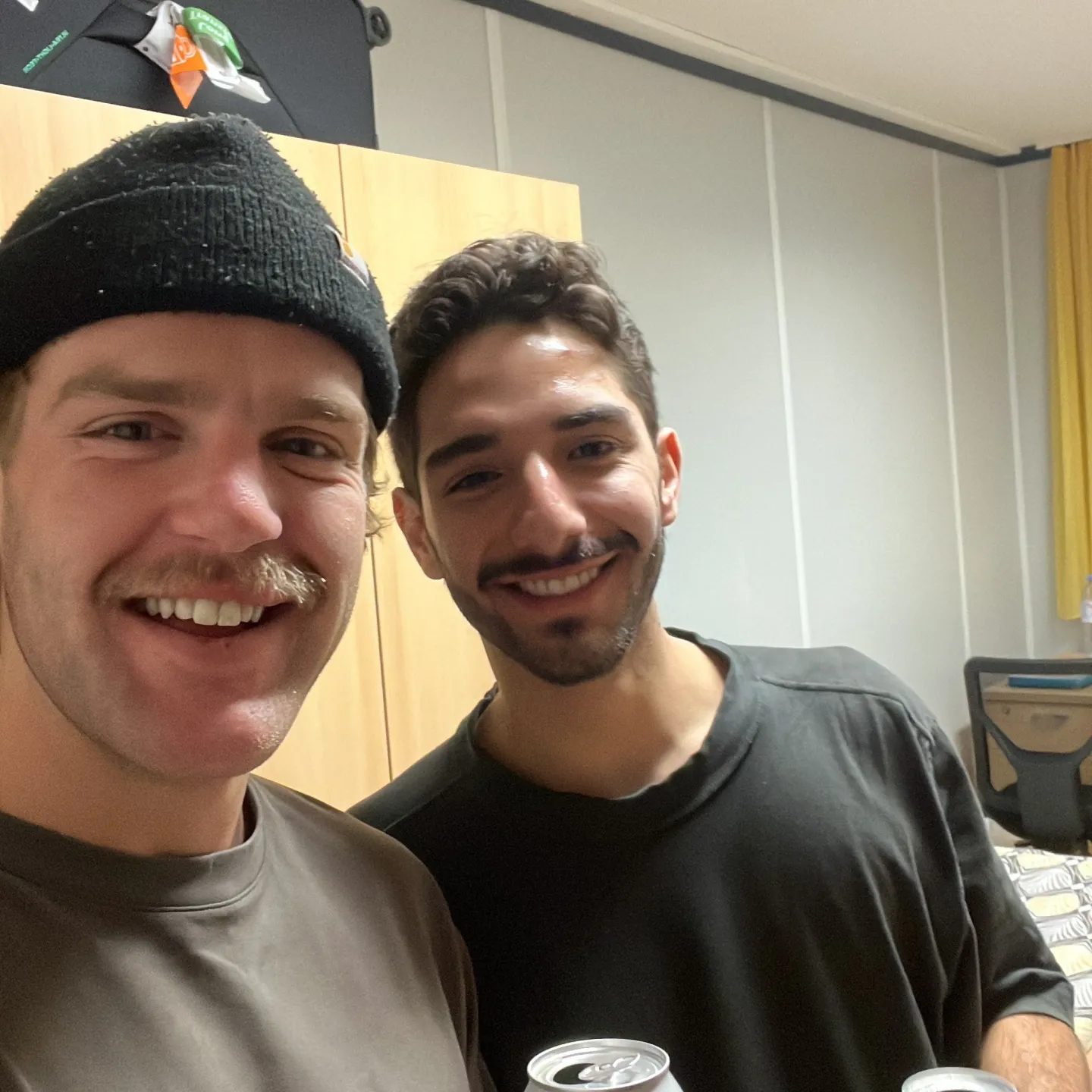
When I stopped to think about it, it was odd. I am now living in a dorm on a floor with 14 people, one kitchen, and three bathrooms, with a roommate from Mexico, at a university with students from many countries and languages, in a country with three dialects and only 40,000 people. Yet everyone stops to talk to me, everyone says hello on the street, the shop workers ask how my day was, a family welcomed me into their home for dinner, and my professors want to get to know me. Even with a small language barrier (which really isn’t a barrier—most people here speak better English than I do), communication, affection, empathy, and curiosity come about in the same natural way as they did back home. I also see this phenomenon affecting the other exchange students, whether they are from big places like my roommate, who grew up in Mexico City, or from smaller cities.
When I think about why this has happened, I believe it is due to the sense of community among the people who live, work, and study in Liechtenstein. As a small country built by the hard work of its people, it takes pride in its residents, whether they are native or not. This pride takes shape as a helping hand when you need it, a friendly gesture while walking down the street, a conversation when you don’t expect it, and an interest in how you are doing and feeling on any given day. I have, in this short time already, experienced all of that, and because of this, it hasn’t taken me back home but brought me home to myself—and it is safe to say that I am overjoyed to be here and keen to take part in this local pride and community throughout my stay.