Schneider Türtscher: What Exists as a Starting Point
Schneider Türtscher: What Exists as a Starting Point

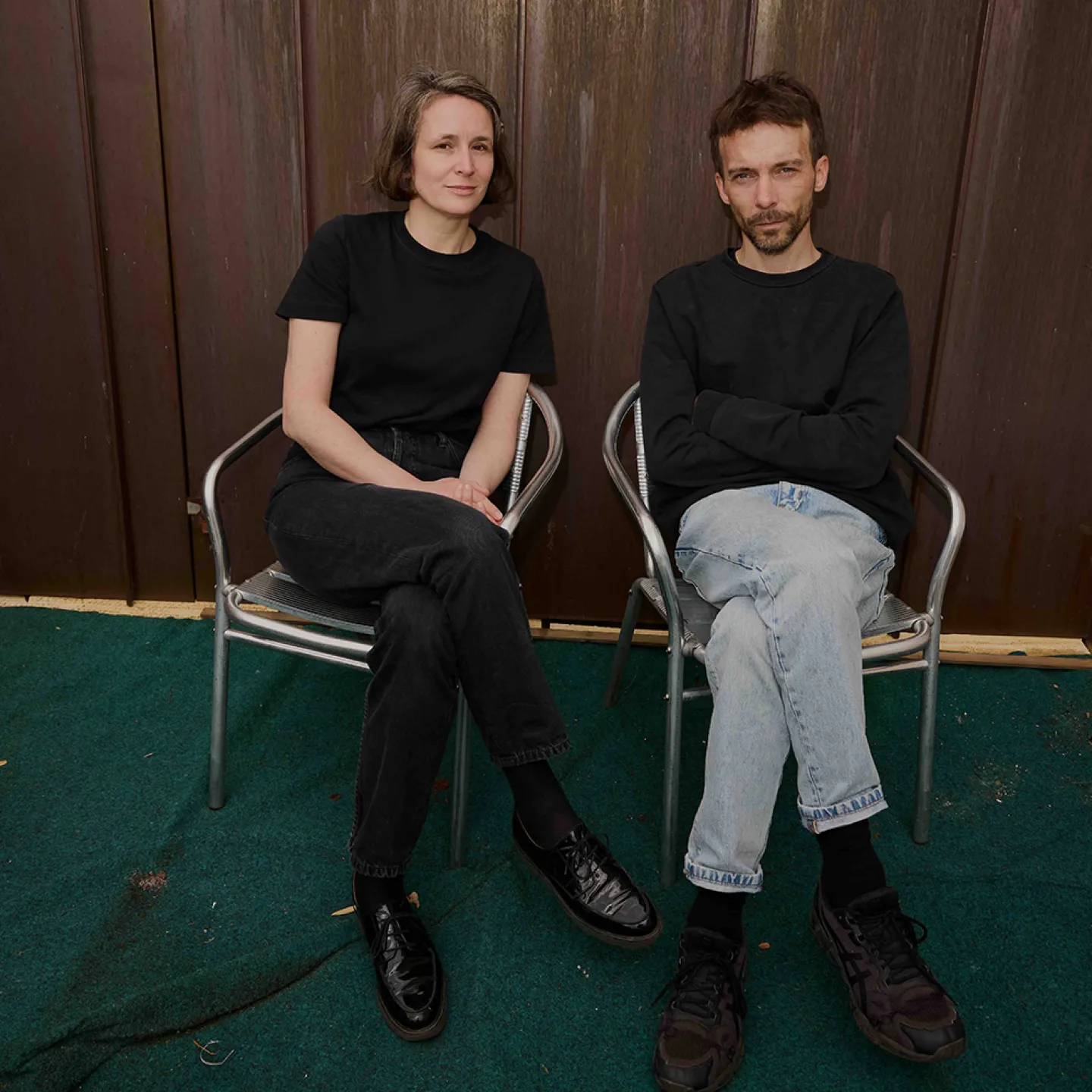
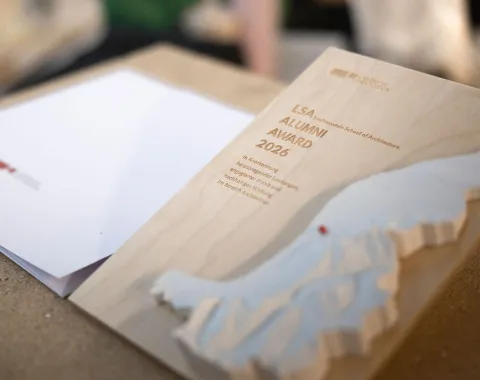
Michaela Türtscher and Claudio Schneider both studied architecture at the former Hochschule Liechtenstein, graduating with a Bachelor’s degree in 2007. Today, they jointly run the Zurich-based architecture practice Schneider Türtscher. In 2026, they were awarded the Alumni Award of the Liechtenstein School of Architecture.
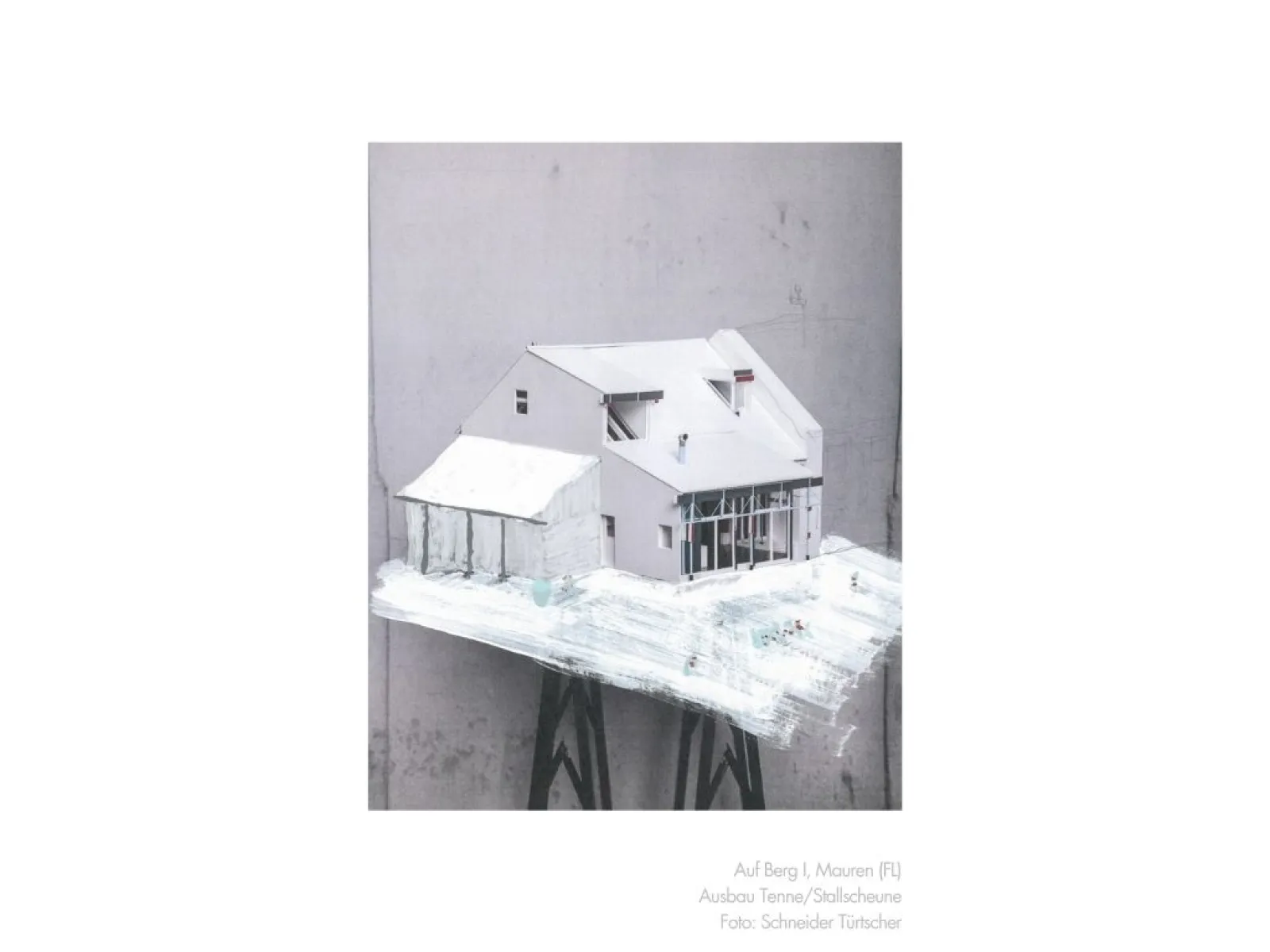
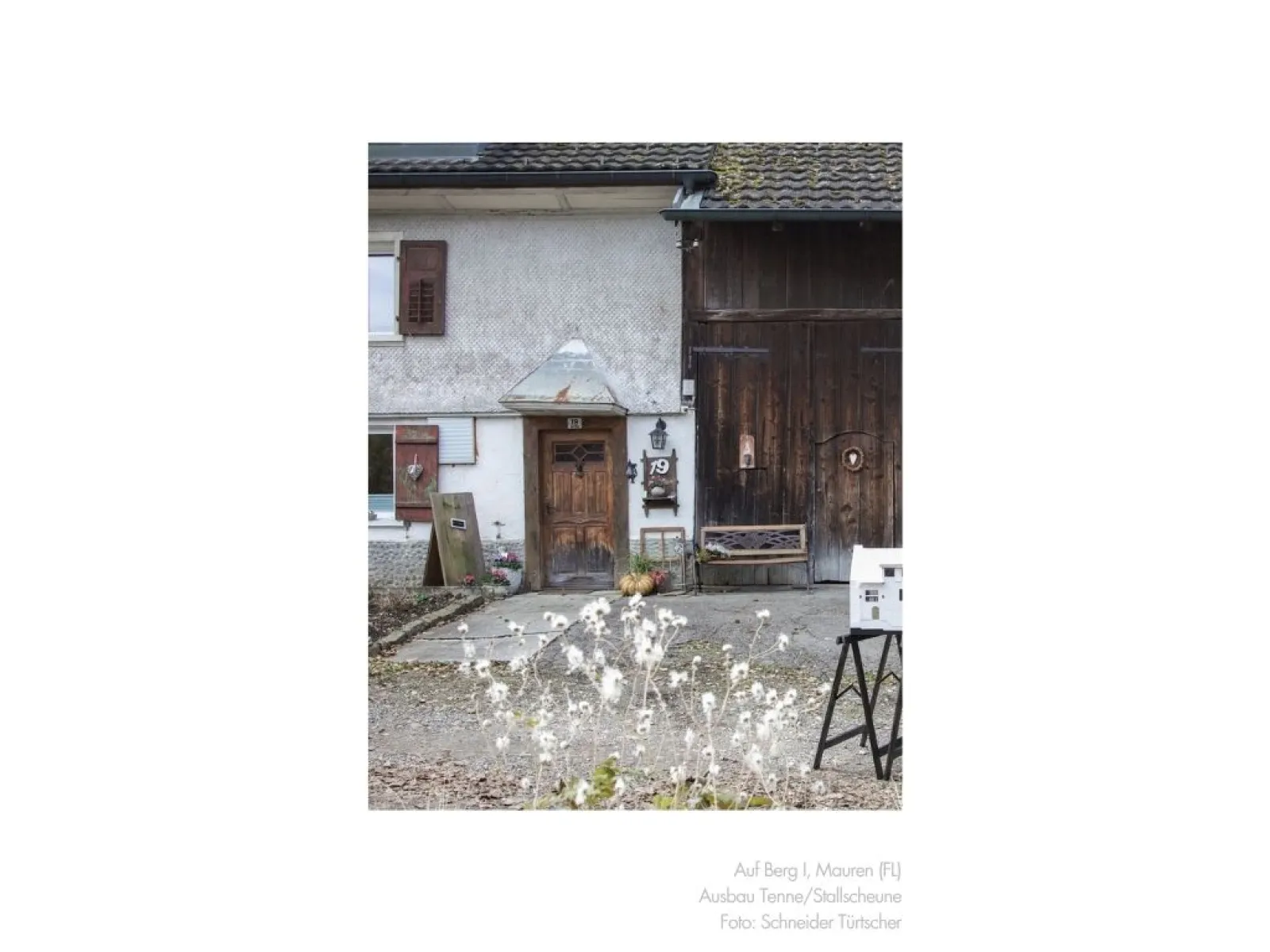
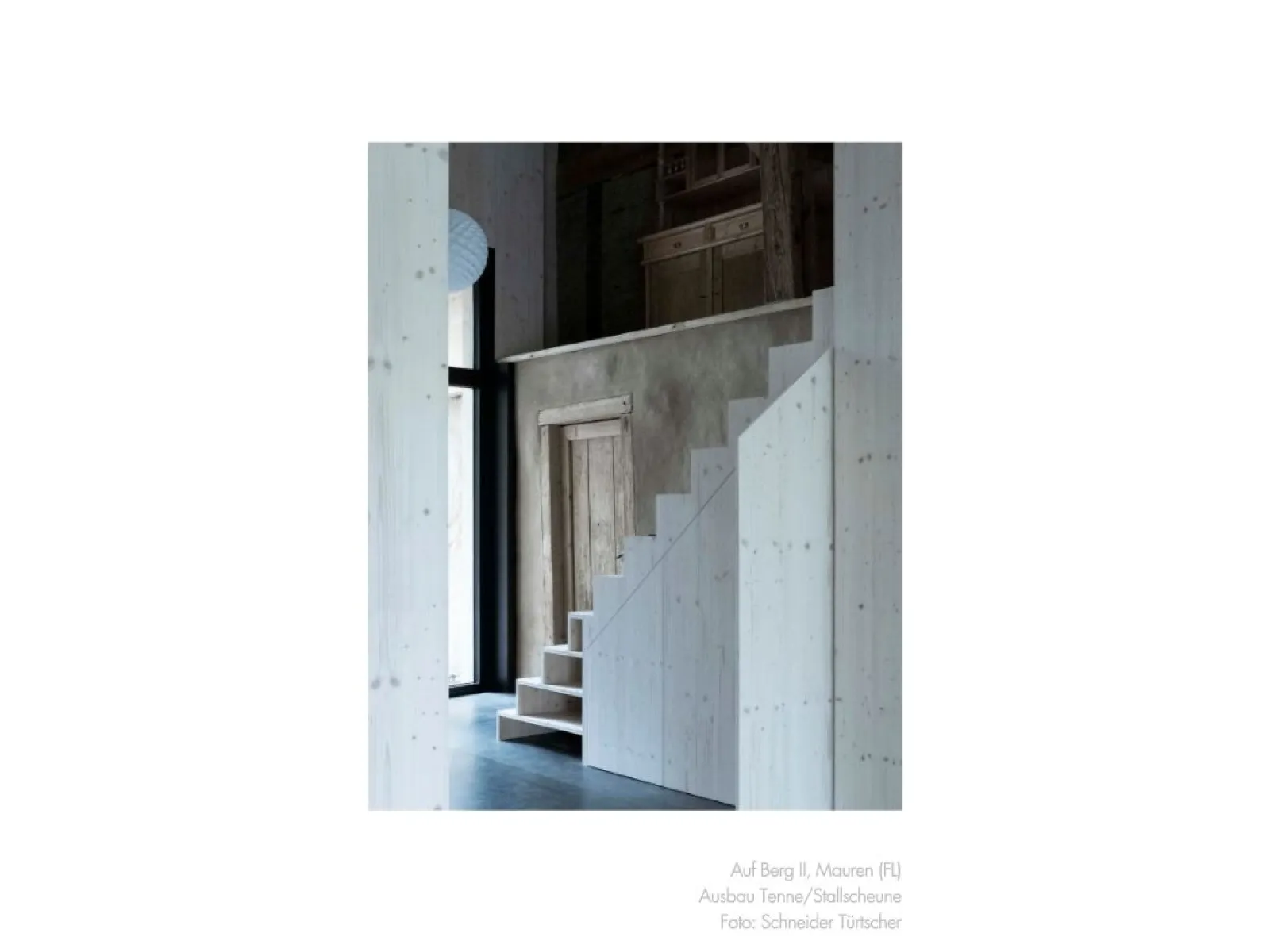
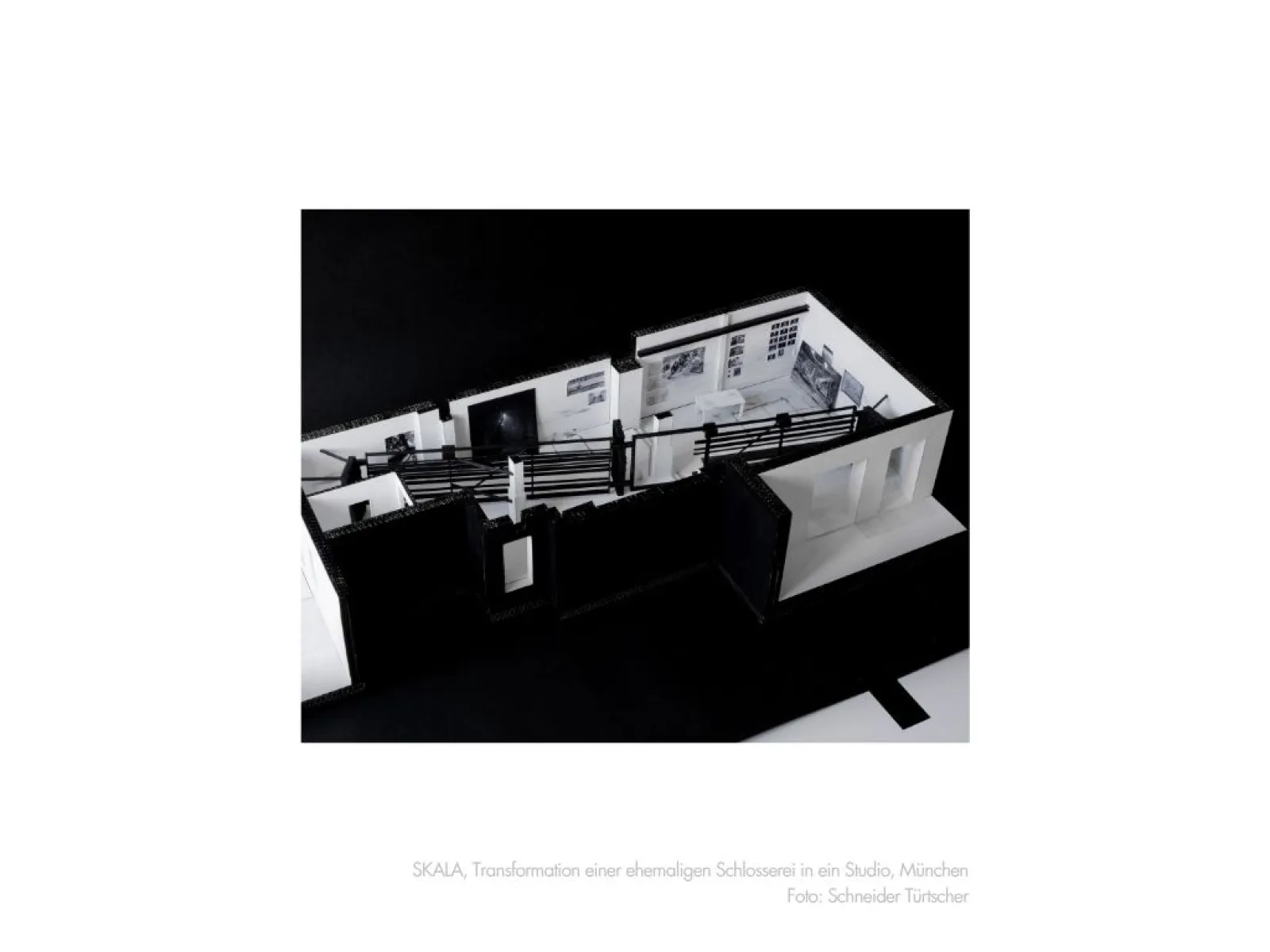
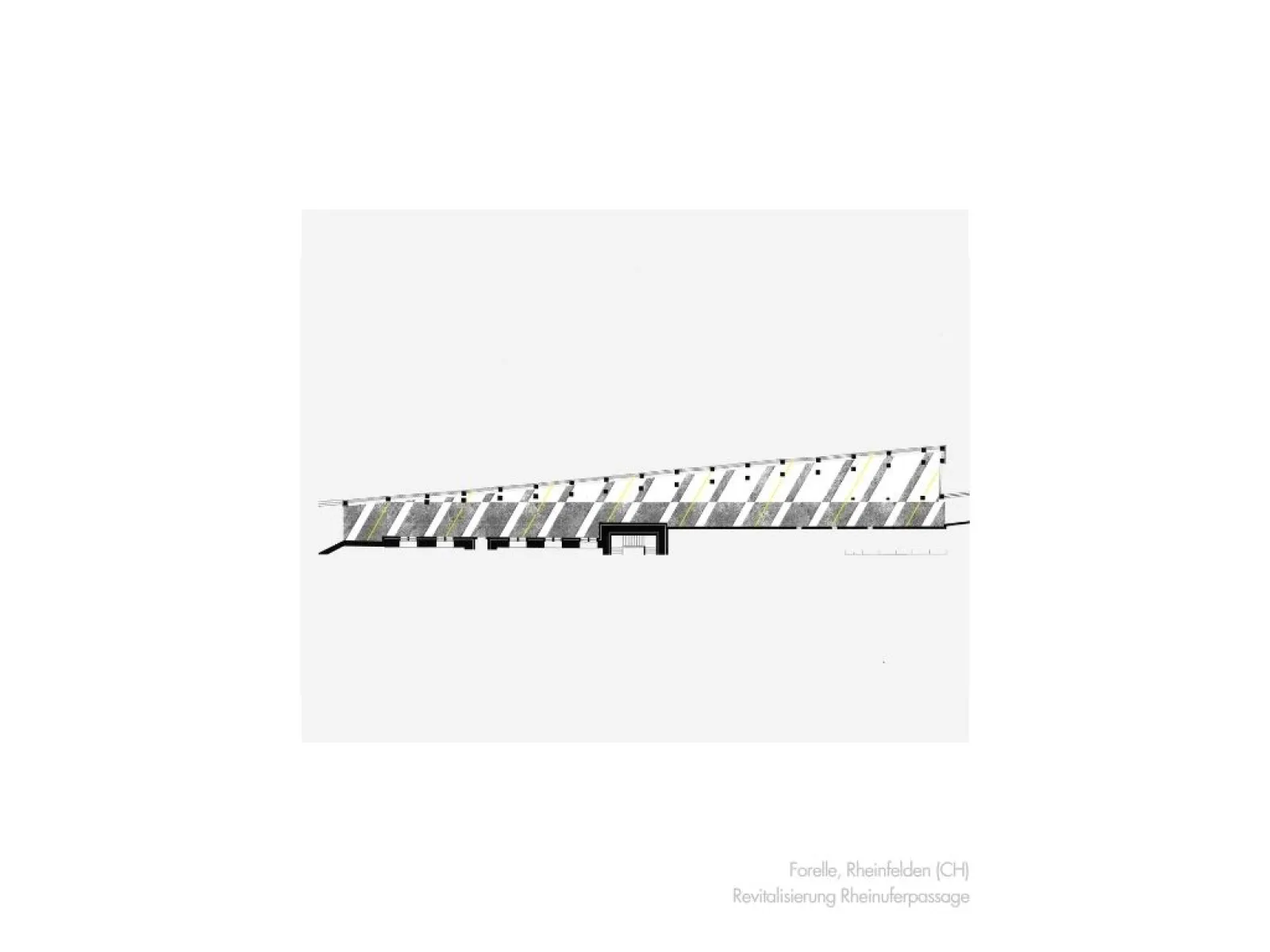
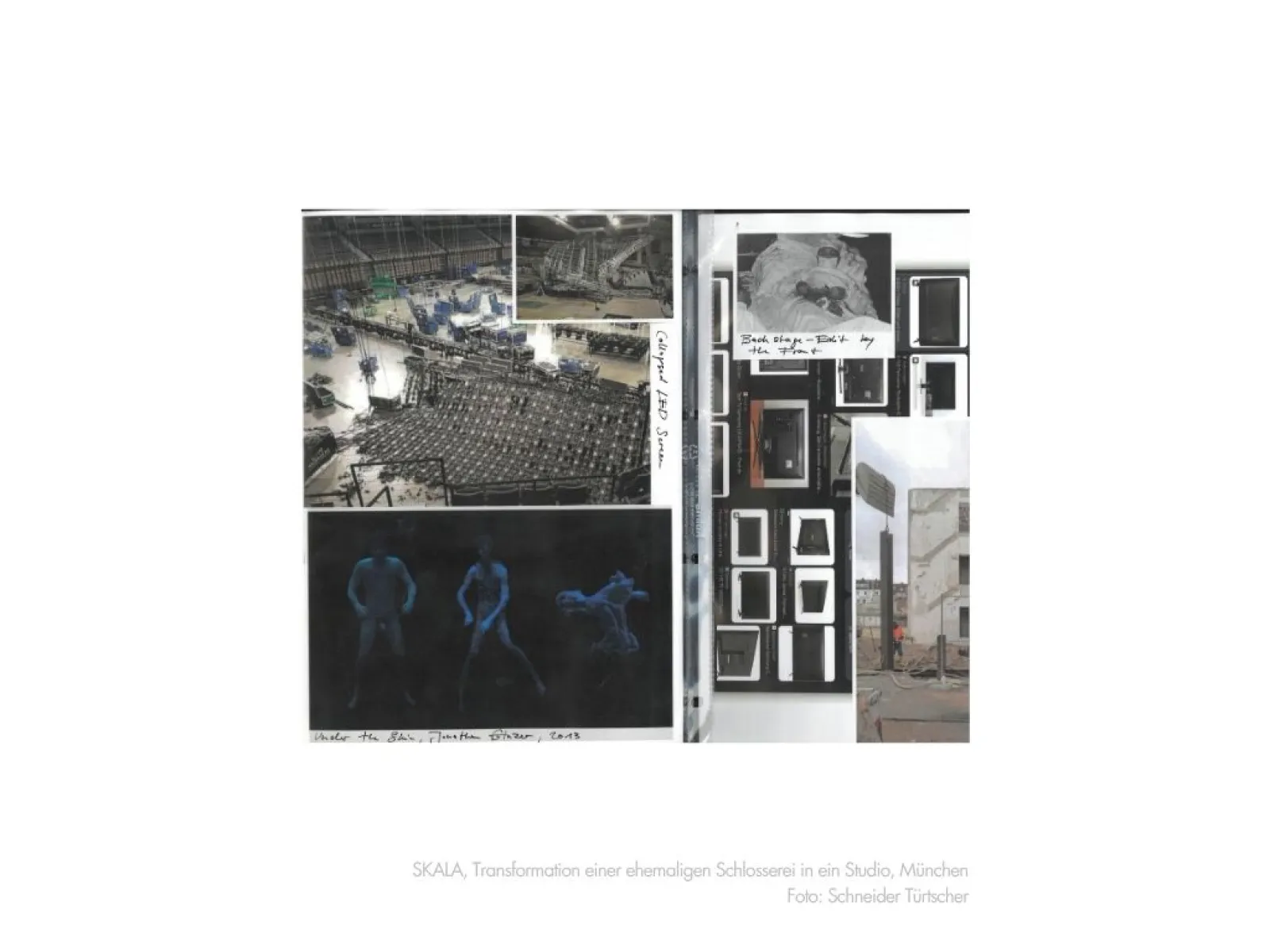
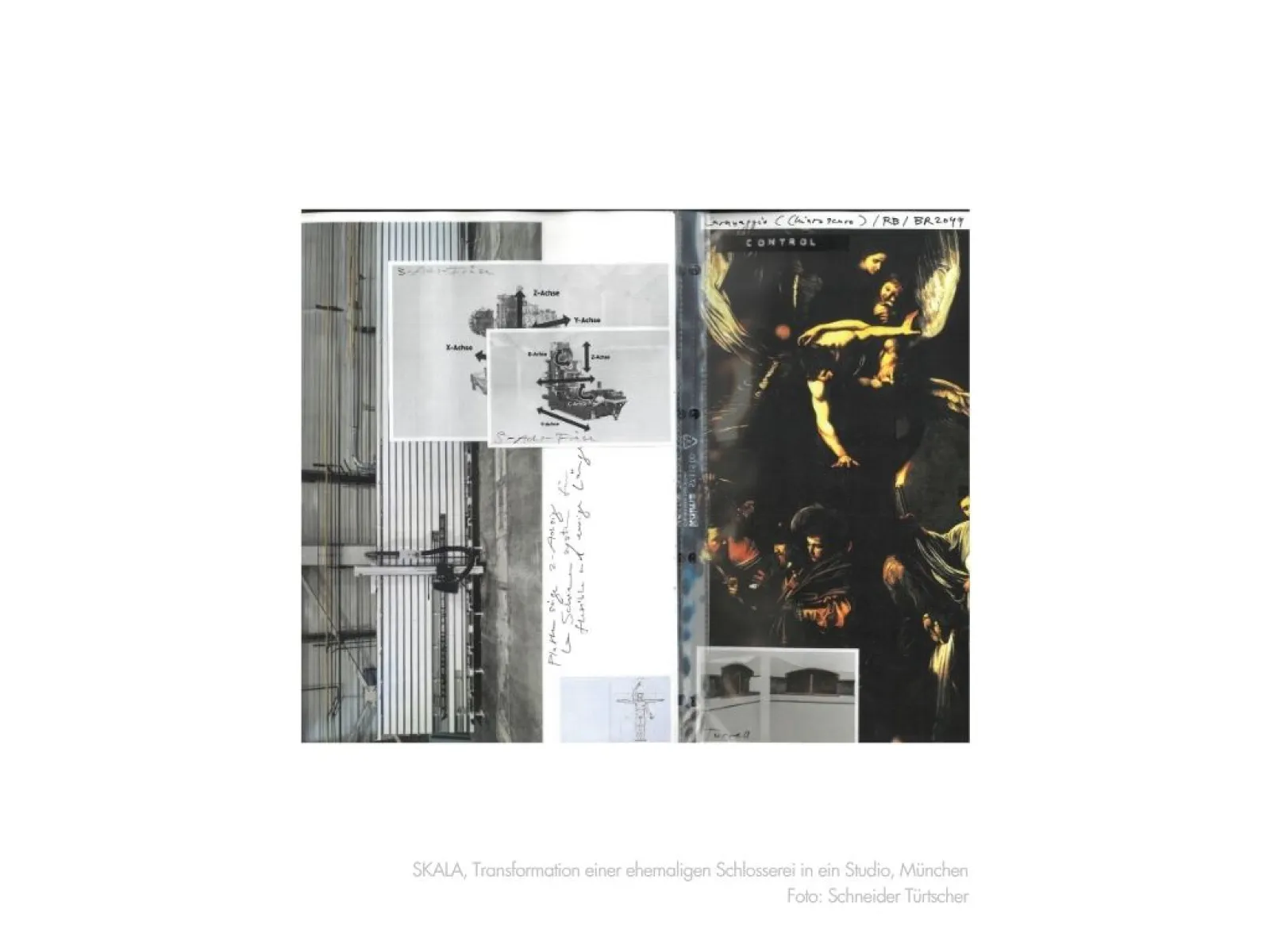
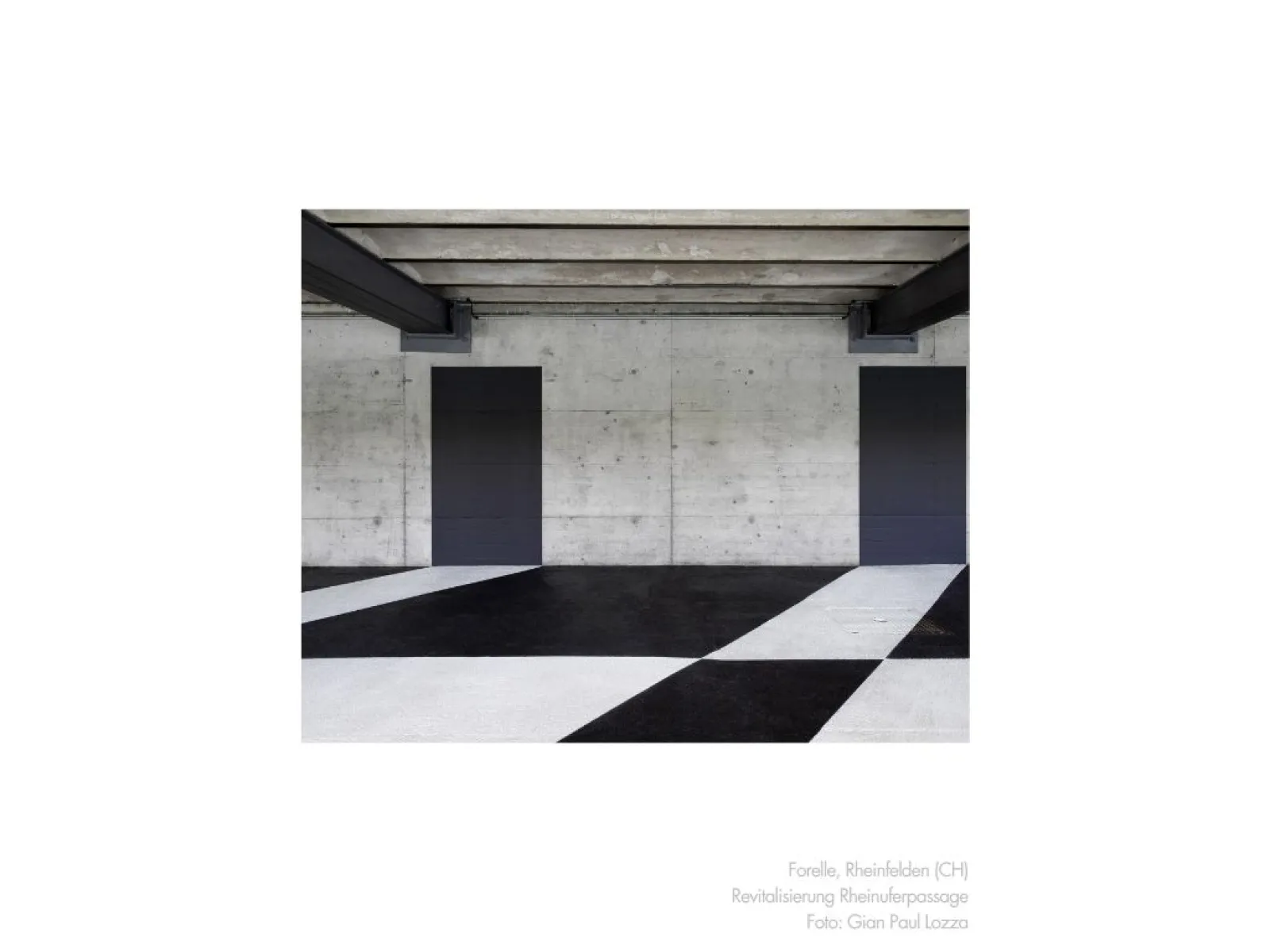
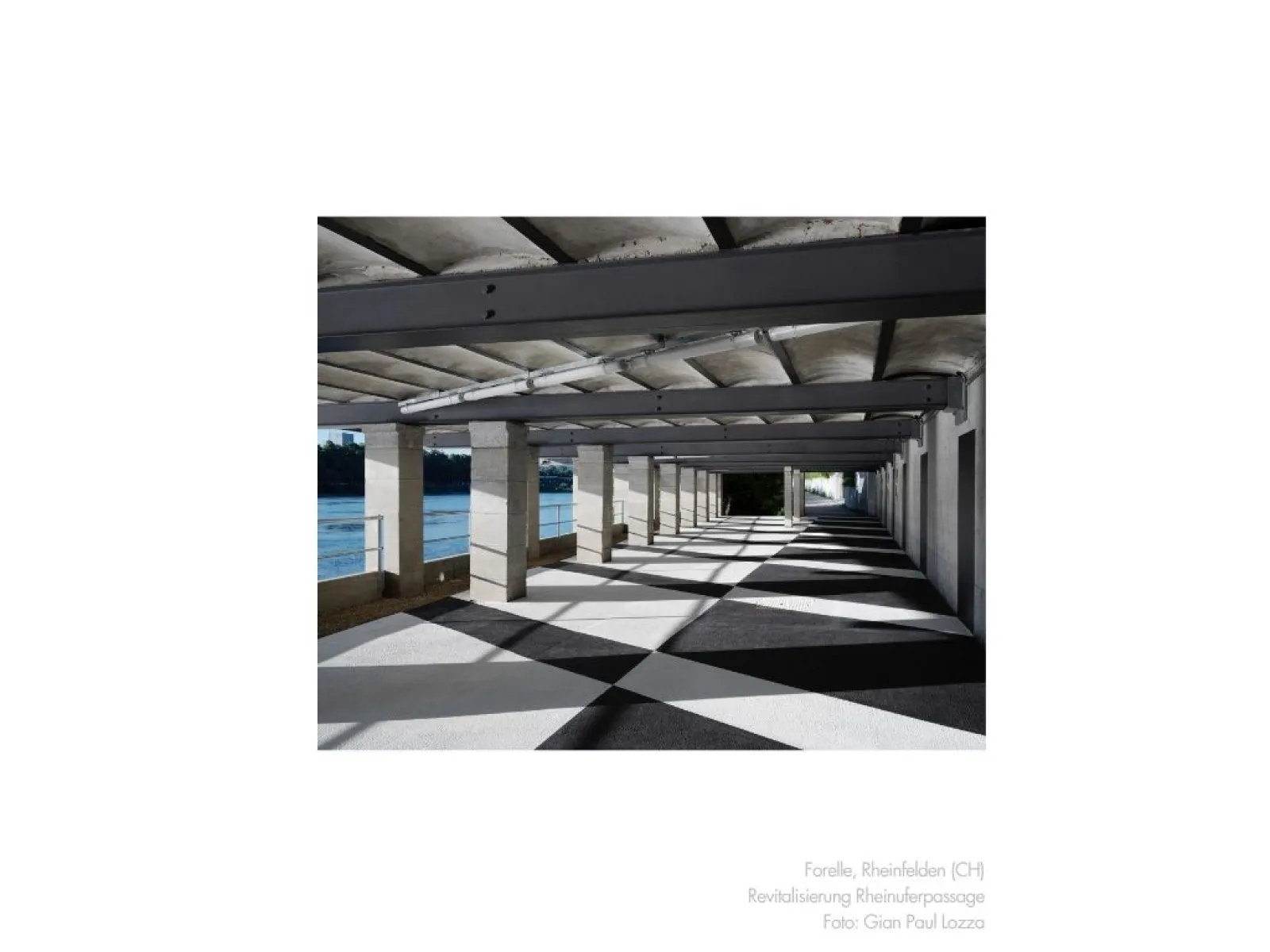
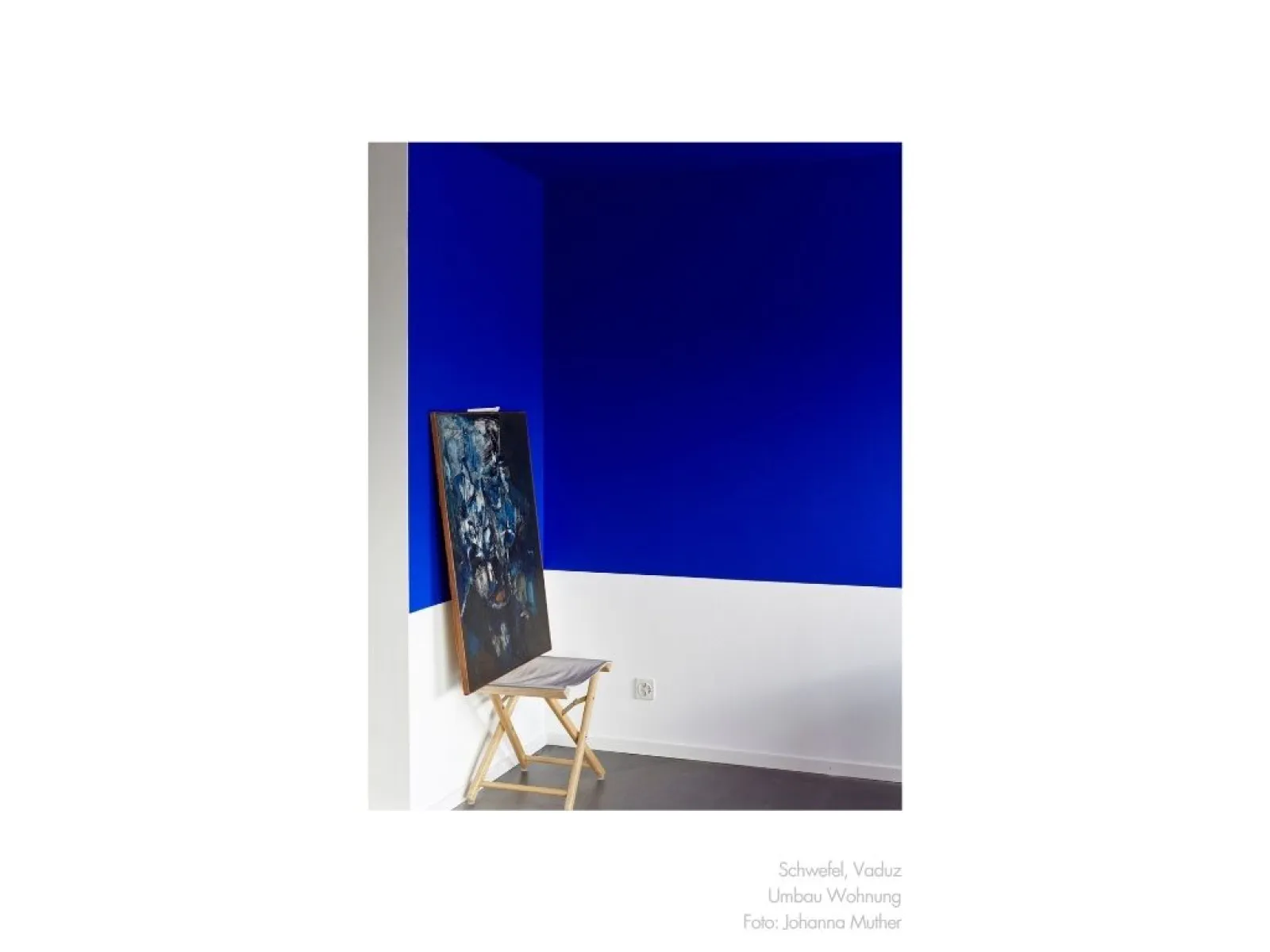
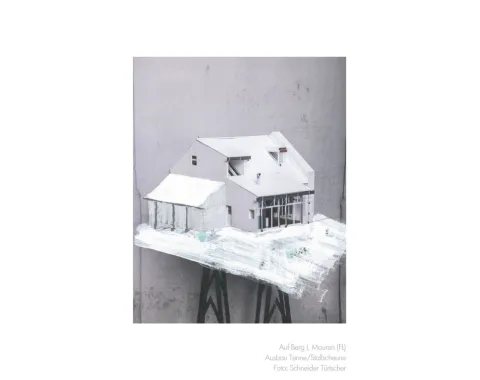
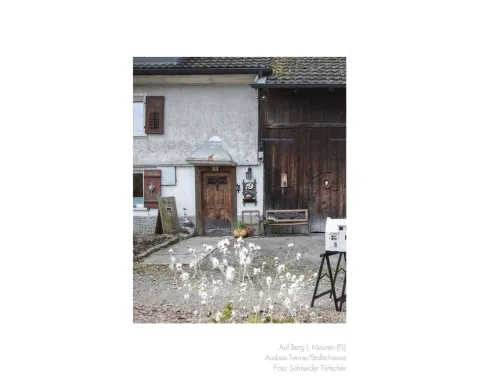
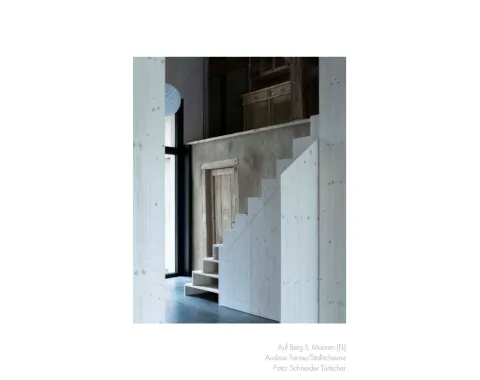
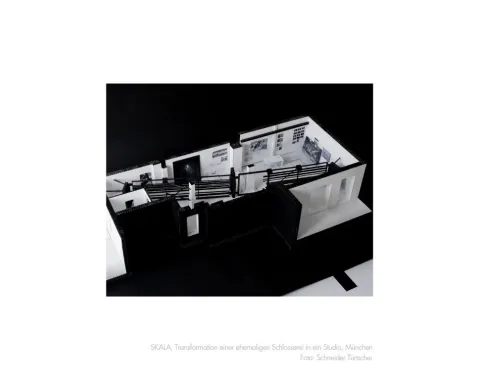
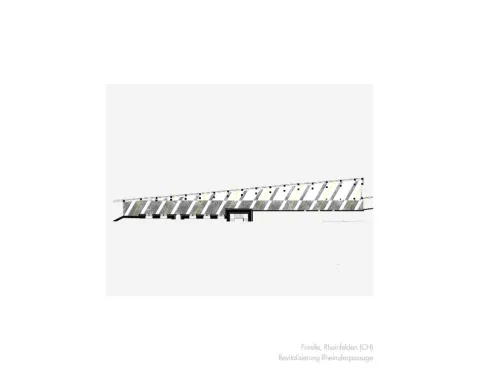
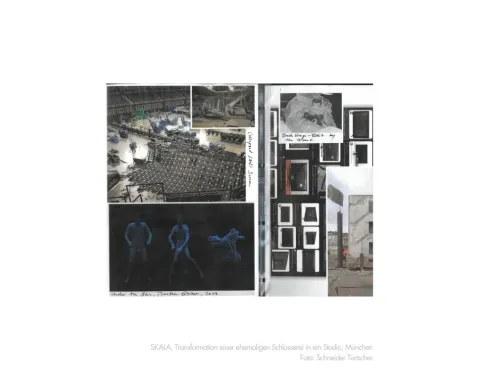
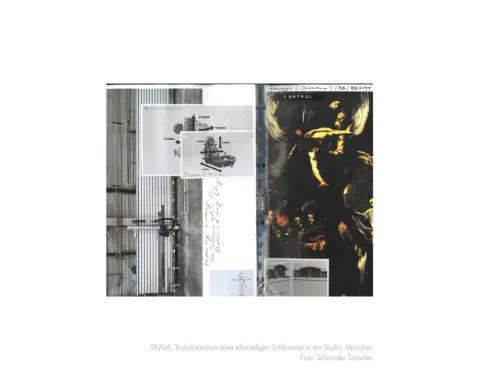
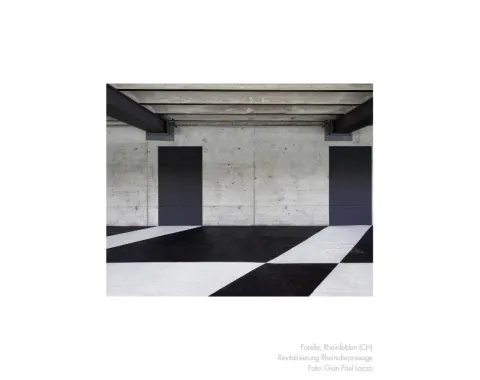
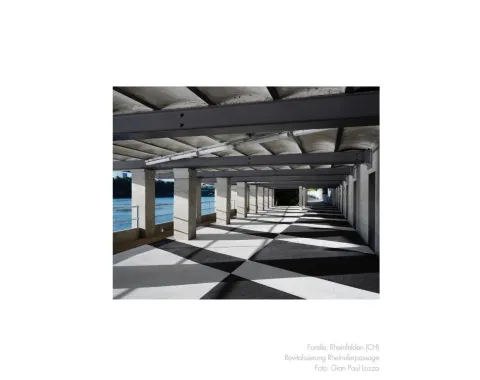
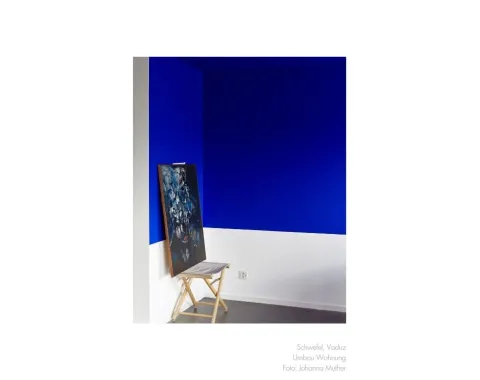
Since founding their practice in 2013, Michaela Türtscher and Claudio Schneider have explored how existing buildings and structures can be rethought and developed further. They work with existing spaces and structures, materials and traces, as well as the particular conditions and constraints of a place. Rather than seeing these as obstacles, they understand them as a starting point for something new.
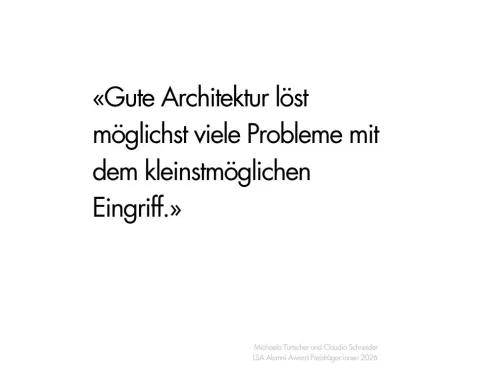
Their work seeks to achieve as much as possible with as little alteration as necessary. “Good architecture solves as many problems as possible with the smallest possible intervention,” they say of their approach. Their projects explore different forms of transformation and building on the existing, asking what should be retained, altered or added.
The relationship between planning and openness also plays an important role in their work: “For us, architecture moves between precision and improvisation. Not everything has to be predictable.”
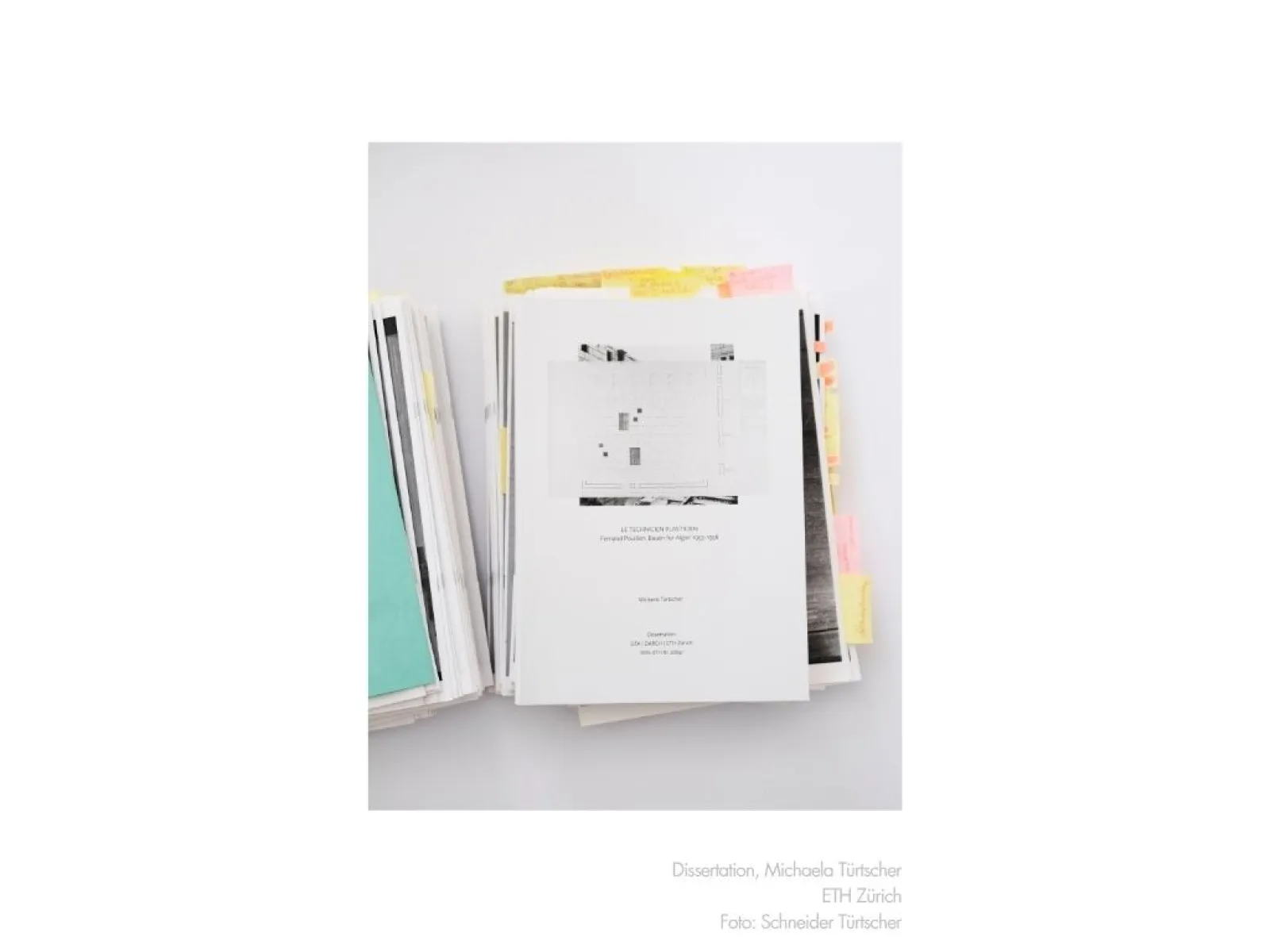
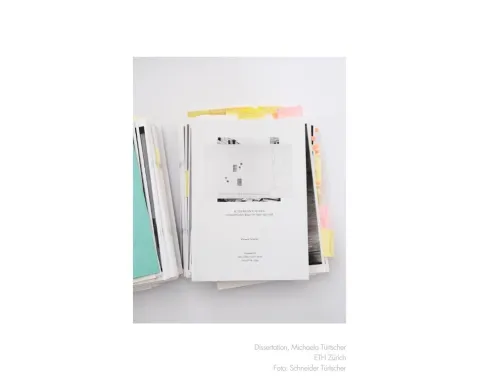
Michaela Türtscher and Claudio Schneider also continue their engagement with architecture through teaching. Alongside their work in practice, they have taught and continue to teach at various universities, including the Technical University of Munich, ETH Zurich and ZHAW Zurich University of Applied Sciences.
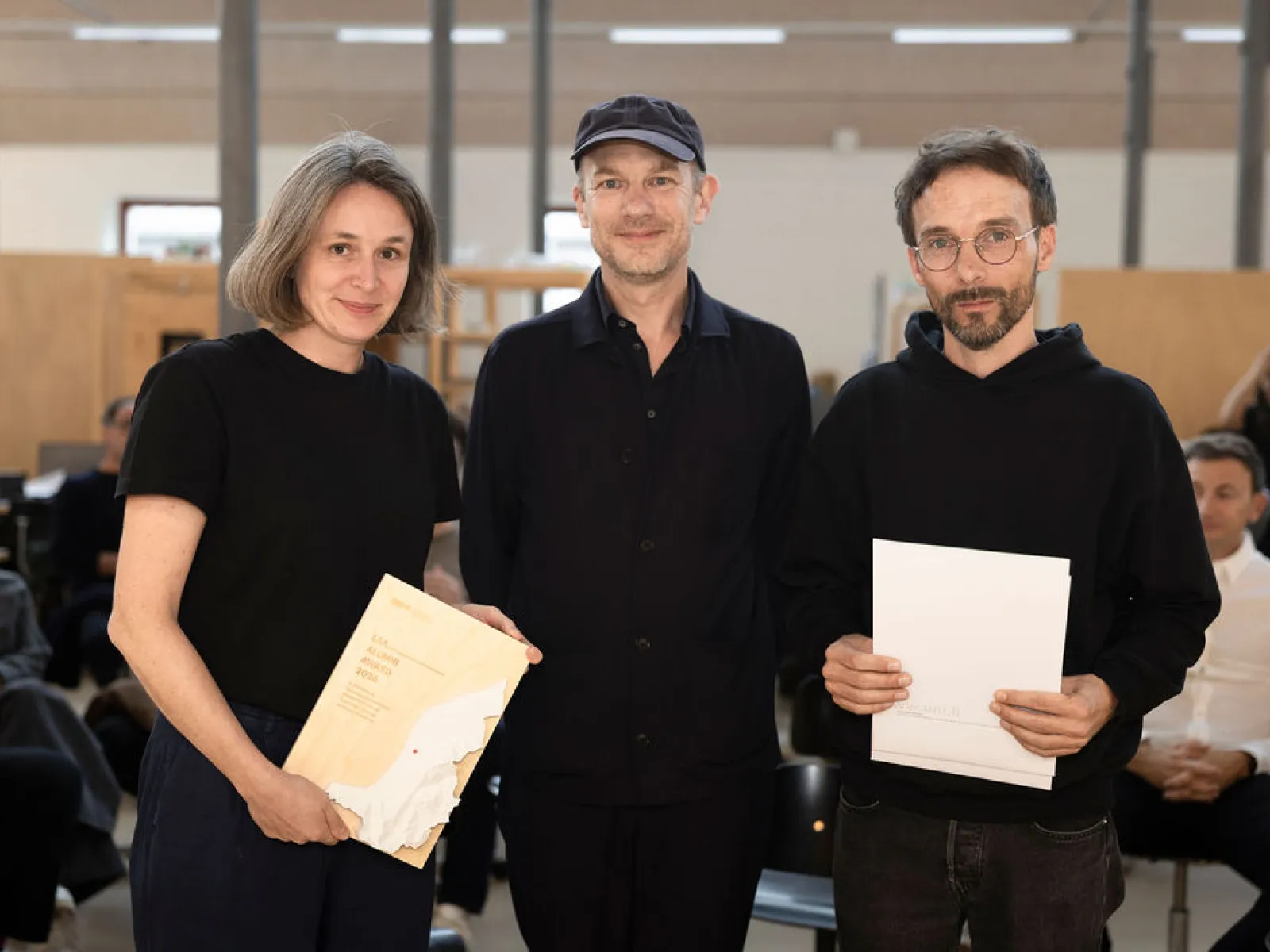
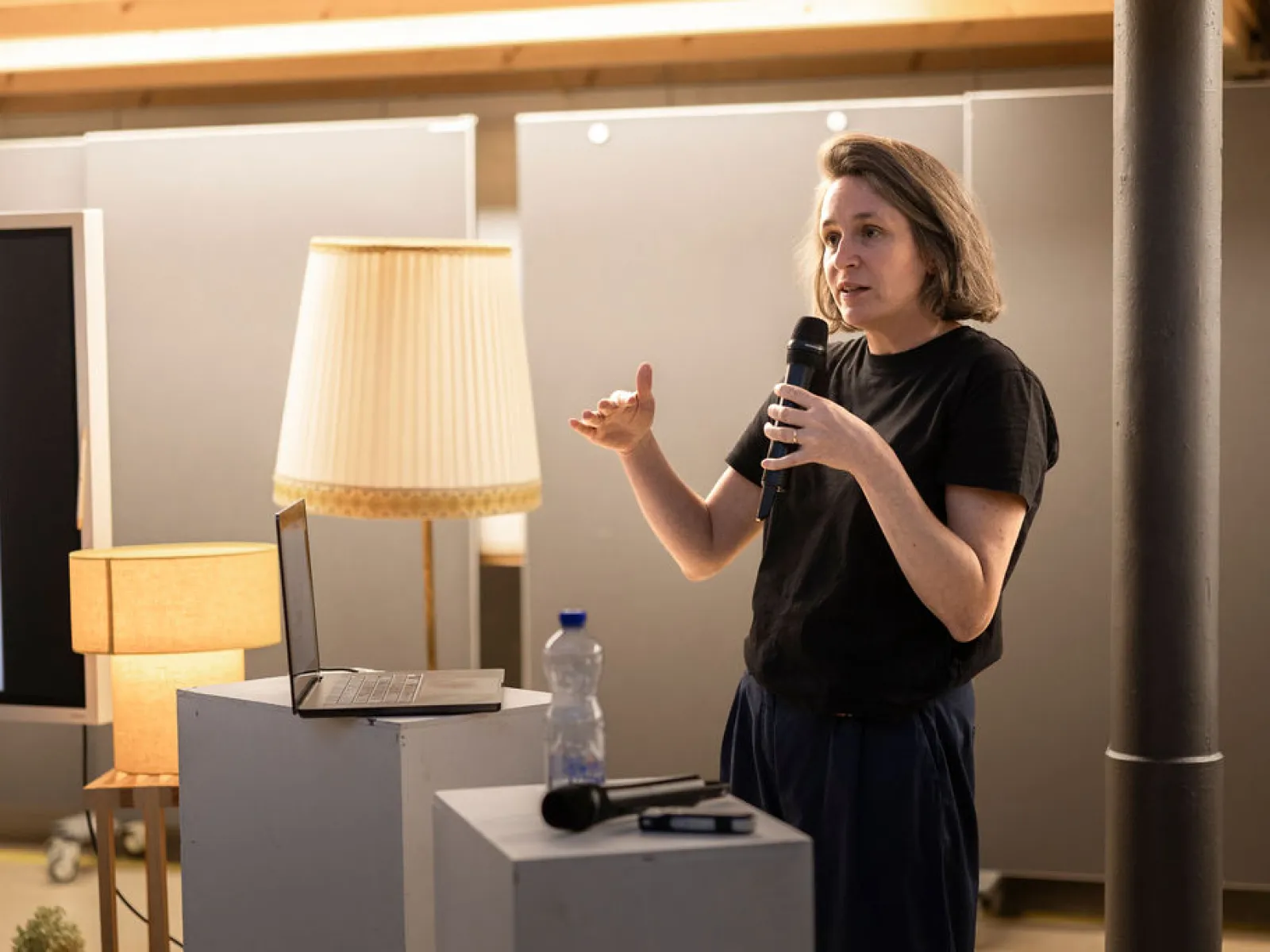
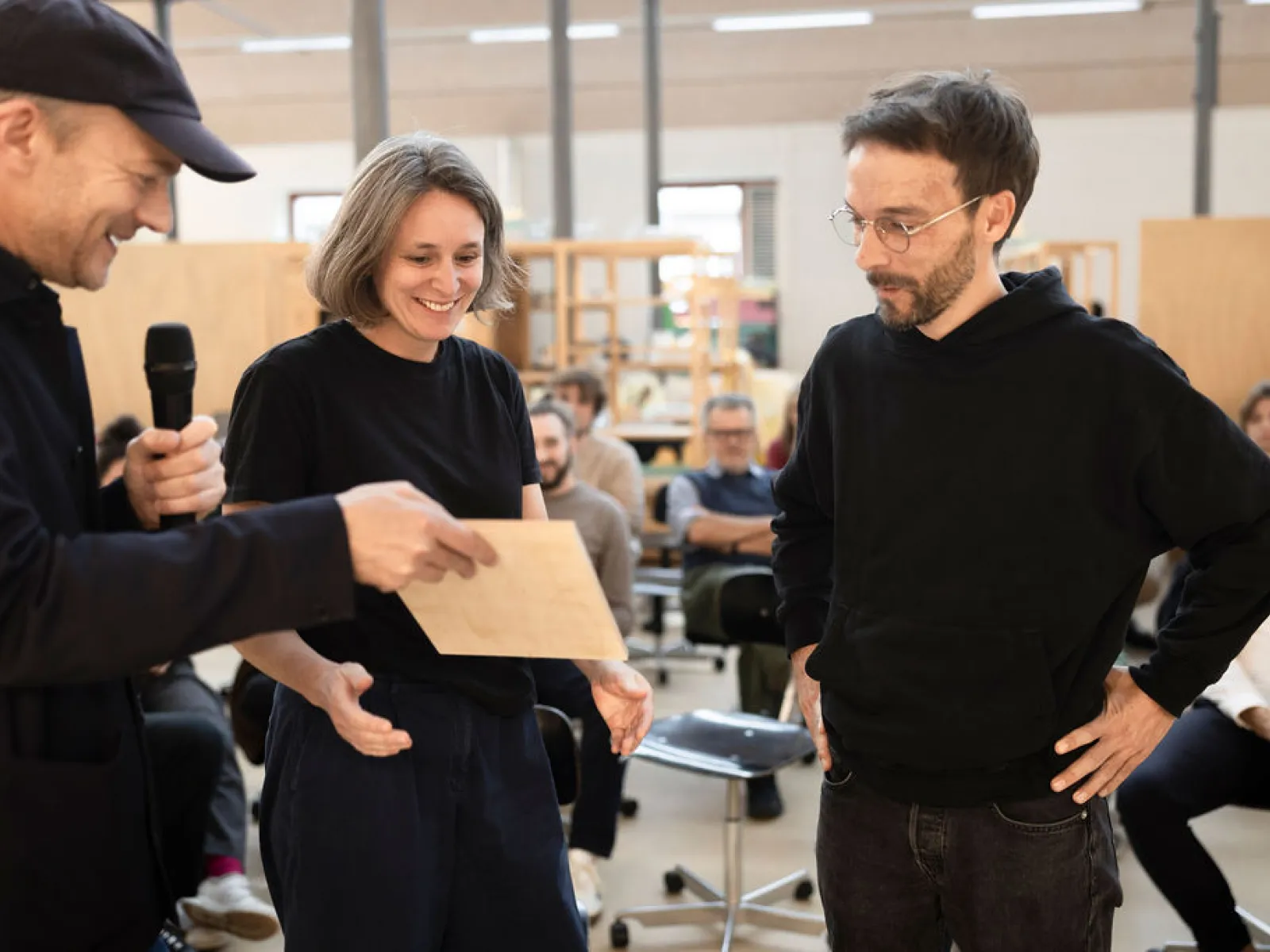
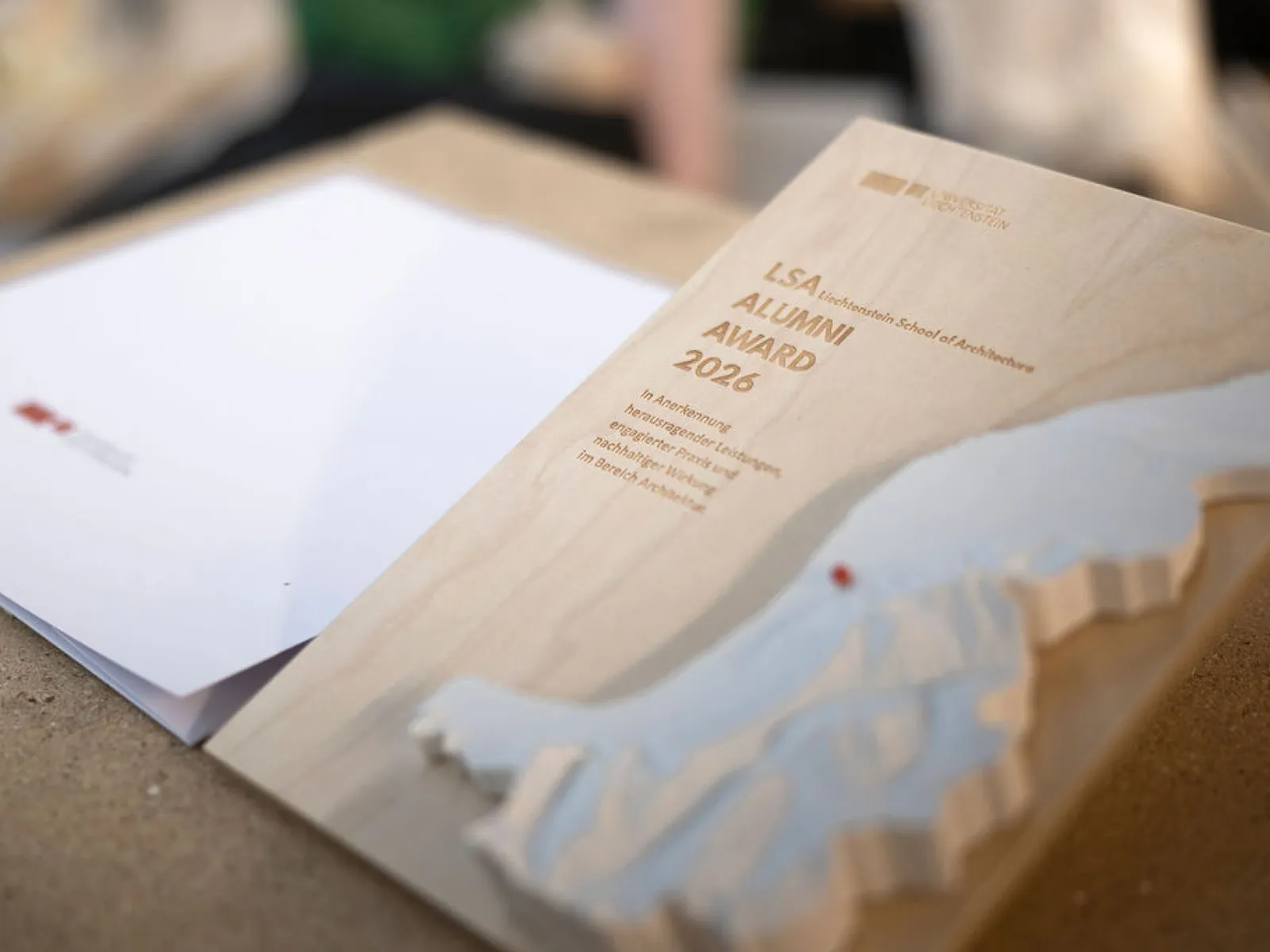
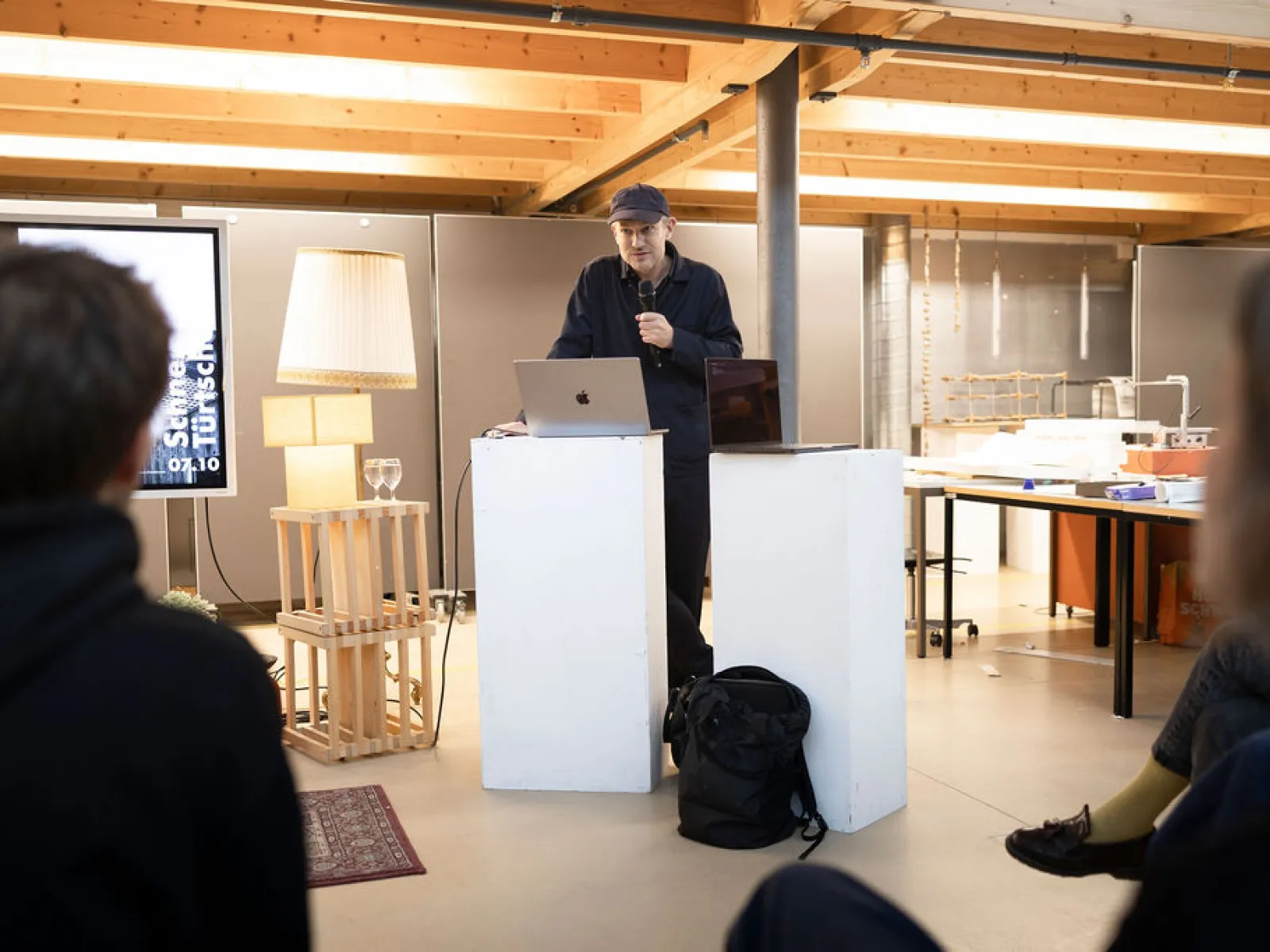
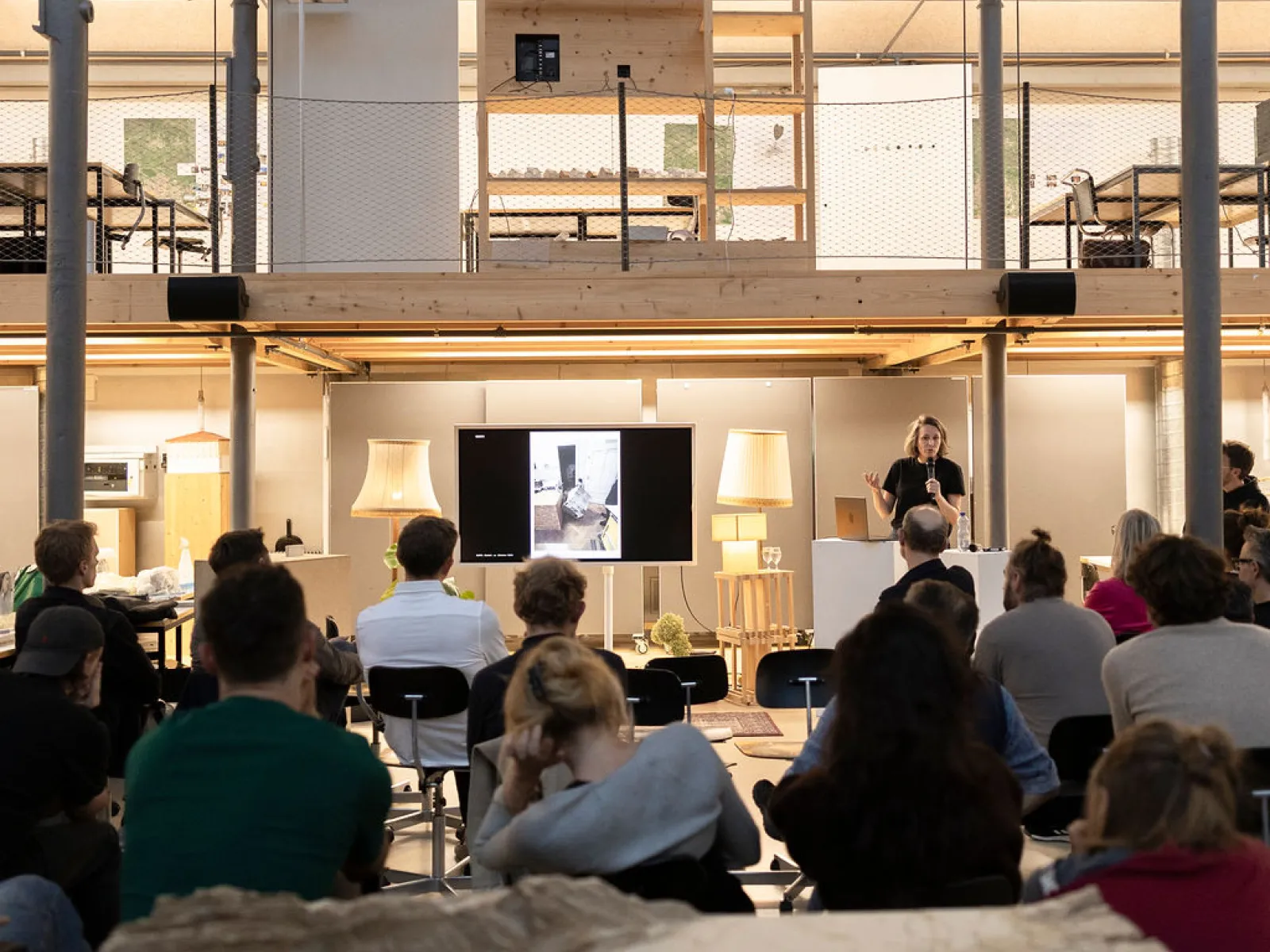
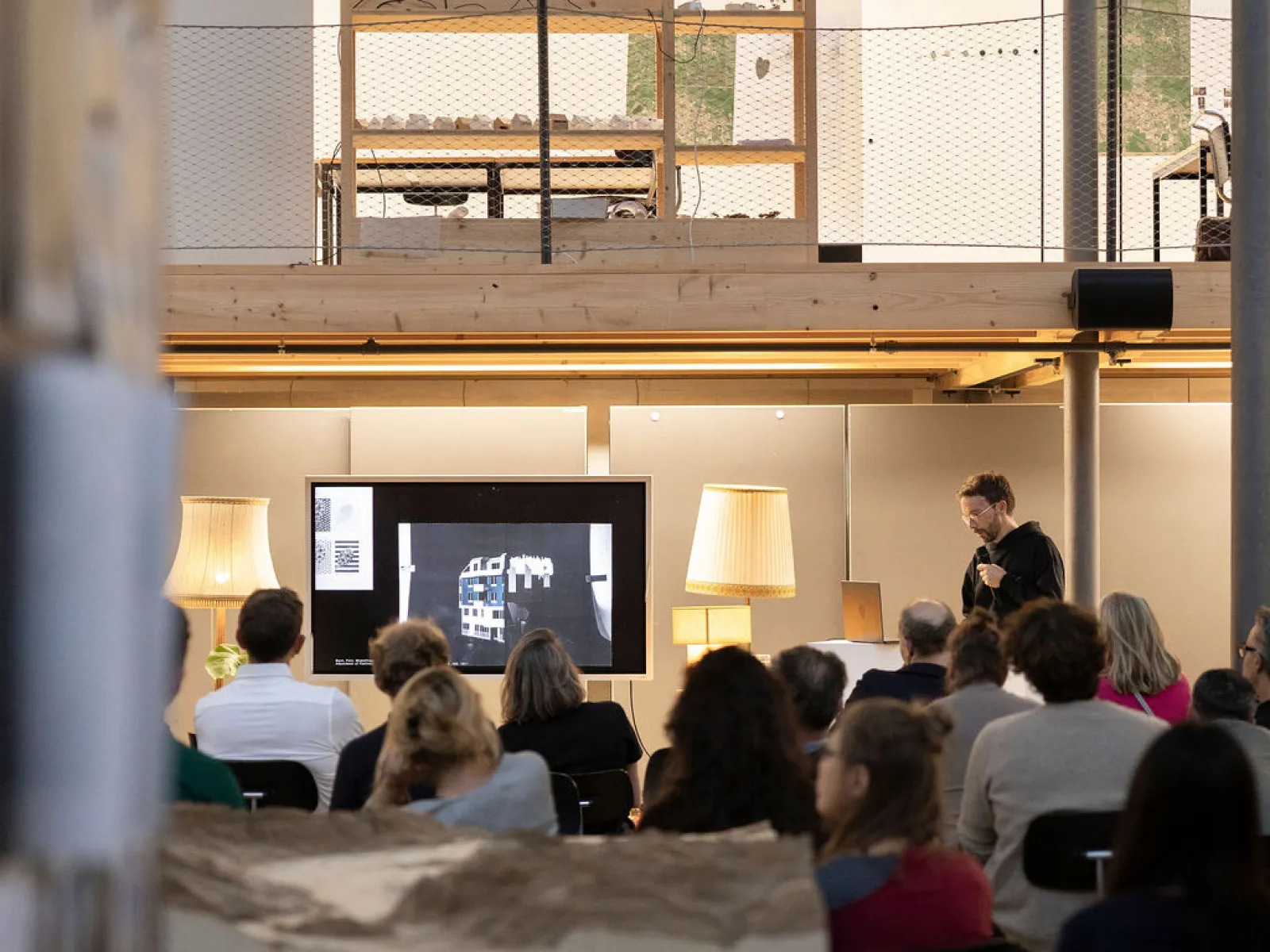
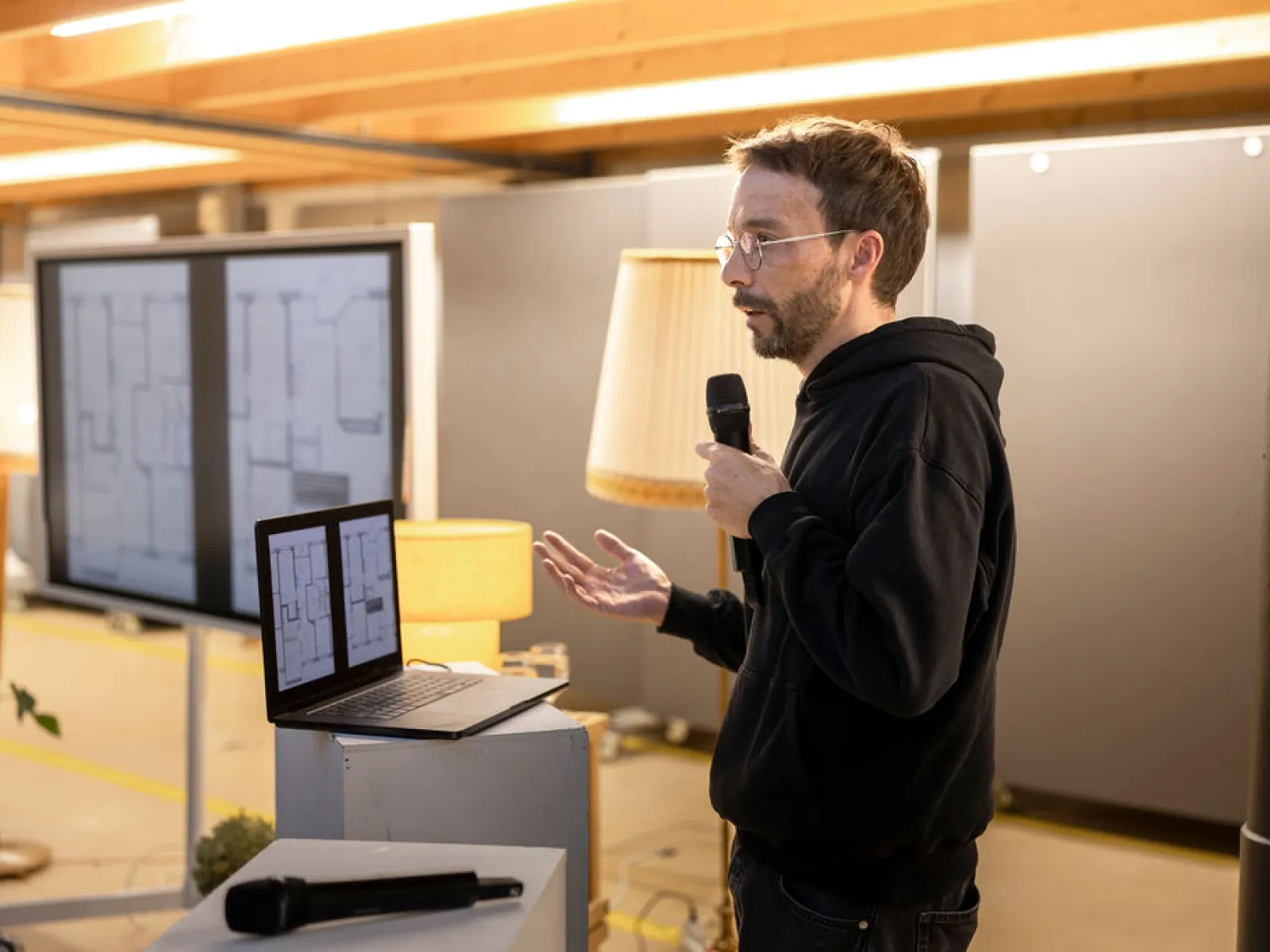
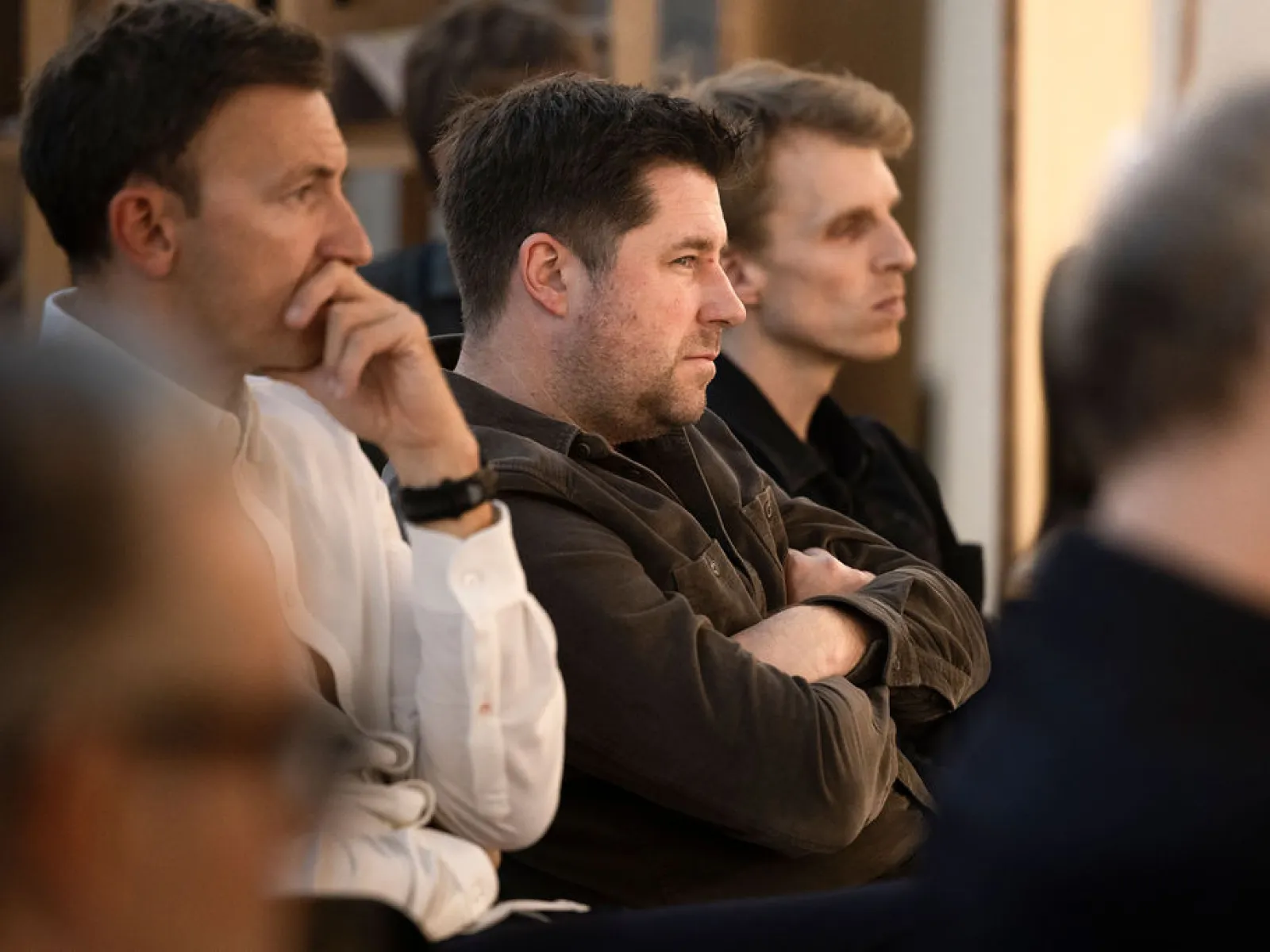
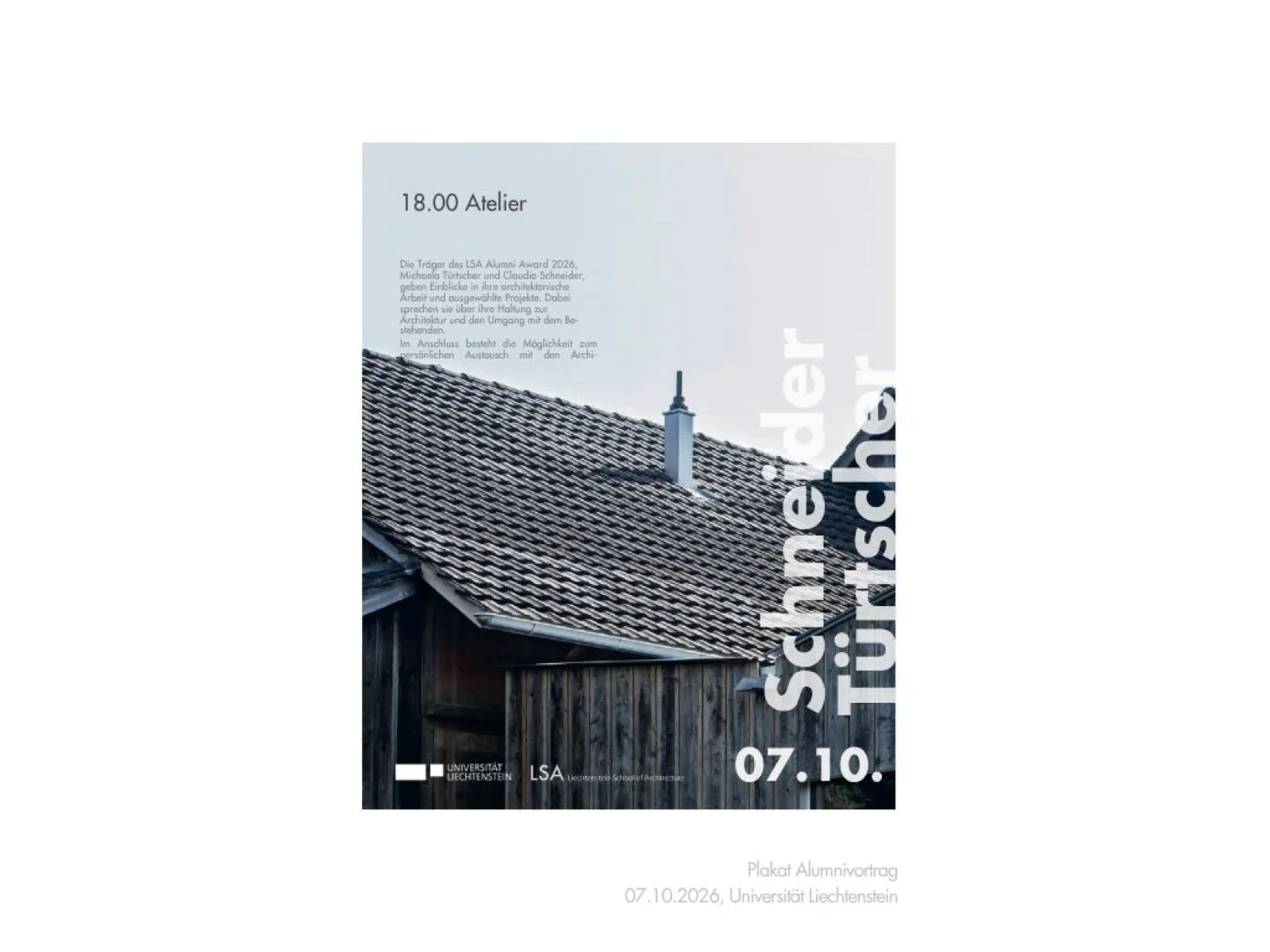
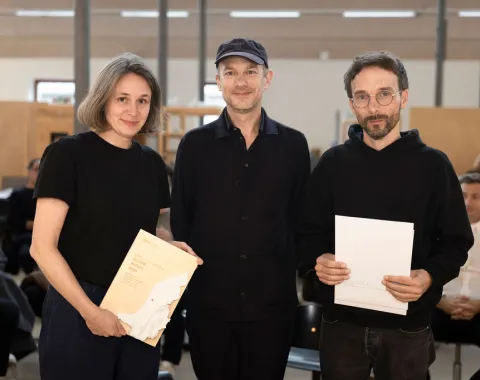
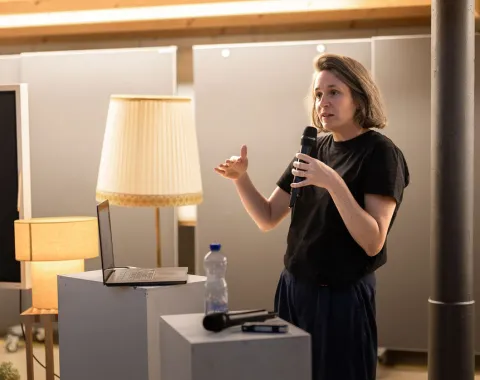
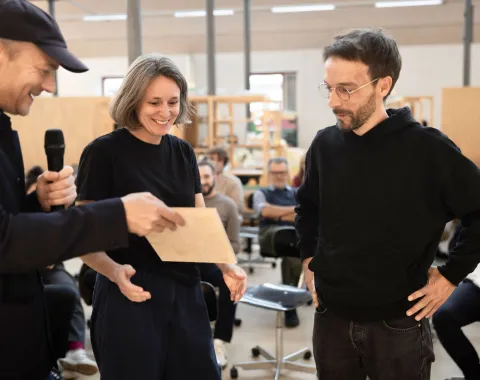
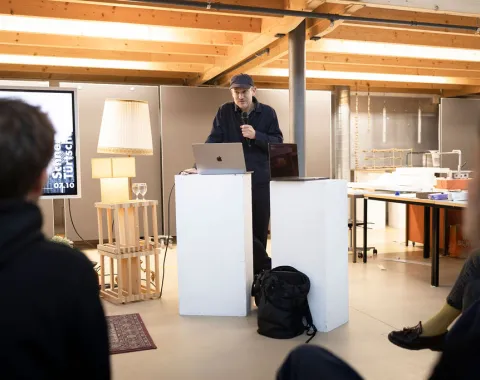
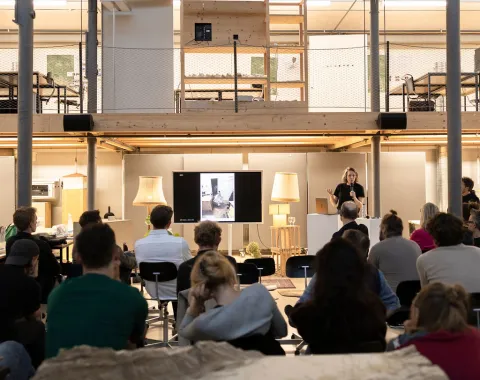
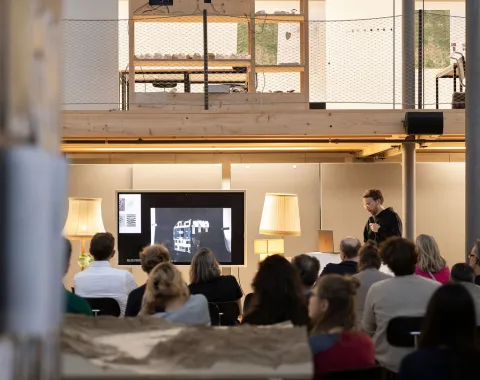
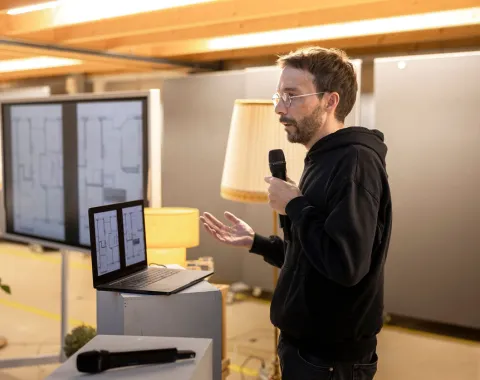
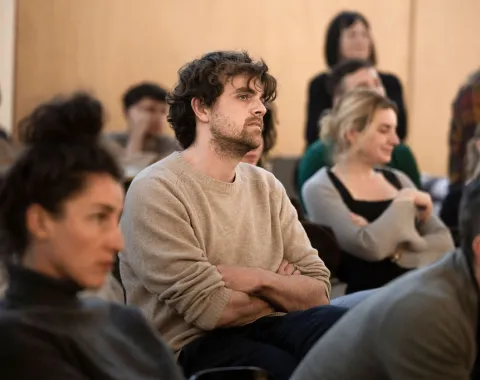
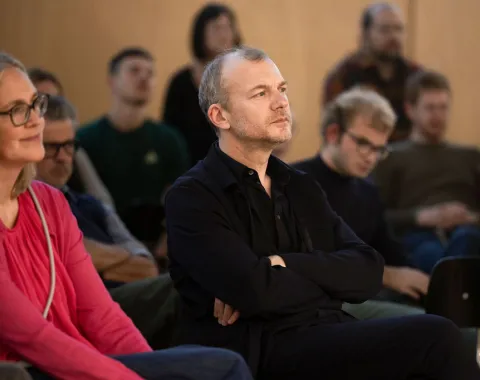
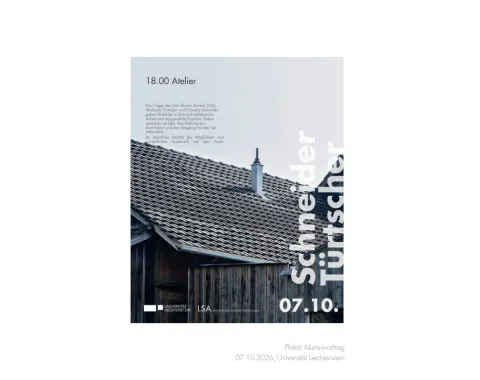
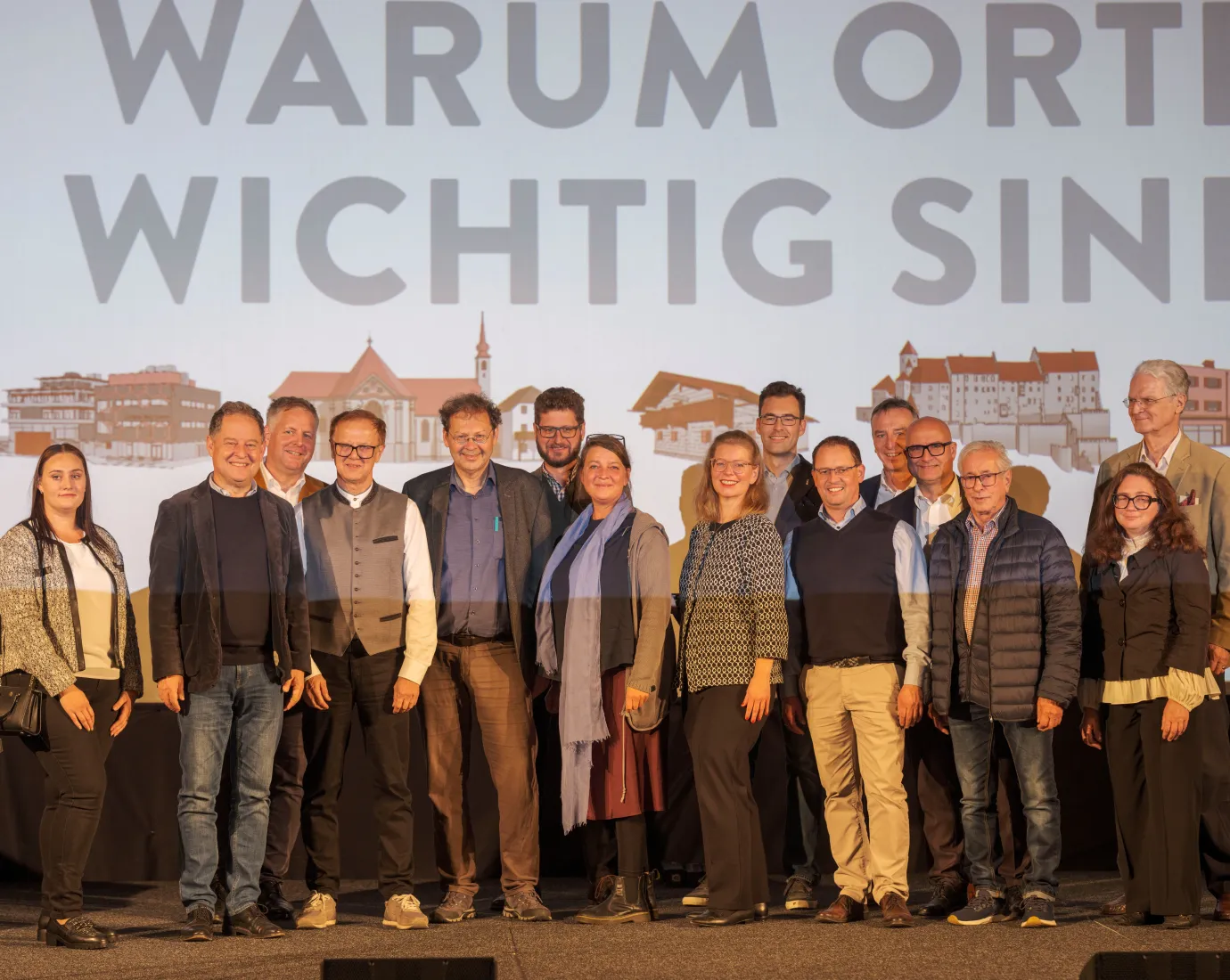
On 7 October 2026, Michaela Türtscher and Claudio Schneider returned to their former university. During their alumni lecture, they spoke about their professional journey and the work of their Zurich-based architecture practice. Following the lecture, they were presented with the LSA Alumni Award 2026 in person. A small surprise came in the form of CDs containing their student projects, which had been preserved in the university archives.