Architecture students develop temporary shelters
Architecture students develop temporary shelters
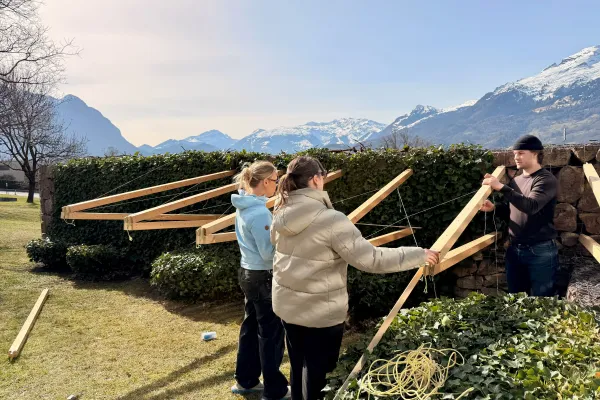
As part of the Erasmus+ project SocioEcoHoods , 48 students and 5 instructors from the Liechtenstein School of Architecture worked together with the Bergen School of Architecture on questions of housing and housing insecurity, including in affluent contexts. In a one-week workshop, they collaborated in international teams at the intersection of design, construction and social issues.
Design and implementation
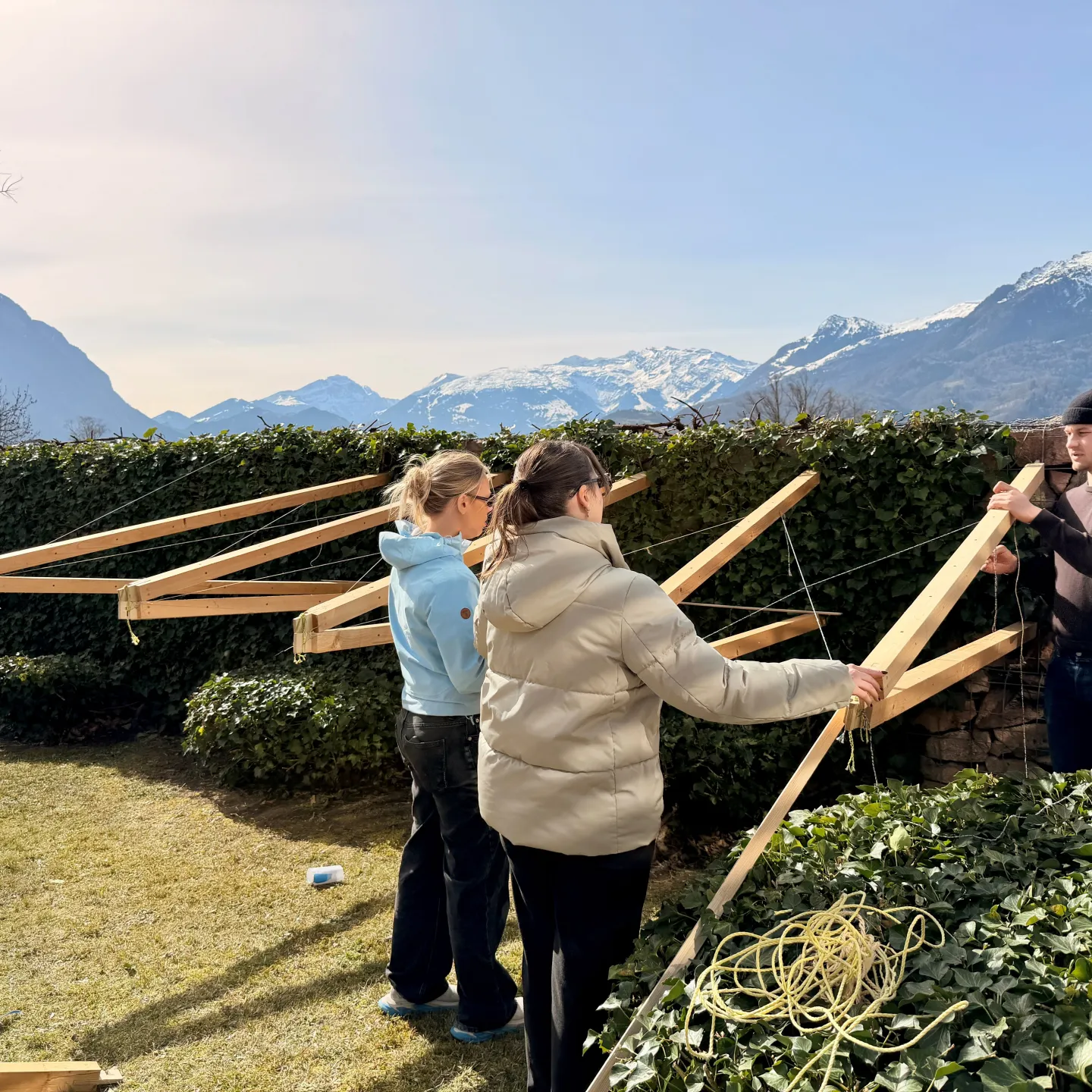
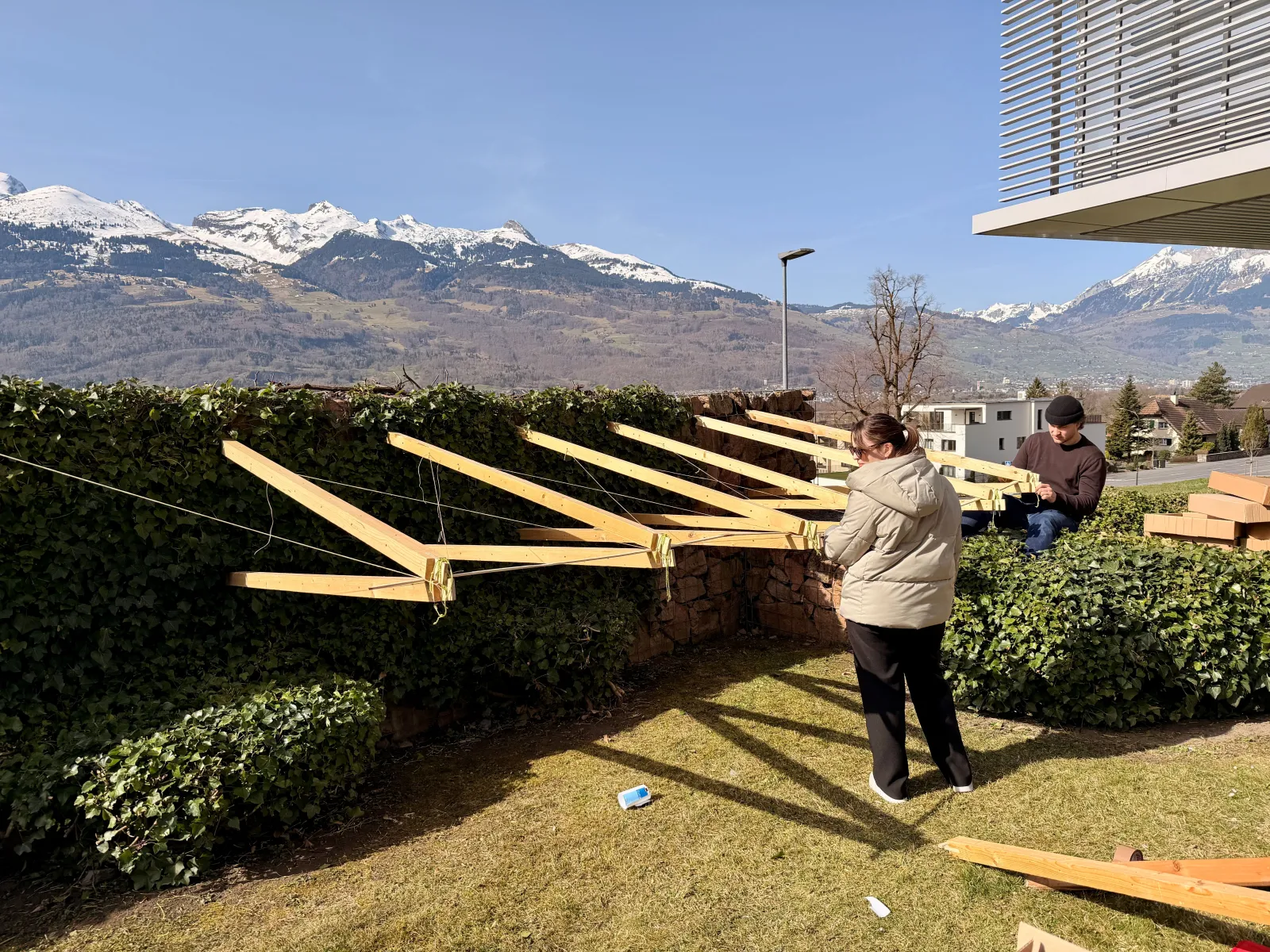
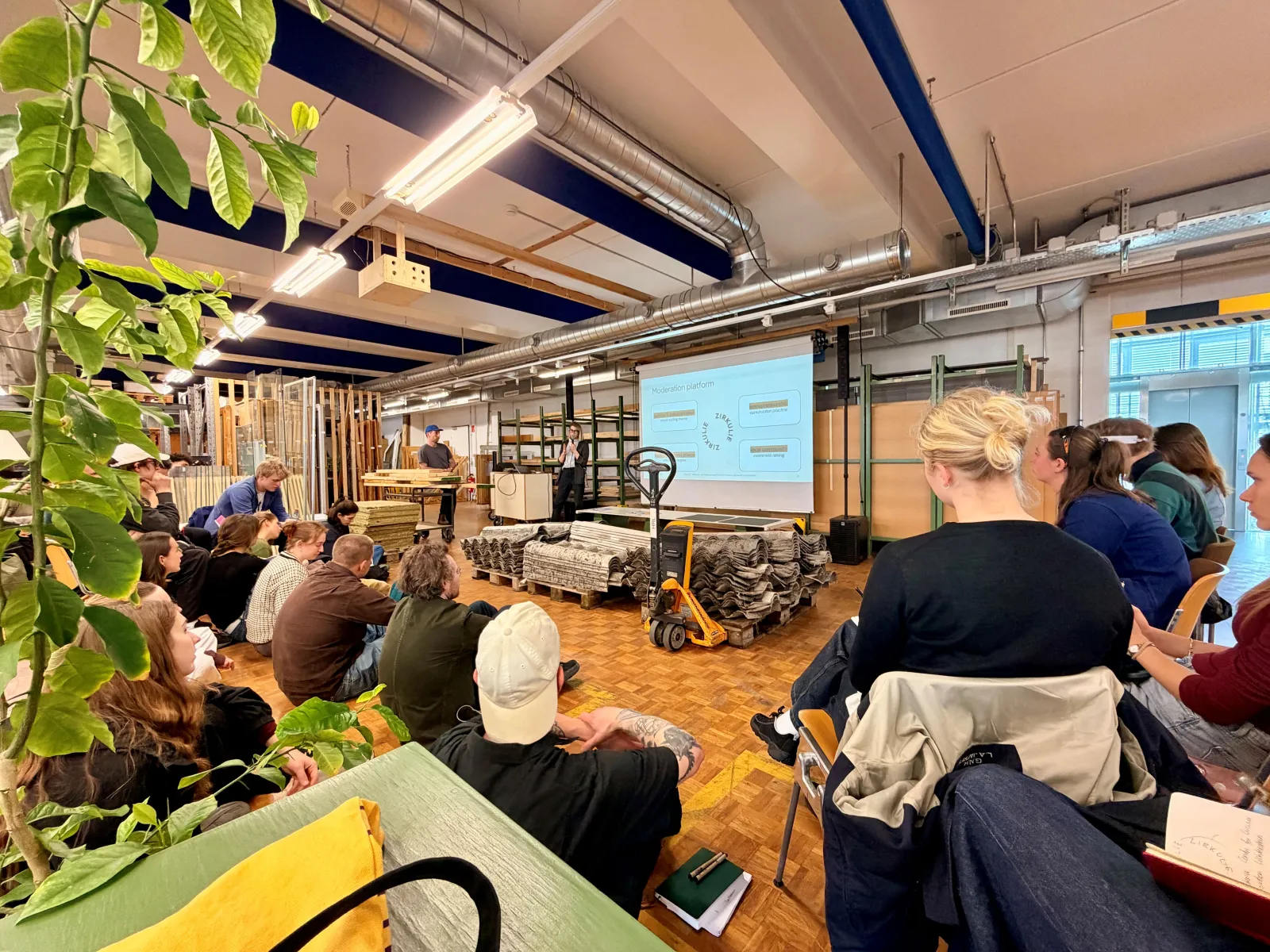
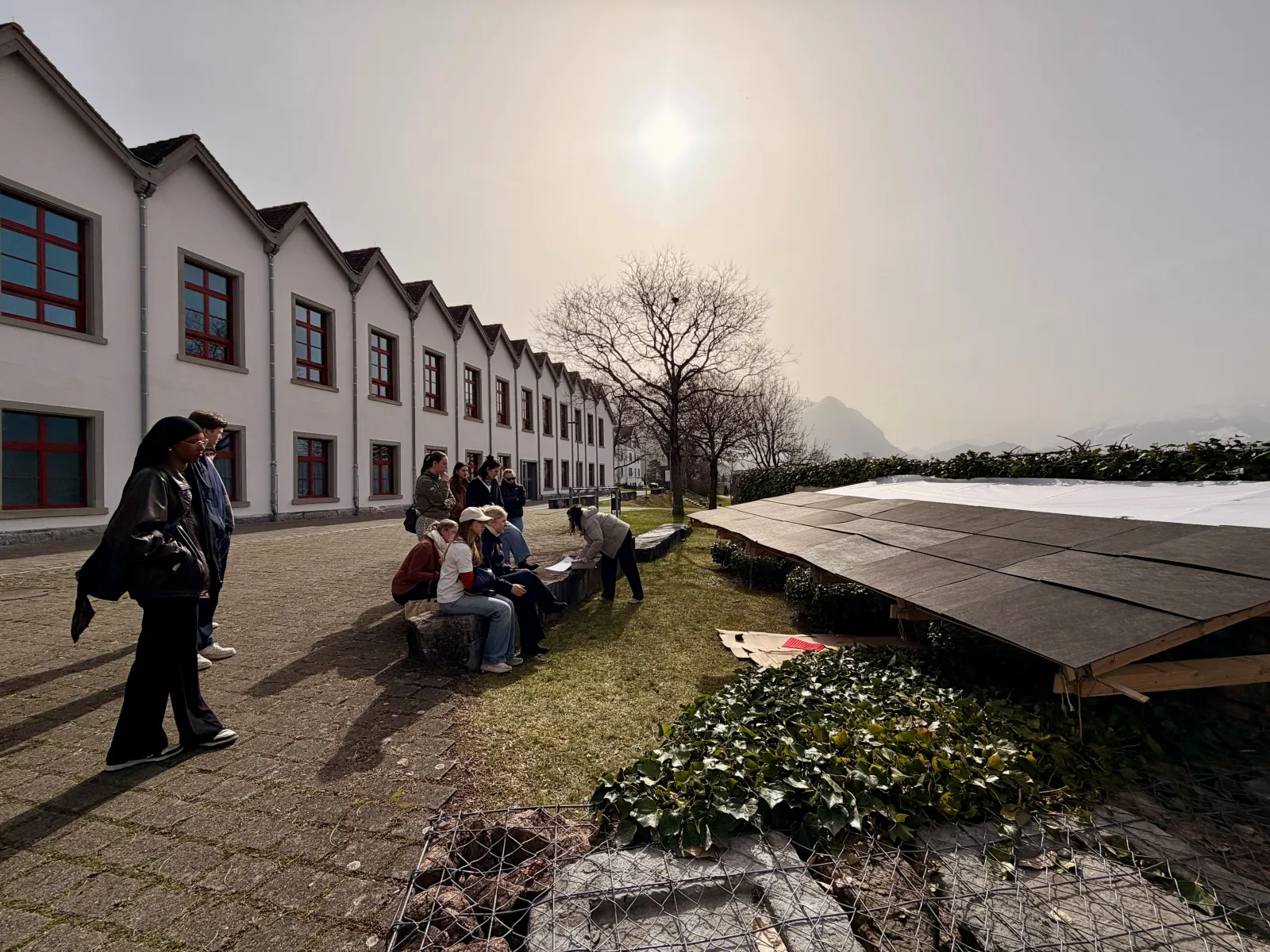
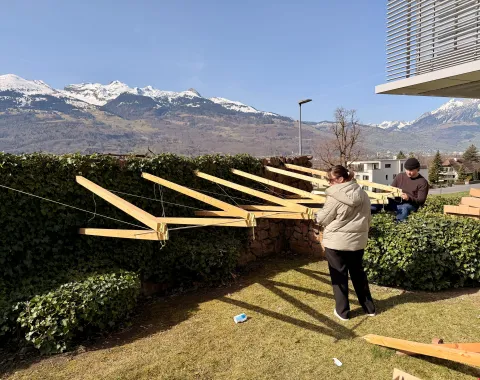
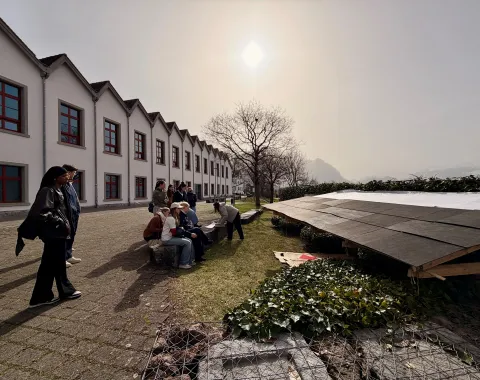
The aim was to examine architectural, social and material aspects of housing. Working in international teams, the students developed experimental, temporary and demountable shelter structures in the vicinity of the university. The structures were realised at a 1:1 scale and used by the students themselves. They were required to provide protection from the weather, be stable and self-supporting, and be constructed as far as possible from reusable materials, some of which were sourced from the ZirkuLIE building component depot in Triesen.
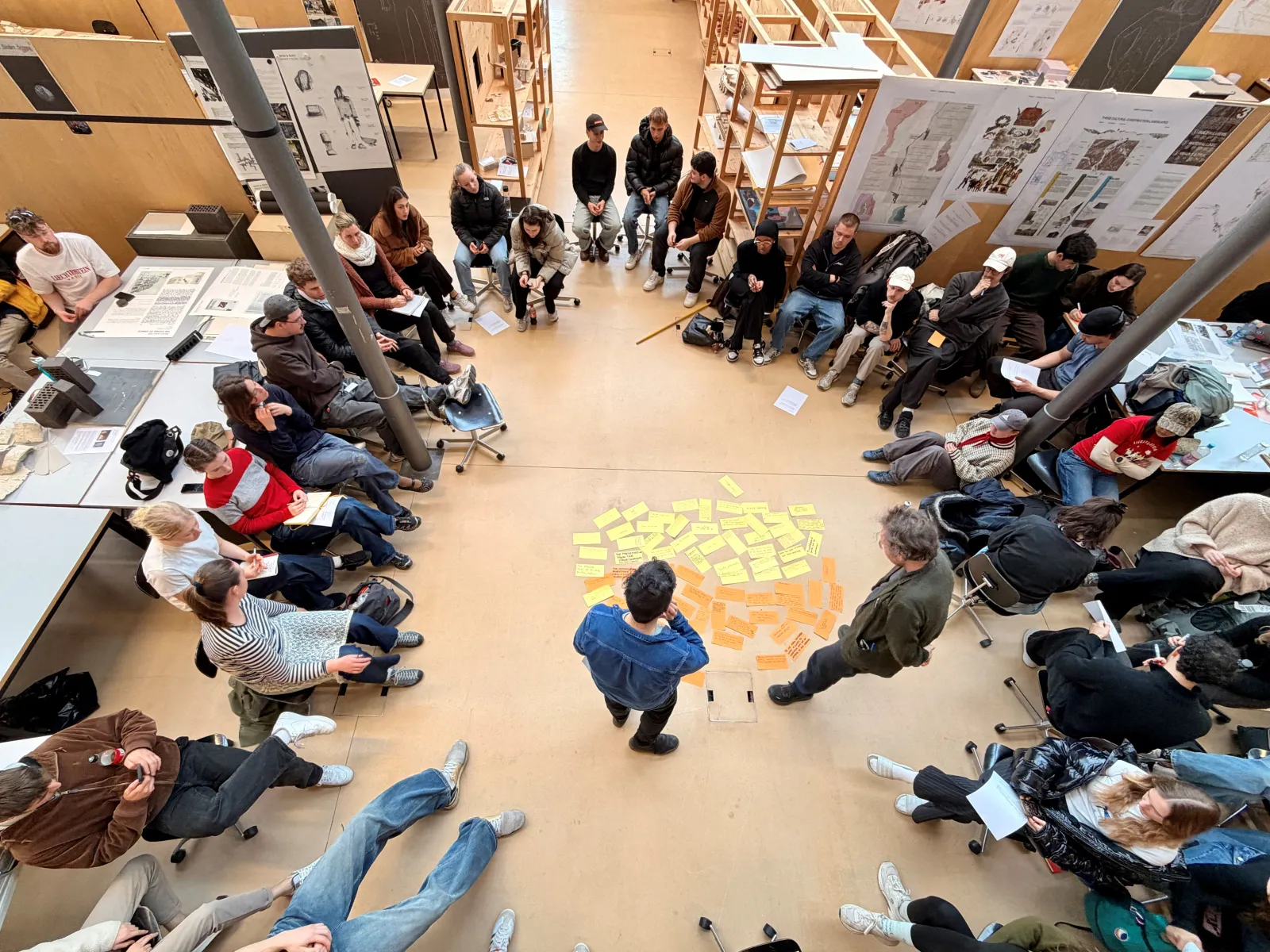
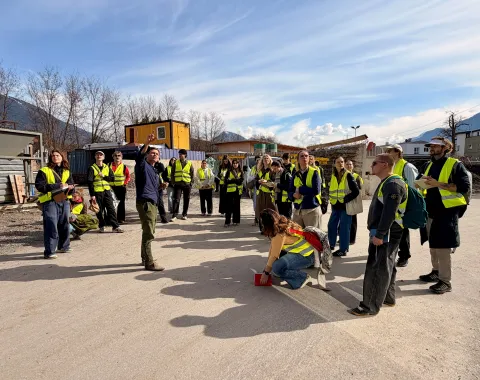
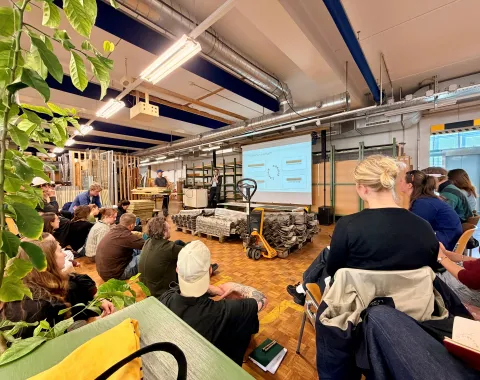
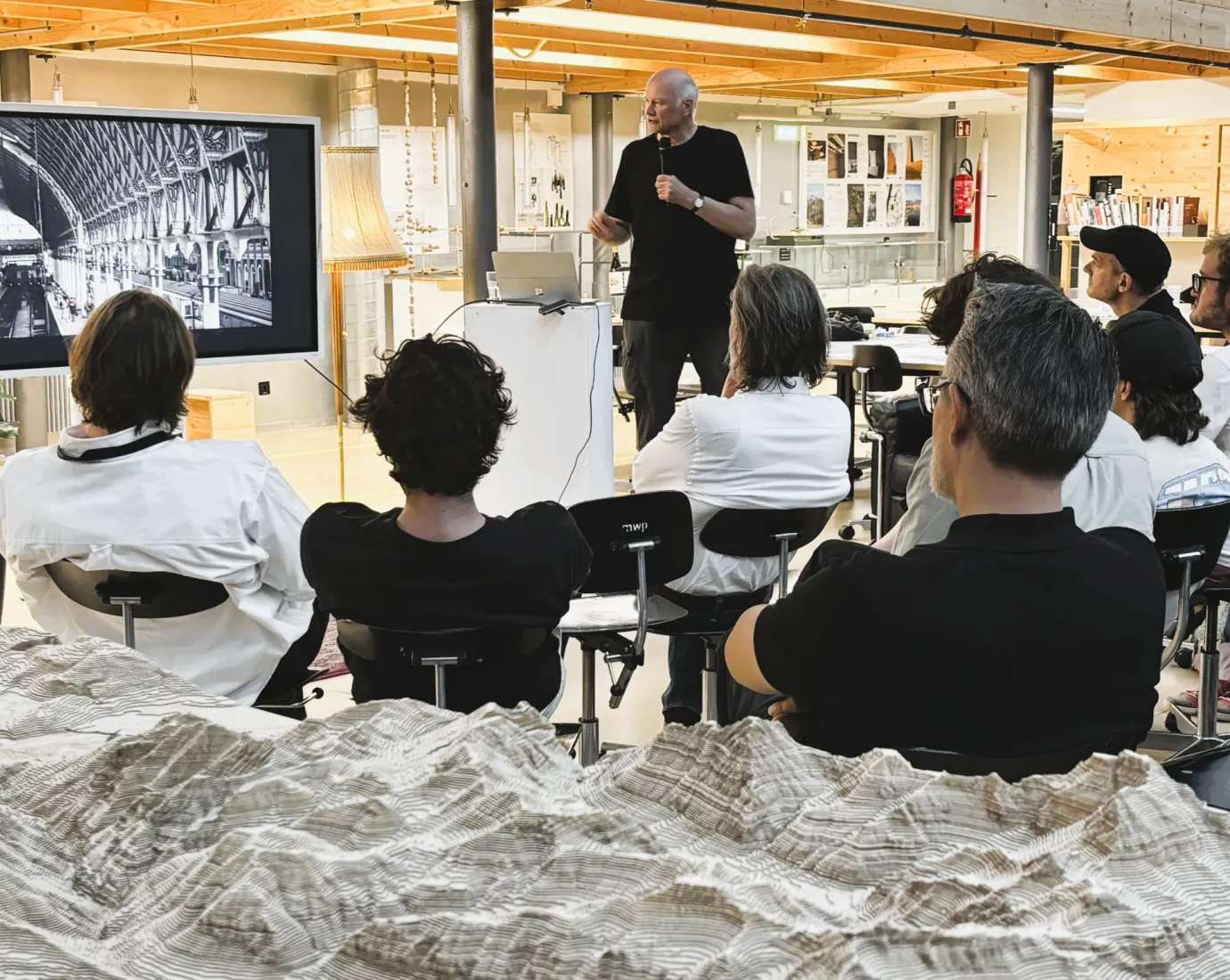
The starting point was a series of inputs from experts in practice and social work. Contributions from Streetwork Liechtenstein, social activist Janita Juvonen and the project “Dach überm Kopf” from Linz provided insights into the living realities of homeless people, issues of social reintegration, and the role of design in the context of precarious housing situations.
Perspectives and reflection
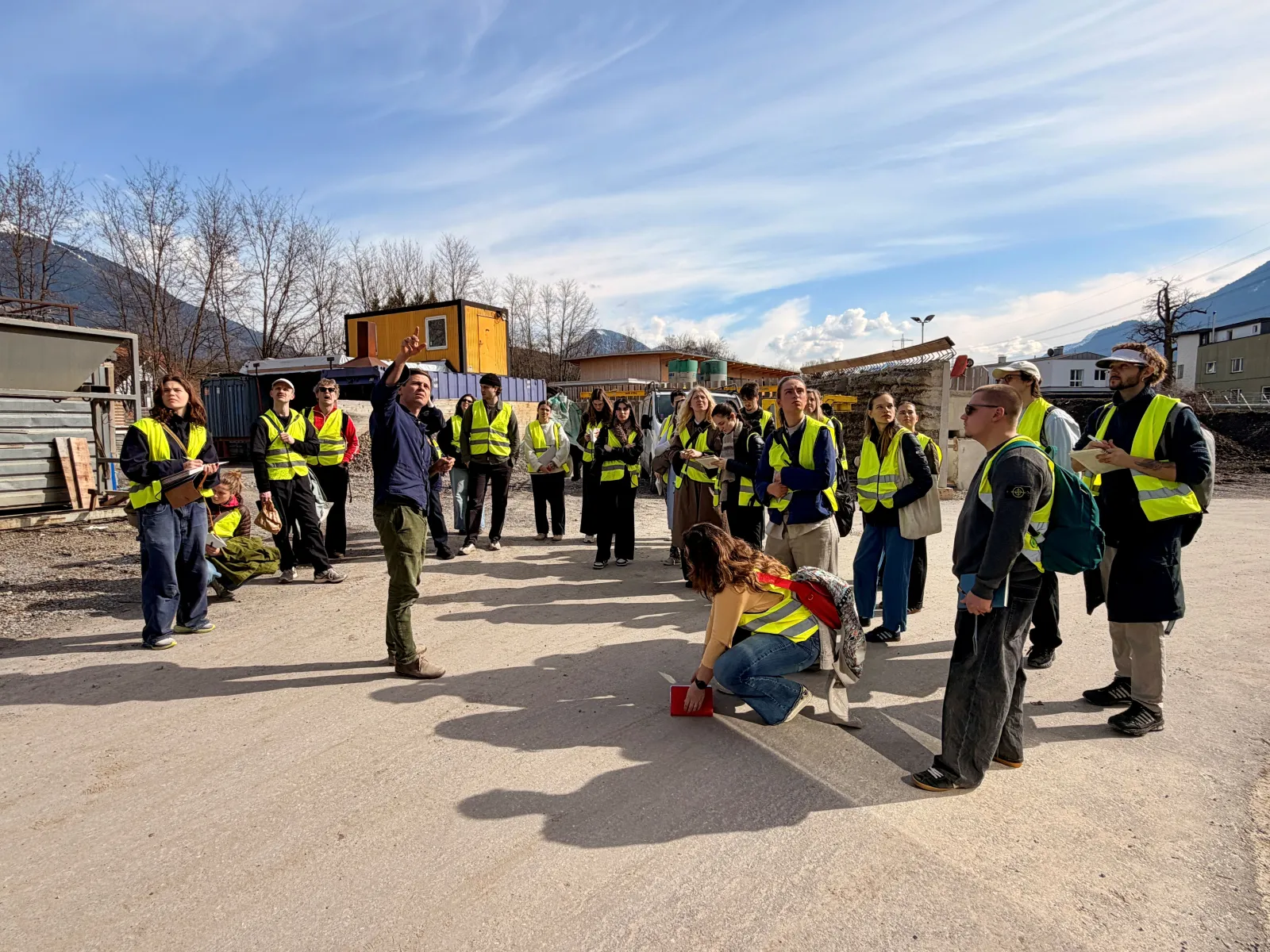
The programme was complemented by excursions to institutions and projects in the field of social infrastructure and sustainable construction. Visits included the Caritas emergency shelter in Feldkirch, the company Lehm Ton Erde in Schlins, and circular economy initiatives in Liechtenstein, including ZirkuLIE in Triesen and the Lebenswertes Liechtenstein Foundation.
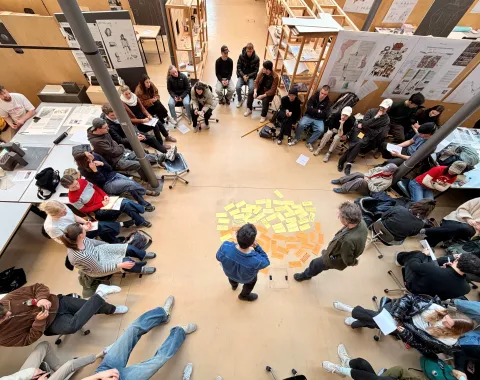
Based on these impressions, the students engaged with fundamental questions: What does “home” mean? Which factors influence the choice of a place to sleep? And how can architecture contribute to safety and social participation? Building on this, they examined their own physical and spatial requirements as a basis for their designs.
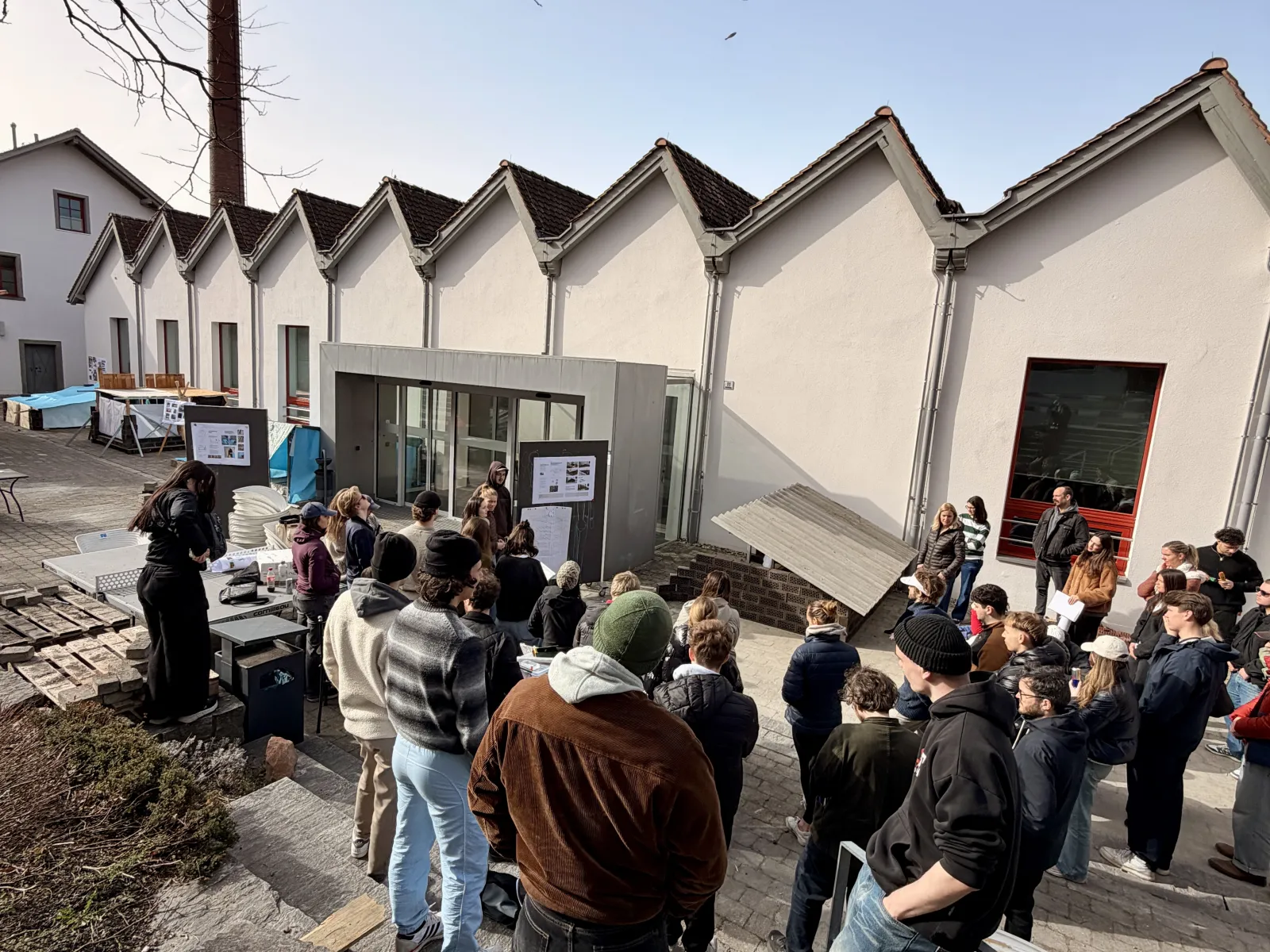
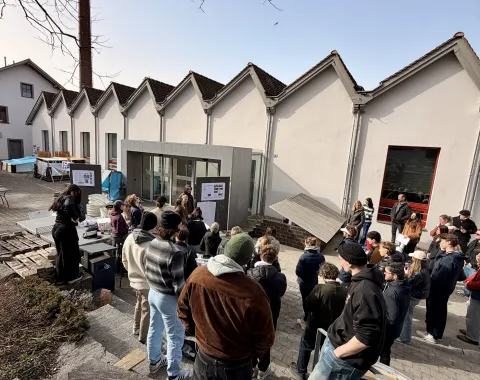
Following a shared overnight stay in the constructed shelters, the students presented their projects and experiences. The temporary structures were subsequently fully dismantled.
Workshop brief «Gimme Shelter»
Supervisors: Cornelia Faisst , Johannes Herburger, Dominic Spalt