Precarious Housing, even in Liechtenstein? Findings from two international workshops at the University of Liechtenstein
Precarious Housing, even in Liechtenstein? Findings from two international workshops at the University of Liechtenstein
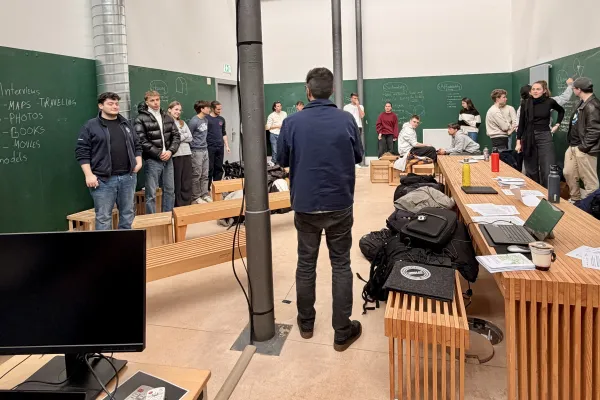
Students Analyse Housing Conditions in Vaduz
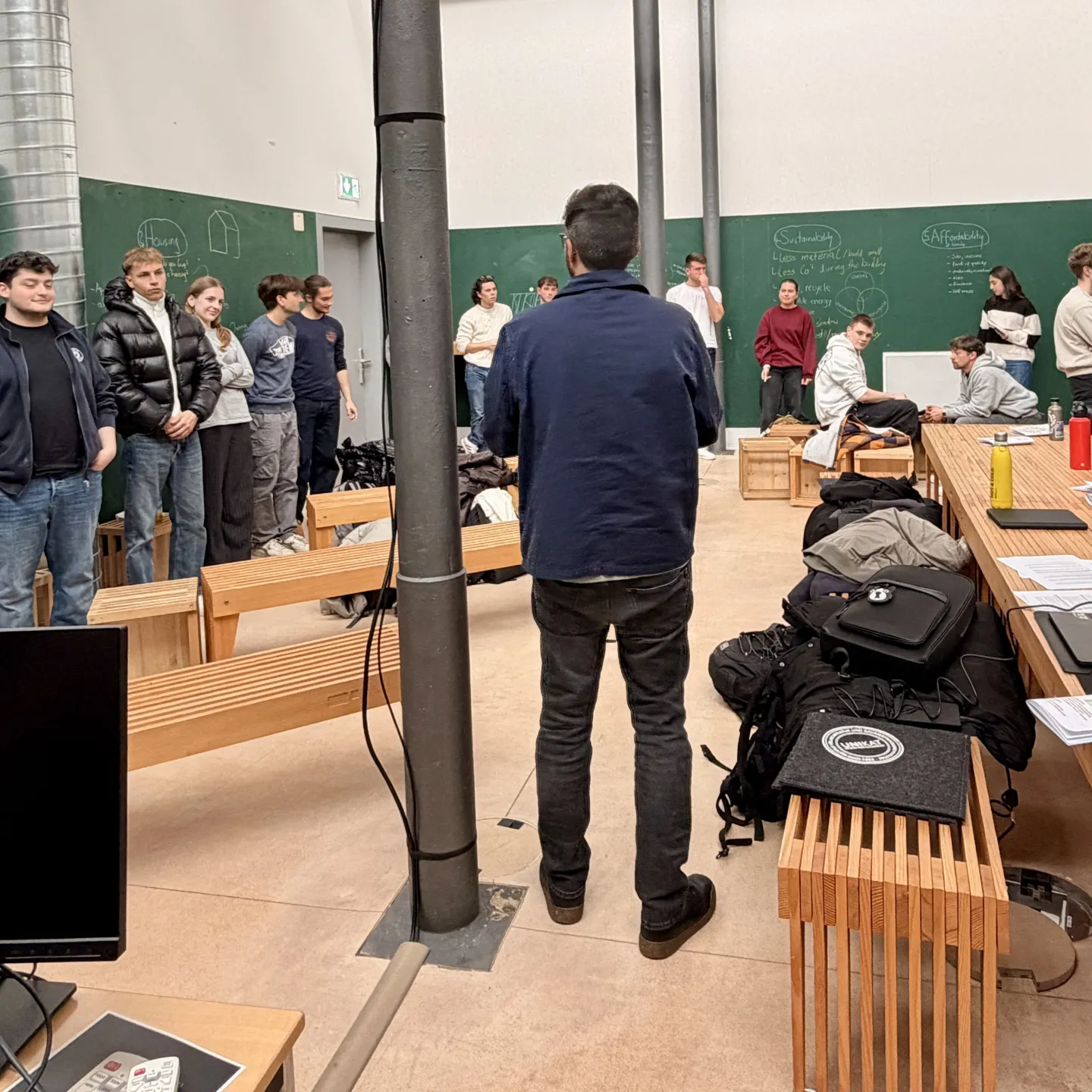
As part of the Erasmus+ project SocioEcoHoods, students from the University of Liechtenstein worked alongside students from the Bergen School of Architecture and the University of Genoa in two international workshops examining housing conditions in the area surrounding the University of Liechtenstein. The workshops focused on affordable housing, housing insecurity and potential strategies for future development.
Housing Conditions in Focus
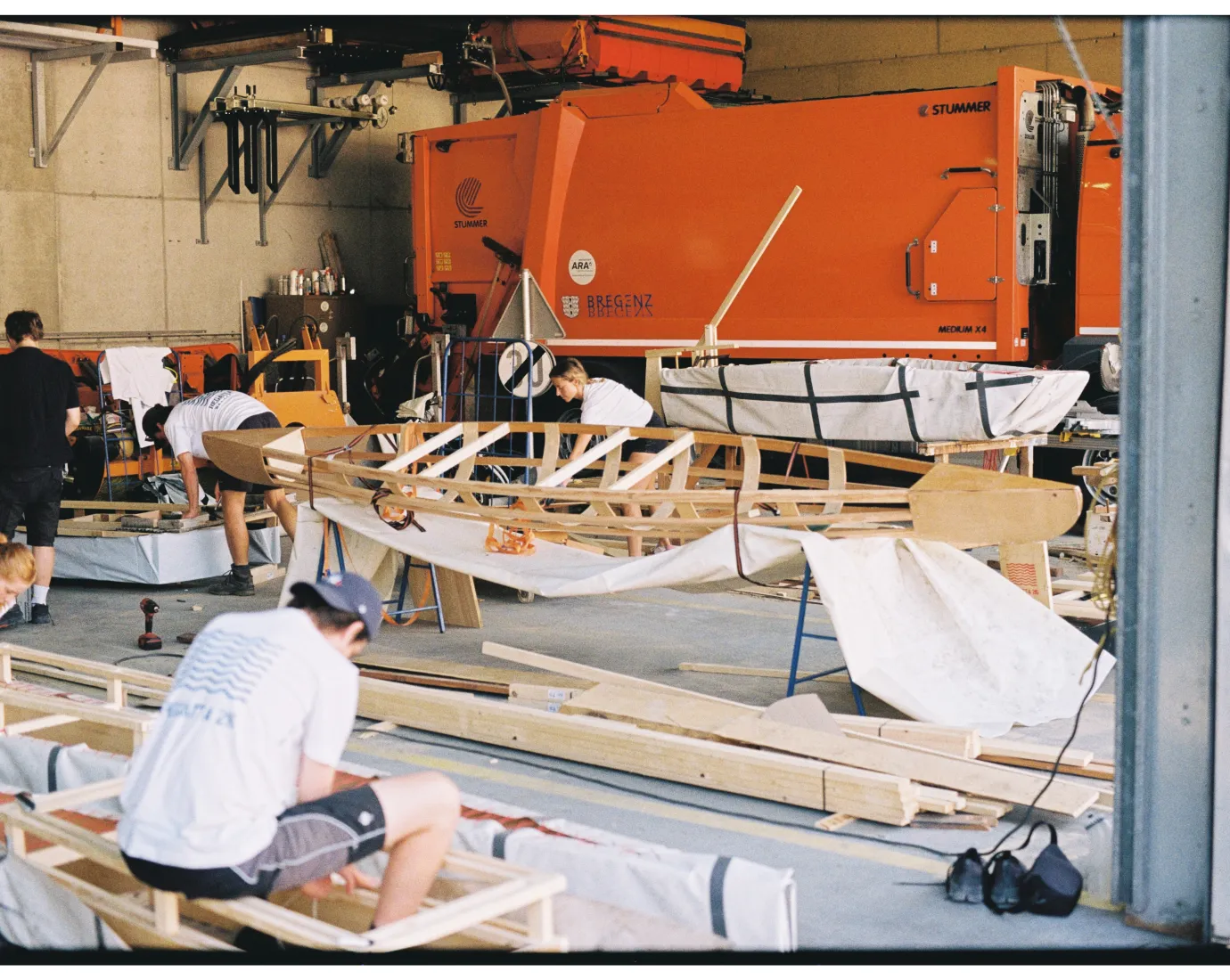
Working in international teams, the students applied analytical, cartographic and participatory methods to investigate the neighbourhoods of Ebenholz and Mühleholz. They developed their own approaches to identify and visualise existing spatial structures, patterns of use and future potential. Their analyses considered both physical and infrastructural conditions as well as social aspects and the needs of local residents. During the workshop with the Bergen School of Architecture, the students also designed and built prototype emergency shelters and spent one night in them.
International Perspectives as a Foundation
An important starting point for the workshops was the analysis of affordable housing projects from around the world. The students explored a range of housing models, from cooperative forms of living to self built structures, gaining insights into different approaches to providing affordable housing.
Practice Based Insights
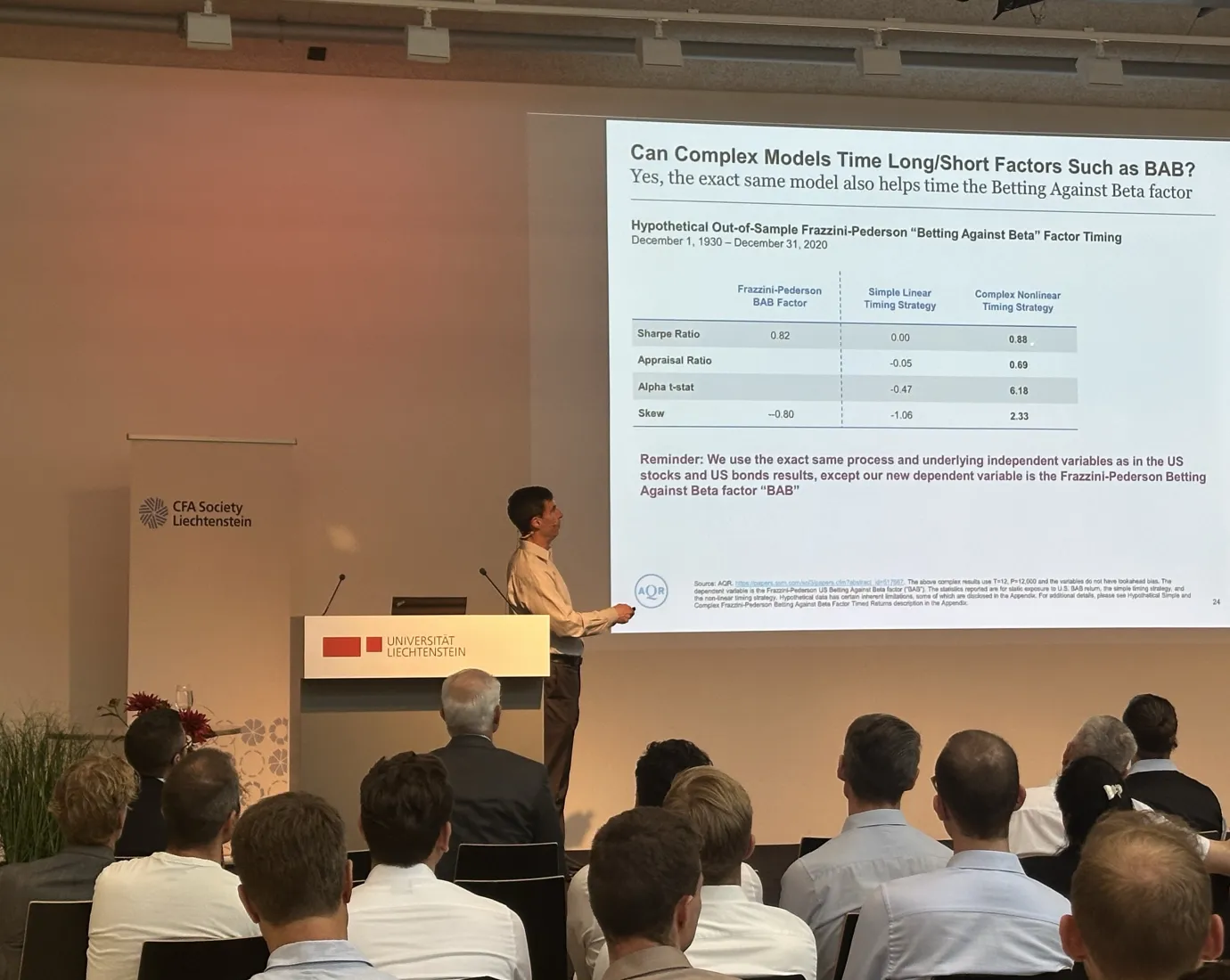
The workshops were complemented by presentations from practitioners and study visits to projects and organisations across the region. Streetwork Liechtenstein provided an overview of the current situation of people experiencing housing insecurity in Liechtenstein. The participants also visited the Kaplan Bonetti Social Centre in Dornbirn, the Caritas emergency shelter in Feldkirch, the company Lehm Ton Erde in Schlins and the ZirkuLIE building component exchange in Triesen. These visits offered valuable insights into social work, sustainable construction and circular economy practices.
Engaging with the Local Community
A central element of the workshops was direct engagement with local residents. Through conversations in public spaces and a participatory workshop, members of the community shared their perspectives and contributed important insights that informed the students' analyses.
Learn more about the Housing and Society Unit
Learn more about the Liechtenstein School of Architecture