Australia-> Liechtenstein
Australia-> Liechtenstein
Finding Belonging in Liechtenstein
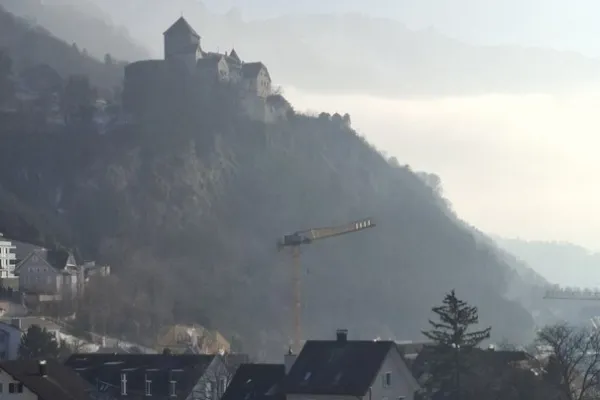
During my stay in Liechtenstein, there hasn’t been one singular thing that stood out as particularly unfamiliar to me. The truth is, everything was equally unfamiliar compared to my lifestyle back in Australia. It wasn’t a case of culture shock over one dramatic difference, but rather a collection of subtle contrasts that, when combined, created the sense of unfamiliarity that I felt.
The most immediate difference was the population size. Liechtenstein is home to around 40,000 people, which feels incredibly small when compared to my hometown of Adelaide, which boasts nearly 2 million residents. This contrast created a peculiar feeling – almost like living in a small town where everything and everyone is closely connected. In Adelaide, you can disappear into the crowd; anonymity is effortless.
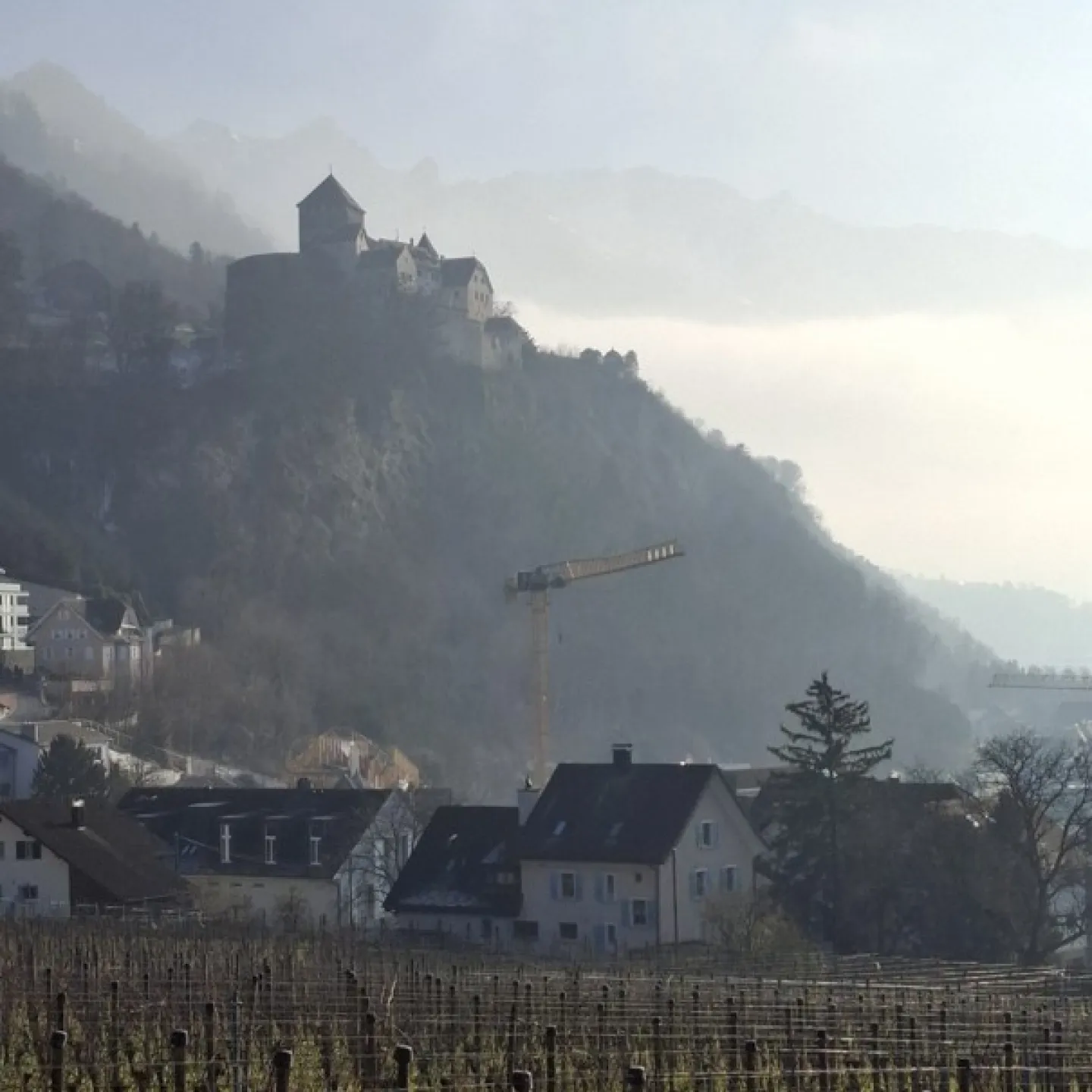
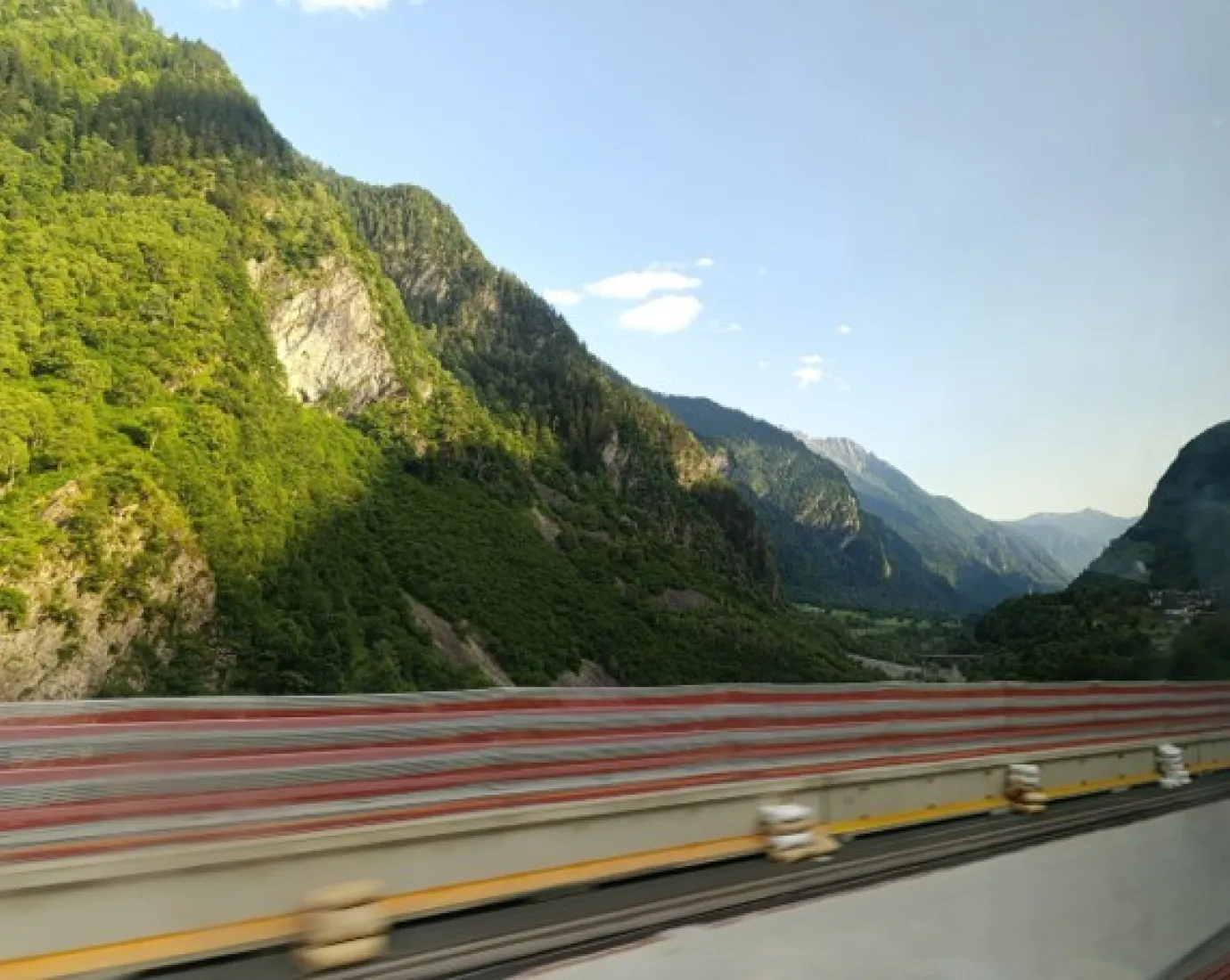
Then there’s the geography. Liechtenstein is a landlocked country, nestled between Switzerland and Austria, cradled by the towering Alps. Its landscape is defined by rugged mountains, winding rivers and charming alpine villages. In contrast, Australia is vast, flat and expansive, with natural barriers formed not by mountains but by the oceans that surround us. Back home, the horizon stretches endlessly, often uninterrupted by anything taller than a gum tree.
Cultural traditions in Liechtenstein run deep, woven into the fabric of everyday life. This small principality carries centuries of history, with customs and rituals that have been passed down through generations. Australia, on the other hand, is a relatively young nation with a vibrant mix of cultures and influences, shaped by waves of immigration and Indigenous heritage. While Australia’s diversity brings a dynamic, ever-evolving cultural scene, Liechtenstein offers a sense of continuity and preservation, where tradition is not just remembered but actively lived.
The climate was another stark contrast. Liechtenstein experiences cold, snowy winters and warm, pleasant summers. Coming from Australia, where winters are mild and summers can be scorching, with dry, relentless heat, the experience of true winter – snow-covered streets, frosty mornings and the need for actual thermal layers – was a novelty. Adding to the disorientation was the fact that the seasons were reversed. While my friends back home were lounging on beaches in December, I was stuck inside watching the snow fall outside.
Social interactions also felt different. Liechtenstein exudes a certain formality in both lifestyle and communication. Greetings are polite and structured, and there’s a noticeable emphasis on respect and decorum. In Australia, the social vibe is laid-back, casual and filled with humour.
Religion’s influence was another adjustment. In Liechtenstein, Sundays are sacred – literally. Almost everything is closed, a day reserved for rest, family and reflection. In Australia, Sundays are often just another day for errands, brunches or shopping sprees. The minor influence of religion back home meant that life rarely paused, but here, the weekly rhythm slows down, forcing you to breathe, reflect and embrace a quieter pace.
And, of course, the language barrier was impossible to ignore. The German dialects spoken in Liechtenstein were entirely different from the Australian English I was used to. While I had some basic knowledge of German, the regional variations, local slang and fast-paced conversations often left me feeling lost. Simple tasks like ordering food or asking for directions became small challenges that highlighted my outsider status.
But as time went on, something unexpected happened. The feeling of being an outsider slowly began to fade. It wasn’t a sudden shift, but a gradual transformation that crept in quietly.
After two months, when I finally decided it was time for a haircut, I booked an appointment at Pako’s Barbershop in Schaan. Worried that my German wasn’t good enough to explain how I wanted my hair cut, I rehearsed a few phrases in my head. To my surprise, the barber spoke perfect English. He was Italian, from Milan, and we chatted easily about life in Liechtenstein. That encounter was a turning point. It made me realise that Liechtenstein isn’t just home to locals – it’s a mosaic of people from all over Europe and beyond, more like Australia than I first thought.
As the semester progressed, I met more people with diverse backgrounds – students, shop owners, café workers – all with unique stories of how they found their way to this tiny country. I began to understand that I wasn’t just a foreigner here. I was part of the rich cultural fabric that makes Liechtenstein more than just its borders and traditions.
In the end, it wasn’t one thing that defined my experience. It was the accumulation of contrasts, adjustments and connections that slowly transformed unfamiliarity into familiarity and belonging.