Skip to Main Content

Pioneering Sustainable Development: University of Liechtenstein’s Transformative Journey to South Africa
Pioneering Sustainable Development: University of Liechtenstein’s Transformative Journey to South Africa

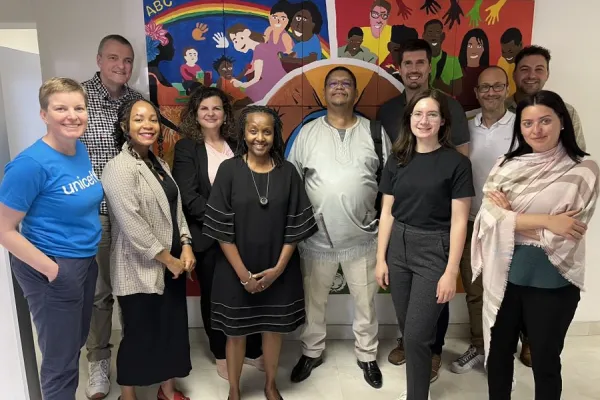
Eine Gruppe von Menschen steht lächelnd vor einem bunten Wandgemälde. Sie sind Teil einer Delegation der Universität Liechtenstein und Partnerorganisationen, die an einer Expedition nach Südafrika teilnehmen, um nachhaltige Finanzlösungen zu entwickeln.

Last week, a team of the Youth Green Finance Initiative, including Assoc. Prof. Martin Angerer and Jennifer Schein from the University of Liechtenstein, members from the Liechtenstein Banker Association and from UNICEF Switzerland and Liechtenstein joined forces on a landmark expedition to South Africa.


This visit was part of a collaborative effort to address social and ecological challenges through innovative blended finance solutions. Their journey, spanning several cities including Johannesburg, Pretoria, Pietermaritzburg, and Cape Town, aimed to deepen understanding of local conditions and foster a network that supports impactful sustainability projects.


The delegation's mission was clear: to gain firsthand experience of the on-the-ground realities and to integrate this knowledge into developing a pioneering blended finance model tailored for ecological and social impact. Their week was filled with insightful engagements, including meetings with key partners like UNICEF South Africa and interactions with influential community-based organizations such as R-labs. 


Key Highlights and Insights


The journey commenced in Pretoria with an introduction by UNICEF, outlining the vast landscape of social and ecological challenges facing South Africa. In Johannesburg, discussions revolved around the need for innovative solutions that respect the unique political and social contexts of the regions visited.


Pietermaritzburg offered a closer look at water-related initiatives with visits to DUCT and GroundTruth, organizations at the forefront of addressing local ecological issues. The engagement in Cape Town with Rlabs particularly stood out, showcasing the vibrant spirit of community support and innovation.


Throughout the trip, the representatives of the University of Liechtenstein were instrumental in fostering dialogues and bridging connections between European finance models and African ecological initiatives. Their efforts were pivotal in shaping the project’s approach to developing scalable and sustainable finance solutions. 


Looking Forward


Building on the rich insights and partnerships forged during this trip, the next steps include refining the blended finance models and further engaging with the local communities and youth. The University of Liechtenstein remains committed to supporting sustainable development through education, innovation, and international cooperation.


Acknowledgments


We extend our deepest gratitude to UNICEF Switzerland and Liechtenstein for orchestrating this impactful journey, and to our hosts at UNICEF South Africa, who provided invaluable insights and hospitality. Special thanks to the local organizations and community leaders who shared their time and expertise, making this journey a profound learning experience for all involved.
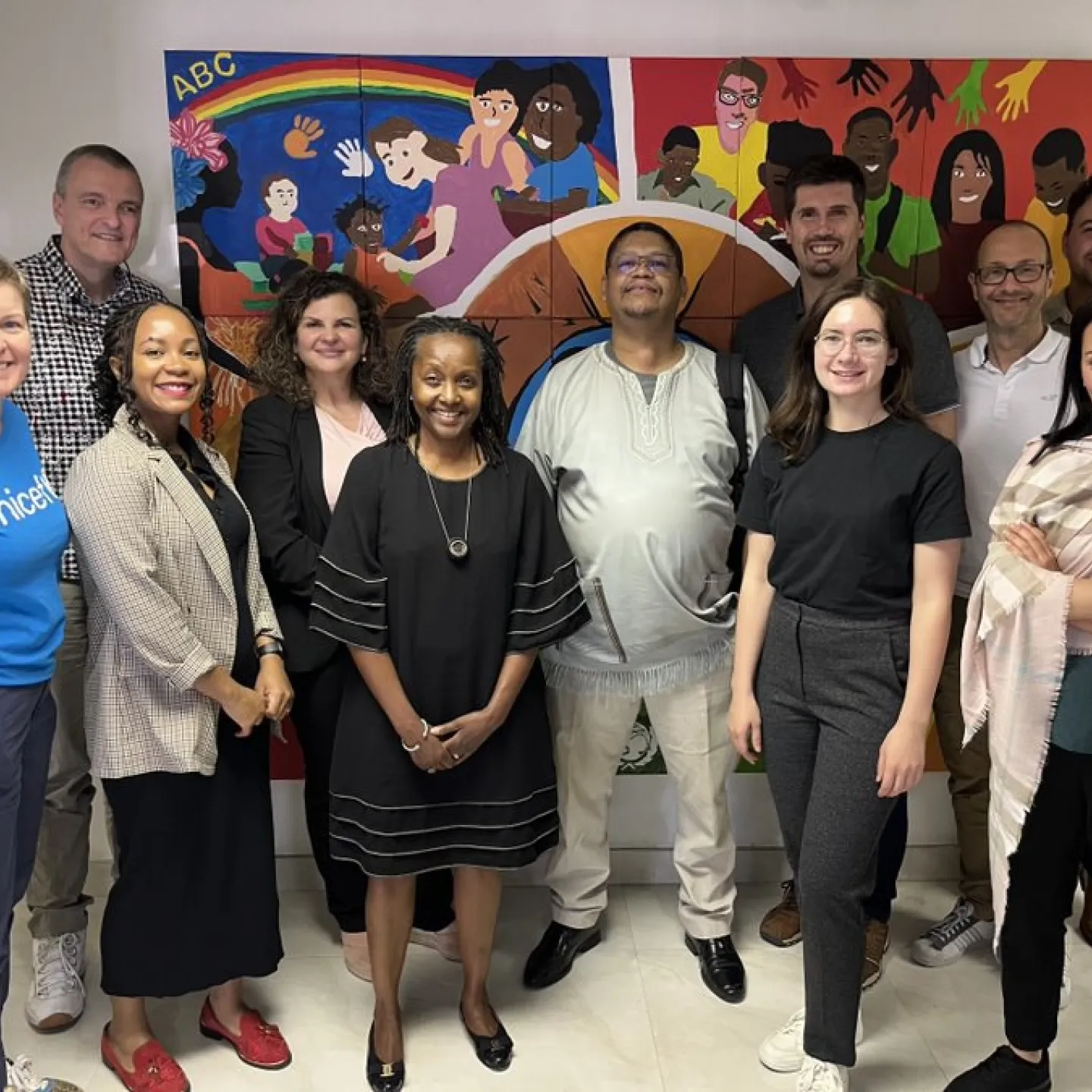
 

Eine Gruppe von Menschen steht lächelnd vor einem bunten Wandgemälde. Sie sind Teil einer Delegation der Universität Liechtenstein und Partnerorganisationen, die an einer Expedition nach Südafrika teilnehmen, um nachhaltige Finanzlösungen zu entwickeln.

First Architecture PhD Spring Workshop by UniLI and USI

First Architecture PhD Spring Workshop by UniLI and USI

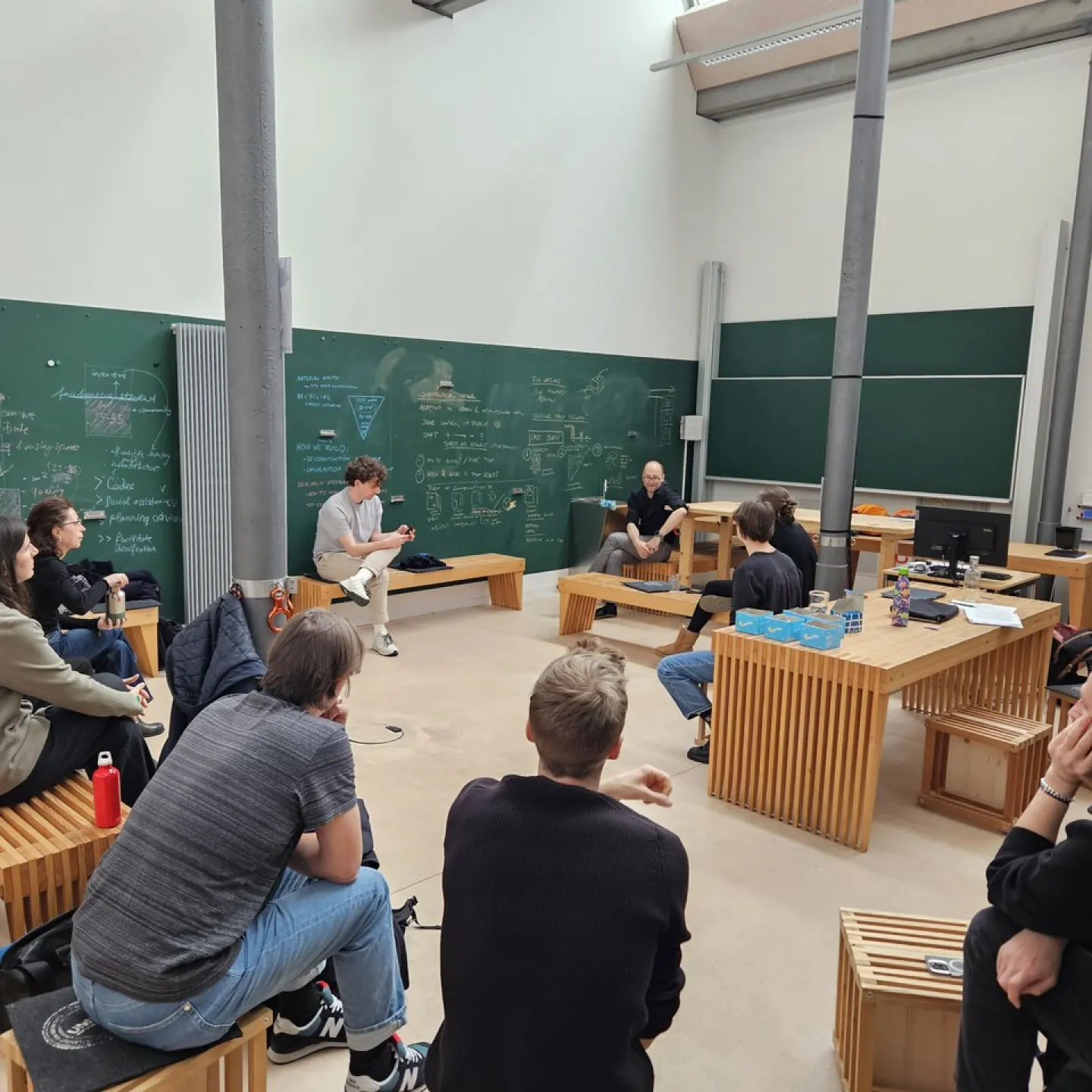
Eine Gruppe von Studierenden sitzt in einem modernen Seminarraum der Universität Liechtenstein, umgeben von Tafeln mit Notizen und Skizzen. Sie diskutieren angeregt, während ein Dozent vorne sitzt und zuhört.

As the world grapples with the mounting challenges of climate change, resource extraction, and social inequalities, architecture is advancing as an academic discipline.


In the past, PhDs in architecture were rare, but contemporary times are witnessing a scientific shift in architectural studies. This corresponds with a design turn in the social sciences. However, conceiving, structuring, and implementing a long-term research project poses significant challenges for every young scholar. Collaborating with peers provides an invaluable source of inspiration, helping to overcome obstacles, sustain the endurance needed for large projects, and enhance problem-solving skills by assisting others with their challenges.


For the first time, the architecture faculties of the Universität Liechtenstein and the Università della Svizzera Italiana have conducted a joint PhD spring workshop on April 19th and 20th in Vaduz. Ten young scholars engaged in various forms of discussion, writing, and exchange to develop their PhD theses. The workshop focused on familiarizing participants with each other’s topics and the common challenges faced during PhD studies. Key areas such as Methods & Methodology, Literature Review, and Text Structuring emerged as focal points, which will be explored in more detail during a forthcoming session in Ticino in early July. This workshop offers PhD candidates in architecture substantial time to articulate their projects and address challenges in collaboration with peers and under the guidance of young postdoctoral researchers.


Organizing and Teaching-Team


  • Johannes Herburger, Uni Liechtenstein
  • Mosè Cometta, USI
  • Giulia Scotto, USI
Eine Gruppe von Studierenden sitzt in einem modernen Seminarraum der Universität Liechtenstein, umgeben von Tafeln mit Notizen und Skizzen. Sie diskutieren angeregt, während ein Dozent vorne sitzt und zuhört.

Best recruiters 2023/24 Award in Liechtenstein

Best recruiters 2023/24 Award in Liechtenstein

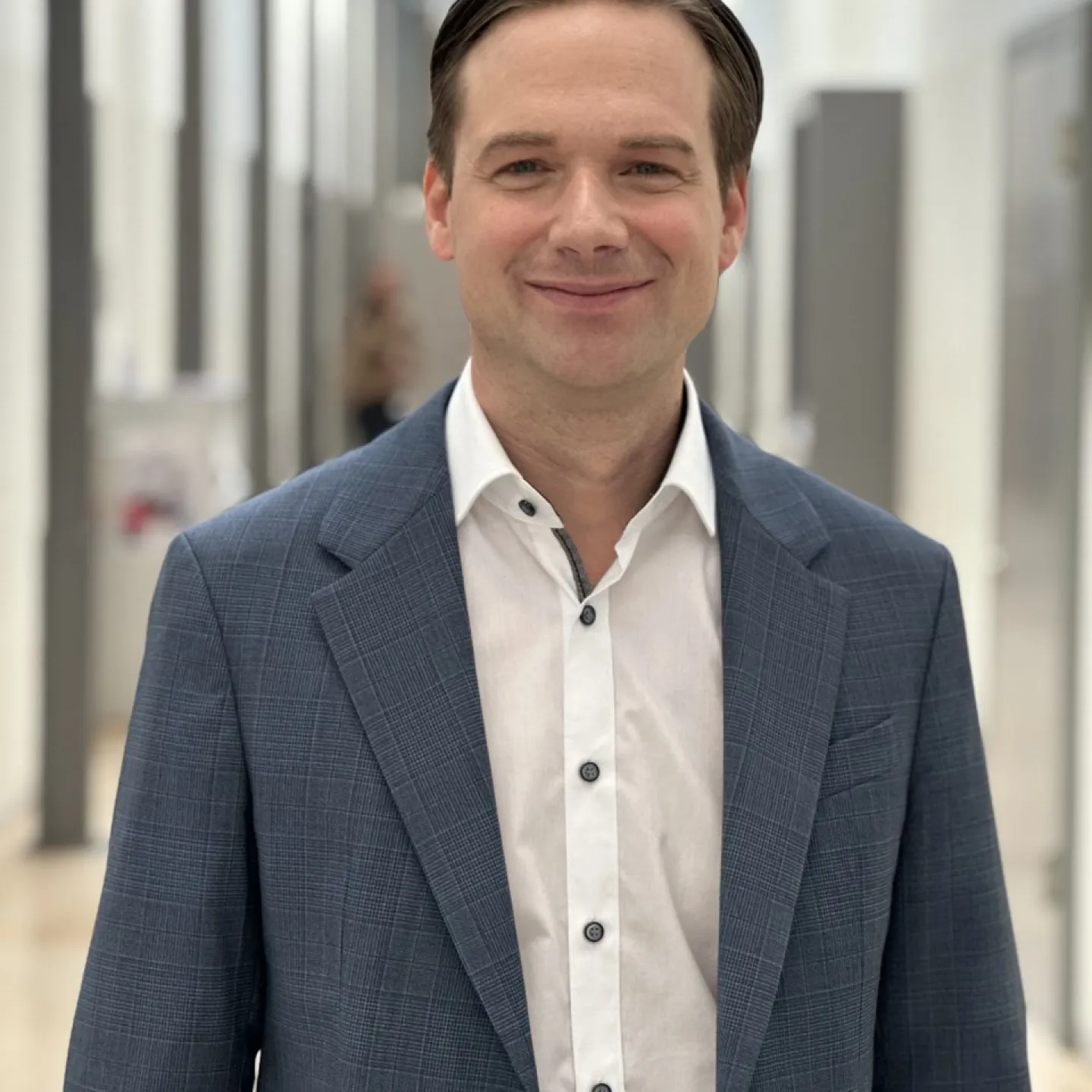
Ein lächelnder Mann in einem blauen Anzug steht in einem modernen, hellen Flur.

For the eleventh year in a row, the BEST RECRUITERS study examined the recruiting processes of the 450 largest companies and institutions in Switzerland and the Principality of Liechtenstein.


On April 23, current trends were presented in Zurich and the country’s BEST RECRUITERS were honored. With outstanding results in all categories and 21st place in the overall ranking, Hilti AG won this year’s award for the Principality of Liechtenstein.
 

Among the approximately 150 guests at the Papiersaal in Zurich were representatives from human resources and top management of the largest employers in both countries, as well as scientific advisory board members Kuno Ledergerber, former head of the Center for Human Capital Management at ZHAW, and Marco Furtner, Professor of Entrepreneurship and Leadership at the University of Liechtenstein.


Hilti AG – Best Liechtenstein Employer


Hilti AG ranked 21st in the overall ranking and thus 1st in the Principality of Liechtenstein, followed by thyssenkrupp Presta AG and Ivoclar Vivadent AG. Advisory board member Marco Furtner, Professor of Entrepreneurship and Leadership at the University of Liechtenstein, commented: “Congratulations on Hilti AG’s excellent ranking. Particularly noteworthy is the exceptional support for talent relationship management. In terms of development and continuing education, Hilti also stands out with various measures and programs (e.g., e-learning, mentoring, leadership training).”


About BEST RECRUITERS


Since 2013, BEST RECRUITERS has annually assessed the recruiting quality of the largest companies in Switzerland and the Principality of Liechtenstein based on revenue and number of employees. The study was initiated in Austria in 2010, expanded to Germany in 2011, and to Switzerland and Liechtenstein in 2013.


The catalog of criteria is continuously updated and adapted to current developments in the HR field in collaboration with the scientific advisory board. The board includes Kuno Ledergerber, former head of the Center for Human Capital Management at ZHAW; Prof. Dr. Marco Furtner, Professor of Entrepreneurship and Leadership at the University of Liechtenstein; Prof. Dr. Wolfgang Elšik, Deputy Head of the Institute for Human Resource Management at the Vienna University of Economics and Business; and Prof. Dr. Silvia Ettl-Huber, Program Director and Head of the Department of Business at FH Burgenland.
 

Ein lächelnder Mann in einem blauen Anzug steht in einem modernen, hellen Flur.

Conference paper receives Dick Marsh Award at ISPIM Connects in Porto Alegre

Conference paper receives Dick Marsh Award at ISPIM Connects in Porto Alegre

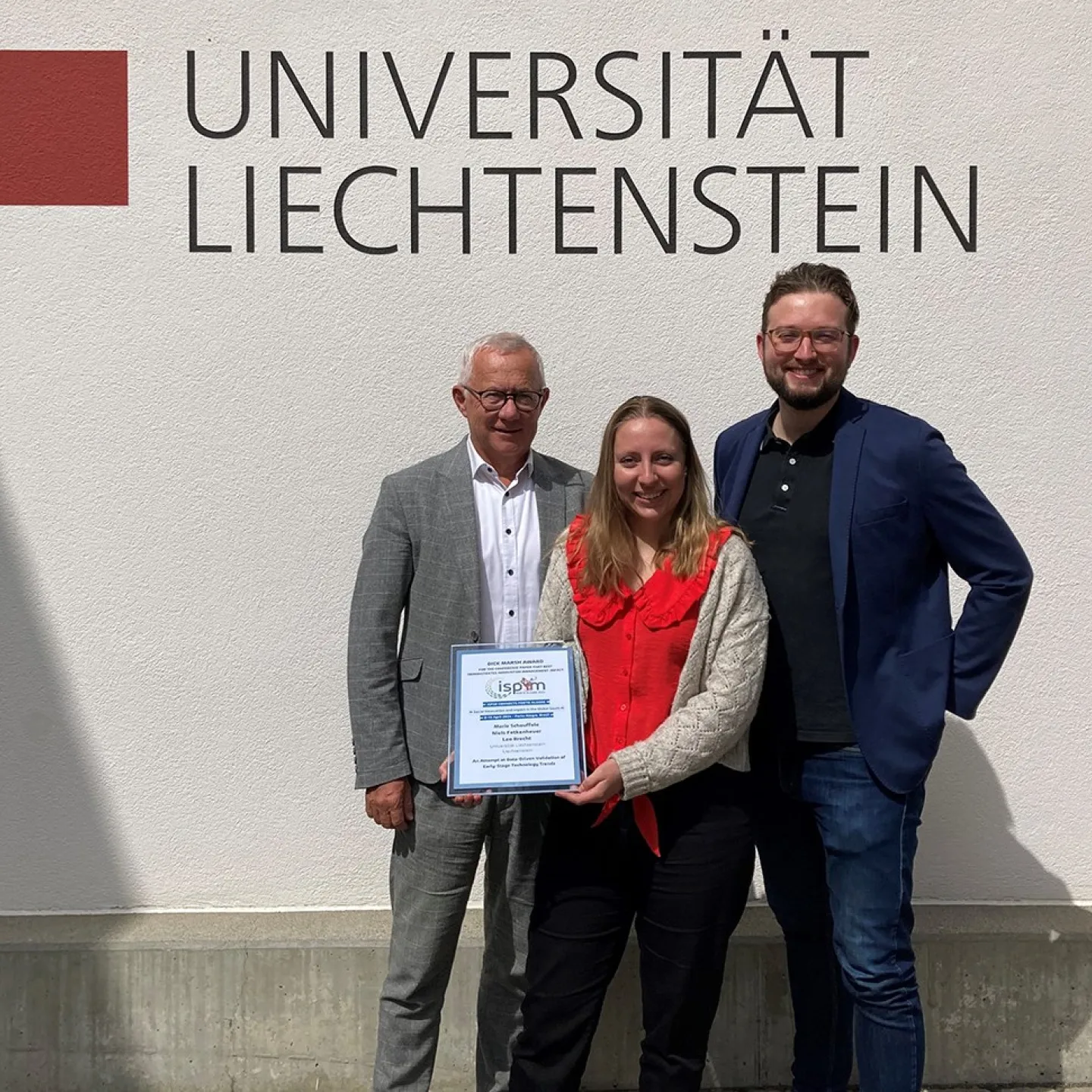
Drei Personen stehen vor einer Wand mit dem Logo der Universität Liechtenstein. Eine Person hält eine Auszeichnung in den Händen.

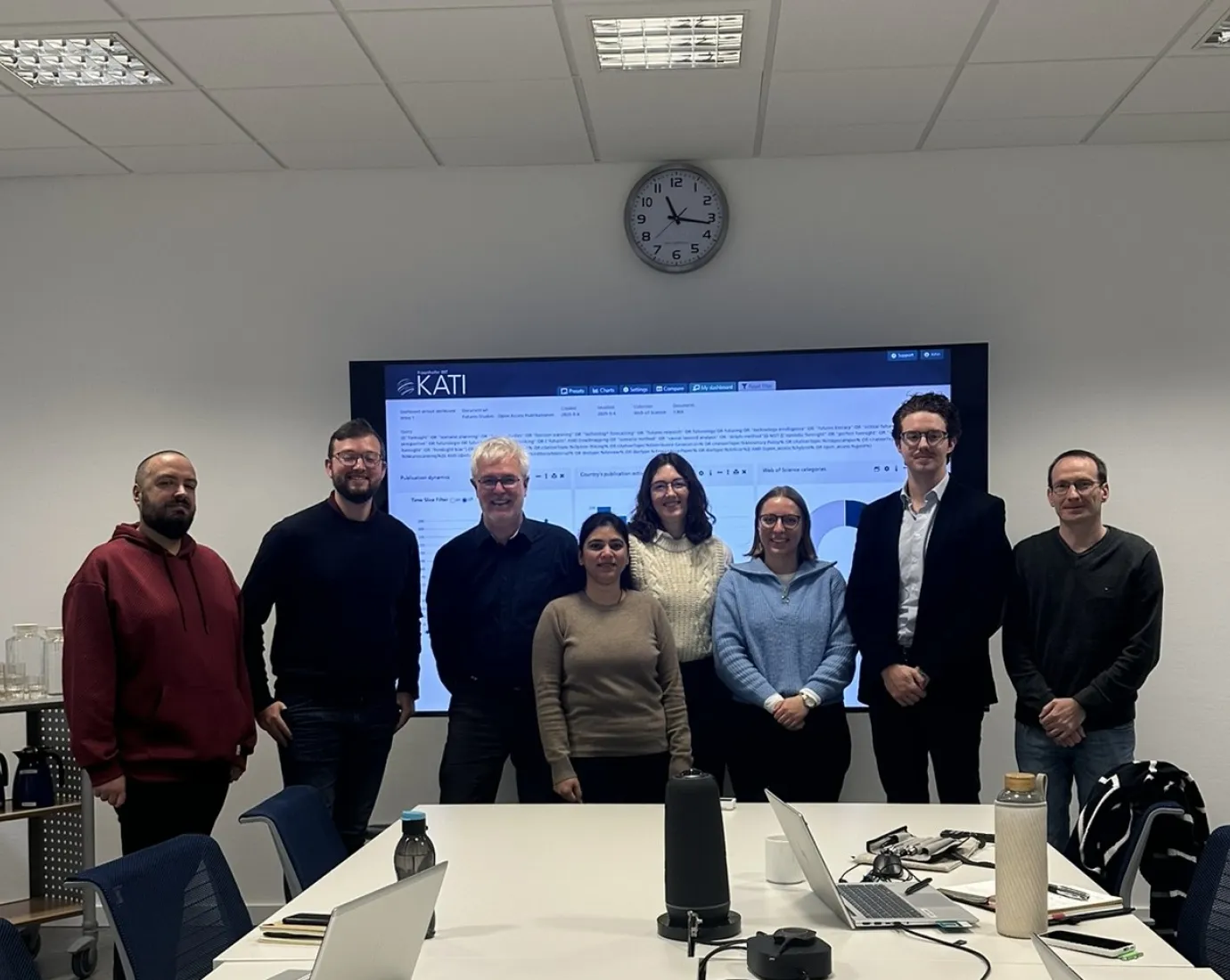
Marie Scheuffele, Niels Fetkenheuer and Prof. Dr. Leo Brecht from the Chair of Technology and Innovation received the Dick Marsh Award for their conference paper "An Attempt at Data-Driven Validation of Early-Stage Technology Trends" at ISPIM Connects Porto Alegre in Brazil. The award recognizes the conference paper for best illustrating the influence of innovation management among all the research papers submitted.


The bibliometric analysis of scientific publications for the early identification of technology trends is an established method in foresight and trend research. Nevertheless, it is often criticized for not being able to assess the practical relevance of emerging trends or for neglecting to consider the potential success of their application. To compensate for this weakness and to qualitatively validate their quantitative results, trend researchers often rely on expert surveys.


The conference contribution of our researchers therefore developed and tested a novel approach for the data-based validation of the practical relevance of emerging technology trends and for the identification of early implementation efforts of technology-leading companies. For this purpose, the bibliometric analysis of scientific publications was combined with the analysis of online job advertisements in order to not only determine technological innovation fields on the basis of data, but also to be able to evaluate them.


Marie Scheuffele, research assistant and doctoral student at the Chair of Technology and Innovation, presented the research results on site in Brazil and represented the University of Liechtenstein at discussion rounds, research exchanges and networking events.


Drei Personen stehen vor einer Wand mit dem Logo der Universität Liechtenstein. Eine Person hält eine Auszeichnung in den Händen.

Biennale exhibition "Ewaste – Burden and Treasure" in Liechtenstein

Biennale exhibition "Ewaste – Burden and Treasure" in Liechtenstein

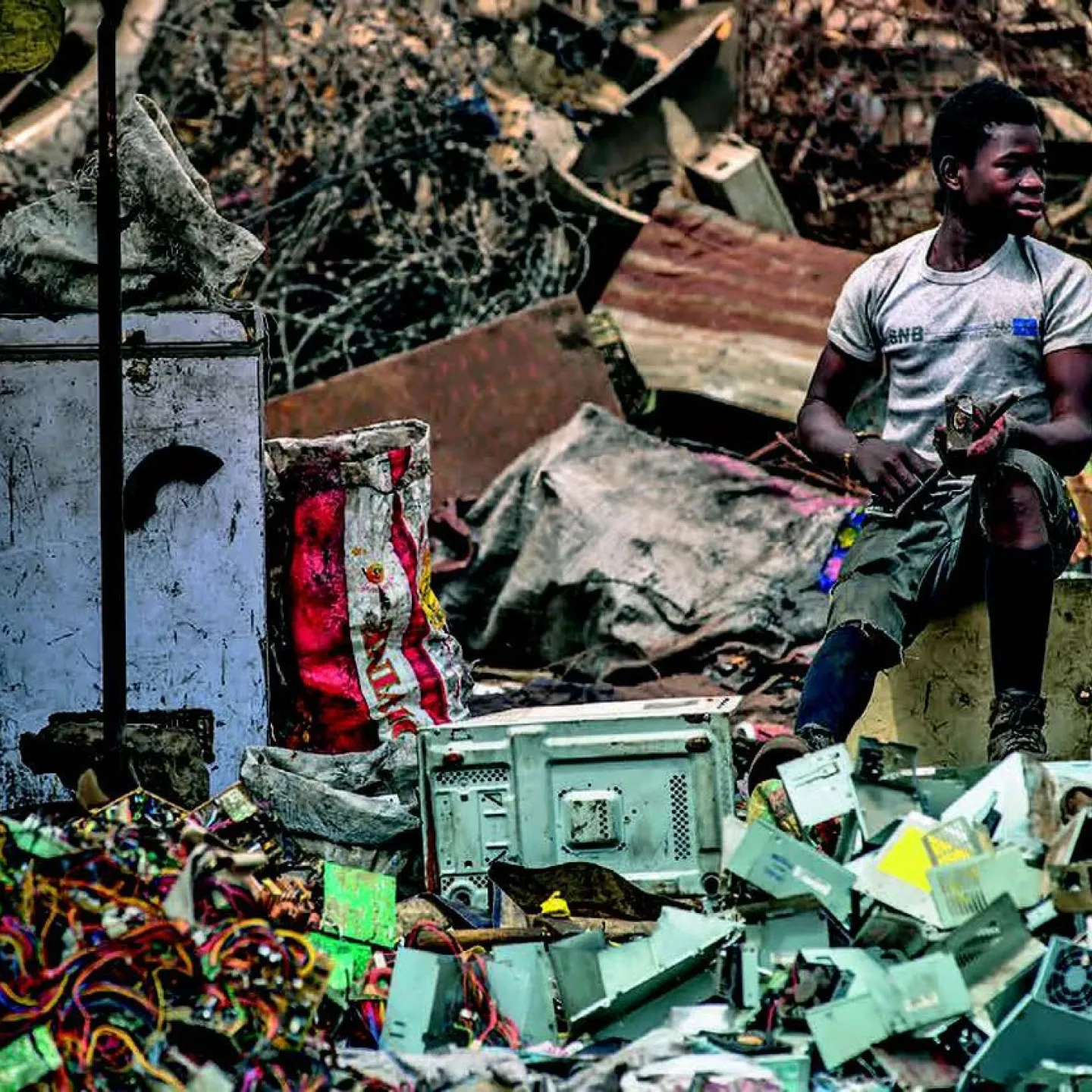
Ein Mann sitzt auf einem Hocker inmitten von Elektroschrott auf einer Müllhalde. Um ihn herum sind alte Geräte und Kabel zu sehen. Die Szene zeigt die Problematik von Elektroschrott und dessen Auswirkungen auf die Umwelt.

The exhibition "Ewaste Last and Treasure" showed the invisible bond between Liechtenstein and Ghana, which changes living spaces, social spaces and social structures through actions in this country. Curated by Alberto Alessi, the exhibition by the Liechtenstein School of Architecture was shown at the 18th Venice Biennale last year and can be seen at the Küefer-Martis-Huus in Ruggell from Tuesday, April 16 until May 5.


"There is no such thing as 'gone'. When we throw something away, it has to go somewhere," said US critic Annie Leonard, who is best known for her online documentary "The Story of Stuff" about the life cycle of goods and services. Mikel Martinez and Katrin Milanzi, together with Gabriela Dimitrova, explored precisely this "path" - as well as the path of electronic waste - and presented the results of their work around the former Agbogbloshie garbage dump in the capital Accra in Ghana.


Liechtenstein and Ghana are connected, even if this is unconscious on both sides. It is difficult to understand these connections, but the effects are visible on both sides. In Ghana, e-waste causes disease and poverty, but provides many people with a livelihood through the recovery of recyclable materials. In Liechtenstein, these recyclable materials have to be sourced again.


This topic is presented on two levels in the exhibition at the Küefer-Martis-Haus in Ruggell - a physical and haptic one and a virtual one. Both levels are linked together using tablets and are interactive for the viewer. Various statistics and topics on Liechtenstein and Ghana can be called up at will.


Exhibition opening


Manuel Frick, Minister for Society and Culture in the Government of the Principality of Liechtenstein, Christian Frommelt, Rector of the University of Liechtenstein, Daniel Stockhammer, Dean of the LSA Liechtenstein School of Architecture and Alberto Alessi, curator of the exhibition, LSA Liechtenstein School of Architecture, will speak at the opening of the exhibition on Tuesday, April 16, 6 pm.


Ein Mann sitzt auf einem Hocker inmitten von Elektroschrott auf einer Müllhalde. Um ihn herum sind alte Geräte und Kabel zu sehen. Die Szene zeigt die Problematik von Elektroschrott und dessen Auswirkungen auf die Umwelt.

How the Carpentry Trade Is Changing Through New Technologies

How the Carpentry Trade Is Changing Through New Technologies

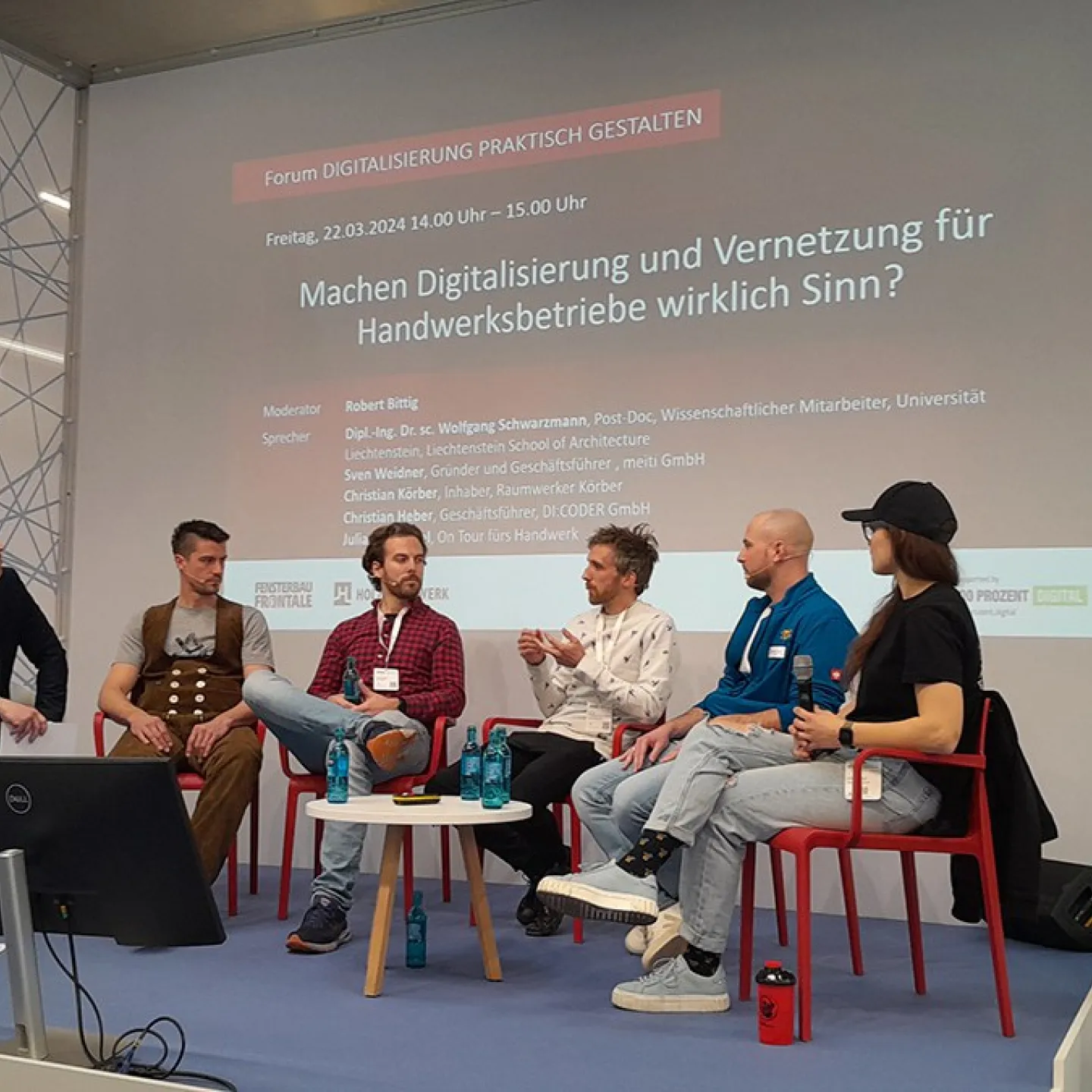
Podiumsdiskussion auf der Messe «Holz Handwerk 2024» in Nürnberg. Fünf Personen sitzen auf einer Bühne vor einer Leinwand mit dem Titel "Machen Digitalisierung und Vernetzung für Handwerksbetriebe wirklich Sinn?". Die Diskussion thematisiert die Rolle der Digitalisierung im Handwerk.

The carpentry trade is in a constant state of evolution. Digitalization and CNC-controlled joinery robots offer enormous potential for speed and precision in creating complex structures in timber construction.


These factors are transforming traditional methods and craftsmanship, as digital tools introduce new workflows, and knowledge as well as best practices previously taught in training are taking on a different significance in professional practice. Answers to many craftspeople’s questions about their current and future roles were provided by Dipl.-Ing. Dr. sc. Wolfgang Schwarzmann, Liechtenstein School of Architecture, Architecture and Planning, at the “Holz Handwerk 2024” trade fair in Nuremberg.


Podiumsdiskussion auf der Messe «Holz Handwerk 2024» in Nürnberg. Fünf Personen sitzen auf einer Bühne vor einer Leinwand mit dem Titel "Machen Digitalisierung und Vernetzung für Handwerksbetriebe wirklich Sinn?". Die Diskussion thematisiert die Rolle der Digitalisierung im Handwerk.

Prof. Dr. Konstantina Papathanasiou Recognized as "Top Performer in Cybersecurity"

Prof. Dr. Konstantina Papathanasiou Recognized as "Top Performer in Cybersecurity"

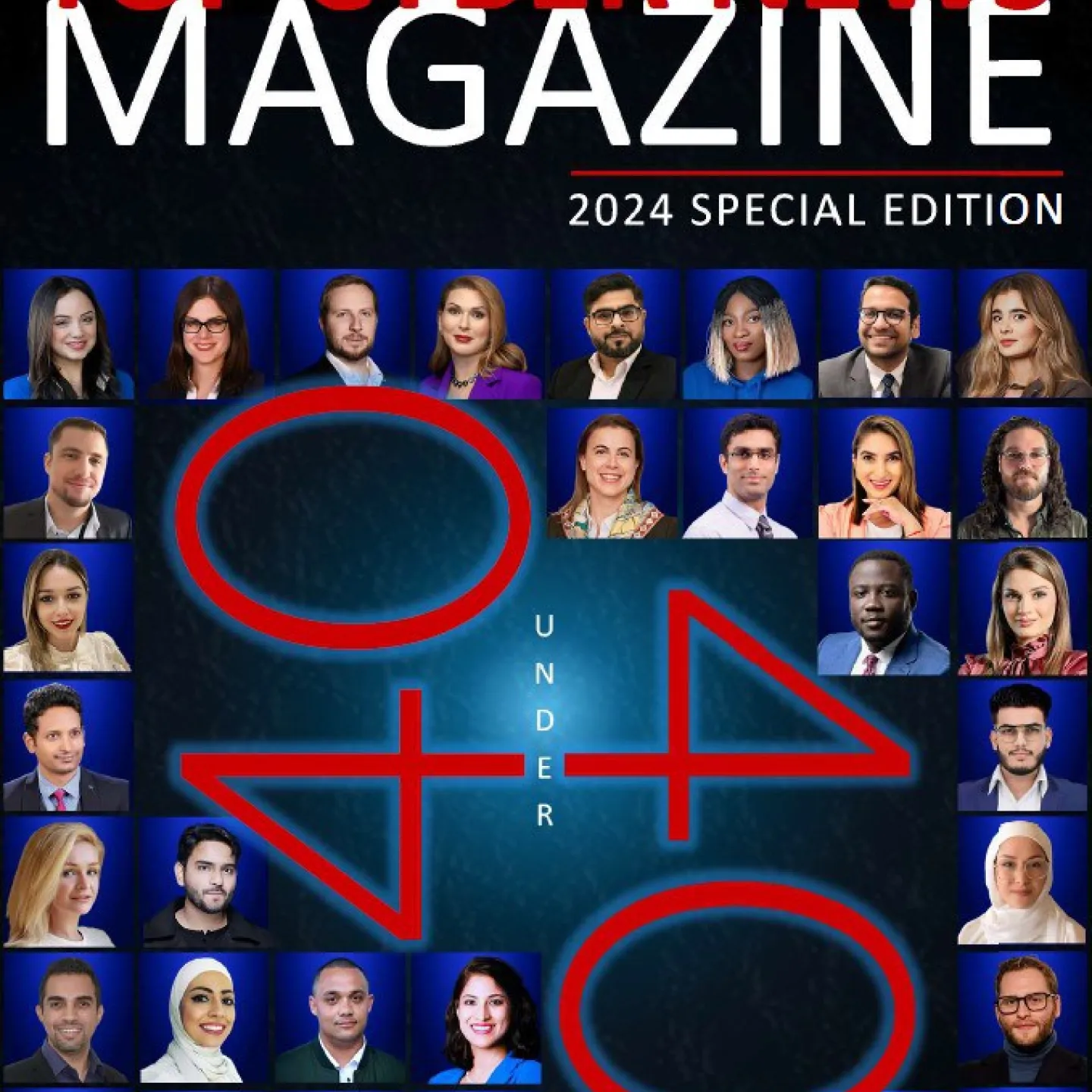
Titelbild des "Top Cyber News Magazine" 2024 Special Edition mit Porträts von 40 jungen Talenten aus der Cybersicherheitsbranche. Text "40 Under 40" in der Mitte, umgeben von den Porträts der ausgezeichneten Fachleute.

The Top Cyber News Magazine provides information and insights on technology, innovation, and cybersecurity directly from experts. In its 2024 special edition, it honored 40 outstanding talents under the age of 40 from 21 countries and 5 continents, including Prof. Dr. Konstantina Papathanasiou.


Amid the global shortage of cybersecurity professionals, it is essential to recognize talents who dedicate their energy and careers to this field. The special edition highlights remarkable professionals in cybersecurity and the digital industry, all of whom are part of the inspiring force behind the global cybersecurity awareness movement.


Titelbild des "Top Cyber News Magazine" 2024 Special Edition mit Porträts von 40 jungen Talenten aus der Cybersicherheitsbranche. Text "40 Under 40" in der Mitte, umgeben von den Porträts der ausgezeichneten Fachleute.

Further developing research and Teaching – Insights at the University of Architecture in Antwerp

Further developing research and Teaching – Insights at the University of Architecture in Antwerp

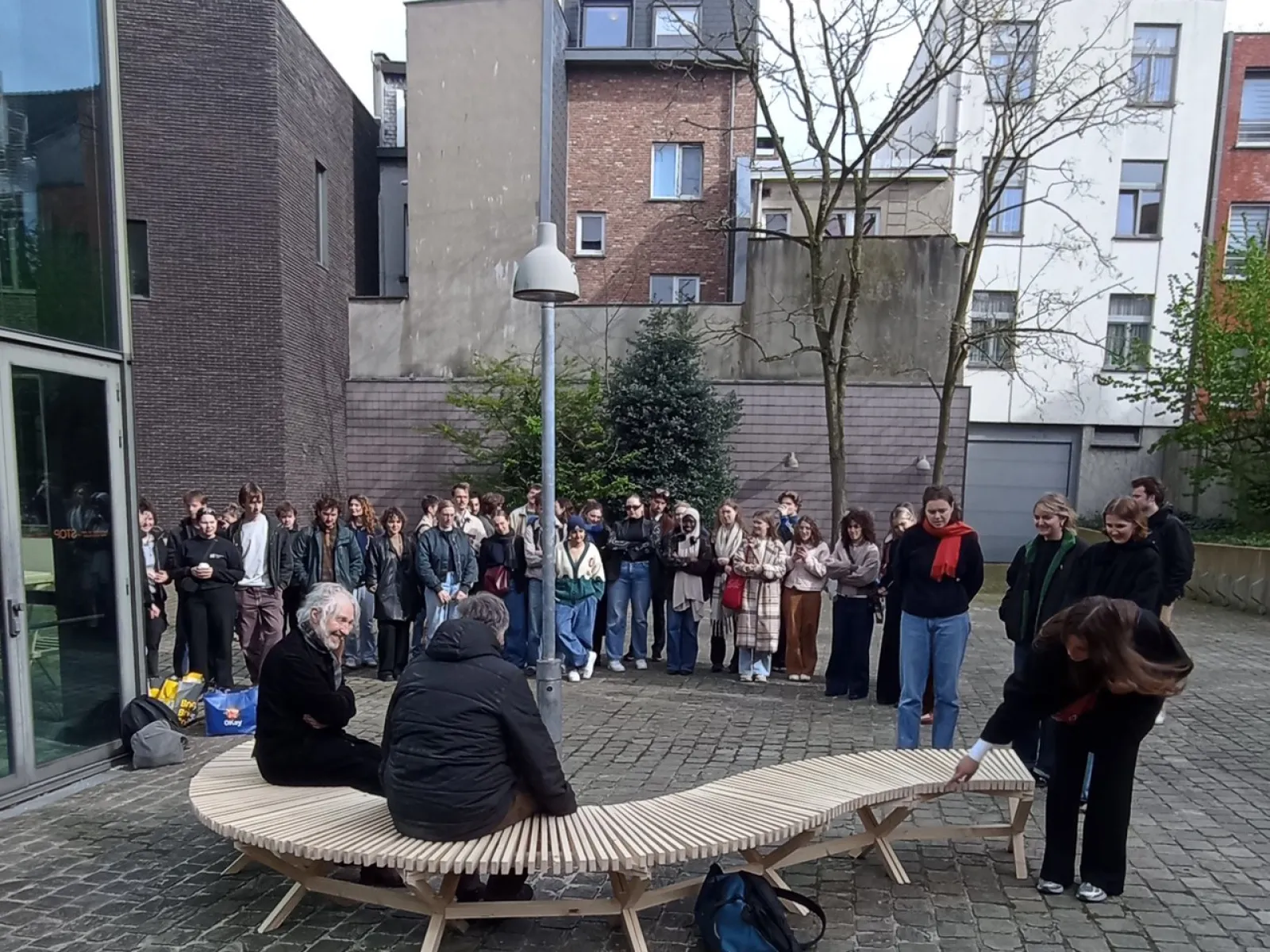
As part of this year's "Maak Week", the two researchers from the Liechtenstein School of Architecture Livia Herle, MSc Arch, and Dipl.-Ing. Dr. sc. Wolfgang Schwarzmann were able to accompany and support the students from the University of Antwerp in their learning and working process.


It is easy to see that the University of Liechtenstein and the University of Antwerp are not in close proximity to each other. All the more impressive, however, is the fact that craftsmanship is firmly anchored in the architecture curriculum at both universities.


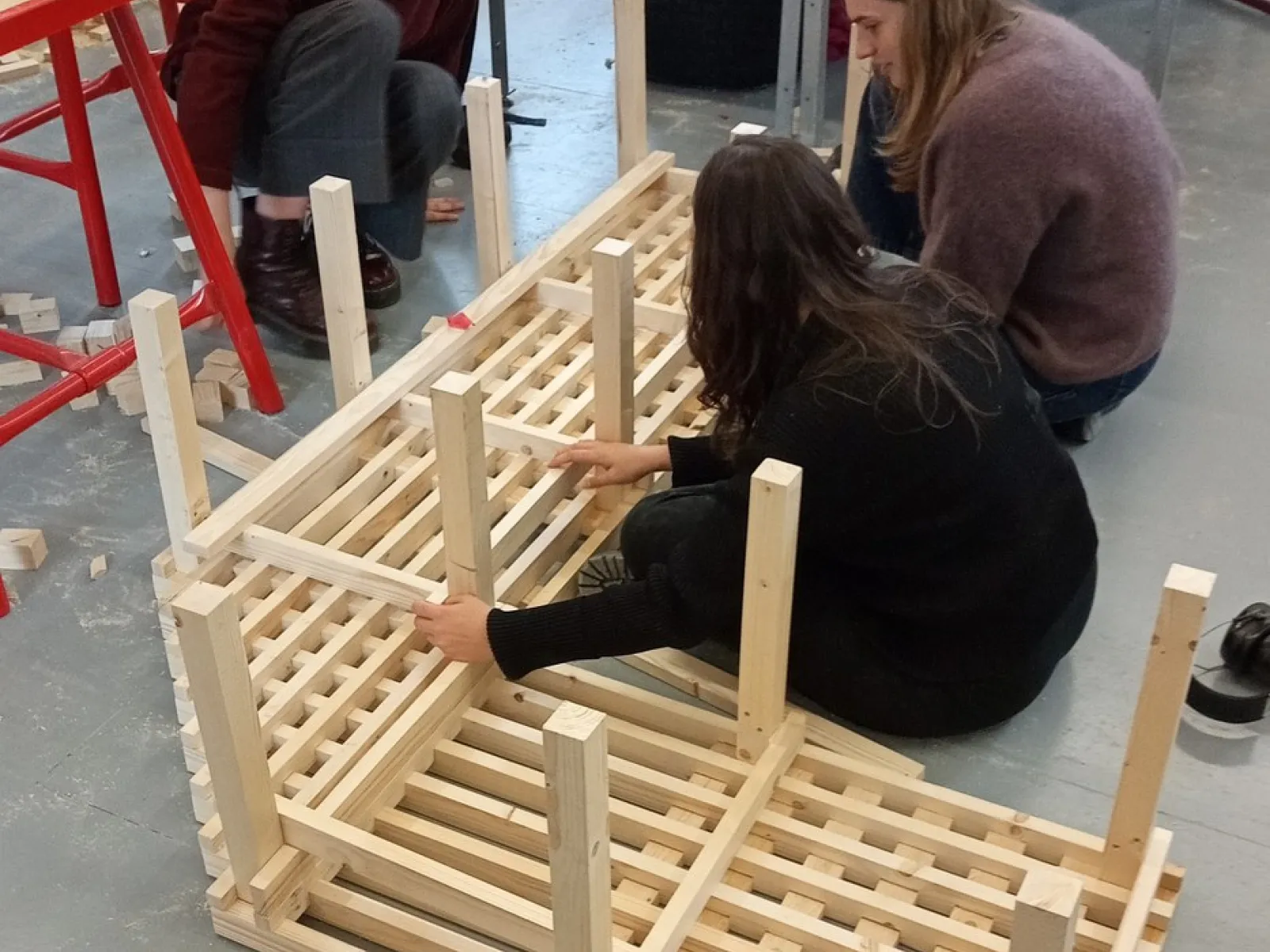
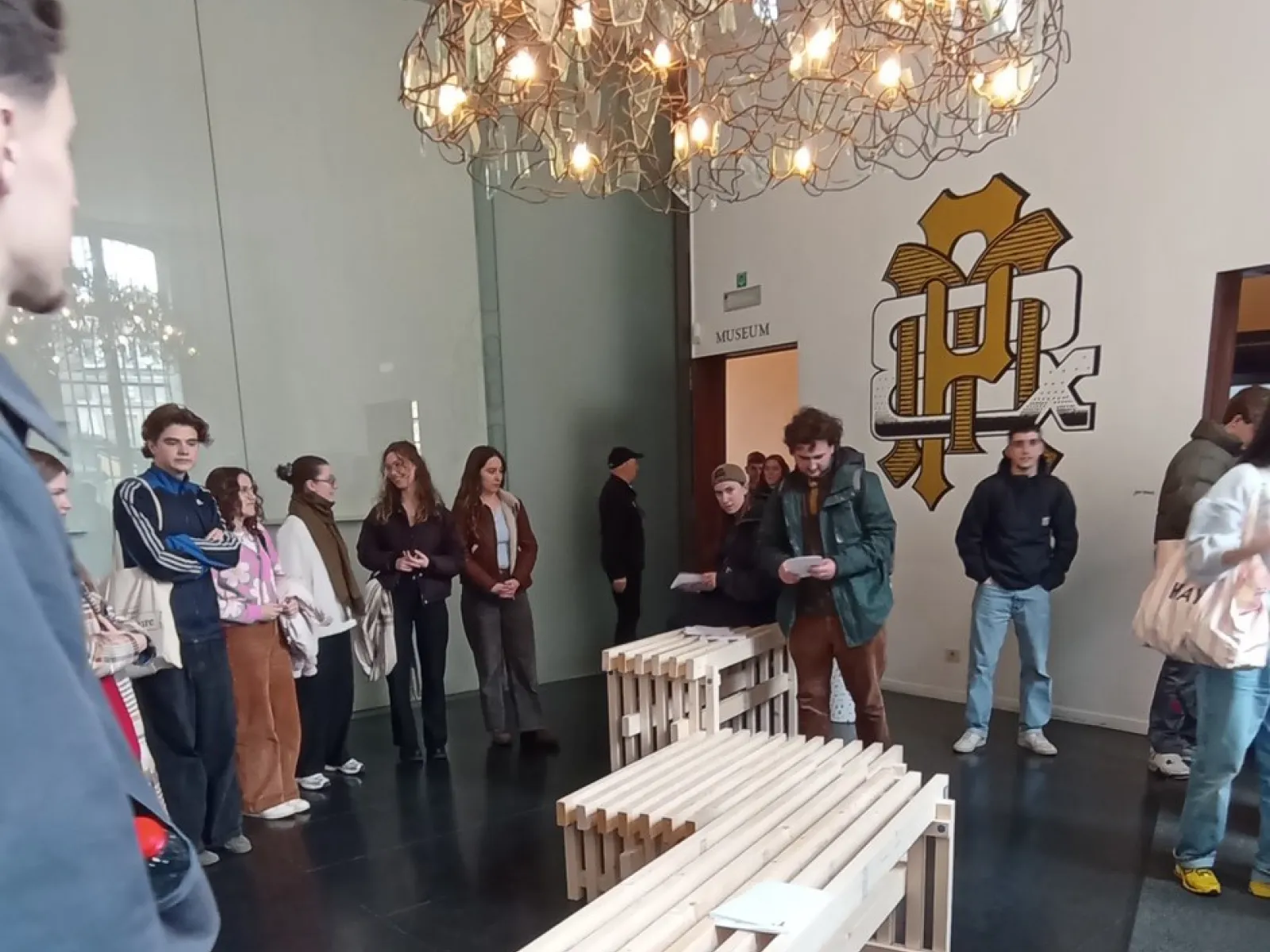
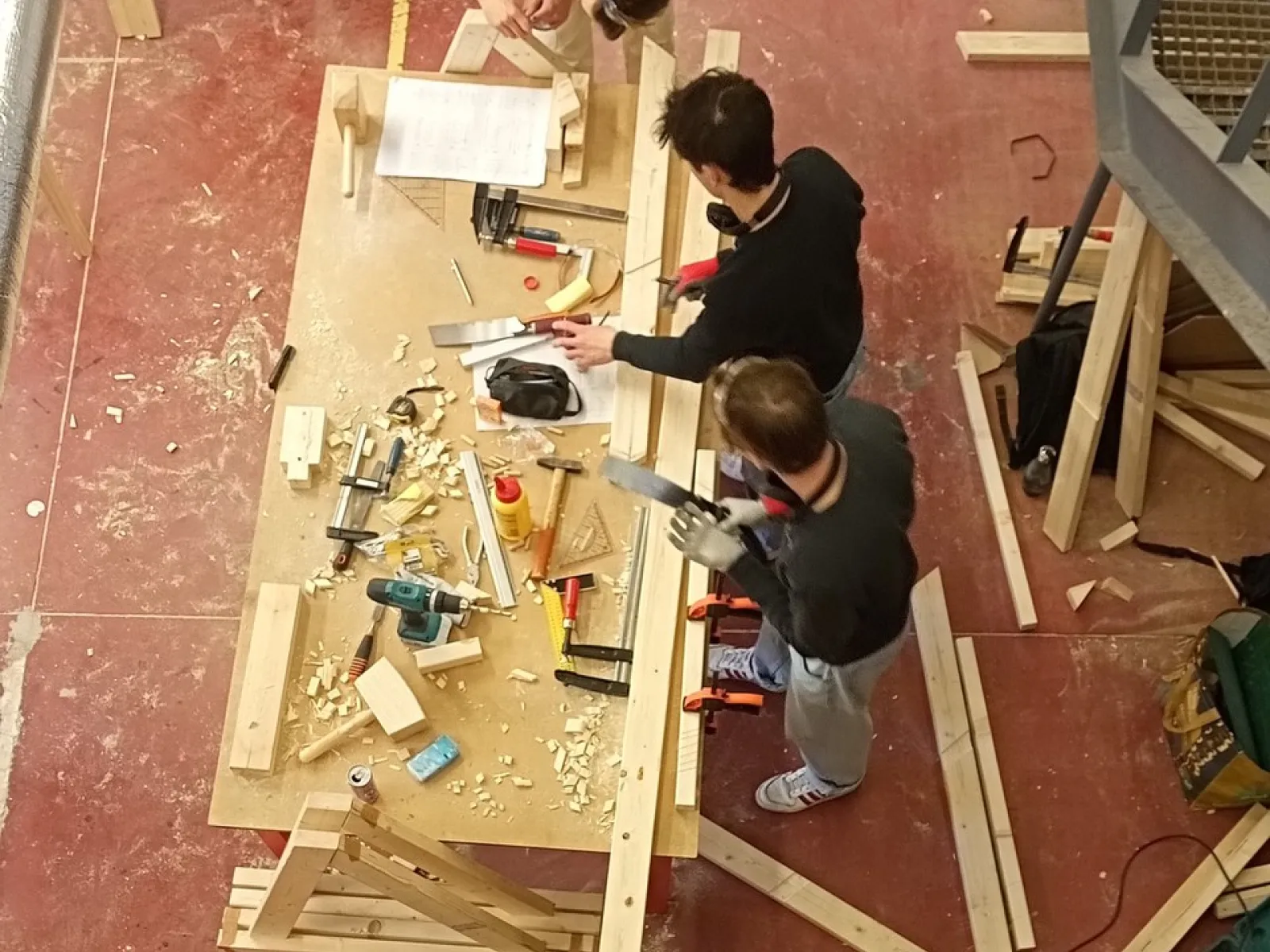
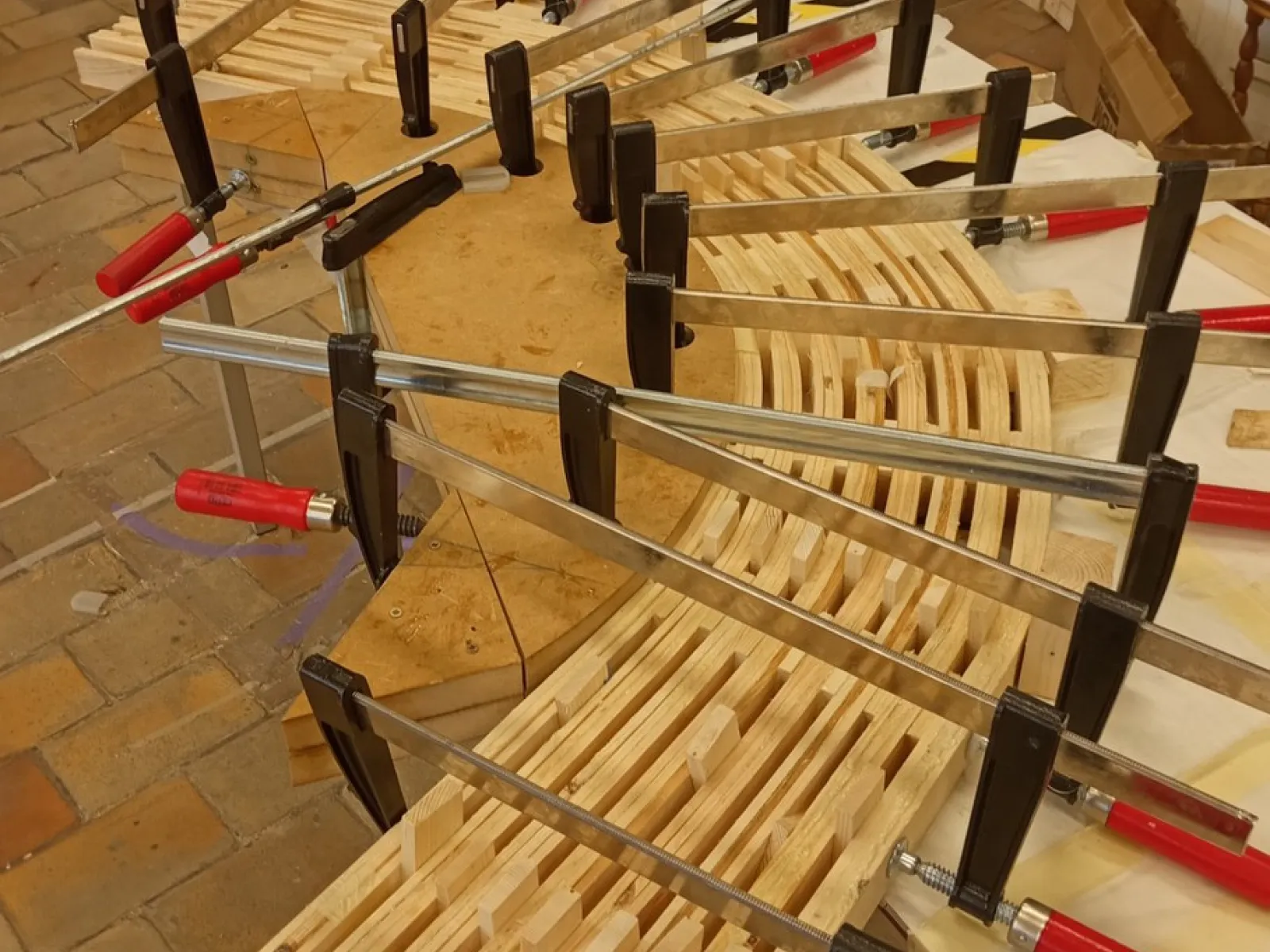
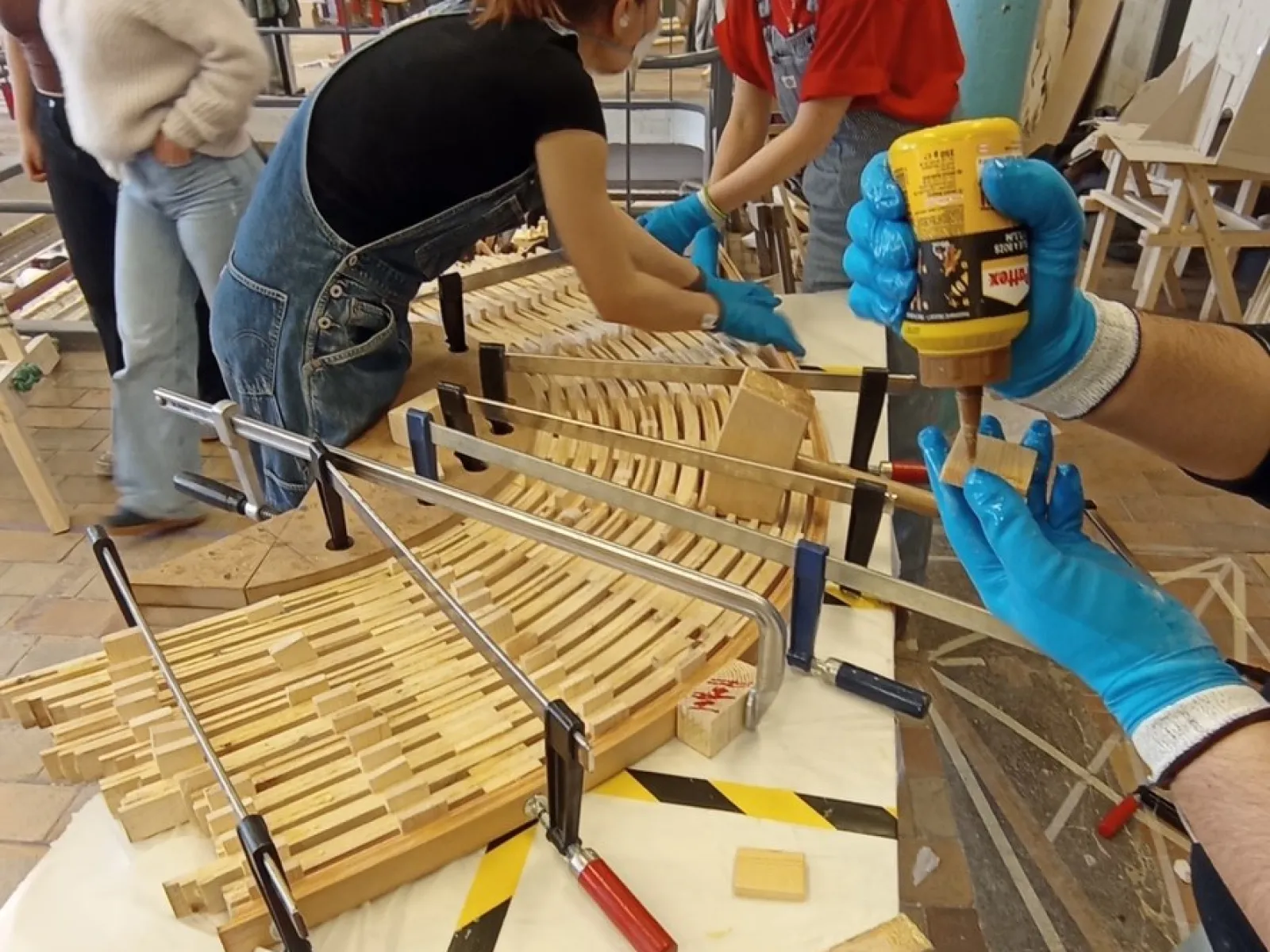
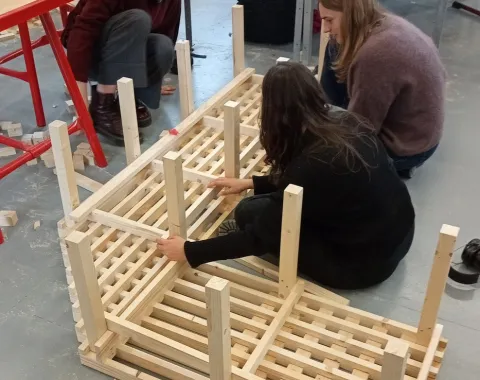
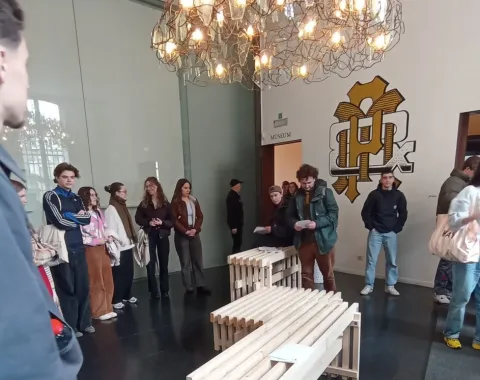
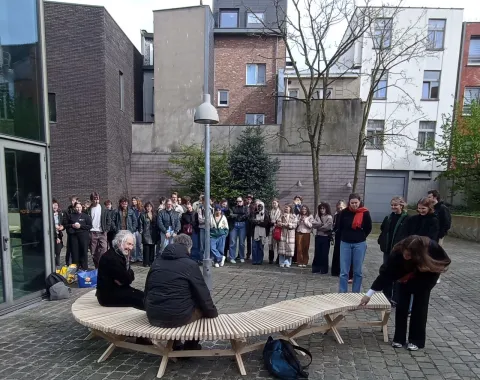
In the run-up to "Maal Week", the 80 or so participating students had already been allocated various specific locations on the campus of the University of Antwerp and in several museums in the city. In a concept phase lasting several weeks, they worked in groups of four to develop a suitable piece of furniture based on a spatial analysis, which was then tested for feasibility as a 1:1 sample. During "Maak Week", which can be translated as "Make Week", the benches specially designed for the museums were then produced. Mario Rinke, professor at the University of Antwerp, and Allessandro Tellini from ETH Zurich designed and implemented the course and supervised the students over the course of a semester.


Every bench is unique; every process a challenge


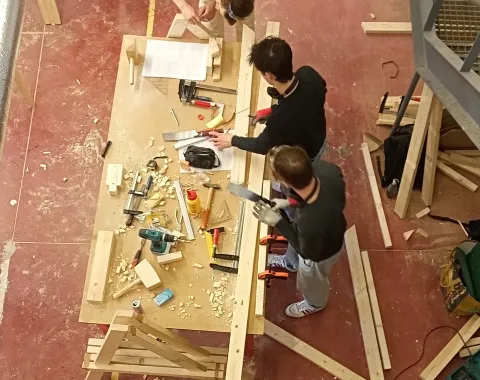
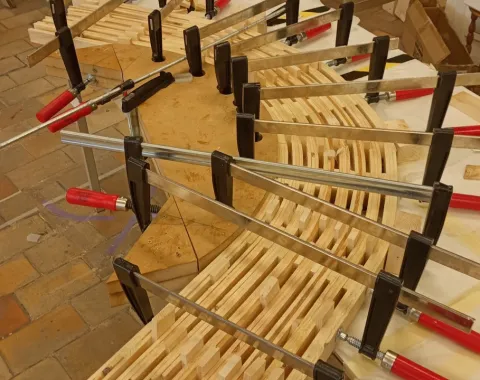
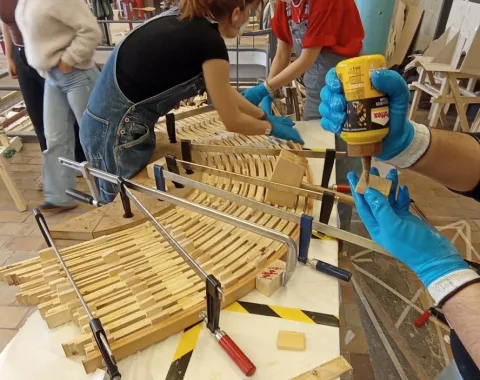
In addition to spatial criteria, this furniture, some of which was very different, also had to meet other requirements. For example, all benches were made without steel parts, without screws or nails and only from solid wood. The tools required for this were also reduced to the simplest tools such as a chisel, a handsaw or (at least) a cordless drill. For the students, these specifications brought further challenges in terms of the wood joints and the necessary processing steps.


Manual work as a didactic concept


The University of Liechtenstein also has an architecture course with a corresponding focus on craftsmanship. With the "Craft" focus anchored in the curriculum, students are taught material-specific specialist knowledge of basic building materials such as stone, wood and steel. In addition to this, the courses repeatedly involve working in actual size, with real building materials and on a 1:1 scale. What is a time-consuming and material-intensive way of working in the classroom brings great added value to architecture studies in particular. In addition to the ability to express themselves creatively, students are taught an awareness and sensitization for building materials and the associated working processes.


Training sets the course for the profession


What does it mean to want to produce a construction "flush"? How can a timber connection be designed to be aesthetic, functional and load-bearing? What skills and professions are required to implement a project?


While these questions can only be answered to a limited extent in everyday office life, they still have a central influence on the feasibility and the associated costs of a construction process. As part of teaching formats such as "Maak Week" or the "Craft" studio at the University of Liechtenstein, students are confronted with both the design and production process. The consequences of their own design ultimately influence the success or failure of a design. Whether the bench lasts in the end, whether it is comfortable and whether visitors actually like it thus becomes a central question in the work process.


Lifelong learning in teaching too


This mobility gave Livia and Wolfgang numerous insights into the didactic concept, the teaching and learning process and also the perspectives of the students and teachers. The insights gained during the 'Maak Week' will thus be taken up and incorporated as a direct enrichment for teaching at the University of Liechtenstein. Many thanks go to the University of Antwerp, to Prof. Mario Rinke and Allessandro Tellini for their insights and to the University of Liechtenstein for making this joint work possible.


Visit of a Delegation from Estonia

Visit of a Delegation from Estonia

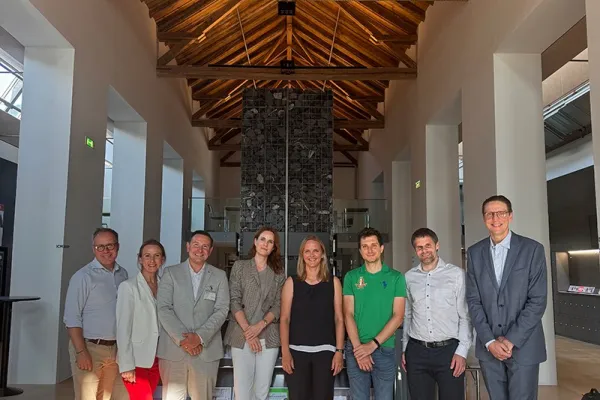
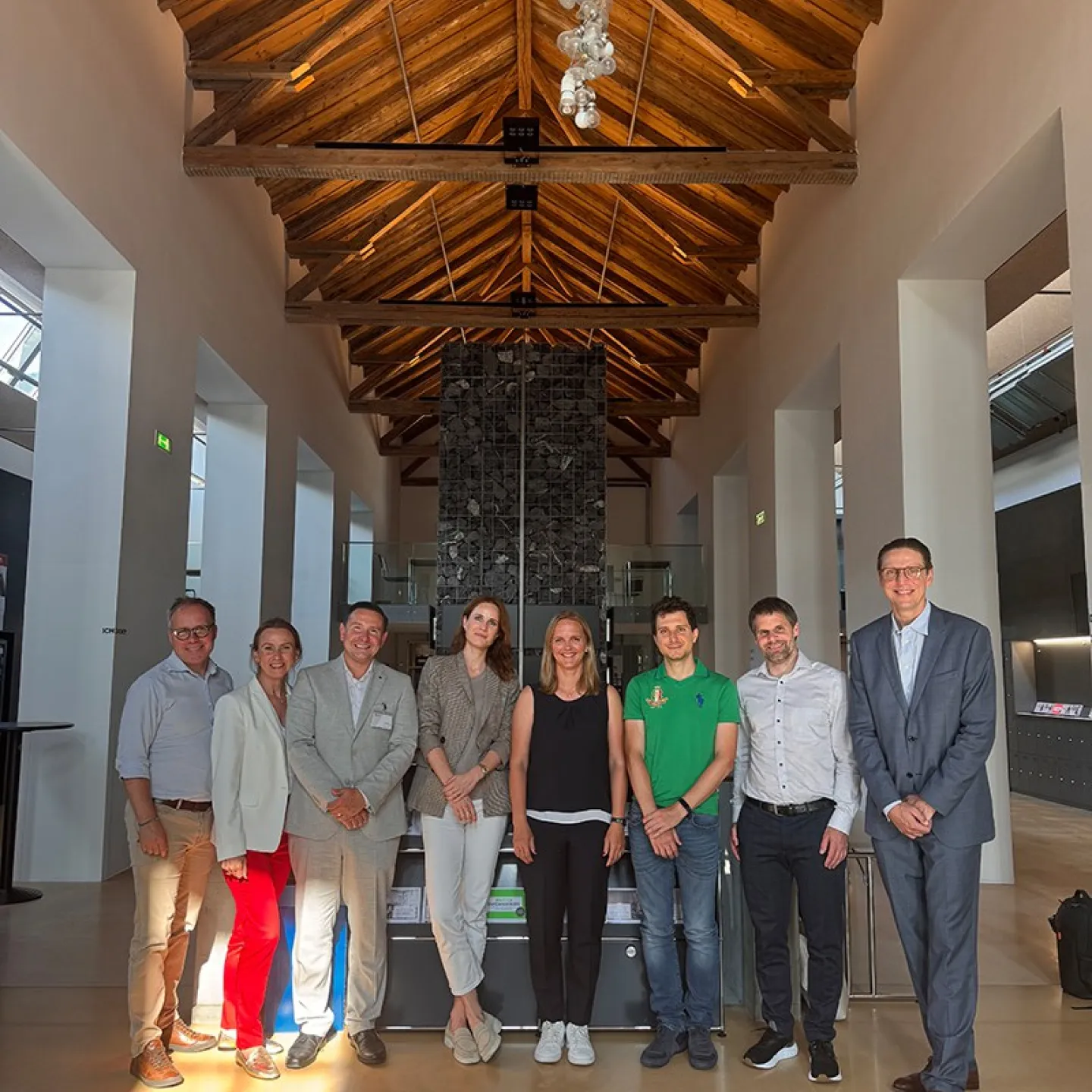
Eine Gruppe von neun Personen steht in einer modernen Halle mit Holzdach und einem Kronleuchter. Sie lächeln in die Kamera. Im Hintergrund sind hohe Fenster und eine Steinwand zu sehen.

Last week, staff from the Estonian Ministry of Foreign Affairs, the Estonian Consulate for Switzerland, and the Estonian Chamber of Commerce in Switzerland visited the University of Liechtenstein.


Following a visit to Hilti AG, the members of the Estonian delegation met with Rector Dr. Christian Frommelt at the University of Liechtenstein for a discussion.


Topics included, among others, the parallels between the microstates of Liechtenstein and Estonia, as well as an exchange on digitalization and cybersecurity. The guests were accompanied by Hans Märtson, Head of CX Impact & Business Process Excellence at Hilti Group.


Eine Gruppe von neun Personen steht in einer modernen Halle mit Holzdach und einem Kronleuchter. Sie lächeln in die Kamera. Im Hintergrund sind hohe Fenster und eine Steinwand zu sehen.

Long-standing Employee of the International Media Academy Bids Farewell

Long-standing Employee of the International Media Academy Bids Farewell

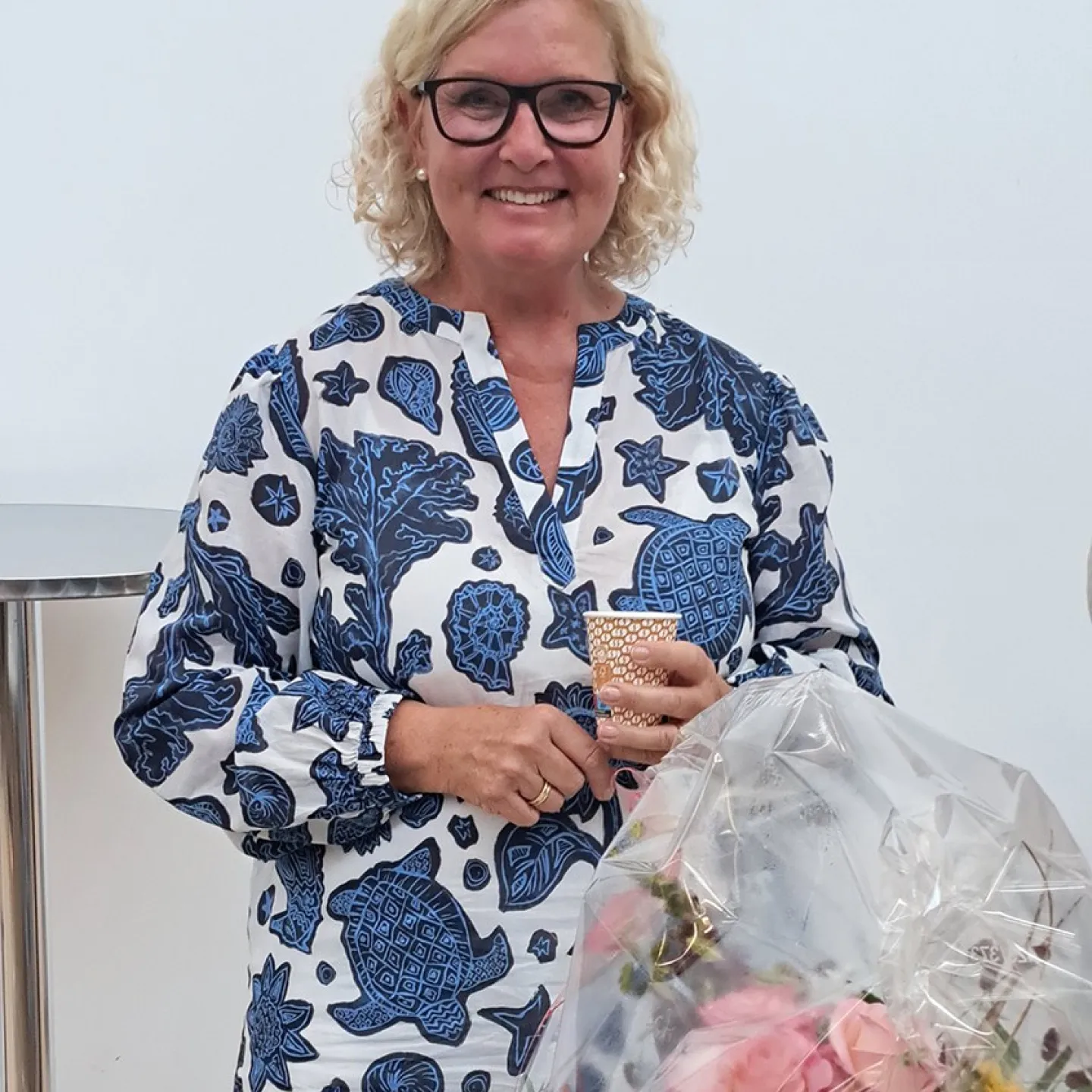
Eine lächelnde Frau mit blonden Haaren und Brille hält einen Becher in der Hand. Sie trägt ein blau-weiß gemustertes Kleid. Vor ihr steht ein Blumenstrauß in Folie verpackt.

As in every summer in recent years, the International Media Academy brought life to the University of Liechtenstein campus this August. This year, however, it was time to say goodbye to a long-standing member.


Elisabeth Neumann had been with the International Media Academy for Journalism and PR at the University for eleven years, sharing her wealth of experience and constructive feedback with many young media talents. The German journalist spent her very last working day in Vaduz and celebrated her retirement on August 6 with students, course director Claudia Schanza, and program secretary Kirsten Steinhofer.


The four-week program is a practical introduction to the world of media and PR, teaching the ABCs of journalism. Students learn how to find exciting topics, ask critical questions, conduct interviews, and write press releases. They gain insights into both traditional and modern media sectors and write their own articles. www.uni.li/journalismus


Eine lächelnde Frau mit blonden Haaren und Brille hält einen Becher in der Hand. Sie trägt ein blau-weiß gemustertes Kleid. Vor ihr steht ein Blumenstrauß in Folie verpackt.
Subscribe to