Skip to Main Content

LLMs in Cybersecurity: Curse or Blessing?

LLMs in Cybersecurity: Curse or Blessing?

Think Space Blog
Large Language Models und Cybersicherheit

For the past three years, society has been preoccupied with one central question: What impact will the rapid rise of artificial intelligence—especially so-called large language models (LLMs)—have on our lives? What will it mean for children who learn in school with or through LLMs? And how might these technologies reshape the everyday experiences of older generations?

These questions also resonate in the field of digital security. Will LLMs become a true game changer—or will the hype subside and “business as usual” return? One thing is certain: cybersecurity is undergoing significant change, though not always in the way many expected.

LLMs have quickly proven themselves as tools for generating highly convincing phishing emails, fake executive calls, manipulated videos and sophisticated disinformation. These risks are substantial but, in principle, manageable. The real test of LLMs as potential cyberweapons, however, is happening in the more technical corners of the digital realm.

At the heart of cybersecurity lies the task of identifying and eliminating vulnerabilities—programming errors that can allow attackers to execute commands, encrypt data or steal information. Detecting such weaknesses requires deep technical expertise. Here, LLMs offer a powerful productivity boost thanks to their ability to answer complex questions and propose useful solutions—hallucinations notwithstanding. Who benefits? Anyone who uses them, regardless of their intentions.

A similar development can be seen in a very practical domain: hacking. This involves overcoming protective barriers designed to safeguard the integrity of IT systems. To simulate attackers’ behaviour and address security issues quickly, organisations rely on penetration tests. Here too, LLMs increase efficiency and reduce costs—not only for defenders, but also for attackers.

Conclusion: Even in the era of LLMs, the race for technological advantage remains unchanged. Security continues to be a competition between human unscrupulousness—and human integrity.

Large Language Models und Cybersicherheit

Spain – Valencia

Spain – Valencia

Rebekka Kindle

Experiencing Time Differently – My First Month in Valencia

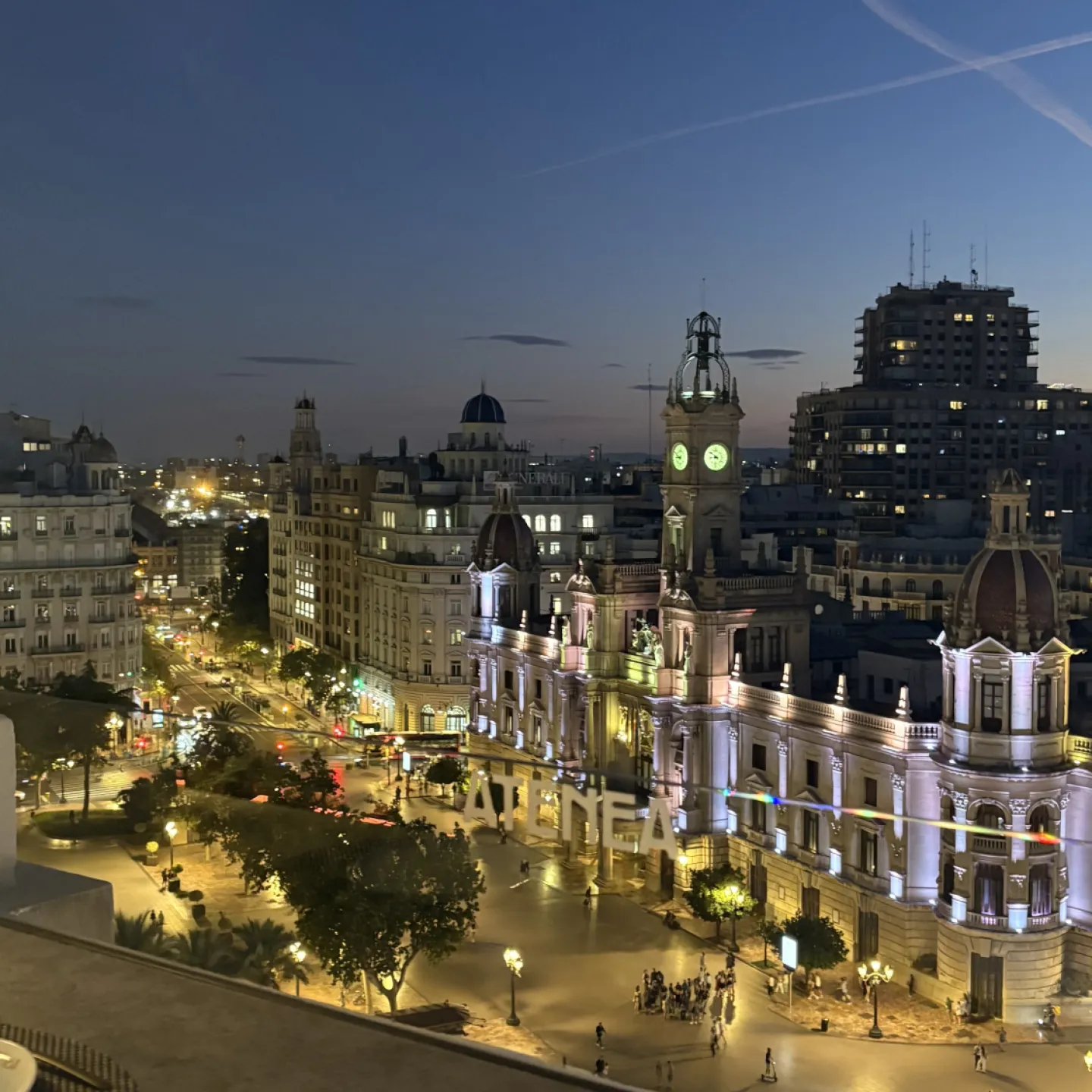
Hier sieht man die Innenstadt von Valencia.

Upon my arrival in Valencia, my experience began with a minor delay because we had to wait approximately 45 minutes for our baggage to arrive. This was not a major issue for me, as I landed at 2:00 PM but could not collect the keys to my new apartment until 4:00 PM, since the rental agency only opens in the afternoon. This initial situation already hinted at a different rhythm of daily life in Spain.


When I entered my apartment, I was surprised by the condition of my room. It was very dirty, and I had to clean it thoroughly before I could feel comfortable living there. At that point, it was already around 5:00 PM, and I felt slightly stressed because I needed to buy food and cleaning supplies. I assumed that I had only two hours left before the shops would close. However, I discovered that the supermarket was open until 9:30 PM. In contrast, shops in my home country typically close around 7:00 PM.


This was not the only time-related difference I noticed. The structure of my university schedule is entirely different from what I am accustomed to. Many of my lectures begin at 4:00 PM and continue until 9:30 PM. Since I am enrolled in third- and fourth-year courses, most students are completing internships during the day and attending university in the evening. Even my latest examination is scheduled from 7:00 PM to 9:00 PM, which is very unusual for me.


These experiences made me realise that the perception and organisation of time in Spain differ significantly from those in my home country. Days begin more slowly and end much later. Time appears to be more flexible and less rigidly structured.


This observation intrigued me, and I began to pay closer attention to how time is experienced in Valencia. From my balcony, I often observe the street below. Several restaurants are located nearby, and I have noticed that lunch is typically served around 1:00 or 2:00 PM, with many people present at that time. Between 3:00 PM and 7:00 PM, the streets become quiet, only to become lively again in the evening often until midnight during the week and until 2:00 AM on weekends. On one occasion, I returned home from a bar shortly before midnight during the week, and the bus was completely full.


Even the house rules in my shared apartment reflect this rhythm. Quiet hours begin at 11:00 PM, whereas in my home country, silence is expected from 10:00 PM onwards.

By observing the people on the streets of Valencia more closely, I have come to notice a general sense of calmness in their behaviour. Their walking pace is noticeably slower than what I am accustomed to, which initially made me reflect on my own habits. I often catch myself moving more quickly, seemingly in a rush, and realise that I appear more stressed in comparison to those around me. This difference in tempo is not limited to walking; even at the supermarket checkout, locals seem to approach tasks such as packing their groceries with a relaxed and unhurried attitude. These subtle observations further illustrate the more laid-back rhythm of daily life in Valencia, which contrasts with the more time-pressured environment I am used to.


These observations have helped me not only to adapt to life in Valencia but also to reflect on my own cultural norms. In my culture, time is often associated with structure, efficiency, and predictability. In Spain, however, time seems to be more closely linked to community, enjoyment, and flexibility. It is fascinating to see how a universal concept such as time can be lived so differently and how these differences shape our everyday experiences.

Hier sieht man die Innenstadt von Valencia.

China – Shanghai

China – Shanghai

Sarah Tschann

Food culture in China

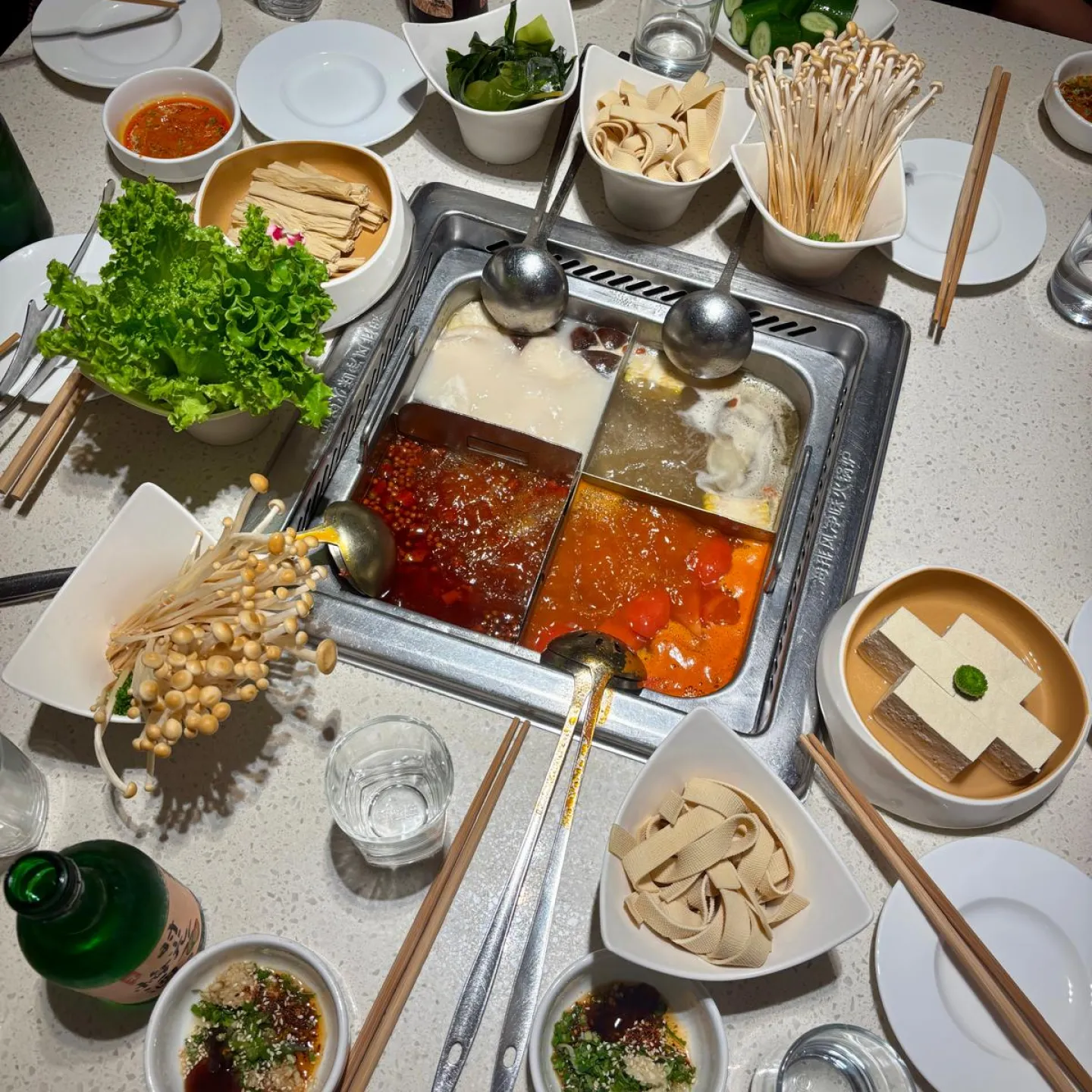
Hot Pot in Shanghai China

When we first arrived in Hong Kong, I was already very excited about the food. I really like sushi, dumplings or other Chinese dishes, and I imagined eating this every day would be perfect. But after some days of eating fried noodles, dumplings and other oily snacks from the street, I started to get a bit tired of it. I realized that I was missing something simple like a salad or some fresh vegetables. In Europe it is so normal to find this everywhere, but here in China it is not the case. Even in the supermarket I couldn’t really find salad.

The supermarkets here are also very different from what I know at home. In Austria or Switzerland we usually have several big supermarkets close to each other. In Shanghai, I mostly see smaller shops with just the most important things. Inside, there are huge meat and fish counters, sometimes even with living seafood. But what you don’t find are many milk products. Cheese, spreads or butter are really difficult to get.


I think one of the main reasons is that many people here don’t really cook at home so often. Apartments are usually small, and it is also very cheap and practical to eat outside or order food. The first time I tried ordering food with Alipay, I was really surprised how fast and easy it worked. In my little village in Austria it was impossible to order food, and if yes, then only with very high delivery costs. Here you can order everything: traditional food, fast food, sweets, even supermarket groceries and often it is free delivery. There are also many special deals, like two pizzas for 100 yuan (around 10 euros). After you order, you can see exactly where the driver is, if the food is ready, and when it will arrive. Sometimes there are also lockers, like at the post office, where you get a number and then pick up your food from a box.


Going to a restaurant for the first time was also a bit stressful for me. I was worried because many people here don’t speak English, and I also had respect for eating rice or noodles with chopsticks. But very fast I found out it is not so difficult. In many restaurants you just scan a QR-code, order and pay directly on the phone. That means you don’t really need to talk to the waiter. And forks and knives you cannot find anywhere, so you have to learn chopsticks but after some days it worked fine for me. What I really like is the way of eating together. At home, everybody usually gets their own plate. Here, people order many small dishes and put them in the middle of the table to share. This makes eating much more social. A highlight for me is the hotpot culture. Everyone sits around a big pot of soup in the middle, and you put vegetables, mushrooms or meat inside. It reminds me a bit of fondue, but here people eat it all year.


Of course, some things were surprising. For example, it is very normal here to slurp or even burp at the table. The first time I saw this, I was shocked, but later I learned it can even be a sign that the food was good. More difficult for me is the habit of spitting on the street. This is something I don’t think I will ever get used to.

In general, I see now how different food culture can be. In Austria and Switzerland meals are more private, structured and individual: breakfast, lunch, dinner. In Shanghai, food is more spontaneous, shared and very connected with daily life. It is less about “my plate” and more about the community.


Now, after one month, I am used to many things and I enjoy it. The cheap prices, the variety and the easy way of ordering food I will really miss when I go back home. But I also already look forward to eating Kässpätzle, mountain cheese and a Wiener Schnitzel again.

Hot Pot in Shanghai China

USA – Raleigh, North Carolina

USA – Raleigh, North Carolina

Magdalena Bereuter

Life in Raleigh: The Warmth of Small Talk

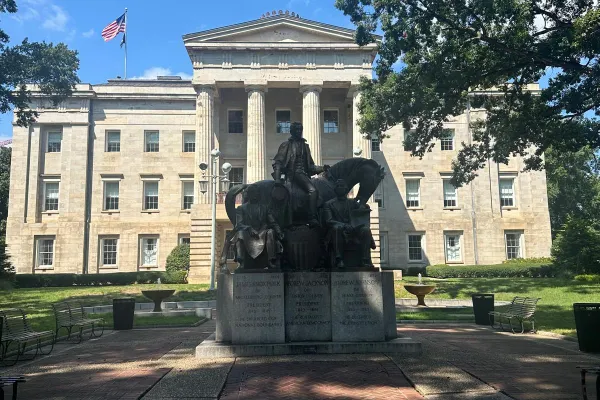
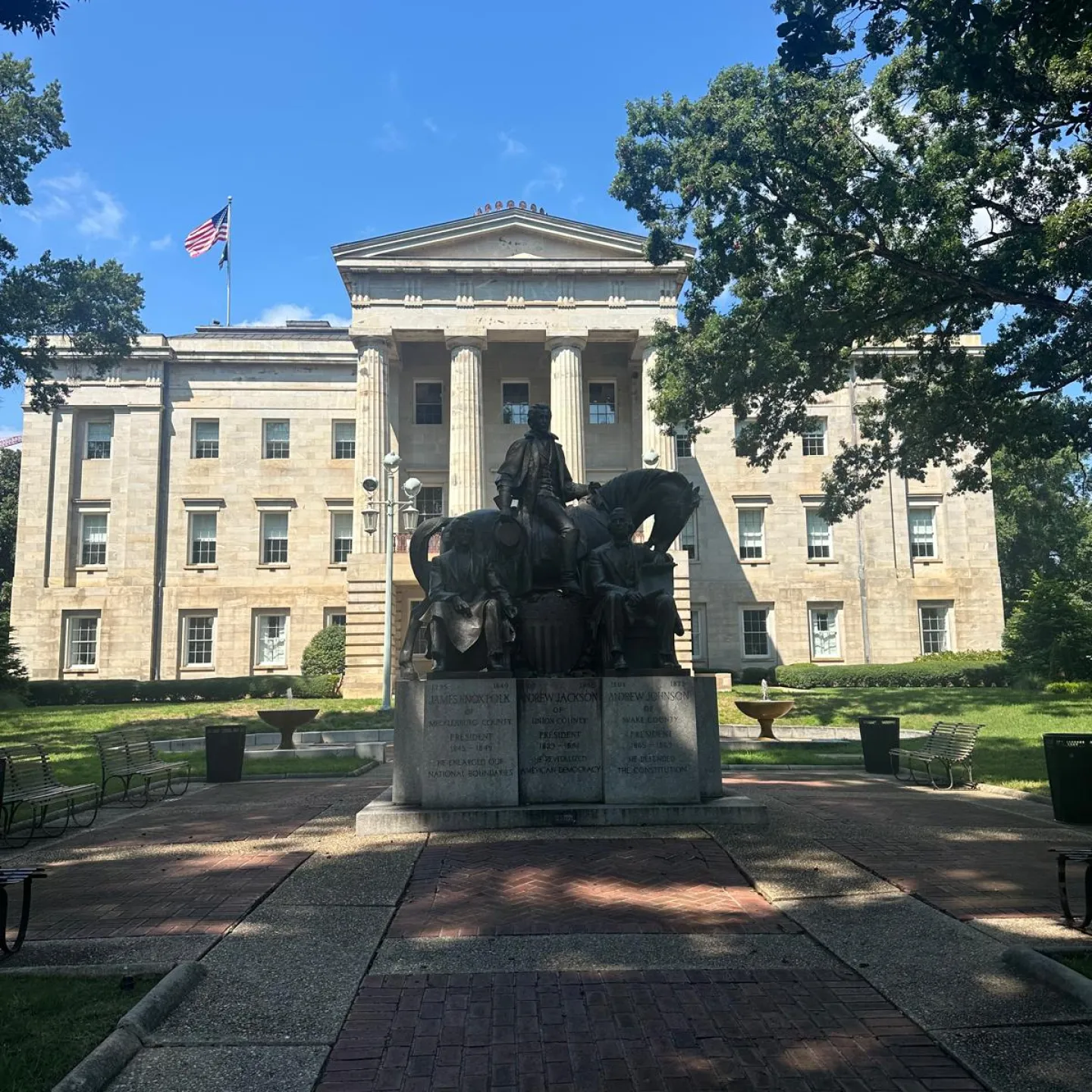
Aussenaufnahme von Raleigh North Carolina

If you ask me what surprised me most about life in Raleigh, I would say it’s the friendliness of everyday interactions. Since arriving in the USA, I immediately noticed how friendly and open people are here and how much they love small talk. Back home in Austria, encounters with strangers are usually polite but reserved. You rarely have casual conversations with people you hardly know. In Raleigh, on the other hand, friendliness is everywhere, and small talk seems to be almost a social art form.

I noticed it right away in the little moments. Like when people get off the bus, almost everyone throws a “Thank you, have a good one!” to the driver. At the grocery store, the cashier will ask, “How’s your day going?” and they actually wait to hear your answer. It doesn’t feel like a robotic script, it feels like a genuine moment of connection. It is fascinating that Americans often reveal a lot about their private lives very quickly. Within ten minutes of conversation, someone might already be telling you about their weekend, their family, or their classes. In Austria, this would seem unusual. People tend to be reserved and hesitate to reveal personal details too early on.

Another thing I love is the culture of compliments.  In Austria, people may notice something and think a compliment but often keep it to themselves. Here, compliments seem sincere and immediately create a feeling of connection and warmth. I have to admit that it's nice. You feel welcome and appreciated, and even small gestures like “I like your shoes!” or “Your hair looks great today” can brighten your day in a way that I haven't experienced very often before.


I think one reason this culture of friendliness works so well is that Americans, especially students, seem to be constantly busy and engaged. On campus, this culture of openness is everywhere. Students are constantly busy, for example joining clubs, sports, volunteer work, or social events. There are a lot of opportunities to get involved, and that naturally leads to talking, meeting new people, and building connections. It feels like there’s always something happening, and everyone’s eager to welcome you in.

Reflecting on these observations led me to think about my own cultural background in Austria. I can see the contrast more clearly now.  We are polite, but much less emphasis is placed on casual friendliness or small talk. Strangers rarely engage in personal conversations, and we are generally more reserved. Sharing personal details too quickly can even be perceived as uncomfortable or inappropriate. Although I still value the privacy and reserve of my culture, I now see that the American approach has its advantages. You immediately feel more welcome and included, even when you’re new. But when it comes to forming a real friendship, it can be more difficult. At first, people seem so friendly, but often you don’t hear from them again unless you’re in the same club or do the same sport. Back in Austria, you usually know where you stand with people, which can feel more stable, even if it’s less openly warm.


Living in Raleigh has made me appreciate these little everyday gestures like quick conversations in passing or unexpected compliments. They might seem small, but together they shape the atmosphere of a place and make it feel warmer, more like home. I’ve realized that the Austrian way and the USA way are just different approaches to interacting with people. Neither is better or worse, but being here has taught me to notice the value of friendliness in daily life. I hope to keep a bit of that friendliness and openness with me in everything I do.

Aussenaufnahme von Raleigh North Carolina

Test Blog CWE

Test Blog CWE

Test 

New Whitepaper on Digital Environmental Product Declarations Published

New Whitepaper on Digital Environmental Product Declarations Published

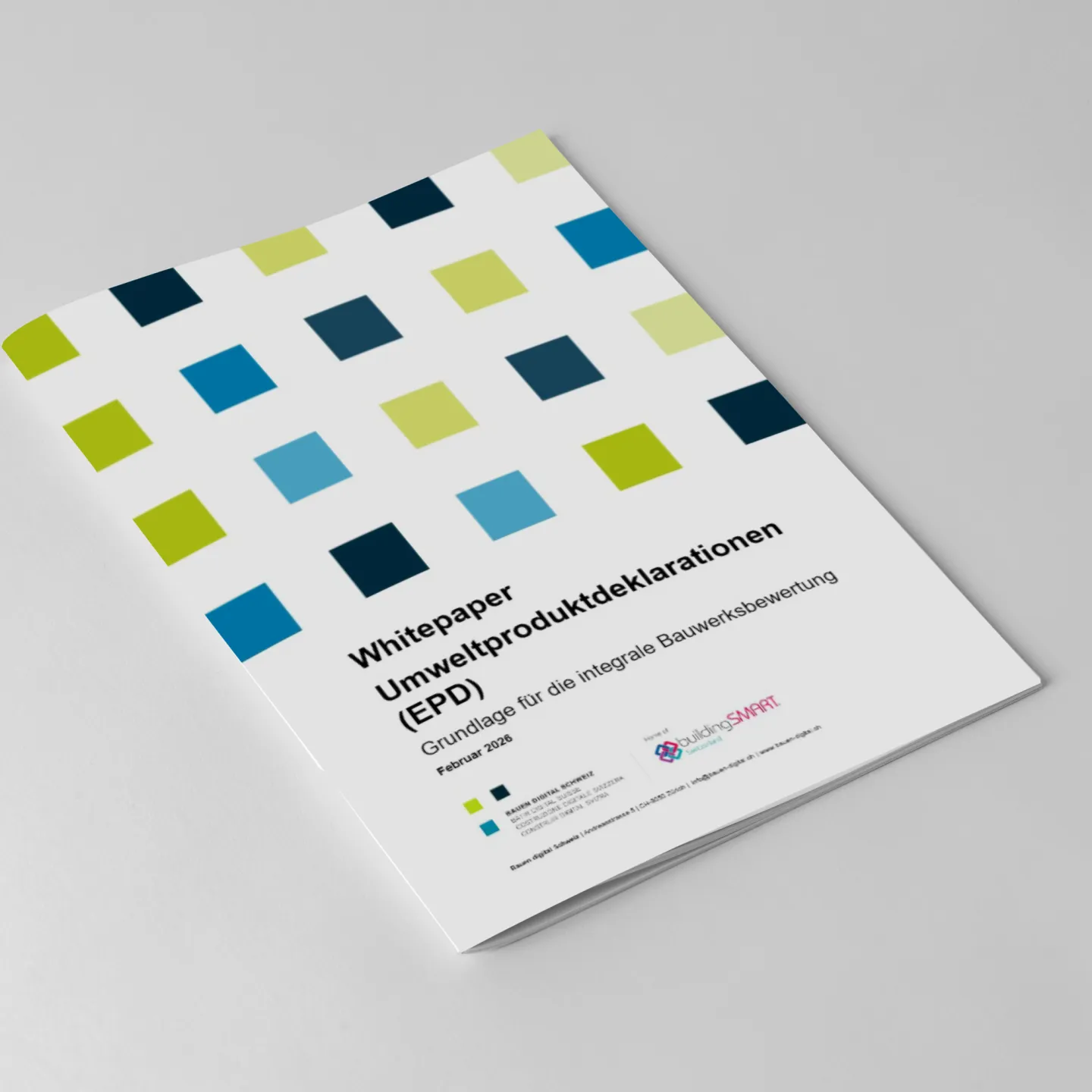
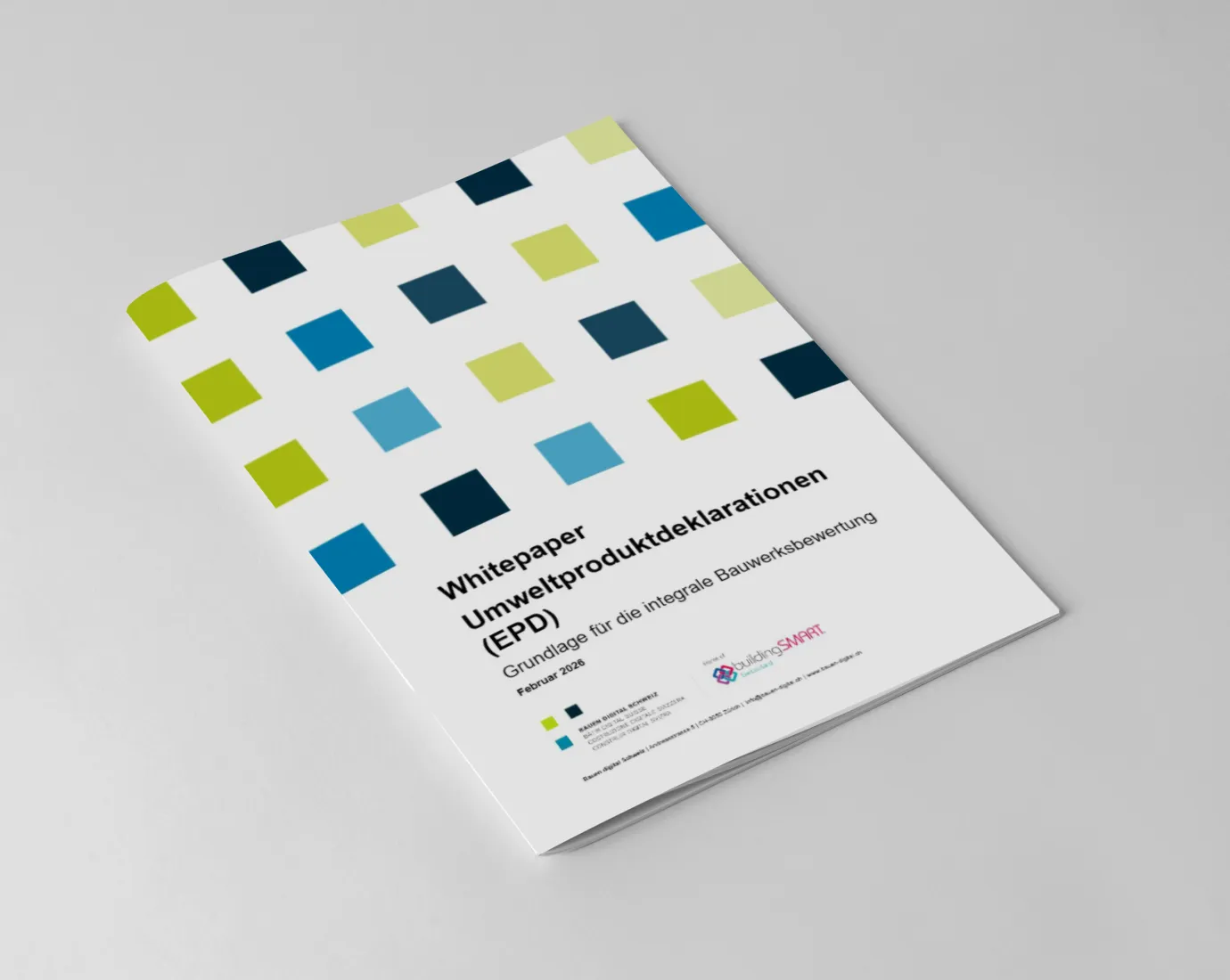
Cover mit bunten Quadraten und schwarzer Schrift

Piotr Piotrowski, doctoral candidate at the Liechtenstein School of Architecture in the Built Heritage & Upcycling Unit, has contributed to a recent whitepaper by «Bauen digital Schweiz / buildingSMART Switzerland». The publication «Environmental Product Declarations (EPD): Foundation for Integrated Building Assessment» focuses on the structured and machine-readable integration of environmental data into BIM processes.

At its core is the linkage of Environmental Product Declarations (EPDs) with the upcoming Digital Product Passport (DPP), enabling continuous and automated sustainability assessment across the entire building lifecycle. Particular emphasis is placed on the use of semantic standards and open data structures.

In light of the EU requirement for the Digital Product Passport coming into effect in 2027, the publication also demonstrates how companies can already prepare their data for building certifications, tenders, and sustainability reporting. The whitepaper thus contributes to advancing digital technologies and practice-oriented industry standards in the construction sector.

The whitepaper is available online at:
https://bauen-digital.ch/thema/zirkulaeres-bauen/#EPD

Cover mit bunten Quadraten und schwarzer Schrift

One Week on Site: Excursions in Architectural Education

One Week on Site: Excursions in Architectural Education

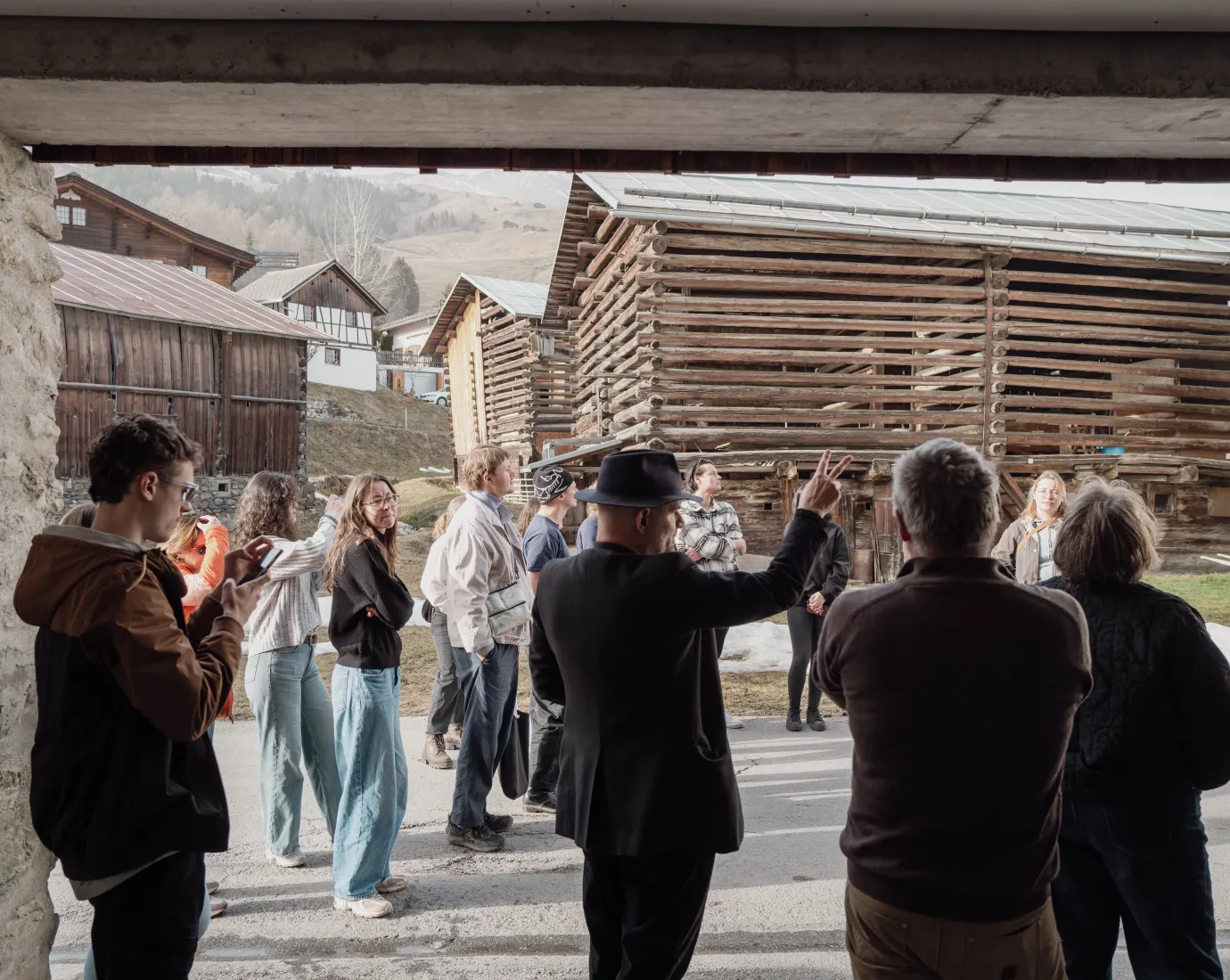
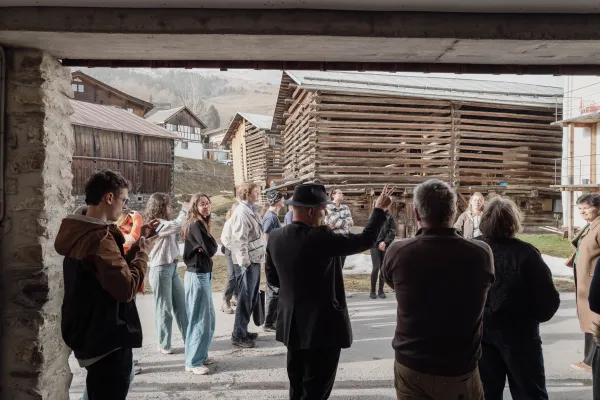
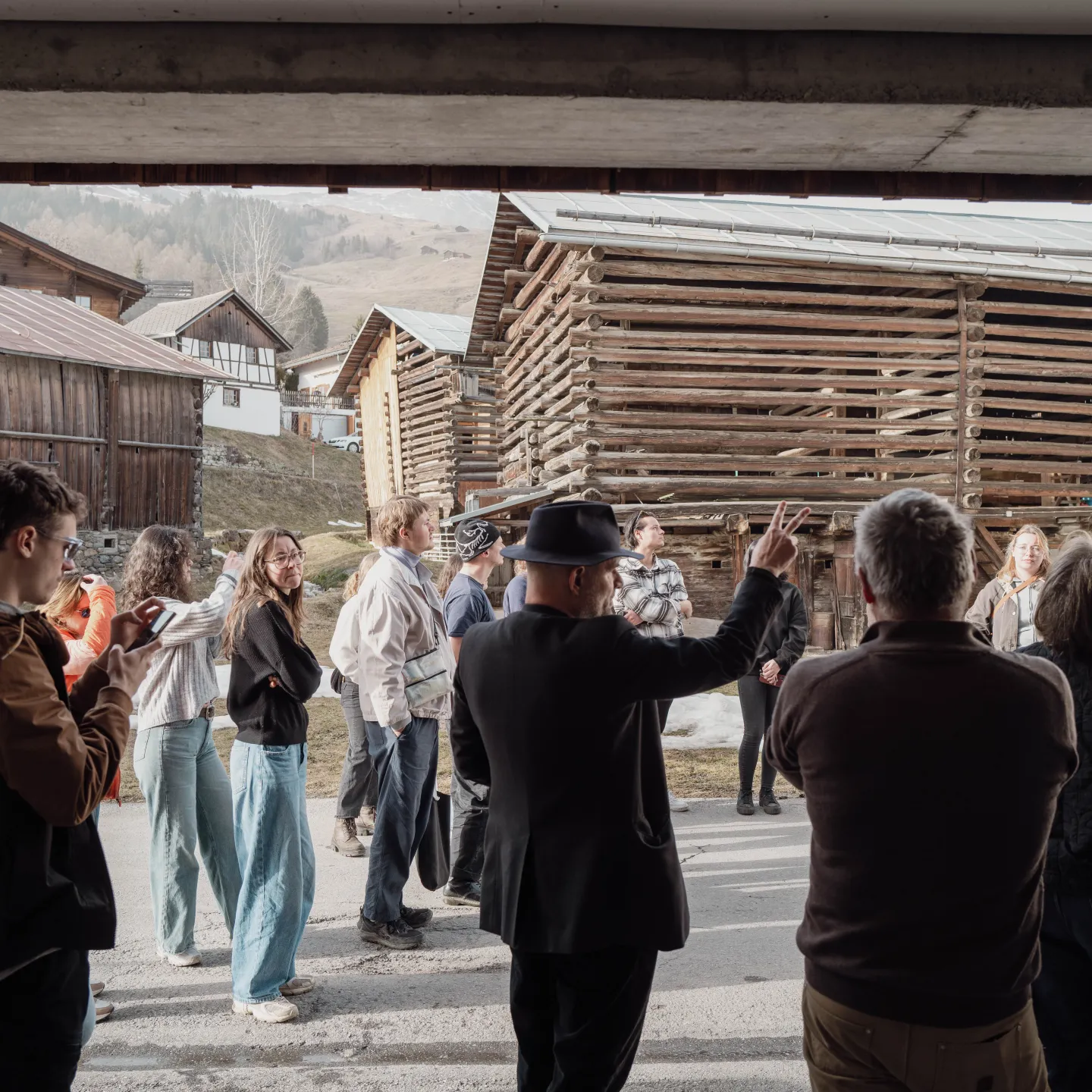
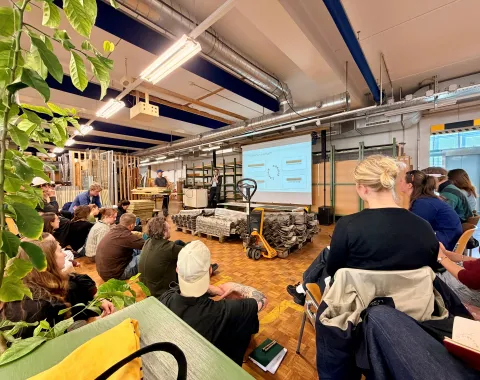
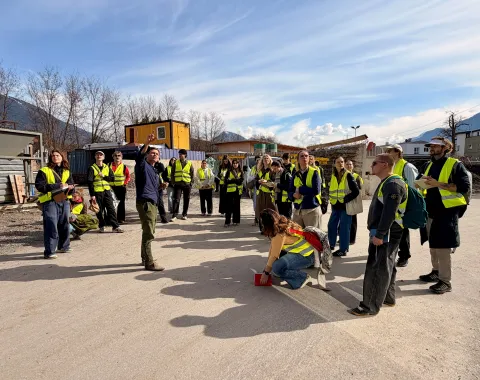
Gruppe von Menschen in einem Dorf mit Holzhäusern

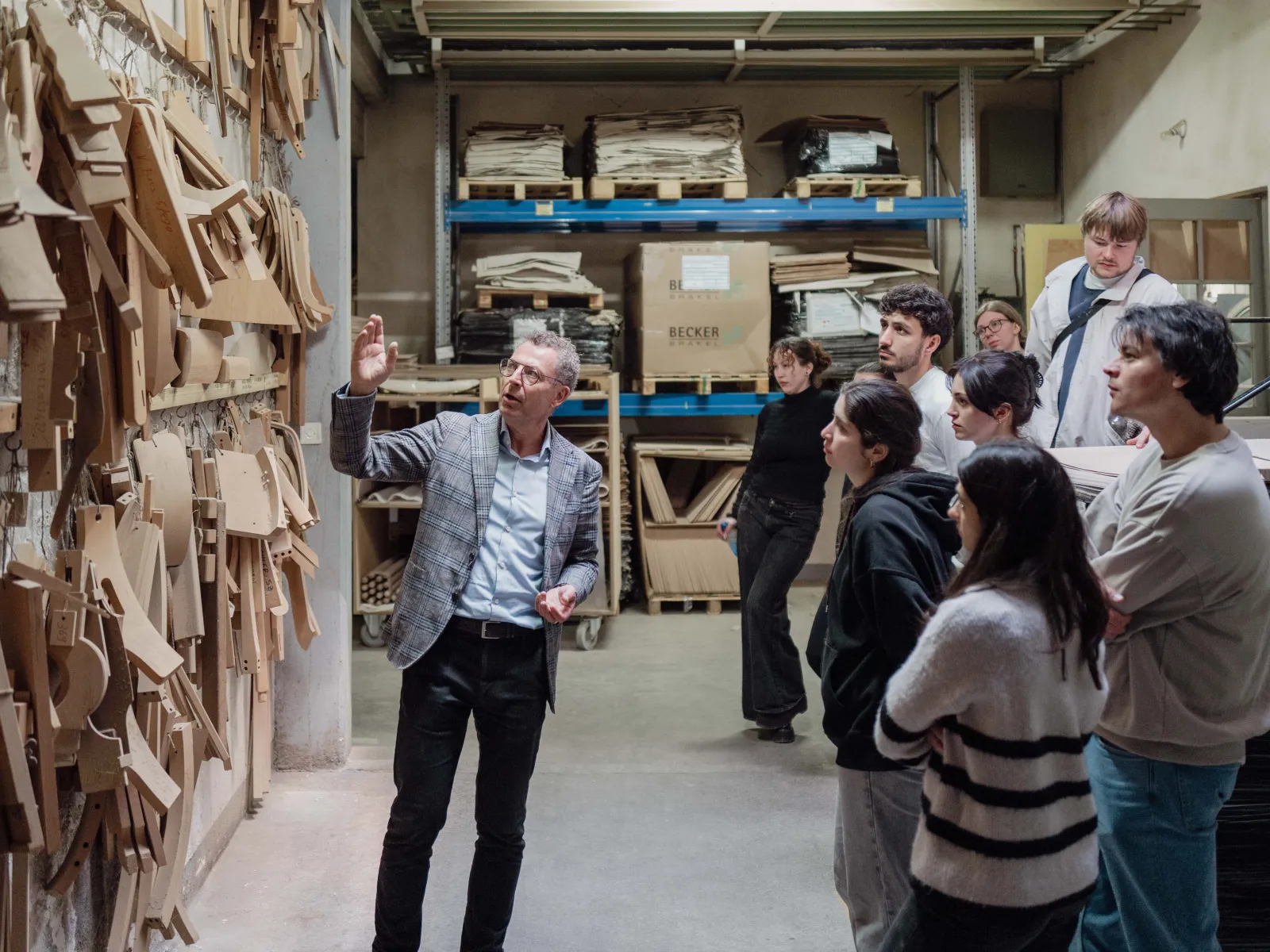
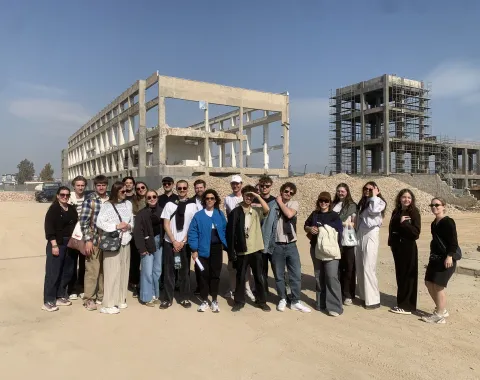
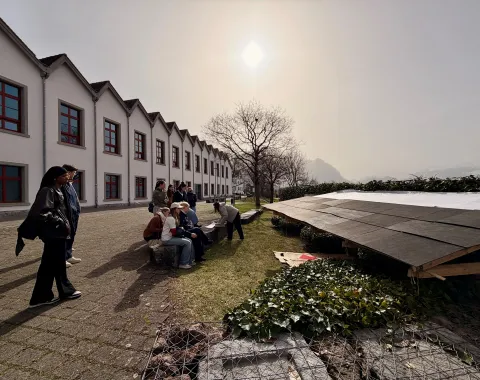
Each semester, the Liechtenstein School of Architecture organises an excursion week, scheduled within the first third of the semester. During this time, teaching shifts for one week from the studio to real landscapes, cities and cultural contexts. The selected locations are closely related to the design themes of the studios and accompany the subsequent project work.

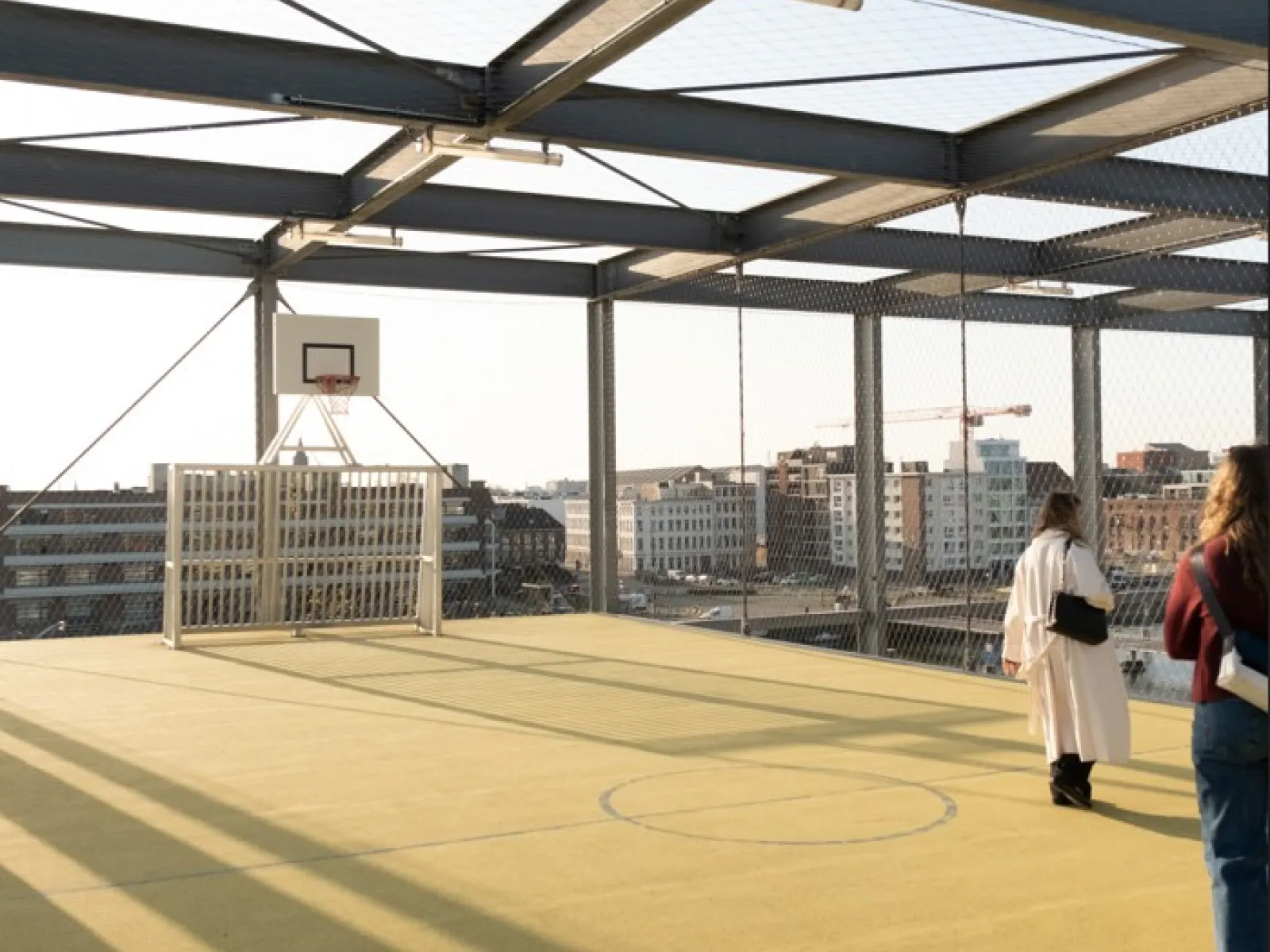
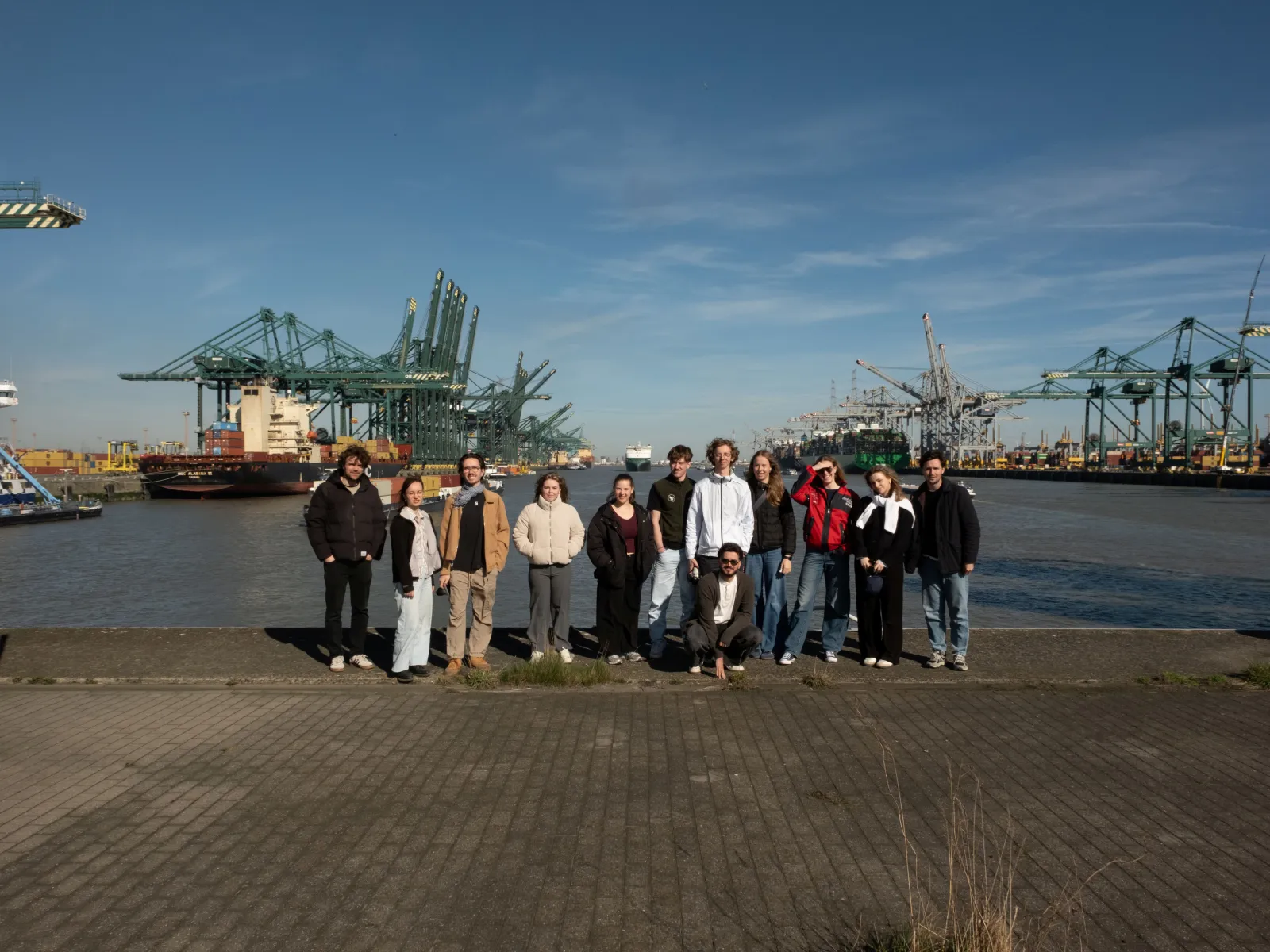
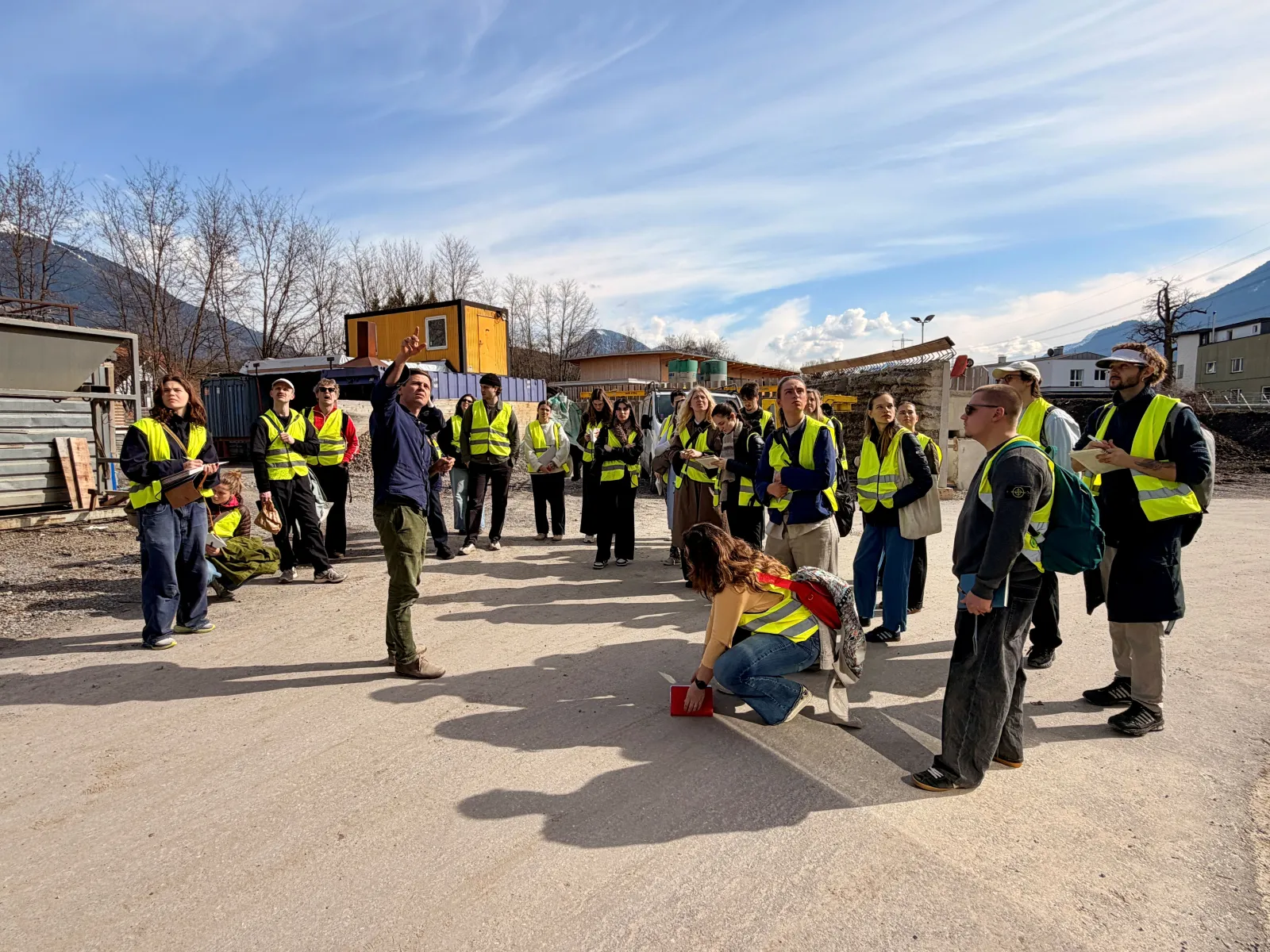
In the current semester, 160 students worked in various European contexts. On site, they examined buildings, cities and landscapes, documented their observations and exchanged with local actors. In some studios, they also worked directly on construction sites and engaged practically with materials, construction and existing structures.


Foundation Studios (Bachelor, Semesters 1–4)
 

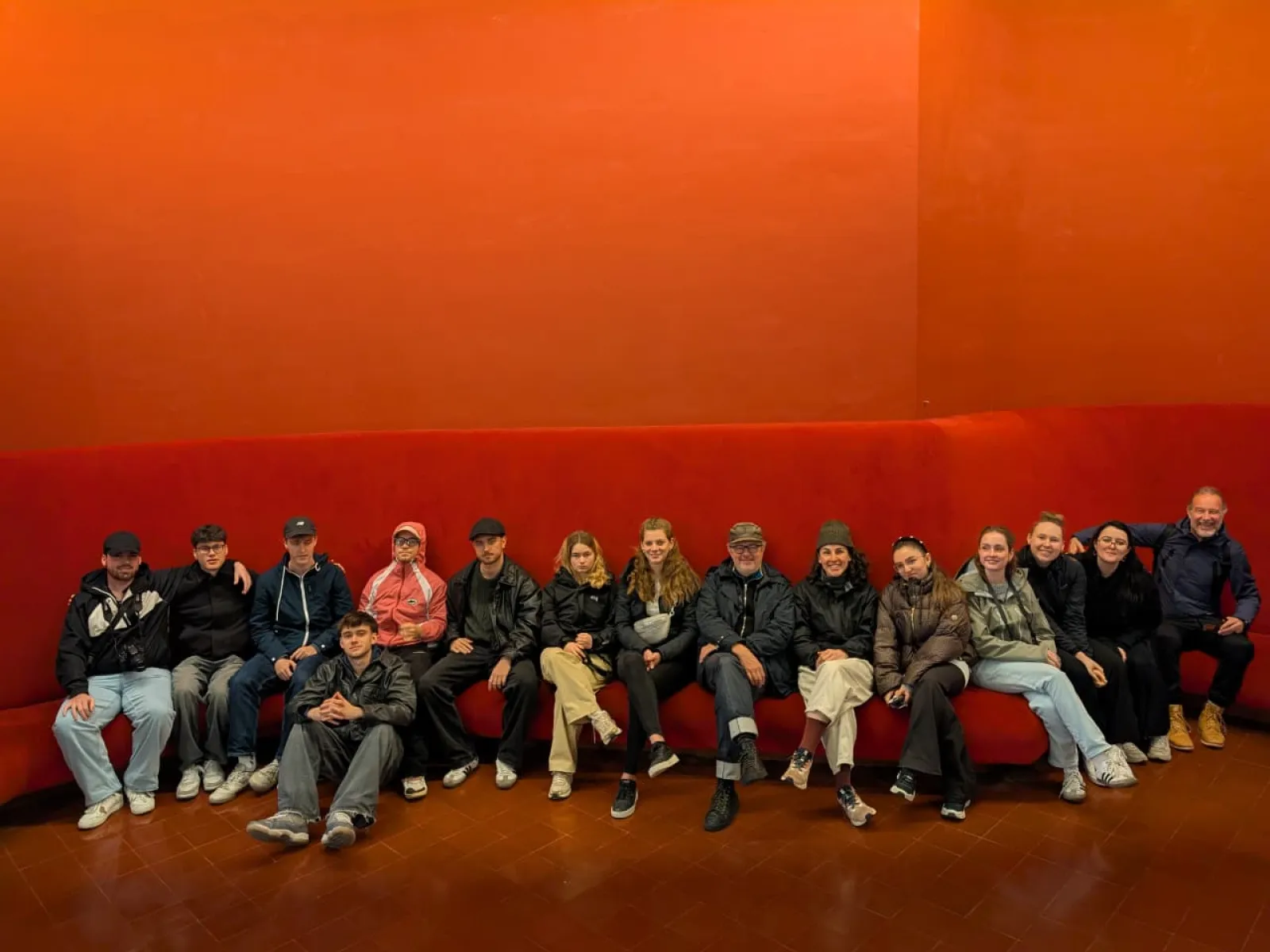
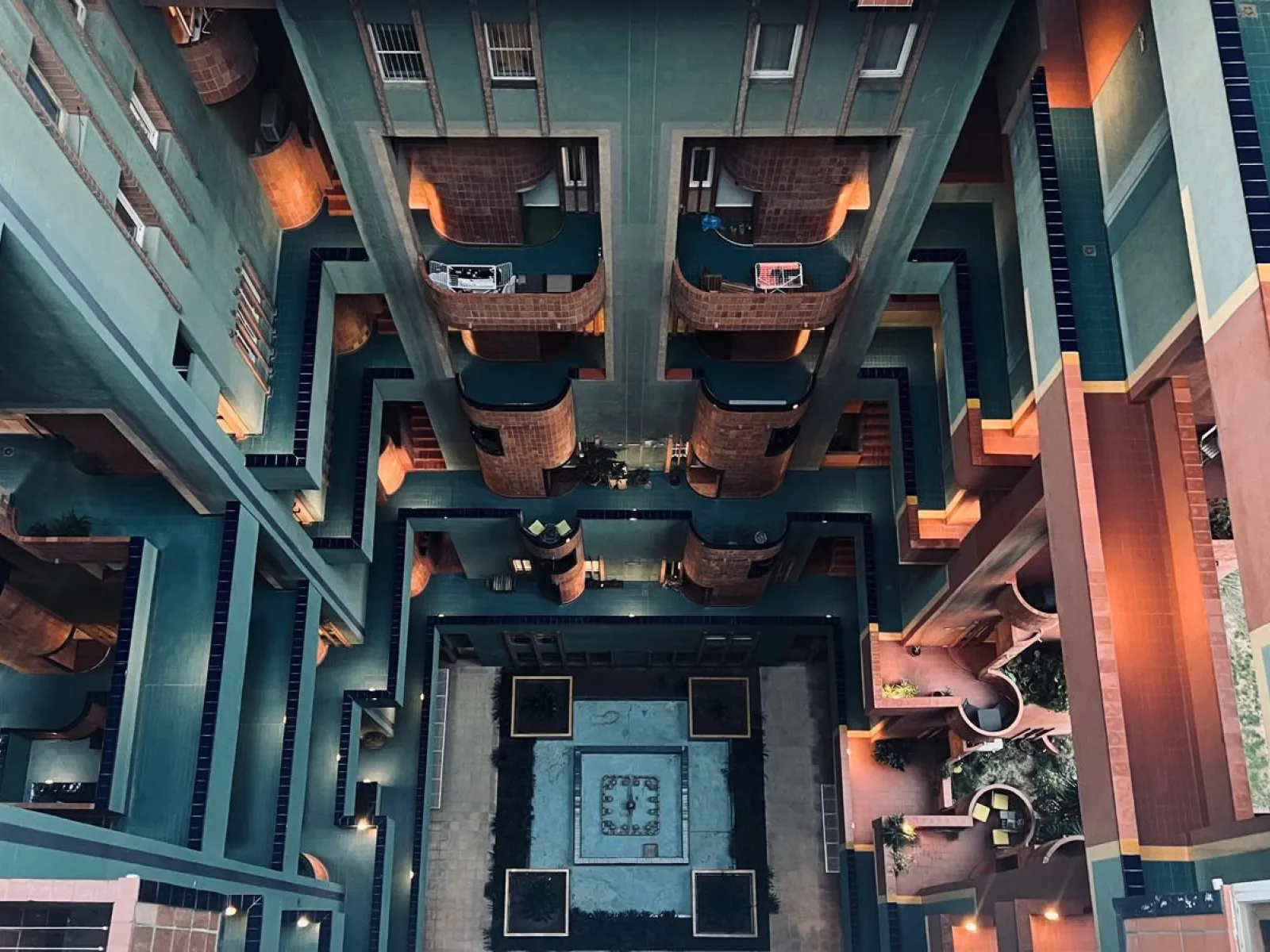
Built Heritage and Upcycling «Interaktionen» – SPAIN

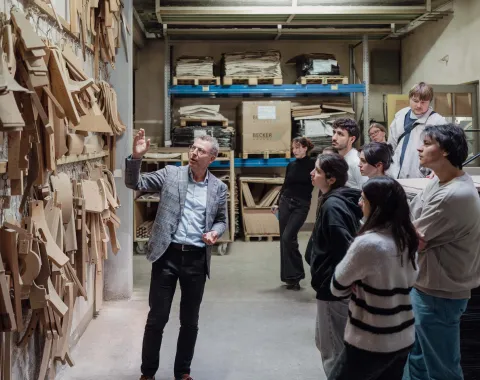
The excursion took place in Barcelona, where students examined the city as a layered and continuously evolving urban fabric. On site, materials, construction methods and urban structures were analysed, revealing broader social and architectural developments. Particular attention was given to strategies of working within existing structures, including additions, densification and incremental adaptations.
 

Sustainable Design «Galicia by Foot» – SPAIN

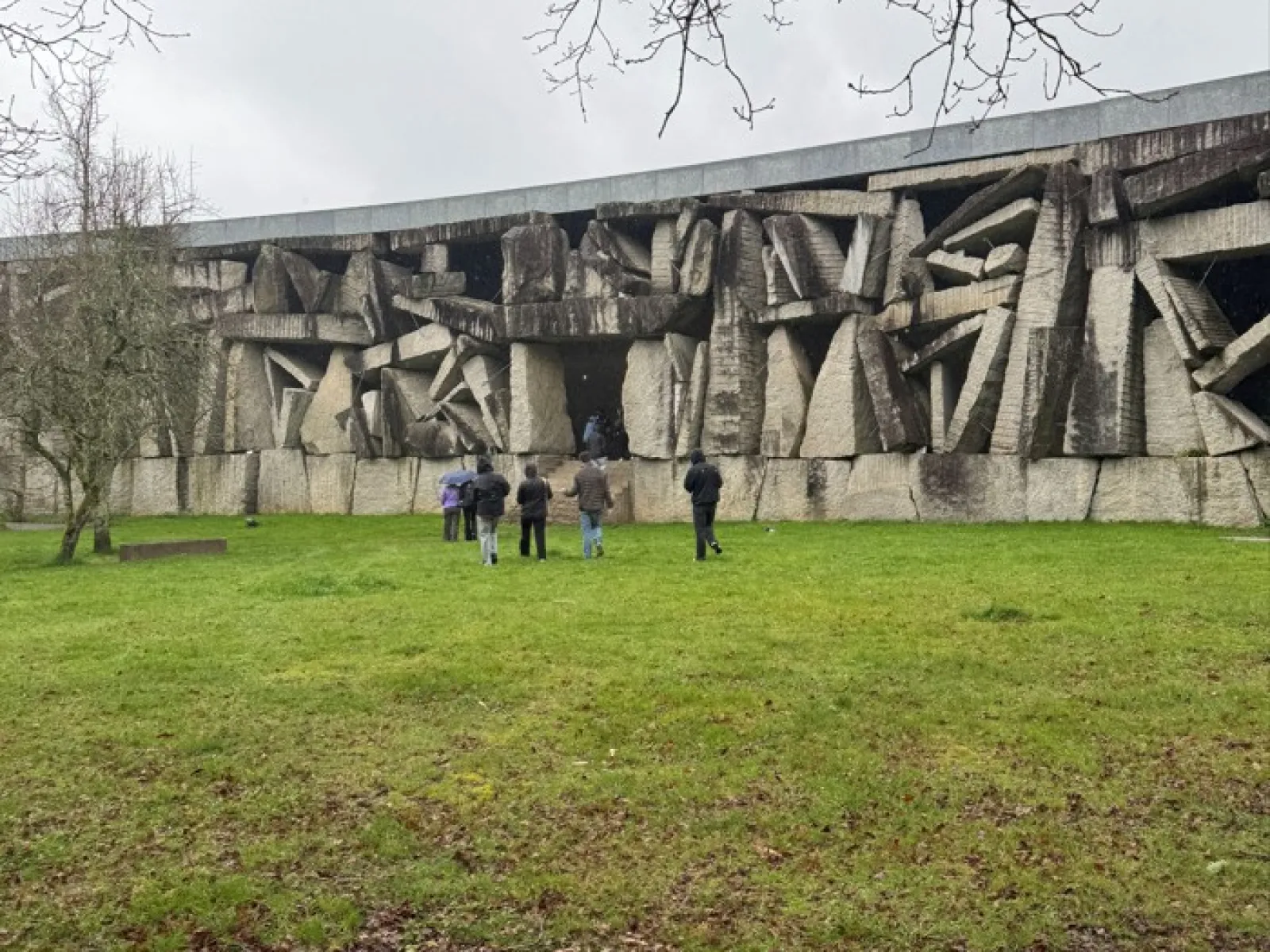
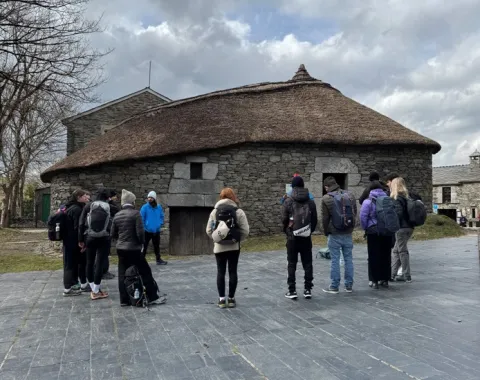
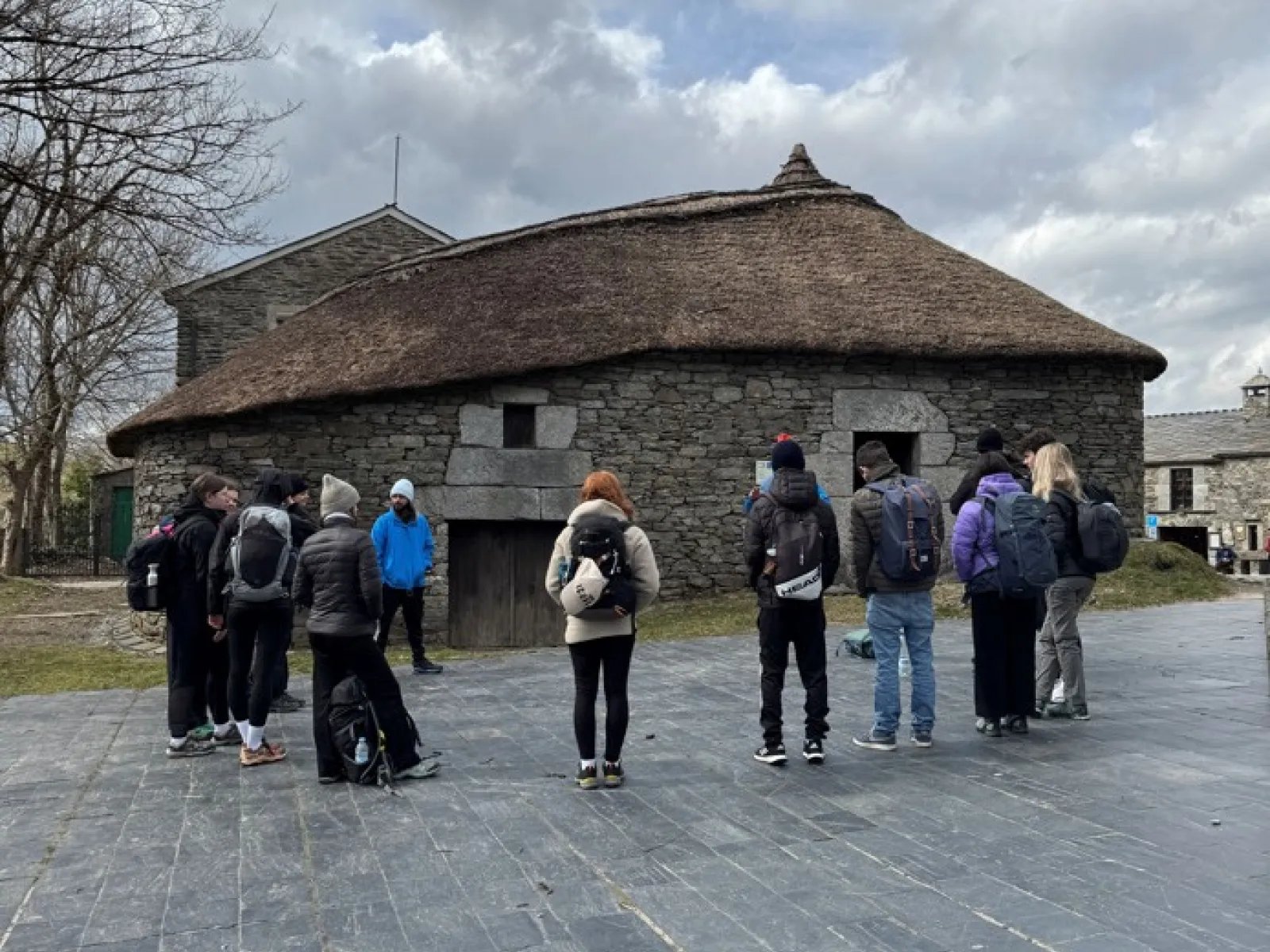
The excursion led to Galicia, where architecture was studied in relation to space, landscape and use. A section of the Camino de Santiago was explored on foot to investigate questions of scale, rhythm and perception from the perspective of its users. The trip was complemented by visits to traditional building types as well as contemporary architecture in Santiago de Compostela.
 

Urban Design and Spatial Development «Stein, Struktur, Strasse» – BELGIUM

The journey followed road-based settlements in Belgium, with a focus on villages in Wallonia. On site, students analysed processes of unplanned densification and the phenomenon of «Brusselisation», where demolition, adaptation and new construction without overarching planning have produced a fragmented yet distinct urban fabric. Linear settlement patterns, transitions between private and public space, and forms of everyday appropriation were examined.
 

Craft and Structure «Gimme Shelter» – LIECHTENSTEIN

In parallel to the excursion week, a one-week workshop on housing precarity took place at the University of Liechtenstein. In collaboration with students and lecturers from the Bergen School of Architecture as well as local organisations, students designed and prototyped shelters for people in precarious living situations. The focus was on working with reused materials and on the intersection of architecture, social work and participatory approaches.


Advanced Studios (Bachelor Semesters 5–6, Master Semesters 1–4)
 

Urbanism, Architecture and Society «Leipzig Grünau» – GERMANY

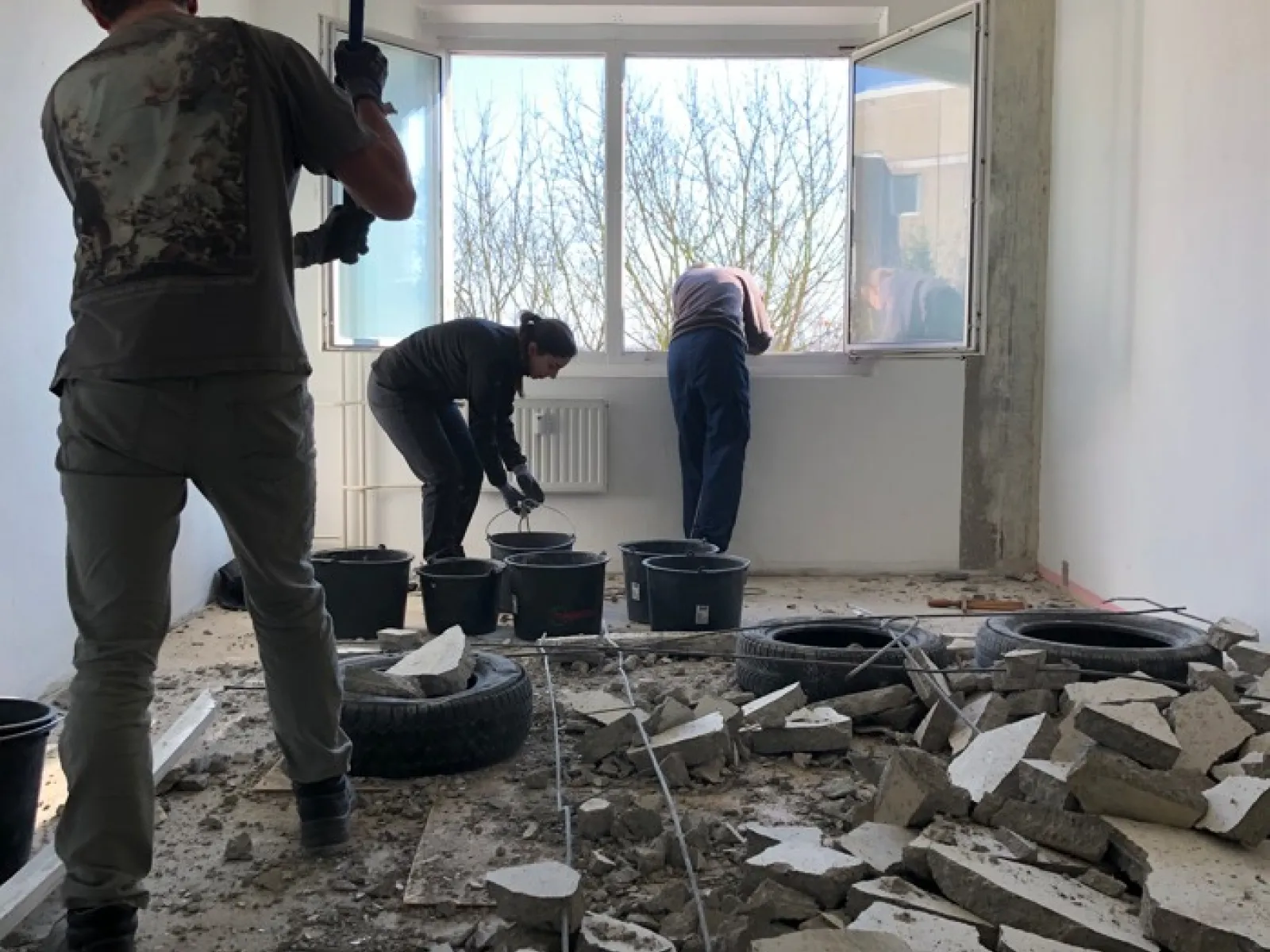
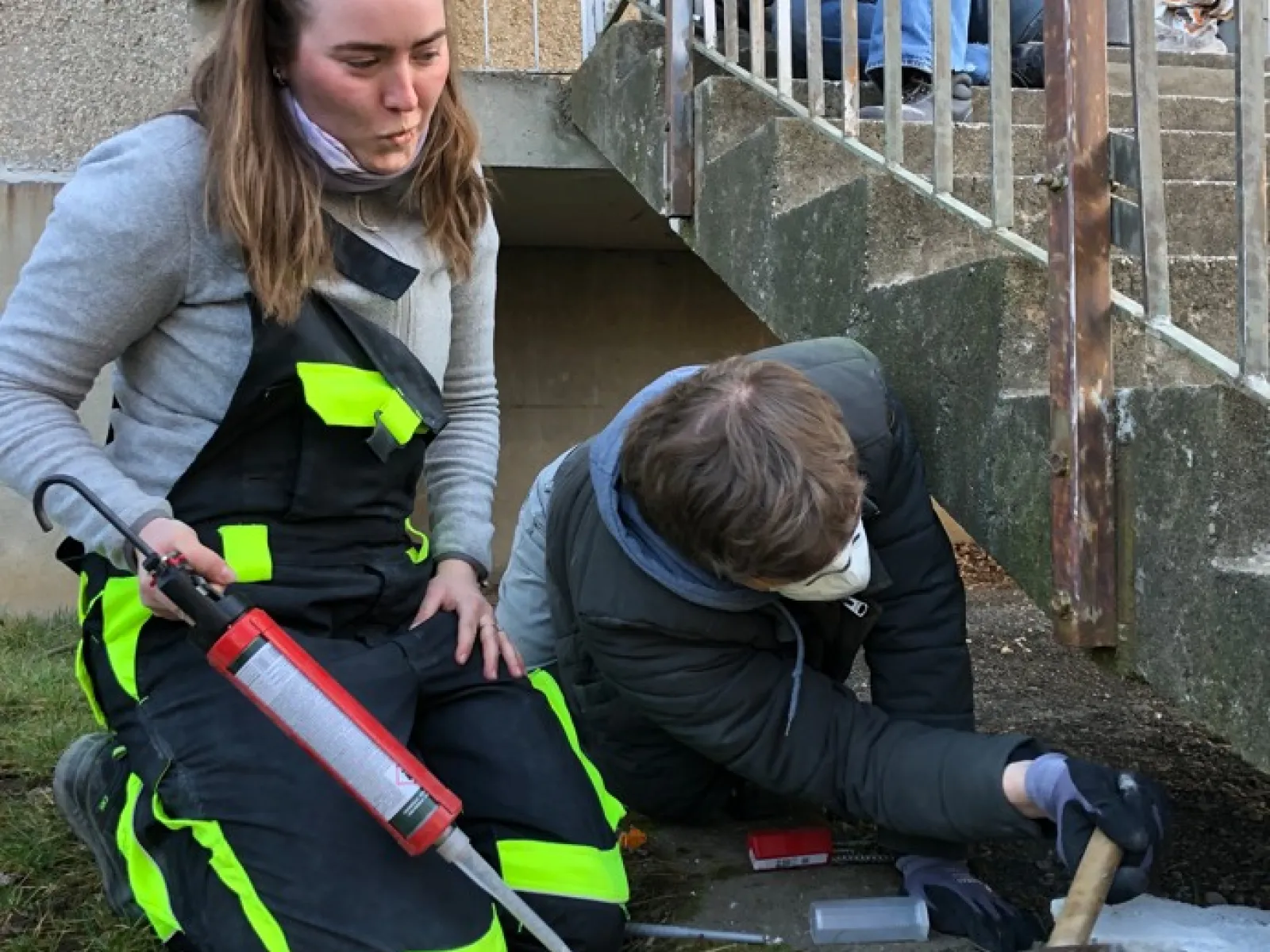
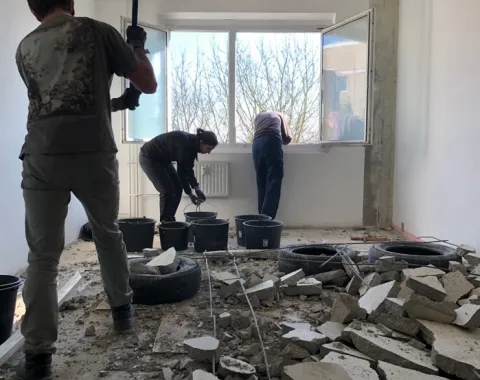
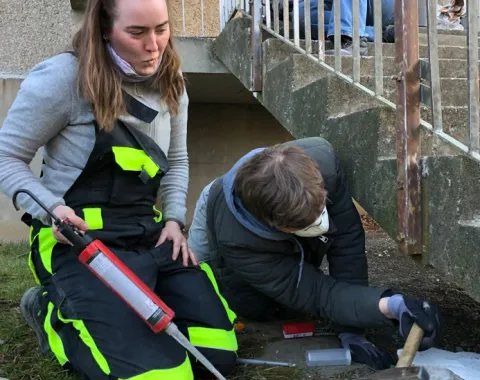
Students travelled to Leipzig Grünau and worked directly on site within a specific project context. The focus was on engaging with the existing fabric of a large-scale prefabricated housing estate from the former GDR. In a vacant apartment, students developed and implemented spatial interventions, exploring new and flexible forms of living within existing structures.
 

Built Heritage and Upcycling «Emptiness: Different Practices of Perception» – SWITZERLAND

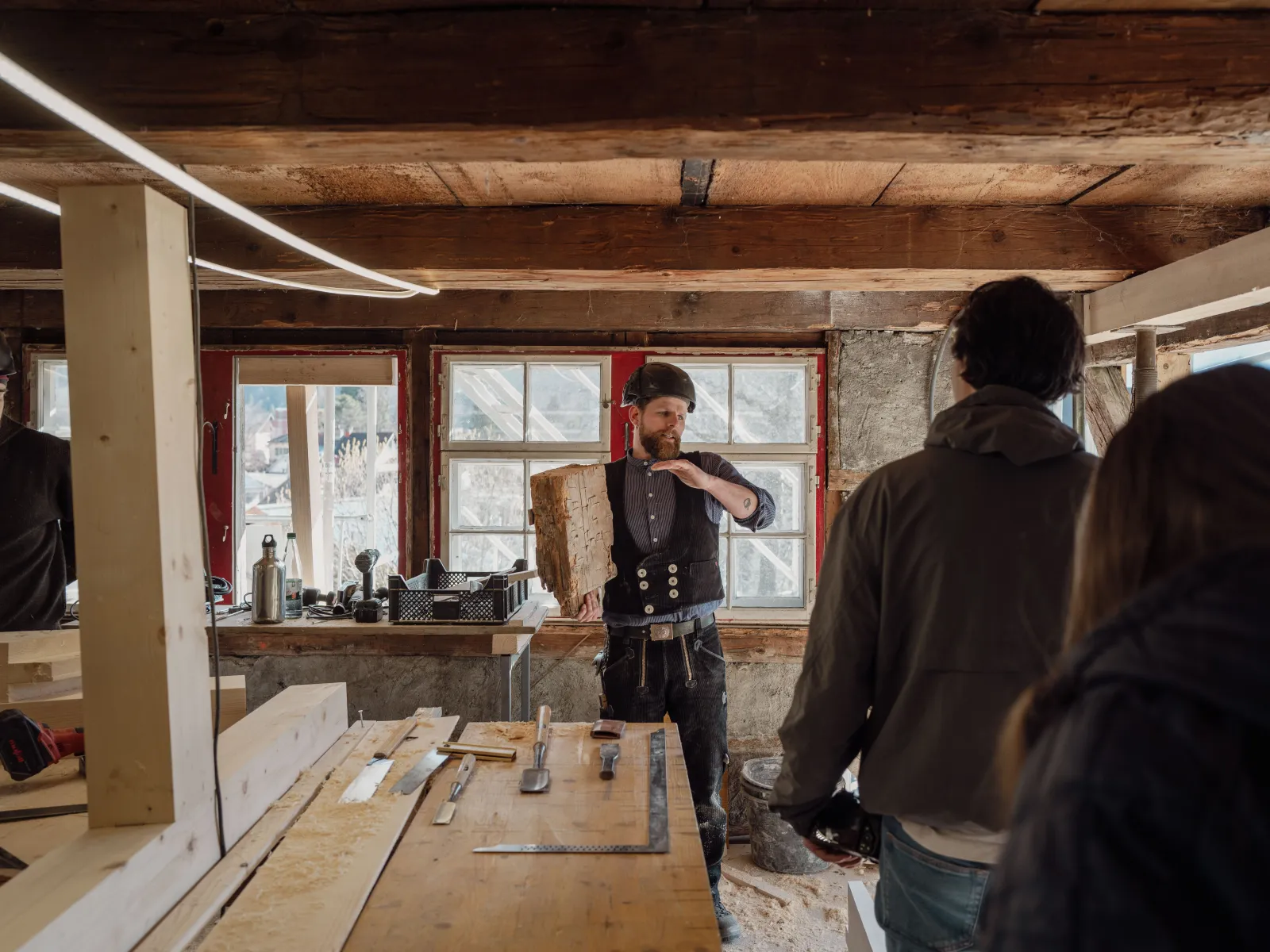
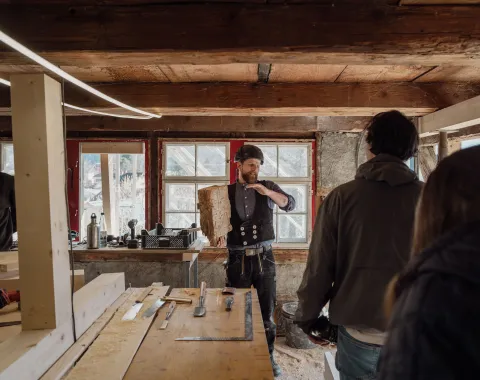
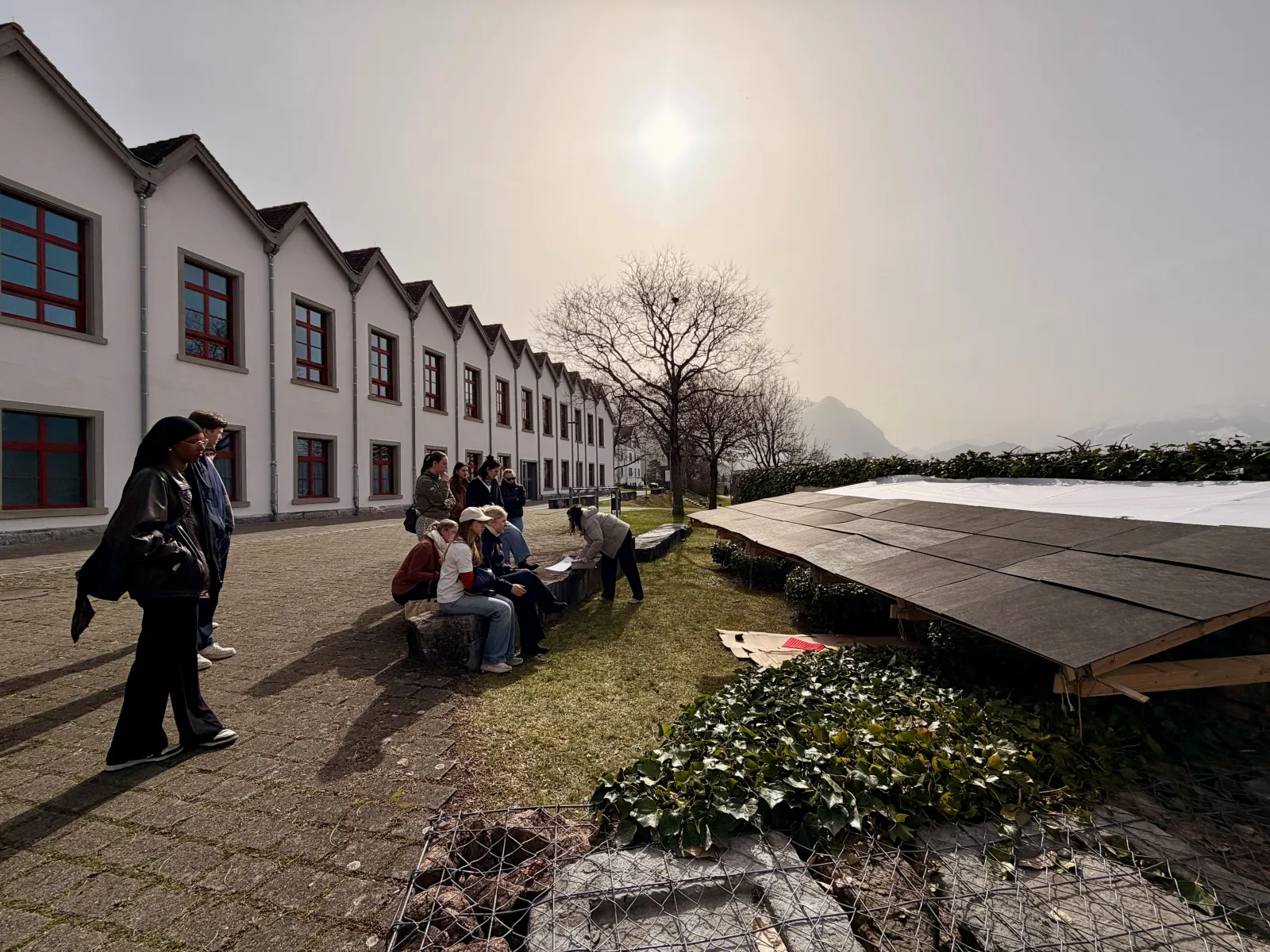
The seminar week took place in the canton of Glarus and combined conventional excursion formats with practices such as drawing, meditation and collective singing. The aim was to sharpen perception in relation to space. Visits to construction sites, architectural offices and traditional workshops provided insights into current building processes and decision-making.
 

Craft and Structure «From Oporto to Lisbon» – PORTUGAL

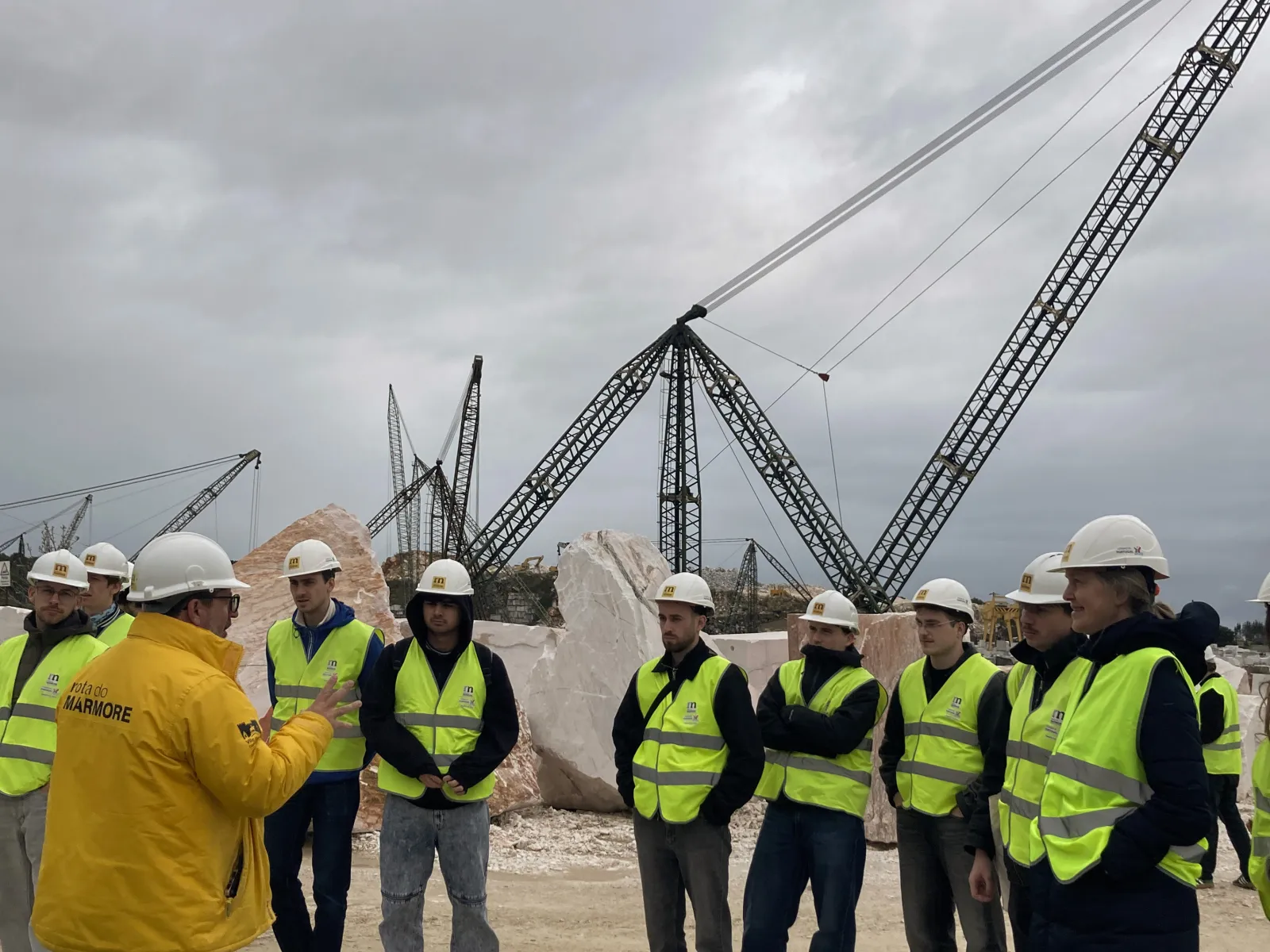
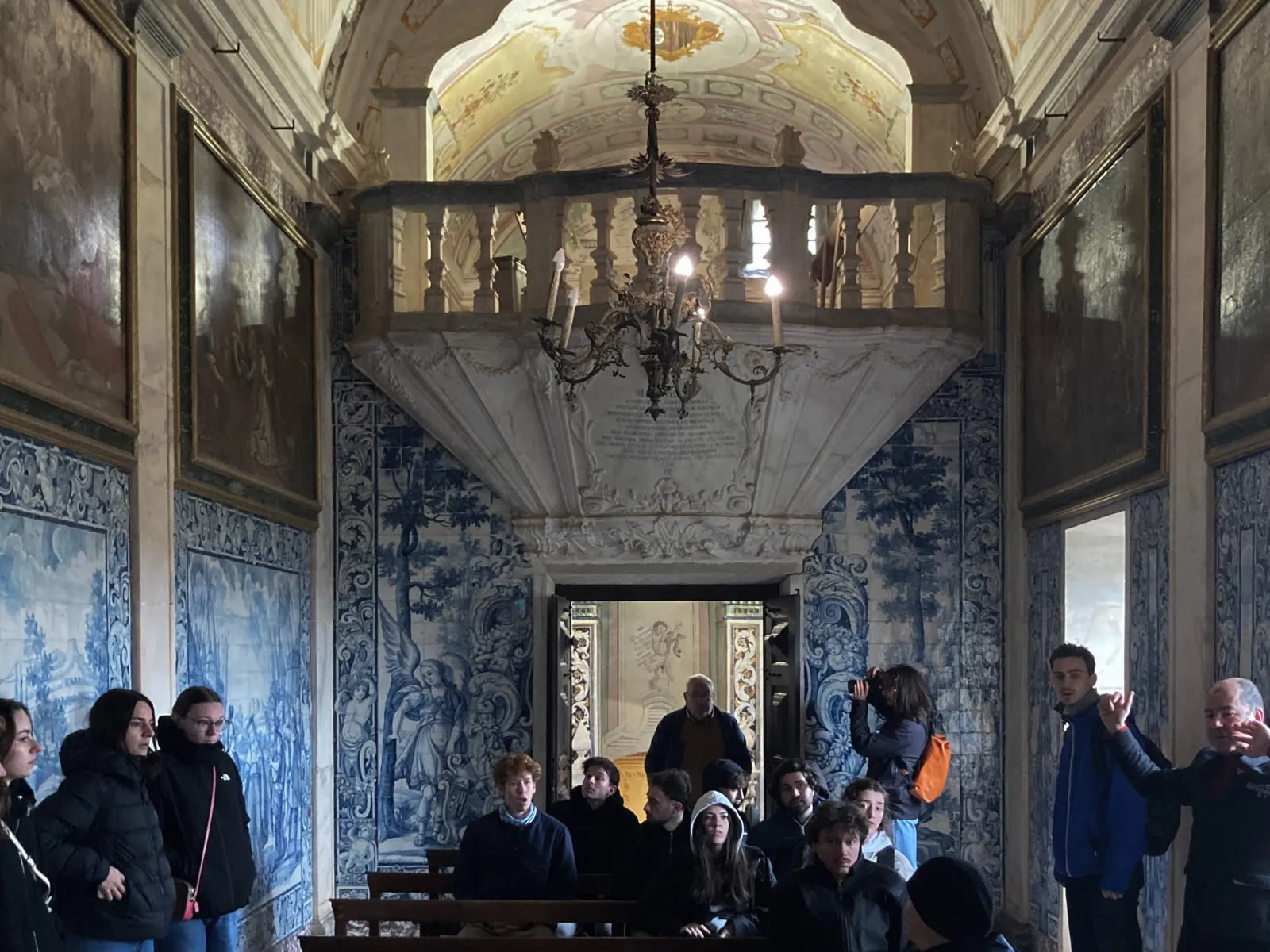
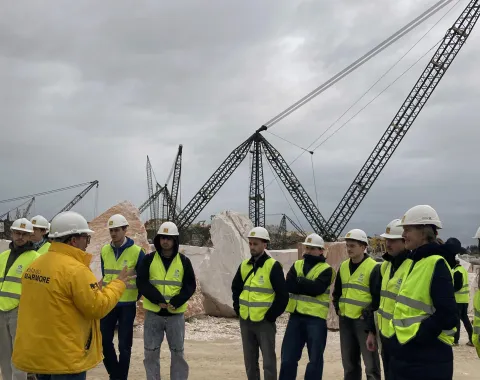
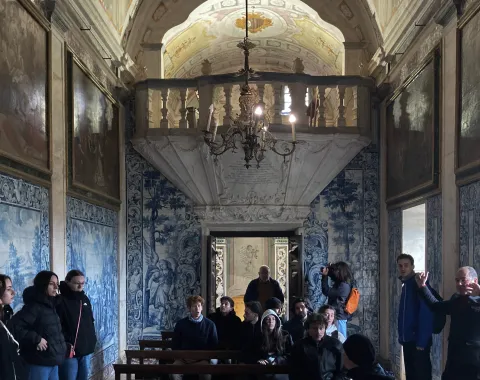
The excursion extended from Porto to Lisbon and further inland. Along this route, students examined the relationship between material, construction and landscape. The programme included visits to works by Álvaro Siza as well as other significant buildings demonstrating a range of architectural approaches and scales.
 

Sustainable Design «Netherlands & Germany» – NETHERLANDS AND GERMANY

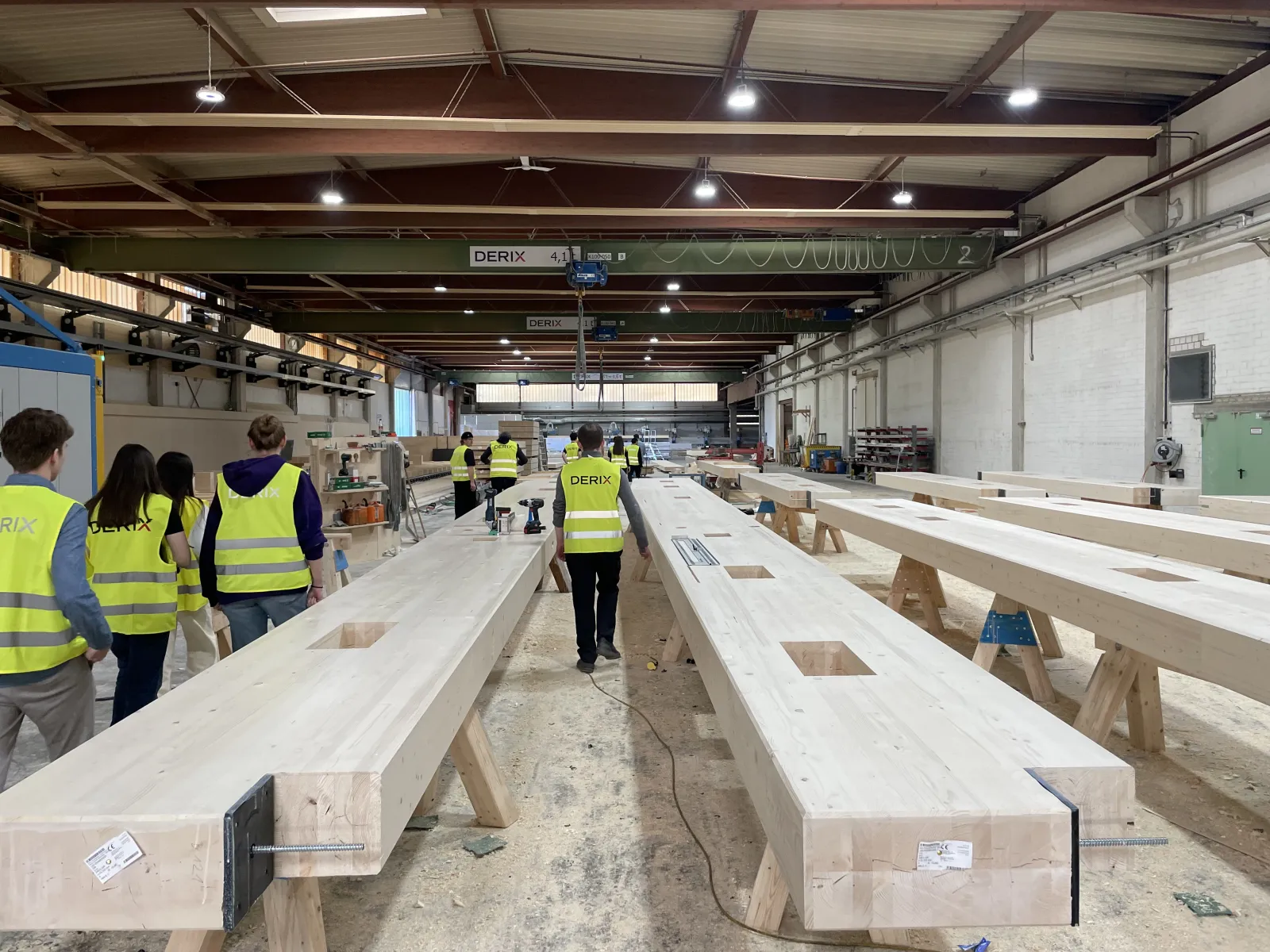
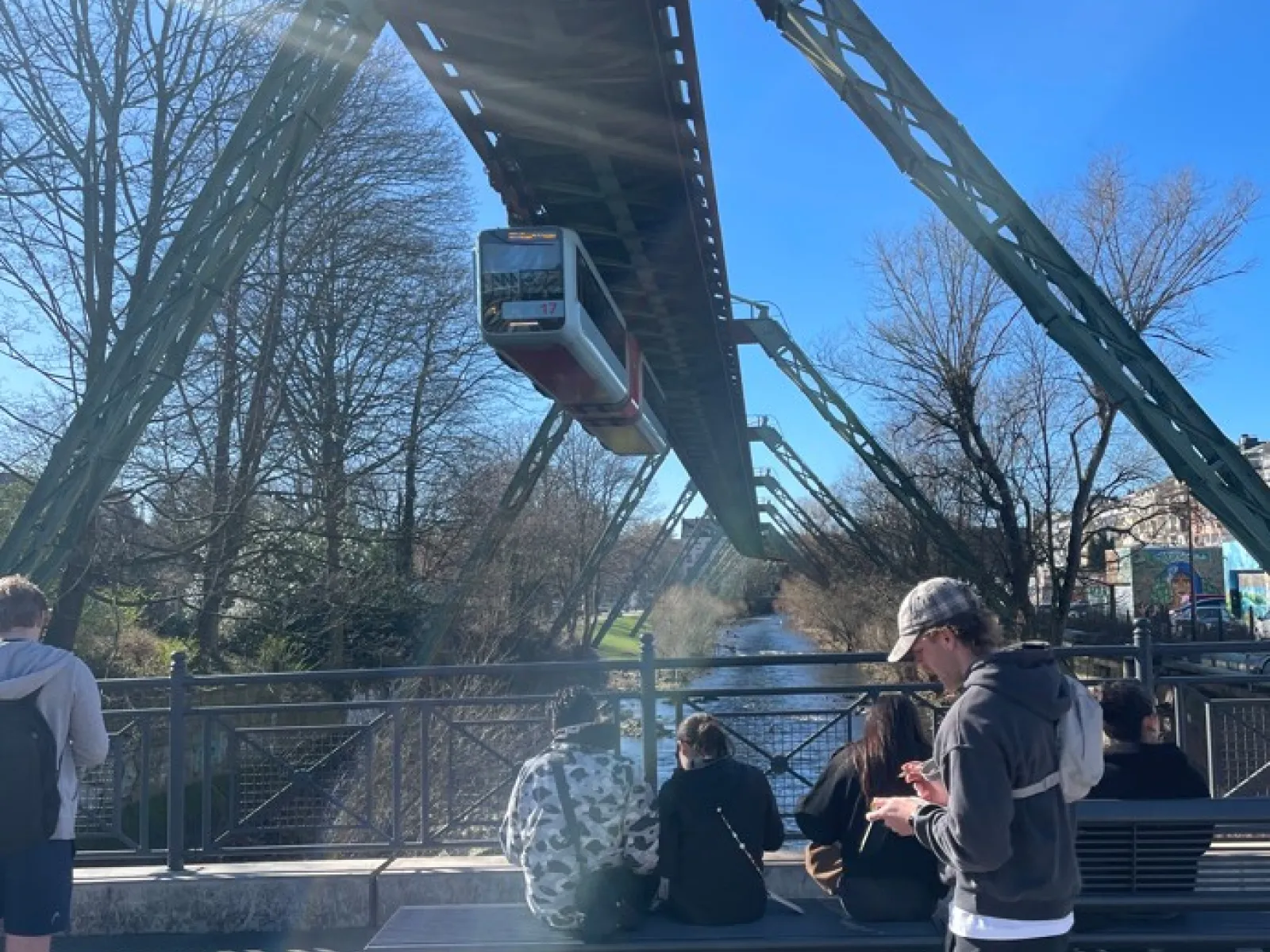
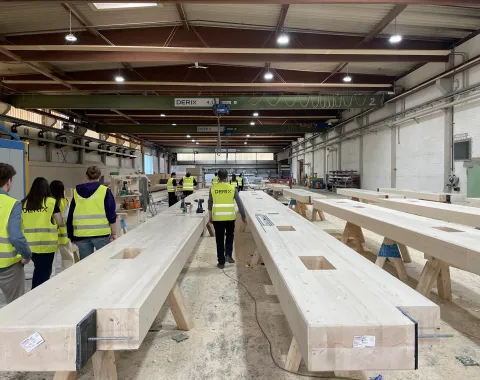
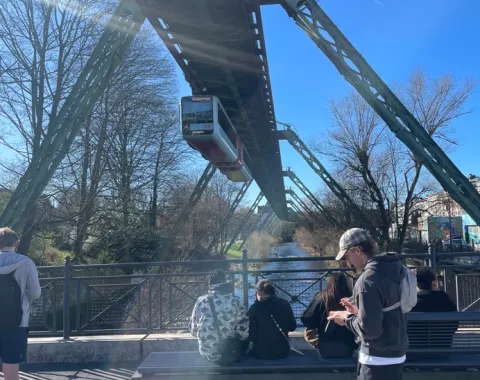
The excursion focused on mobility systems and infrastructure. Students visited production facilities, transport systems and urban environments in Germany and the Netherlands. Through observation, measurement and drawing, technical and spatial aspects were studied in relation to one another. Examples such as the suspended railway in Wuppertal and cycling infrastructure in Utrecht were analysed in the context of future mobility concepts.
 

Urban Design and Spatial Development «Athens Everyday Modernity» – GREECE

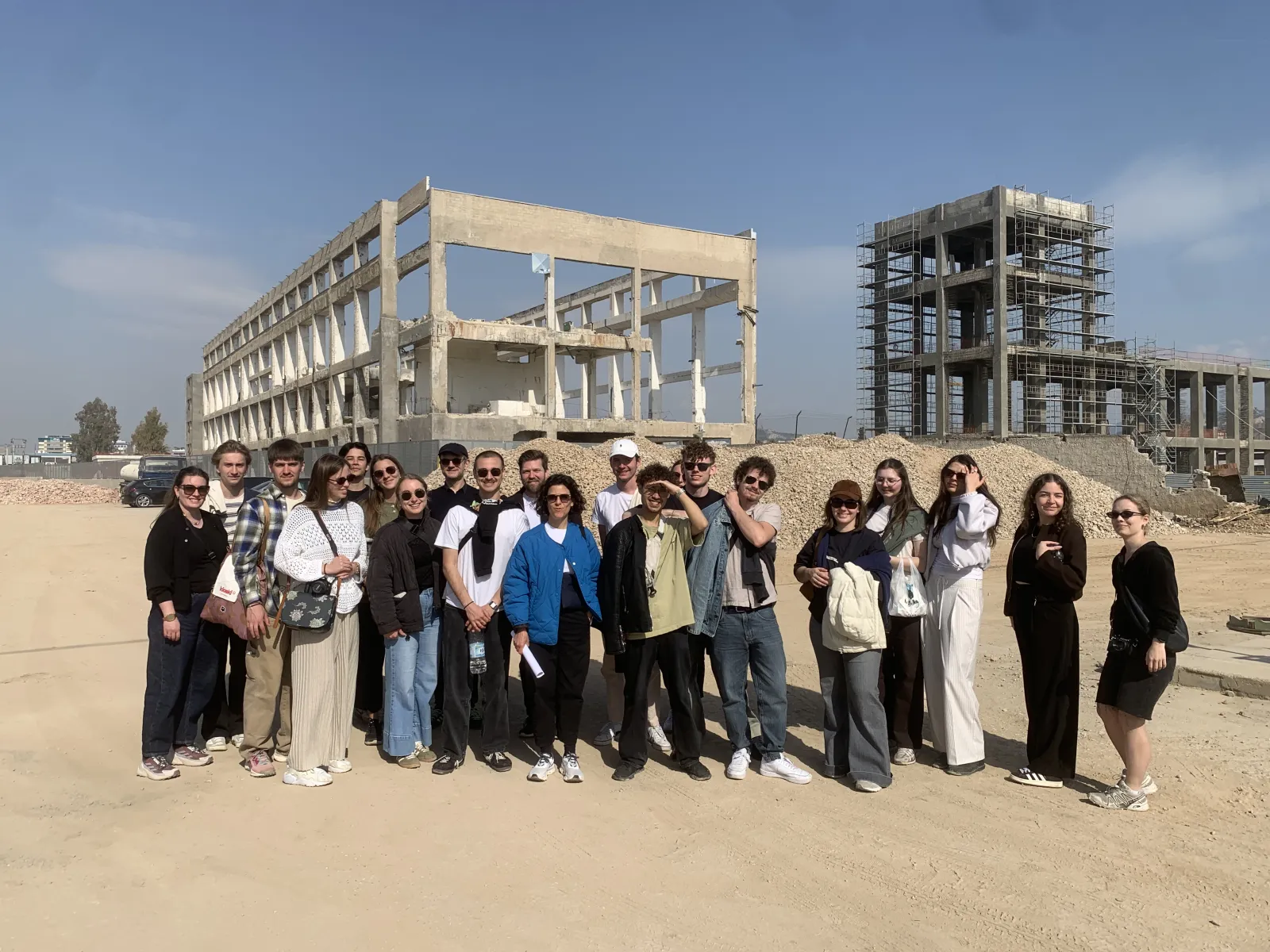
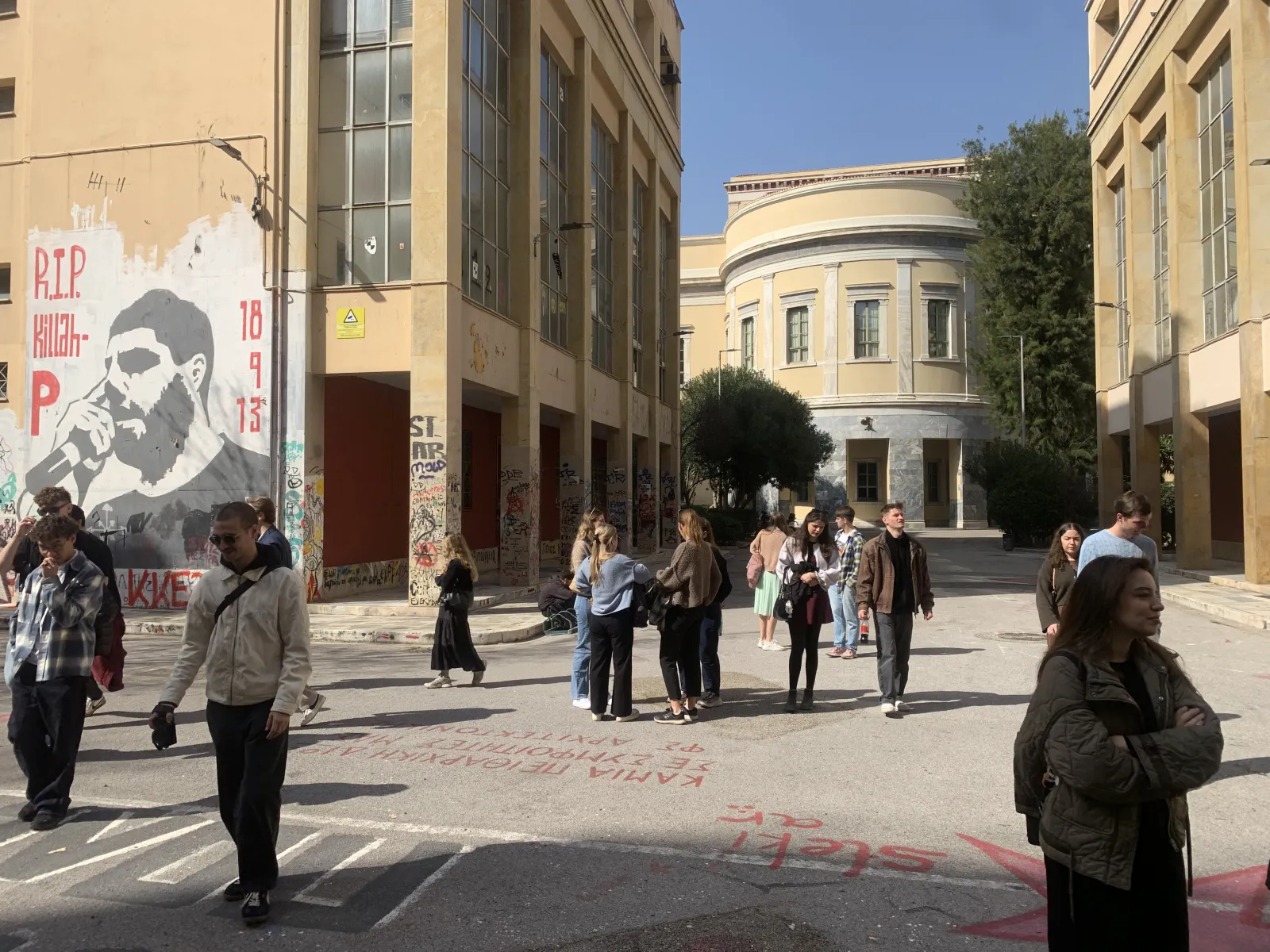
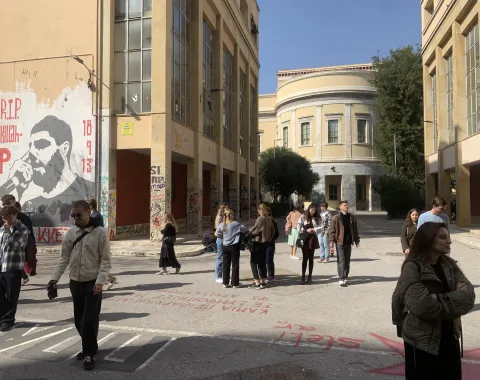
In Athens, students examined processes of densification and the structure of everyday life within a rapidly developed metropolitan context. The focus was on the different layers of the city and their historical overlaps. Through site visits and analysis, the city was understood as a complex urban fabric.


The excursions demonstrate the breadth of the programme and make architecture tangible within its real context. The next excursion weeks will take place in October 2026.

More about the Liechtenstein School of Architecture: www.uni.li/architecture
Bachelor’s degree programme in Architecture
Master’s degree programme in Architecture


 

Gruppe von Menschen in einem Dorf mit Holzhäusern

Architecture students develop temporary shelters

Architecture students develop temporary shelters

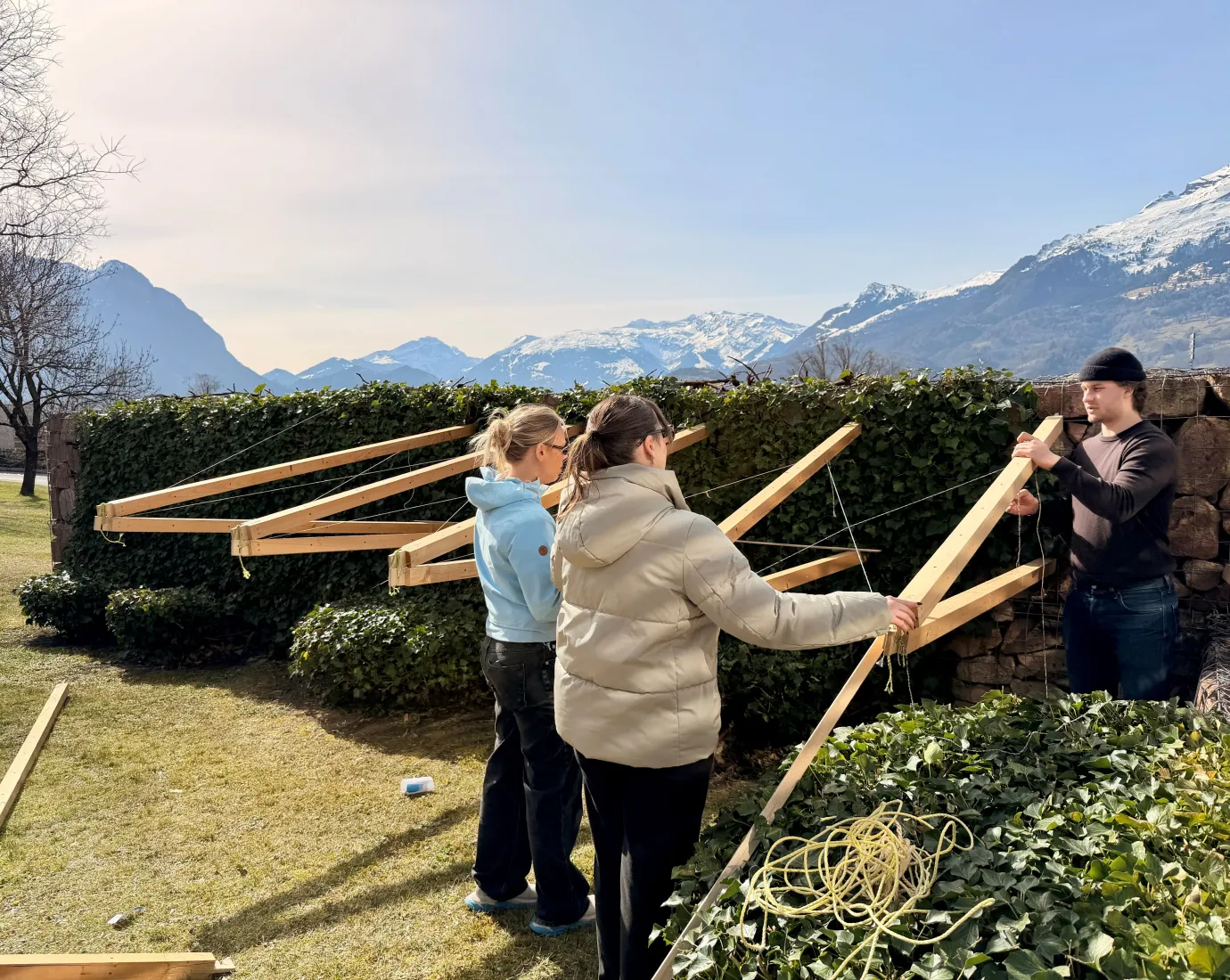
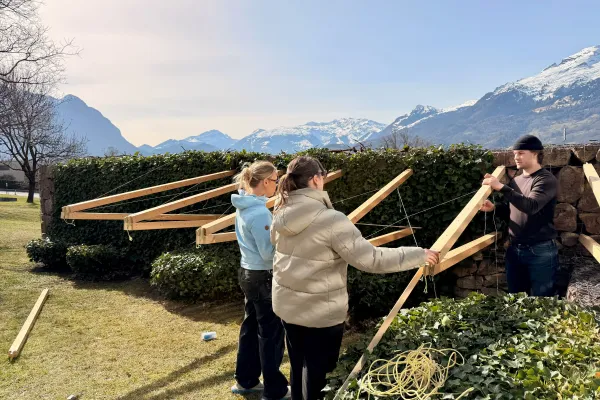
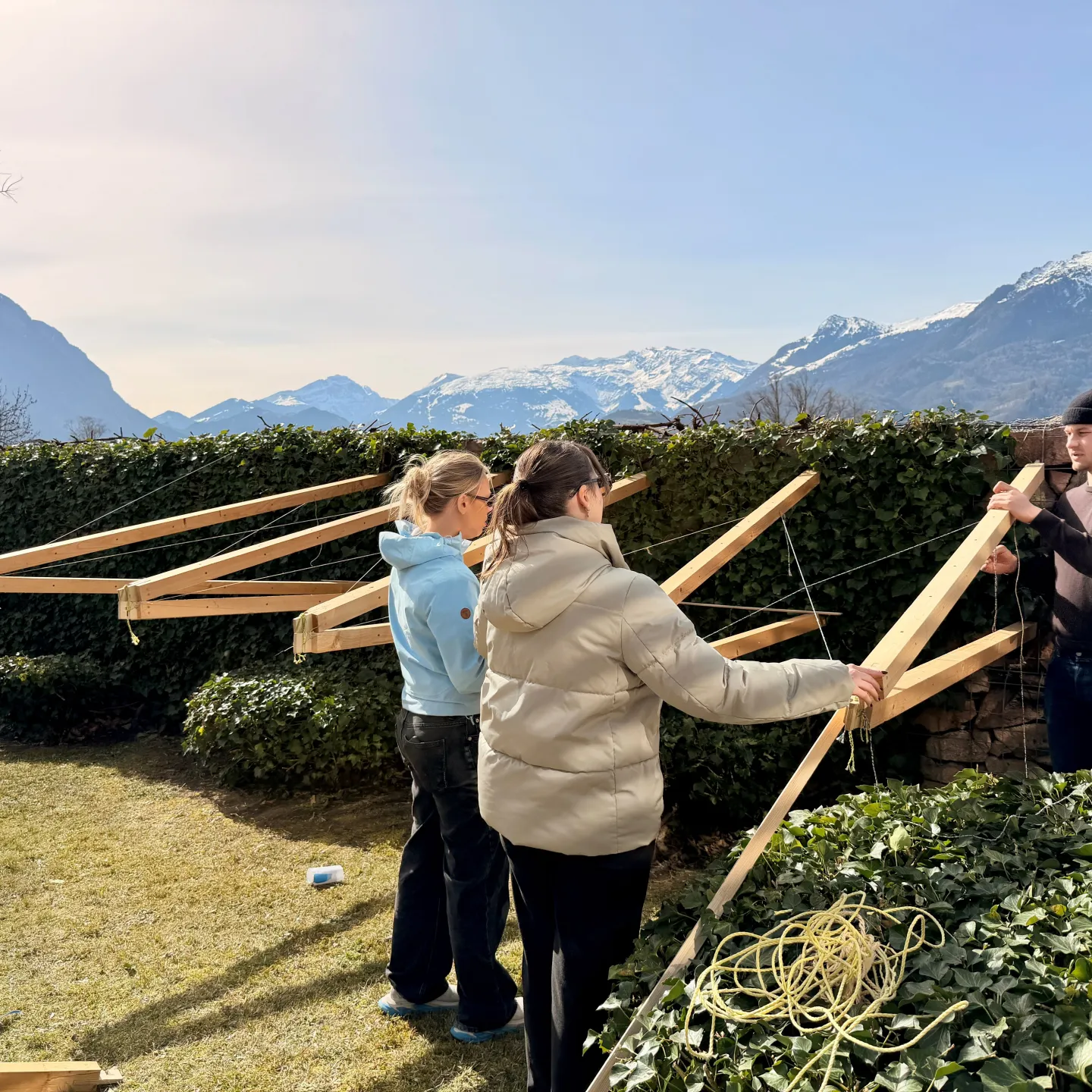
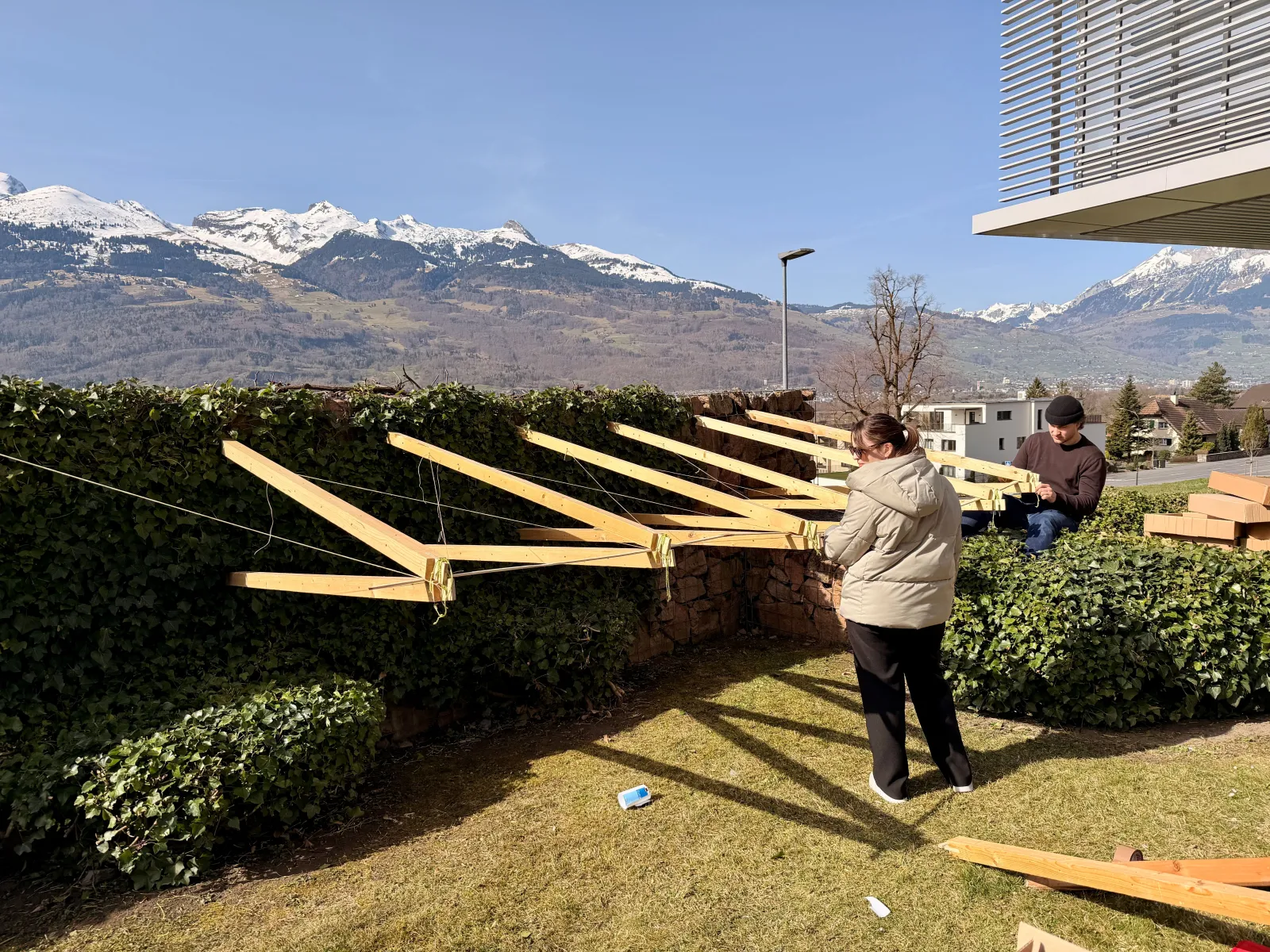
Drei junge Menschen bauen eine Konstruktion aus Holz

As part of the Erasmus+ project SocioEcoHoods , 48 students and 5 instructors from the Liechtenstein School of Architecture worked together with the Bergen School of Architecture on questions of housing and housing insecurity, including in affluent contexts. In a one-week workshop, they collaborated in international teams at the intersection of design, construction and social issues.

Design and implementation

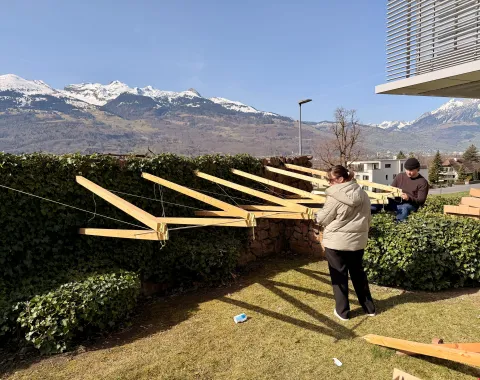
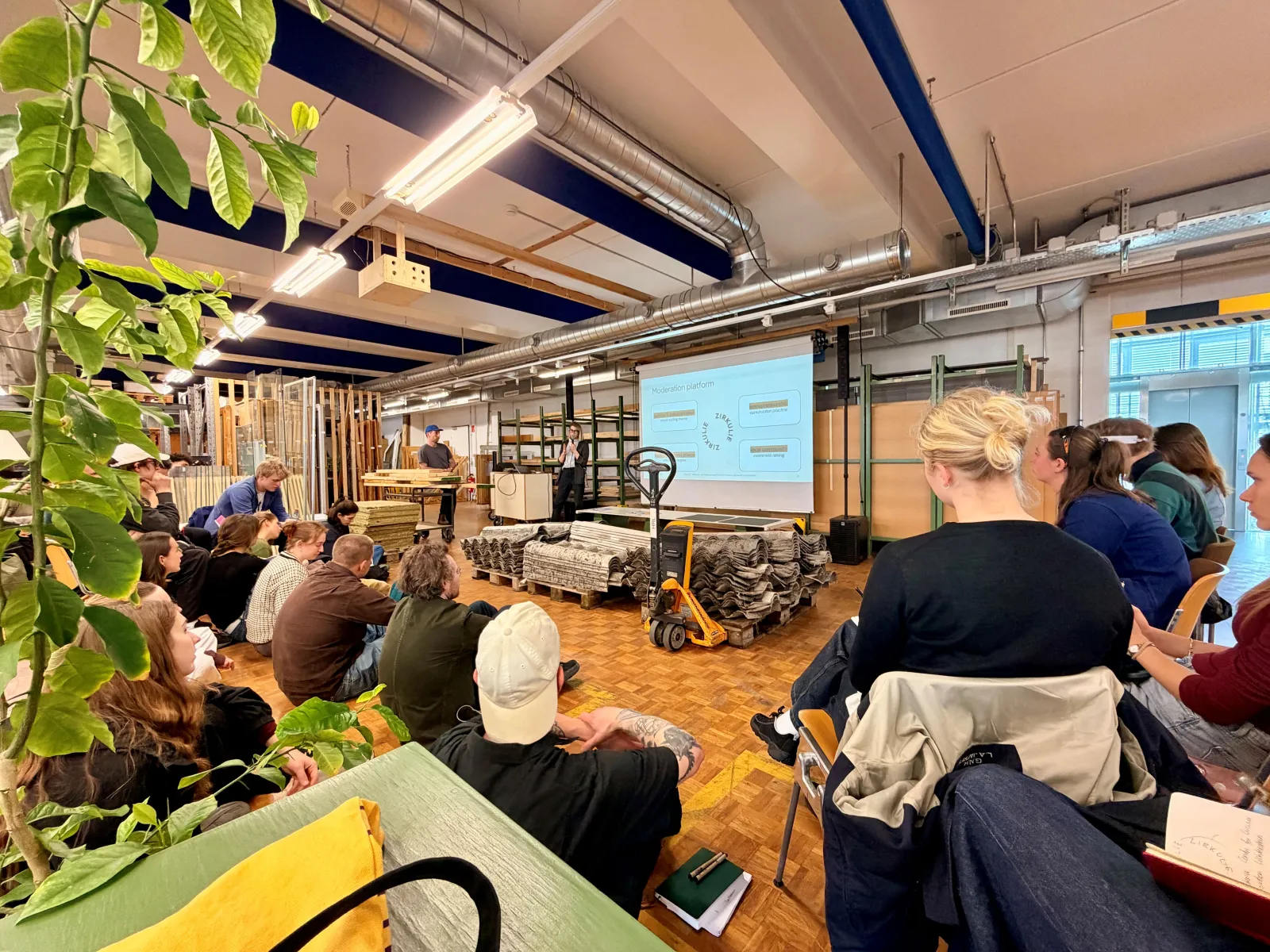
The aim was to examine architectural, social and material aspects of housing. Working in international teams, the students developed experimental, temporary and demountable shelter structures in the vicinity of the university. The structures were realised at a 1:1 scale and used by the students themselves. They were required to provide protection from the weather, be stable and self-supporting, and be constructed as far as possible from reusable materials, some of which were sourced from the ZirkuLIE building component depot in Triesen.

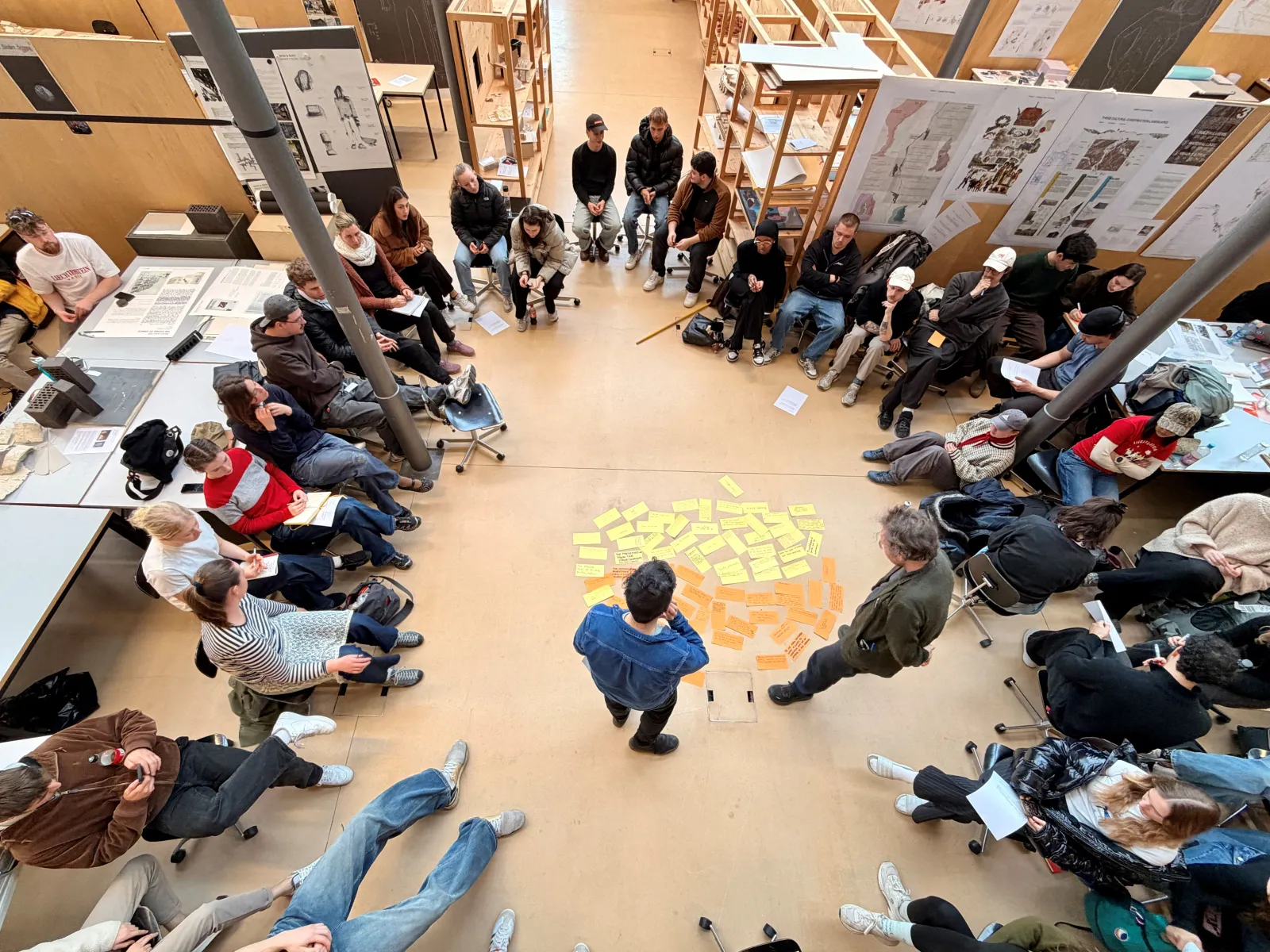
The starting point was a series of inputs from experts in practice and social work. Contributions from Streetwork Liechtenstein, social activist Janita Juvonen  and the project “Dach überm Kopf” from Linz provided insights into the living realities of homeless people, issues of social reintegration, and the role of design in the context of precarious housing situations.

Perspectives and reflection

The programme was complemented by excursions to institutions and projects in the field of social infrastructure and sustainable construction. Visits included the Caritas emergency shelter in Feldkirch, the company Lehm Ton Erde  in Schlins, and circular economy initiatives in Liechtenstein, including ZirkuLIE in Triesen and the Lebenswertes Liechtenstein Foundation.

Based on these impressions, the students engaged with fundamental questions: What does “home” mean? Which factors influence the choice of a place to sleep? And how can architecture contribute to safety and social participation? Building on this, they examined their own physical and spatial requirements as a basis for their designs.

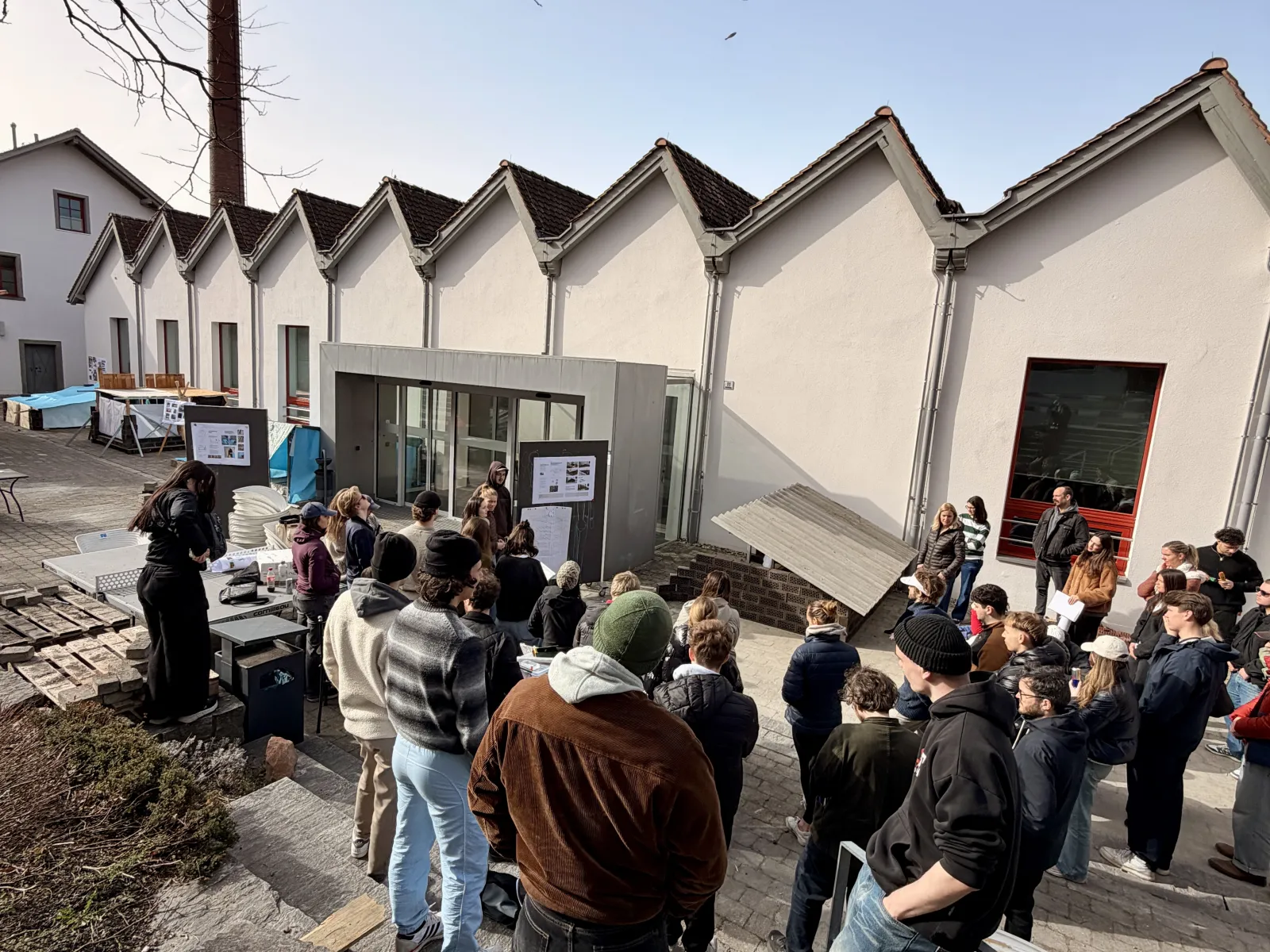
Following a shared overnight stay in the constructed shelters, the students presented their projects and experiences. The temporary structures were subsequently fully dismantled.


Workshop brief «Gimme Shelter»
Supervisors:  Cornelia Faisst , Johannes Herburger, Dominic Spalt

Drei junge Menschen bauen eine Konstruktion aus Holz

Urban Visions for the «Gleisraum Buchs»

Urban Visions for the «Gleisraum Buchs»

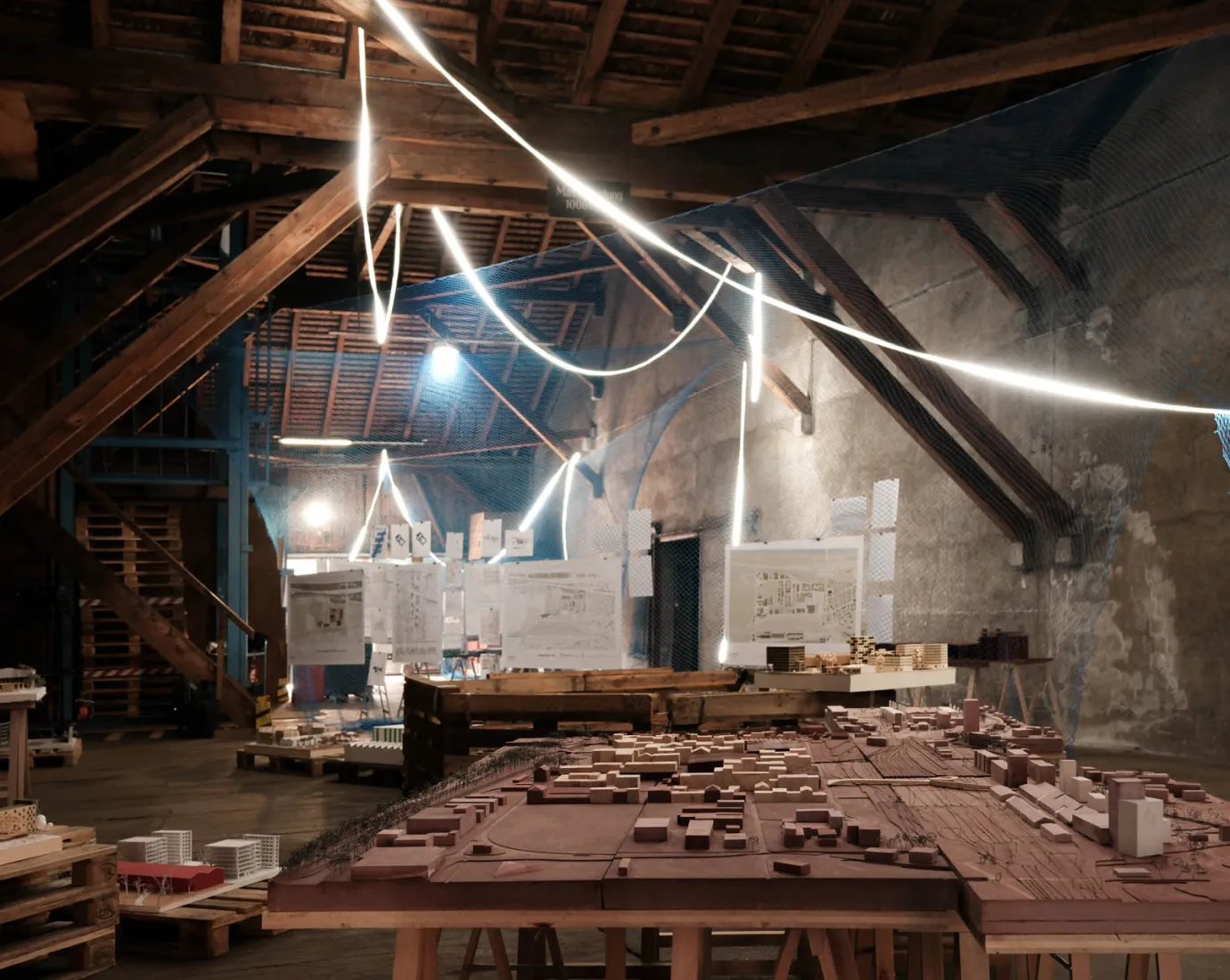
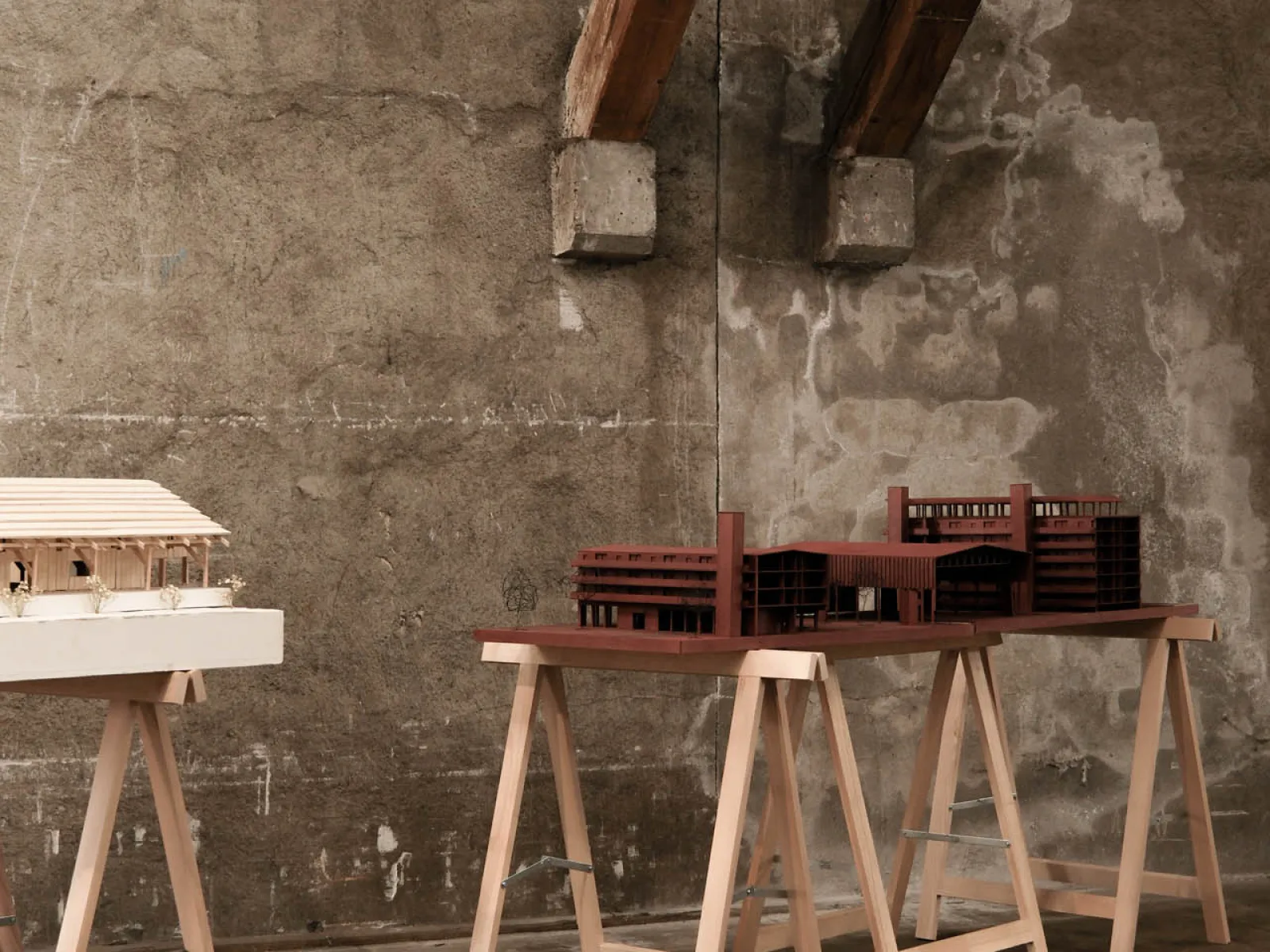
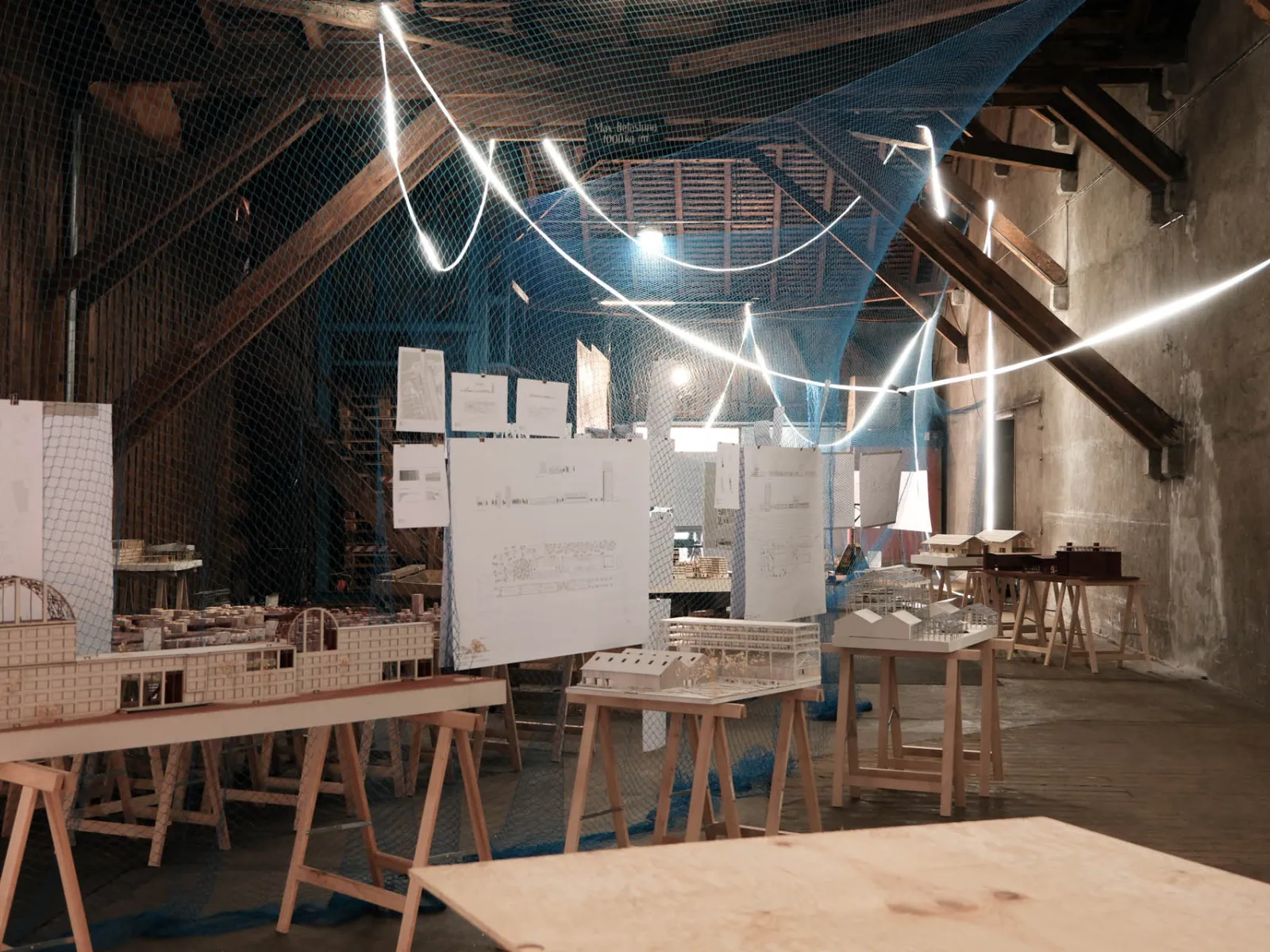
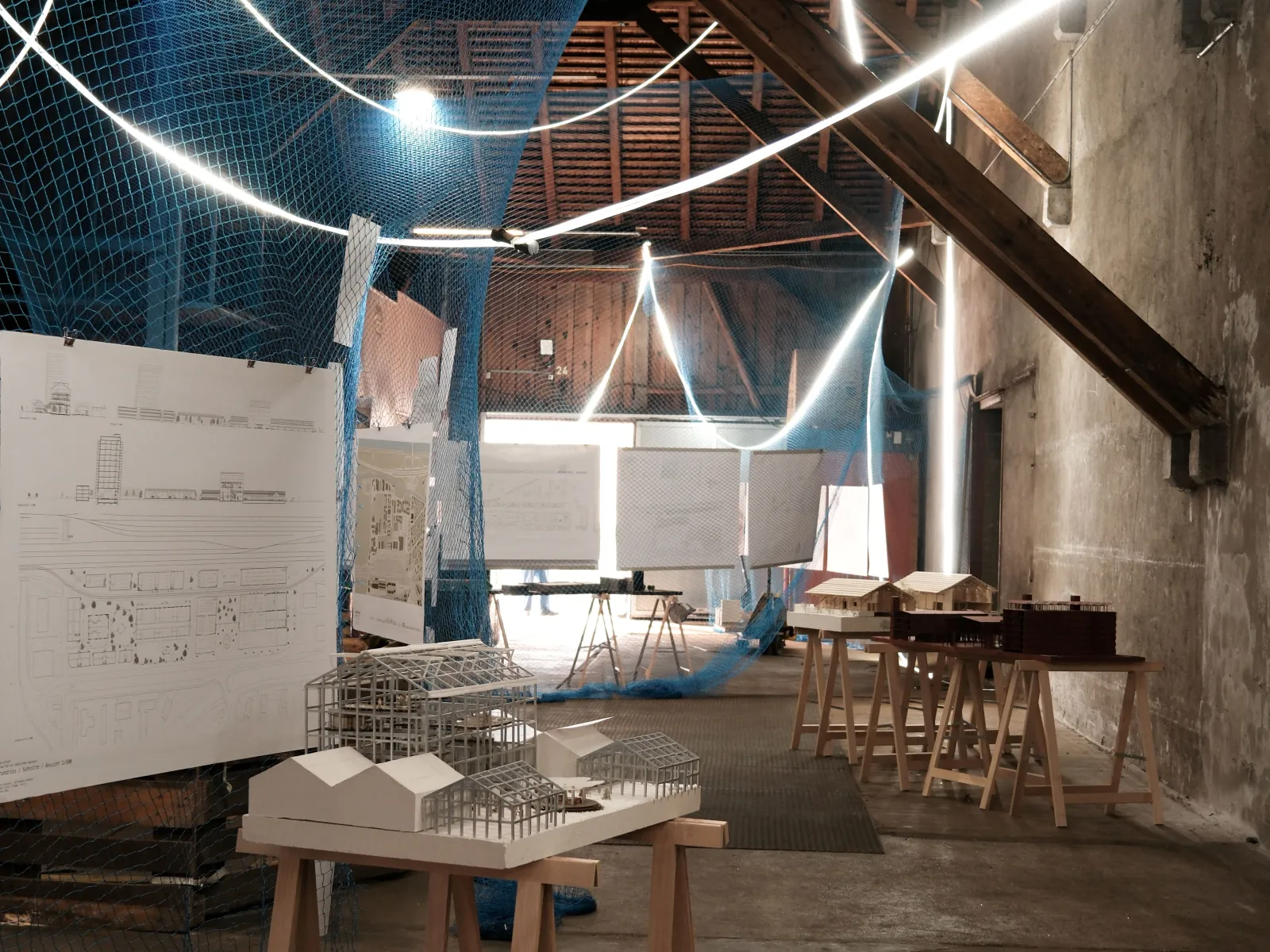
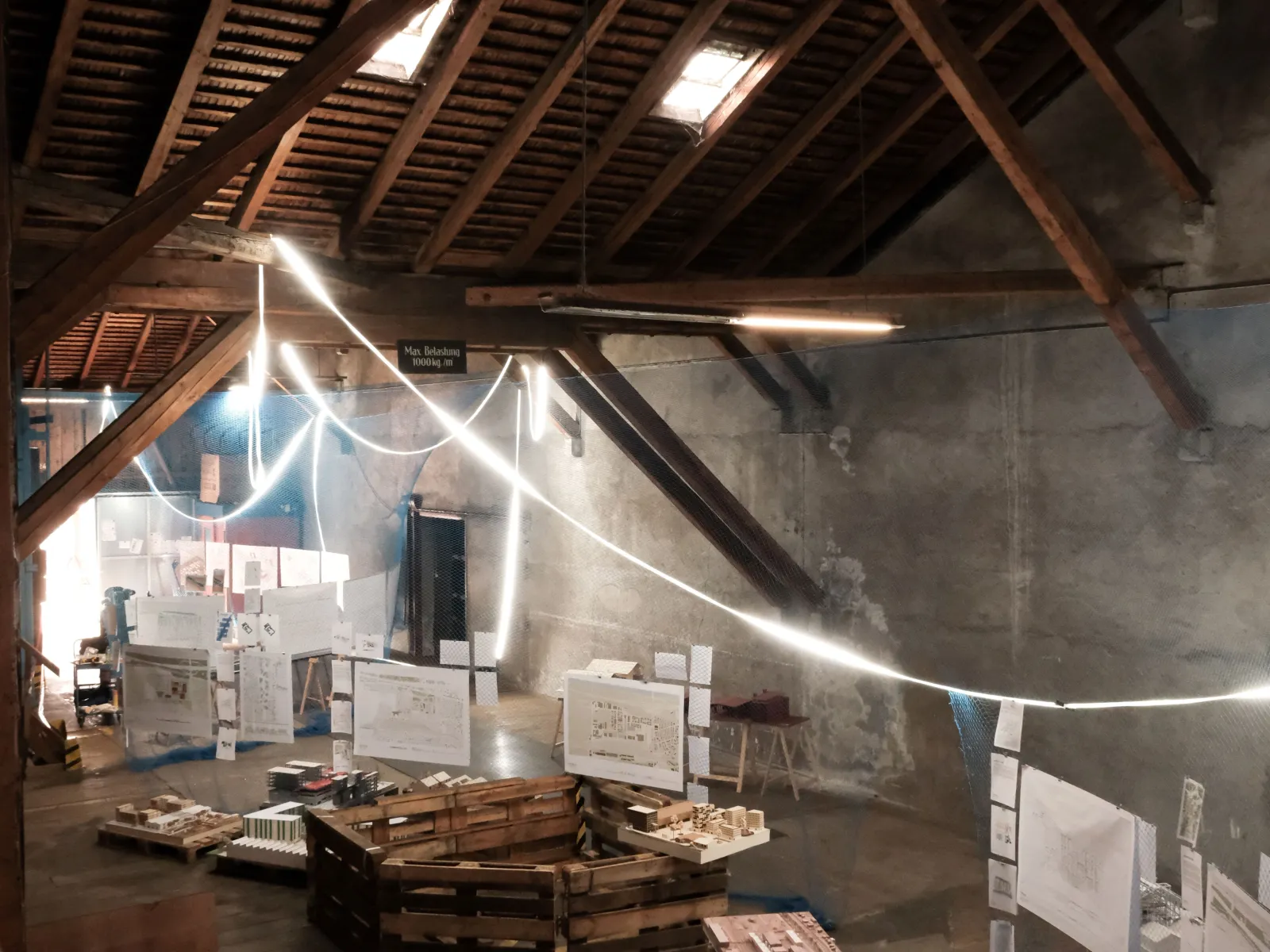
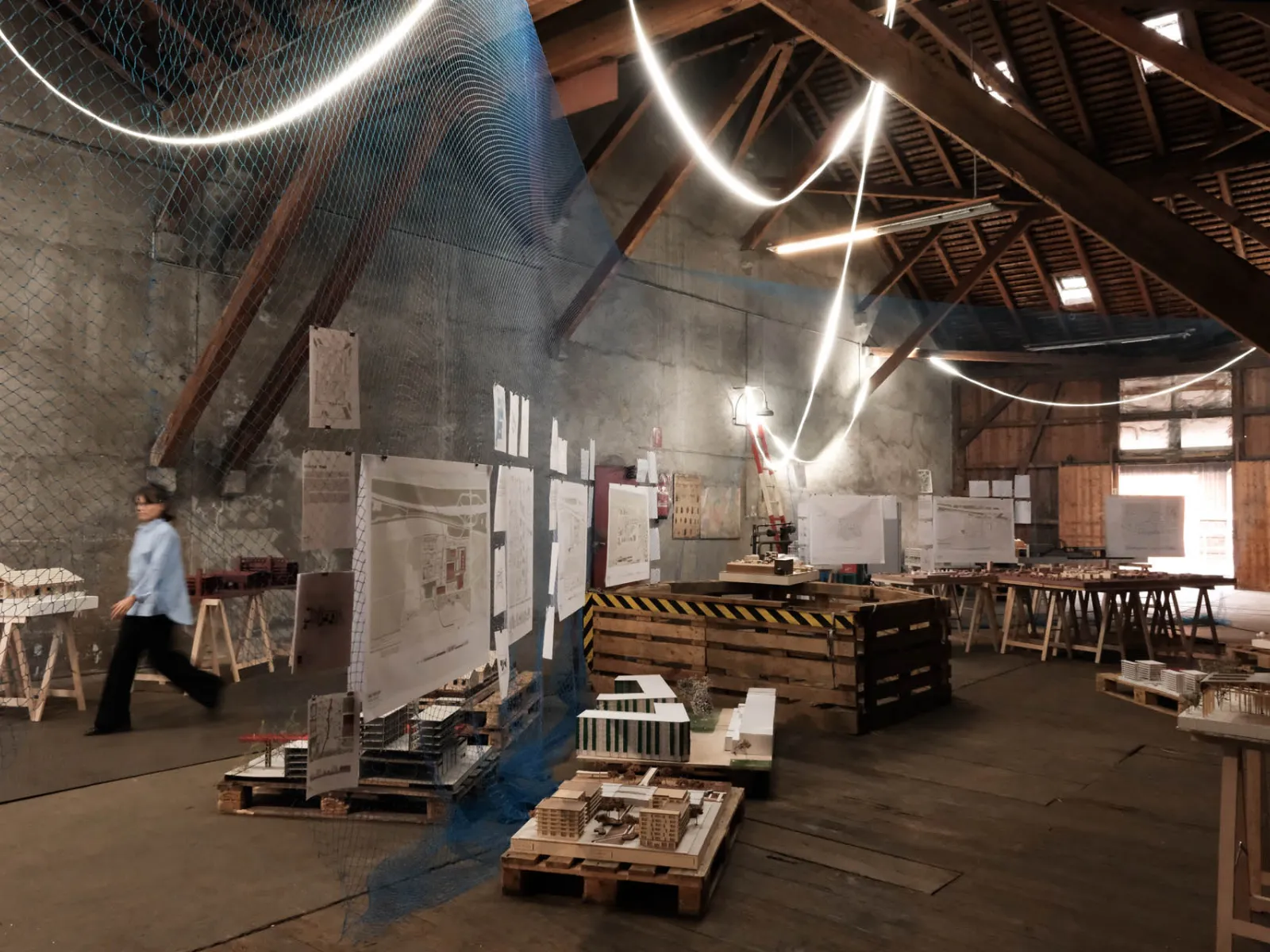
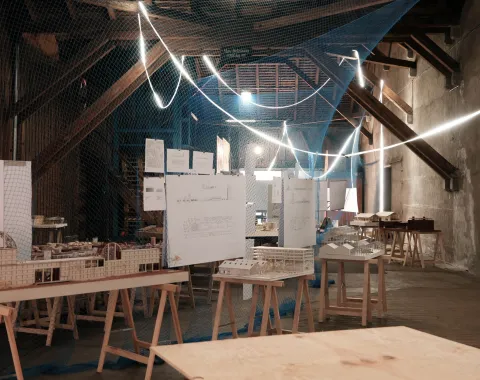
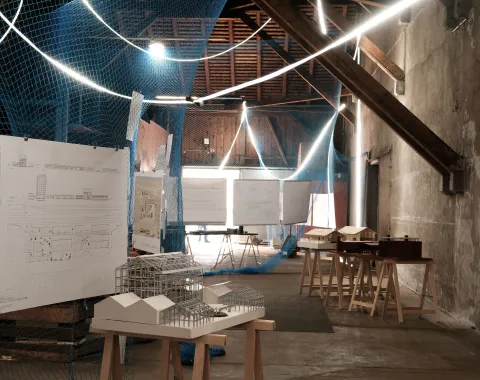
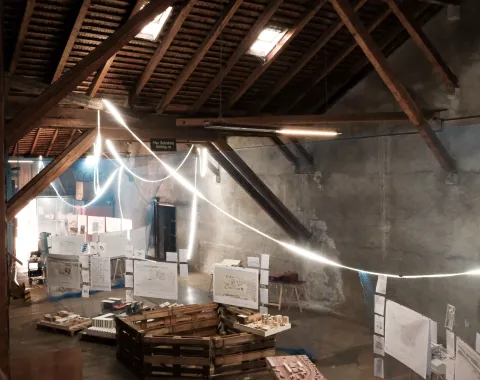
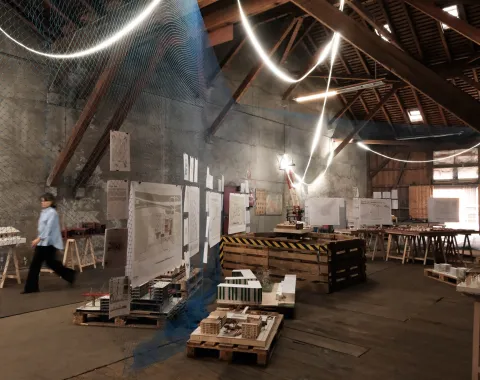
Ein Dachgeschoss mit Architekturmodellen

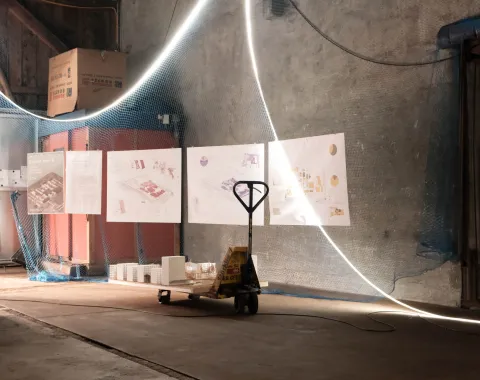
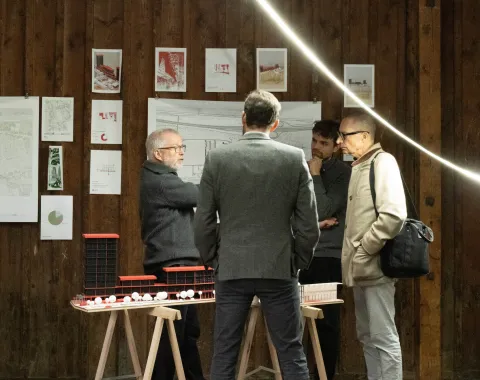
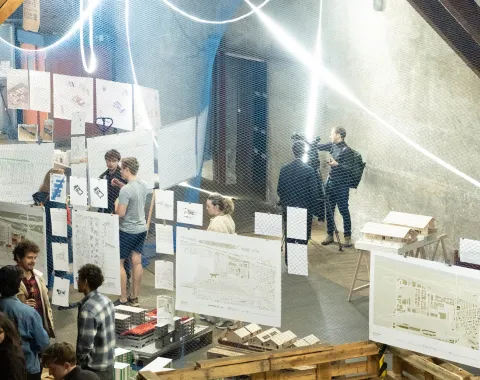
How can railway areas become vibrant urban spaces? This question guided students of the Liechtenstein School of Architecture during the spring semester 2025. The results of their design work were presented to the public in autumn 2025 in the exhibition «Gleisraum Buchs».

Designing in Spatial Context

The projects were developed in the foundation studio «Designing in Spatial Context» at the Liechtenstein School of Architecture within the Urban Design and Spatial Development Unit. Led by practice lecturers Timothy Allen and Ronan Crippa, the studio explored the future of railway environments and urban transformation areas.

The focus of the studio was the investigation of spatial relationships between infrastructure, settlement and landscape. Through analysis and design, students examined the potential of complex urban conditions and translated their findings into independent urban design proposals.

Transforming the Area Around Buchs Station

The starting point for the projects was the area surrounding Buchs (SG) railway station. With the ongoing expansion of public transport, this location is gaining strategic importance while structural changes are opening up new opportunities for development.

Students analysed the area along the railway tracks and developed a range of scenarios for its future transformation. The projects addressed questions of inner urban development, spatial densification and the relationship between mobility infrastructure, open space and mixed-use urban programmes. Issues such as climate adaptation and sustainable urban development also informed the design proposals.

Exhibition of Student Work

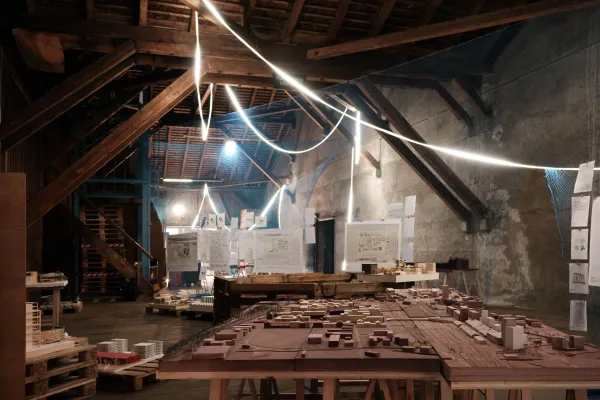
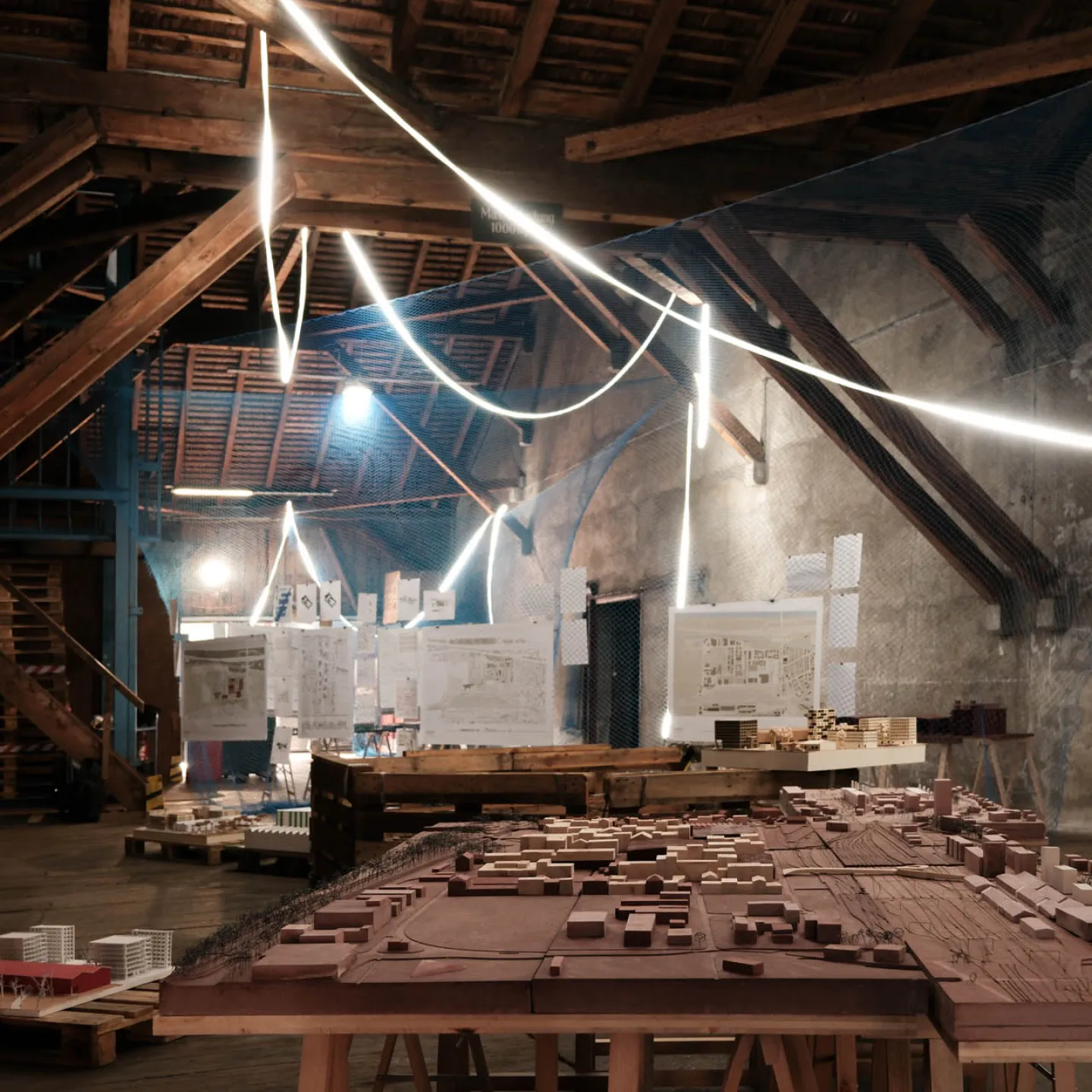
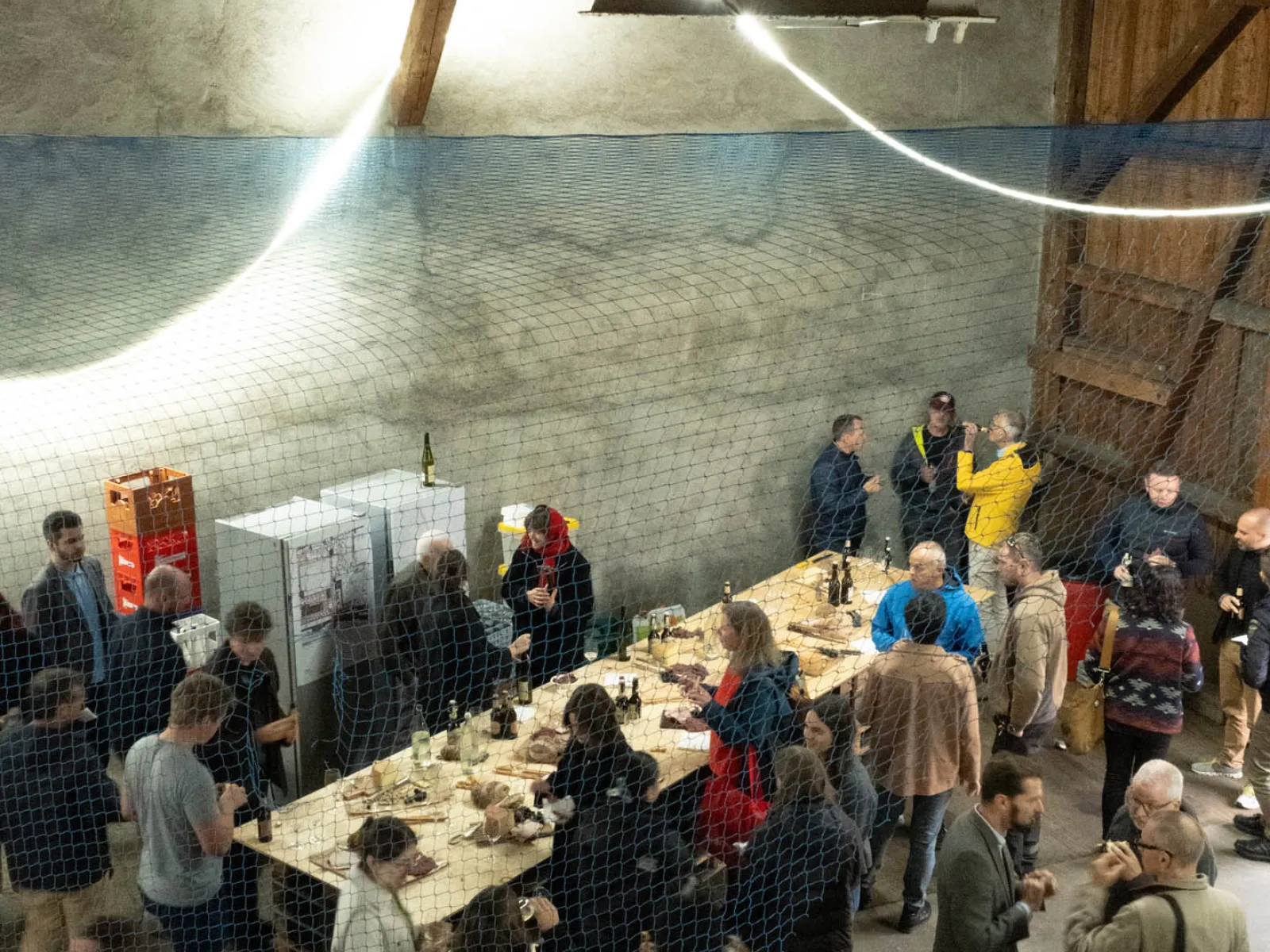
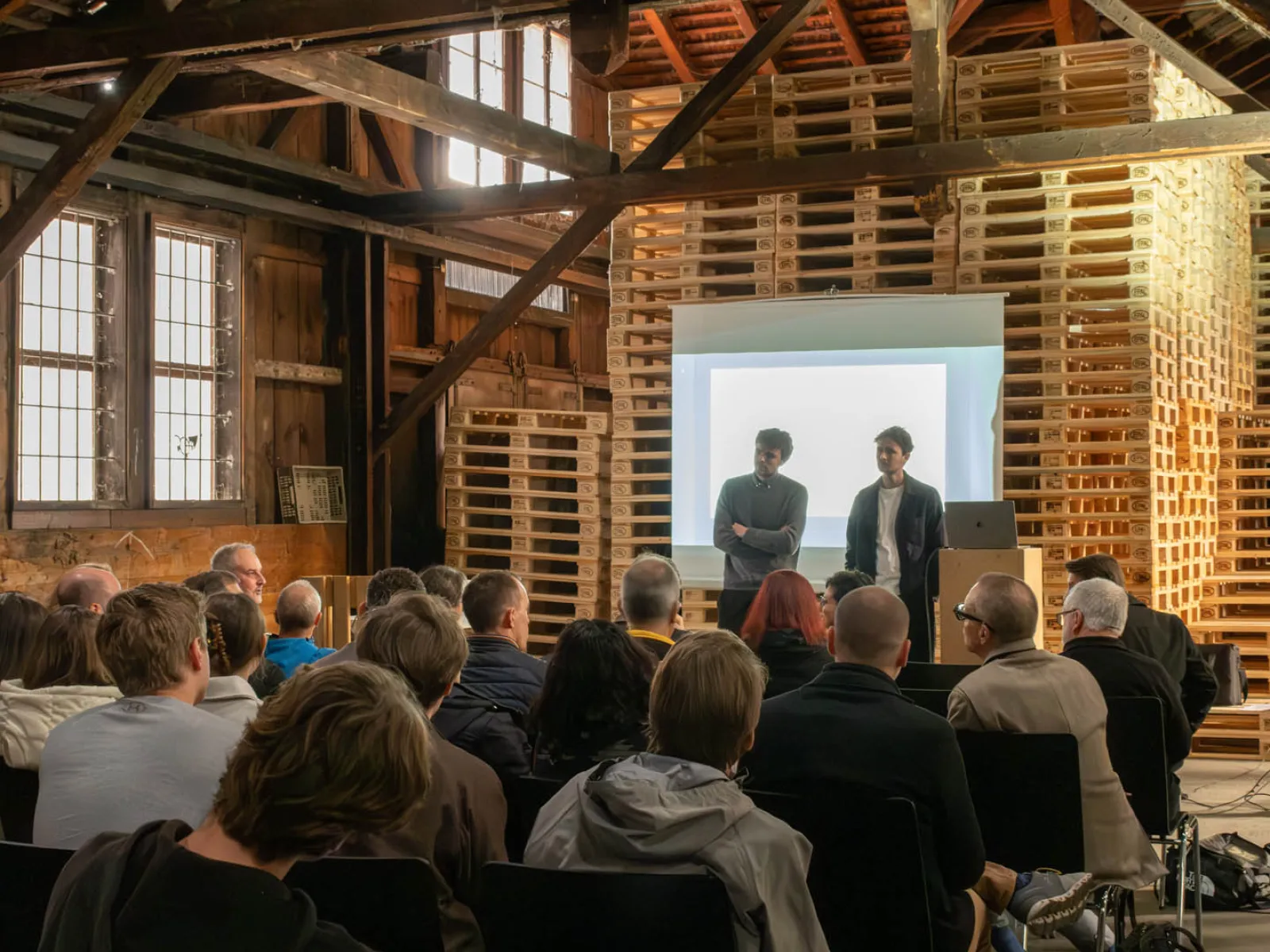
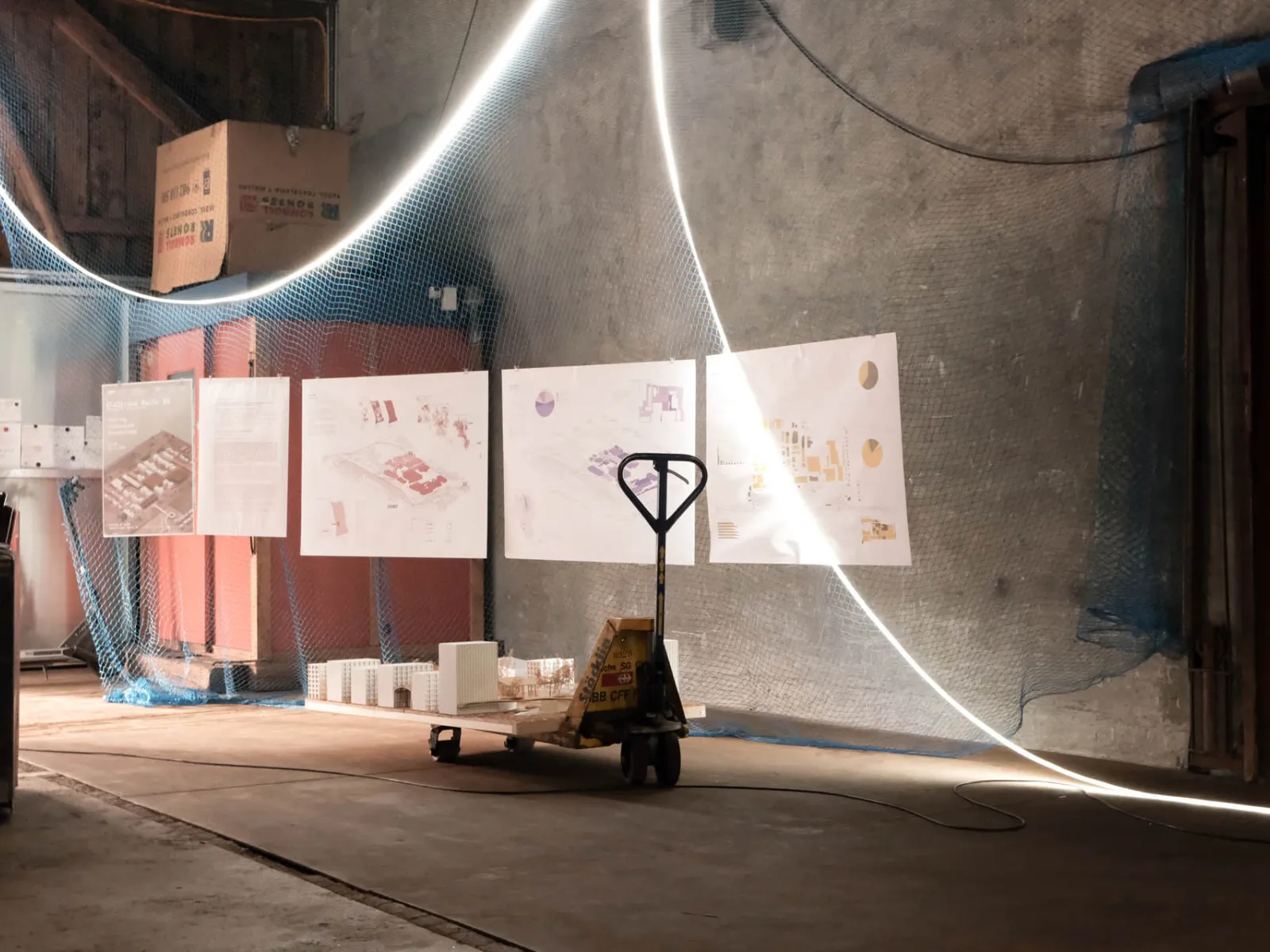
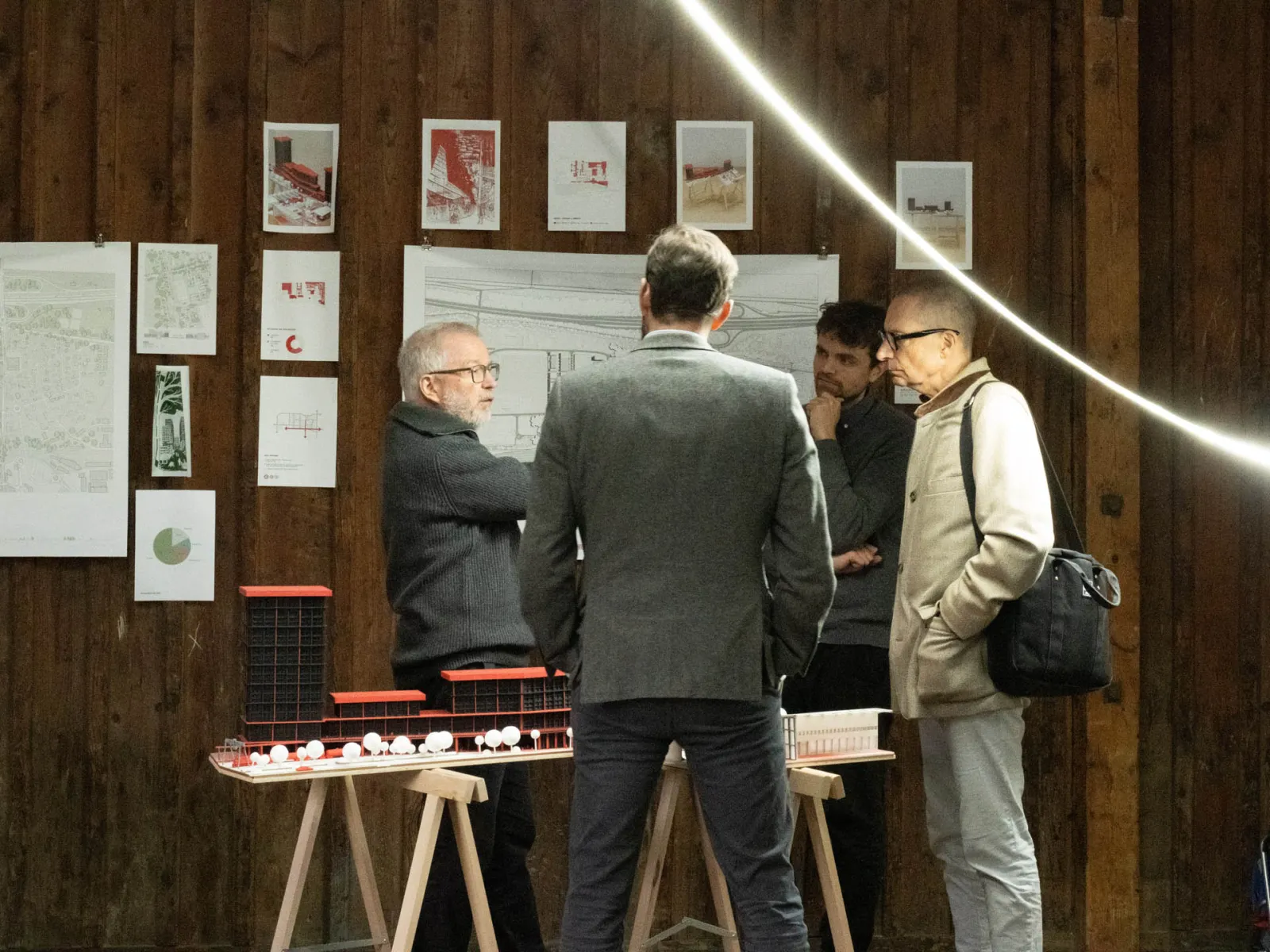
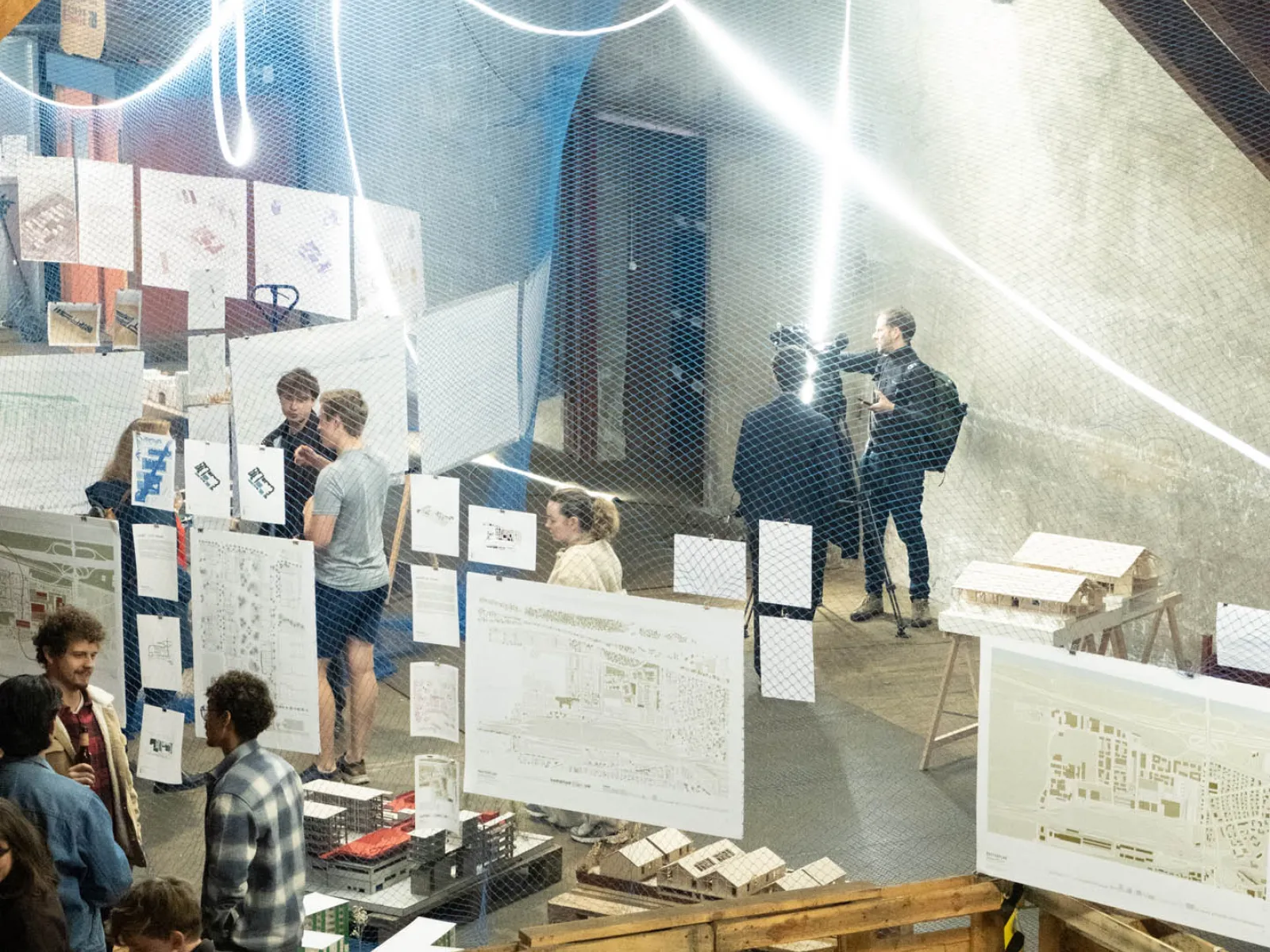
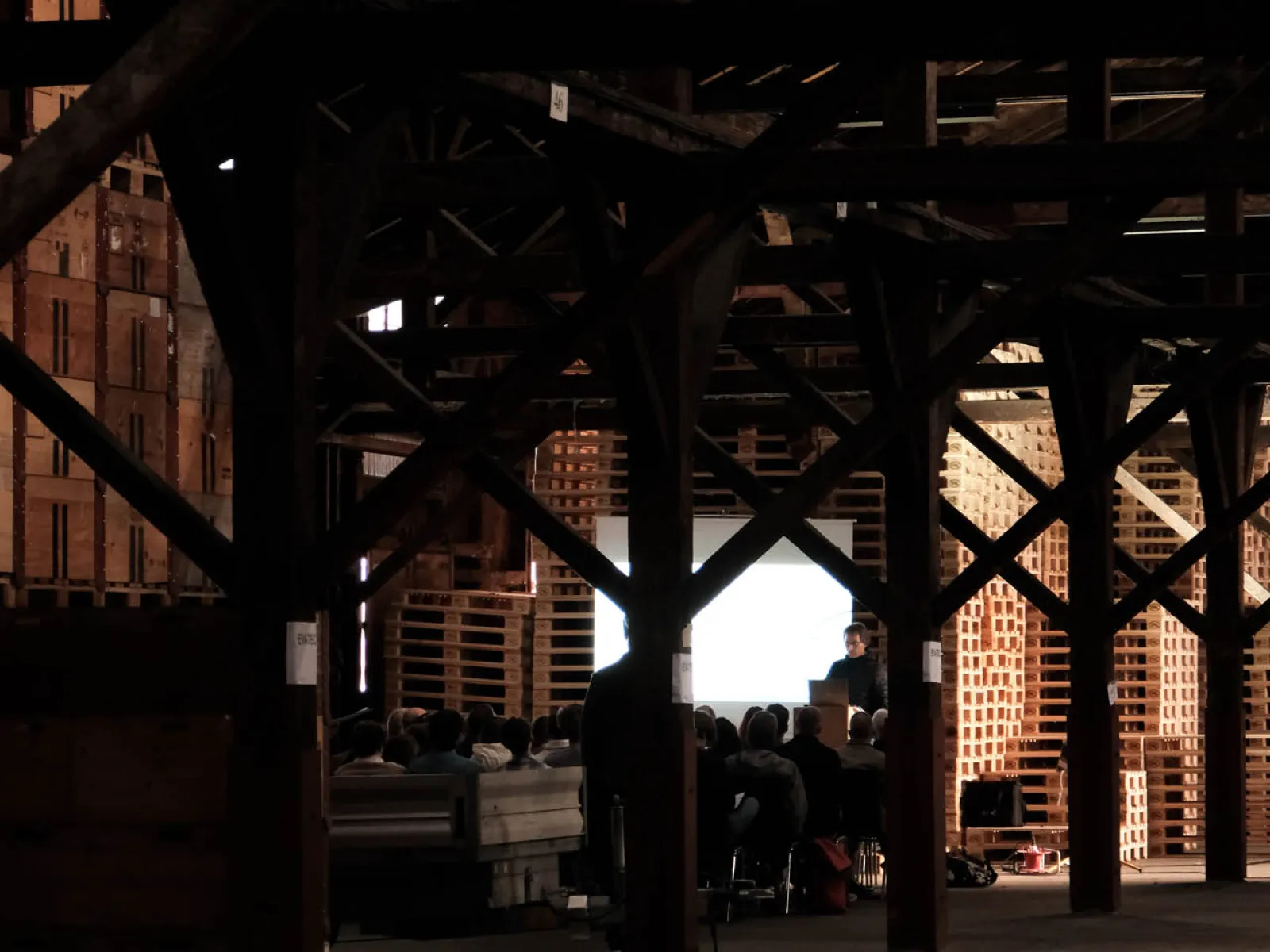
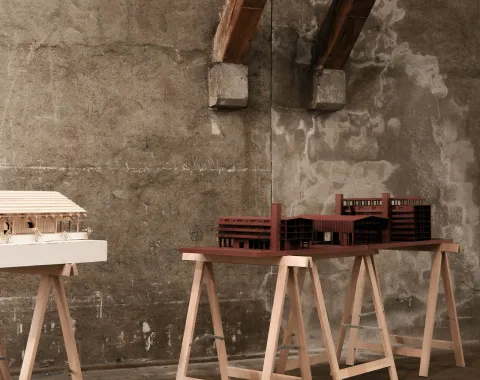
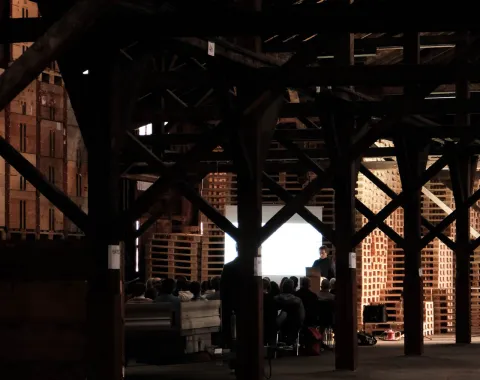
In October 2025, the projects were presented in the exhibition «Gleisraum Buchs» in a hall of the former customs warehouse in Buchs. Plans, models and scenarios documented the students’ different approaches to the future development of the site.

More information about the Urban Design and Spatial Development Unit


Photos: Barbara Ruech

Ein Dachgeschoss mit Architekturmodellen

Architecture student receives award at international short film competition in Tokyo

Architecture student receives award at international short film competition in Tokyo

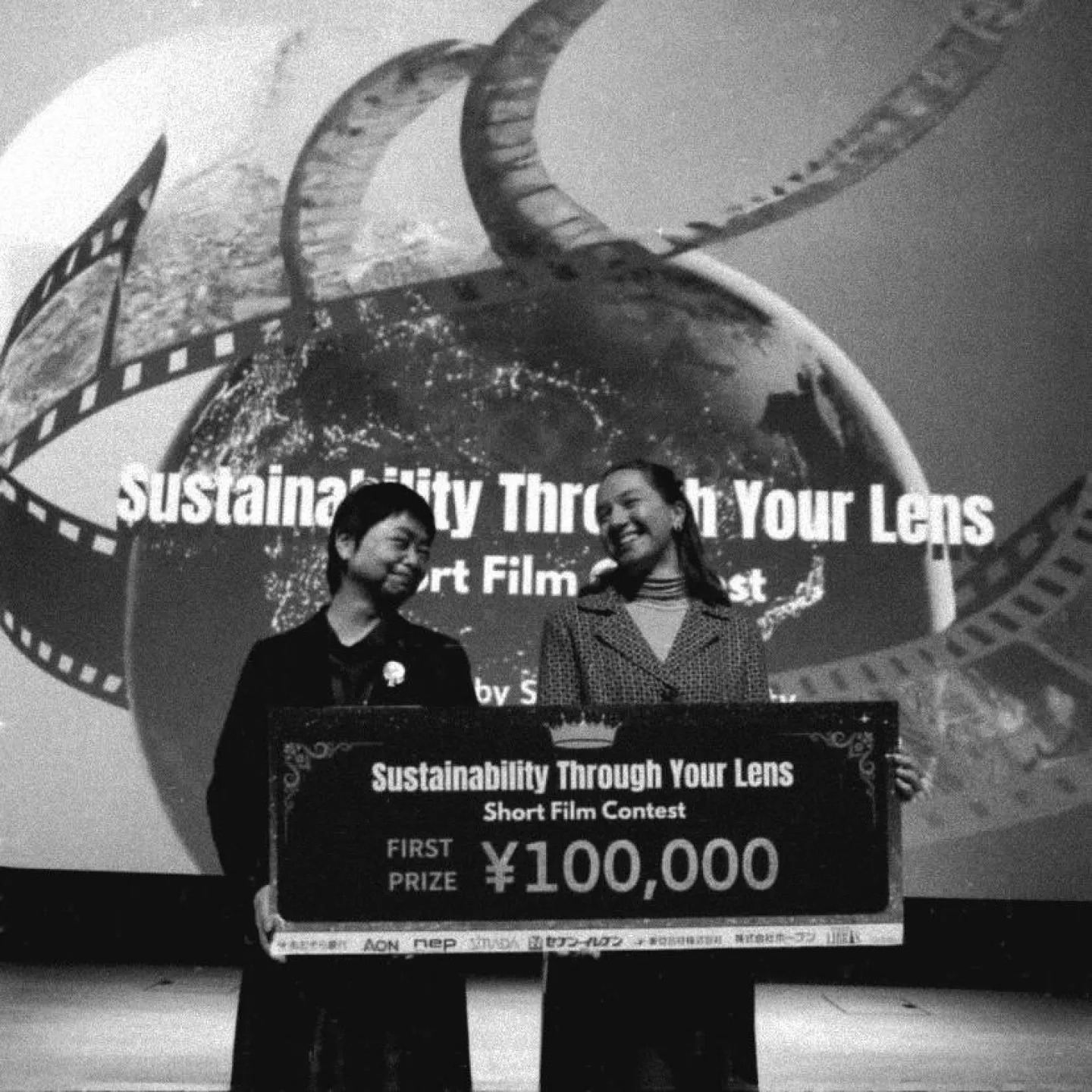
Schwarz-Weiss Aufnahme von zwei Frauen mit einem grossen Scheck in der Hand

Architecture student Valeria Klein received an award at the international short film competition “Sustainability Through Your Lens” hosted by Sophia University in Tokyo.

With her film “Revitalization Obergasse”, she impressed the jury with a sensitive cinematic portrayal of an urban space in Altstaetten (Switzerland). The short film illustrates how a previously underused street can be transformed into a lively meeting place through simple interventions. Pop-up living rooms, plants, play and seating elements, and a small neighbourhood café turn the public space into a place for encounter and exchange.

International competition for students

The international competition invites students from partner universities worldwide to present their personal perspective on sustainability in a 90-second film. The focus lies on creative and authentic stories that address social or spatial questions from everyday life.

Valeria Klein’s contribution was developed in the context of the Pro Bono module in the Master’s degree programme in Architecture at the University of Liechtenstein.

The University of Liechtenstein warmly congratulates Valeria Klein on this international recognition.

More information about the competition:
https://www.sophiathroughyourlens.com/en/winners

Schwarz-Weiss Aufnahme von zwei Frauen mit einem grossen Scheck in der Hand
Subscribe to