Skip to Main Content

Architecture as a Political Act: Five World-Class Female Architects in Conversation

Architecture as a Political Act: Five World-Class Female Architects in Conversation
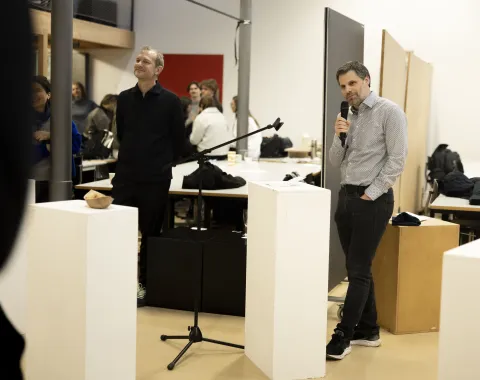
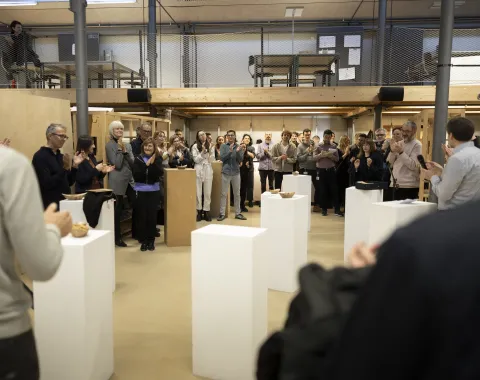
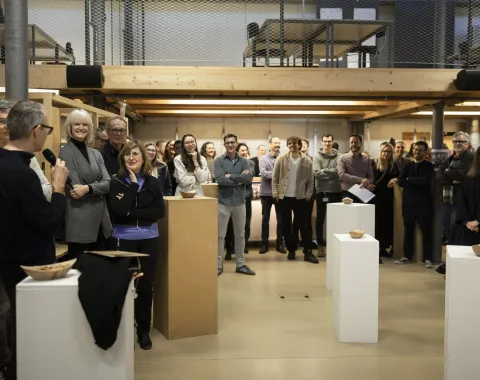
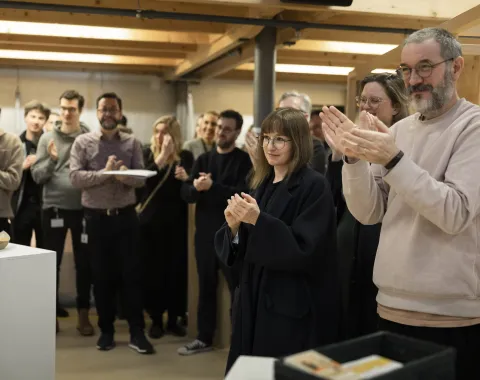
News_Between-the-lines_Architecture-Talk_Universitaet-Liechtenstein

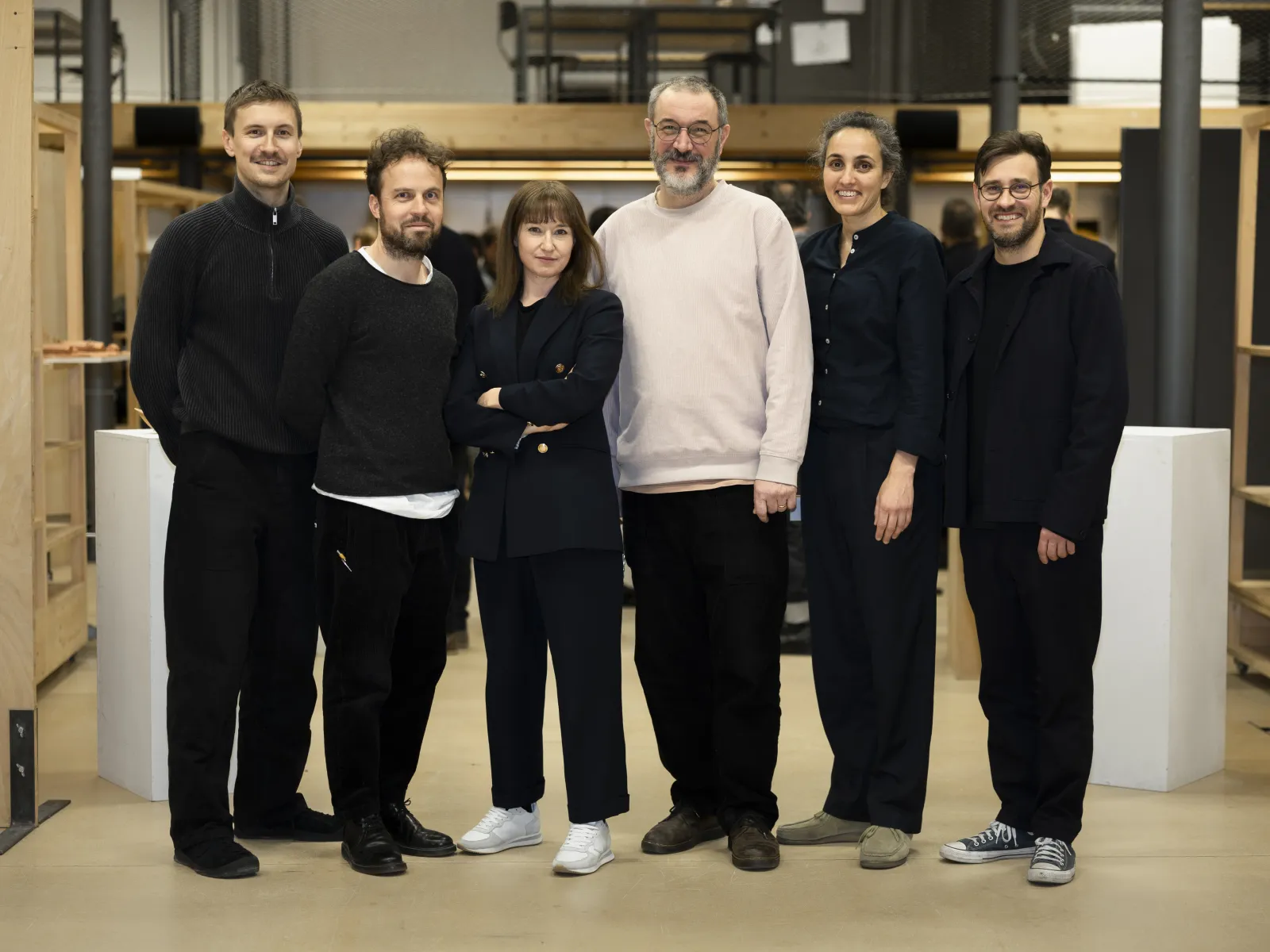
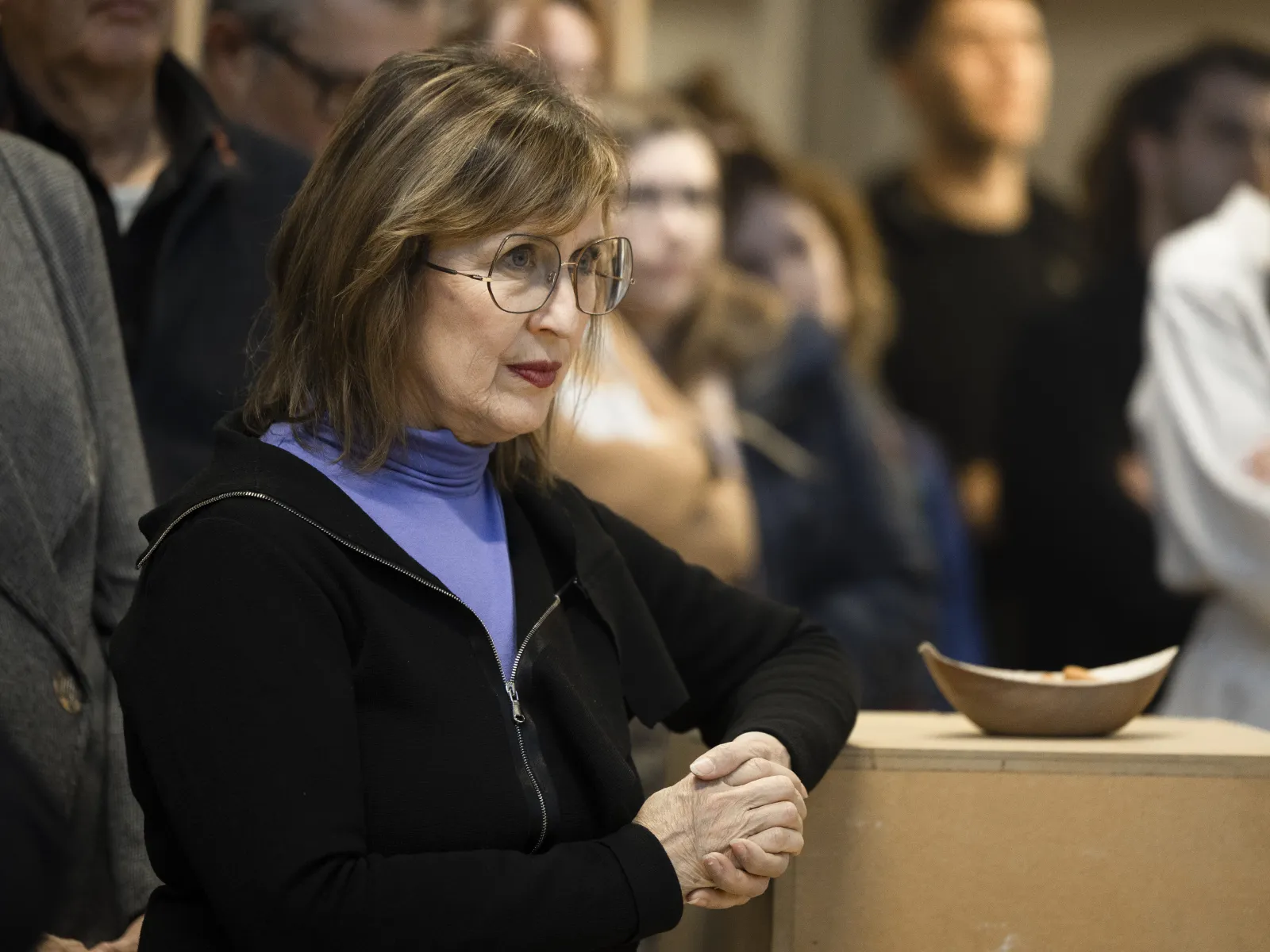
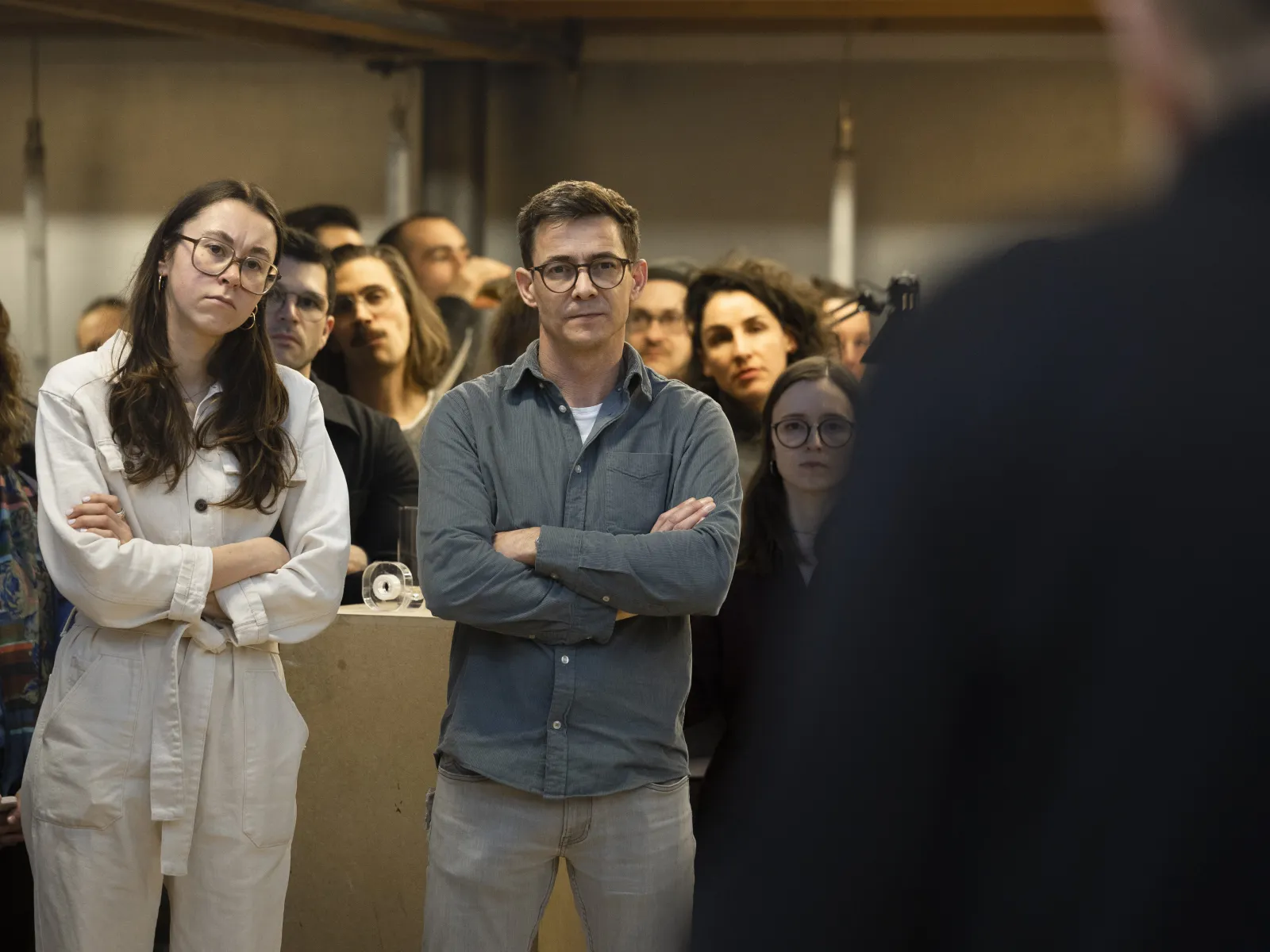
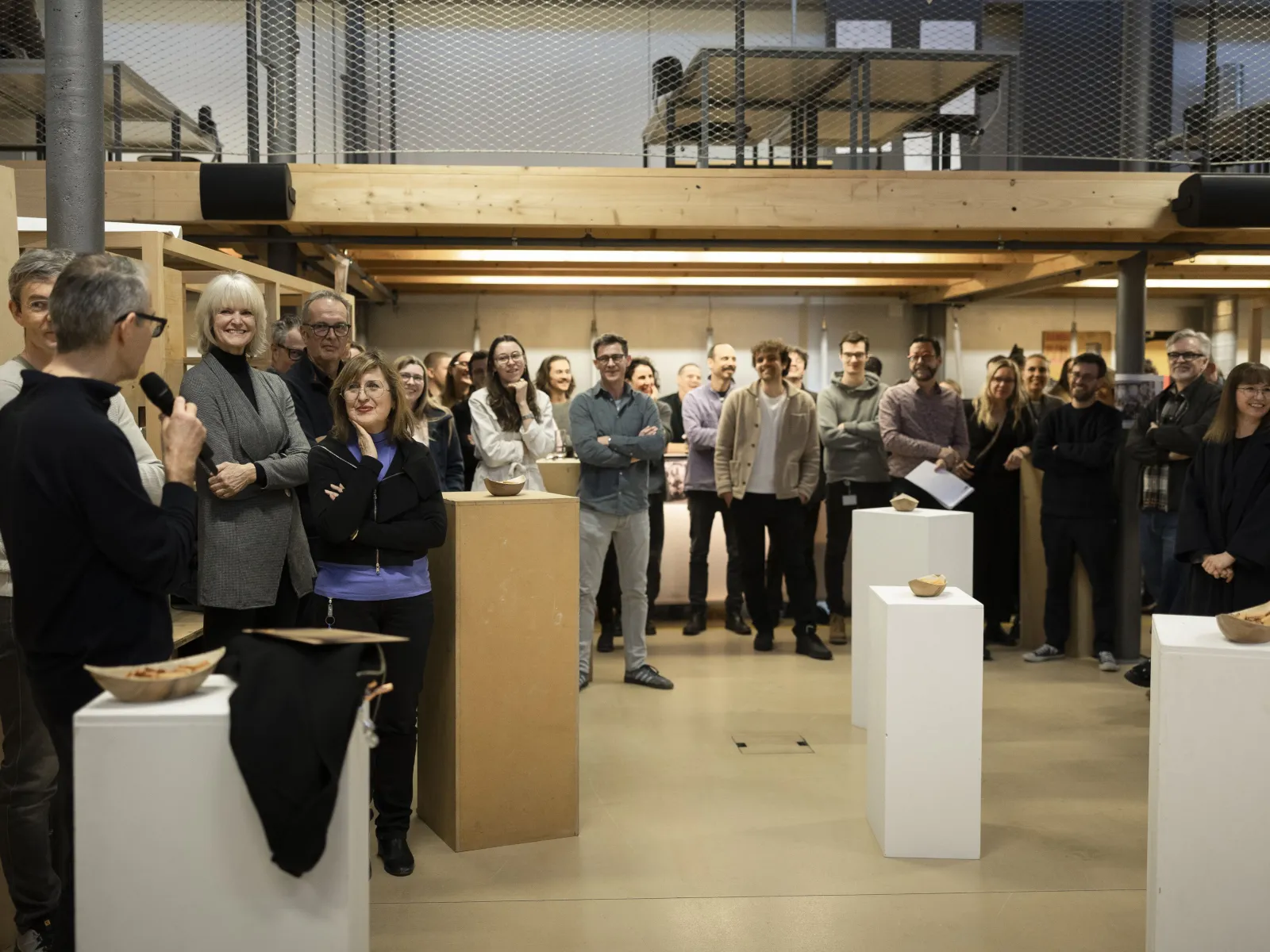
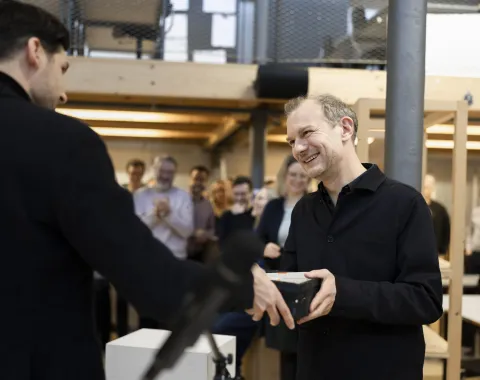
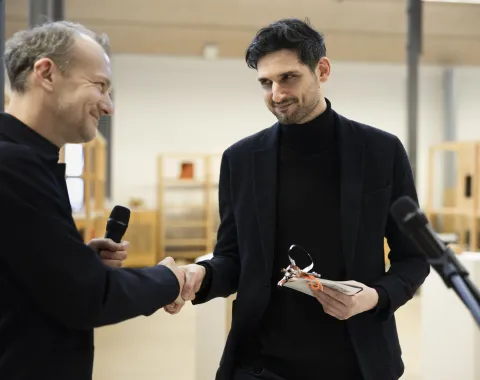
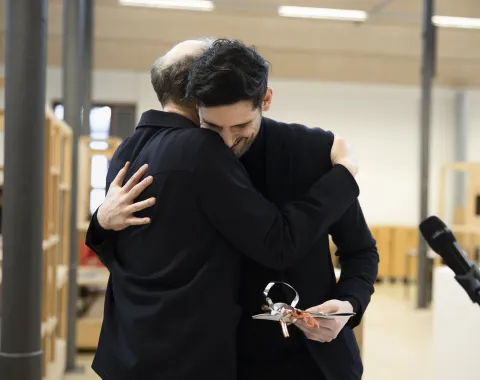
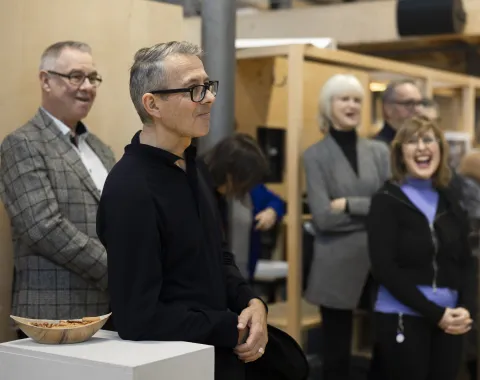
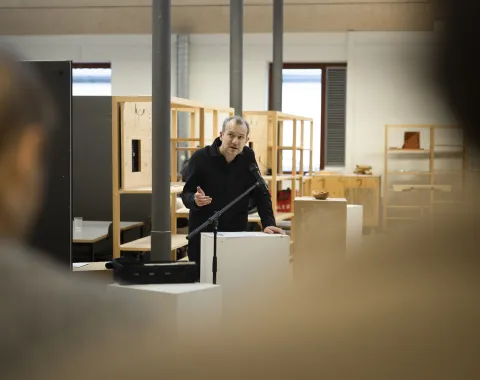
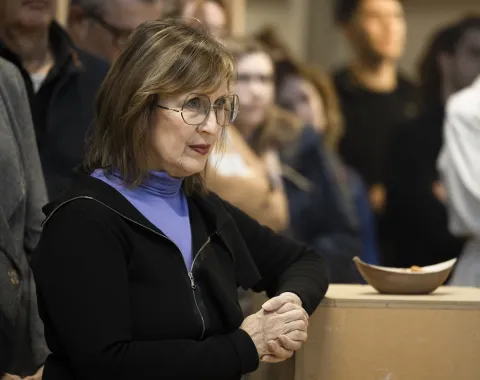
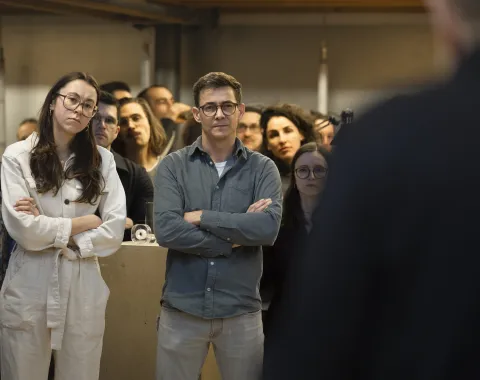
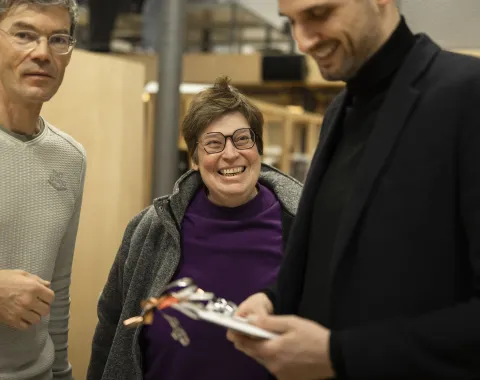
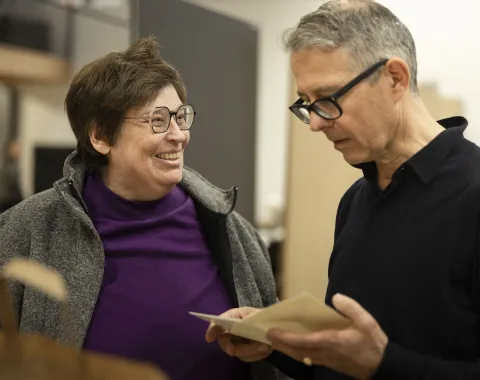
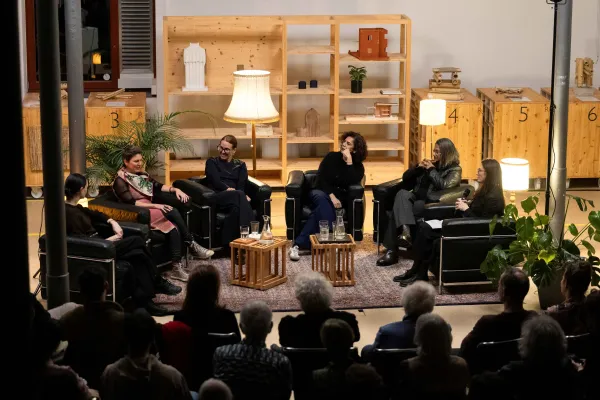
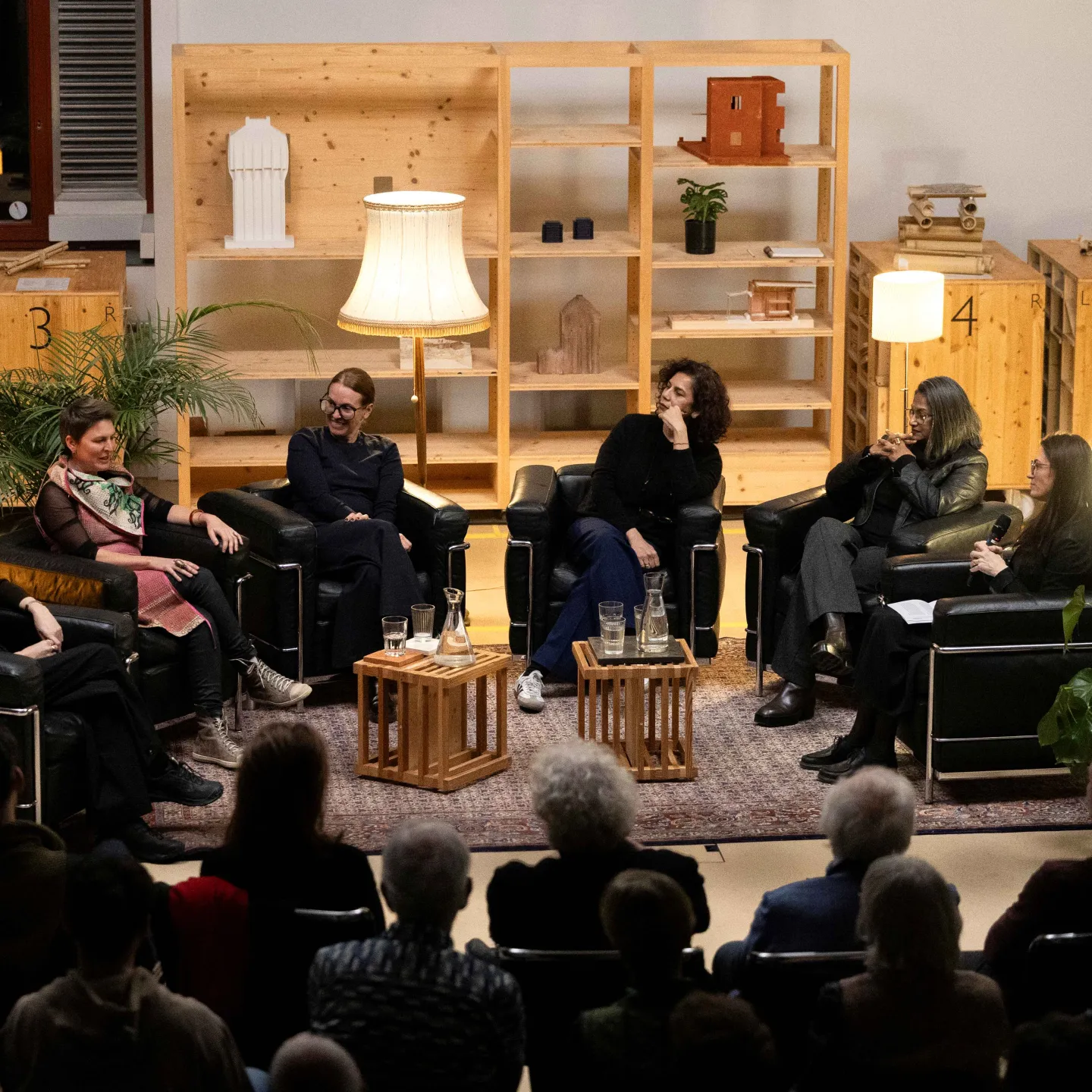
It was more than a panel discussion – it was a plea for the collective. Tatiana Bilbao, Anna Heringer, Anupama Kundoo, Marina Tabassum, and surprise guest Frida Escobedo, five of the most influential contemporary female architects, met at the University of Liechtenstein. Their message: architecture should heal, serve, and put the ego in the background.

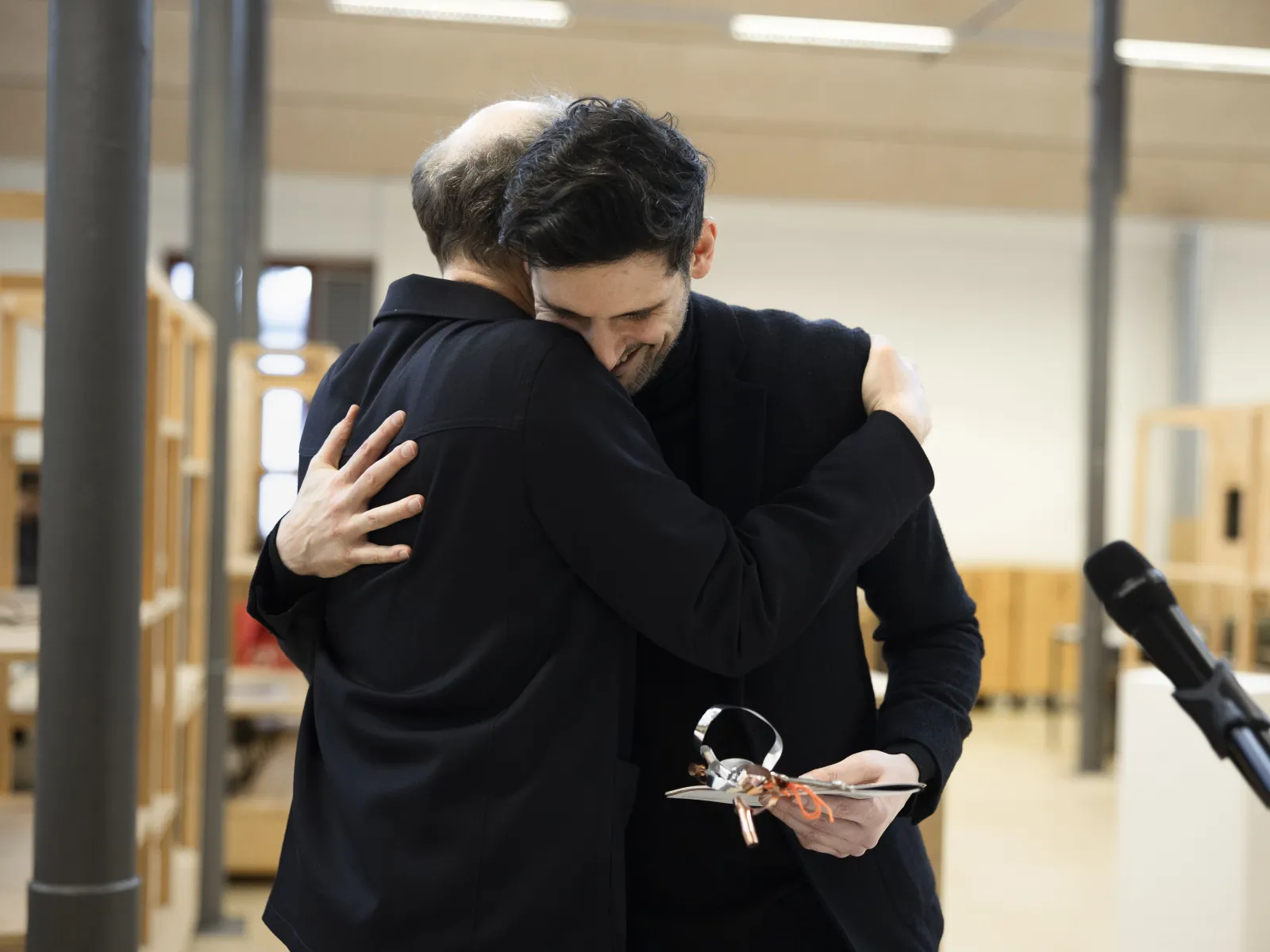
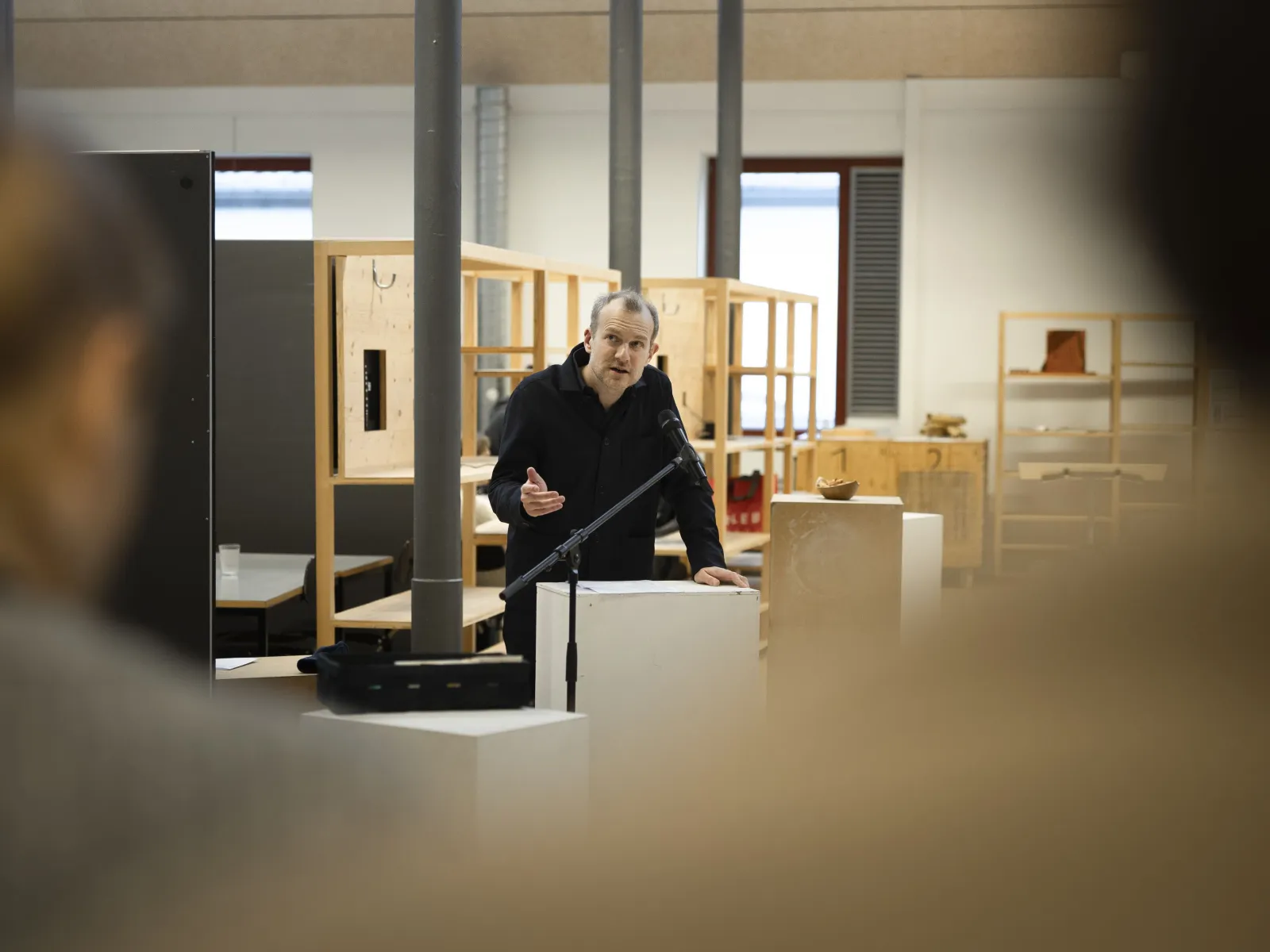
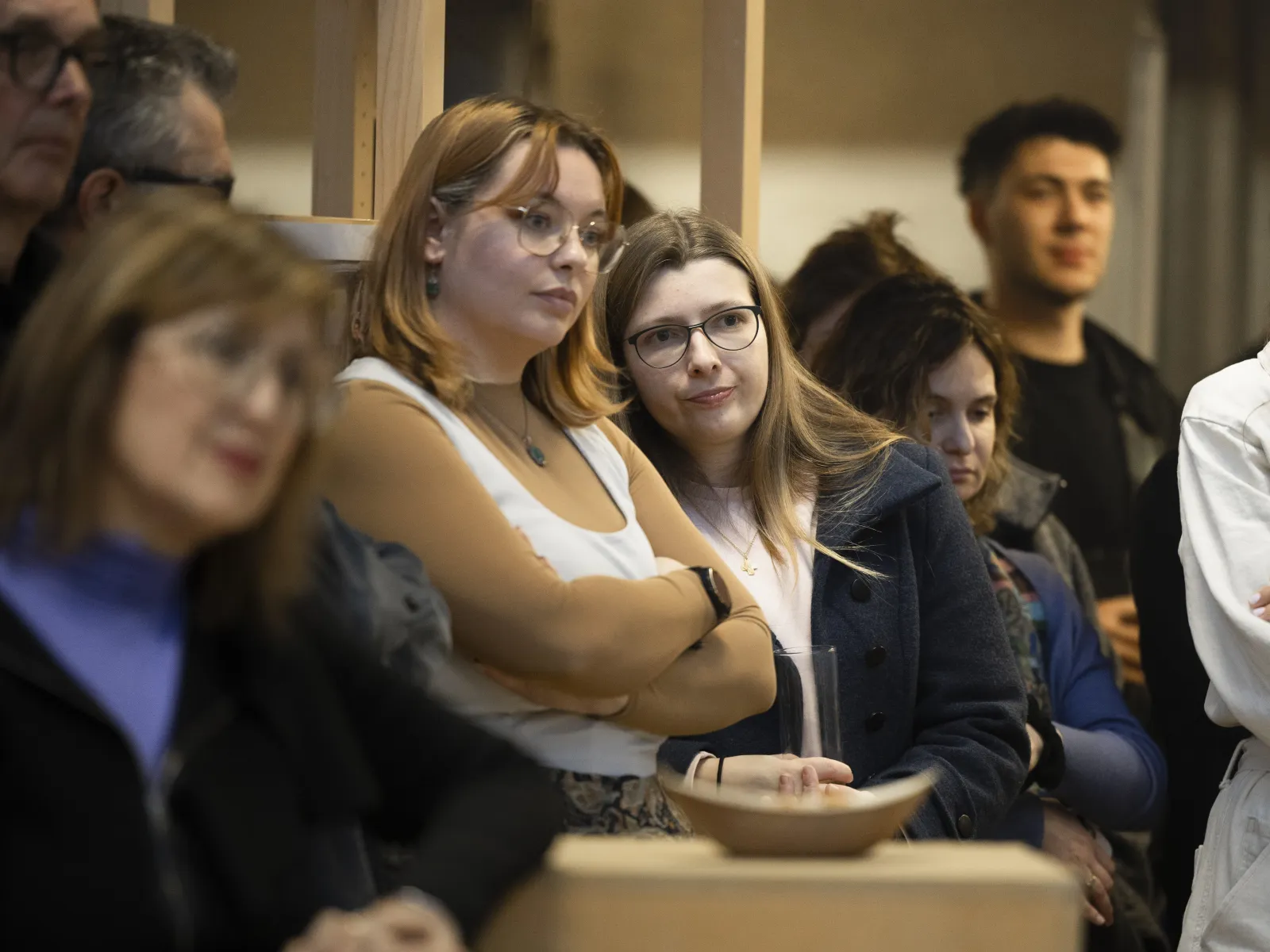
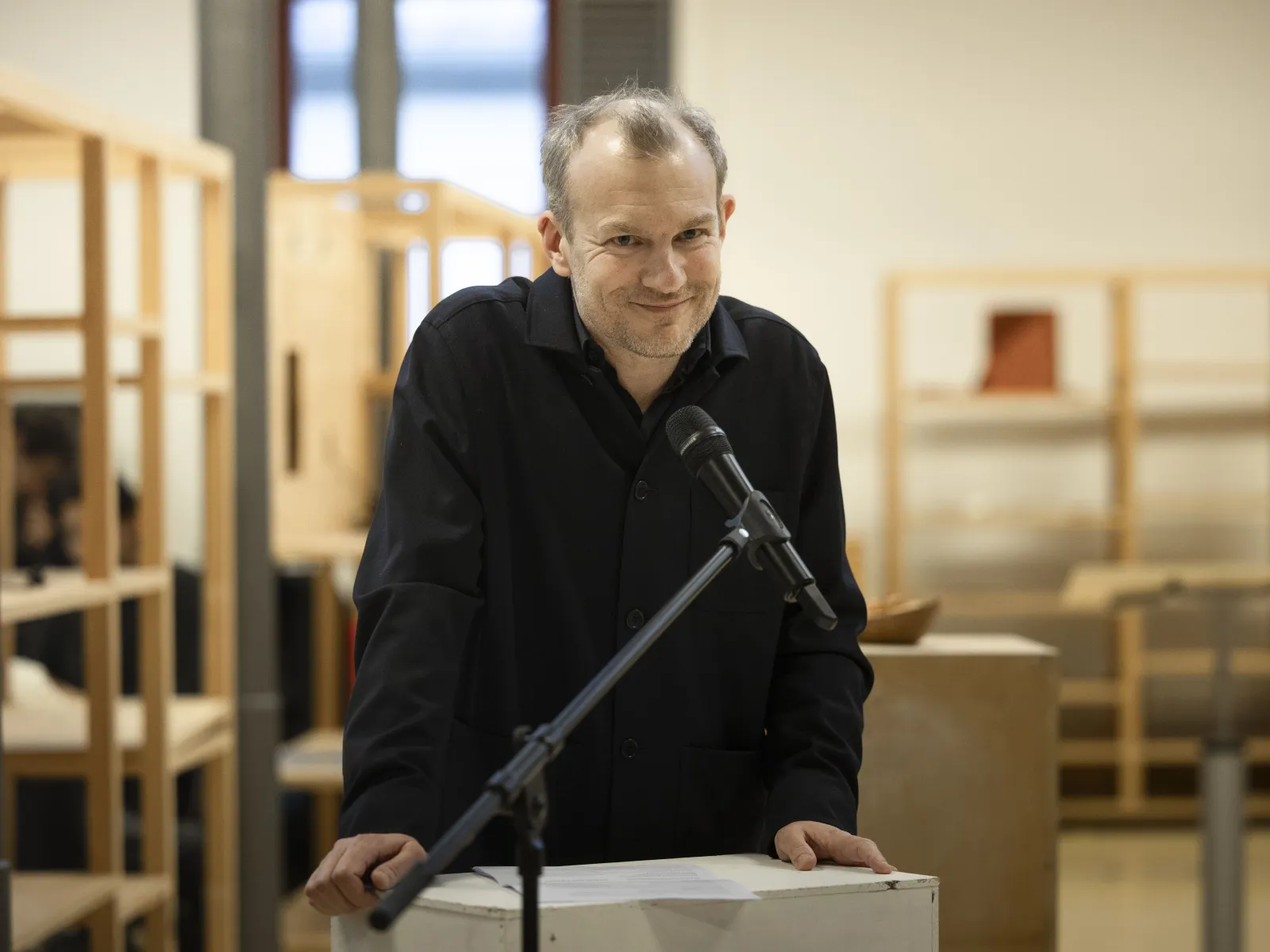
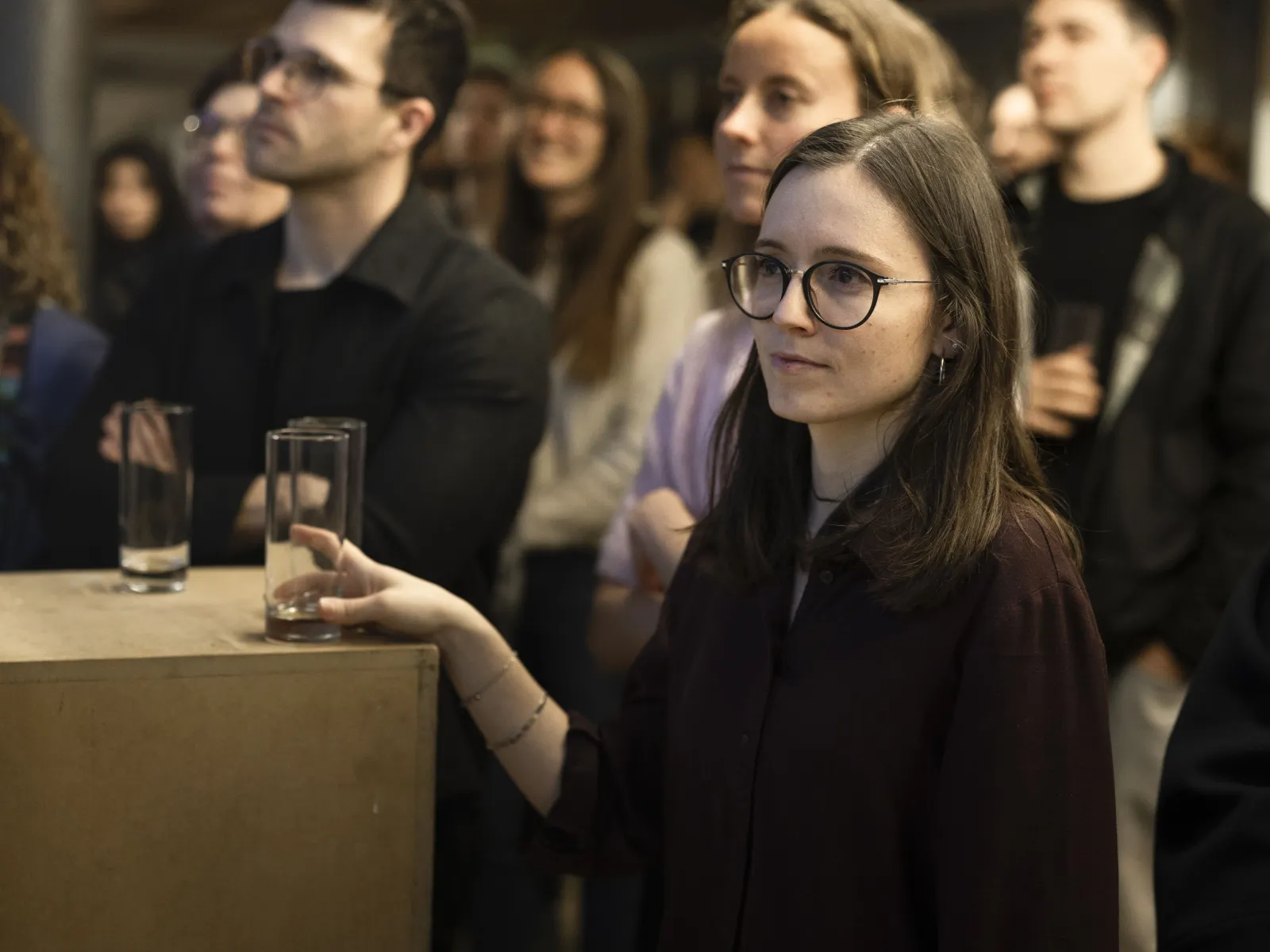
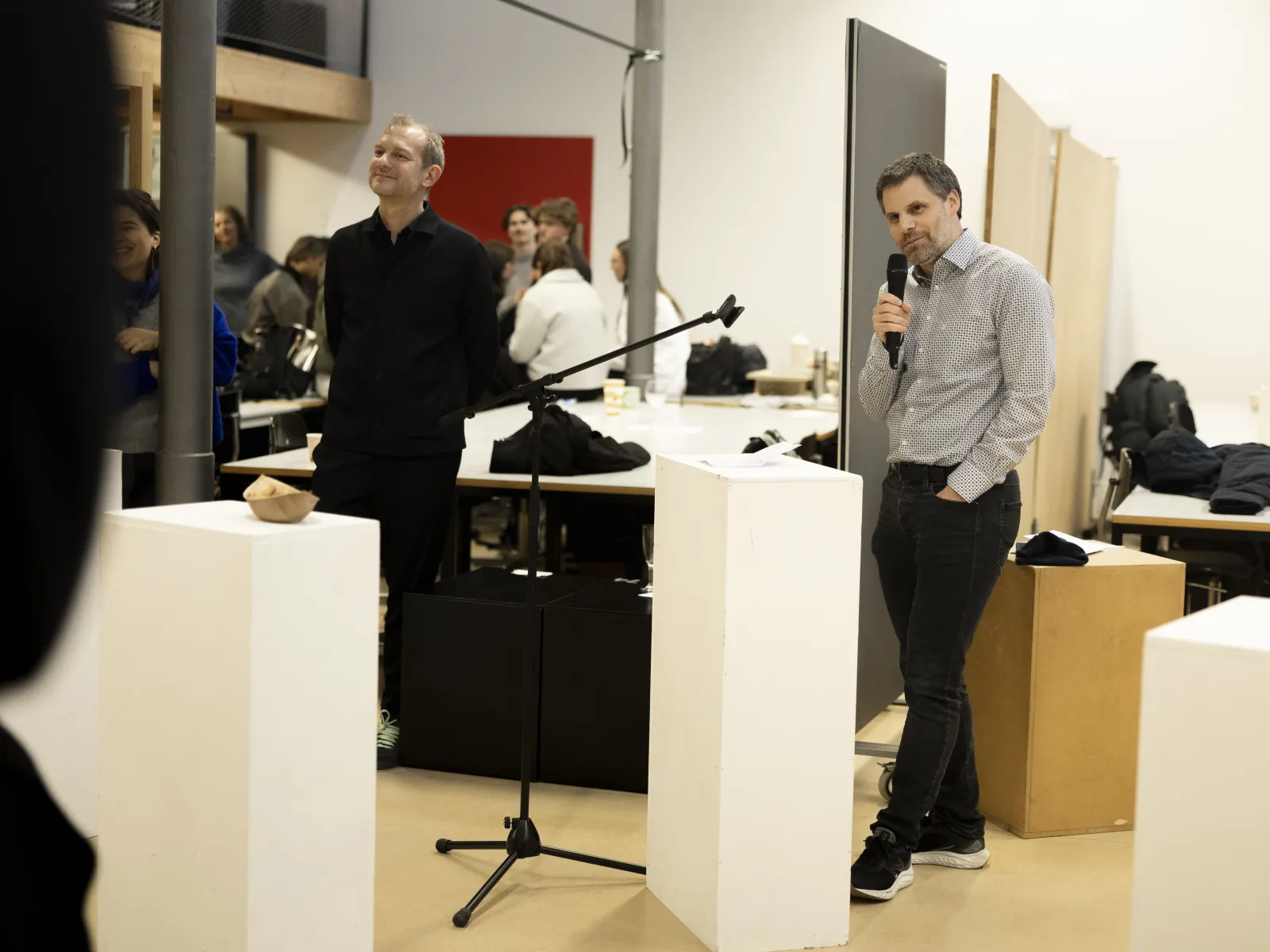
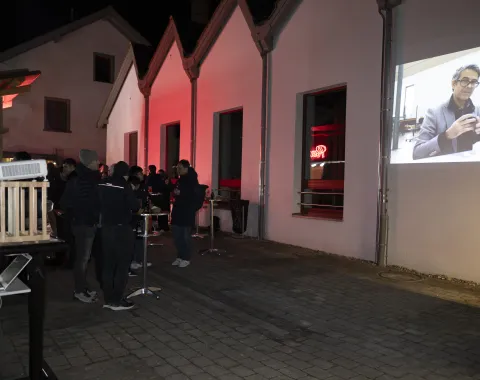
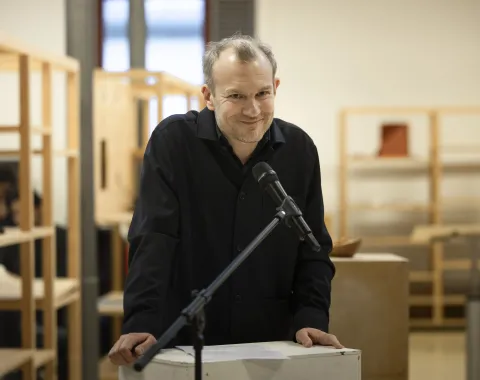
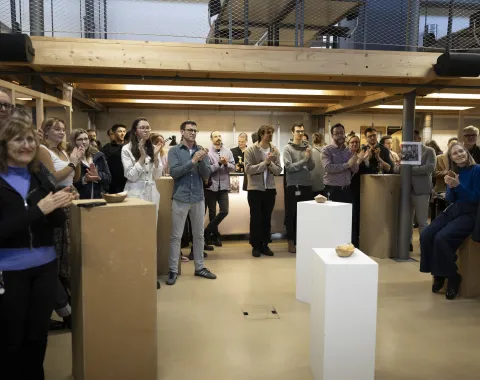
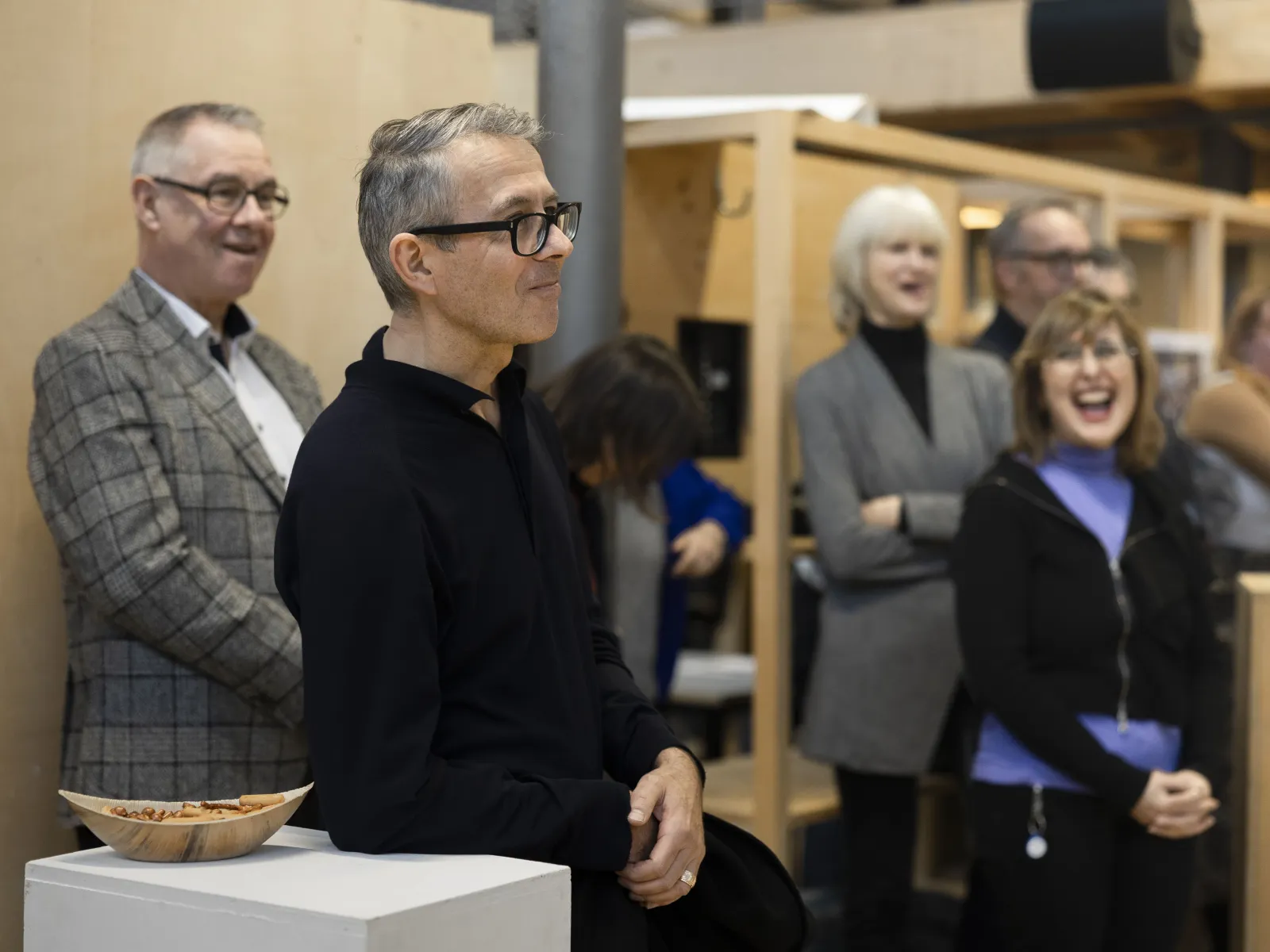
"We ordered four chairs and got five female architects," joked Prof. Daniel Stockhammer during his welcome in the fully occupied architecture studio. Alongside the announced guests – Tatiana Bilbao (Mexico City), Anna Heringer (Laufen), Anupama Kundoo (Berlin/Pune), and Marina Tabassum (Dhaka) – the Mexican architect Frida Escobedo spontaneously joined them.

Moderated by Verena Jakoubek-Konrad, a conversation developed on February 13, 2026, that set aside technical details and illuminated the ethical core of architecture.

Architecture as a Political Act 

A central theme of the evening was the political dimension of building. Tatiana Bilbao described architecture not as an object, but as a "primary form of care". For her, architecture is always political because it decides "who, how, when, and where can inhabit this planet". Marina Tabassum, who often works with the consequences of the climate crisis and displacement in Bangladesh, highlighted the importance of the "wisdom of the land". She spoke about a co-design process in a refugee camp where women desired one thing above all: a garden, in order to maintain dignity amidst the temporary accommodations.

Time as a Resource 

Anupama Kundoo questioned the conventional concept of resources. For her, it is not about the lack of finite materials, but about promoting "infinite human resources" like imagination and craftsmanship. "Time is a resource," she emphasized, and called for a revival of "thinking craftsmanship".

Collective Instead of Ego

The strongest message of the evening was the rejection of the image of the solitary, genius architect. "It's about reducing the ego," said Anna Heringer. She finds her greatest happiness not on a podium, but with her hands in the earth on a construction site. Frida Escobedo added how liberating it is to meet women who share the same values: "We are not alone."

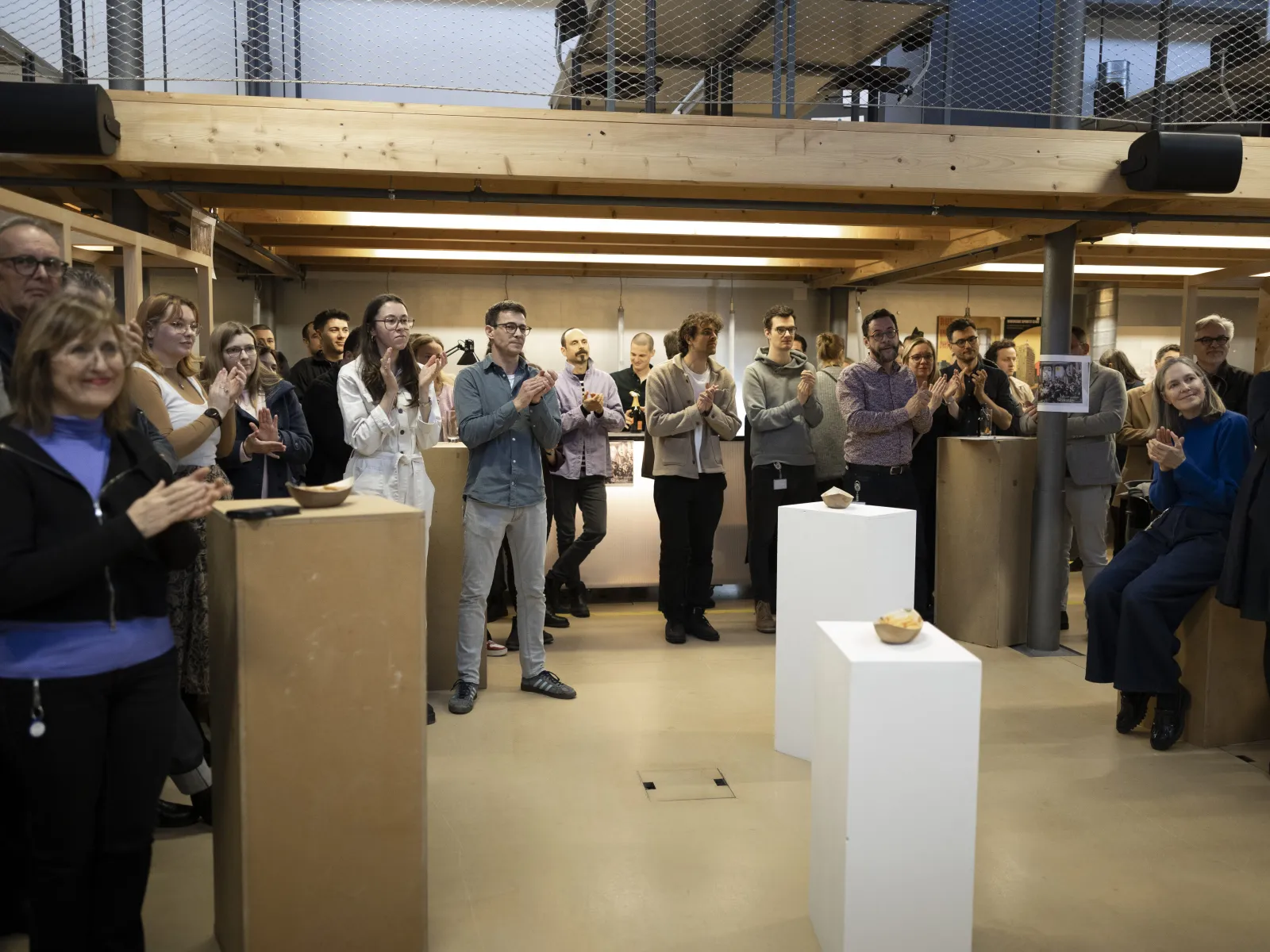
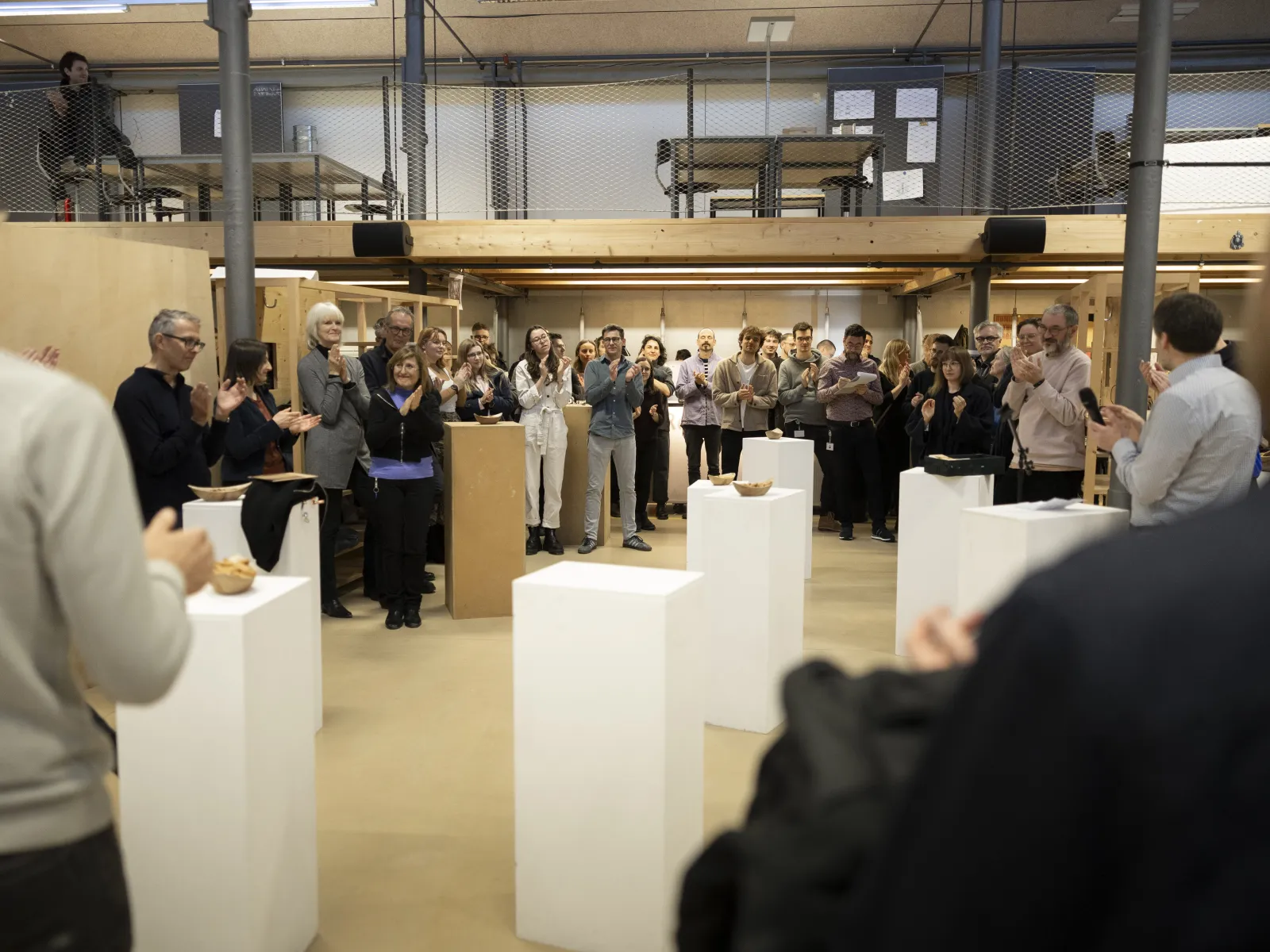
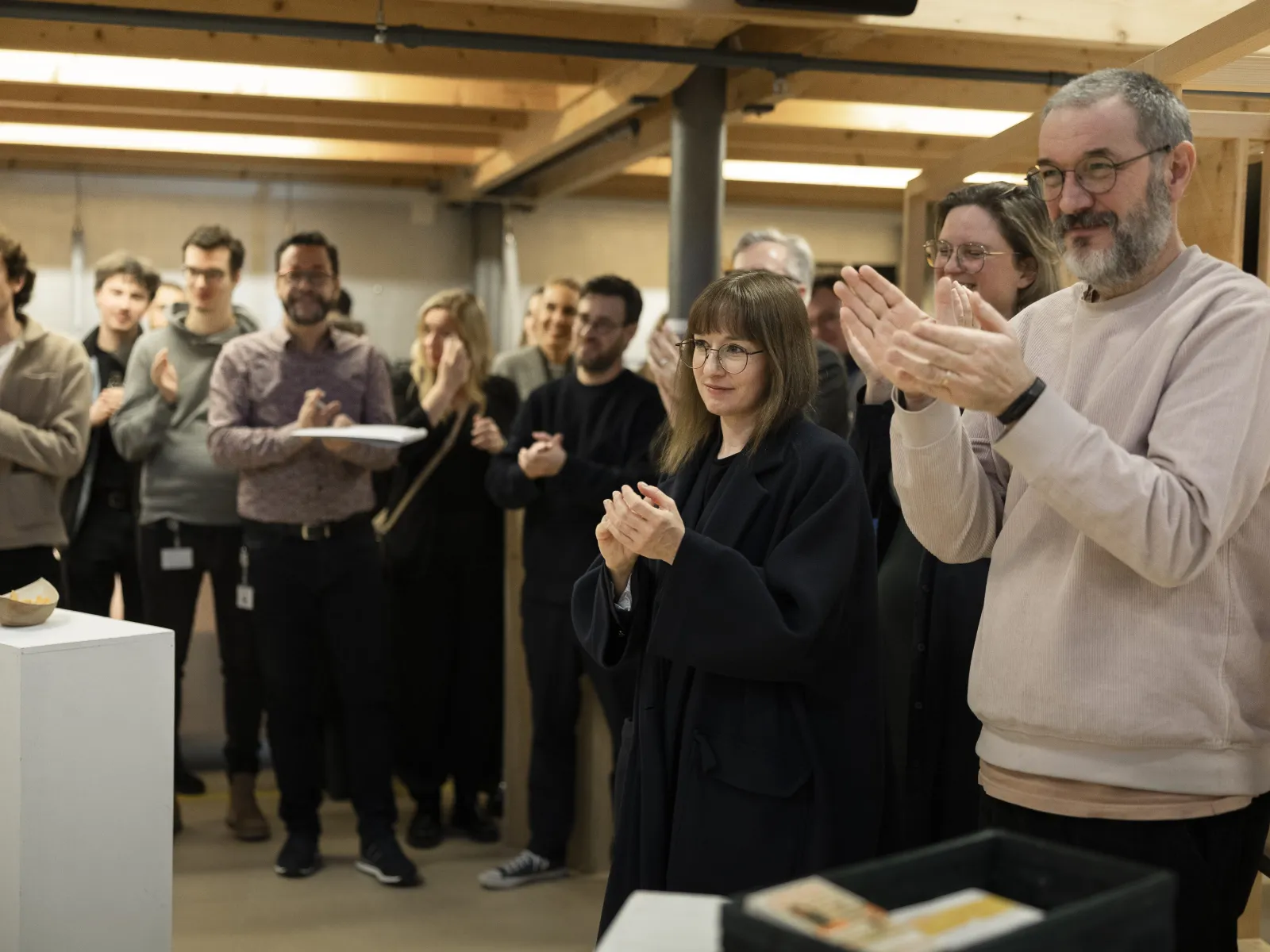
The evening ended with standing ovations – and a wink. When asked about joint future plans, the five hinted at wanting to form a "band" – perhaps the "Spice Girls" of architecture.
News_Between-the-lines_Architecture-Talk_Universitaet-Liechtenstein

The full talk

We need your consent
To view this YouTube video, you must accept data processing under the category “Third-party marketing”. Further details on data processing can be found here.
Display Cookie Settings

‘Architecture is a social art’: Urs Meister bids farewell – Michael Wagner takes over as Dean

‘Architecture is a social art’: Urs Meister bids farewell – Michael Wagner takes over as Dean

News_Abschied_Urs-Meister_Universitaet-Liechtenstein
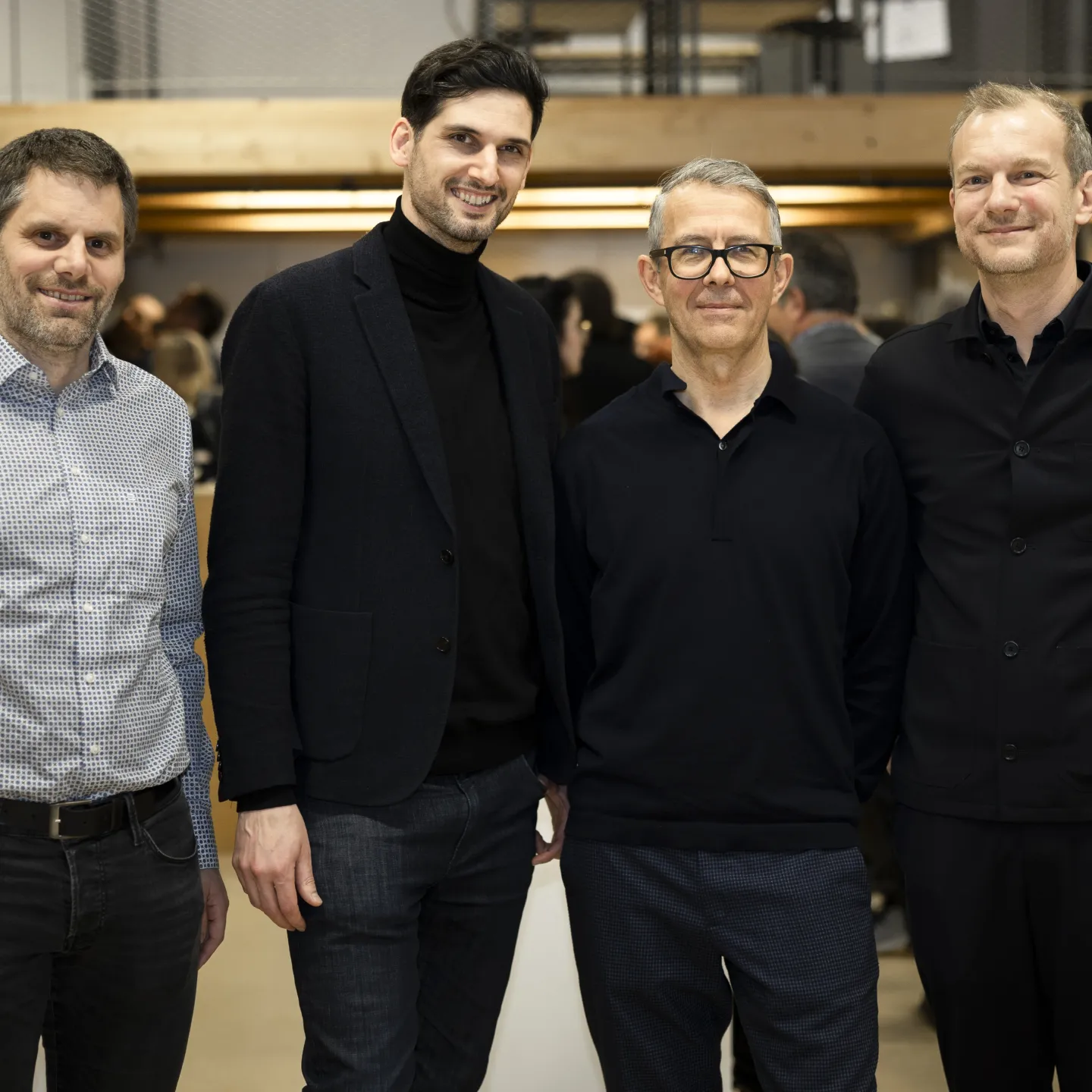
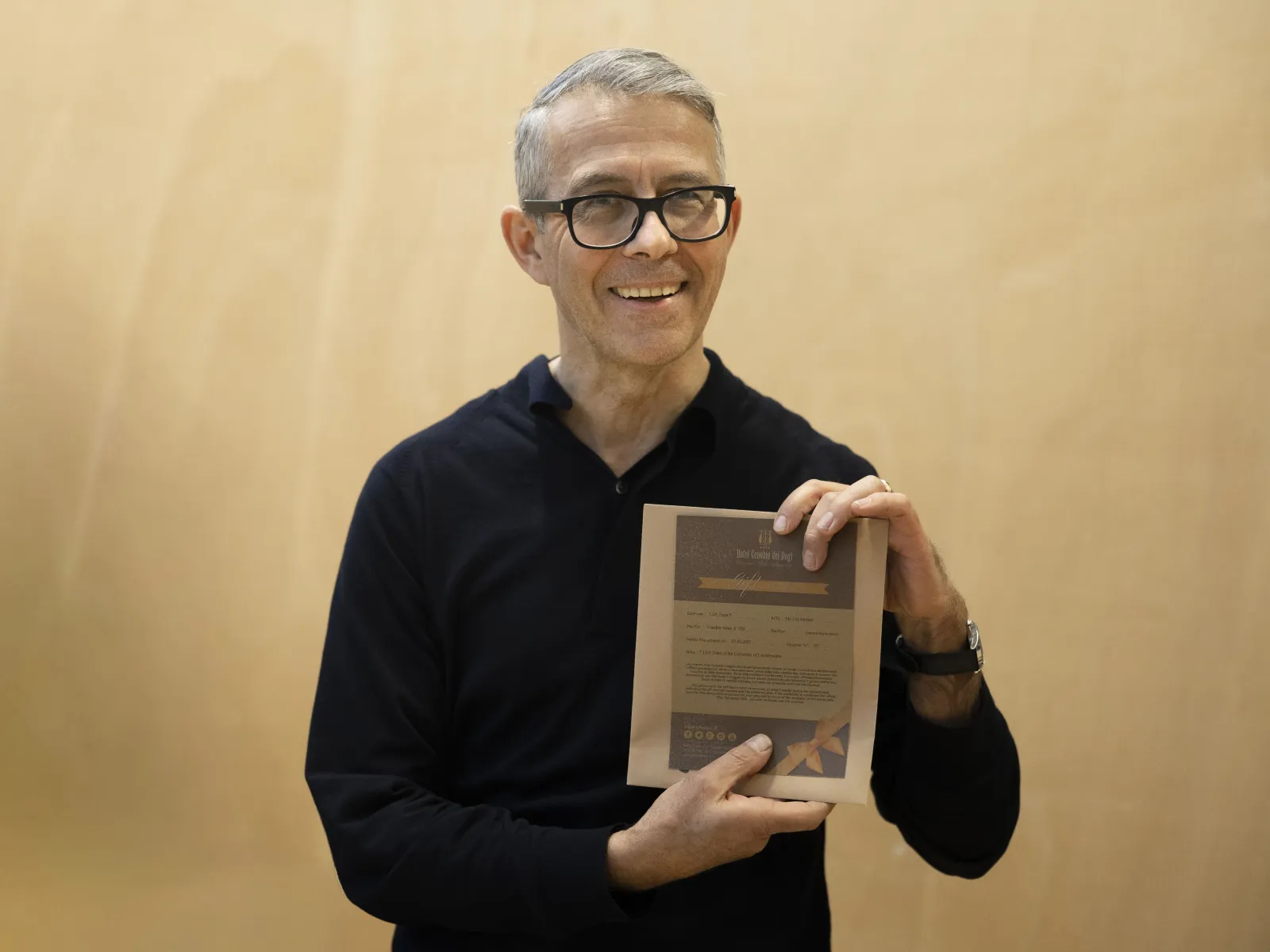
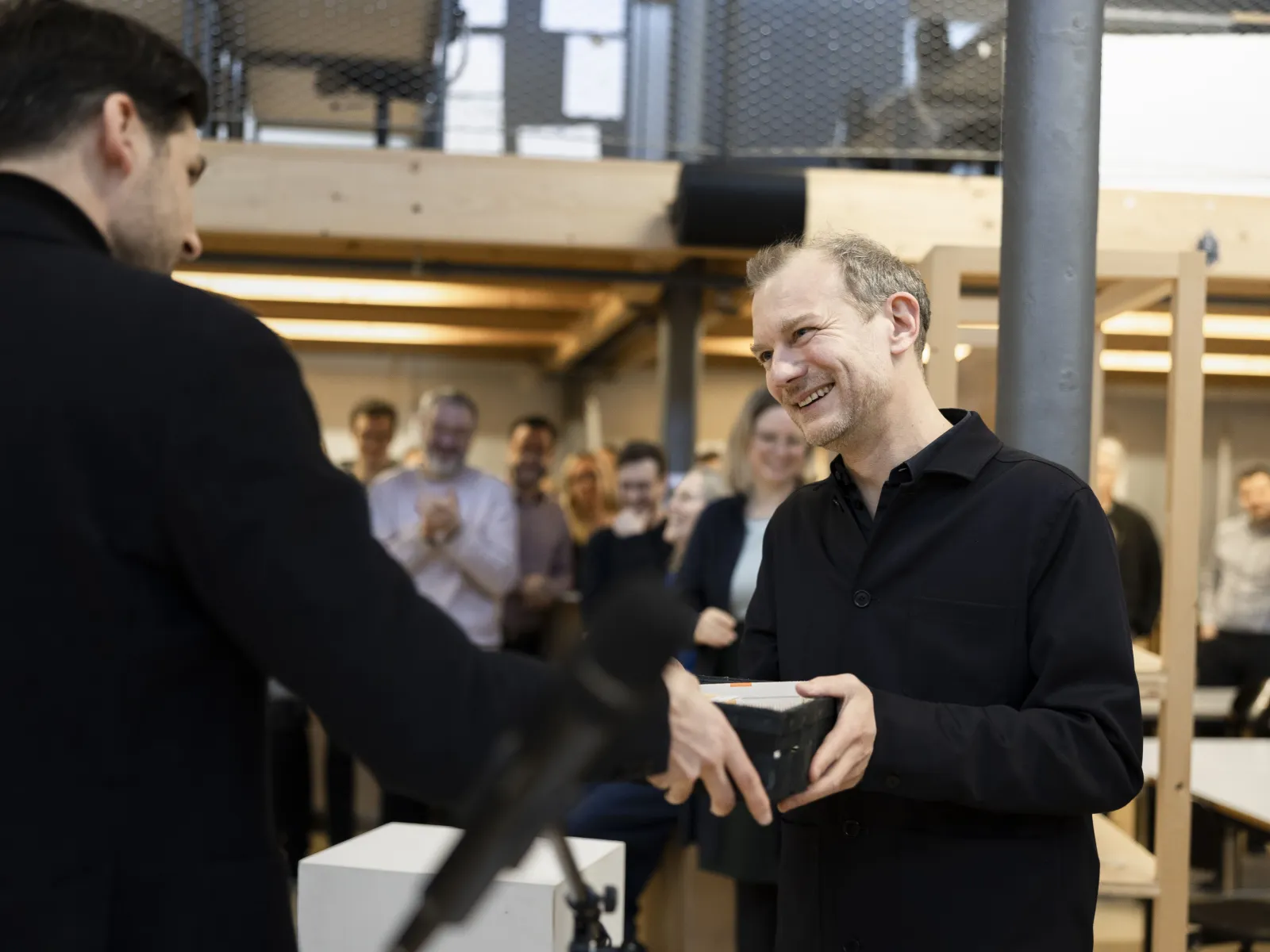
Rektor Christian Frommelt, Daniel Stockhammer, Urs Meister und Michael Wagner. (v.l) Foto: Fabio Schober

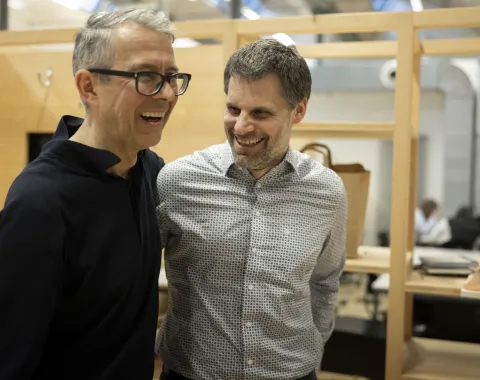
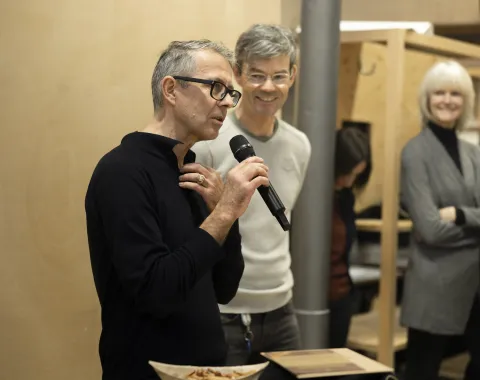
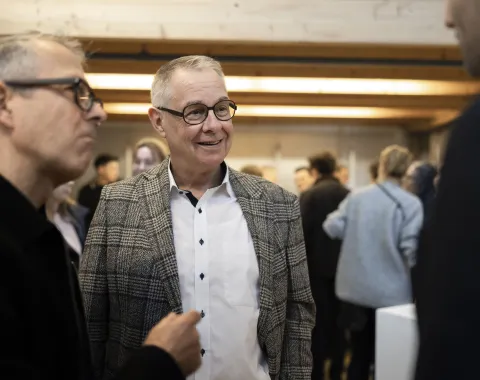
At the start of the semester on 5 February, the Liechtenstein School of Architecture (LSA) hosted a celebration that combined farewells and new beginnings. The focus was on the retirement of Urs Meister, the change in the dean's office and the welcoming of new lecturers. 


Farewell to Urs Meister: An architect with principles

After 24 years at the University of Liechtenstein, during which he influenced over 1,000 students, Prof. Urs Meister retired. Rector Christian Frommelt praised him as the ‘prototype of an architect’ – a man of style and principles who has left his mark on Liechtenstein at many different levels. One of these, according to Frommelt, is the prominent wooden tower on Dux in Schaan, which he can see from his window. Meister, co-owner of the Zurich-based firm Käferstein & Meister, emphasised his guiding principle in his farewell speech: ‘Architecture is a social art.’ He always advocated architecture that focuses on quality, sustainability and robust materials rather than excessive technical comfort. 


Change of dean: Michael Wagner takes over

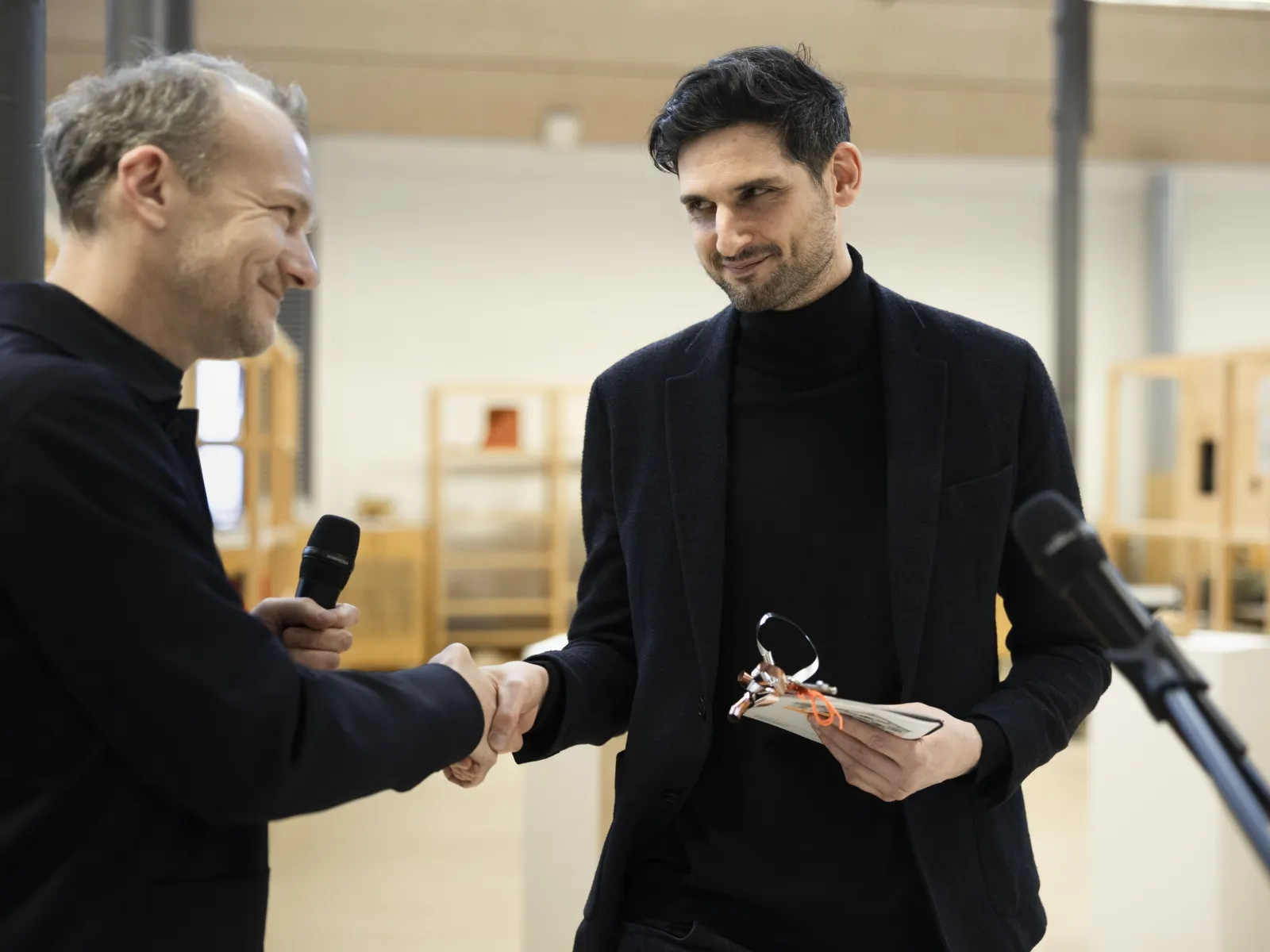
Another highlight of the evening was the change in the dean's office. Michael Wagner replaces Daniel Stockhammer, who shaped the LSA for four and a half years and transformed it from an institute into a school. Rector Frommelt thanked Stockhammer for his work, which had sharpened the school's profile and provided new momentum. Stockhammer will remain at the university as a professor. 

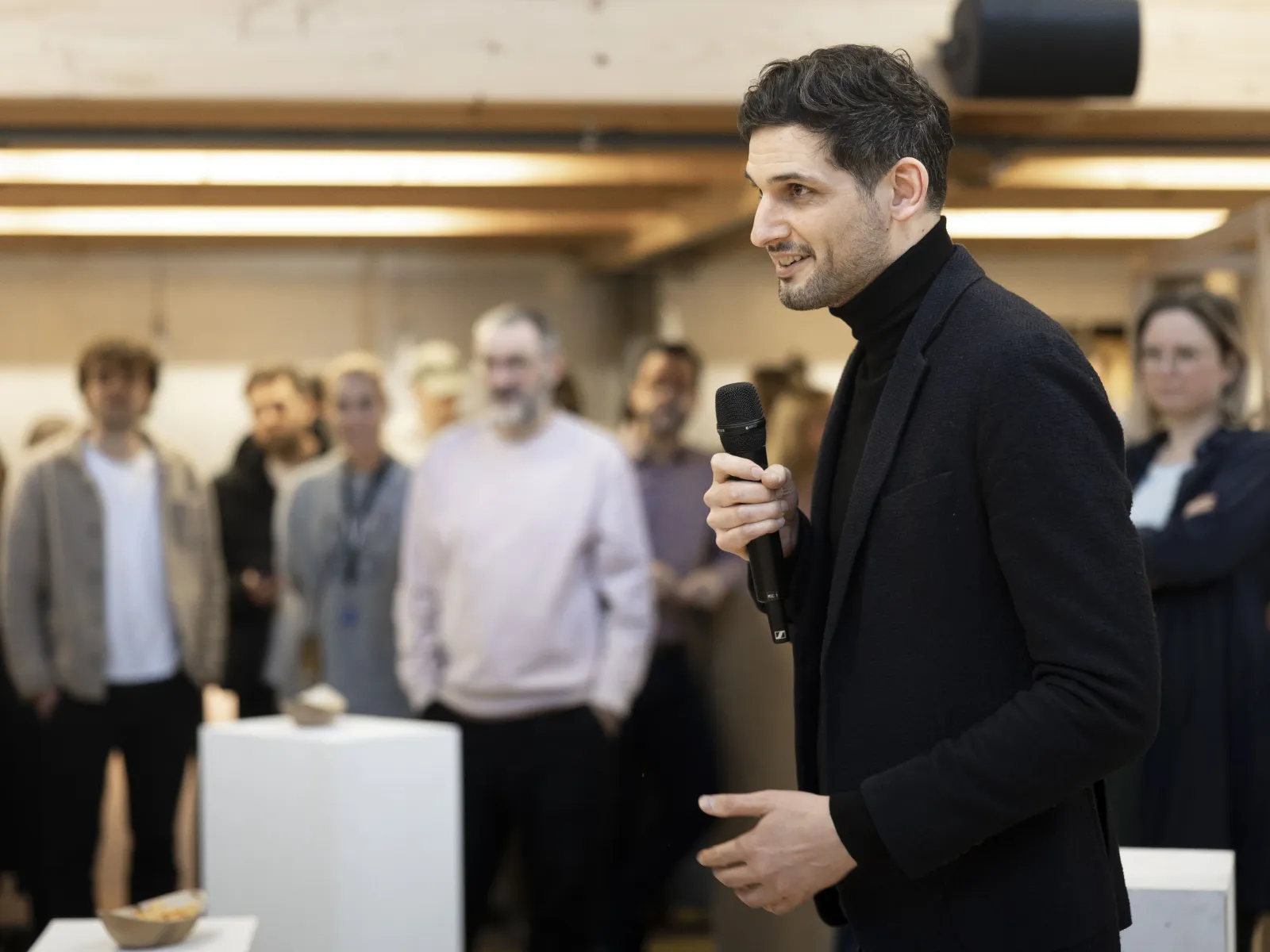
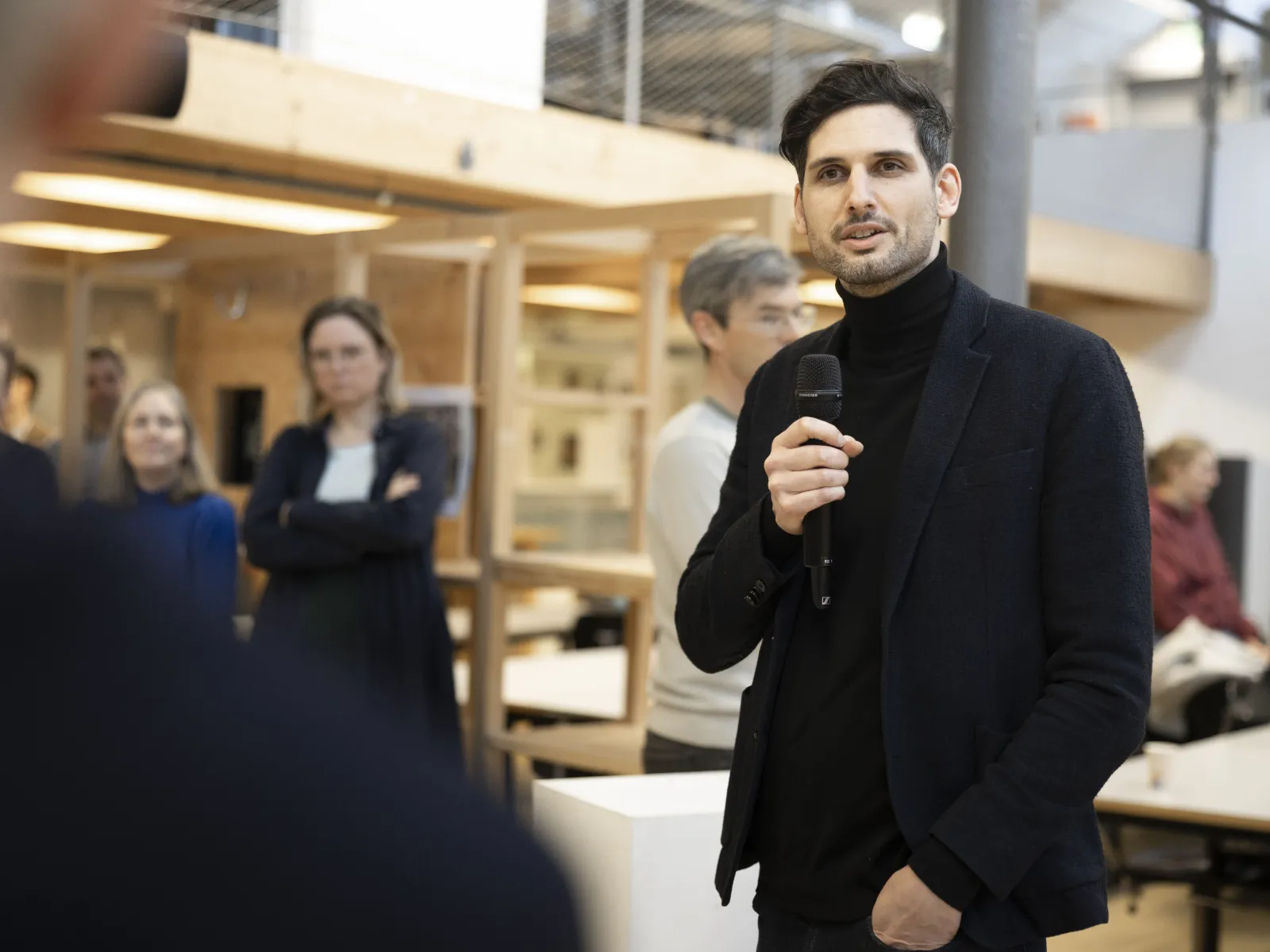
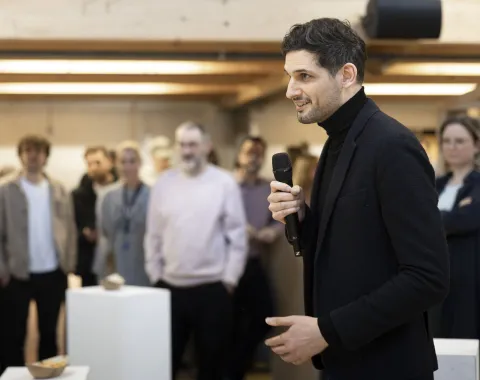
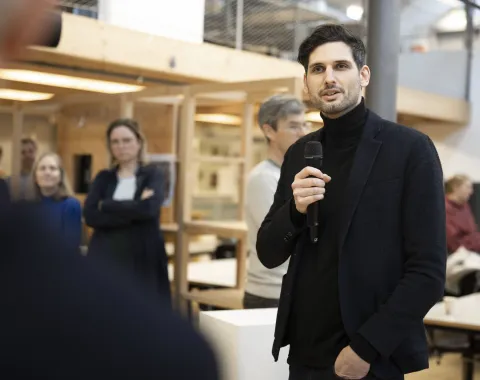
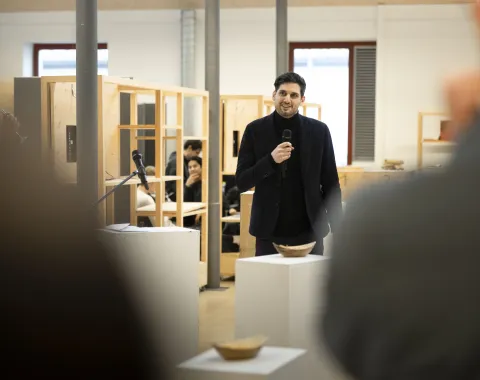
Michael Wagner, the new dean, views his role with passion and responsibility. In his inaugural speech, he emphasised the importance of architecture in the face of global challenges such as sustainability. The era of ‘star architects’ is over, he said. The future lies in collaboration, research and experimentation. Architecture today must be part of the solution. 


New faces at the LSA

The LSA also welcomes new colleagues. Reem Almannai joins the faculty as Associate Professor of Architecture and Society. In addition, Ivo Barão and Lando Rossmaier are starting as professors of practice, Sanna Kattenbeck as a postdoctoral researcher, and Felix Ledergerber, Felix Schaller and Dominic Spalt as lecturers of practice. 

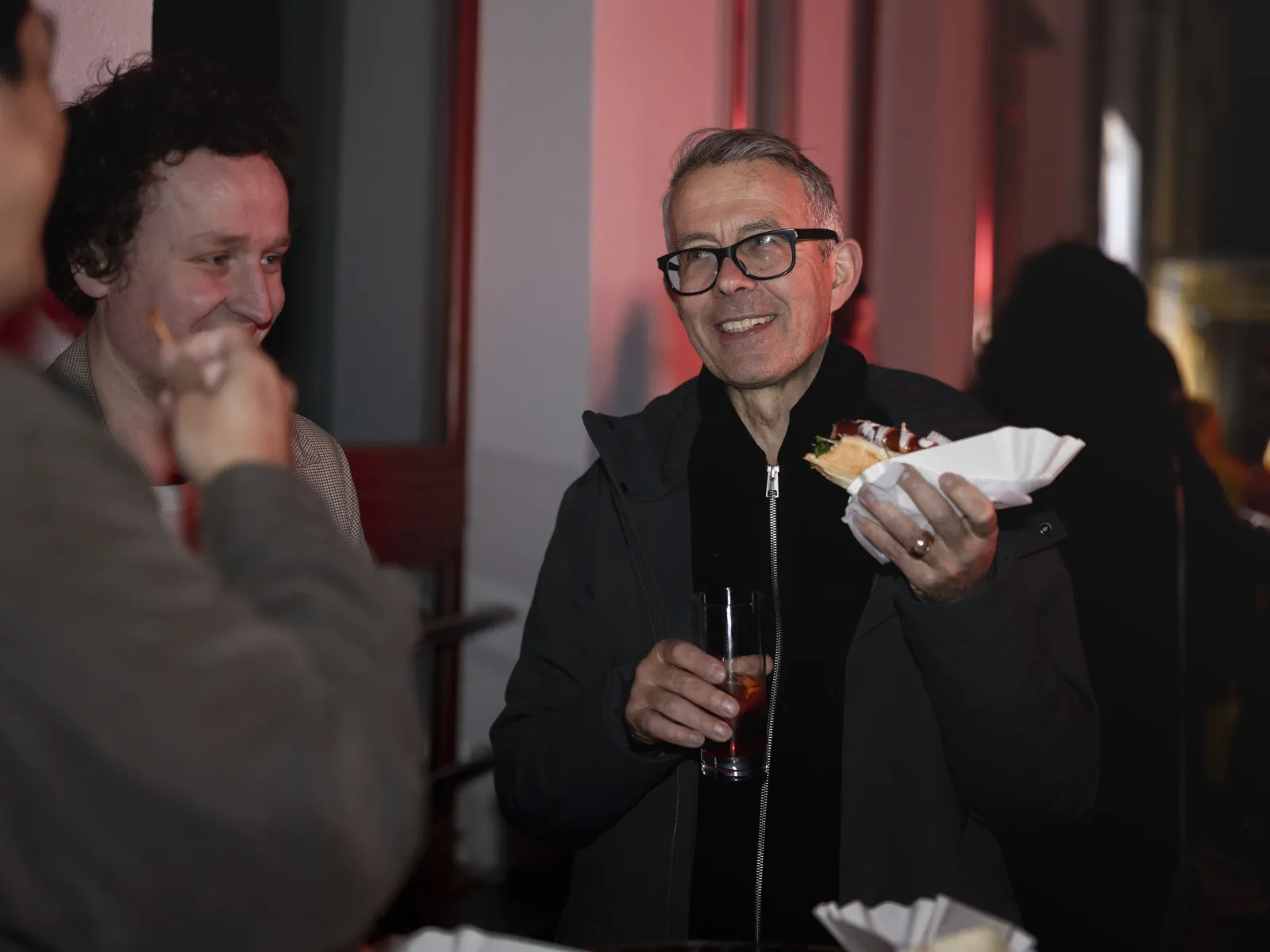
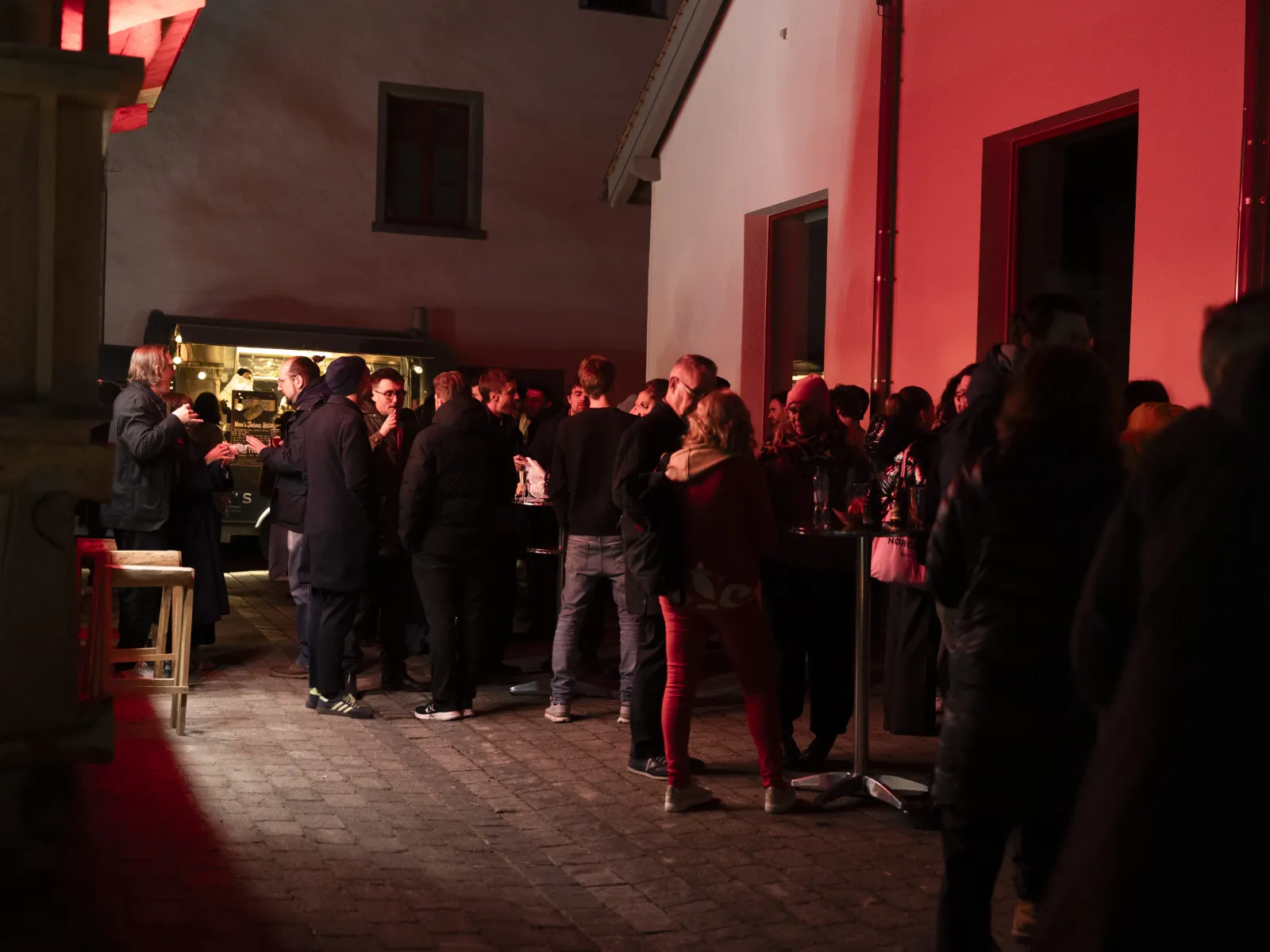
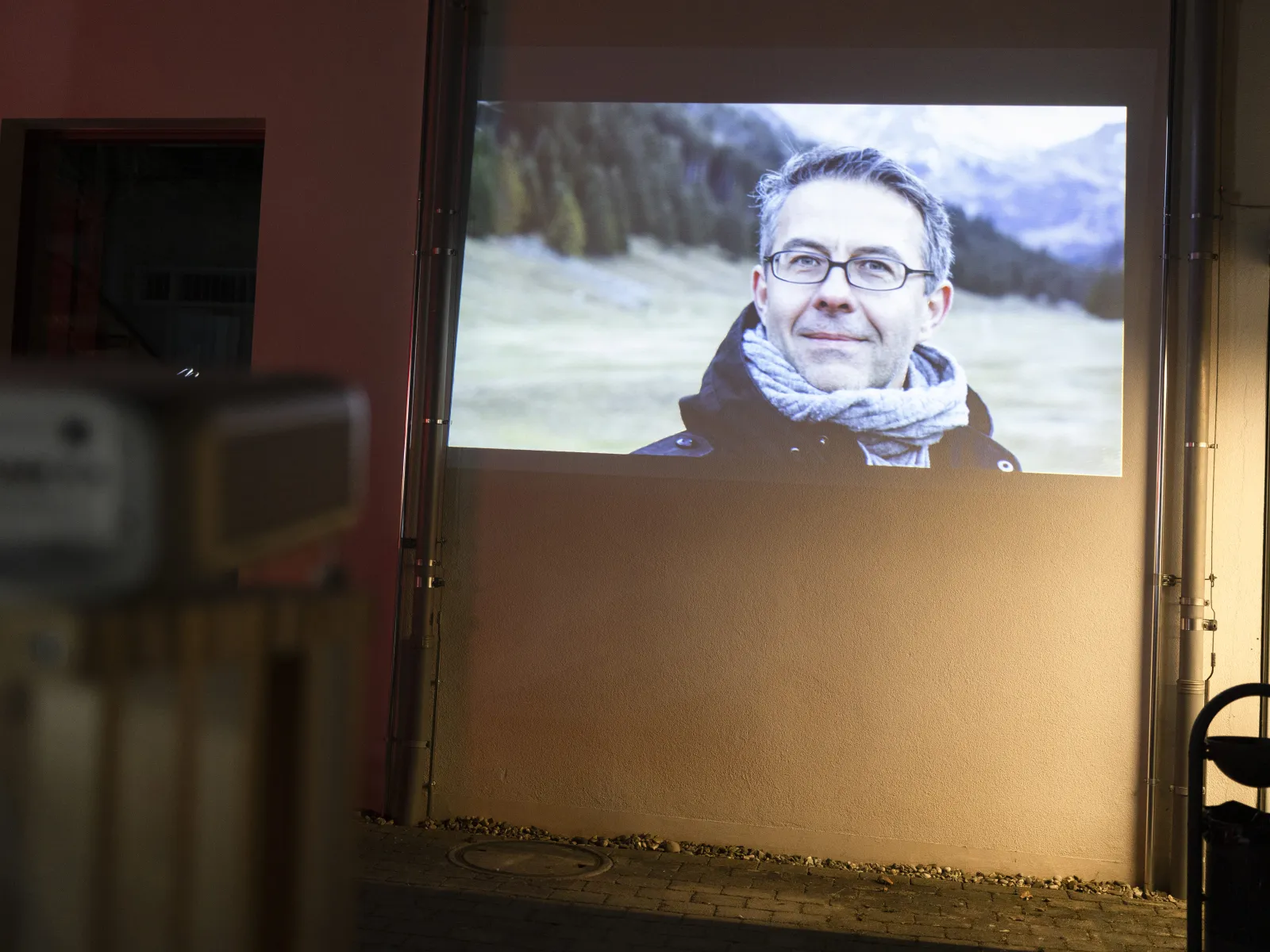
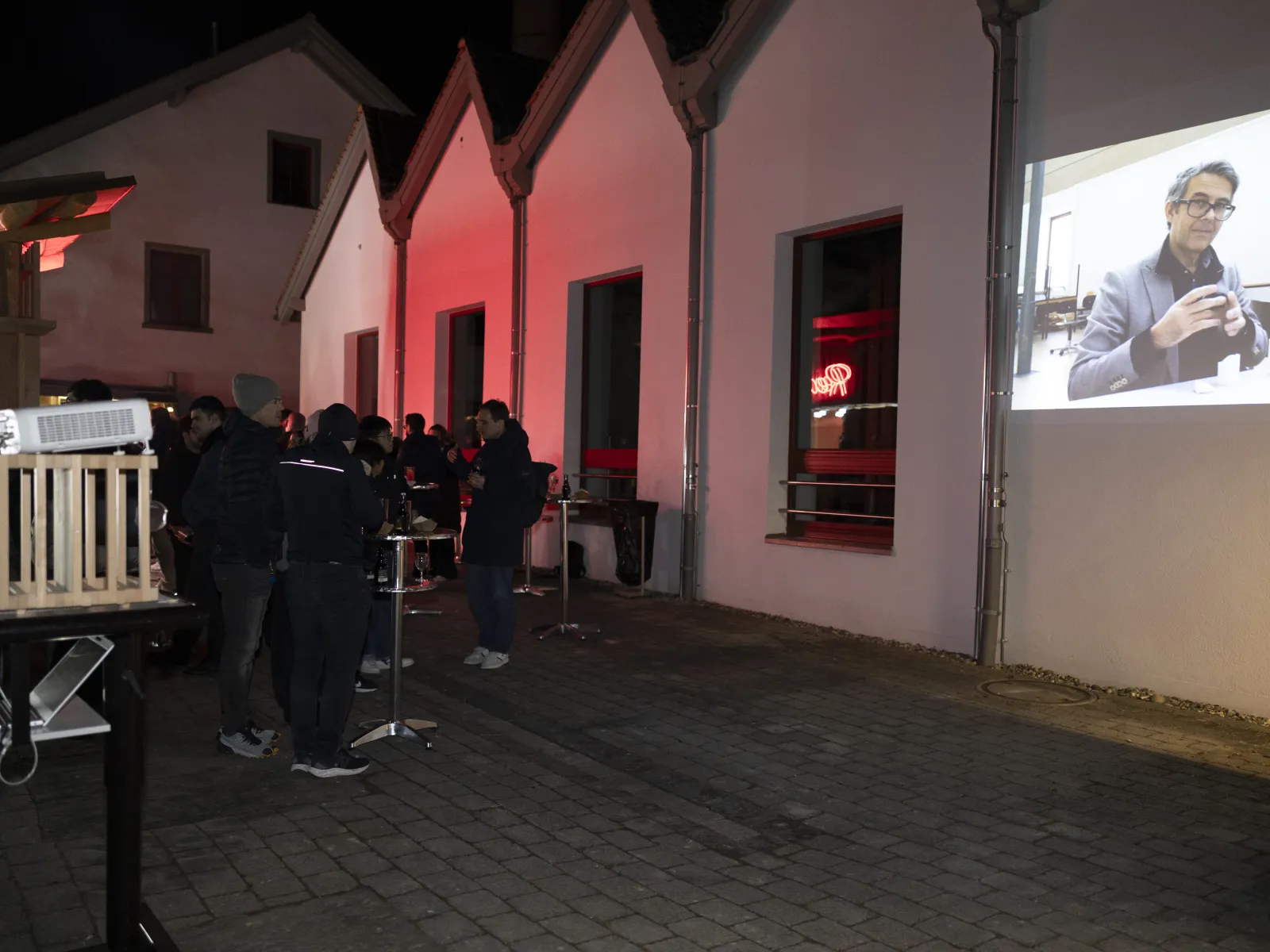
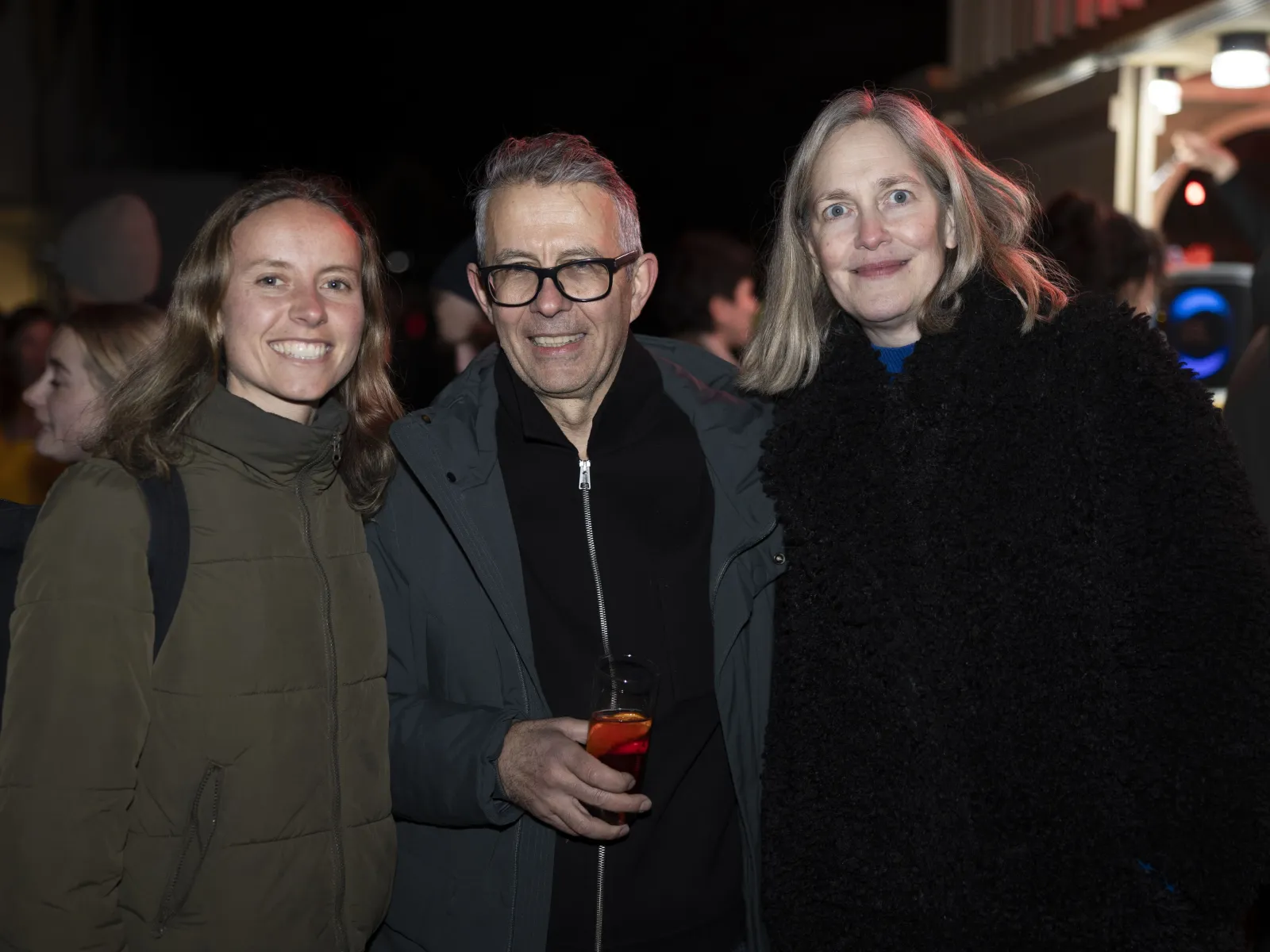
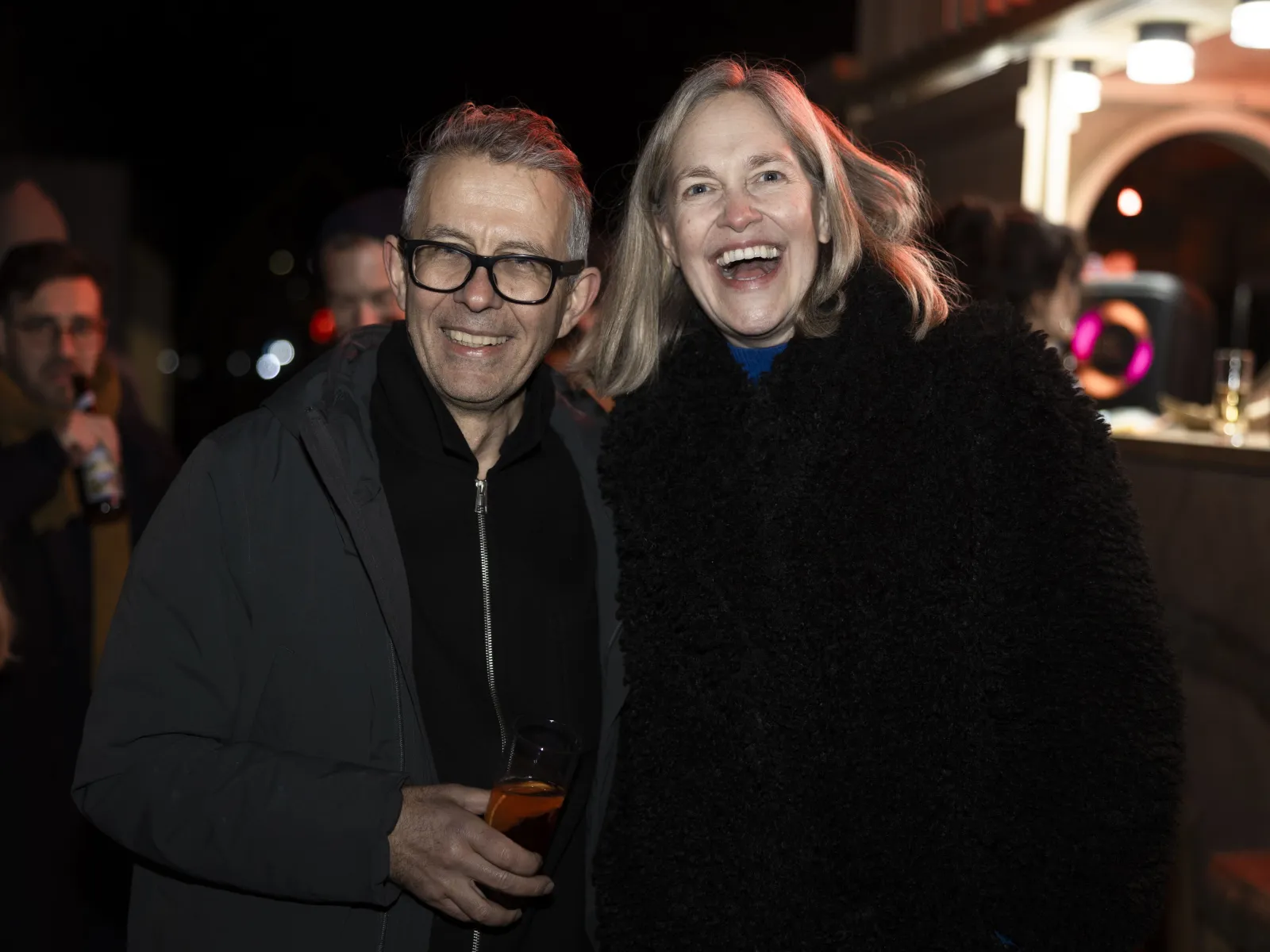
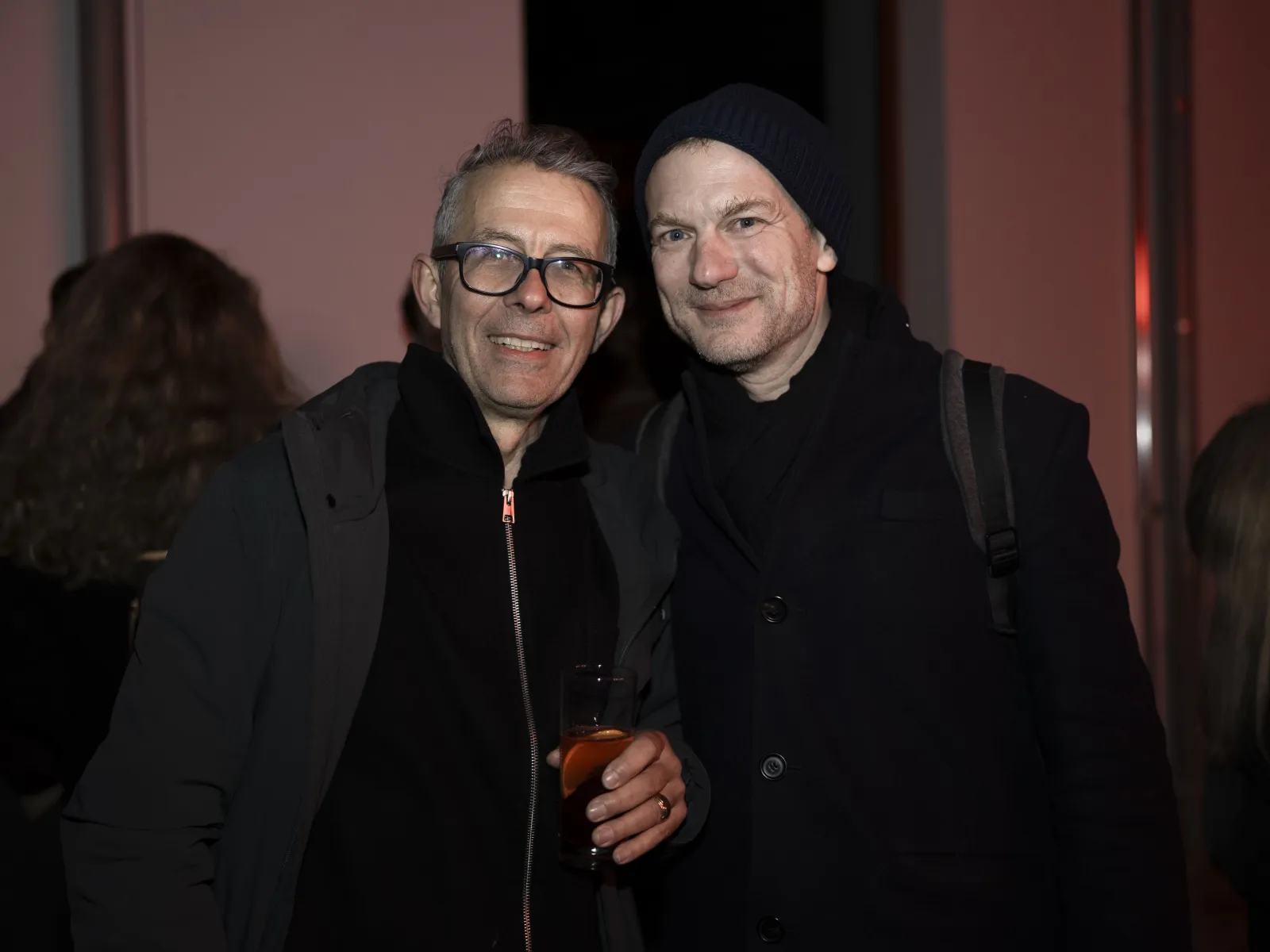
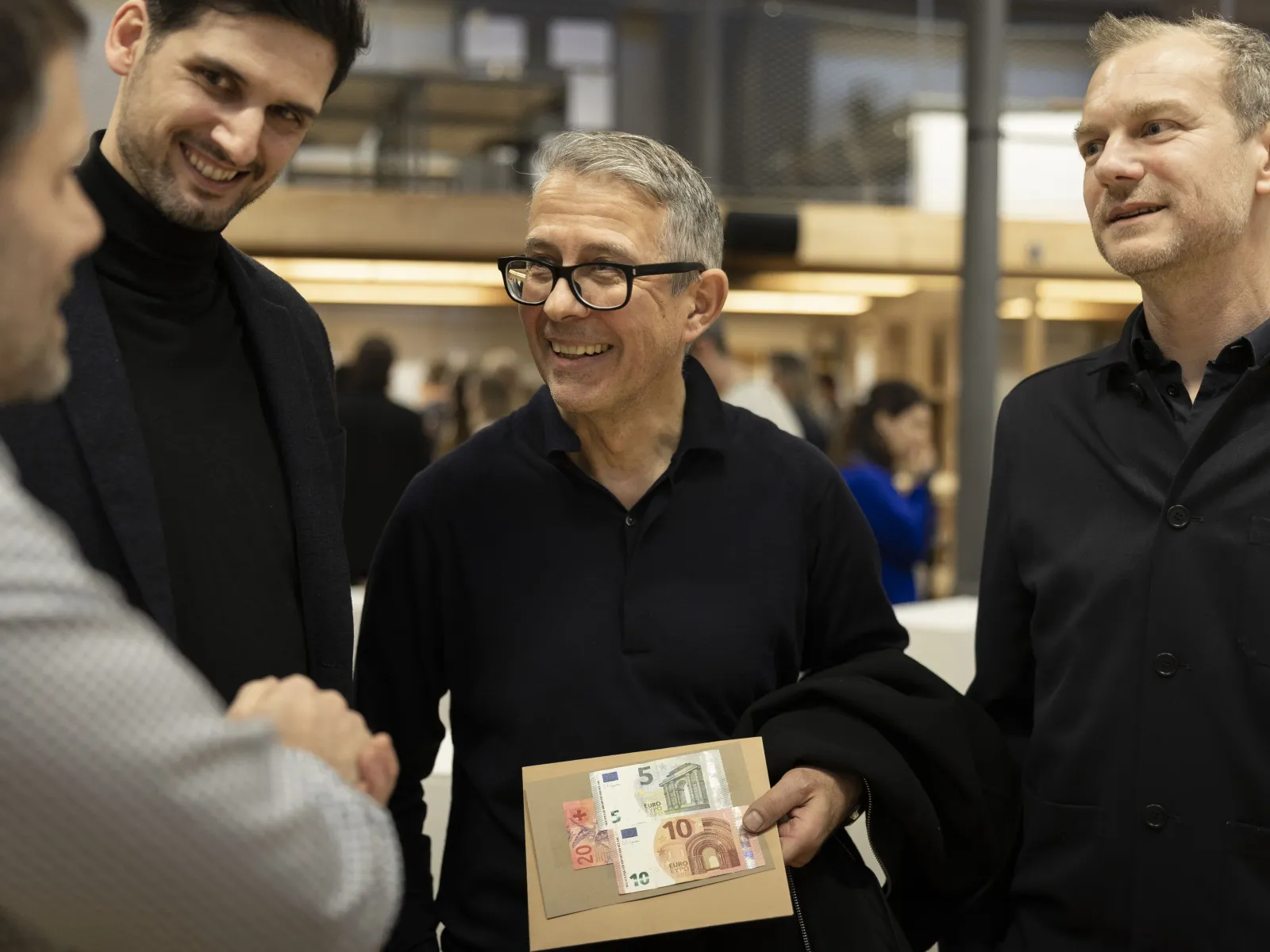
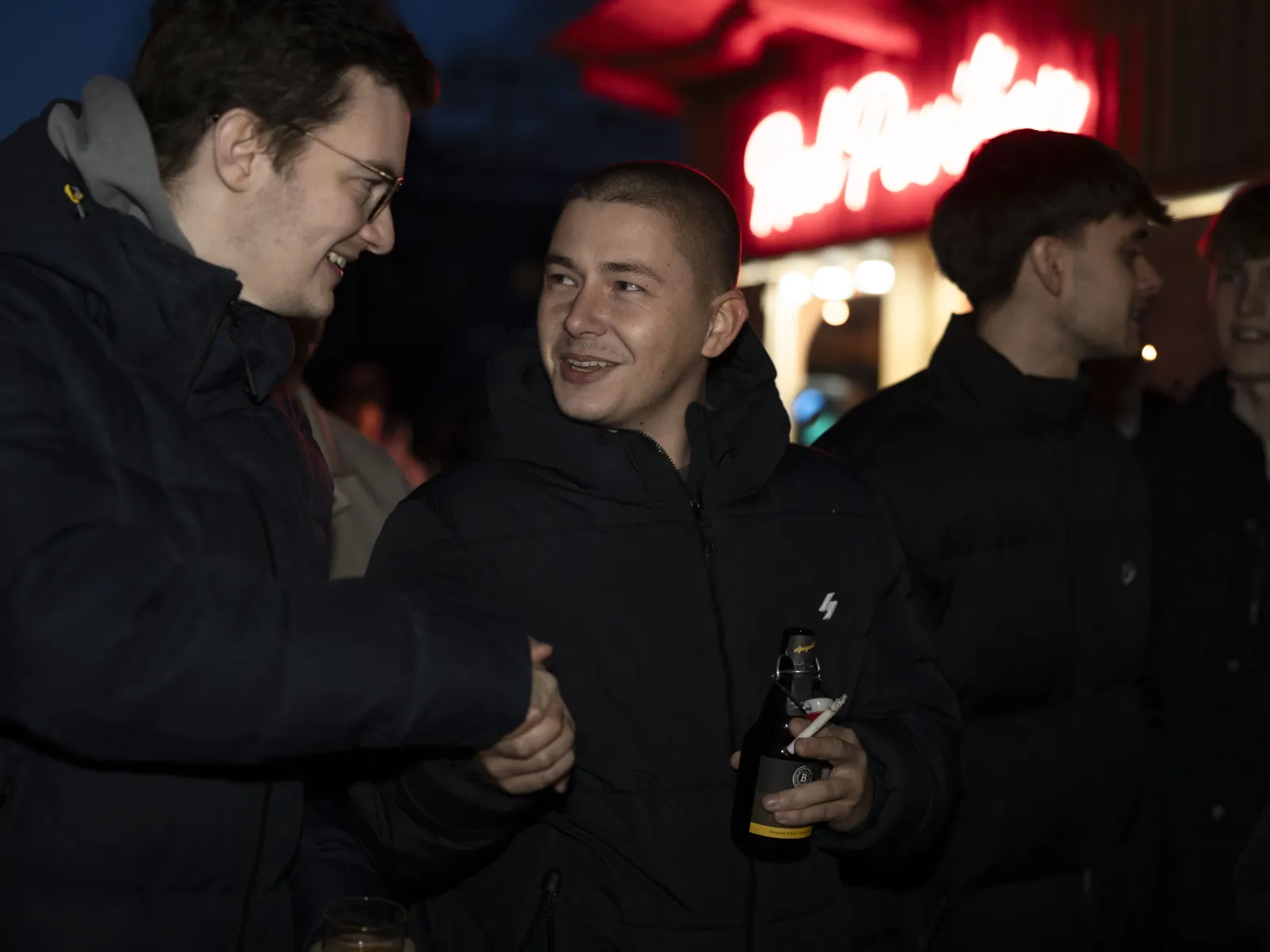
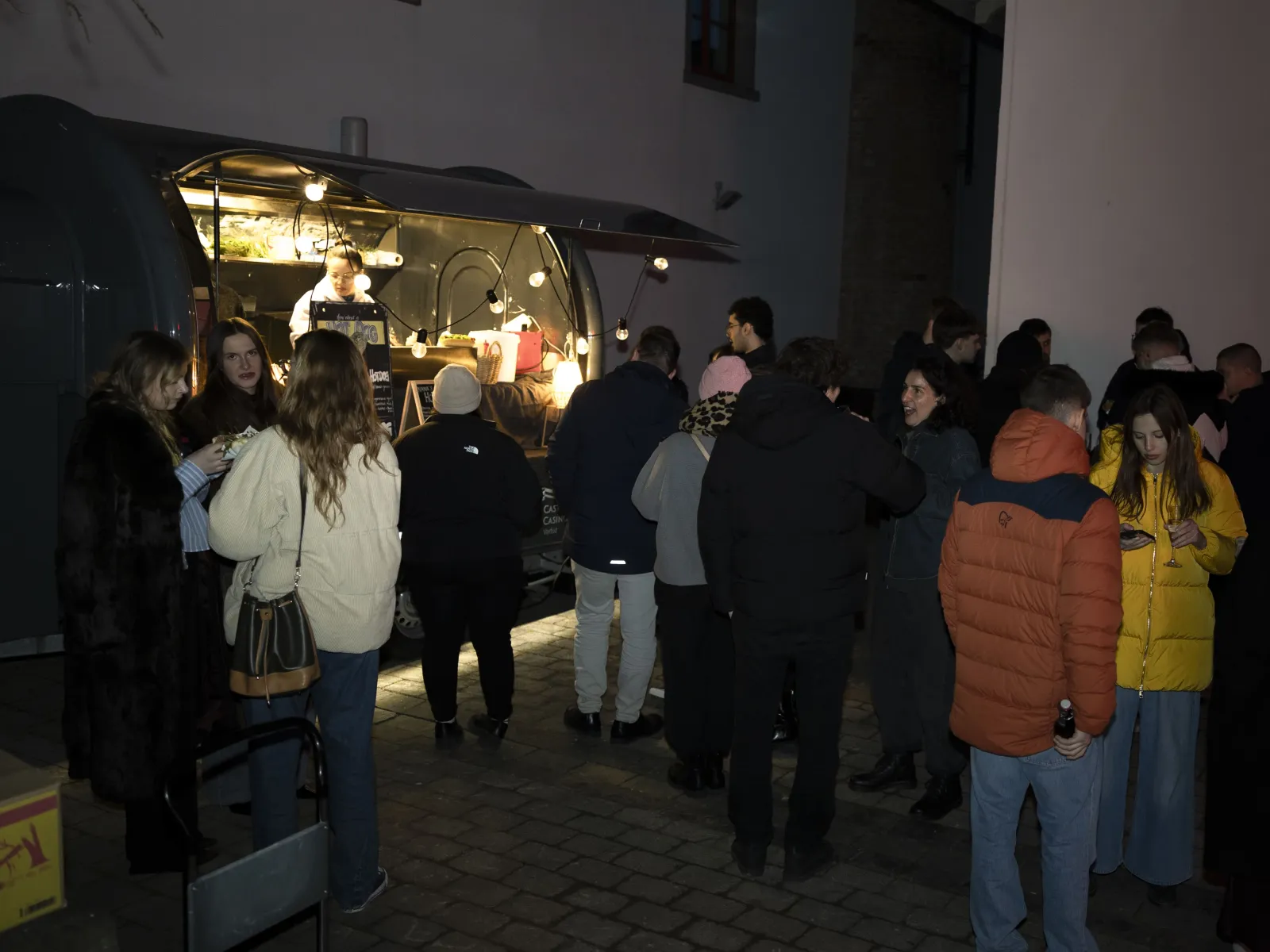
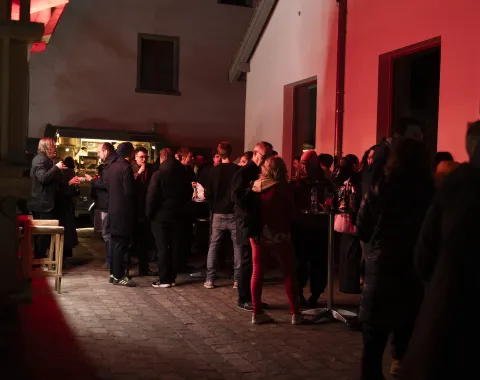
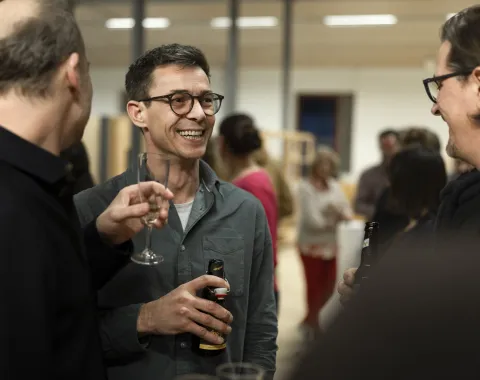
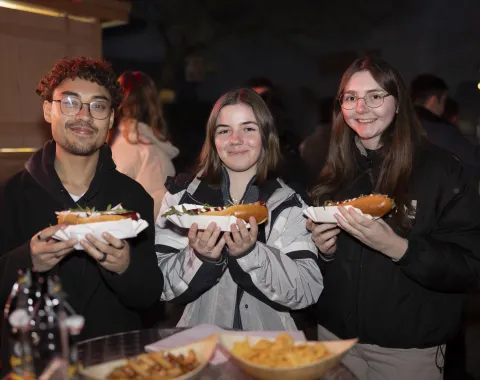
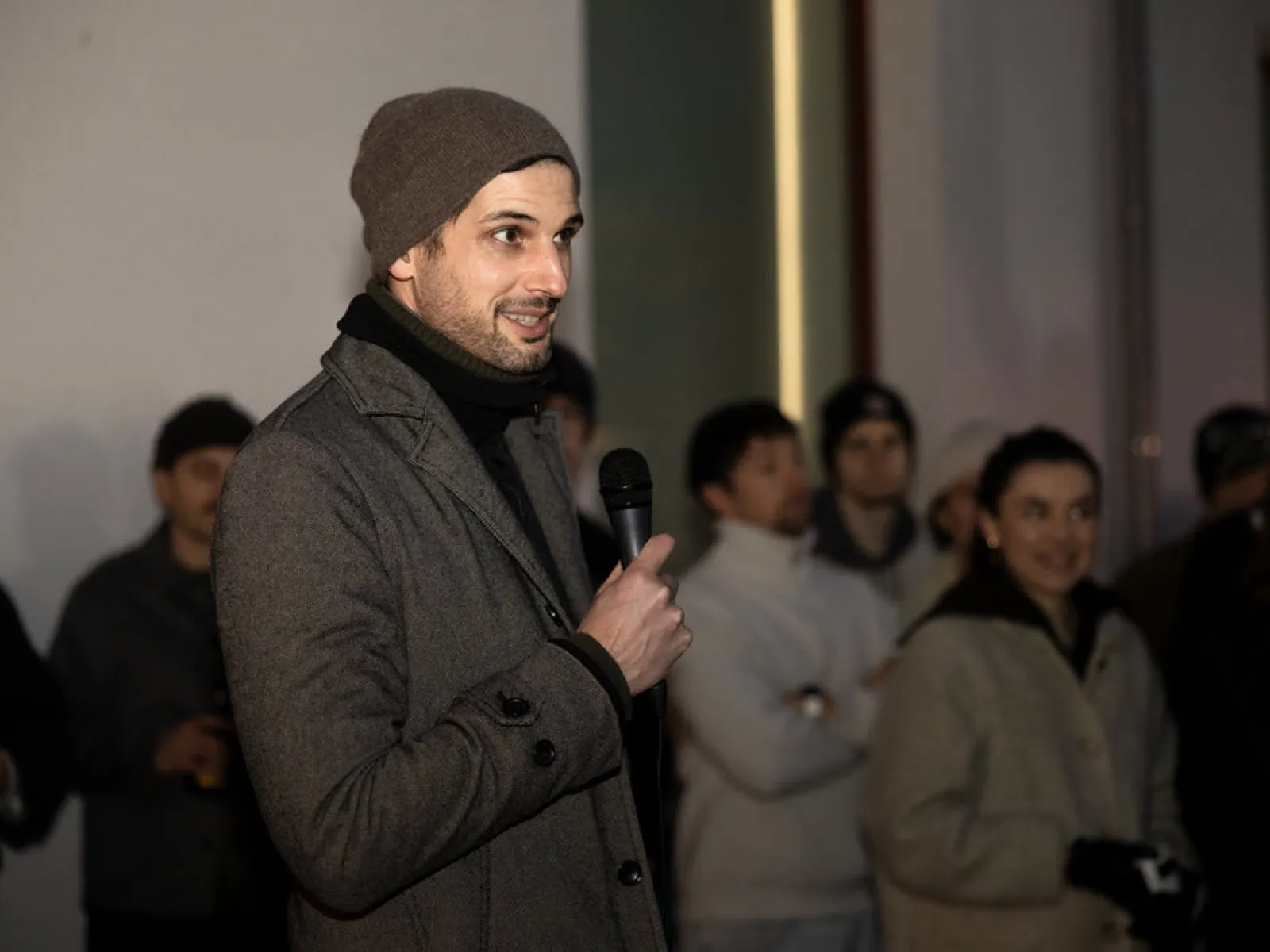
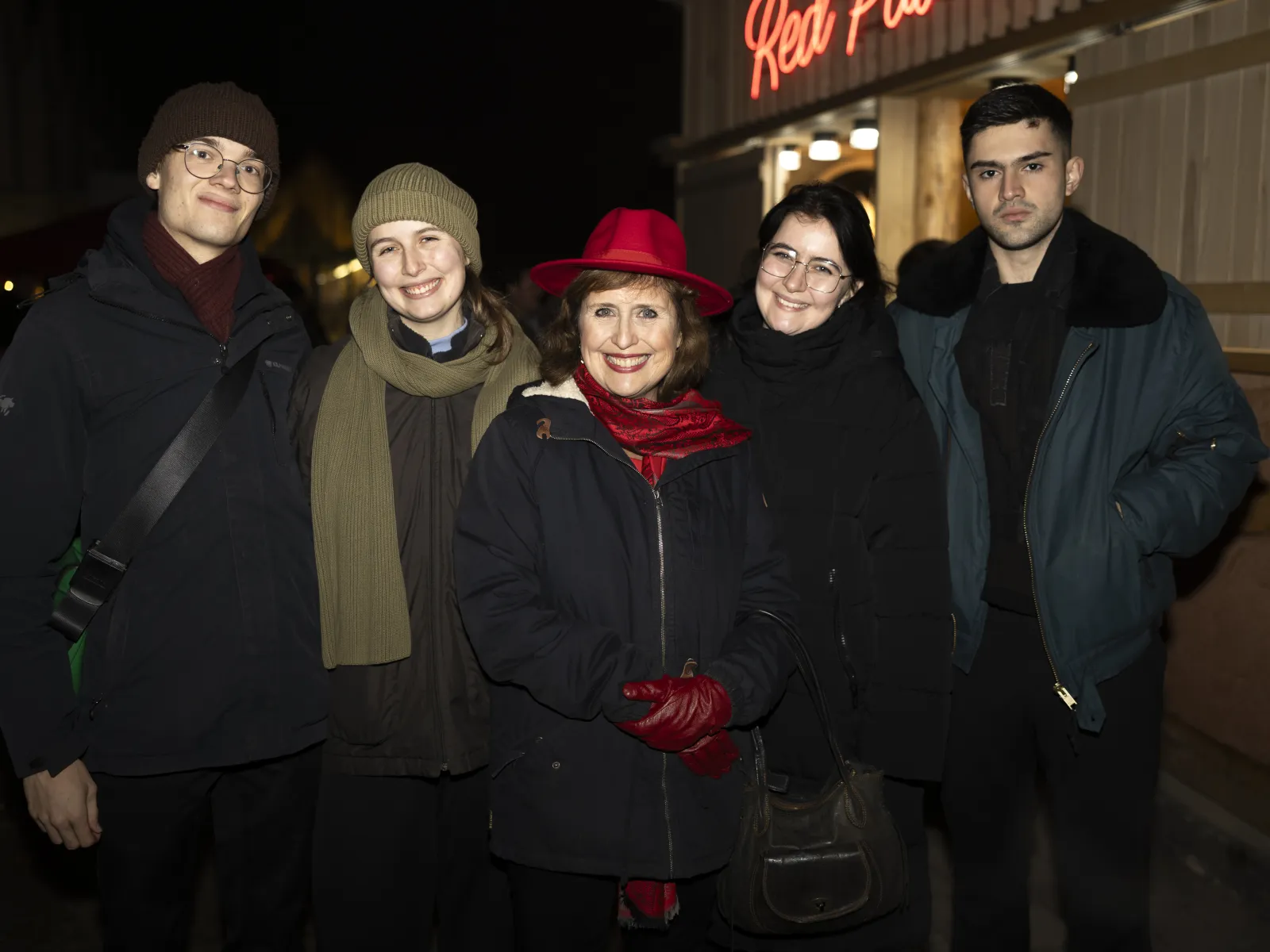
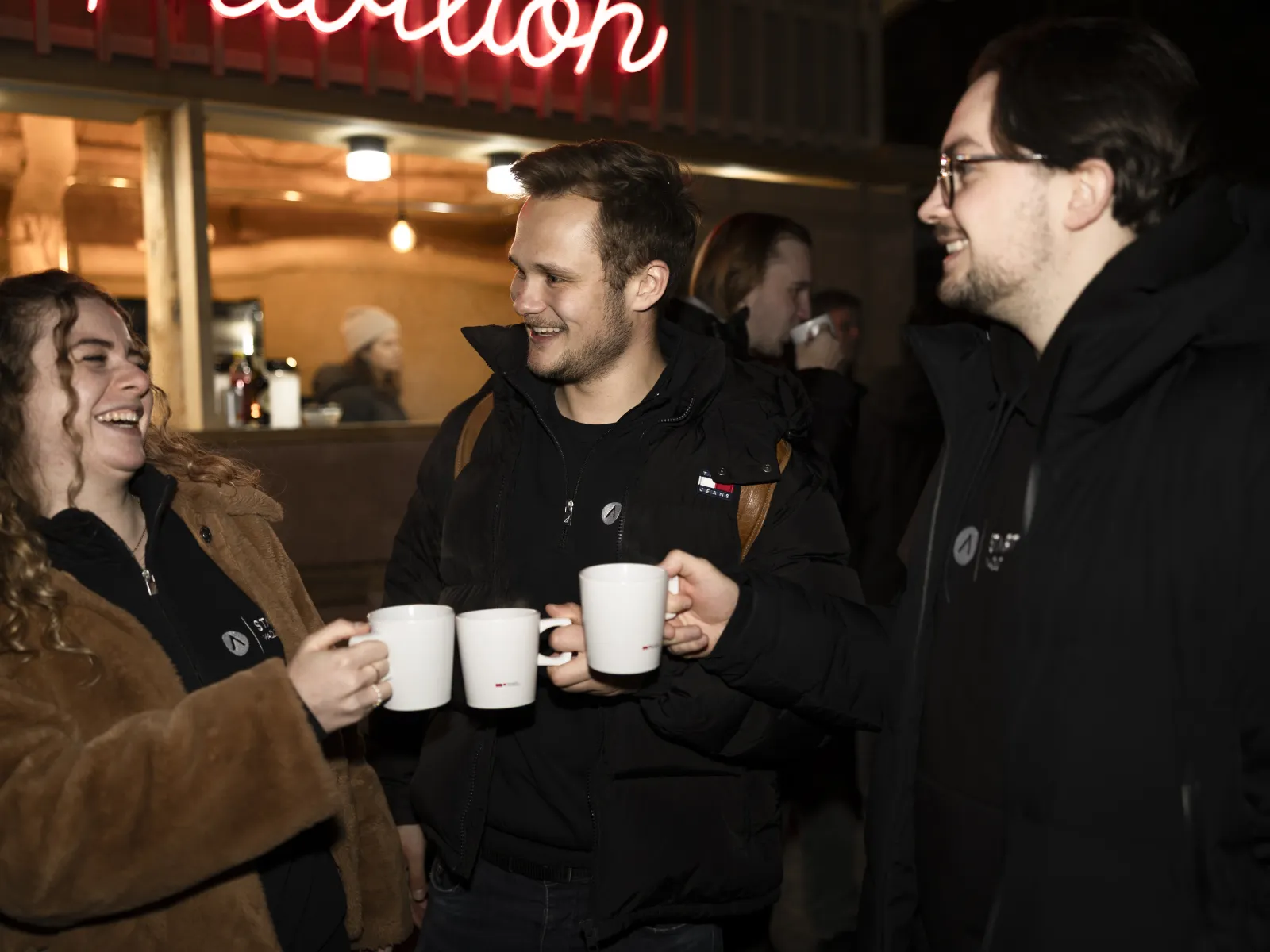
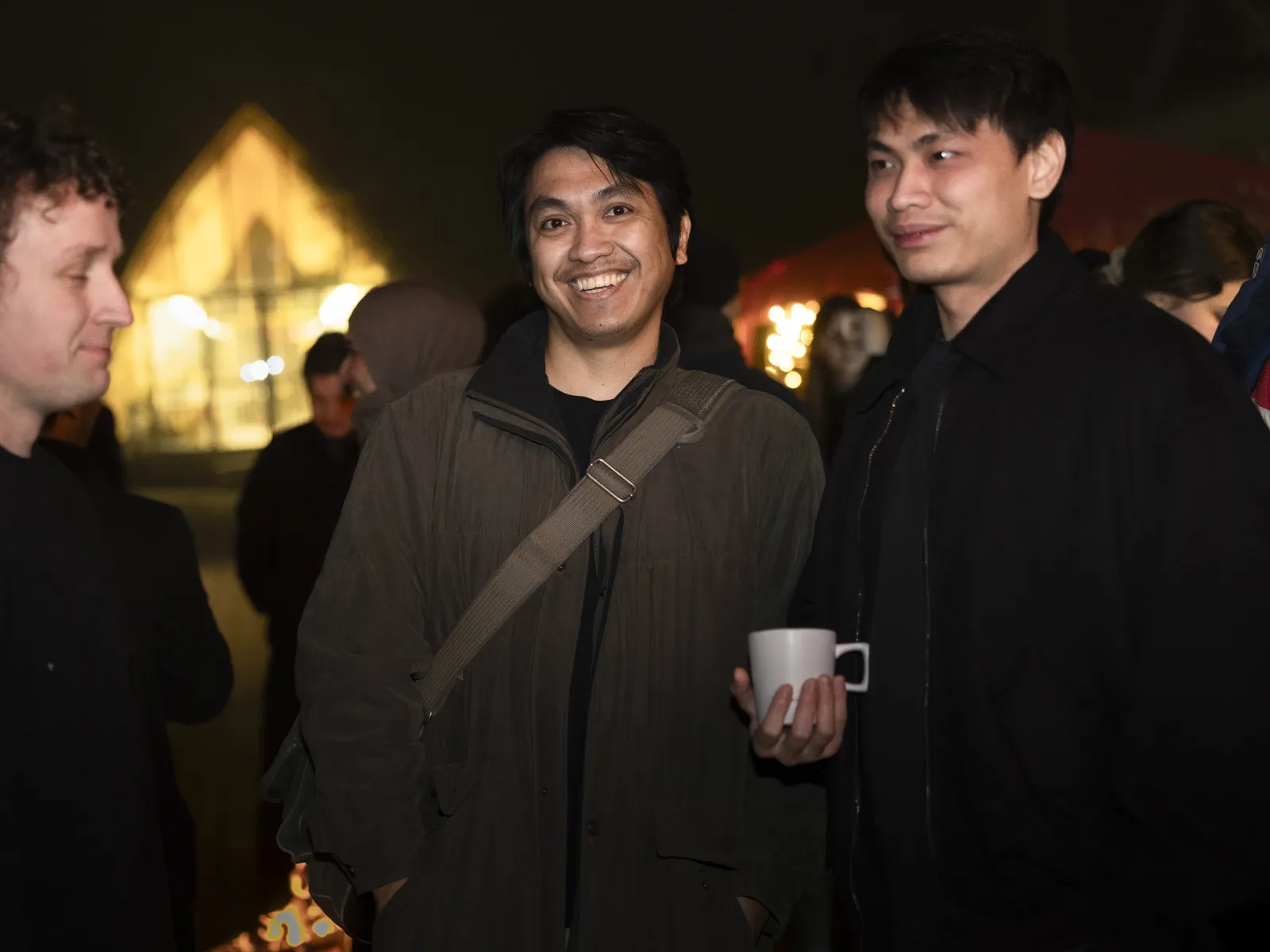
After the official part, students, staff and friends of the university celebrated in the Red Pavilion. The farewell party in honour of Urs Meister provided an opportunity for conversation and a vibrant start to the new semester.

News_Abschied_Urs-Meister_Universitaet-Liechtenstein
Rektor Christian Frommelt, Daniel Stockhammer, Urs Meister und Michael Wagner. (v.l) Foto: Fabio Schober
News_Neue-Gesichter_LSA_Universitaet-Liechtenstein
Die neuen Gesichter an der LSA: Felix Schaller, Dominic Spalt, Sanna Kattenbeck, Lando Rossmaier, Reem Almannai und Ivo Barão. (v.l.)

Educational Journey to Singapore: Experiencing Asia’s Financial Hub Firsthand

Educational Journey to Singapore: Experiencing Asia’s Financial Hub Firsthand

News_Studienreise_IF_Singapur_Universitaet-Liechtenstein

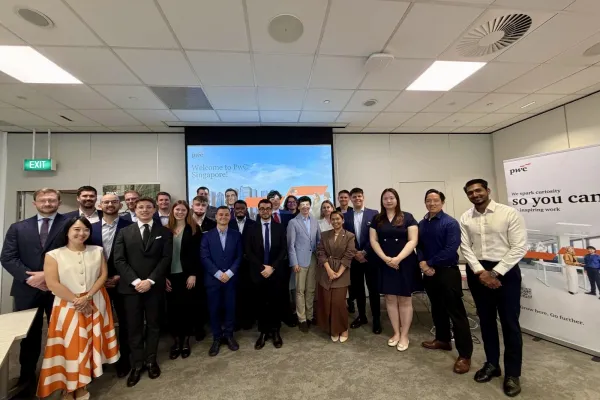
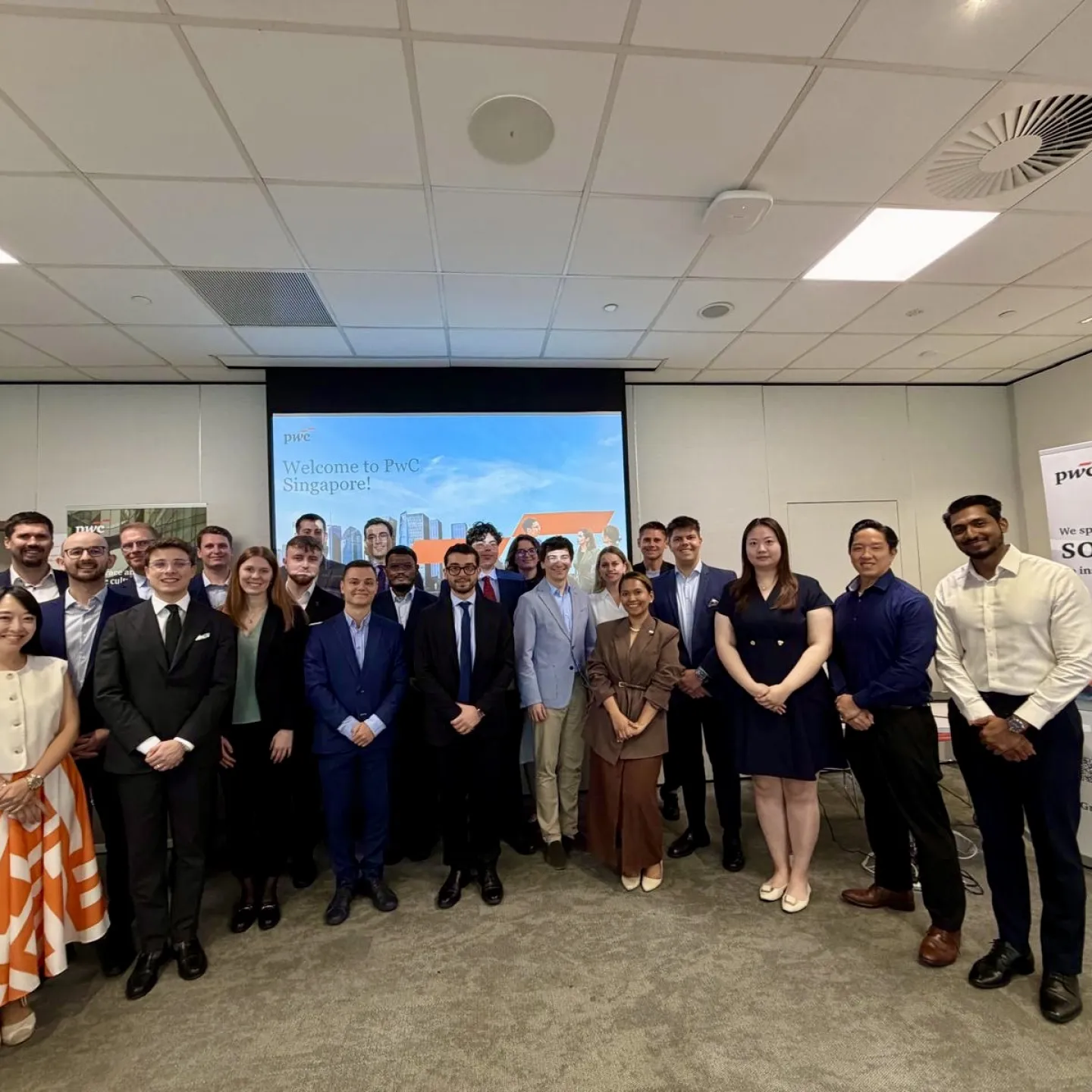
From February 2 to 6, 2026, students of the Master’s program in Innovative Finance explored Singapore, one of the world’s leading financial centers, during an intensive study trip. The goal was to gain firsthand insight into the Asian market, current trends in the financial industry, and innovative business approaches through direct exchanges with industry professionals.

The diverse program took the group to renowned institutions and companies such as the Monetary Authority of Singapore, UBS, PwC, LGT, VP Bank, EPAM, Raffles Family Office, CGS Securities, SGX Group, and Equanimity Holdings. Students received fascinating insights into topics such as digital finance solutions, sustainable investing, family office strategies, and the impact of technological innovation on global financial markets.

A special highlight was the reception at the Embassy of Switzerland in Singapore, where Science Counselor Joel Brunner spoke about scientific cooperation and innovation promotion. The visit to the Swiss Club Singapore, hosted by General Manager Aaron Lim, offered an opportunity to discuss the role of the Swiss community in Singapore. The program concluded with a meeting with Gerald Ong, the Honorary Consul of Switzerland, who provided insights into the strong economic relations between the two countries.

Despite the packed schedule, there was still time for networking and cross-cultural exchange—perfectly reflecting the practice-oriented learning approach of the Master’s program. Participants returned with new perspectives, valuable contacts, and a broadened understanding of innovative finance in a global context.

News_Studienreise_IF_Singapur_Universitaet-Liechtenstein

Reem Almannai Appointed Professor at the Liechtenstein School of Architecture

Reem Almannai Appointed Professor at the Liechtenstein School of Architecture

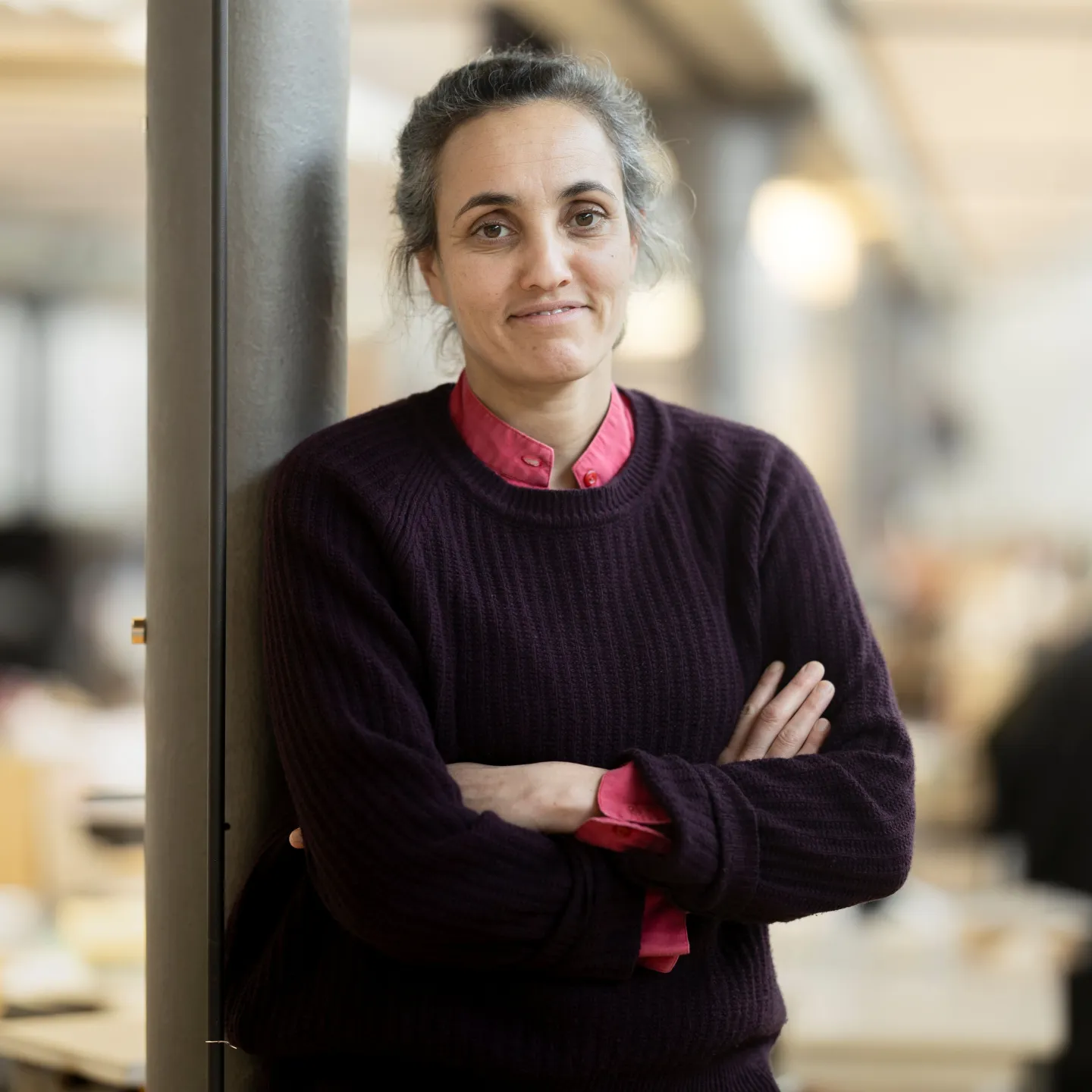
Porträt einer Frau mit schwarzem Pullover, die mit verschränkten Armen an einer Säule lehnt

The University of Liechtenstein welcomes Reem Almannai as its new Associate Professor of Architecture and Society at the Liechtenstein School of Architecture.
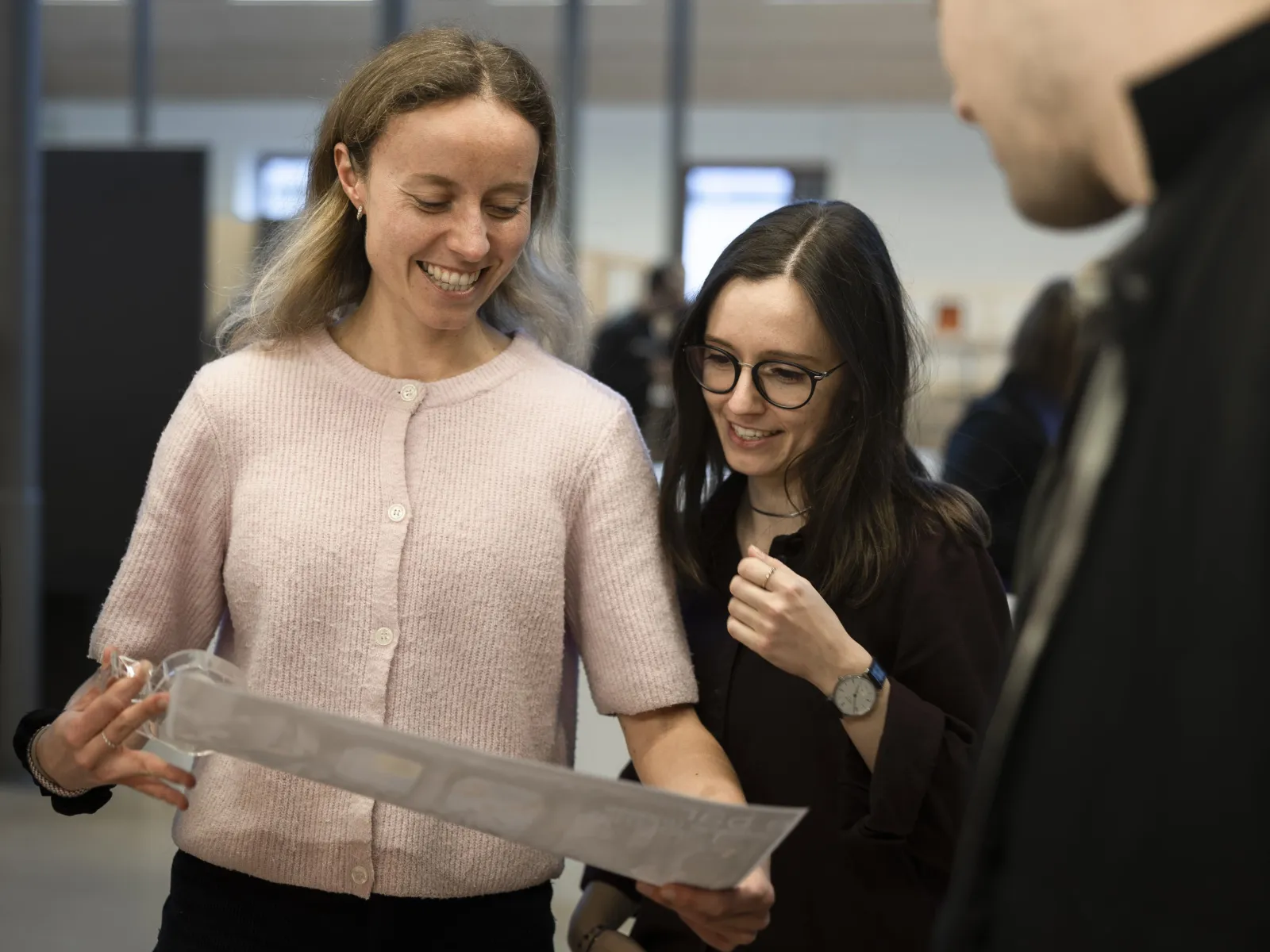
Since taking up her post on 1 December 2025, she has enriched the University with her broad experience in housing, urban planning and social responsibility – drawn from both professional practice and academia.

An international career
Born in Bahrain in 1979, Reem Almannai has built an impressive career. She studied architecture in Weimar, Venice and at ETH Zurich, where she graduated in 2006 under Hans Kollhoff. In professional practice, she worked at renowned offices such as Cino Zucchi in Milan, Hermann Czech in Vienna, and Suzanne Senti as well as Diener & Diener in Basel, before increasingly focusing on teaching.

Prior to her move to Liechtenstein, Almannai taught at leading universities including TU Munich, ETH Zurich, the University of Kassel and the University of Antwerp.

«Almannai Fischer»: architecture with conviction
Since 2016, she has co-directed the Munich-based architecture studio «Almannai Fischer» together with Florian Fischer. The practice is committed to socially relevant architecture and, since 2021, has focused on innovative housing models and projects oriented towards the common good. Whereas the studio previously also designed single-family homes and luxury apartments, it has since concentrated exclusively on concepts for collective living and sufficiency-oriented projects. Their work is characterised by a «matter-of-fact heterogeneity»: projects are developed without predefined templates and are tailored to specific requirements.

Pioneering work in the Kooperative Grossstadt
Almannai is also a founding member of the Munich housing cooperative Kooperative Grossstadt. There, she co-developed forward-looking housing models such as ‘Nucleus Living’. This concept allows apartments to be flexibly adapted to changing needs without structural alterations and was first implemented in the cooperative project ‘San Riemo’ in Munich. Through the «Open Plan Open Decision» (OP-OD) method, she also promotes new planning processes aimed at collective decision-making and sustainability in housing development.

New focus areas in Liechtenstein
At the University of Liechtenstein, Reem Almannai will contribute her expertise in the fields of housing, society and the common good. She combines research and practice to address pressing questions of housing and sufficiency with innovative approaches.

The University welcomes Reem Almannai and looks forward to her contributions to teaching and research.

Porträt einer Frau mit schwarzem Pullover, die mit verschränkten Armen an einer Säule lehnt

Library Opening Hours over Christmas and New Year 2025/26

Library Opening Hours over Christmas and New Year 2025/26

Dear library users,

We are also taking a short winter break: the library will be closed from Wednesday, 24 December 2025, to Sunday, 4 January 2026.

We wish you relaxing and restful Christmas holidays. Stay healthy and have a great start to the New Year!

We wish all students every success with their exam preparation. To help you reduce stress, library puzzles are available in Study Room C001 and the relaxation room at Fabrikweg. Join in, puzzle together, and take a short break from exam stress!

Kind regards,
Your library Team


From 5 January, our service hours will return to normal:
Monday to Thursday: 9:00 a.m. – 5:00 p.m.
Friday: 9:00 a.m. – 8:00 p.m.

Library opening hours:
Monday to Friday: 9:00 a.m. – 10:00 p.m.
Saturday: 9:00 a.m. – 6:00 p.m.

Please note: the library will be closed on 6 January (Epiphany).

Festive End-of-Year Celebration at the New Red Pavilion

Festive End-of-Year Celebration at the New Red Pavilion

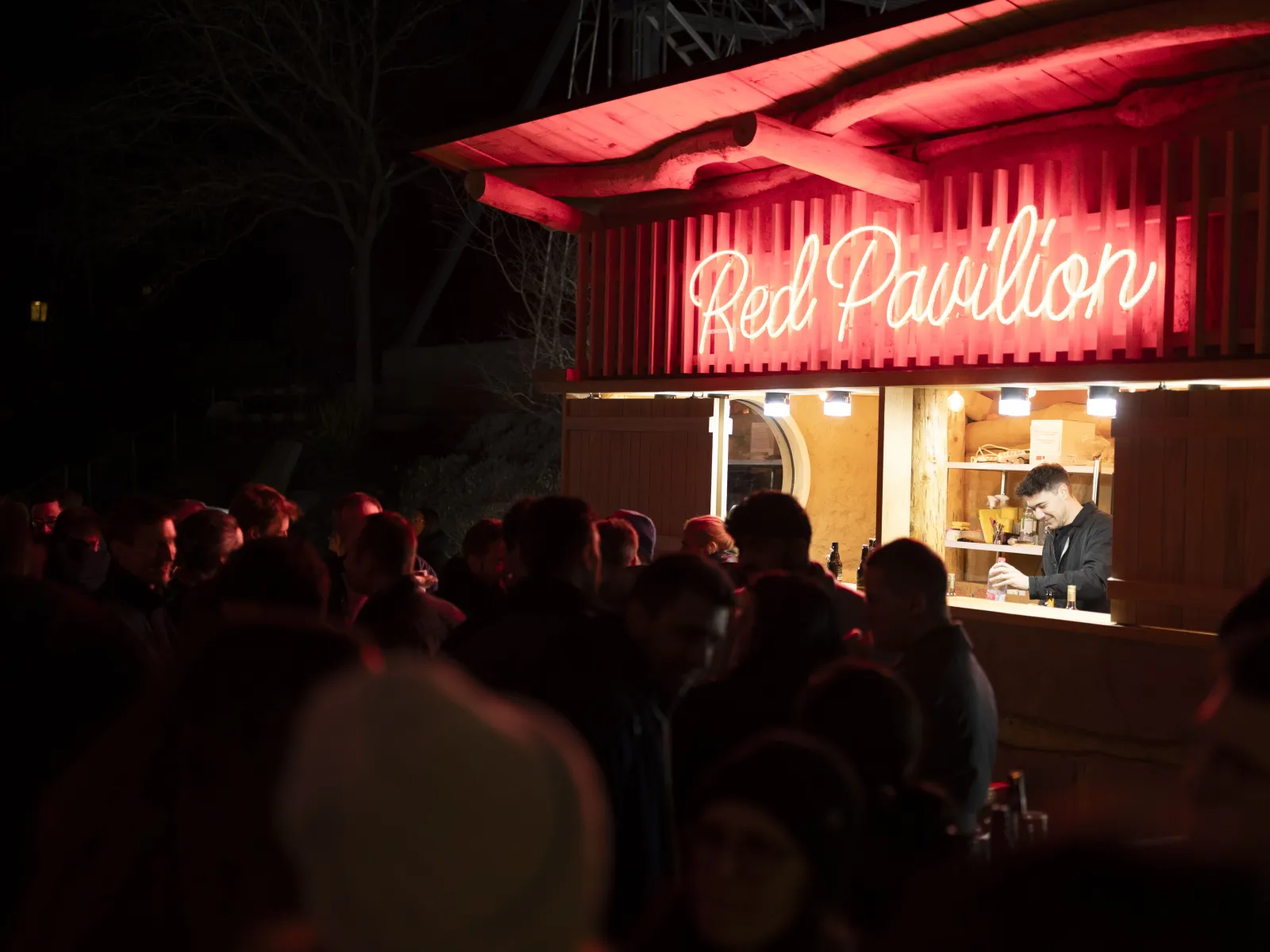
Red Pavilion

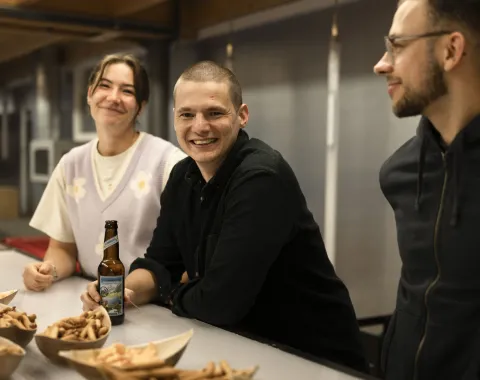
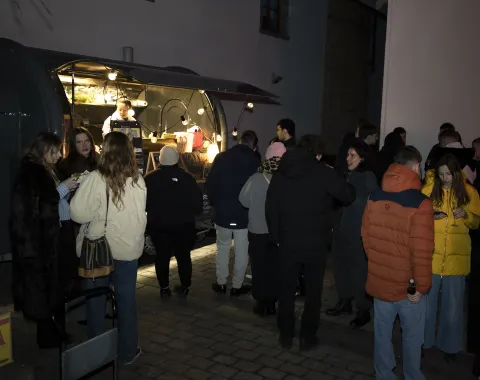
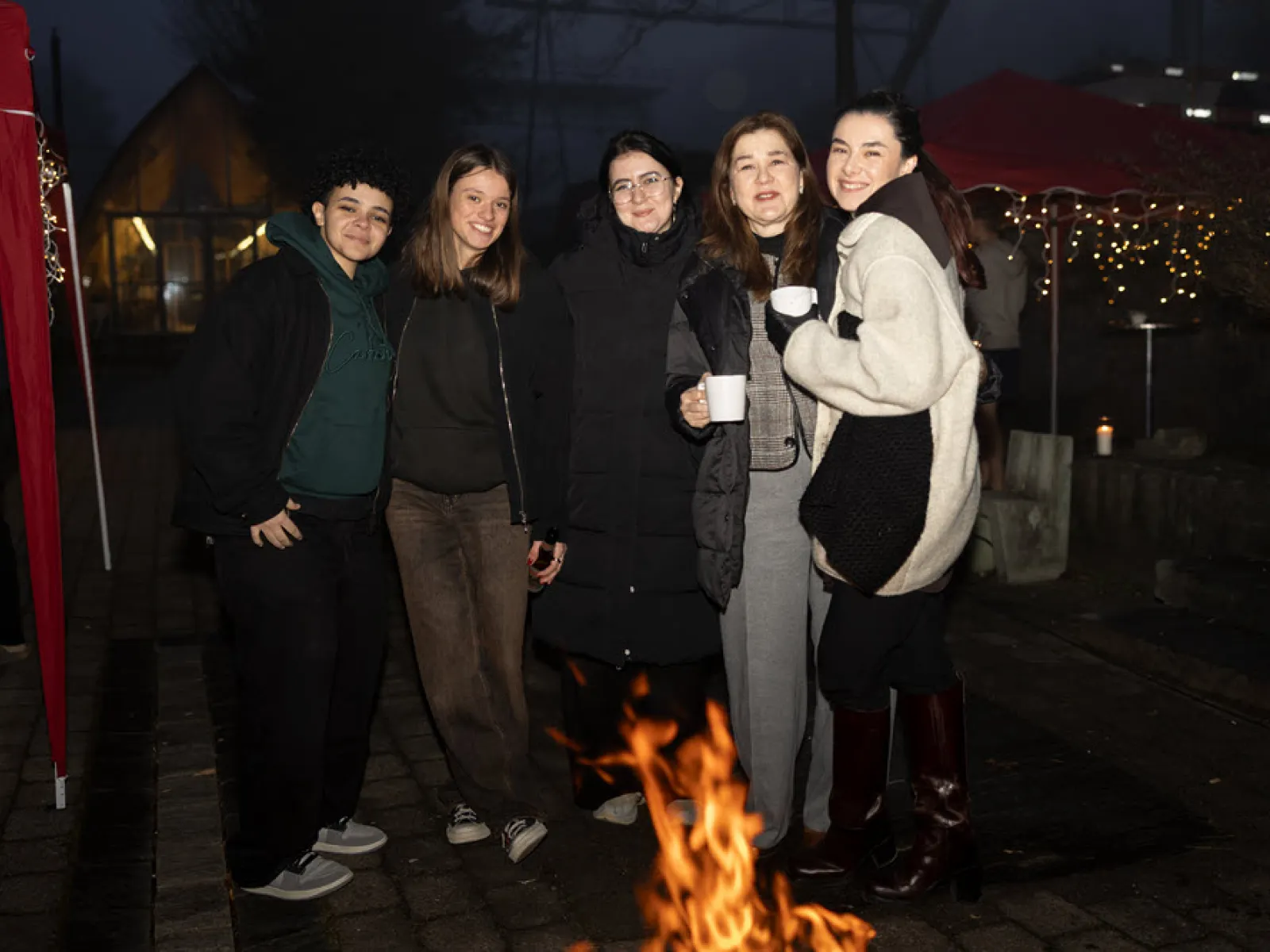
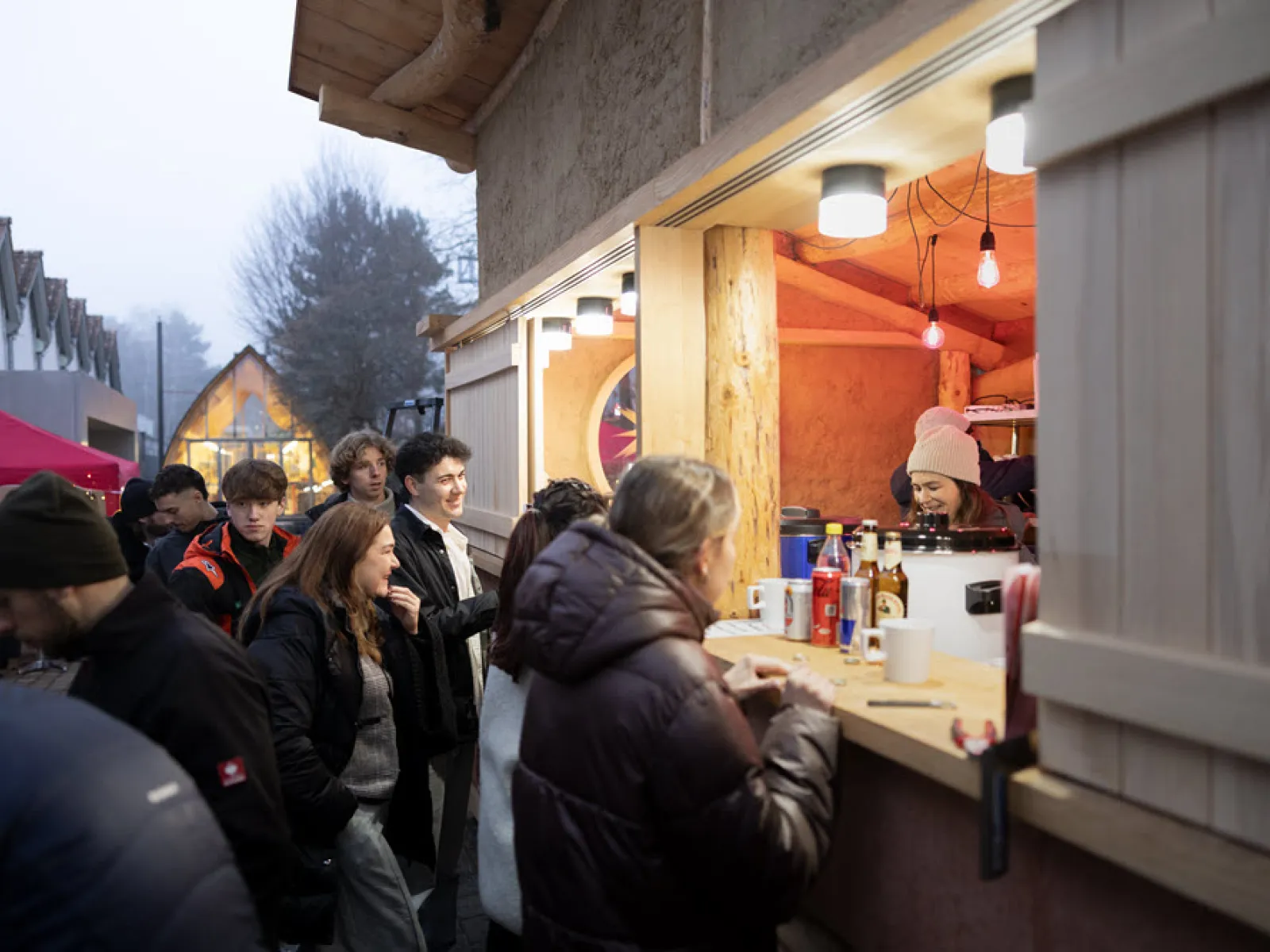
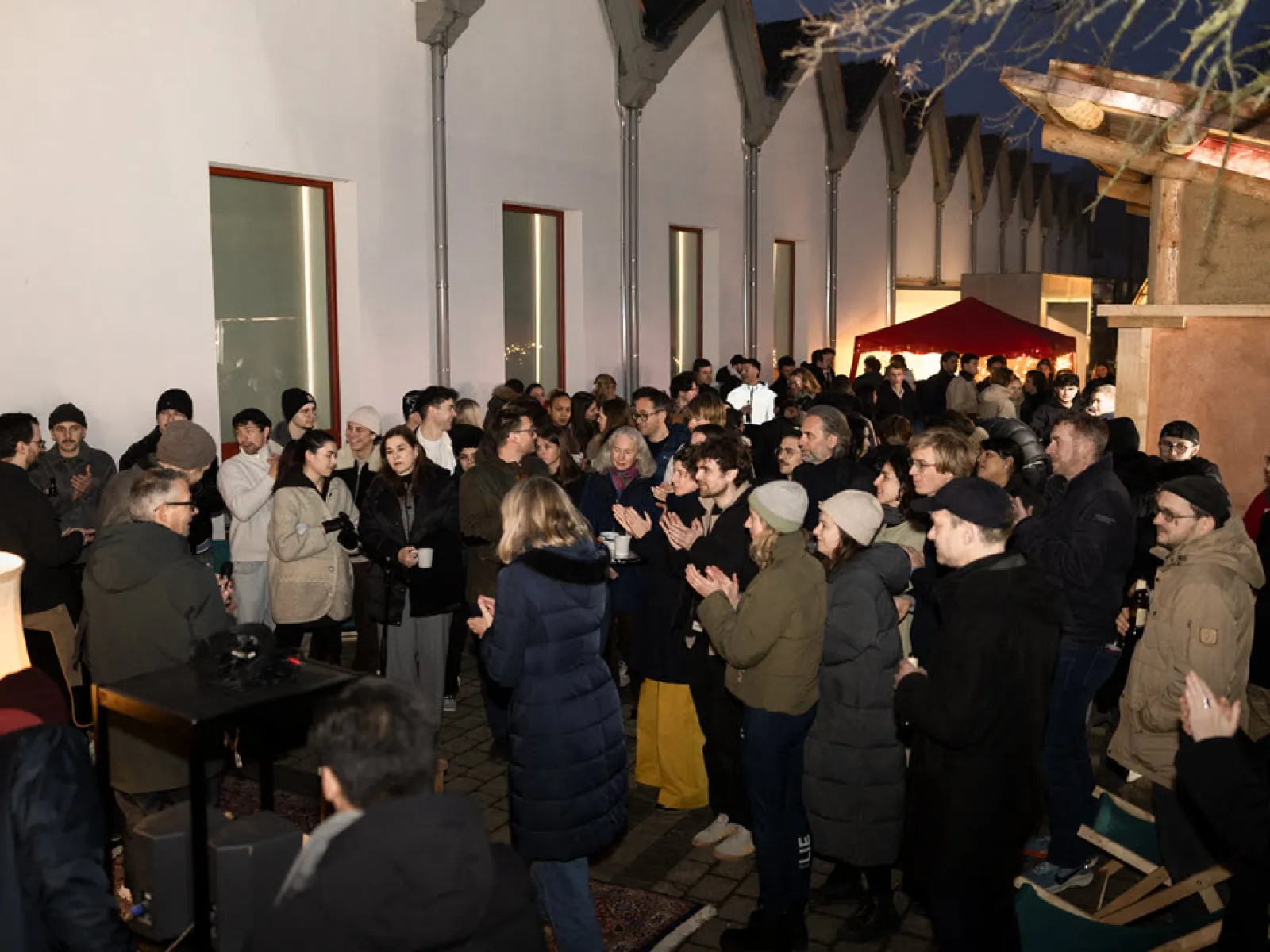
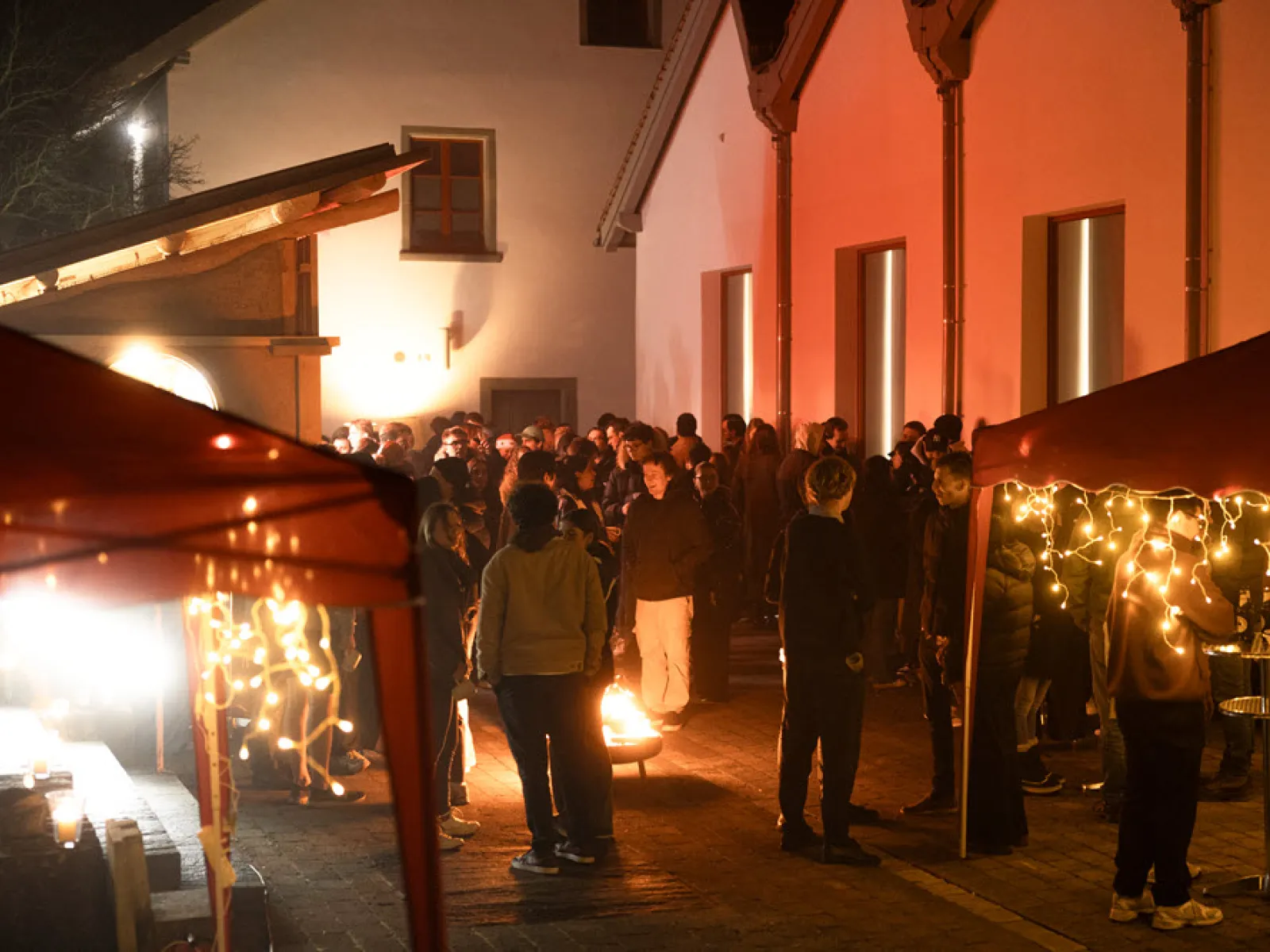
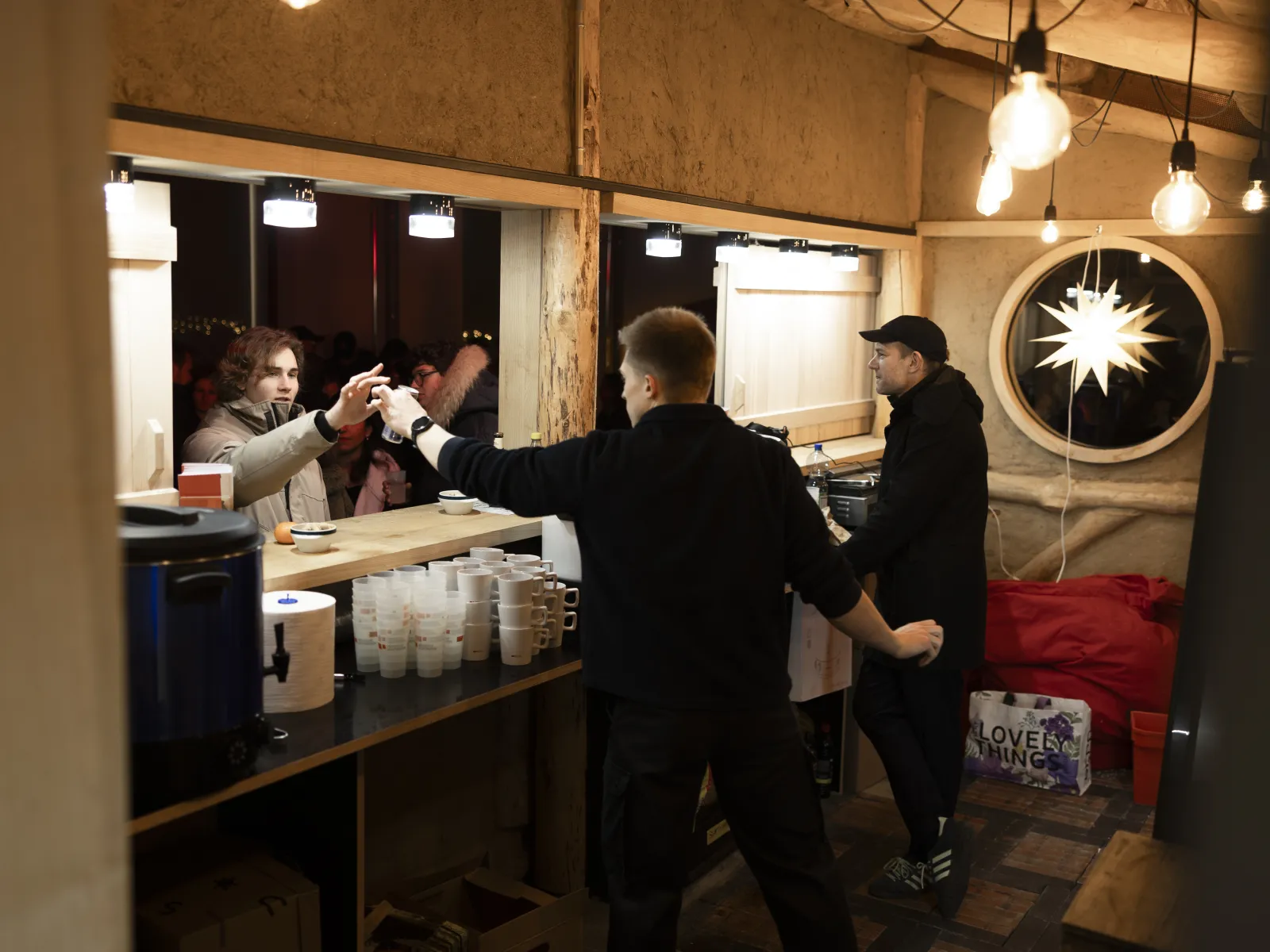
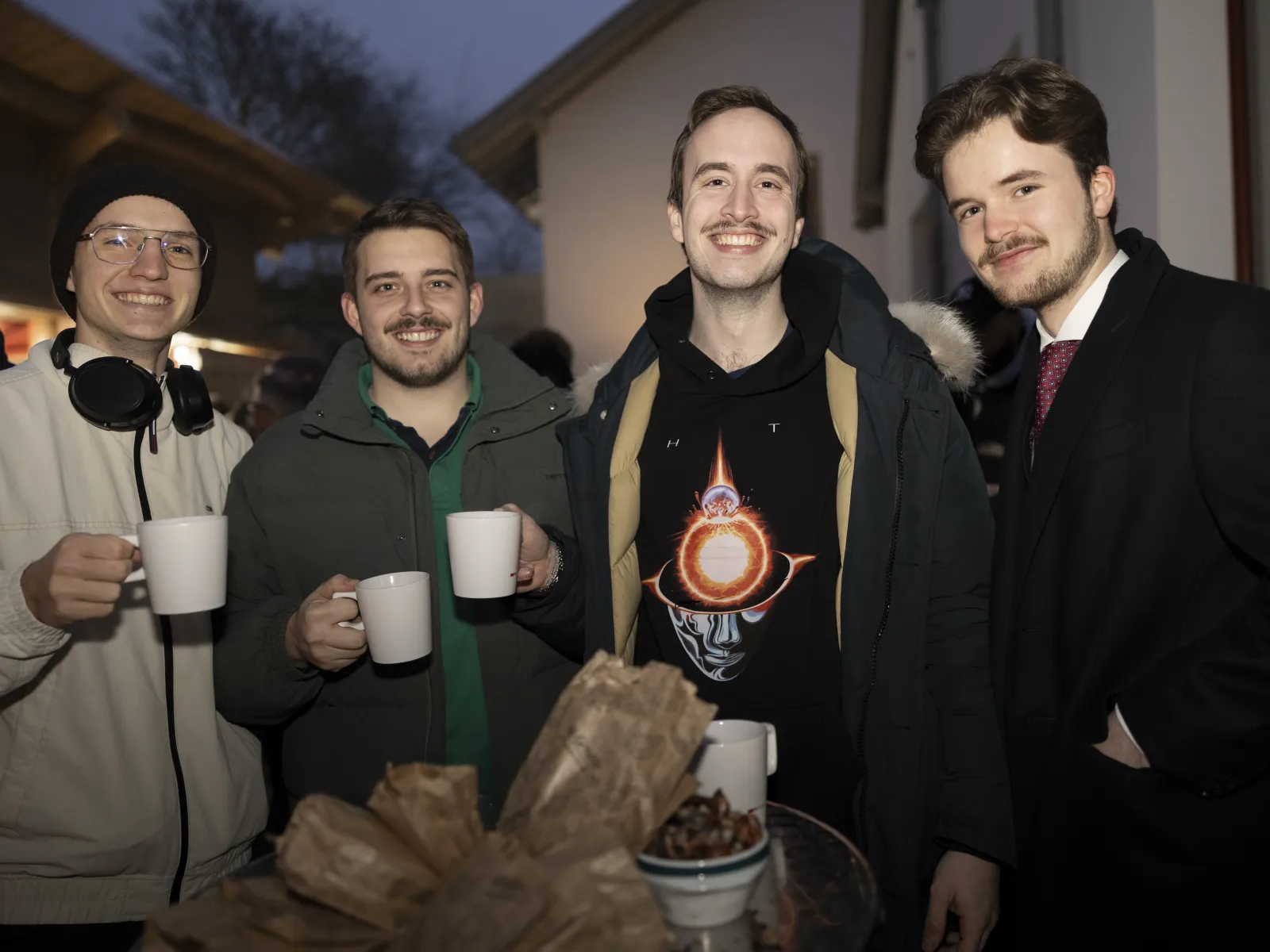
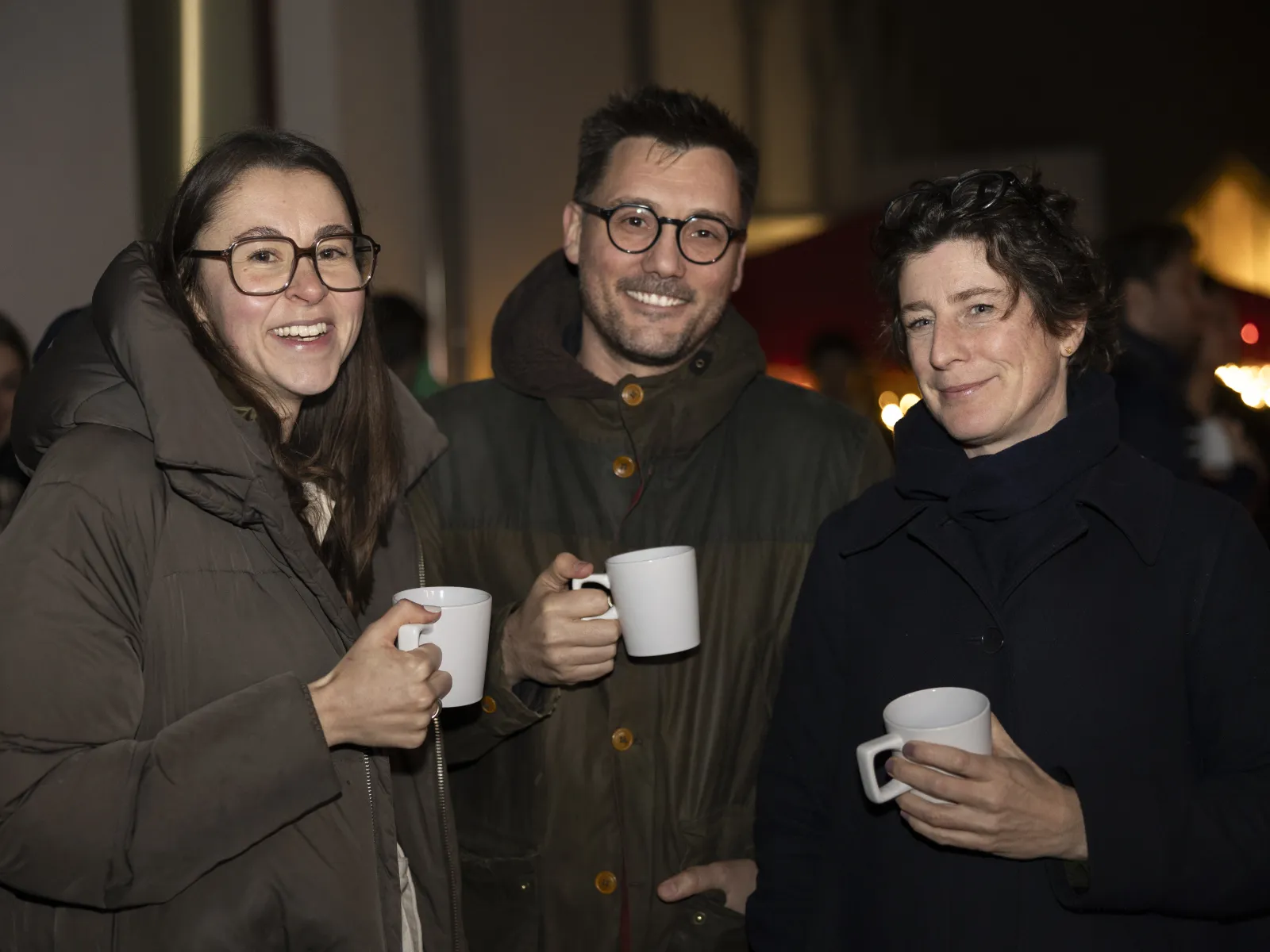
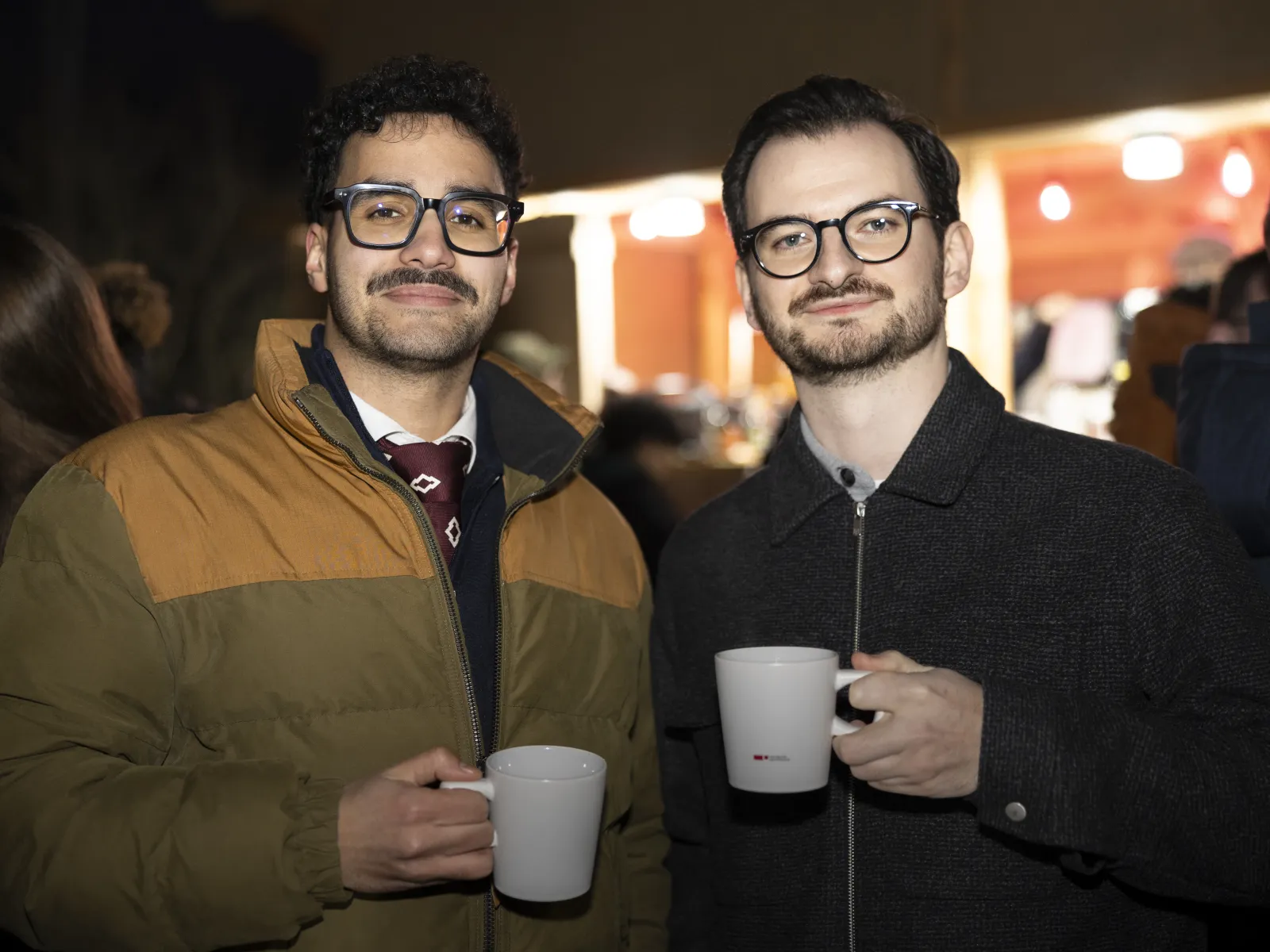
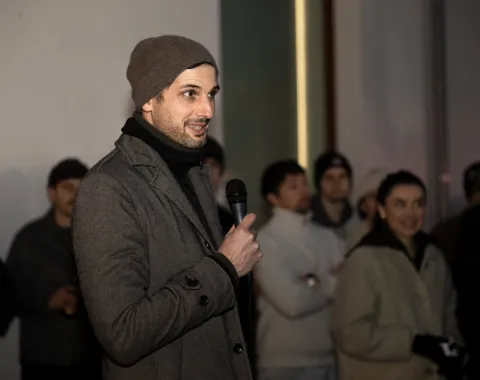
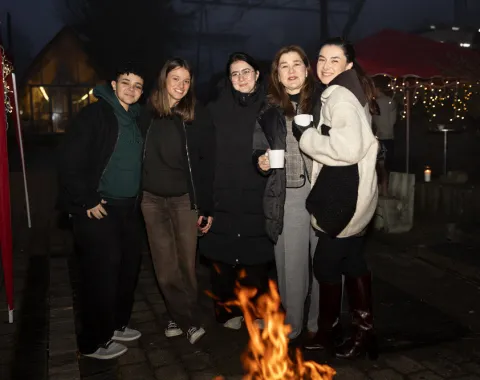
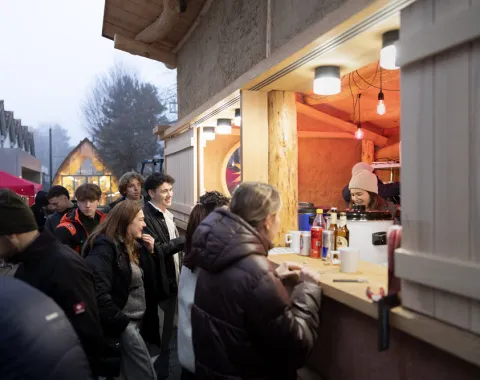
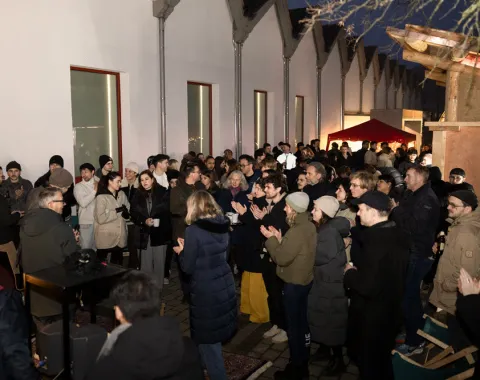
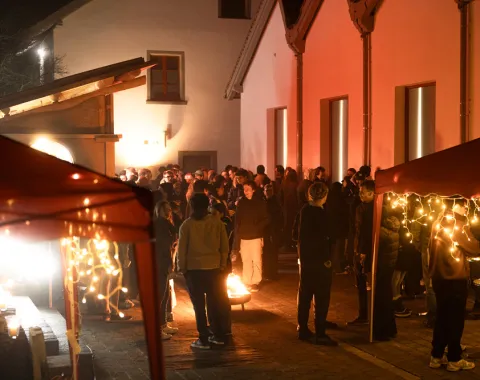
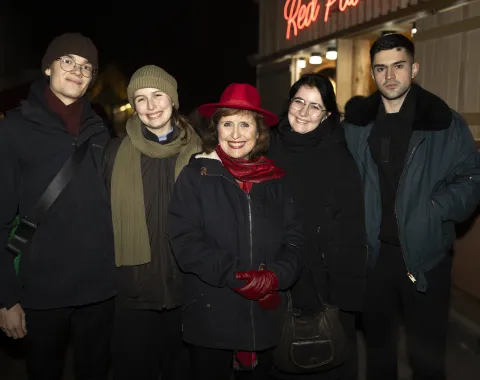
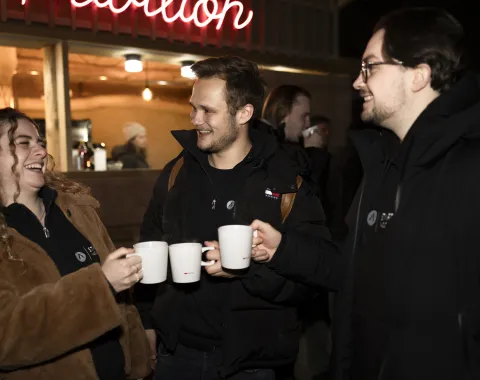
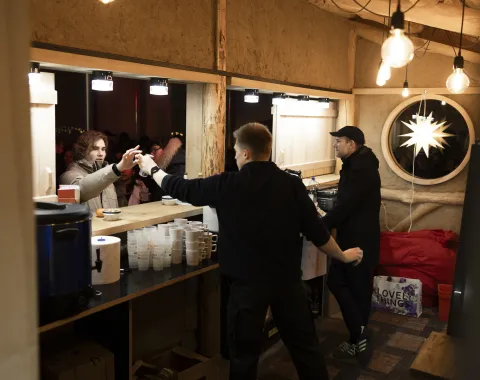
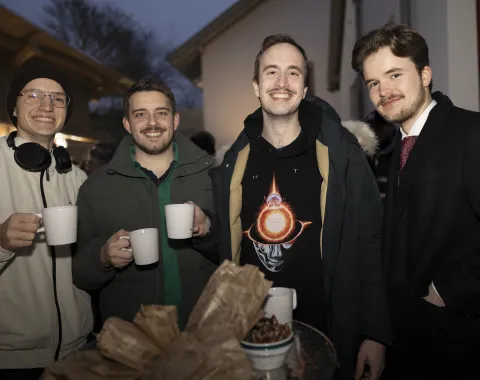
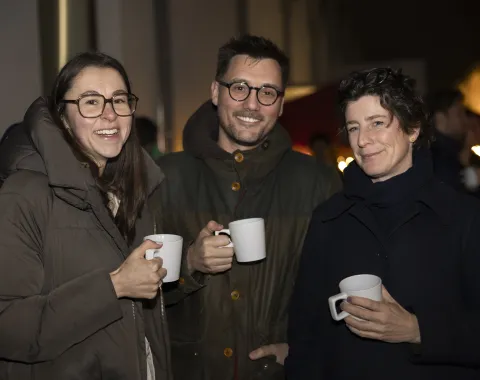
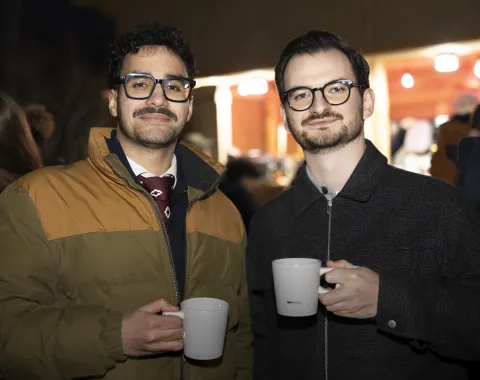
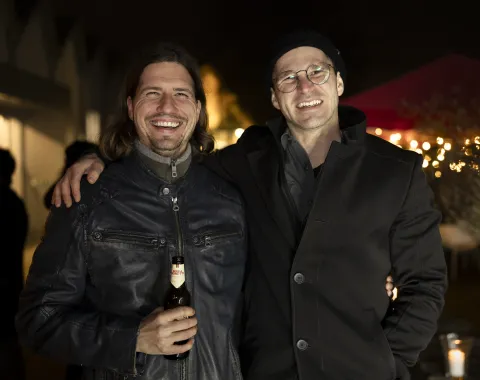
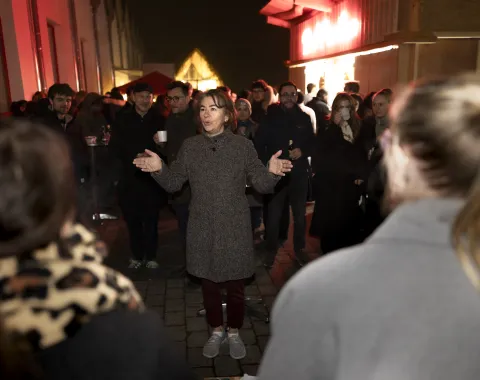
On Thursday, 18 December, more than 120 students, staff, and alumni gathered at the new Red Pavilion to celebrate an eventful year at the University of Liechtenstein with roasted chestnuts, mulled wine, and punch.


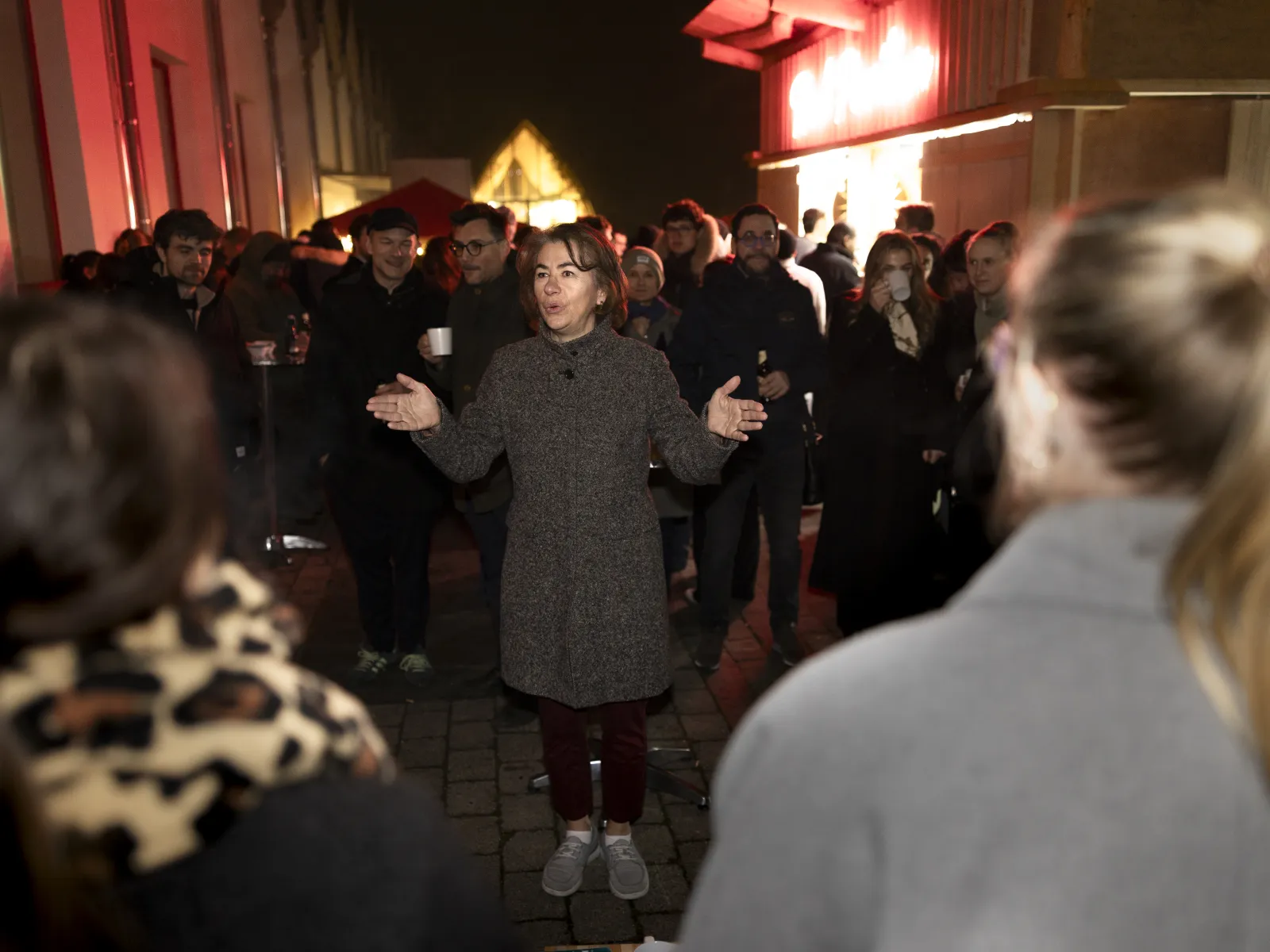
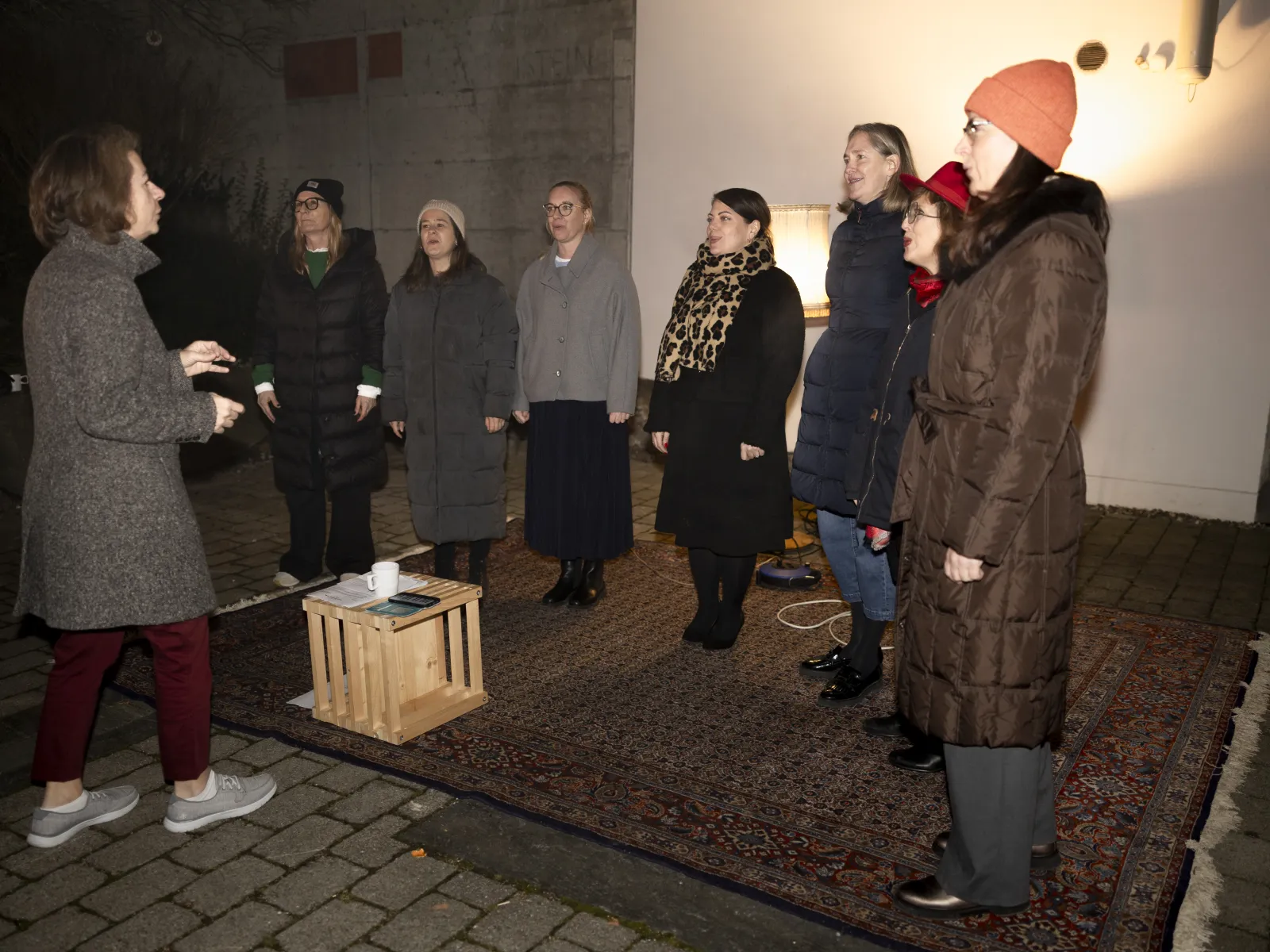
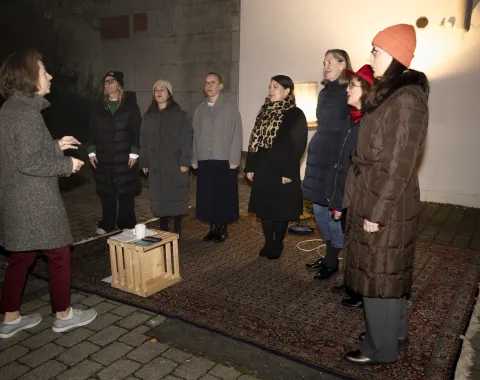
The evening was enriched musically by a festive repertoire performed by the university choir, as well as a musical contribution by two exchange students from the Master’s programme in Architecture from Bhutan and Georgia.


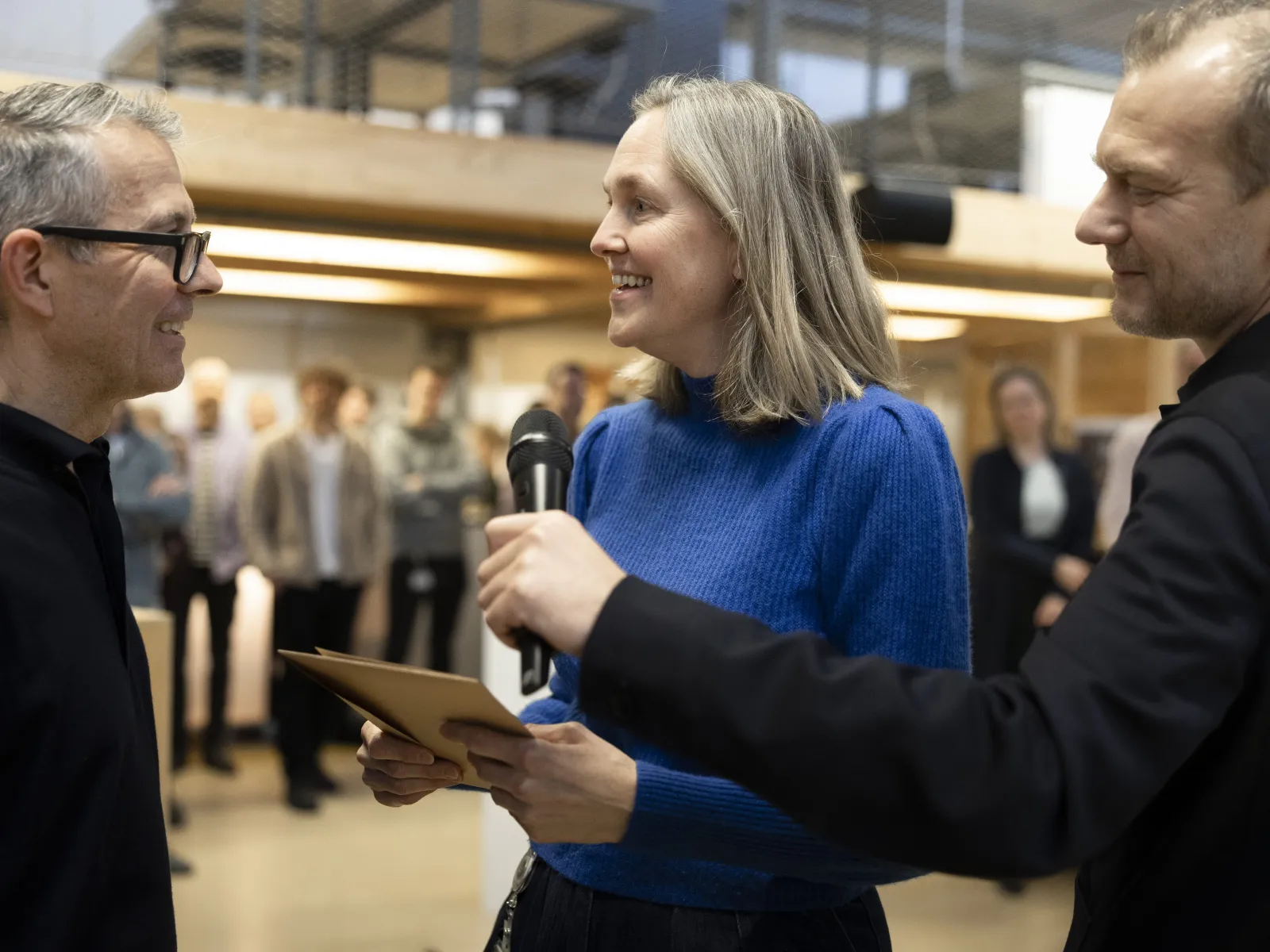
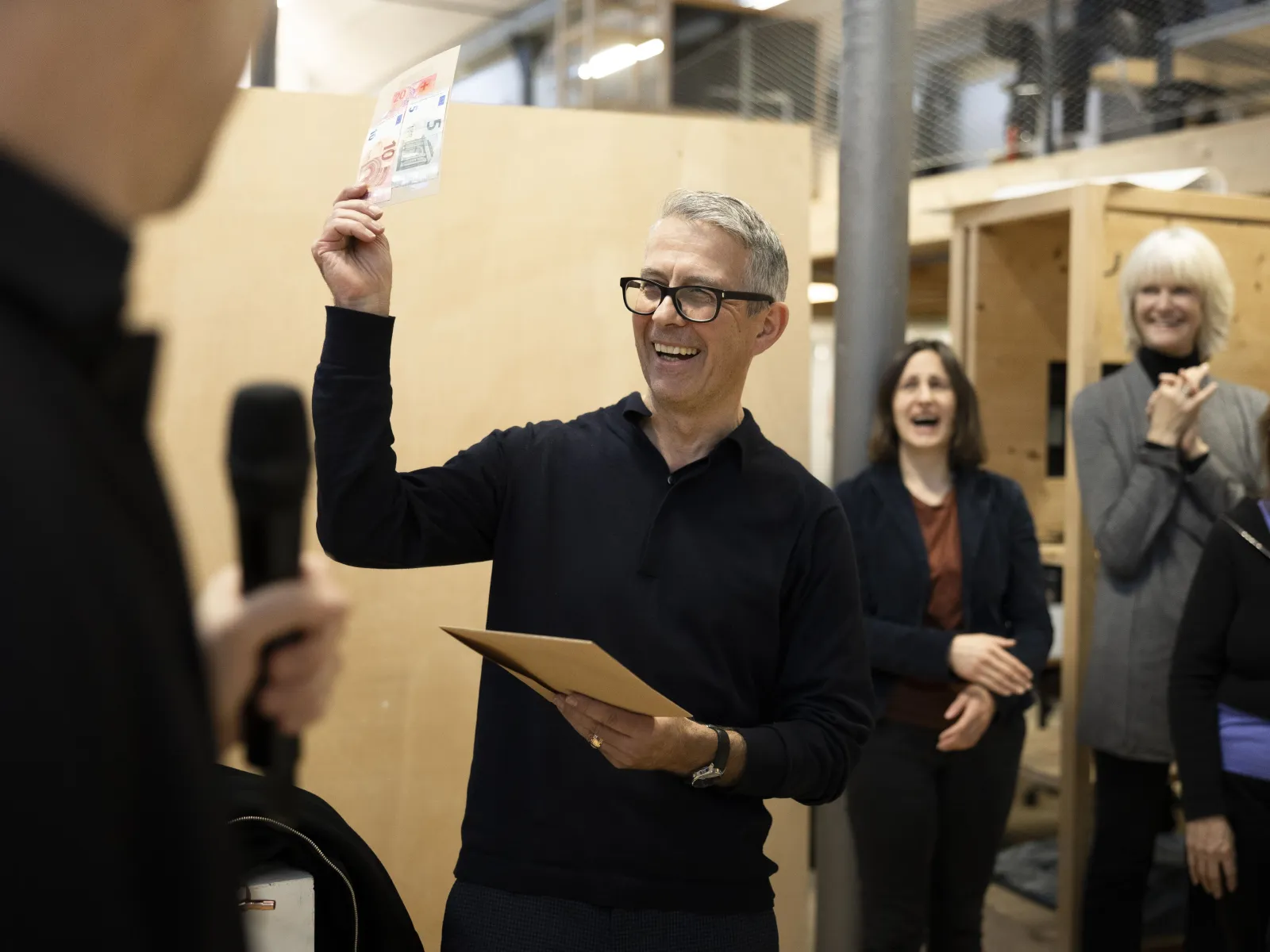
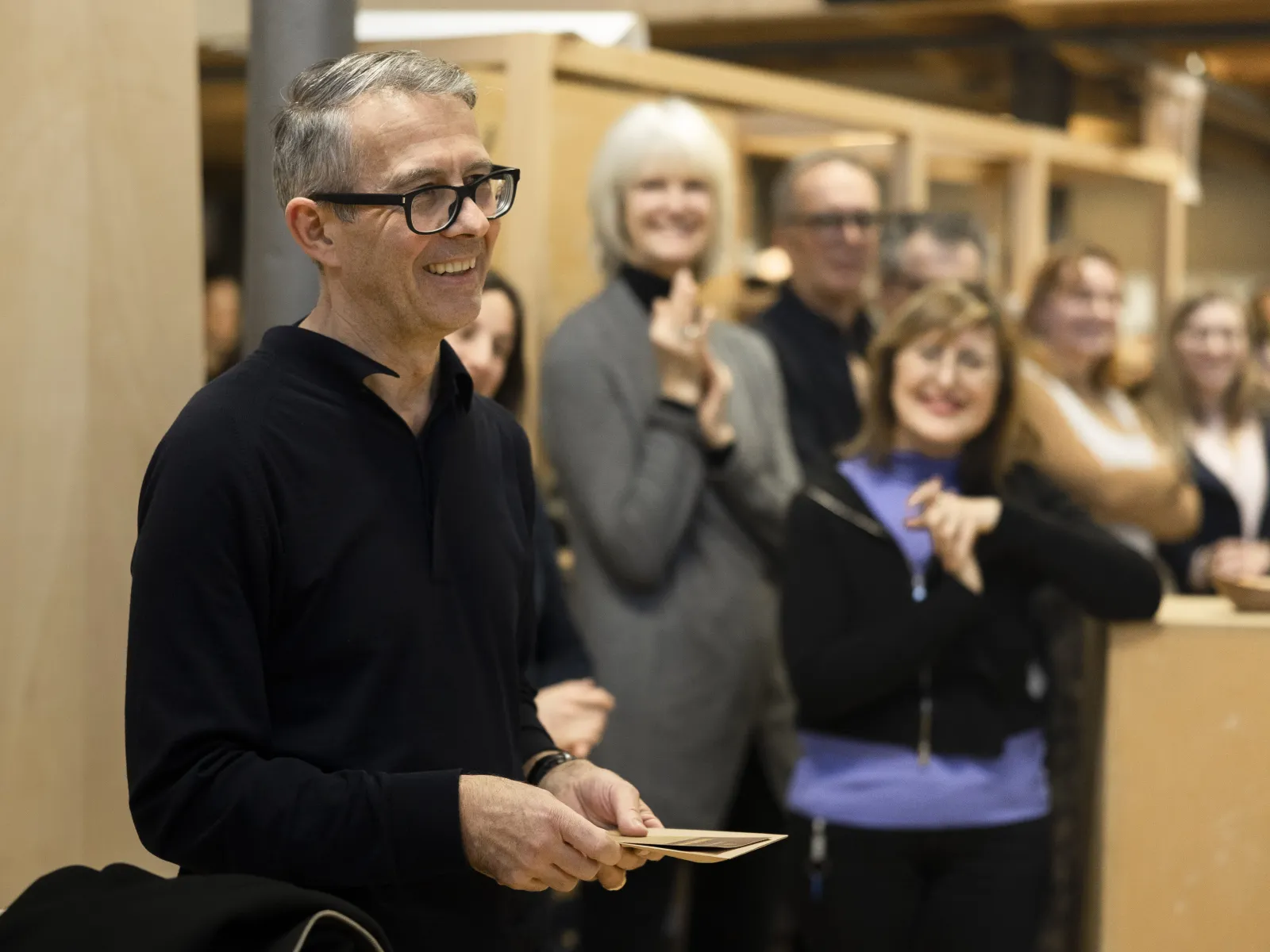
At the same time, the event marked the final completion of the Red Pavilion, realised by the project team of Urs Meister, Carmen Rist-Stadelmann, and Livia Herle, with dedicated support from facilities staff member Christian Beck and student assistants. The evening also provided the occasion for an initial personal farewell to Prof. Dr Urs Meister on the occasion of his final semester at the University of Liechtenstein, delivered by the Dean of the Liechtenstein School of Architecture, Prof. Dr Daniel Stockhammer.


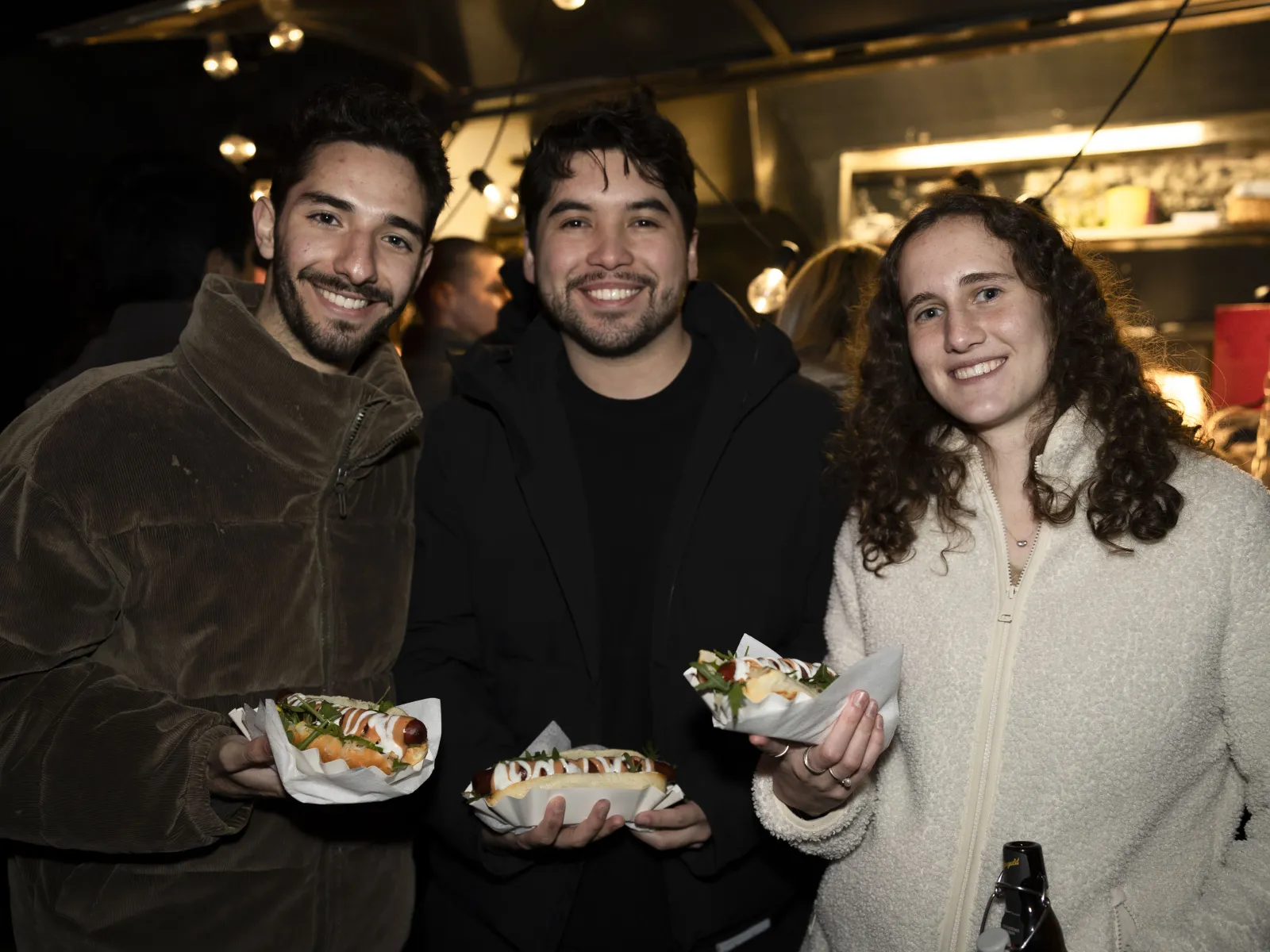
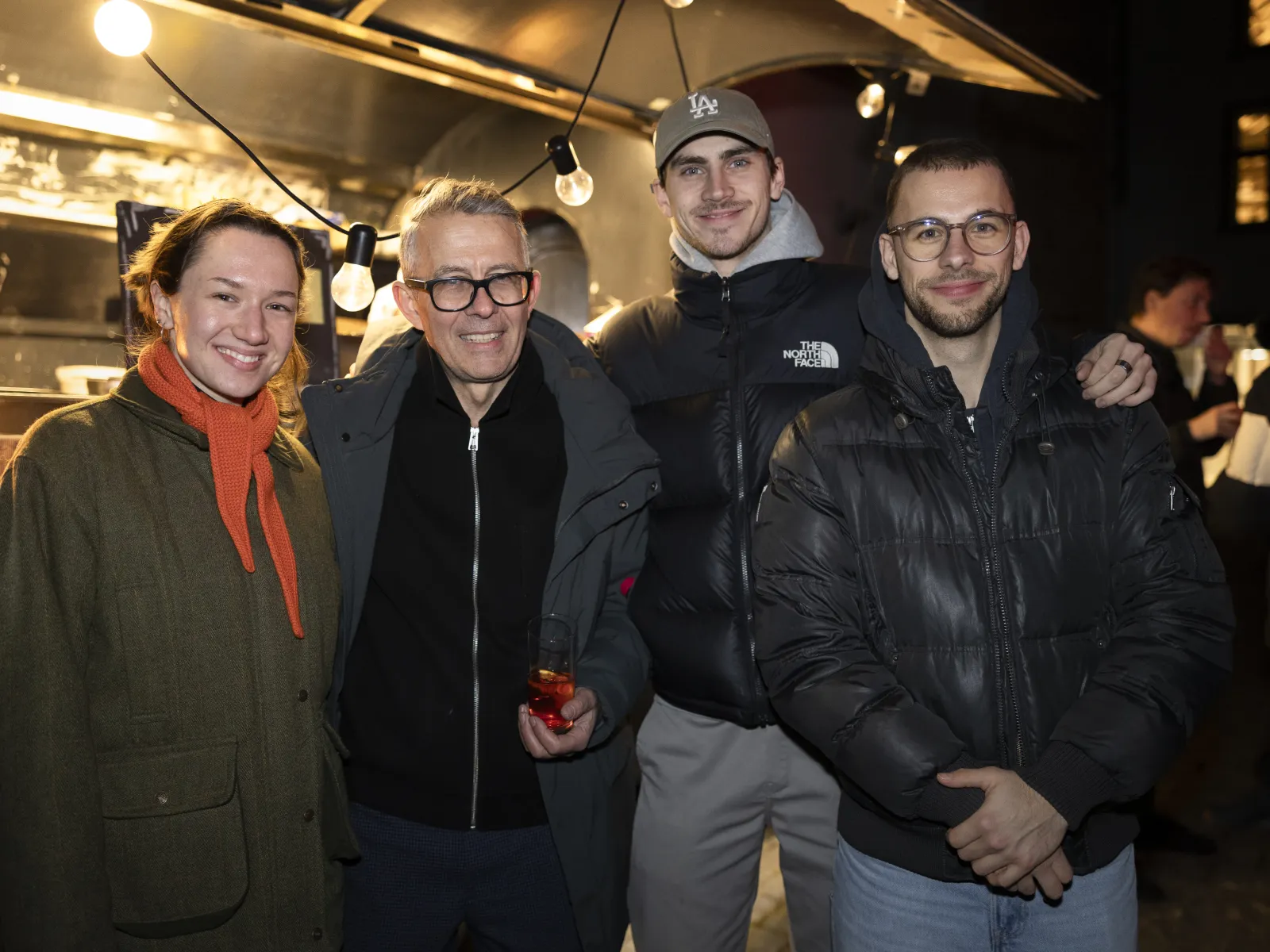
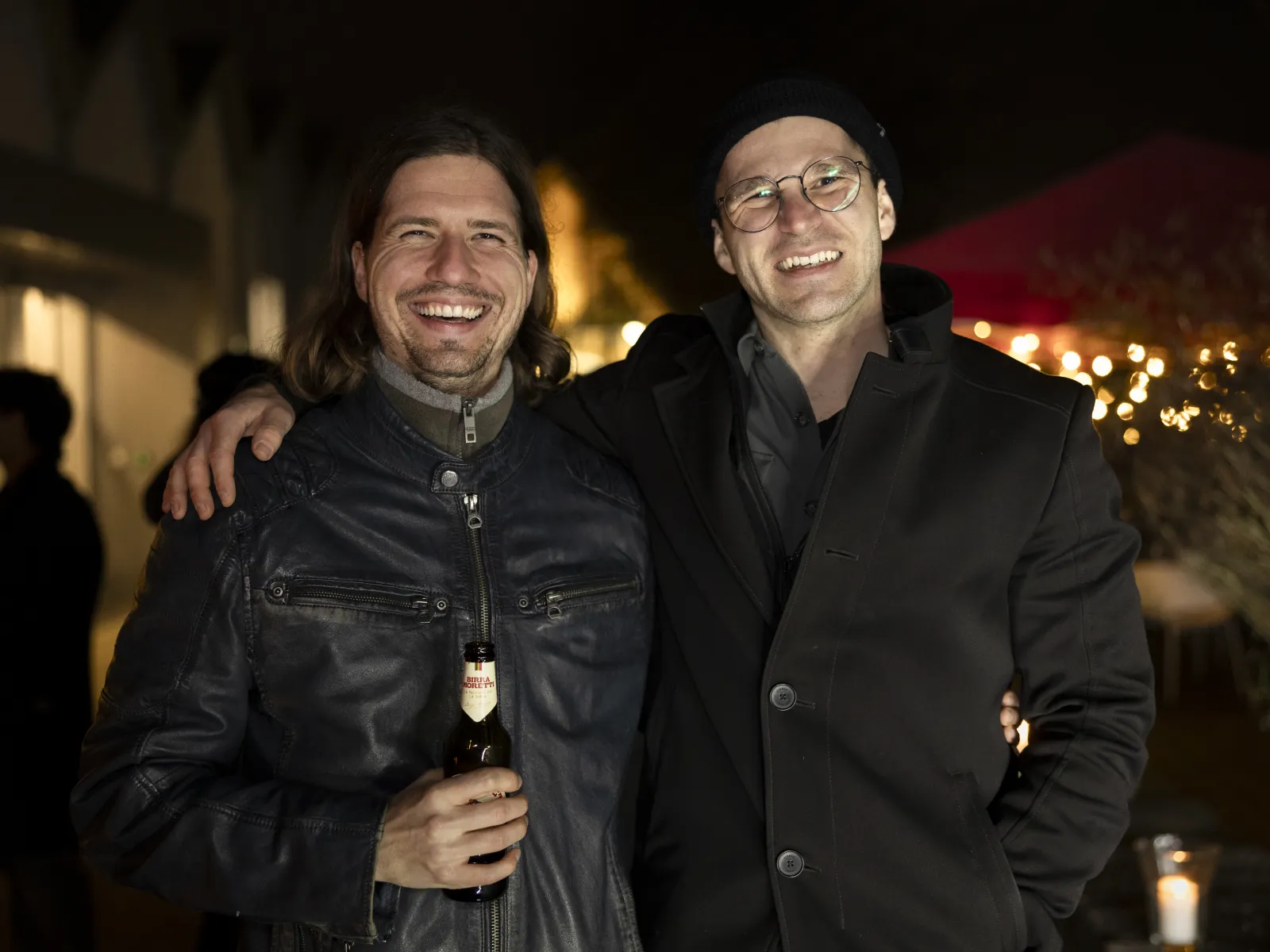
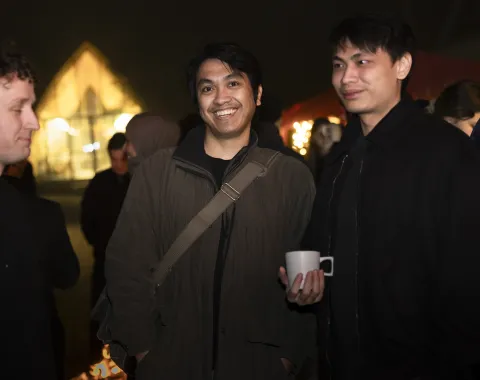
Late into the evening, students, staff, and alumni took the opportunity to exchange ideas and conversations after an intensive year in 2025. The traditional end-of-year gathering was organised by the Liechtenstein School of Architecture in cooperation with Alumni Relations.


Red Pavilion

Doctoral Dissertation by Daniel Haselsberger on Regenerative Building Materials and Participatory Construction

Doctoral Dissertation by Daniel Haselsberger on Regenerative Building Materials and Participatory Construction

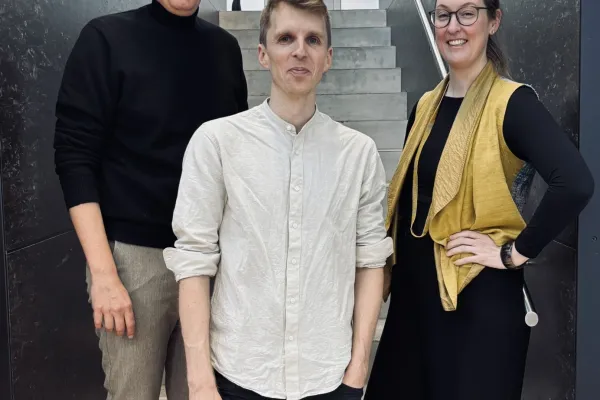
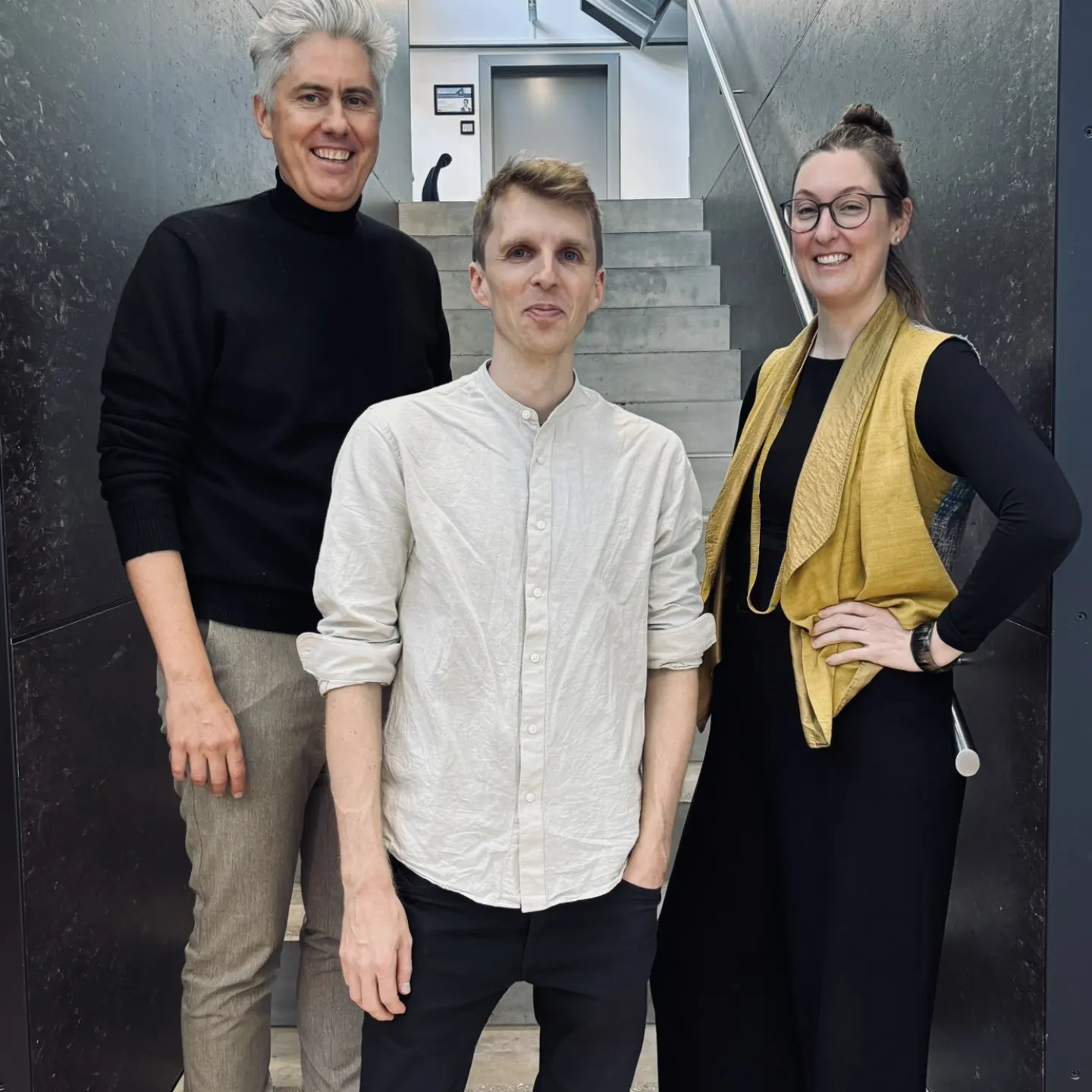
Drei Personen auf einer grau/schwarzen Treppe

The University of Liechtenstein warmly congratulates Daniel Haselsberger on the successful defence of his doctoral dissertation, “Raw, Fired, and In Between – On Regenerative Building Materials and Participatory Construction in Bahuarwa, India”, at the Liechtenstein School of Architecture.
In his doctoral thesis, Daniel Haselsberger investigates the transformation of building cultures in the village of Bahuarwa in the Indian state of Bihar. Situated at the intersection of architecture and ethnography, the research analyses the shift from traditional, regenerative building materials such as earth, bamboo and timber towards industrial, CO₂-intensive materials such as brick, cement and steel. Central to the dissertation is the dichotomy widely used in India between so-called kutcha and pukka buildings, which increasingly hinders the use of regenerative materials.

Based on a transdisciplinary research approach, the dissertation combines ethnographic fieldwork with participatory action research and research by design. Through numerous interviews, building documentations and observations, Haselsberger examines the ecological, socio-economic and technological factors influencing local building decisions. Building on these findings, he collaborated with the local community and partner organisations to design and realise the construction of a new primary school for disadvantaged children. The building serves not only as educational infrastructure, but also as a test case for a hybrid construction method that combines regenerative and conventional materials.

The dissertation was supervised by Prof. Dr Lindsay Howe, with Prof. Dr Sascha Roesler as co-supervisor. The work emerged from intensive international collaborations, including partnerships with the Bahuarwa Foundation and the Center for Indian Bamboo Resource and Technology. The results contribute both to academic discourse on sustainable architecture and to tangible social value on the ground.

The University of Liechtenstein warmly congratulates Daniel Haselsberger on this outstanding achievement and wishes him all the very best for his professional and personal future.
 

Articles:
A Cool School: The Bahuarwa Primary School
A School in India – Built with Support from Liechtenstein
 

Daniel Haselsberger is an architect and research associate at the Liechtenstein School of Architecture. His work is situated at the intersection of architecture, ethnography and international collaboration. Born in 1990 in Chur and raised in Flims, he studied architecture at the University of Liechtenstein and spent an exchange semester at the Bergen School of Architecture in Norway. His Master’s thesis was supervised by Anna Heringer. Daniel gained professional experience in Graubuenden at the architectural practices Bearth & Deplazes and Juengling & Hagmann. Since 2020, he has been involved in teaching and research at the University of Liechtenstein, where he leads a design studio and is part of the transdisciplinary teaching format Pro Bono, in which students initiate projects for the public good in collaboration with real-world partners. Since 2021, he has been working on his doctoral research, which is closely linked to India and to his non-profit work carried out together with his partner Isha Haselsberger, an architect born in India. In 2020, they jointly founded the non-profit organisation Arch Aid, which focuses on community-based building initiatives and the integration of regenerative, locally available building materials for disadvantaged communities.
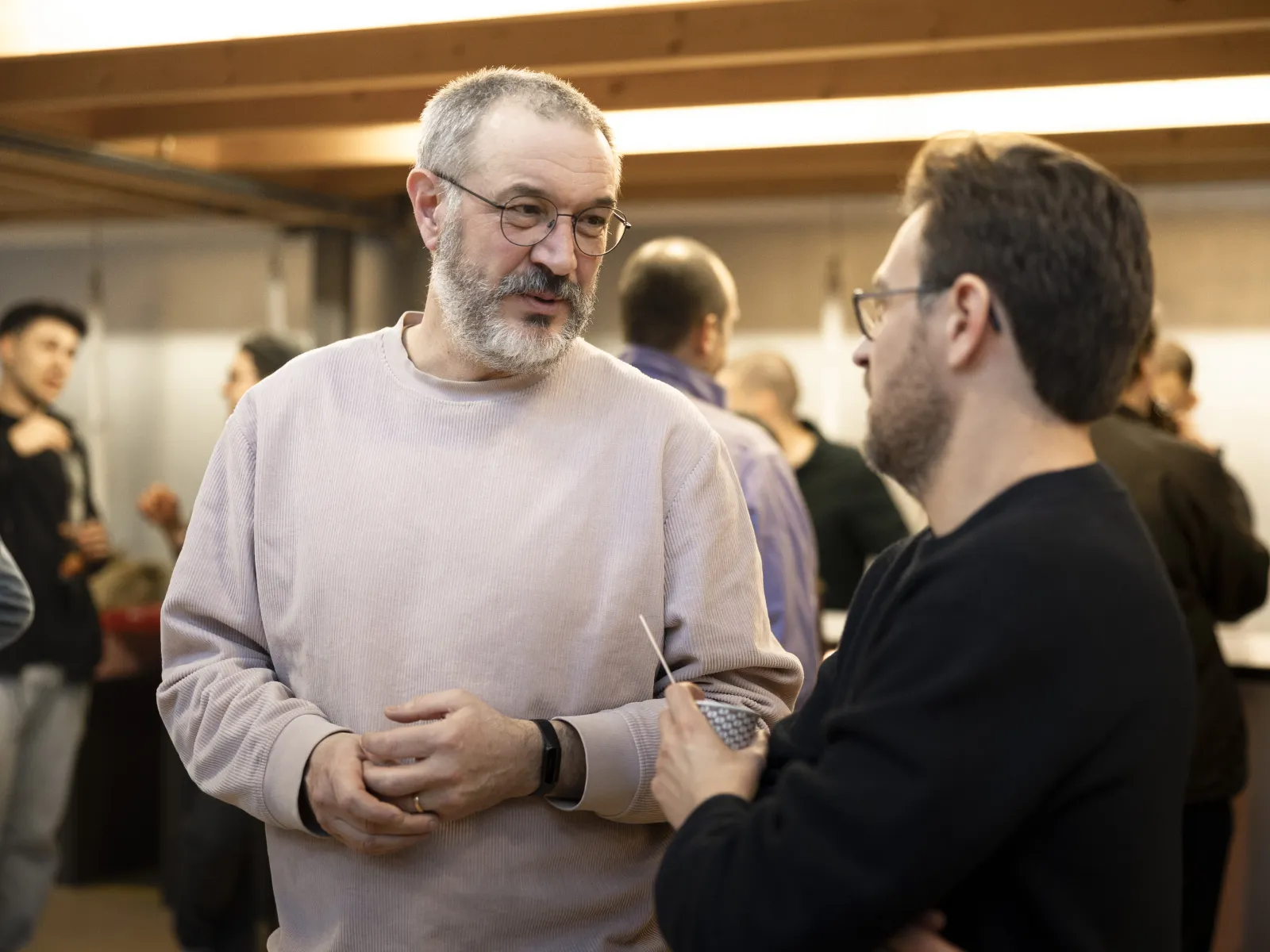
Drei Personen auf einer grau/schwarzen Treppe

Alumni Chapter Munich: Year-End Gathering and Ideas for 2026

Alumni Chapter Munich: Year-End Gathering and Ideas for 2026

Alumni-Chapter München

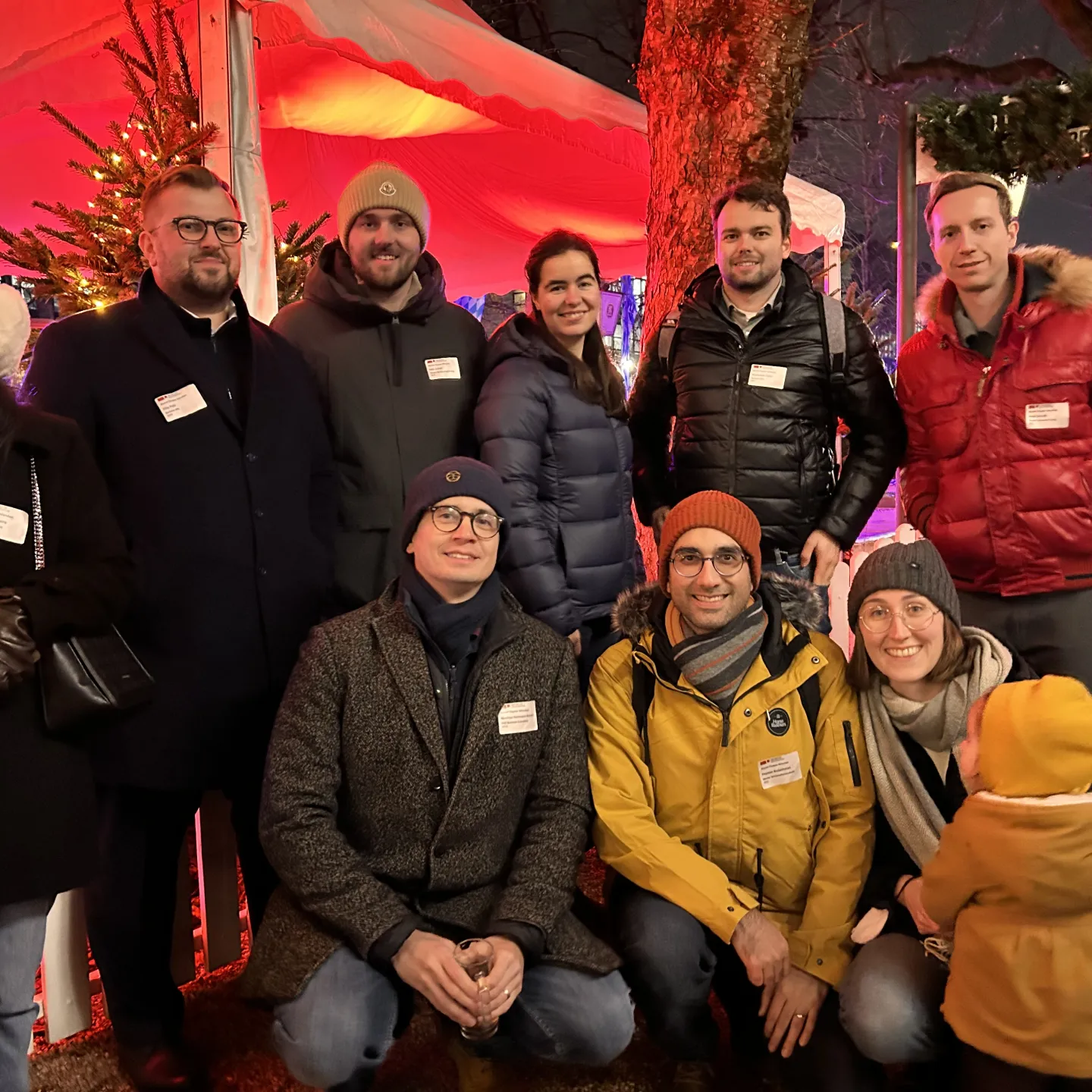
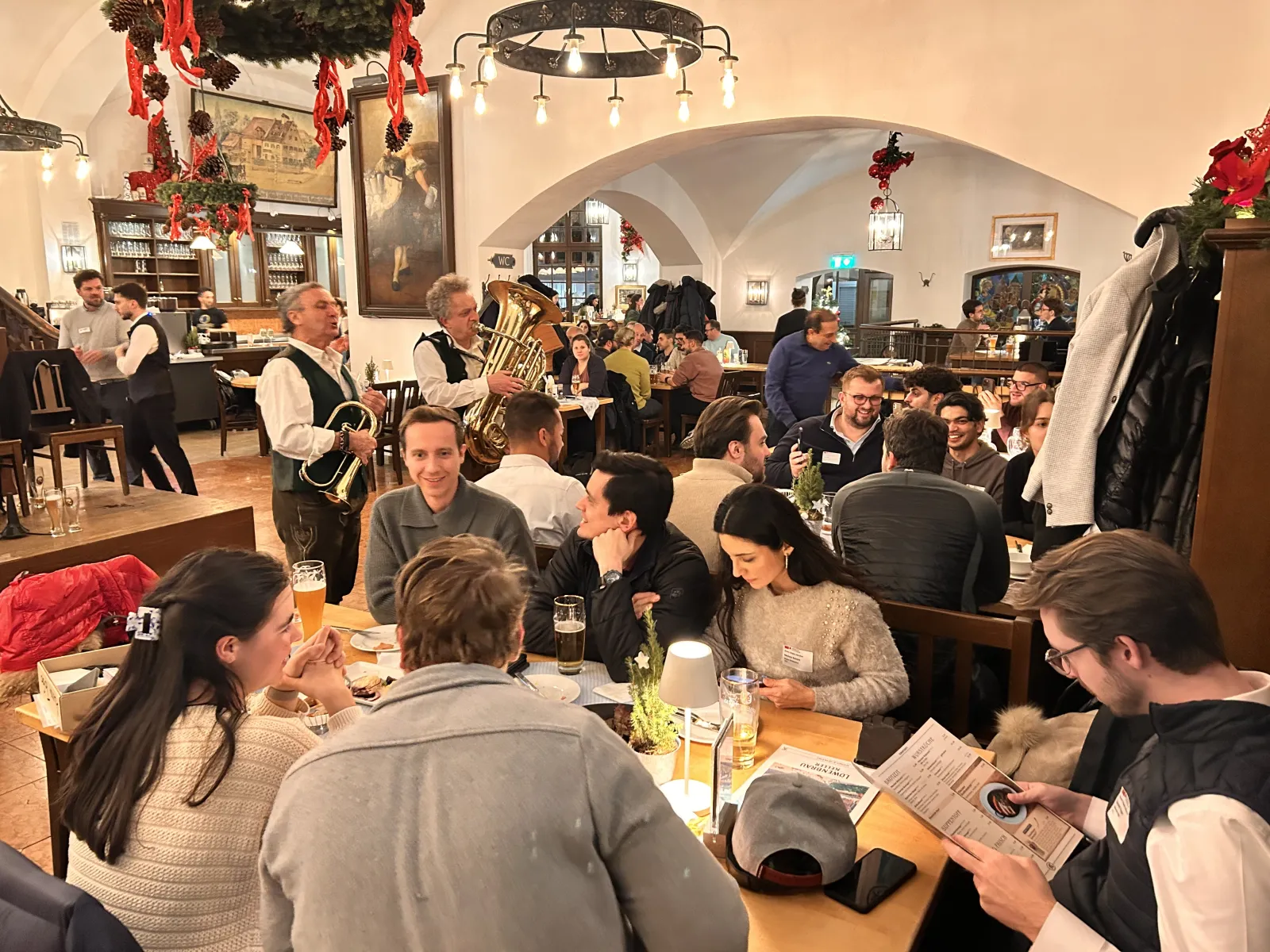
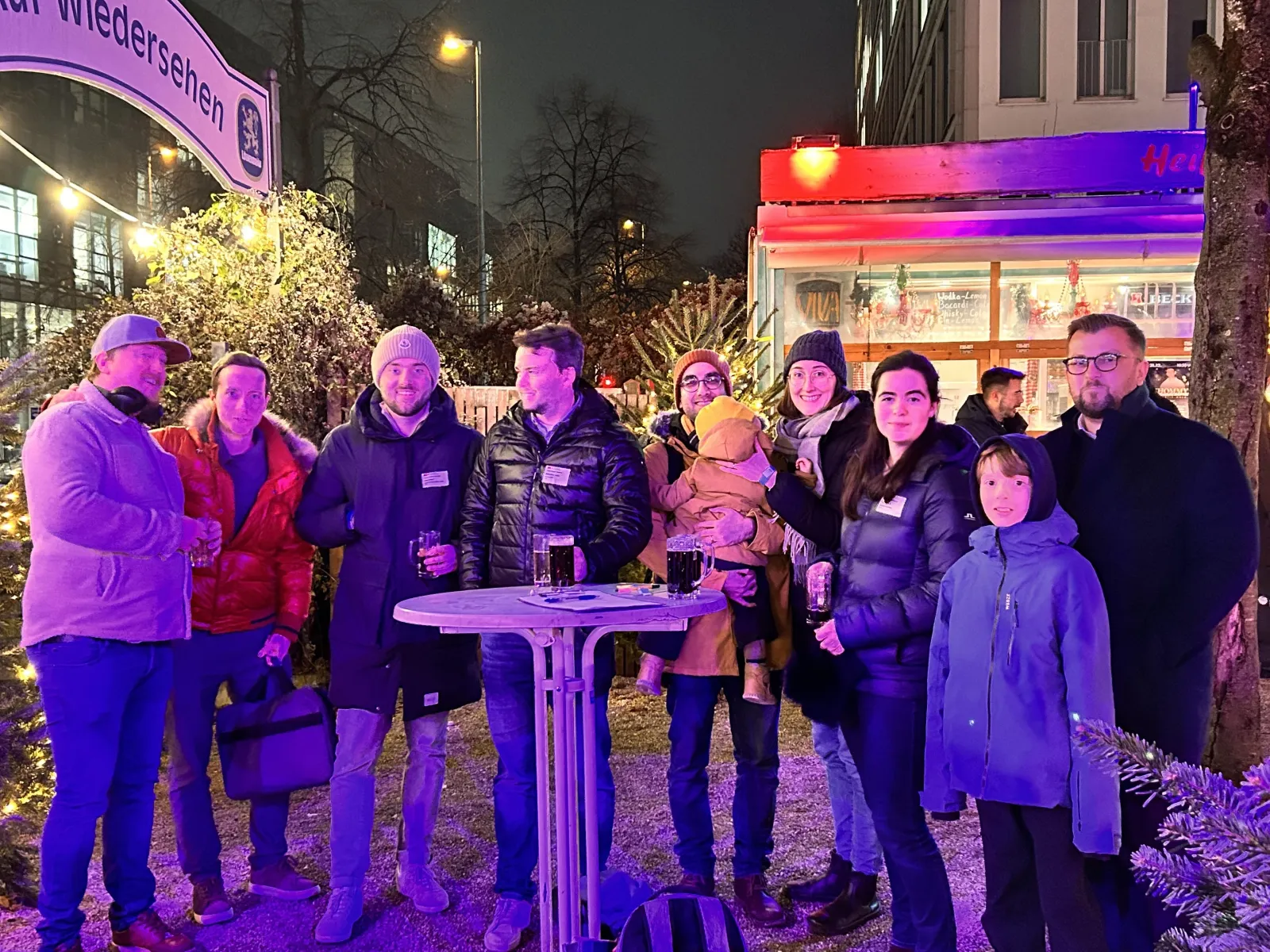
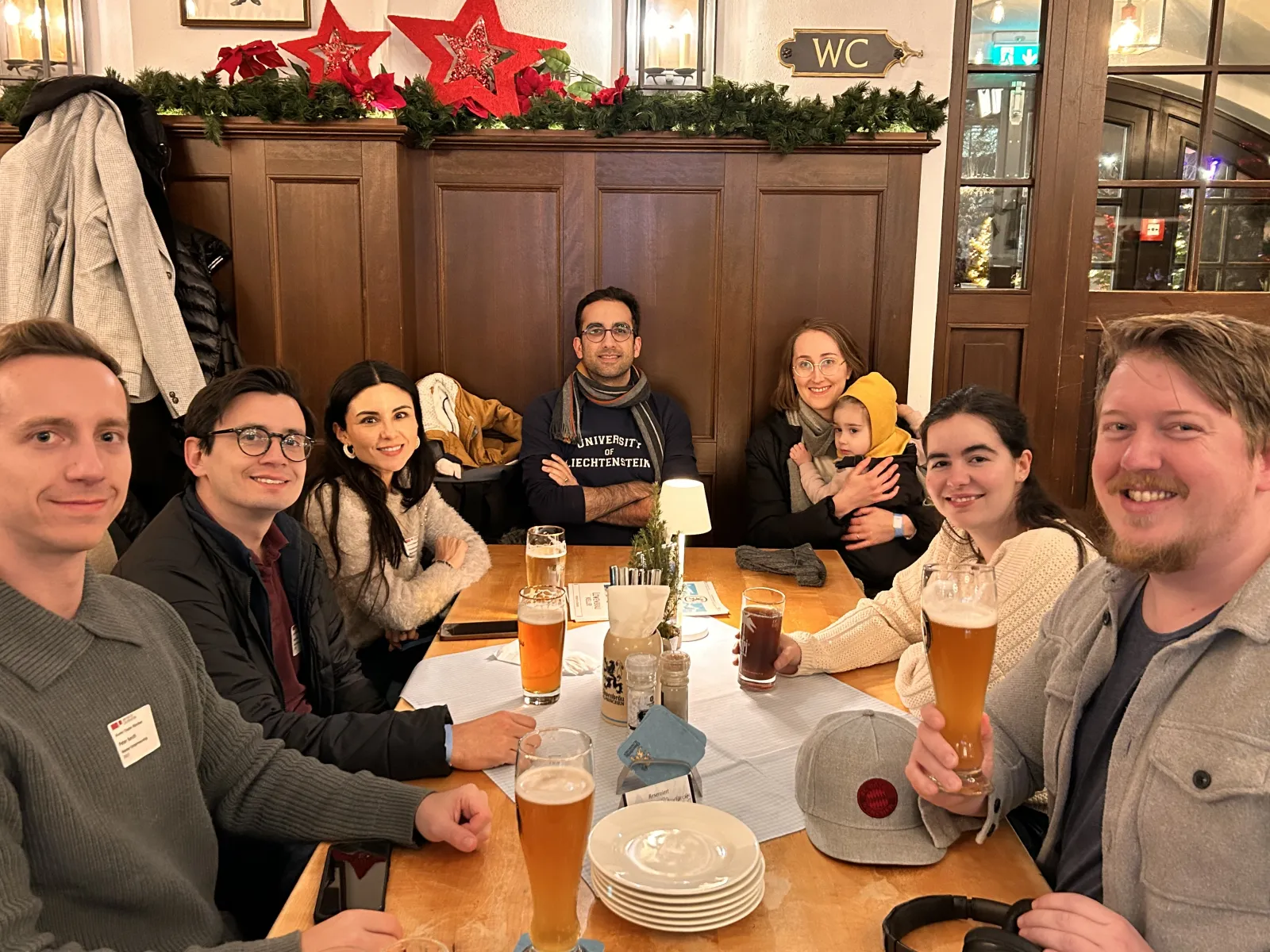
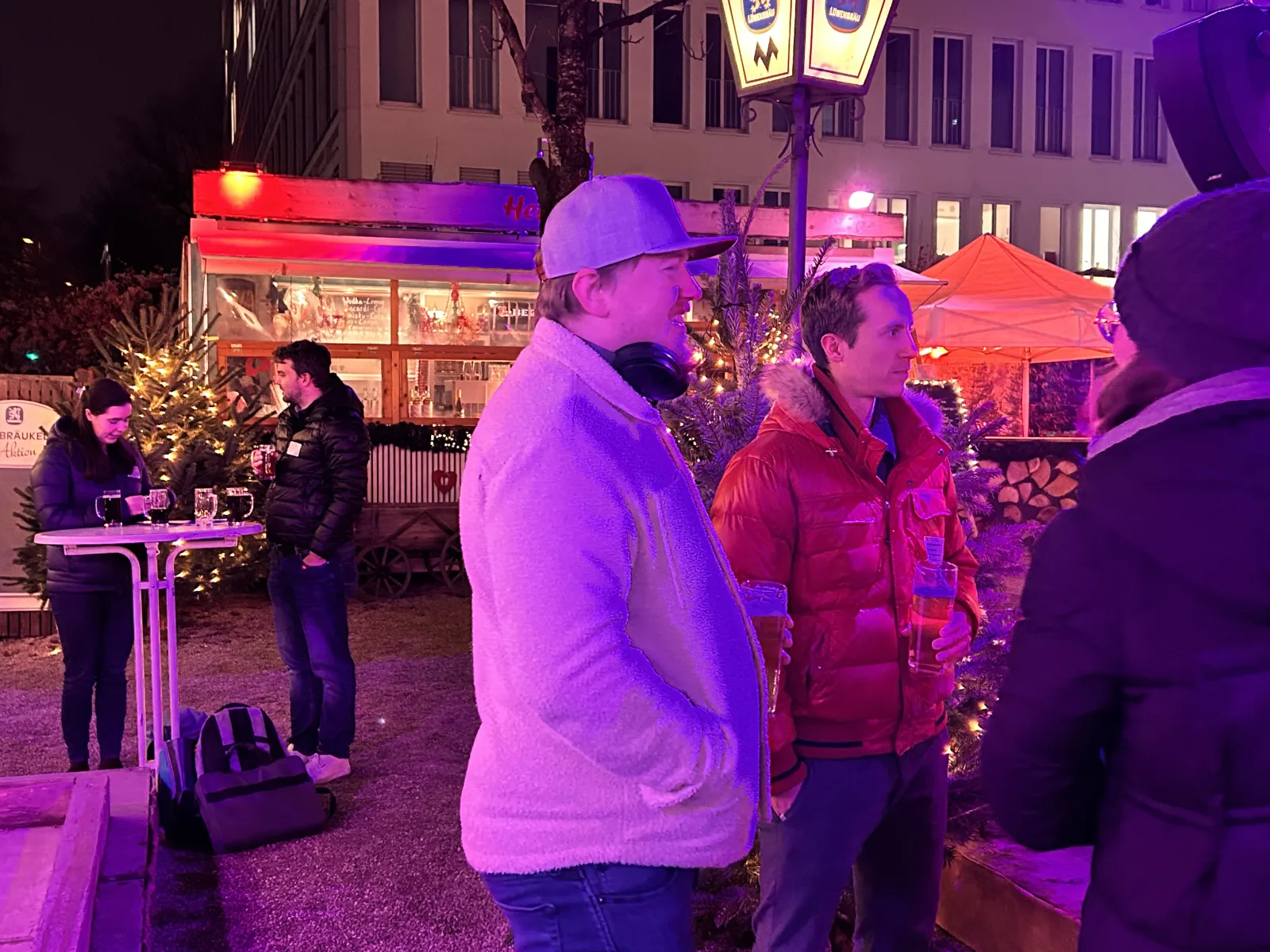
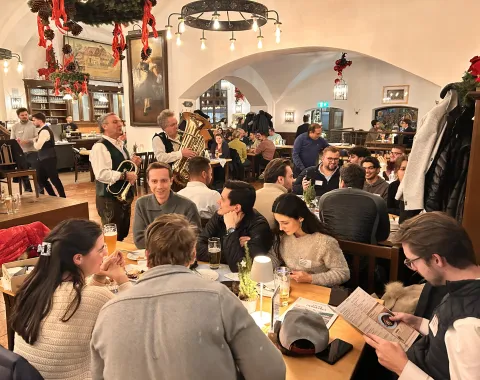
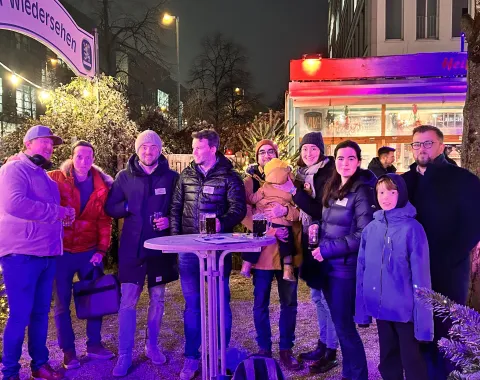
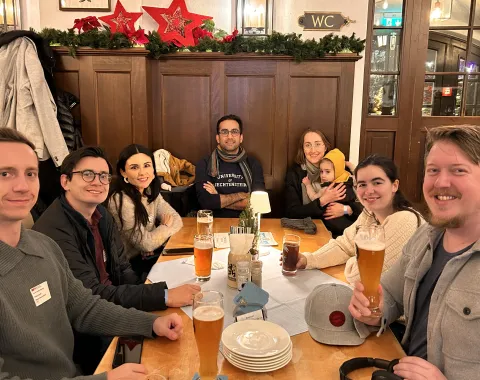
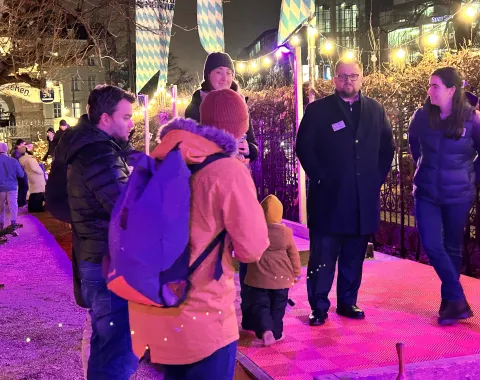
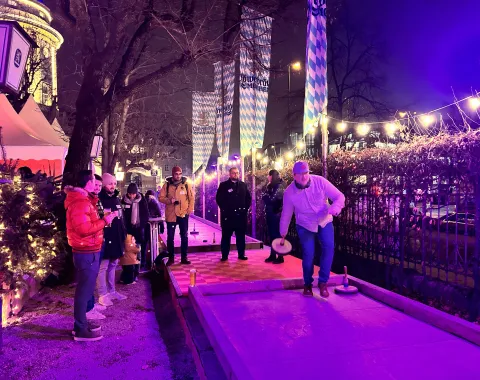
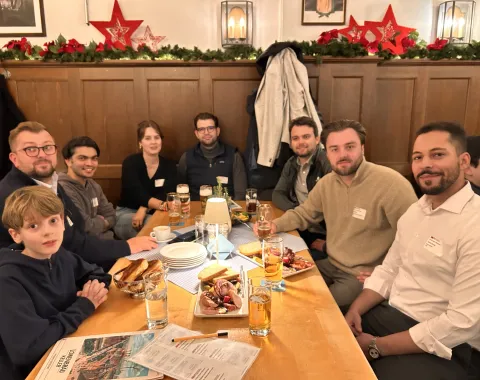
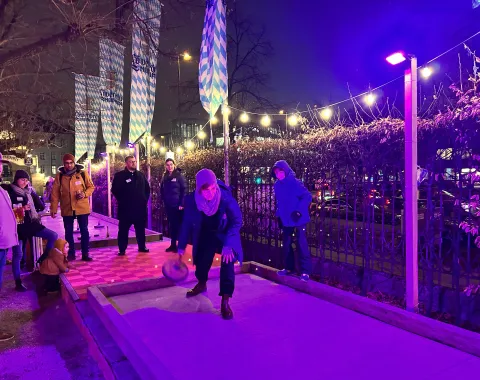
With a varied and engaging program, the Munich Alumni Chapter of the University of Liechtenstein wrapped up the year on 15 December 2025 before heading into the winter break. Alumni from a wide range of disciplines came together to reflect on the past year and begin shaping plans for 2026.


Sporty Start and Relaxed Networking

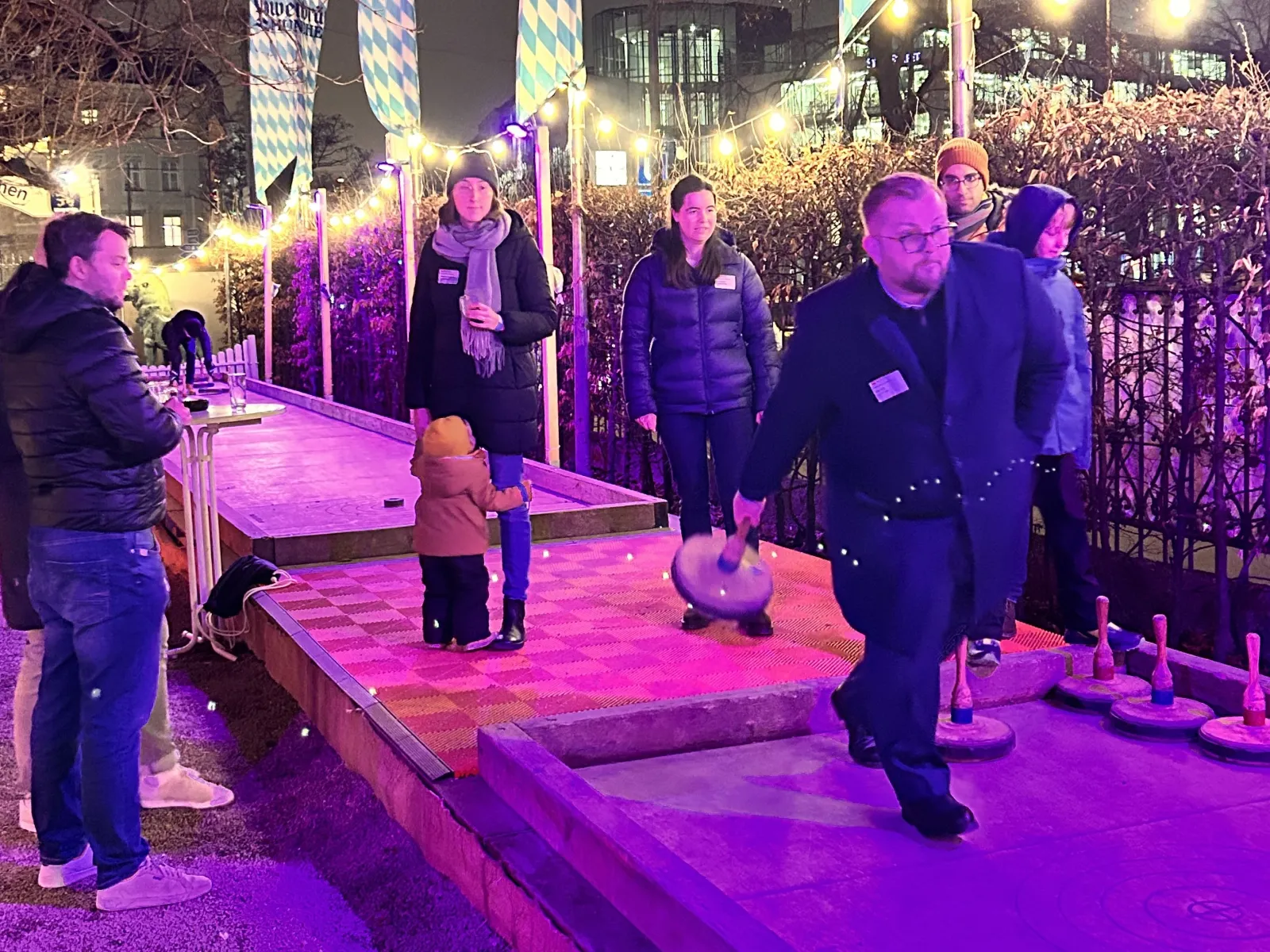
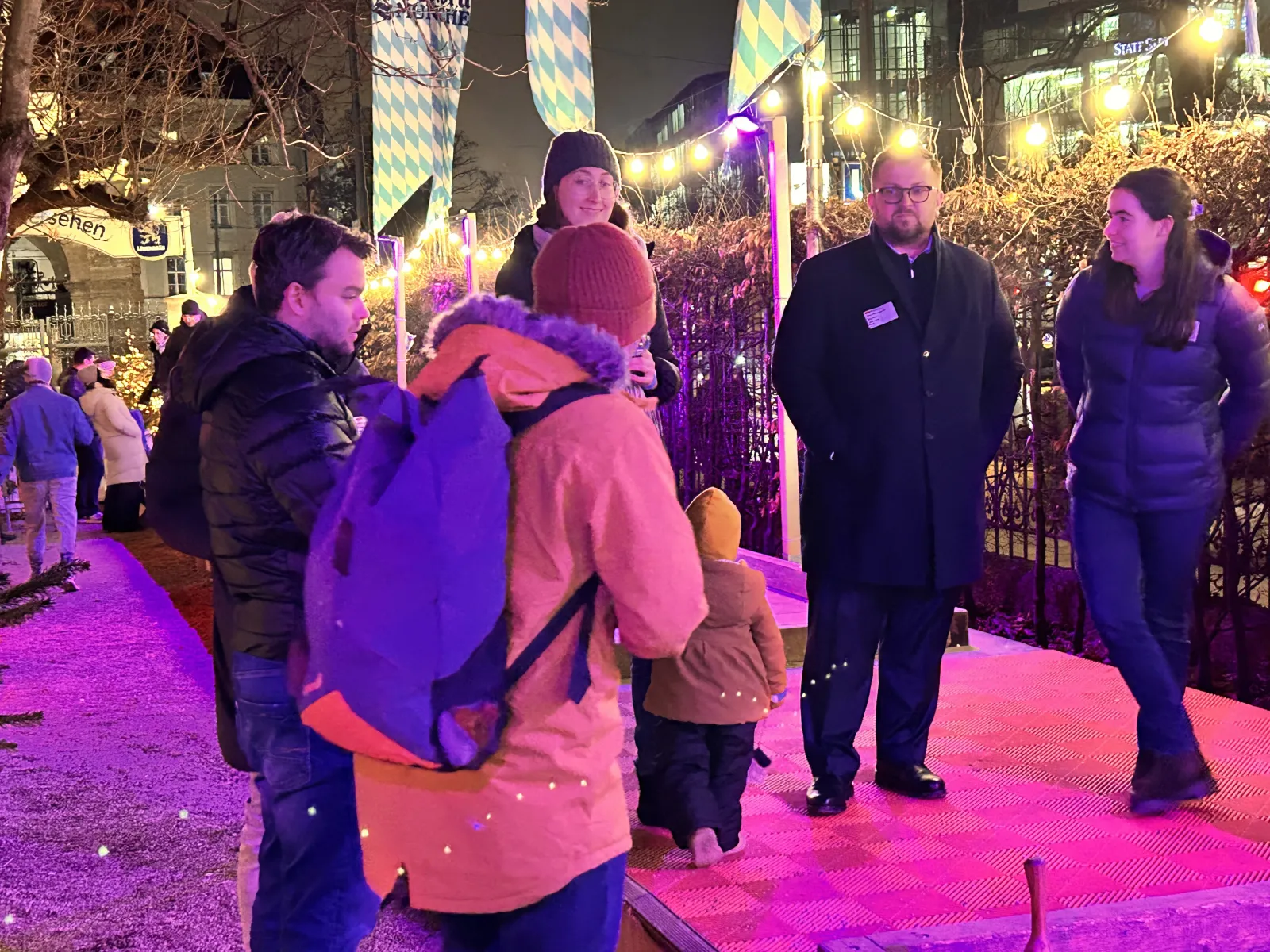
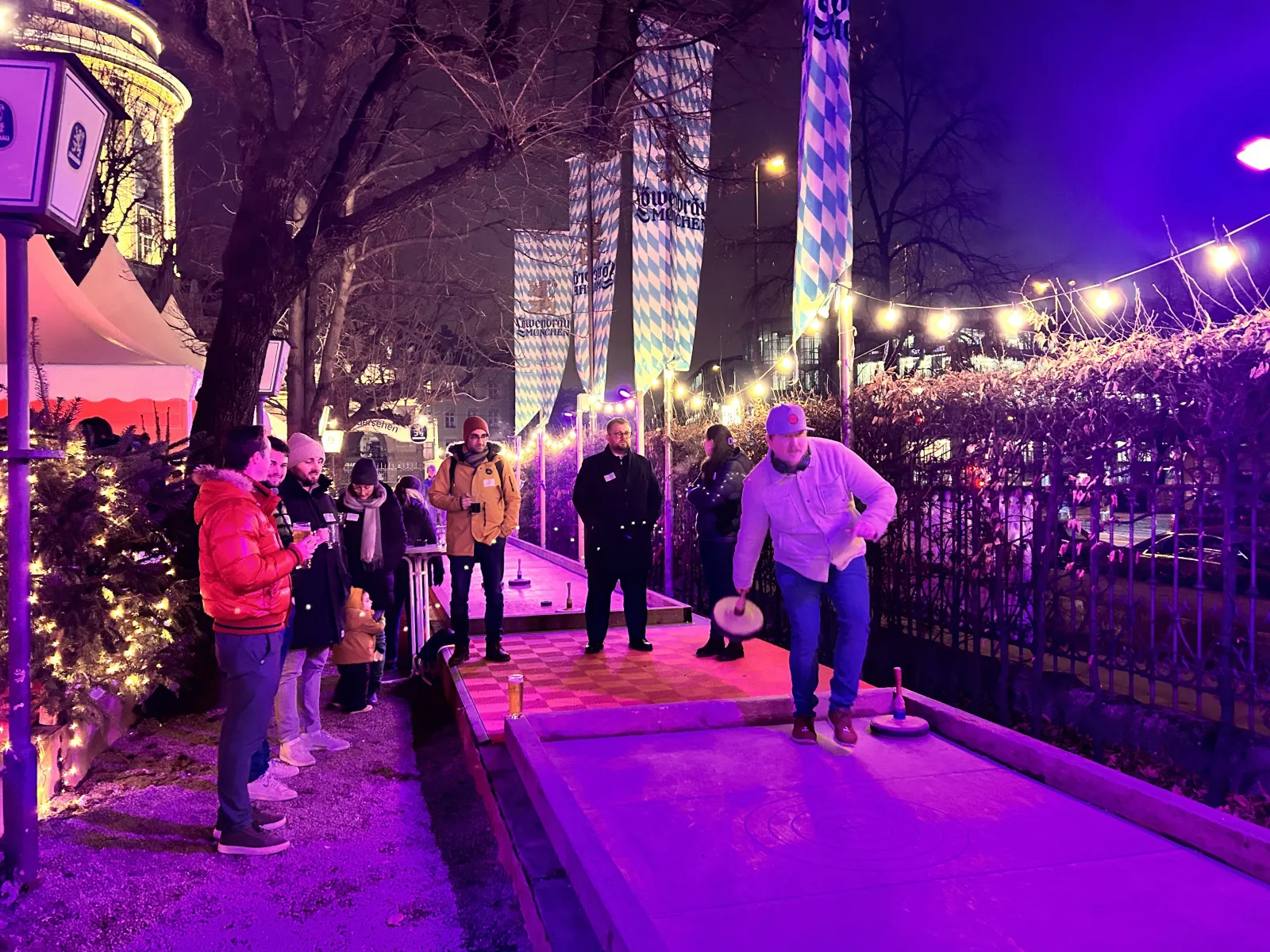
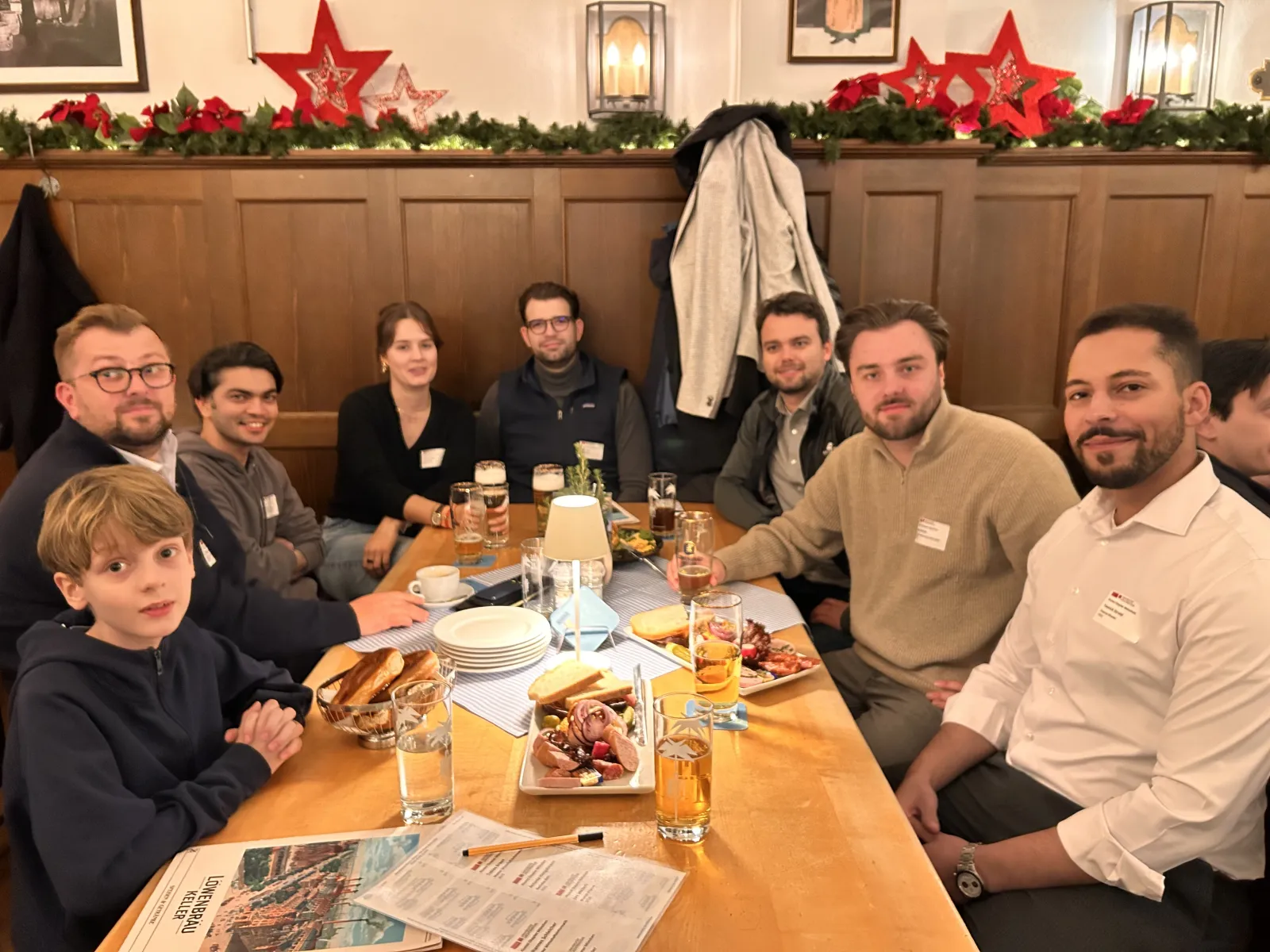
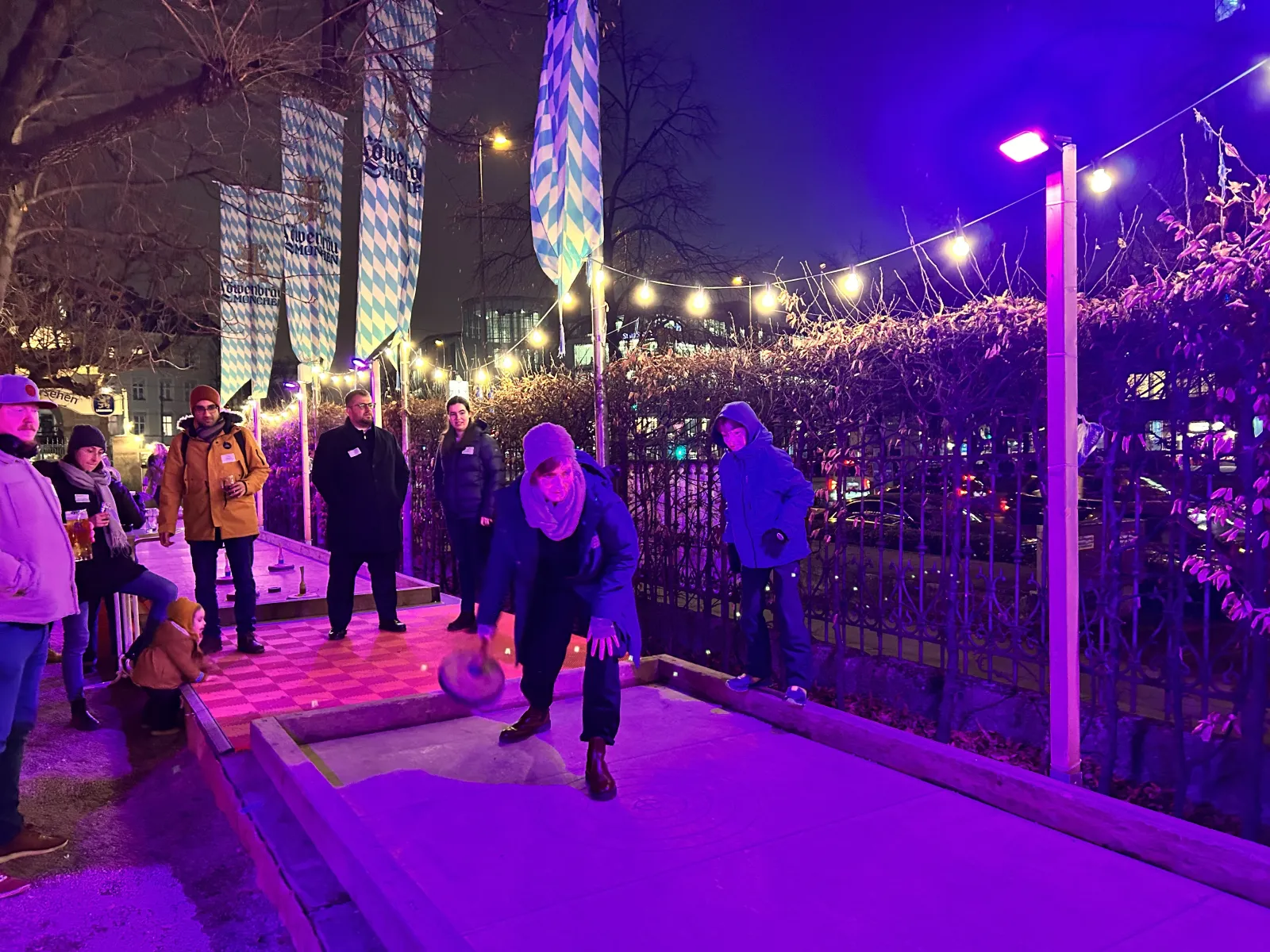
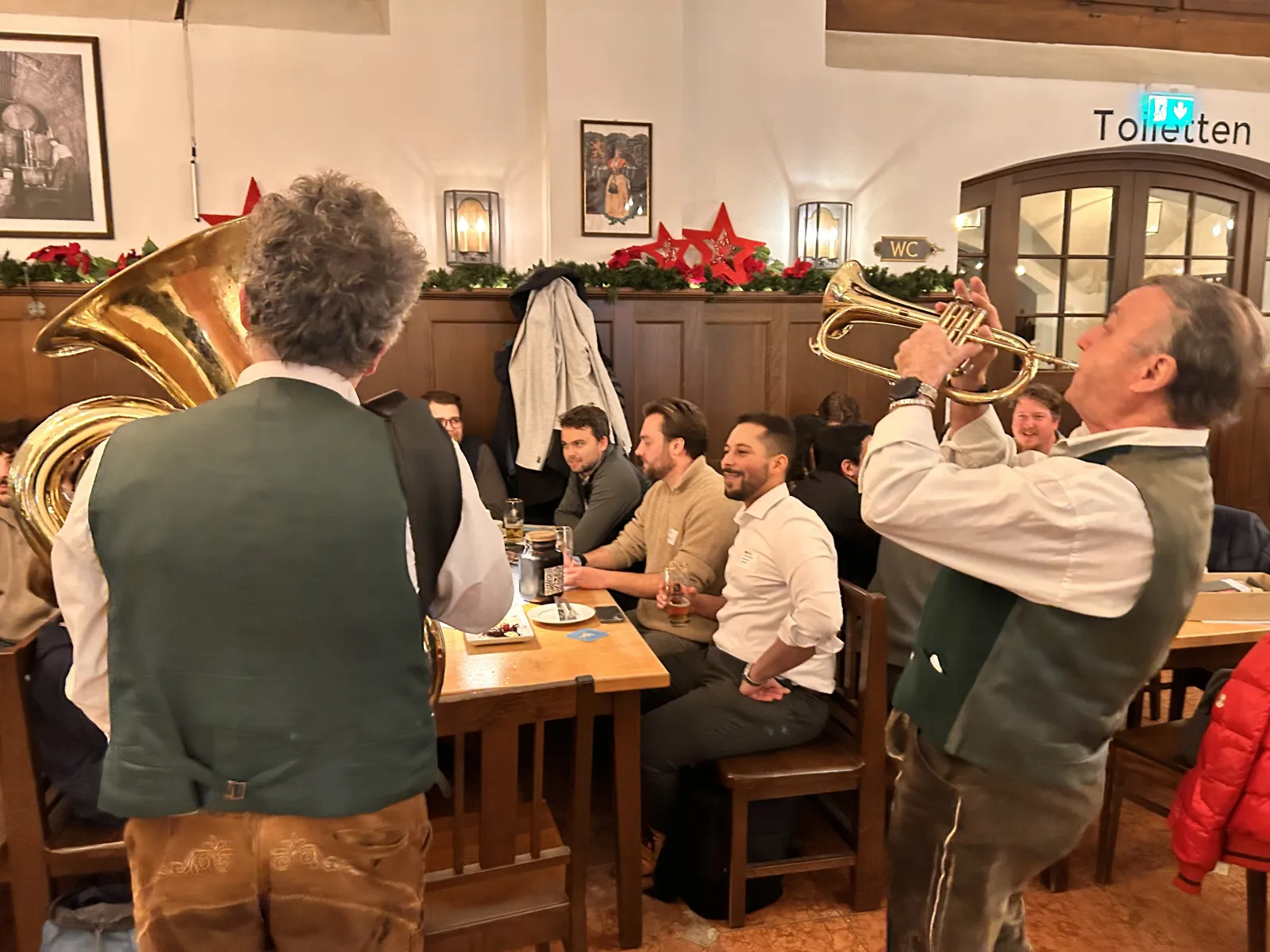
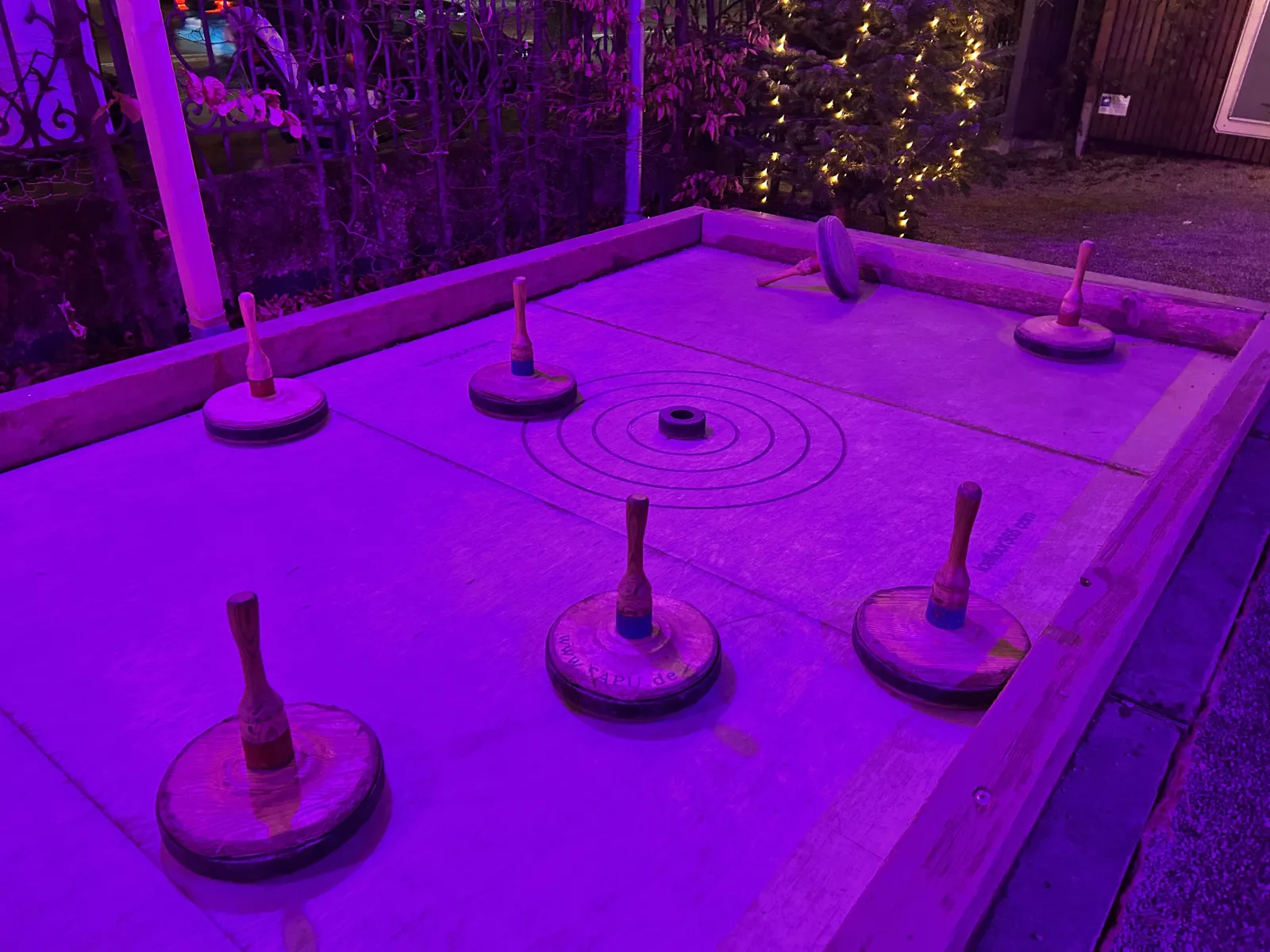
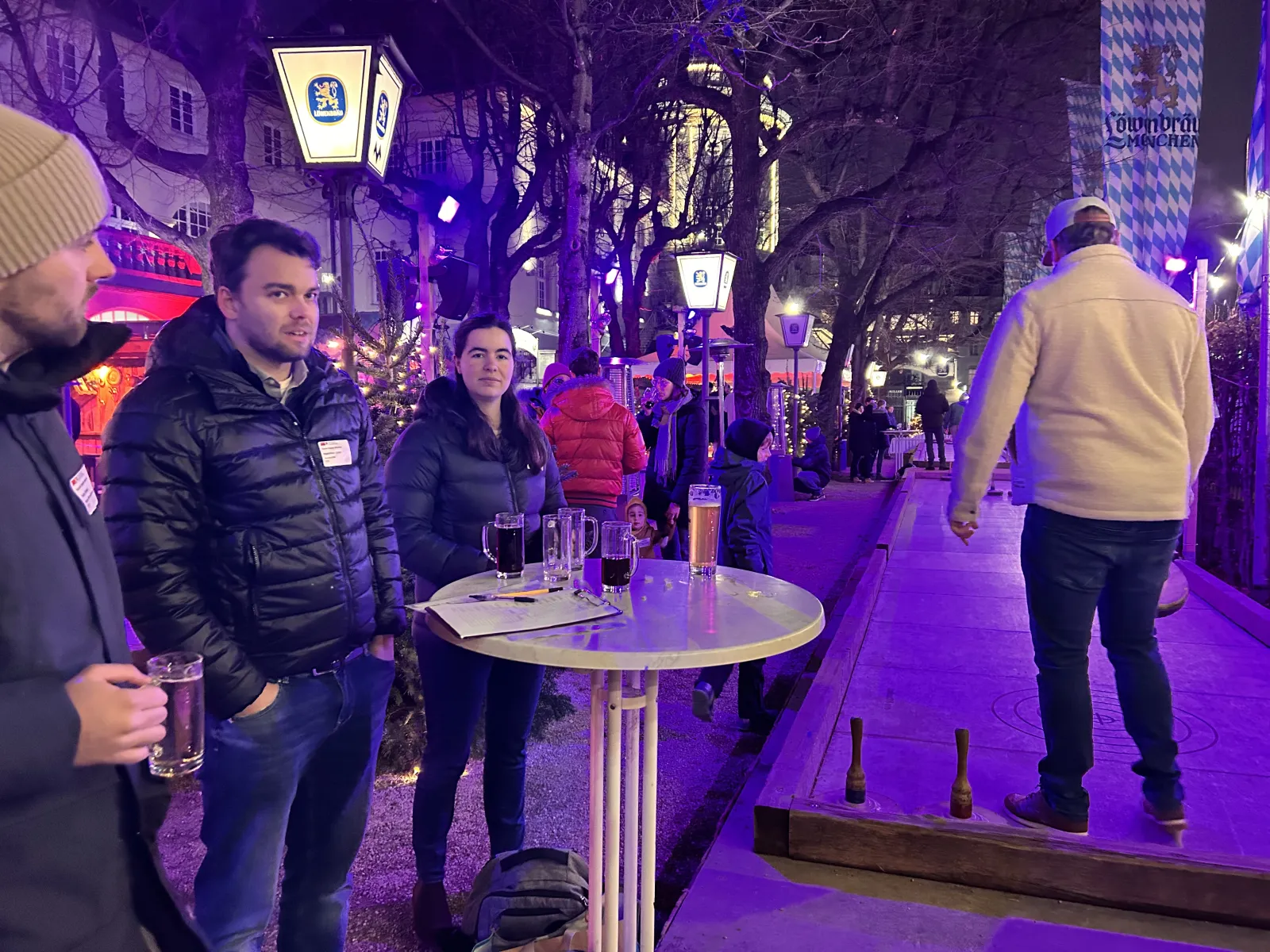
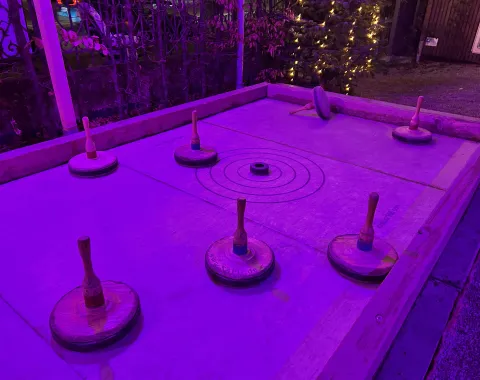
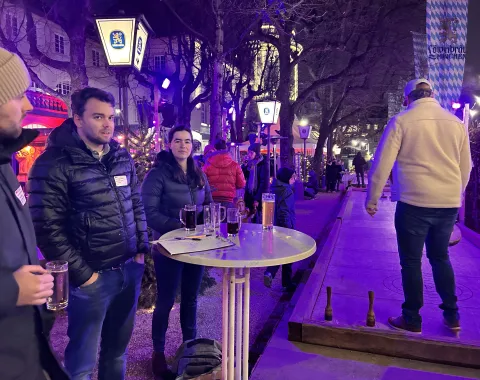
The evening kicked off with an outdoor curling session, bringing plenty of movement, team spirit, and good cheer. Afterwards, the group moved on to the Löwenbräukeller at Stiglmaierplatz, where drinks and snacks set the scene for conversations about current life paths and fond memories of student days.
At what was already the chapter’s fourth gathering, alumni from architecture, entrepreneurship, finance, and information systems came together, ranging from bachelor’s graduates to doctoral alumni.


Looking Ahead: Chapter Activities in 2026

Beyond reconnecting, the meeting also provided space for future-oriented ideas. Together with Simone Brandenberg, Alumni Officer of the University of Liechtenstein, participants discussed and developed concepts for upcoming events in 2026. The shared goal remains to strengthen the Munich alumni community and to establish regular, sustainable opportunities to connect.
All alumni are warmly invited to take part in future events. Further information will be shared, as usual, through the alumni community’s channels.


A Vibrant Alumni Chapter Since 2024

Since the introduction of the new chapter format at the end of 2024, Munich has established itself as a highly active location. Following the kick-off event in December 2024 at the Löwenbräukeller, alumni have already organized two follow-up events:

  • February 2025: Ice stock sport (Eisstockschießen) and a shared meal at the Ludwigsstüberl in the Royal Hirschgarten
  • June 2025: Visit to an exhibition at the Lenbachhaus followed by dinner at Café ELLA

These ongoing activities clearly demonstrate the growing engagement of the Munich alumni community.


The Munich Ambassador Team

Since its founding, a dedicated team of alumni has supported the development of the chapter and actively contributed to shaping the content of the meetings:


Bhargav Bhatt

  • Master Information Systems | Class of 2020
  • Software Engineer, Haimkapital GmbH

Tomal K. Ganguly

  • Master IT & Business Process Management | Class of 2015
  • Senior Project Lead, marenas consulting
  • Business Strategy Specialist, Stealth Mode Startup

Dr. Matthias Herrmann-Romero, CFA

  • Master Finance | Class of 2018
  • Doctorate in Economics | Class of 2023
  • Senior Consultant – IPO & Capital Market Services | M&A Transaction Services, Deloitte

Serena Keller

  • Bachelor Architecture | Class of 2020
  • TUM Chair of Building Technology and Climate Responsive Design
  • Research Associate, research projects NEBourhoods and ASCEND

Stephan Niemann

  • Master Business Informatics | Class of 2021
  • Platform and BG Advisory Manager, Accenture

Marisela Romero

  • Master Architecture | Class of 2021
  • Architect, Tschabrun Ingenieur

Carla Sauvant

  • Bachelor Architecture | Class of 2021
  • Project Manager, VynciTech


A Community for All Alumni

All graduates of the University of Liechtenstein are invited to stay informed about alumni activities via the channel of their choice:


Alumni-Chapter München

Walz 4.0: A Research Project for the Future of Craft

Walz 4.0: A Research Project for the Future of Craft

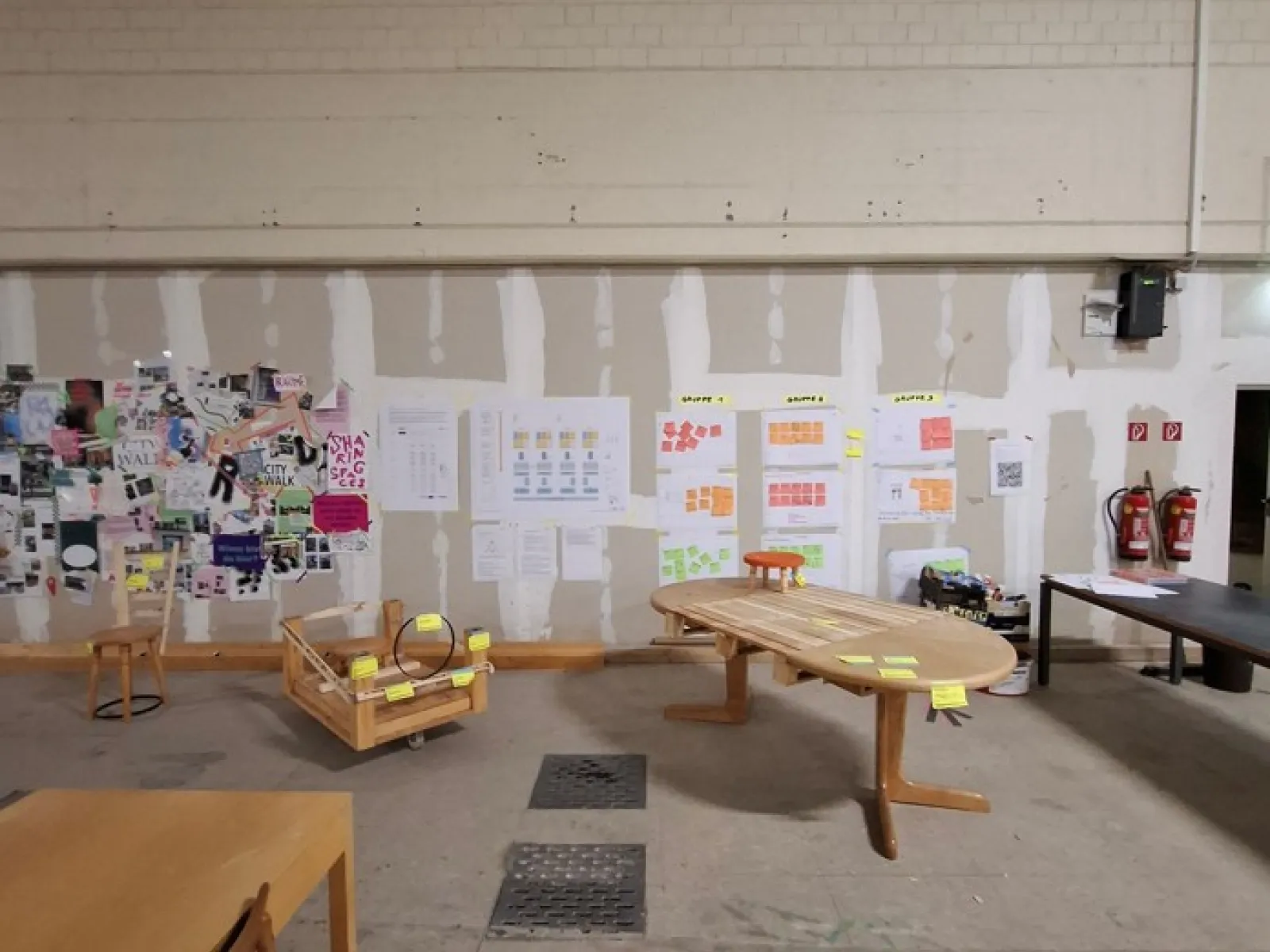
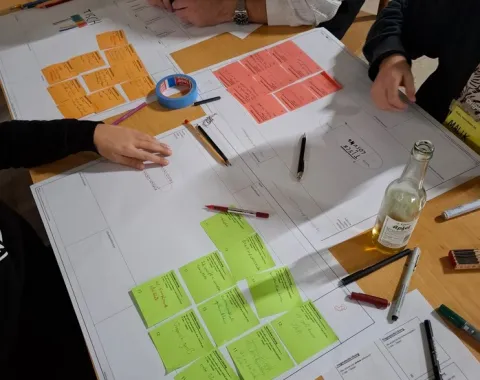
Blick auf einen Schreibtisch mit bunten Notizzetteln und Menschen, die an einem Tisch sitzen im Hintergrund

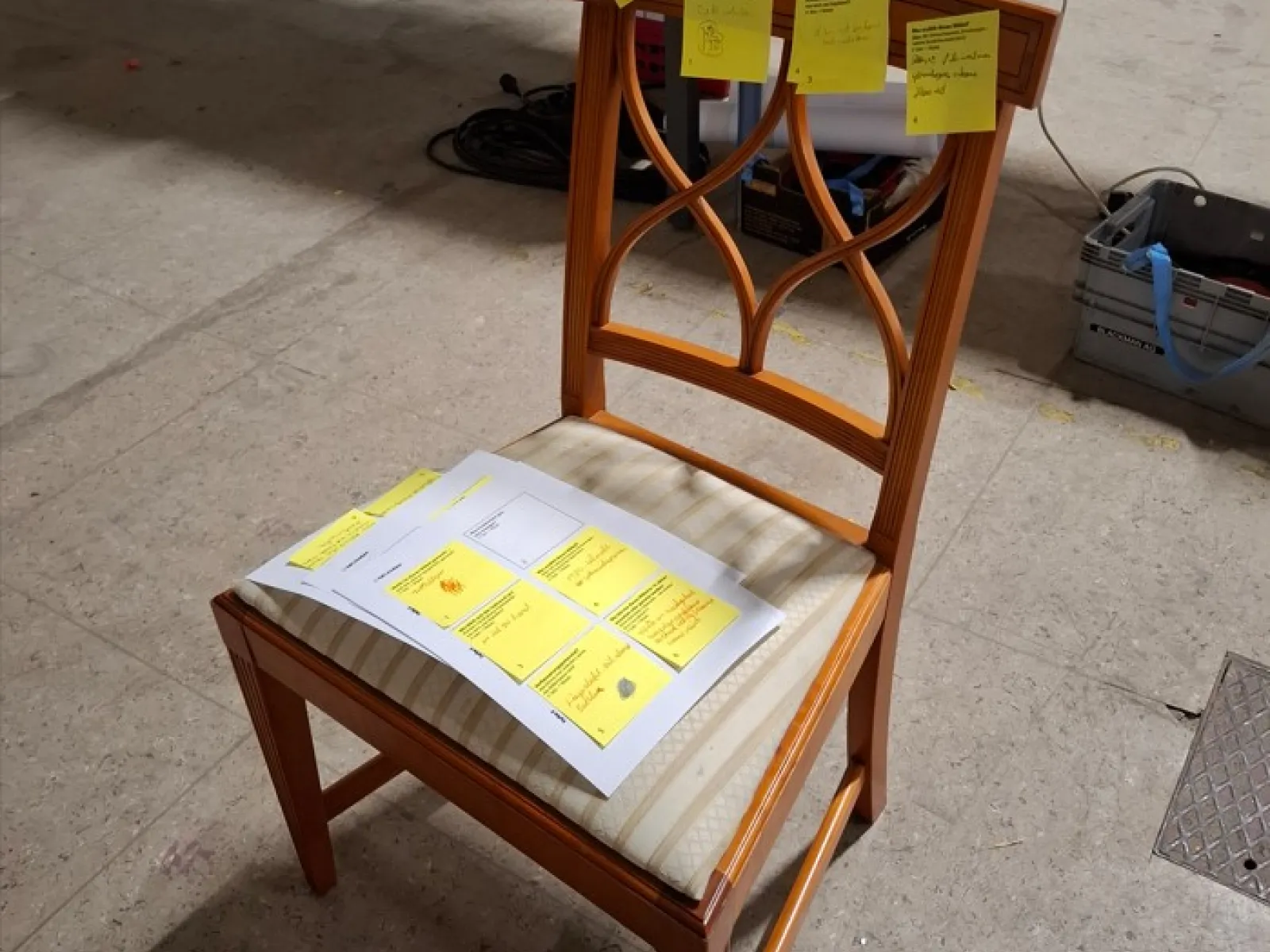
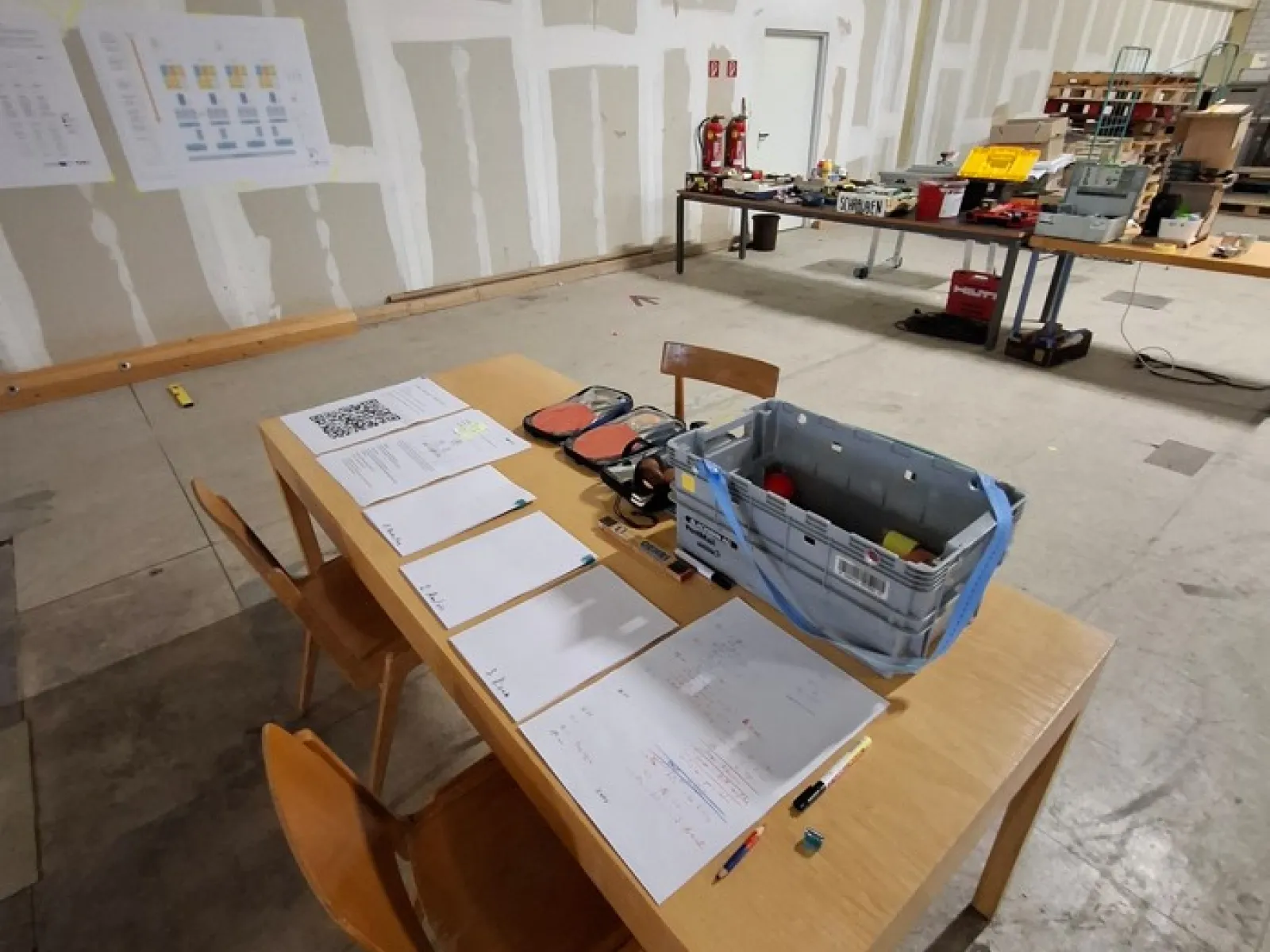
The research project Walz 4.0 at the University of Liechtenstein is developing new models of collaboration between the crafts and higher education. Its starting point is the observation that the construction industry in the Alpenrhein–Lake Constance–High Rhine region is facing several challenges: a shortage of skilled workers, increasing demands for sustainability, and the loss of artisanal experiential knowledge. At the same time, new technologies and planning tools are emerging whose potential within the craft sector has not yet been fully realised.

Walz 4.0 examines how traditional craft knowledge and modern university teaching can mutually reinforce one another. At its core lies the question of how planning, material understanding and hands-on craftsmanship can once again be more closely interlinked. The project draws on open, distributed and practice-oriented learning formats that foster exchange across professional boundaries and explore new approaches to knowledge transfer. Its aim is to shape research and training processes in ways that contribute to a resilient, climate-friendly and future-oriented building culture.
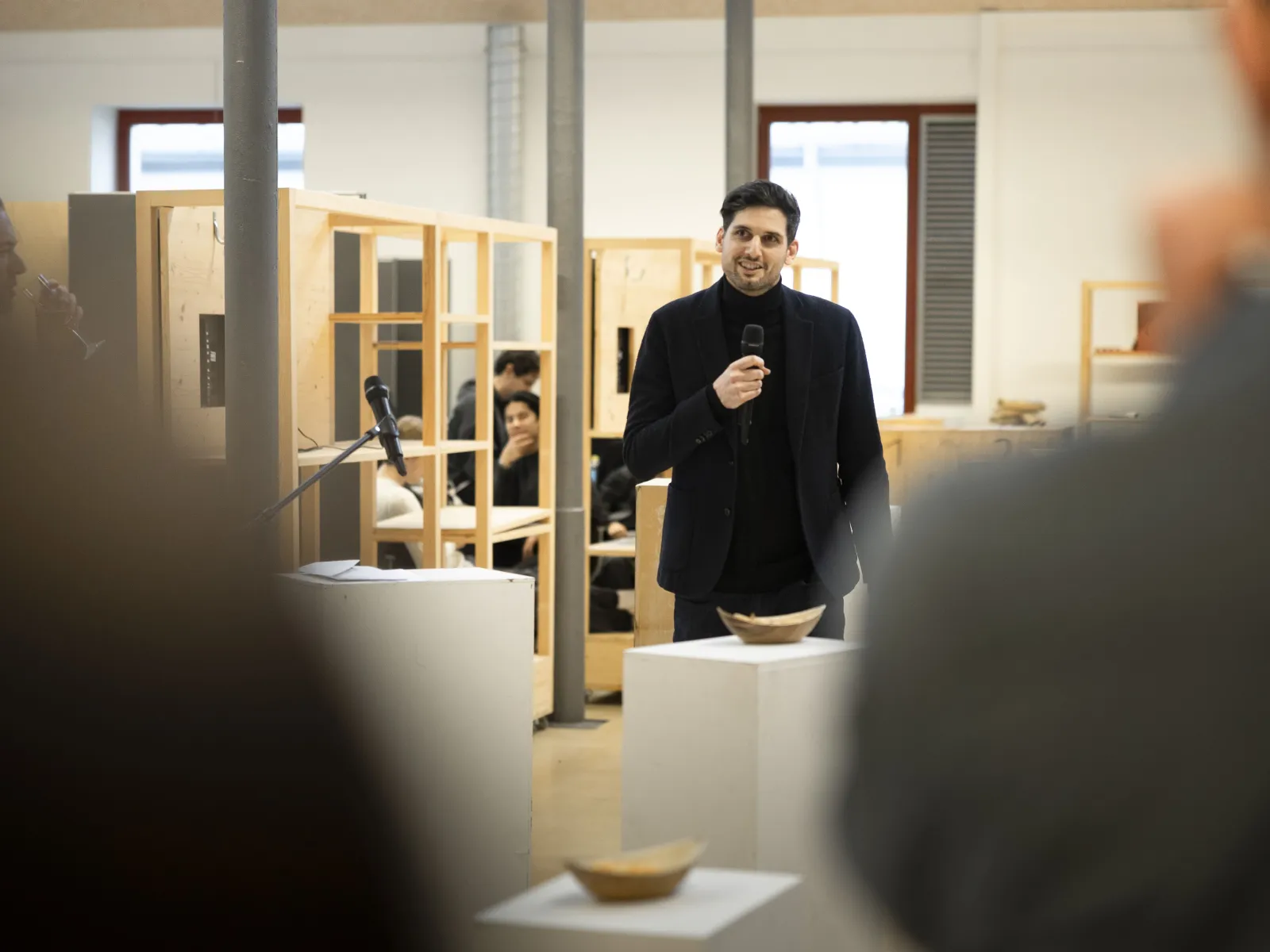
The project is led by Dr Wolfgang Schwarzmann, architect and postdoc at the Liechtenstein School of Architecture in the Craft & Structure Unit.

First Workshop: “1 Problem – 1000 Solutions”

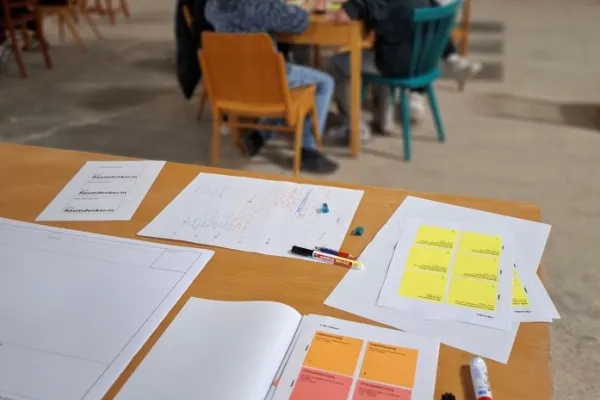
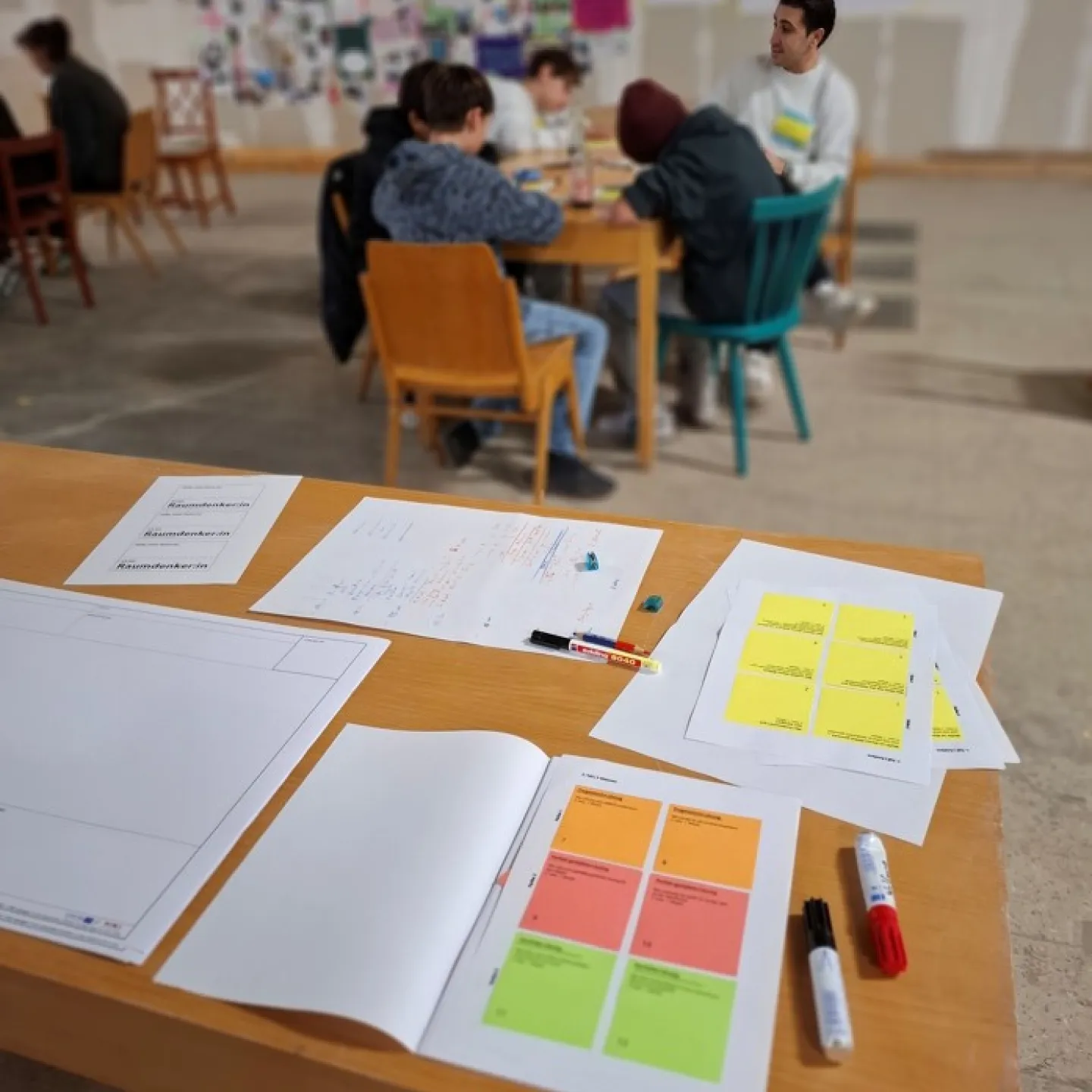
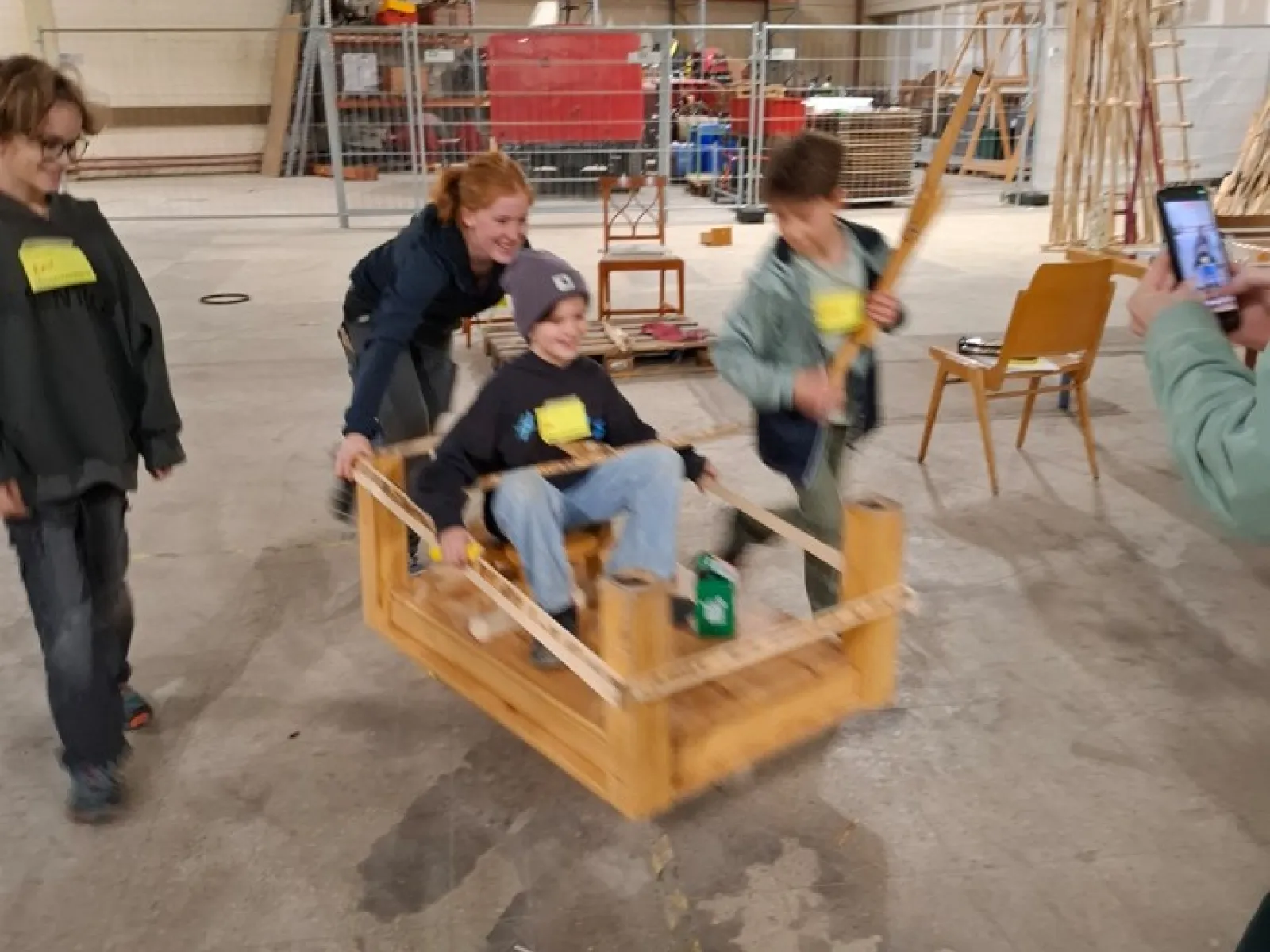
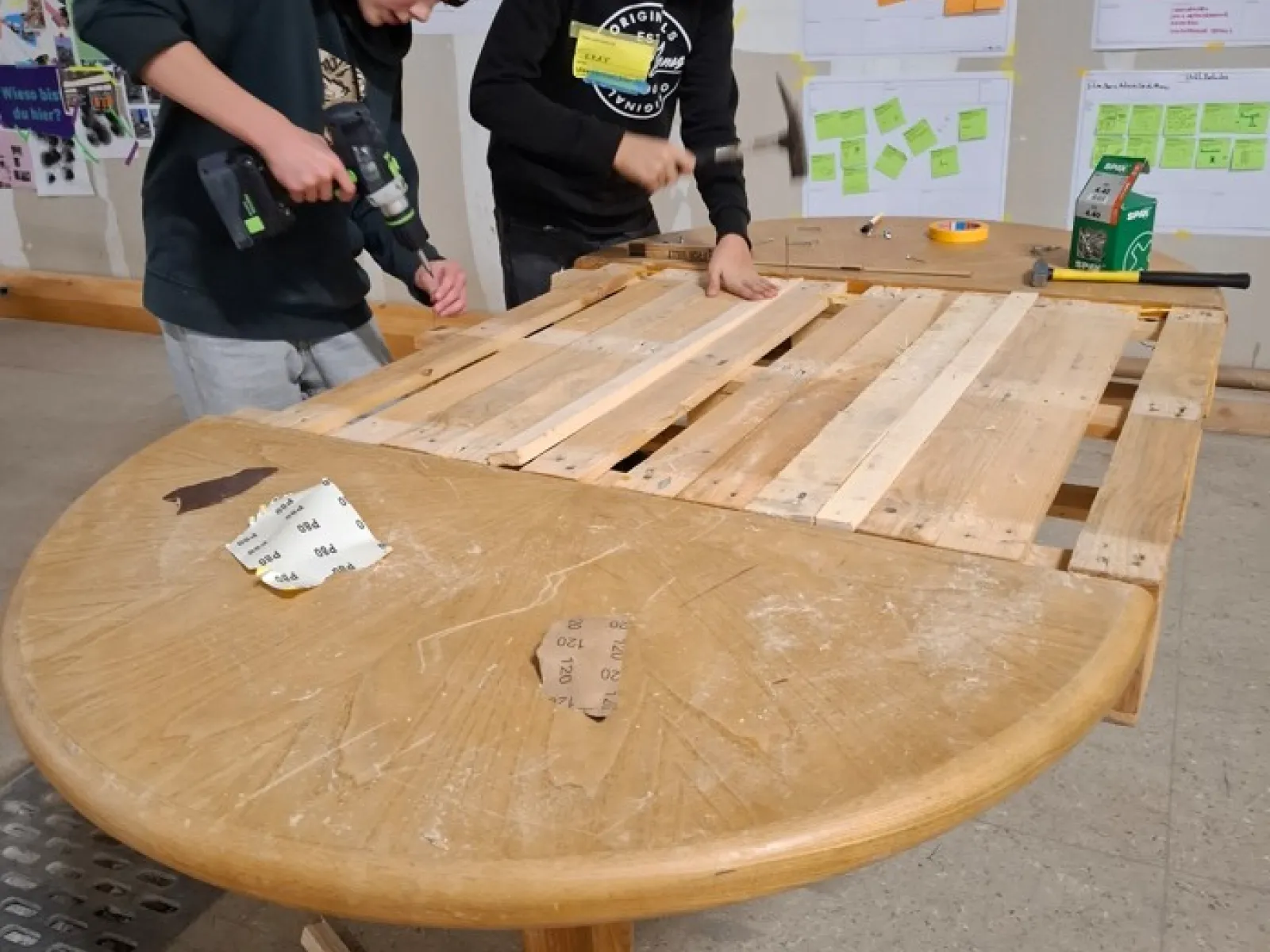
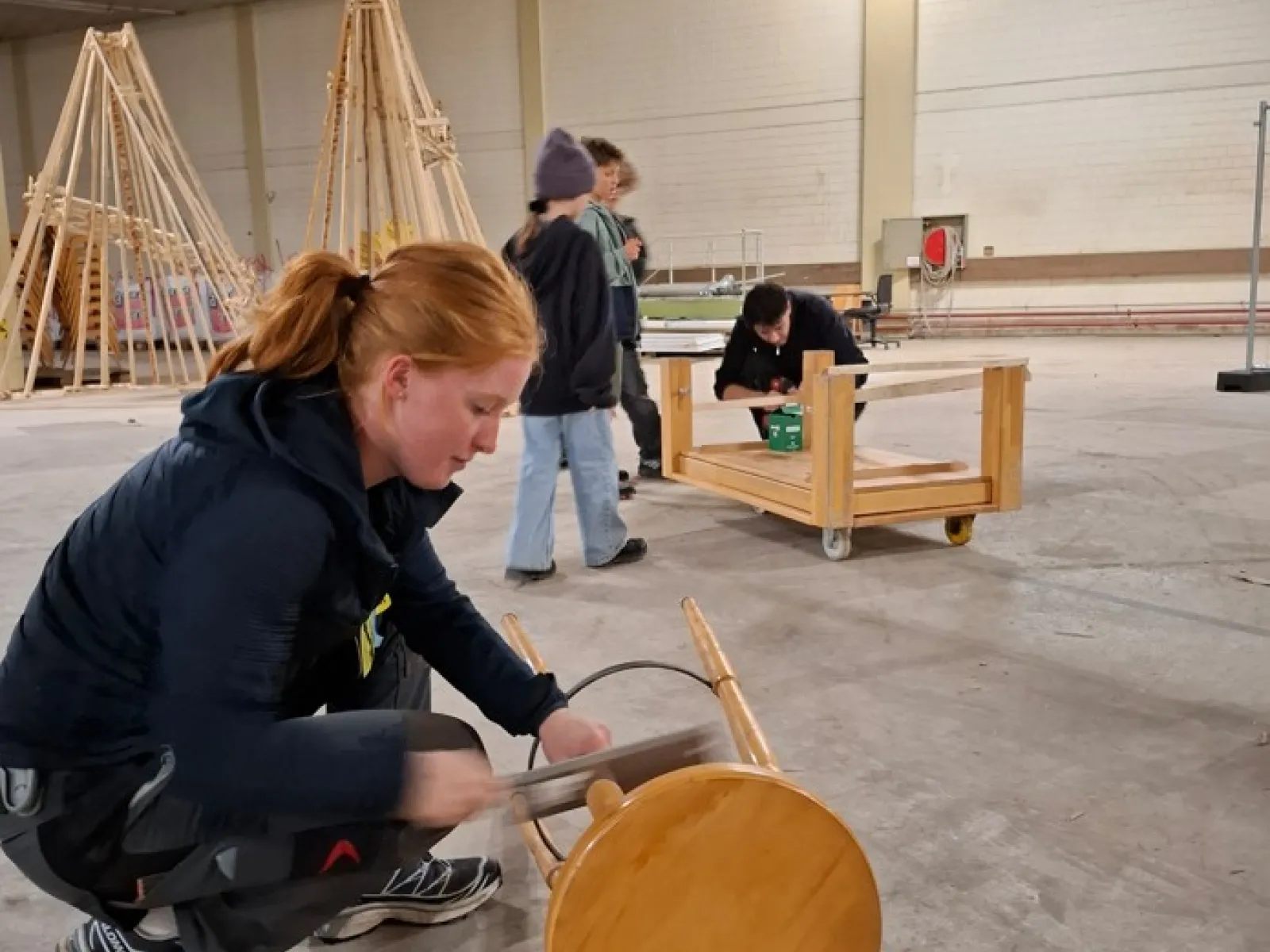
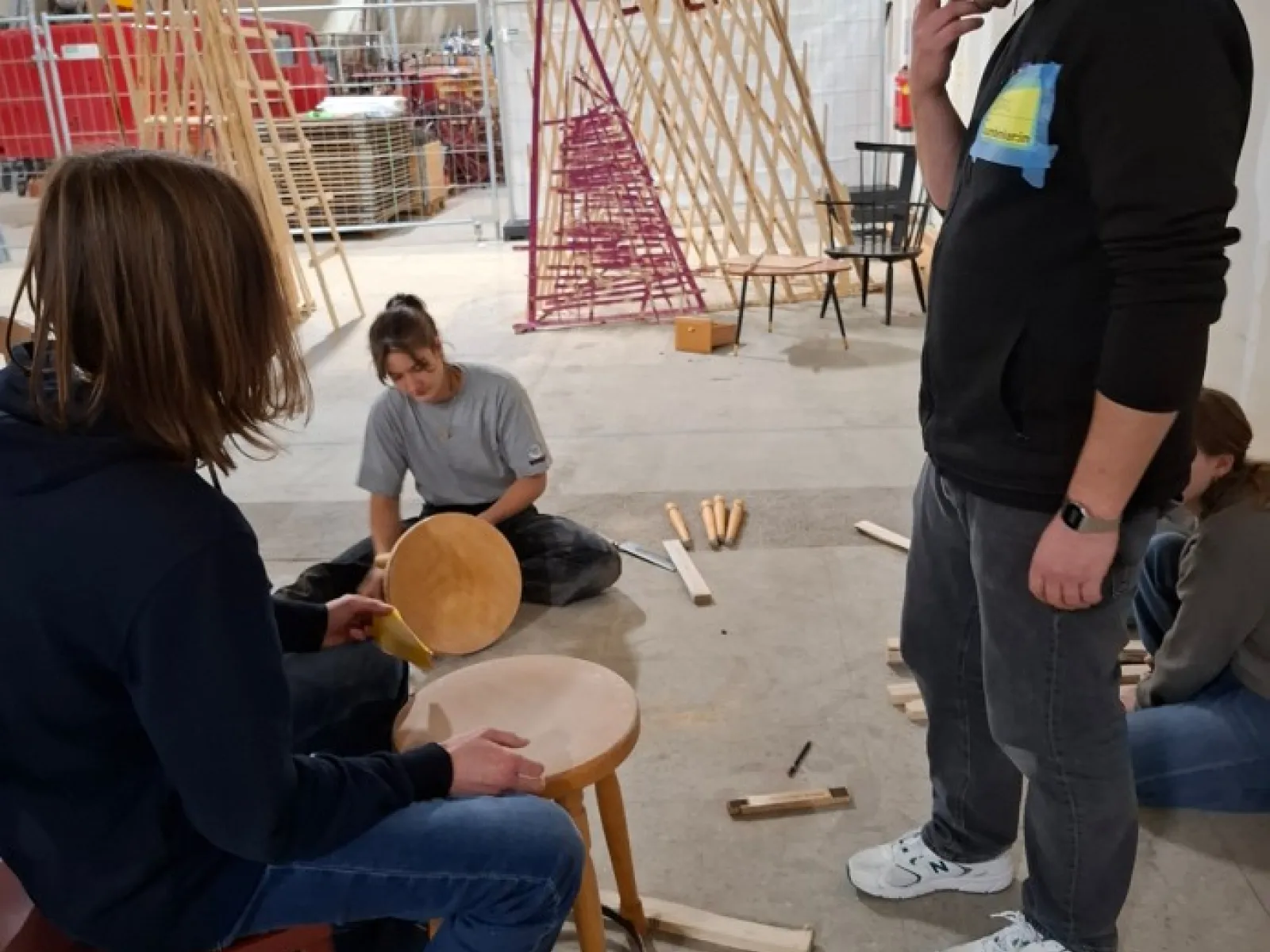
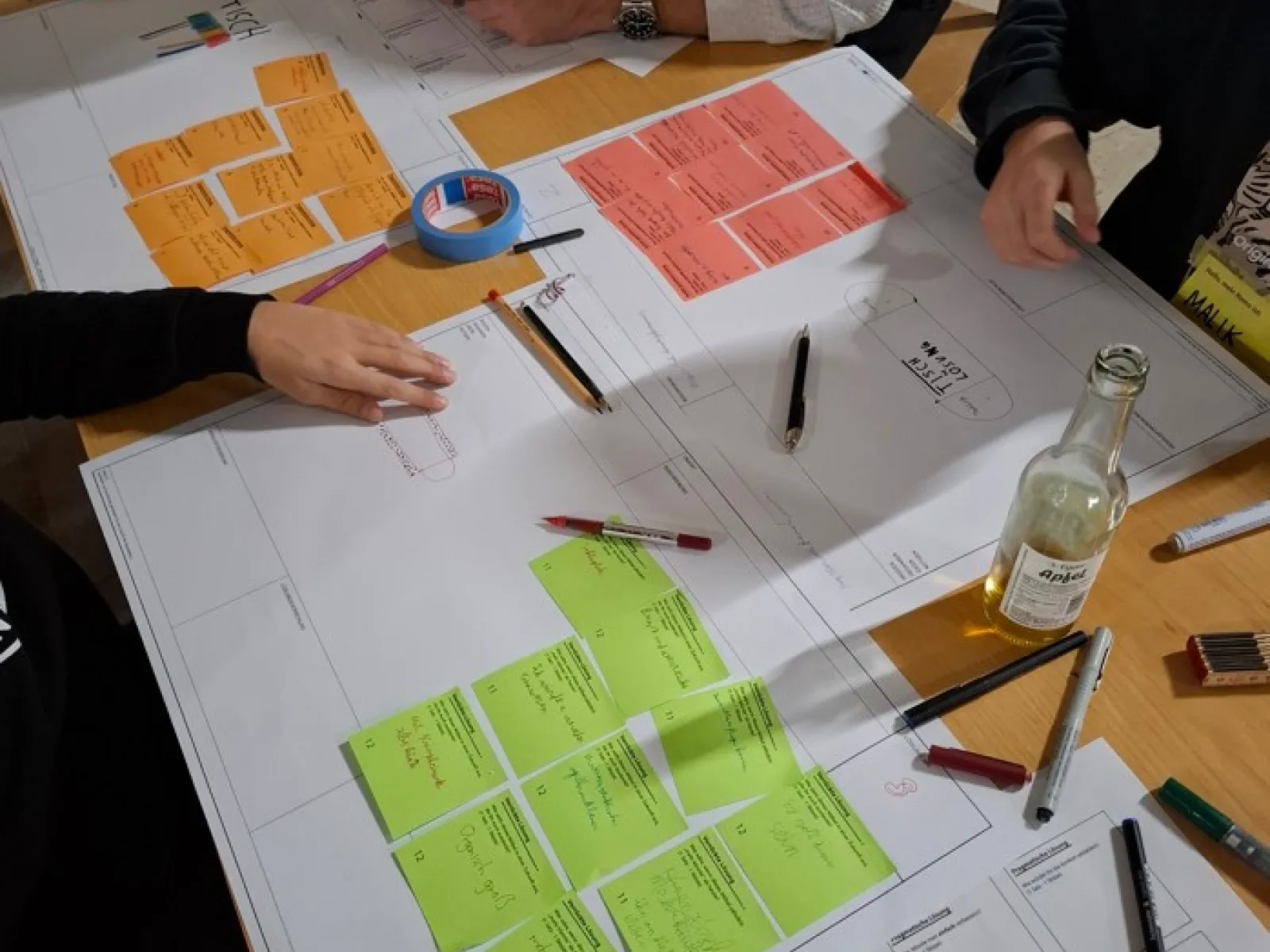
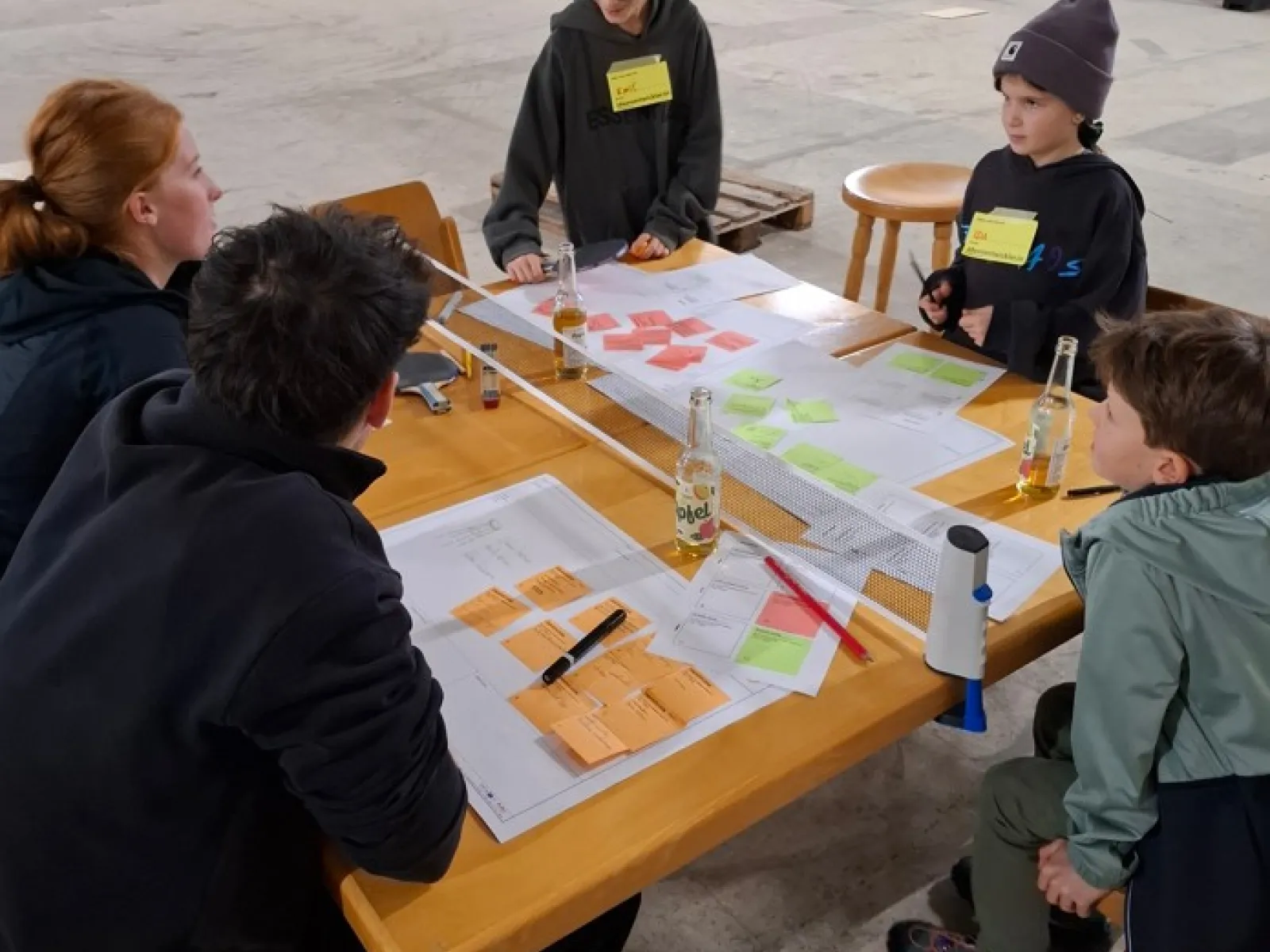
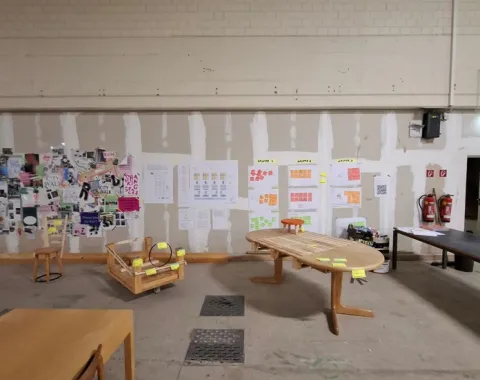
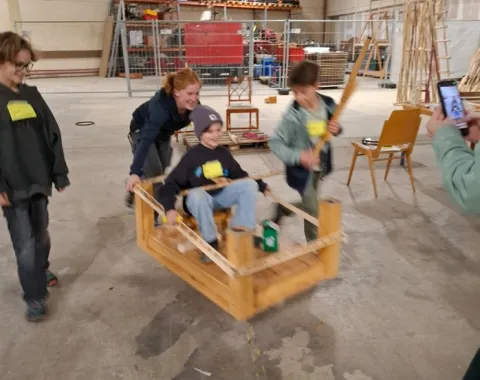
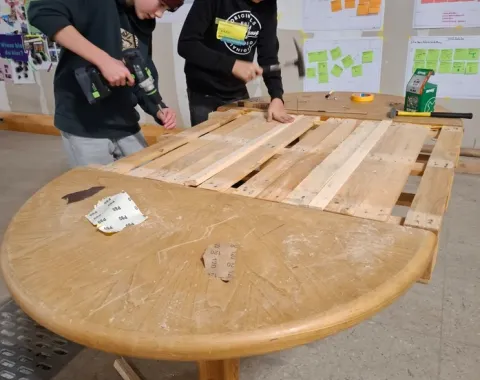
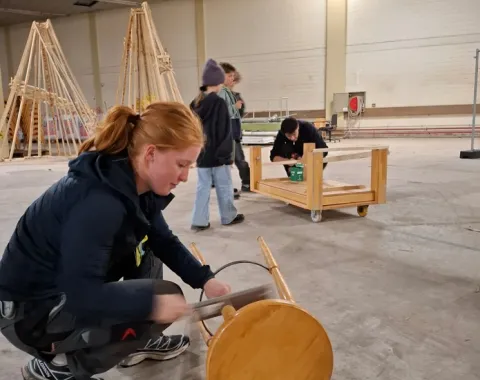
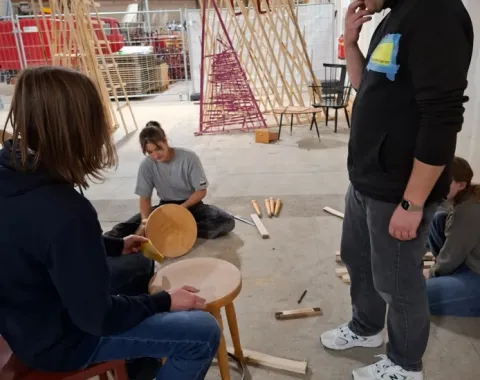
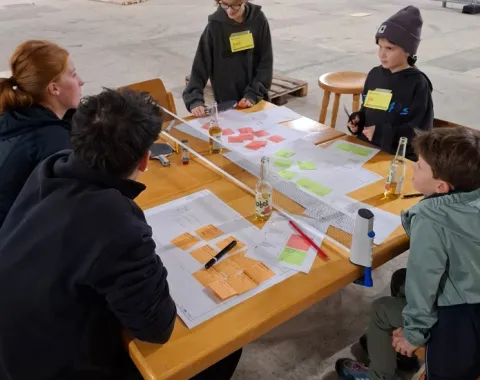
As a kick-off for the practical formats, the workshop “1 Problem – 1000 Solutions” took place on 7 November 2025 at the Designforum Dornbirn. Participants included architecture students from the University of Liechtenstein, carpentry apprentices, and young people aged between 10 and 16.

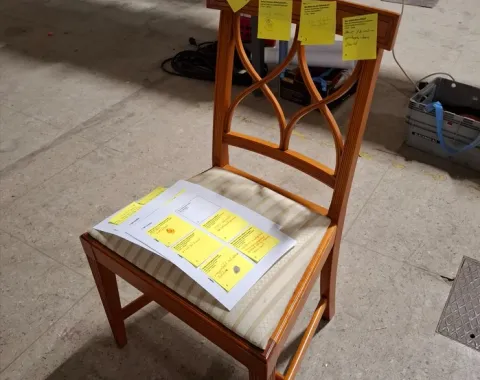
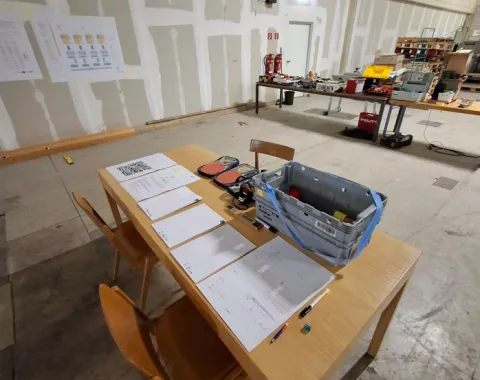
The workshop aimed to bring together diverse perspectives on design and craft practice. In mixed teams, participants developed solution approaches to simple repair and improvement tasks, implementing them in small models. The open learning environment enabled direct exchange, collaborative experimentation, and learning from one another across professional roles and age groups.

The workshop marked the beginning of a series of further formats in which Walz 4.0 will explore new pathways for career orientation, skills development and collaboration between planning and craft.

Blick auf einen Schreibtisch mit bunten Notizzetteln und Menschen, die an einem Tisch sitzen im Hintergrund

Successful completion of the ERASMUS+ project “Choir@Home”

Successful completion of the ERASMUS+ project “Choir@Home”

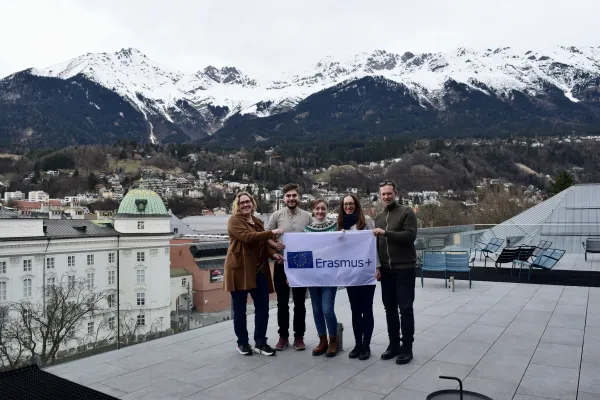
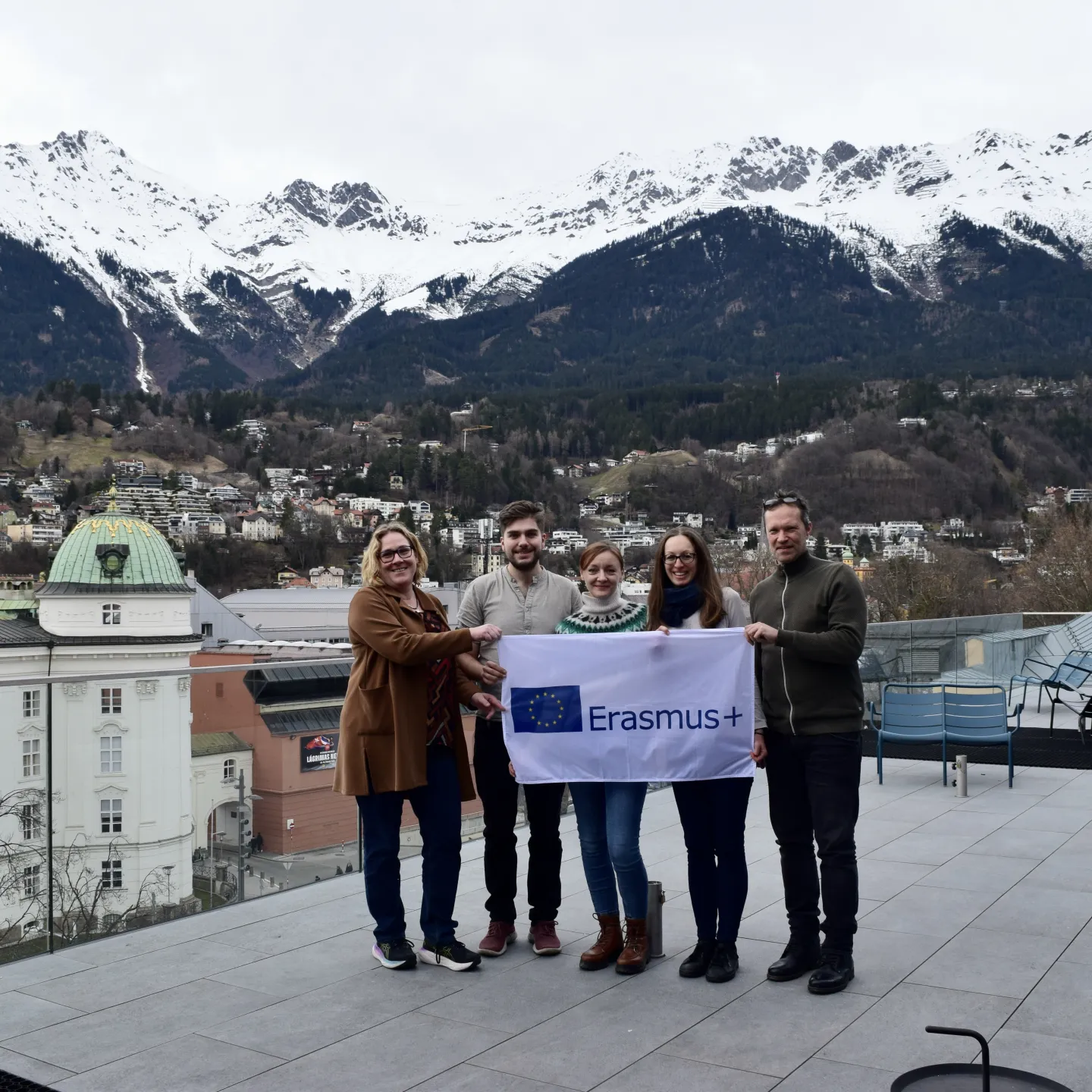
Heike Henning, Markus Rohregger, Susanne Häfner, Janine Hacker, Alexander Carôt mit Erasmus-Fahne
Heike Henning, Markus Rohregger, Susanne Häfner, Janine Hacker, Alexander Carôt

Singing brings people together – even online. In the ERASMUS+ research project “Choir@Home,” the University of Liechtenstein (Dr. Janine Hacker), in collaboration with the Mozarteum University Salzburg (Prof. Dr. Heike Henning) and Anhalt University of Applied Sciences (Prof. Dr. Alexander Carôt), investigated how singing together can take place in virtual spaces and be reimagined. 

The COVID-19 pandemic has demonstrated the importance of digital alternatives in the cultural sector. While some choirs successfully made the transition to digital, others struggled with technical hurdles or a lack of social interaction. This is exactly where the Choir@Home project came in: the aim was to enable choirs to rehearse digitally and to create new educational concepts and social conditions for effective collaboration in virtual space. An international online laboratory choir tested the developed concepts in over 30 online choir rehearsals and performed five virtual concerts. Direct feedback from participants helped to continuously improve the concepts. At the same time, the results were made available to a wide audience via social media, press articles, information events, and scientific publications. In addition, teaching materials were developed for the implementation of individual online choir projects.

The project achieved all of its goals—and even exceeded many of them. It created a comprehensive knowledge base on suitable digital tools, developed practical guidelines for choir directors and choirs, and proved through online rehearsals that singing together can also be lively and socially connecting in a digital setting.

The Choir@Home project shows how digital choir singing can be successful – not as a substitute for singing in person, but as a complement to it. It opens up new opportunities for musical participation and digital inclusion and provides choirs, educators, and cultural institutions with valuable materials and solutions for the future.
The results of the project are available on the project website: https://choirathome.com/index.php/results/

The video for the Christmas carol “Bell Carol” by the online lab choir can be viewed on YouTube: https://youtu.be/zOAHHX6A8p0?si=B7tVT7Zi8gwNi8Hx


[1] The research project “Online Choirs: How to carry out virtual choir rehearsals with the help of digital tools” was funded under Key Action 2 (Cooperation Partnerships) of the European Union's ERASMUS+ program (project no.: LI01-KA220-HED-000086928).
Heike Henning, Markus Rohregger, Susanne Häfner, Janine Hacker, Alexander Carôt mit Erasmus-Fahne
Heike Henning, Markus Rohregger, Susanne Häfner, Janine Hacker, Alexander Carôt
Subscribe to