Skip to Main Content

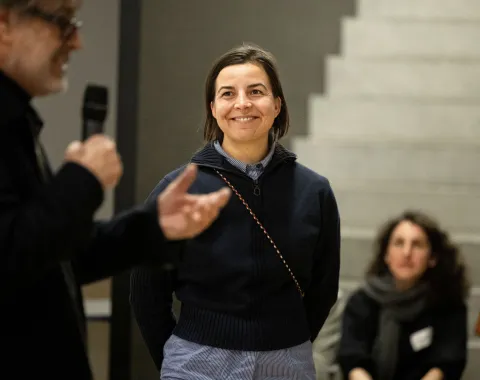
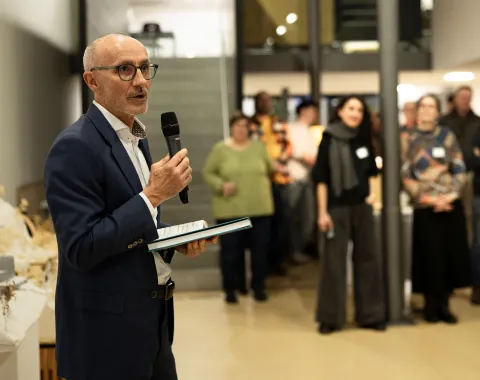
Dr. Adrian Klammer achieved the highest academic qualification — the Habilitation

Dr. Adrian Klammer achieved the highest academic qualification — the Habilitation

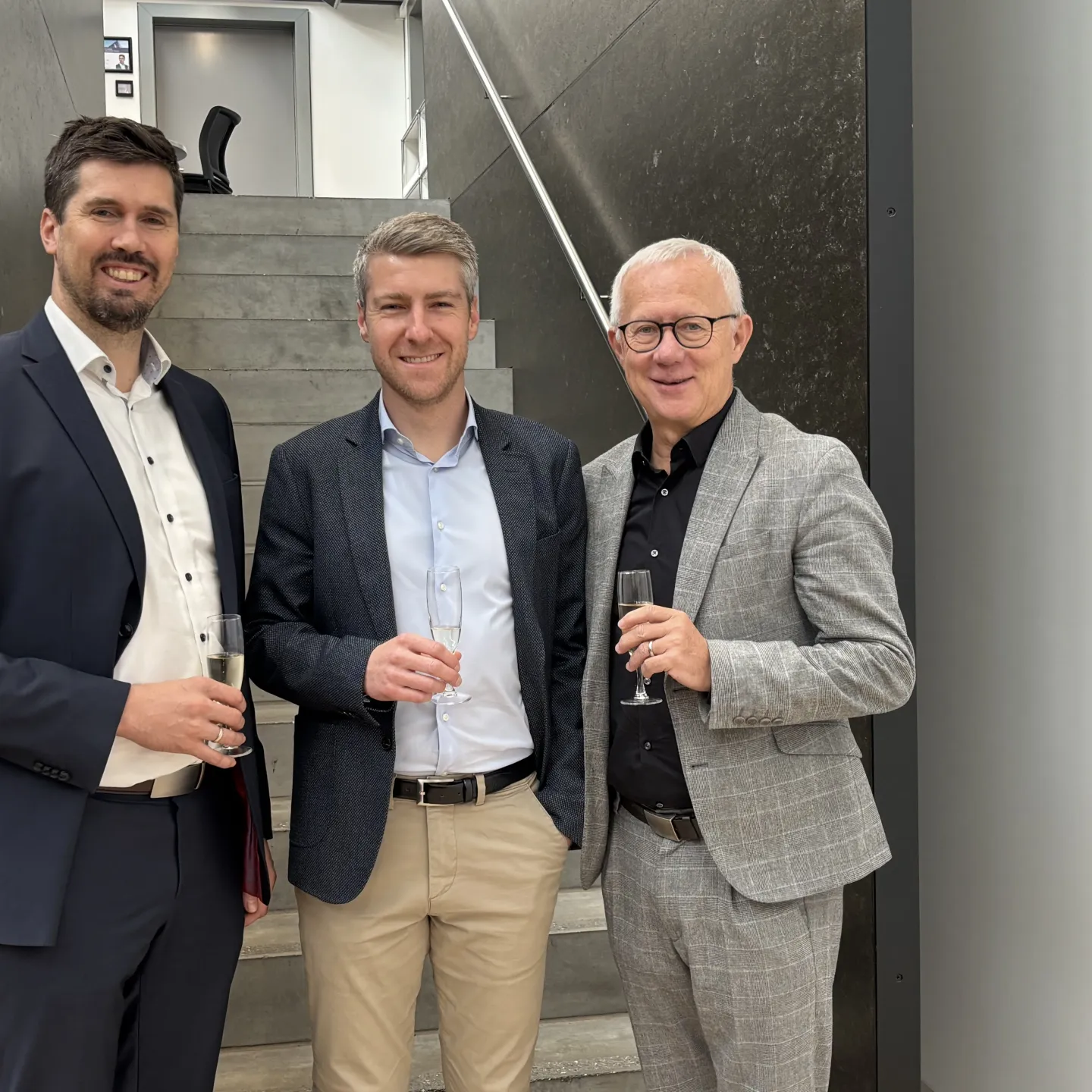
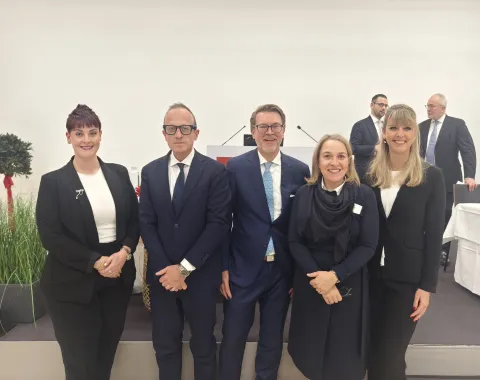
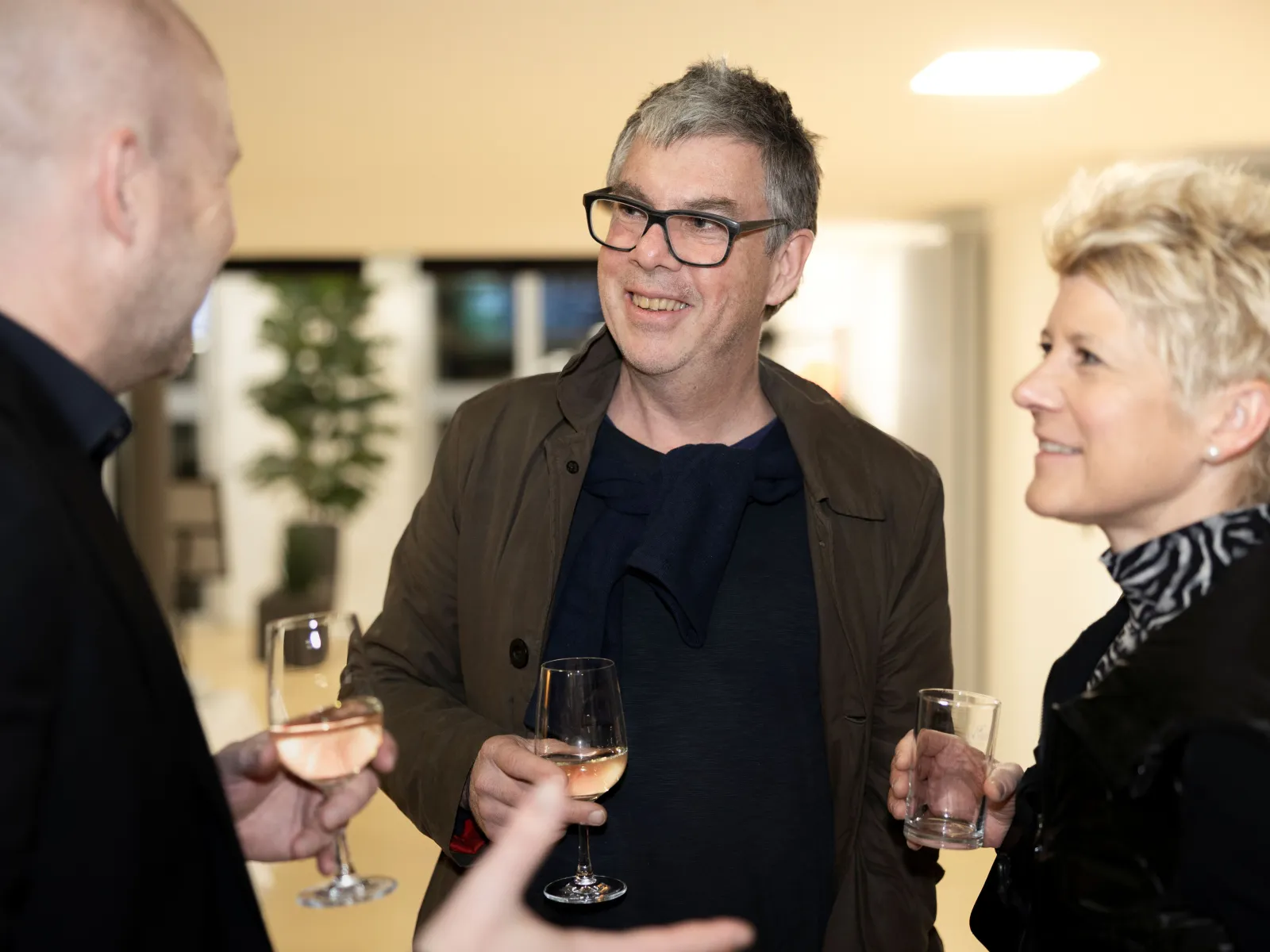
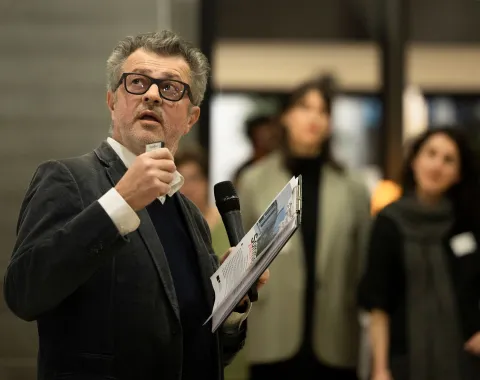
Martin Angerer, Adrian Klammer und Leo Brecht

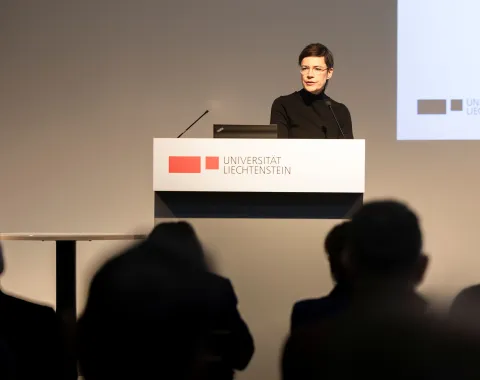
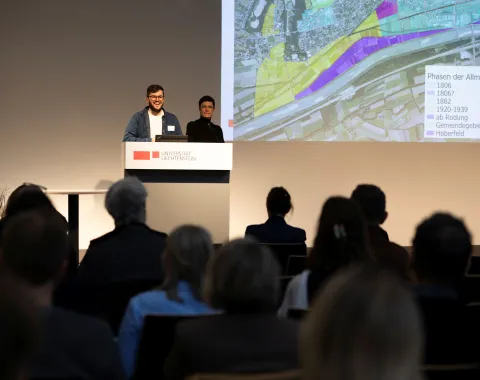
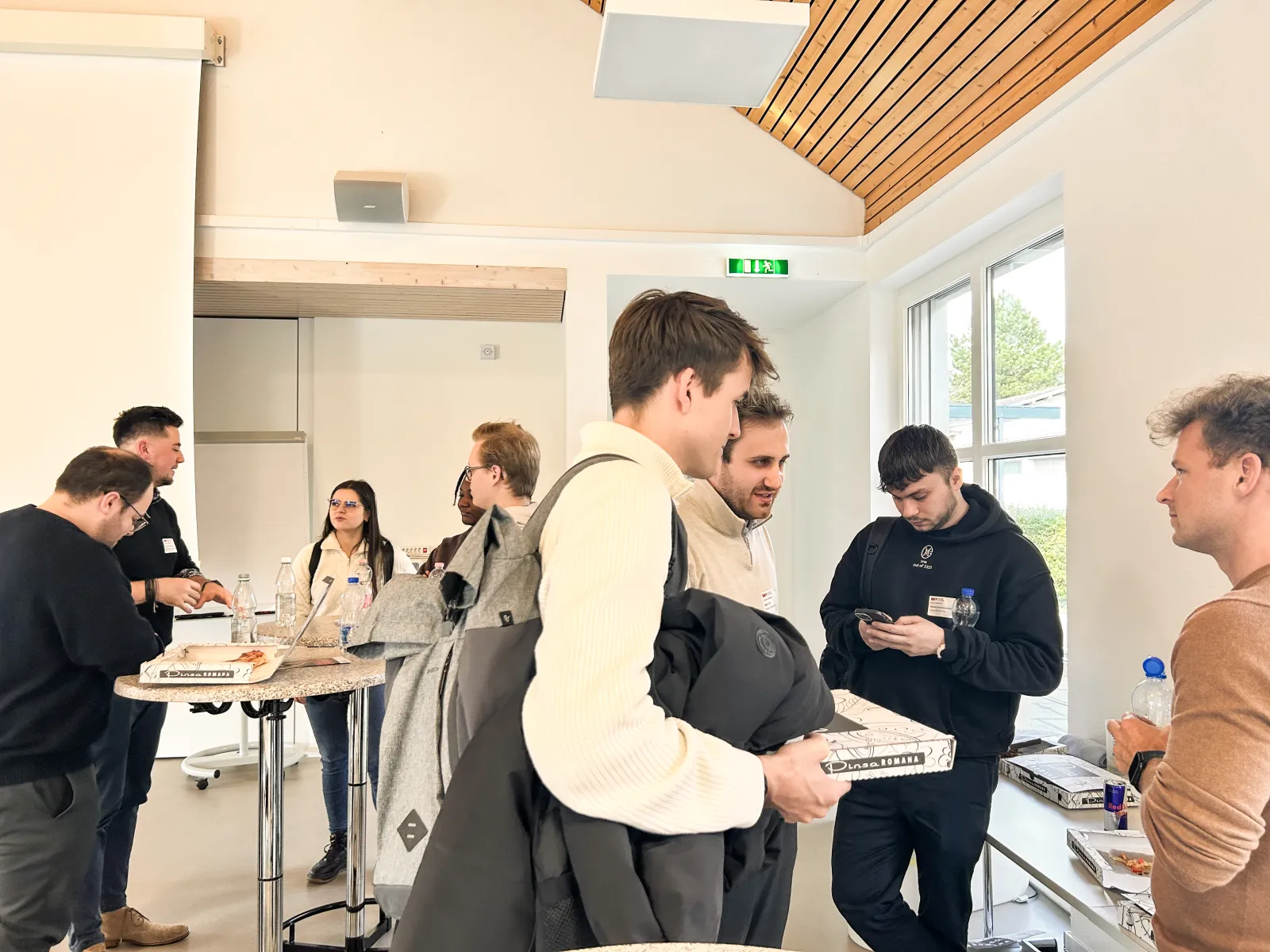
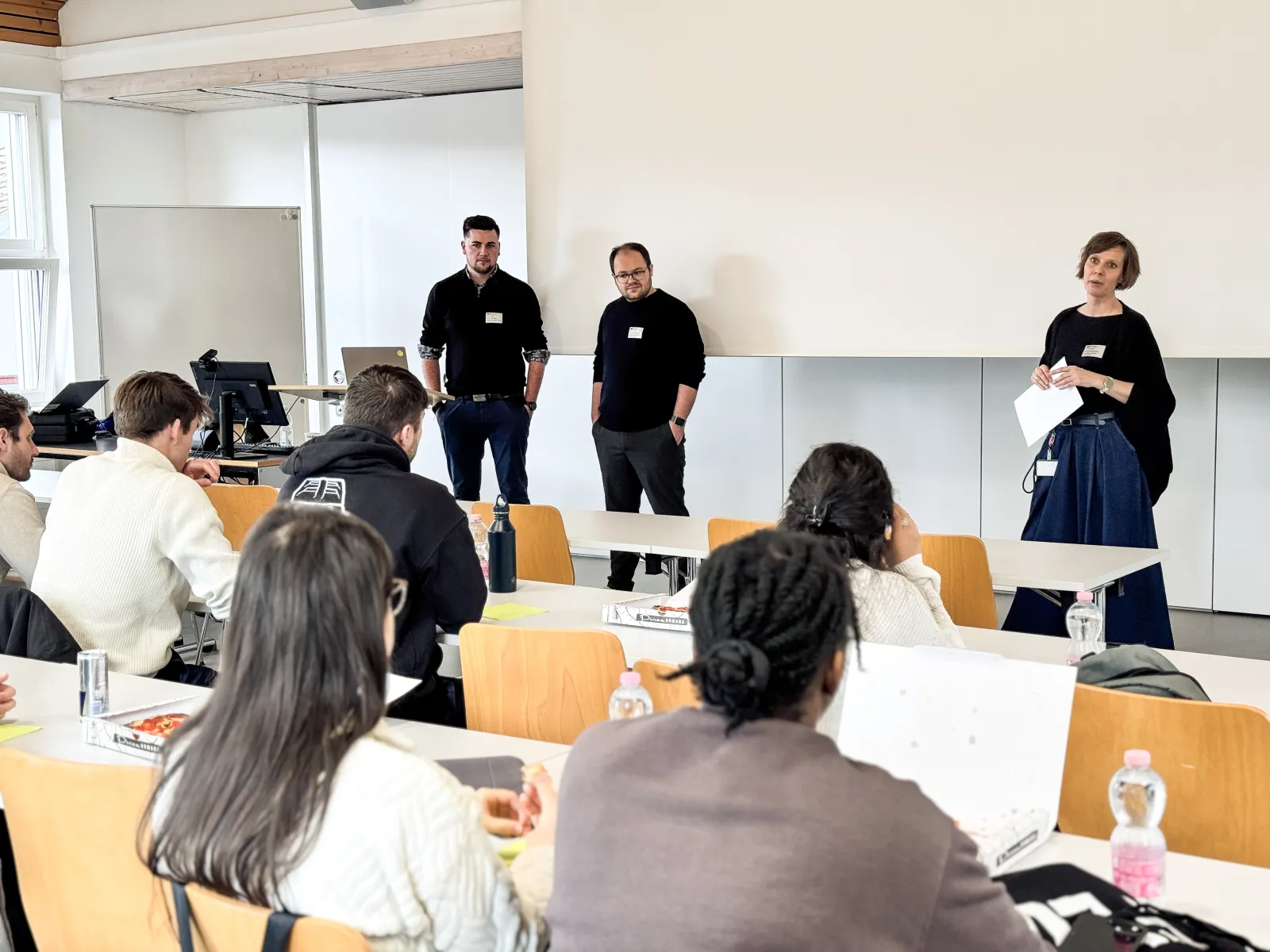
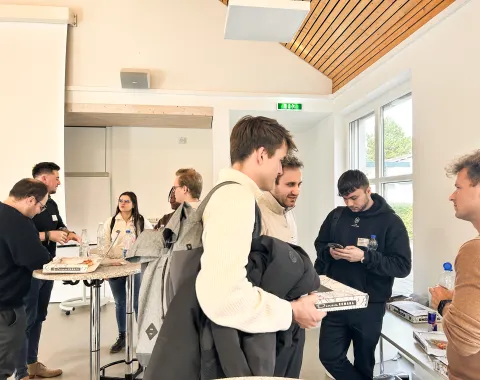
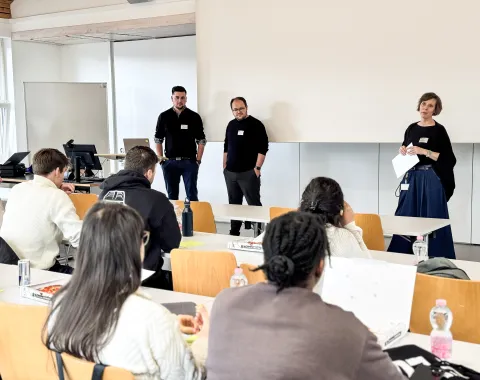
Adrian’s research talk addressed learning and unlearning in coopetition between startups and incumbents, based on a qualitative study. His research shows how both startups and established firms must let go outdated routines and assumptions to collaborate and compete effectively, demonstrating how unlearning enables organizations to adapt and innovate. In addition, he delivered an inspiring student lecture on storytelling in marketing, combining theory and practice in a way that created exceptional value for the participants.

Prof. Martin Angerer acted as chair of the committee, joined by Prof. Jan Mendling, Prof. Dr. Marco Furtner, Prof. Francesco Schurr, and Prof. Dr. Leo Brecht as committee members, together together with representatives from the academic middle management and from the student body Marie Scheuffele, Maximilian Haage. In addition, Leo Brecht served as Adrian’s mentor, guiding and supporting him on his path toward achieving his habilitation.

Martin Angerer, Adrian Klammer und Leo Brecht

17th Liechtenstein Foundation Law Conference: «Legal Challenges in Foundation Structures»

17th Liechtenstein Foundation Law Conference: «Legal Challenges in Foundation Structures»

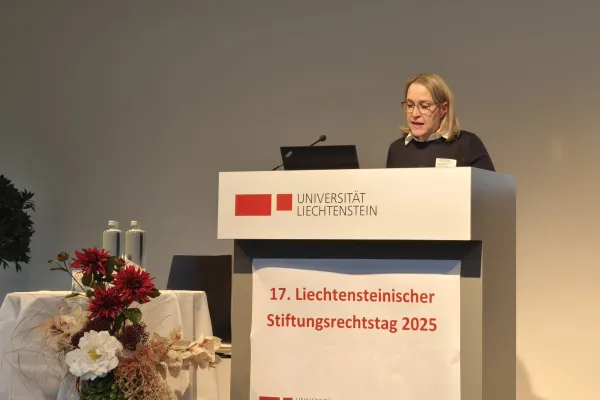
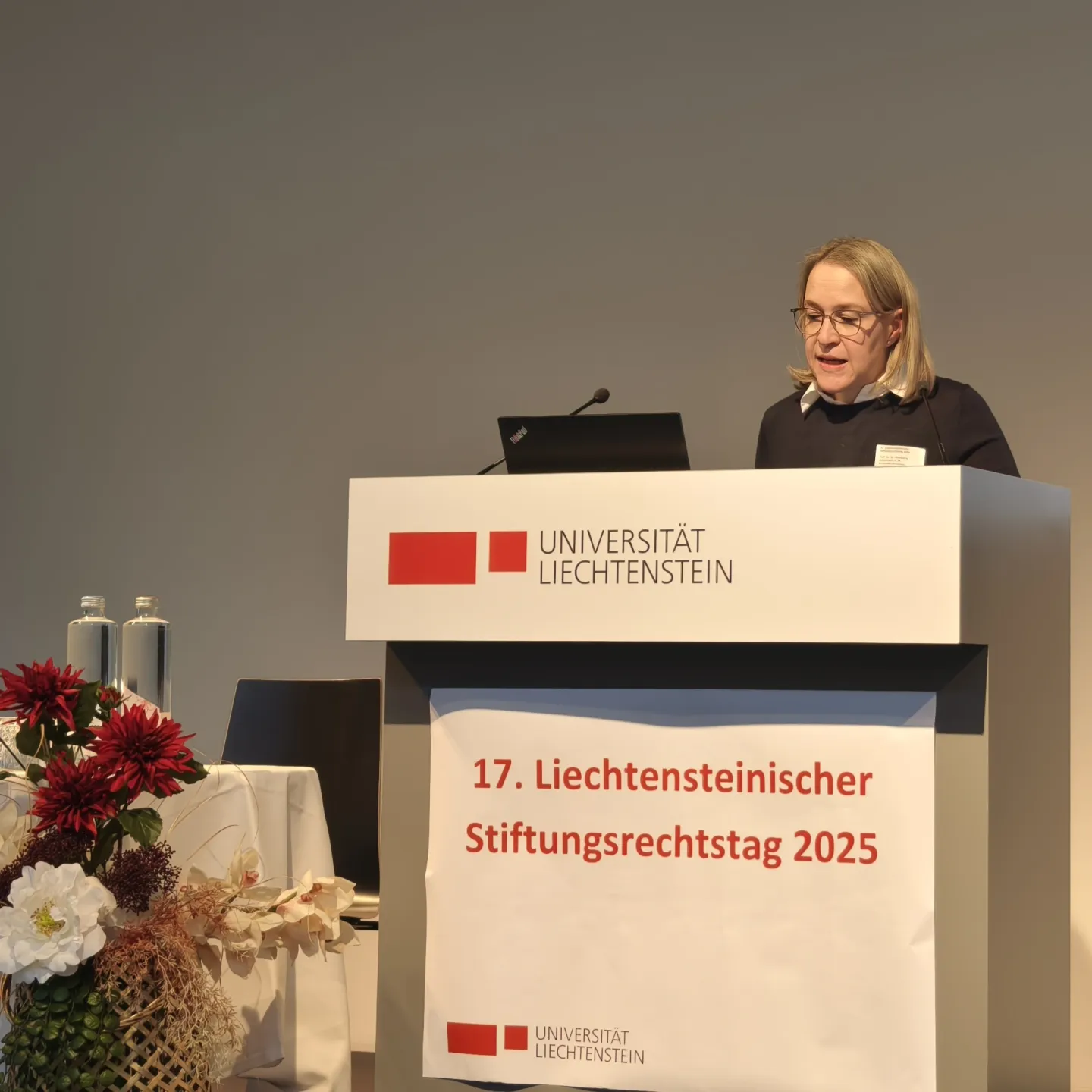
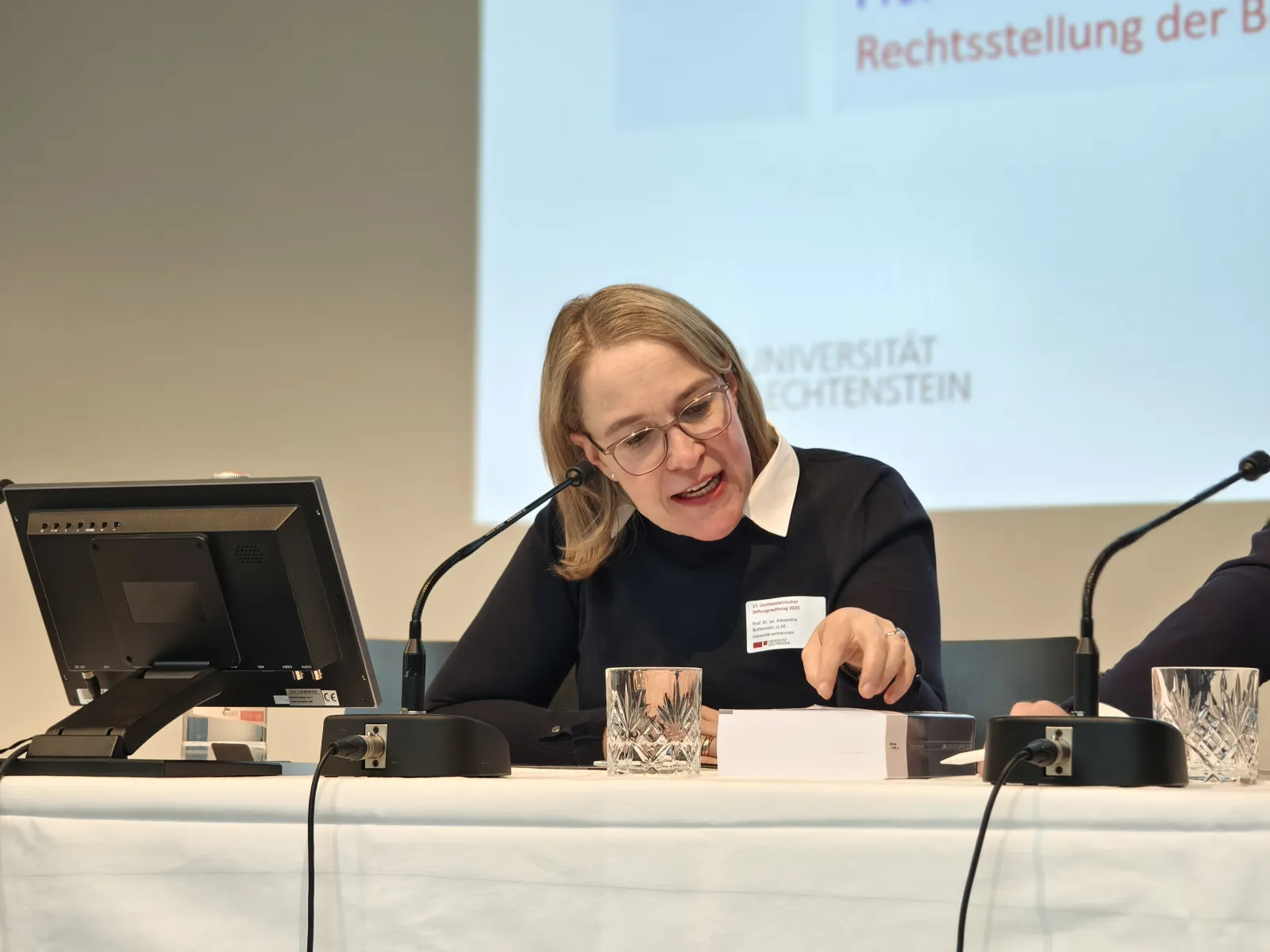
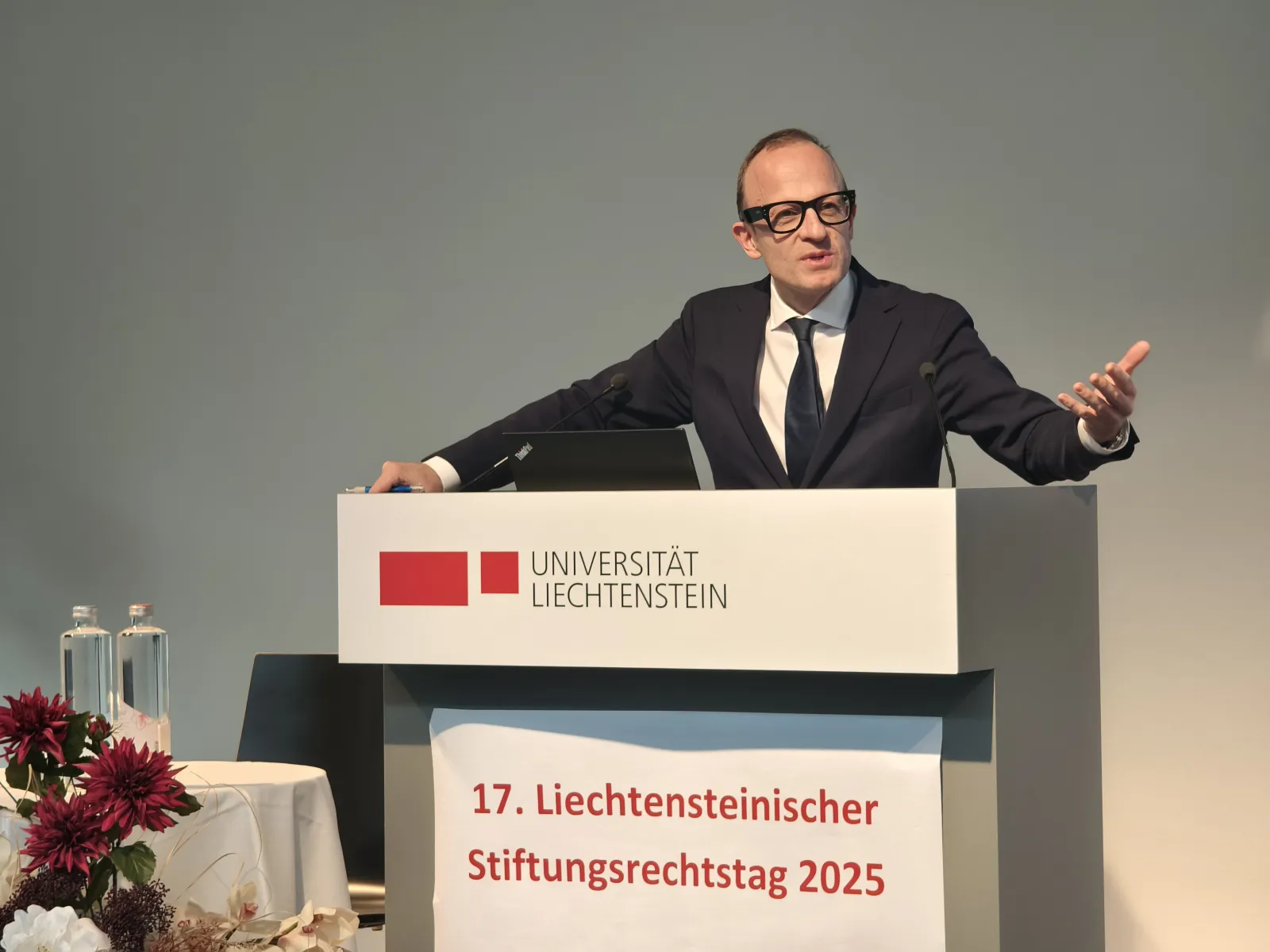
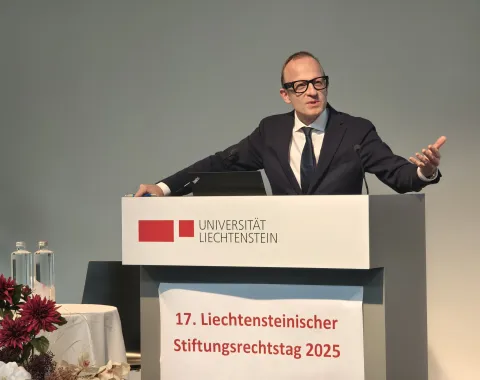
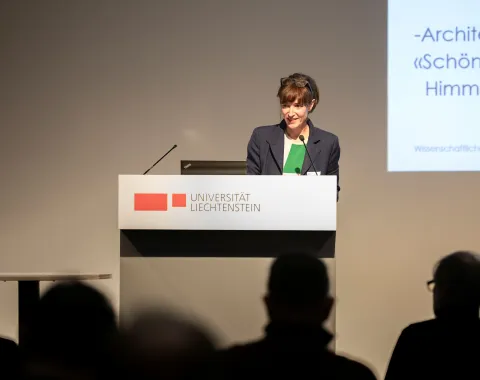
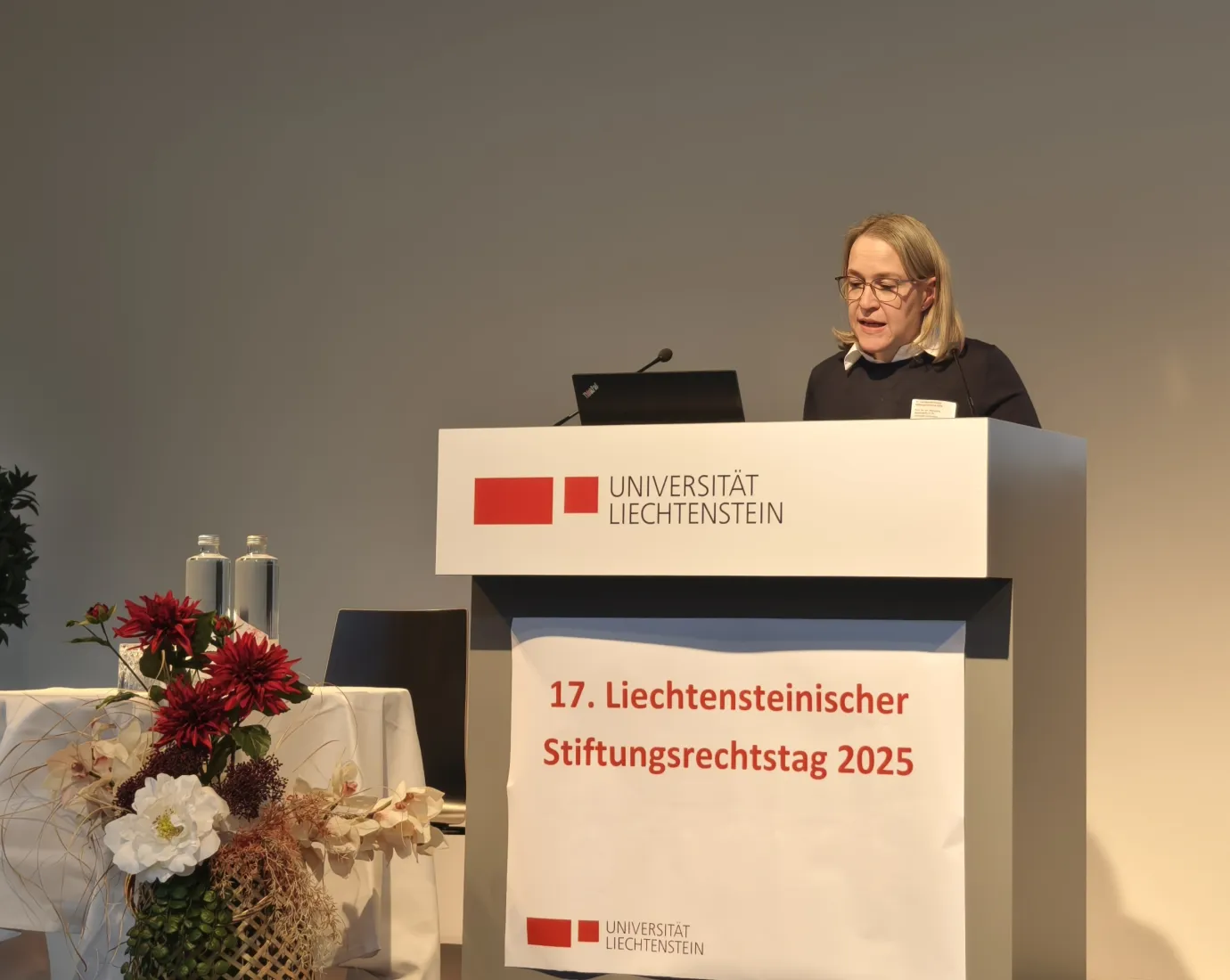
Prof Butterstein am Rednerpult

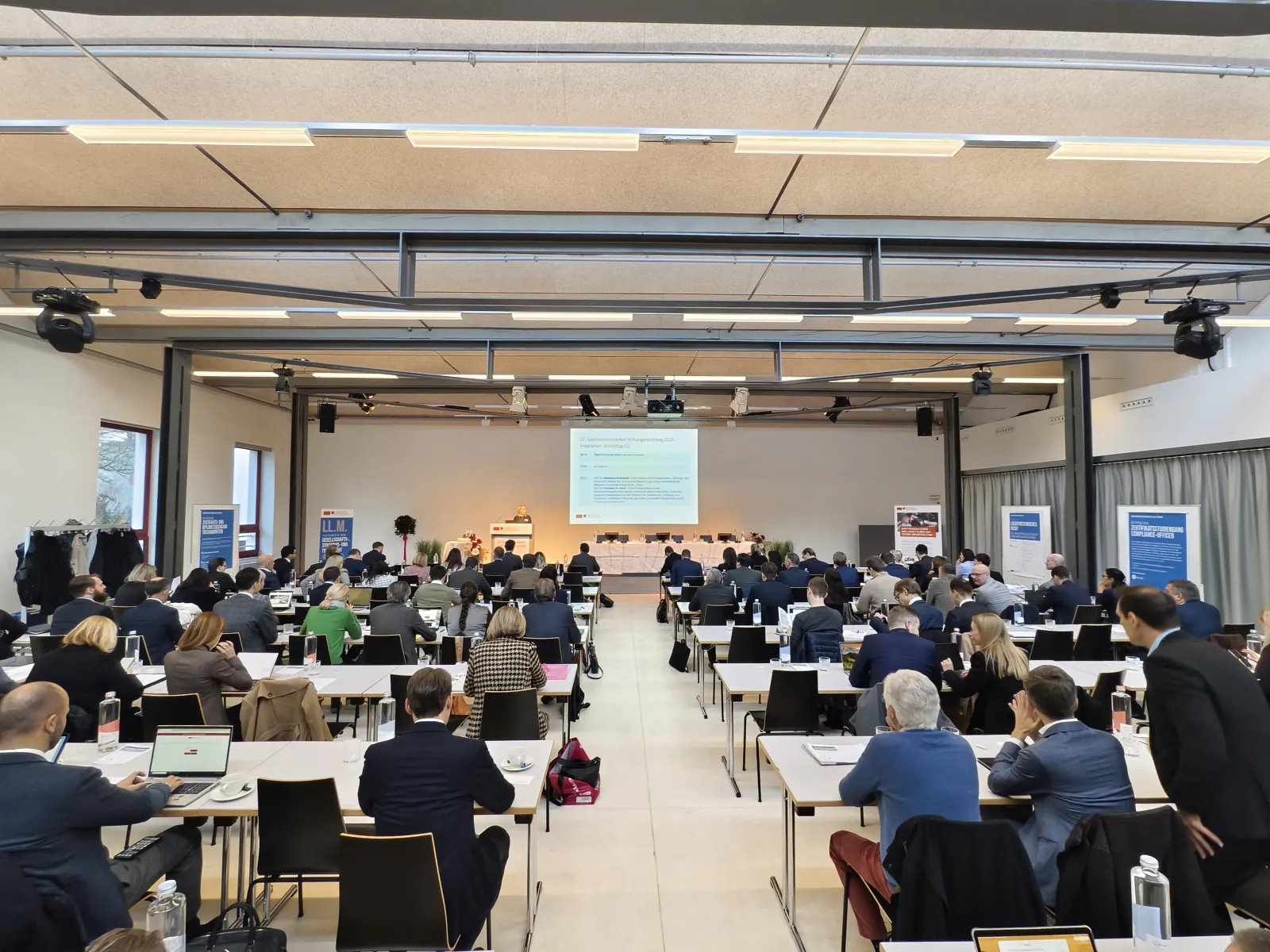
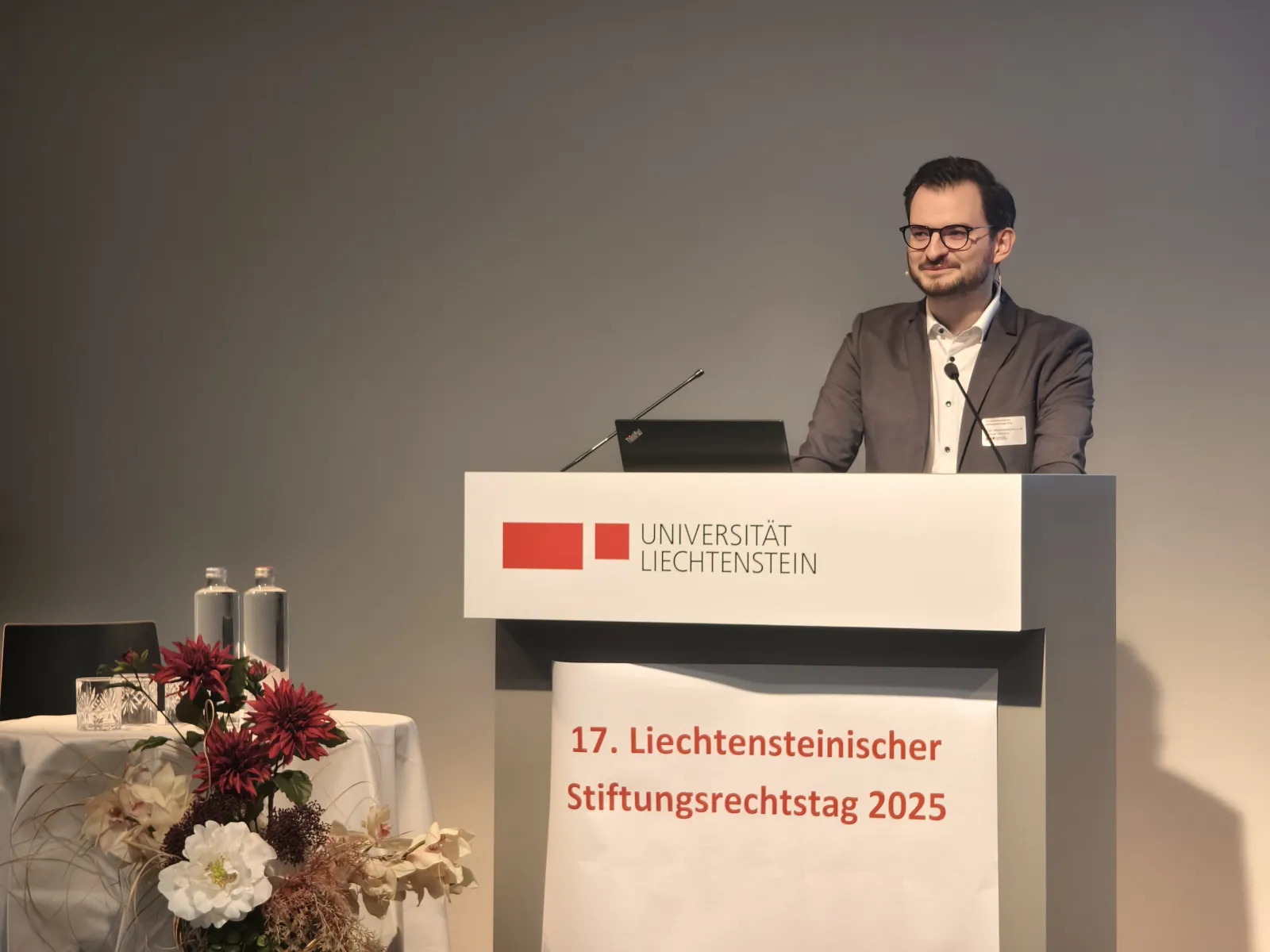
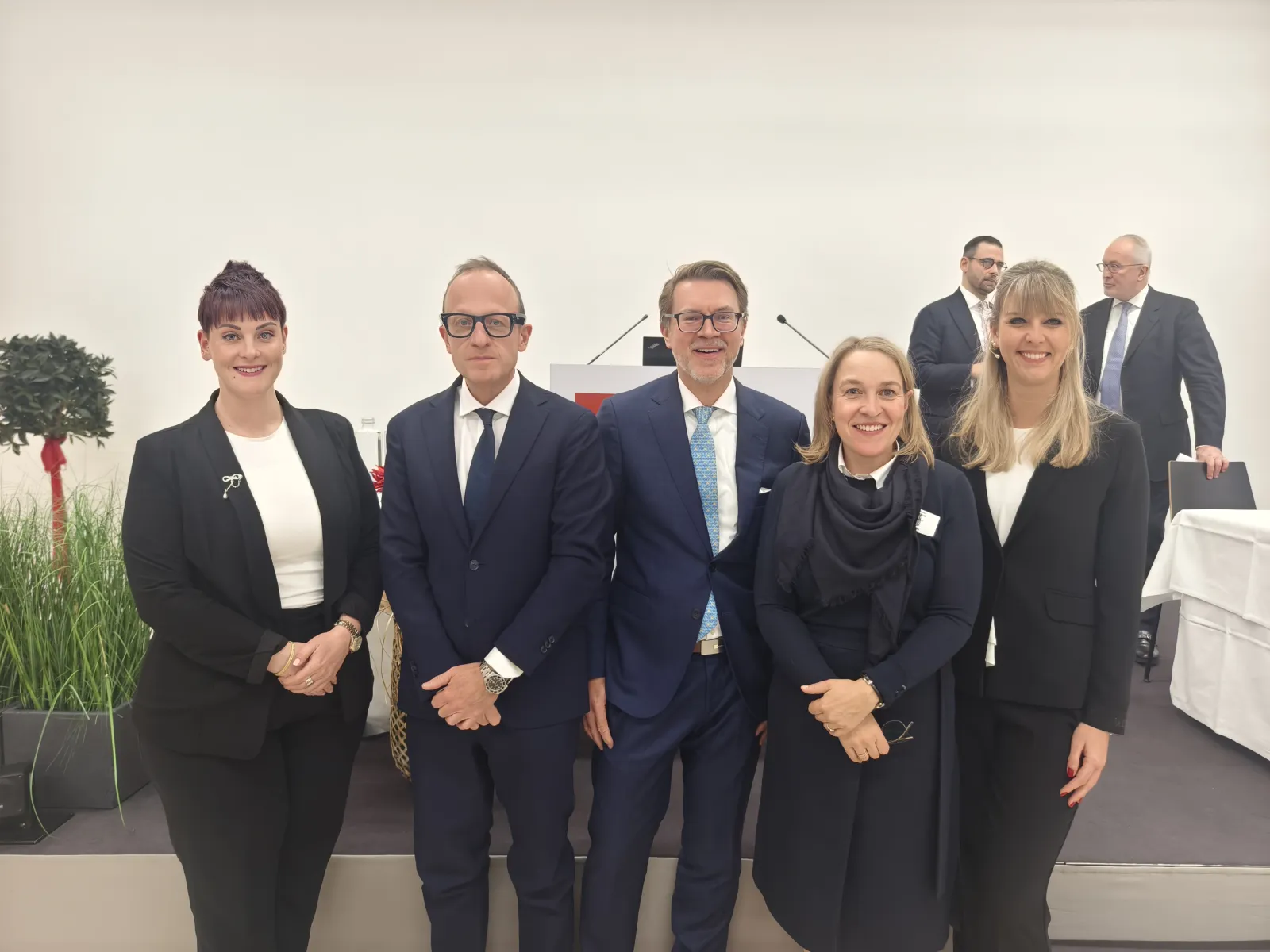
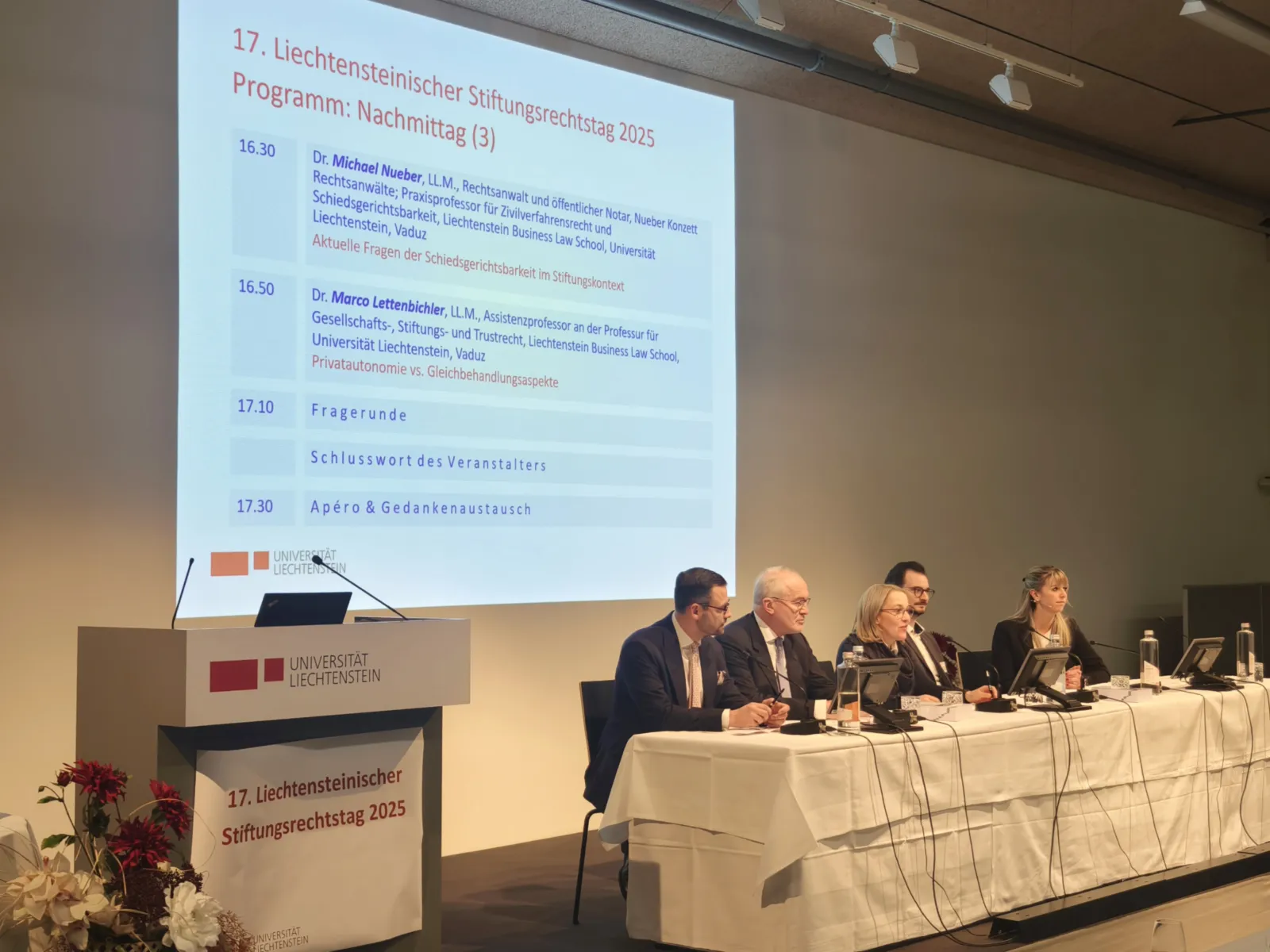
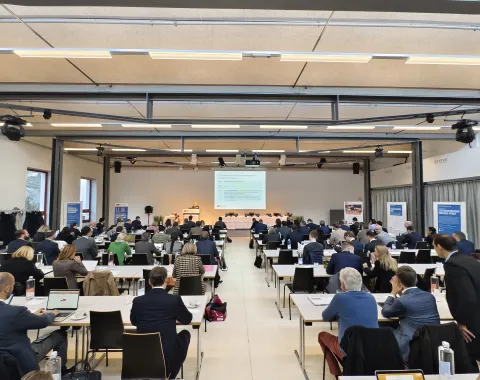
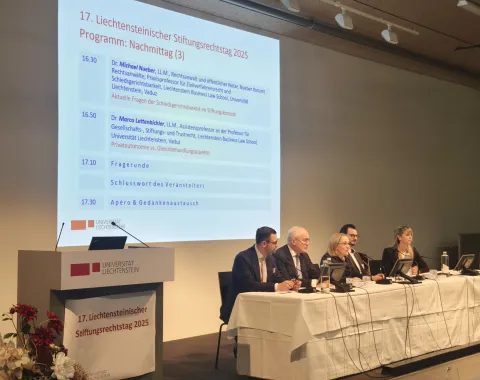
On 2 December 2025, the Professorship of Company, Foundation and Trust Law hosted the 17th Liechtenstein Foundation Law Conference and welcomed around 120 participants to the Auditorium of the University of Liechtenstein. This year, recognised experts from Liechtenstein and abroad examined current legal challenges in foundation structures.


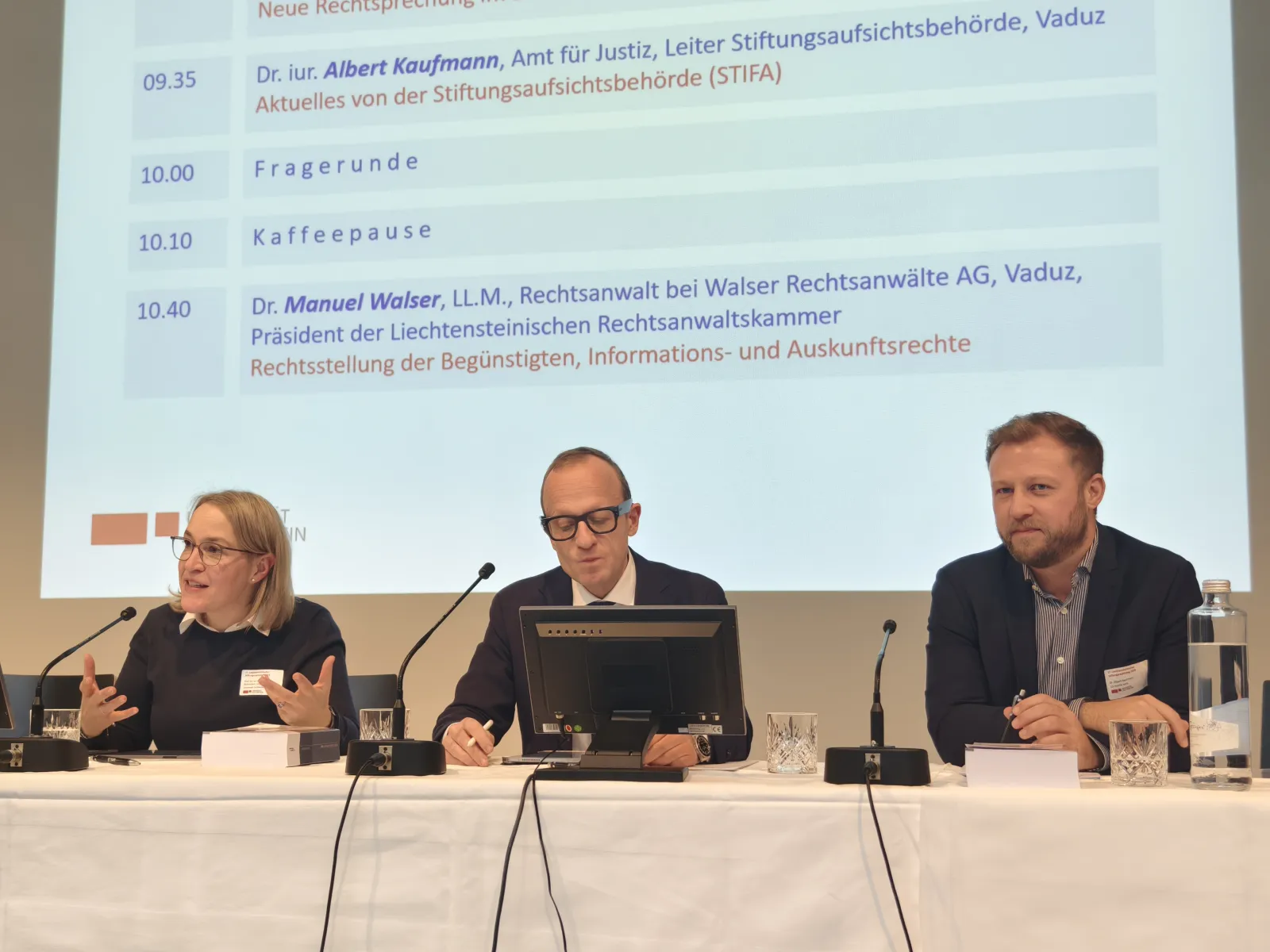
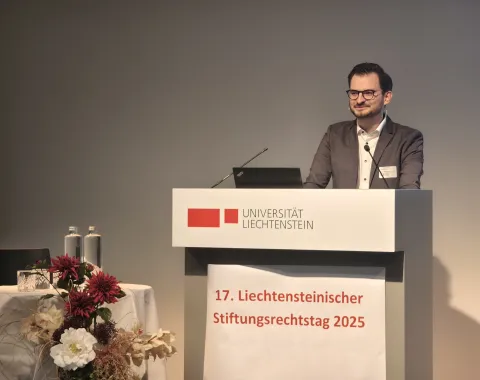
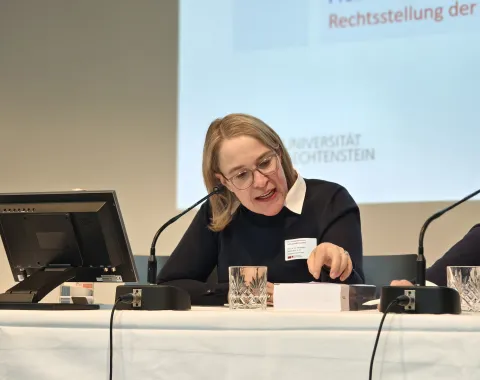
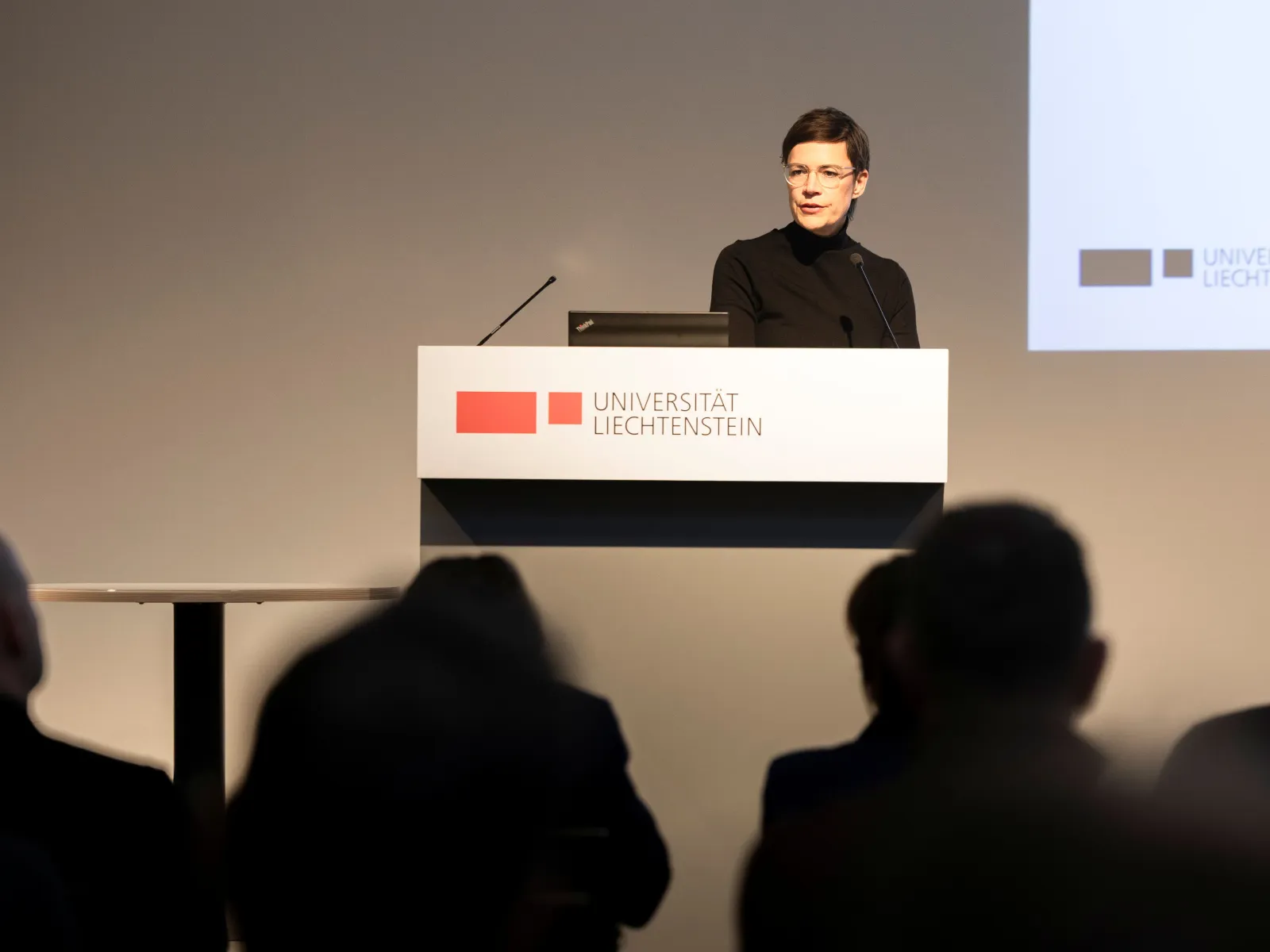
The conference programme was moderated by Prof. Dr. Alexandra Butterstein, LL.M. and Prof. Dr. Francesco A. Schurr, who emphasised the importance of this event in their opening addresses. Dialogue between academia and practice is more important than ever, particularly in light of the forthcoming revisions to foundation law and trust law. Each year, the Foundation Law Conference provides an excellent platform for constructive exchange and brings together representatives from various sectors in order to prepare Liechtenstein foundation law for future socio political developments in the competitive landscape of legal systems.
 

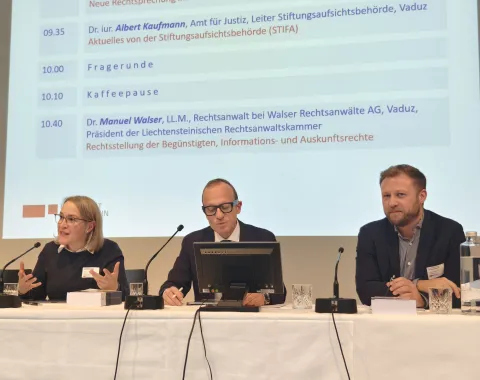
In keeping with established tradition, the Foundation Law Conference opened with a review of recent case law. Prof. Dr. Alexandra Butterstein, LL.M. discussed the most relevant judgments of the past year, which primarily addressed the tension between beneficiaries’ rights to information and the foundation’s interests in confidentiality. Dr. Albert Kaufmann then presented current developments from the perspective of the Foundation Supervisory Authority. In particular, the planned reforms of foundation law and trust law and their current legislative status were discussed. This was followed by an examination of relevant case law involving proceedings with the participation of STIFA.
 

Addressing current challenges in foundation organisation, Dr. Manuel Walser, LL.M., President of the Liechtenstein Bar Association, spoke about the legal position of beneficiaries of private interest foundations and their rights to information and disclosure. Univ. Prof. Dr. Johannes Zollner, Professor at the Institute of Corporate Law and International Business Law at Karl Franzens University Graz, examined the possibilities for amending beneficiary regulations. He focused in particular on the question of whether such amendments are equivalent to a change in the foundation purpose and therefore permissible only under more restrictive conditions. Building on these remarks, Prof. Dr. Francesco A. Schurr presented on the advantages and disadvantages, composition and competences of a supervisory body. When properly designed, such a body constitutes an effective instrument for sound Foundation Governance. From a comparative law perspective, Dr. Johannes Gasser, LL.M., Attorney at Law and Notary at Gasser Partner Rechtsanwälte, presented the practically significant “Anti Bartlett Clauses” and considered whether they are permissible under Liechtenstein foundation law or may even be introduced retrospectively for existing foundations. The subsequent panel discussion addressed whether and to what extent freedom of organisation in foundation structures represents a locational advantage for Liechtenstein.
 

Following the networking lunch, the traditional philanthropy segment of the Foundation Law Conference took place. As in previous years, this segment was organised in cooperation with the Association of Liechtenstein Charitable Foundations and Trusts (VLGST) and was opened with welcome remarks by its President, Dr. Thomas Zwiefelhofer. Dr. Theresa Gehringer reported on experiences relating to generational diversity within foundation boards and presented considerations for potential renewal and greater diversity. Prof. Dr. Marc Gottschald then presented, among other topics, the Philanthropy Report published by his Center for Philanthropy. This report represents the first comprehensive assessment of the sector in Liechtenstein and provides, for the first time, a systematic and scientifically grounded overview of the charitable foundation and association sector. The subsequent panel, chaired by Prof. Dr. Alexandra Butterstein, LL.M. and Prof. Dr. Francesco A. Schurr, discussed current challenges as well as new strategies and trends in philanthropy.
 

In the final thematic block on areas of tension and limits of private autonomy in foundation law, Hon. Prof. Dr. Georg Schima, M.B.L. HSG, LL.M. (Vaduz), Attorney at Law at conclusio schima lawyers, first examined possible solutions to prevent abusive, nominee and sham foundation structures. Dr. Vanessa Glaser, Attorney at Law and Partner at Glaser and Kleinsorge, then addressed the obligation to preserve capital in foundations from a comparative law perspective and discussed potential implications for Liechtenstein foundations. Current issues relating to arbitration in the foundation context were examined by Dr. Michael Nueber, LL.M., Attorney at Law and Public Notary at Nueber Konzett Rechtsanwälte. Finally, Dr. Marco Lettenbichler, LL.M., Assistant Professor, discussed whether and to what extent the founder’s freedom is restricted by recent case law of the European Court of Human Rights and the Austrian Supreme Court concerning protection against discrimination and the principle of equal treatment.
 

After a concluding round of questions, the 17th Liechtenstein Foundation Law Conference came to a close with a joint apéritif and exchange of ideas. Overall, the engaging and informative day demonstrated that the foundation landscape is undergoing constant change, while Liechtenstein foundation law remains sufficiently flexible to effectively address the challenges ahead.
 

Review of the 17th Liechtenstein Foundation Law Conference (Video)

Prof Butterstein am Rednerpult

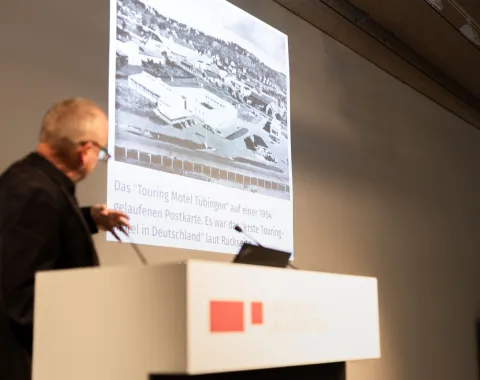
A diverse anniversary programme in honour of Liechtenstein’s first modern architect, Ernst Sommerlad (1895 to 1977)

A diverse anniversary programme in honour of Liechtenstein’s first modern architect, Ernst Sommerlad (1895 to 1977)

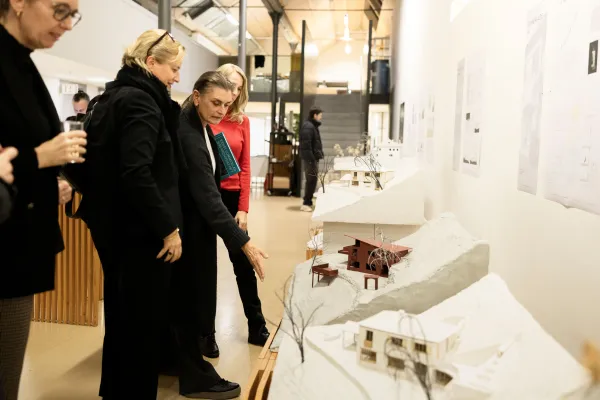
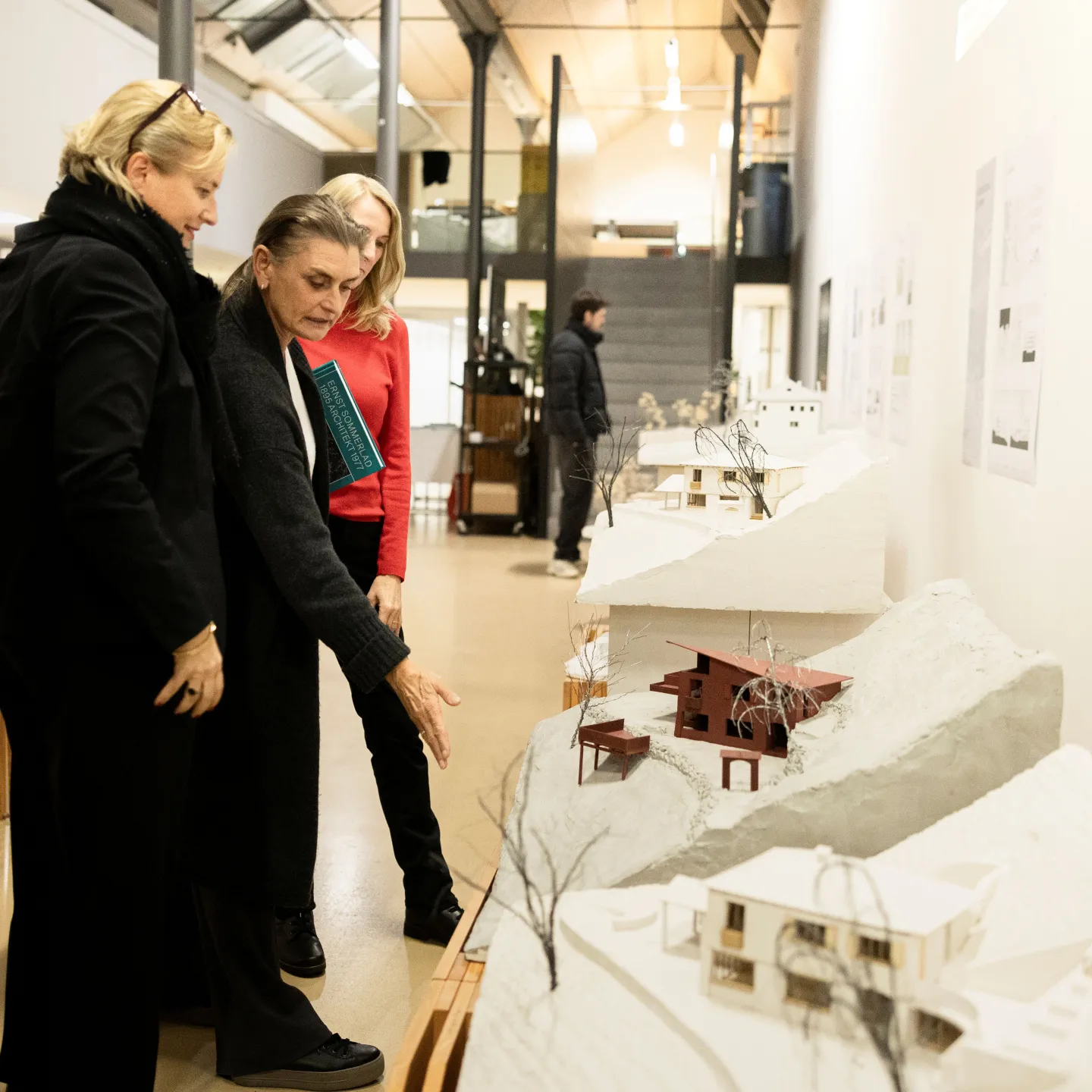
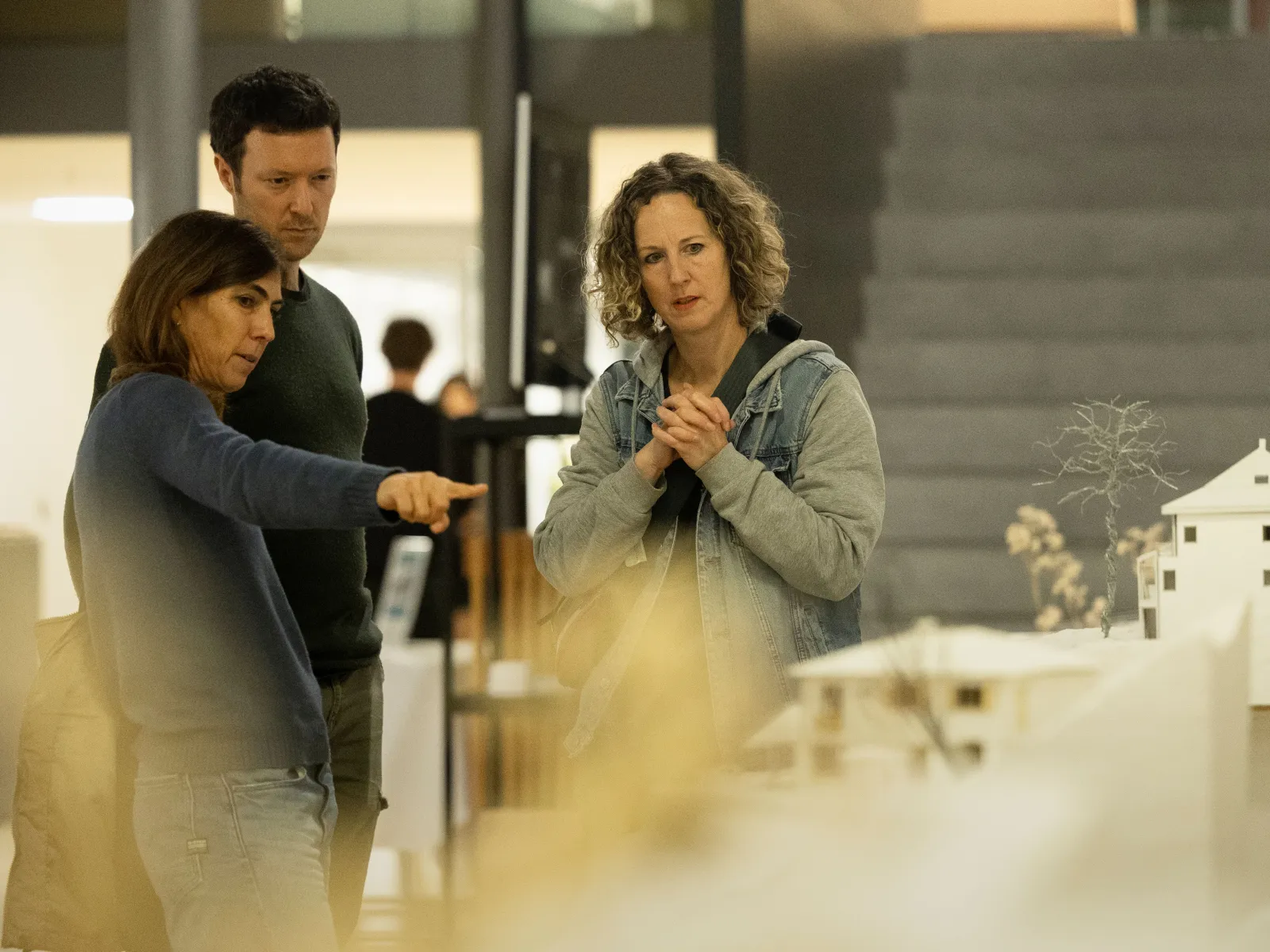
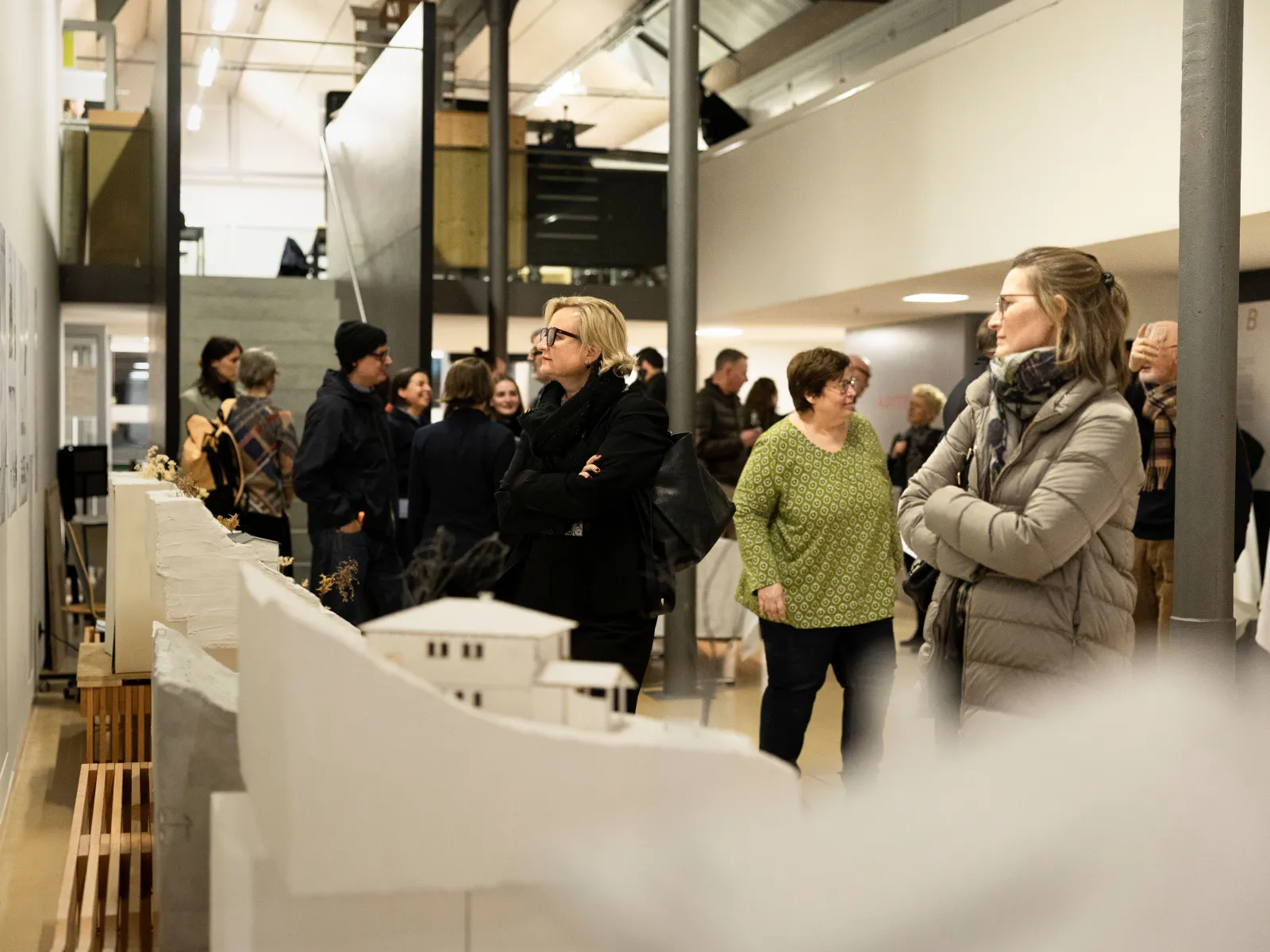
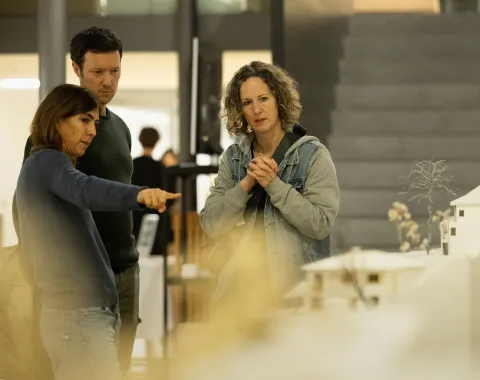
Menschen, die auf Architekturmodelle schauen

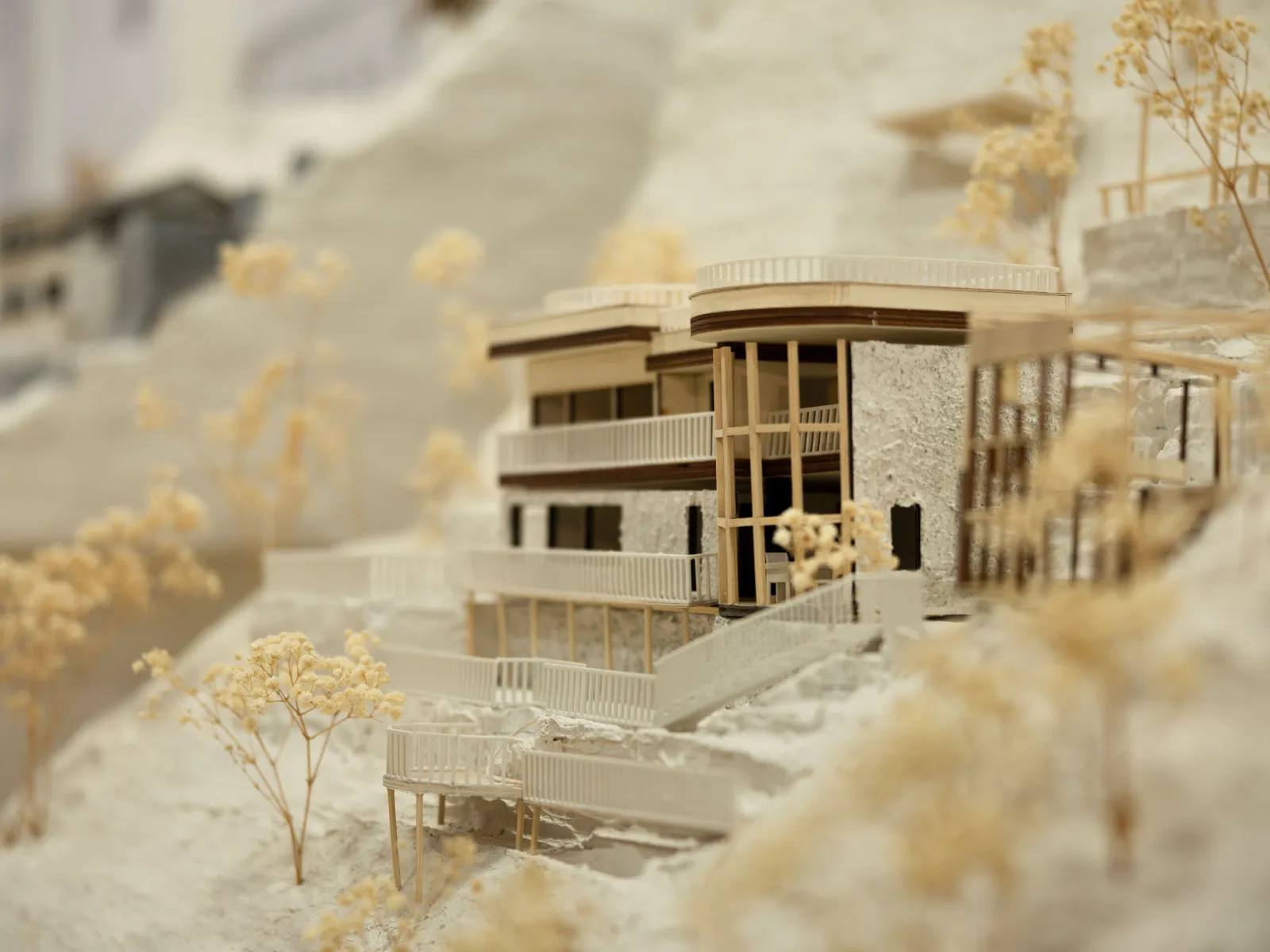
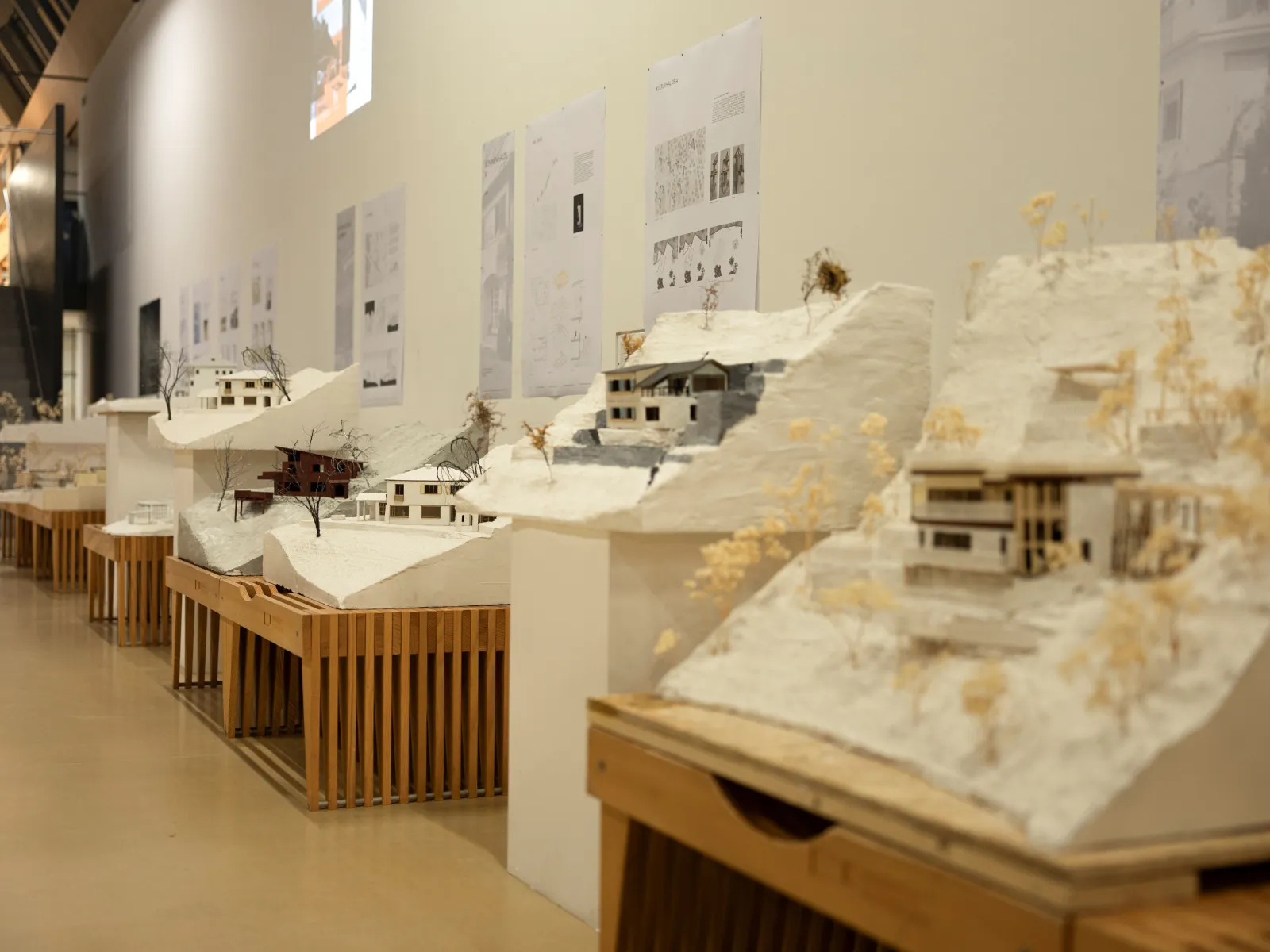
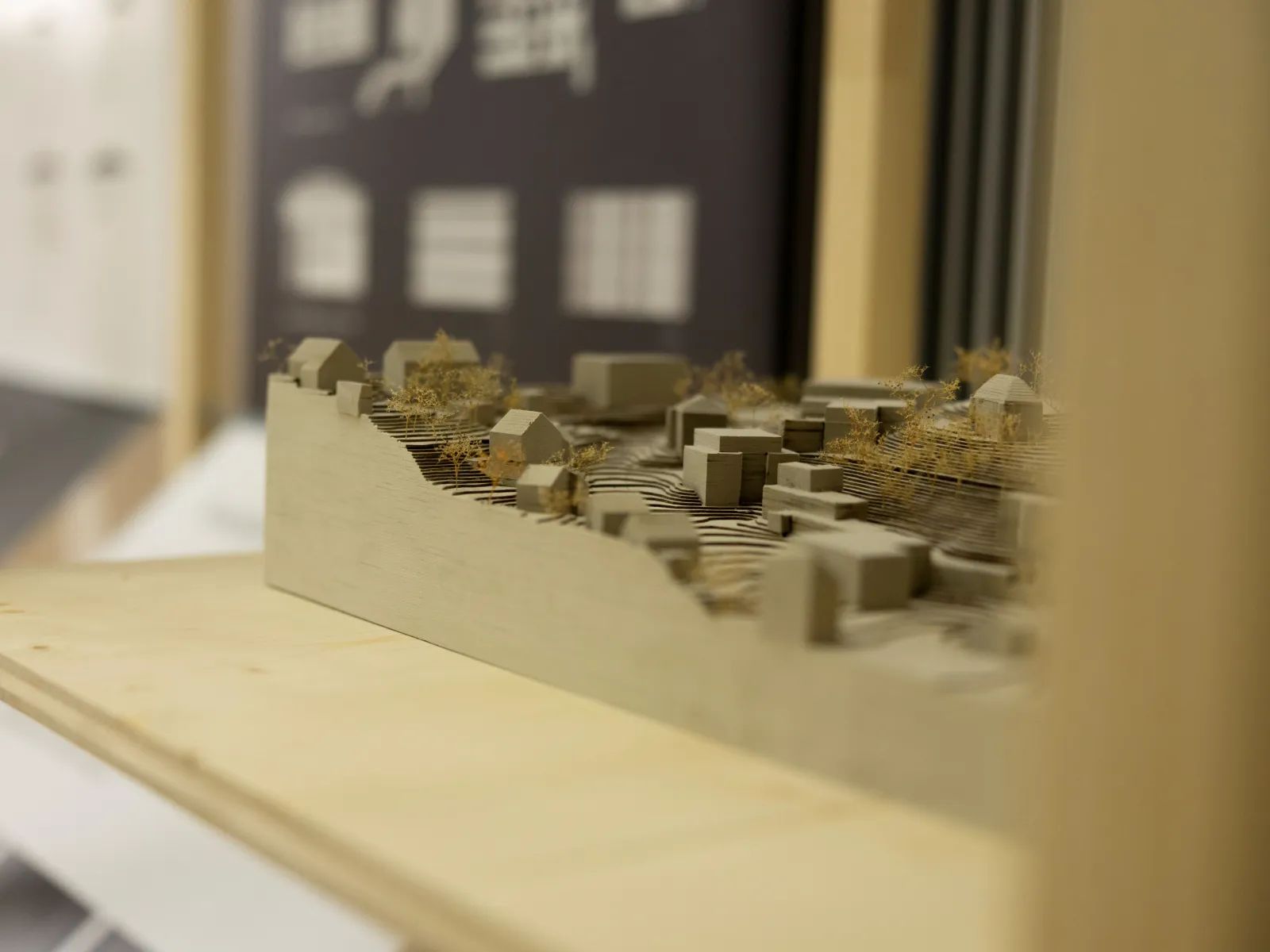
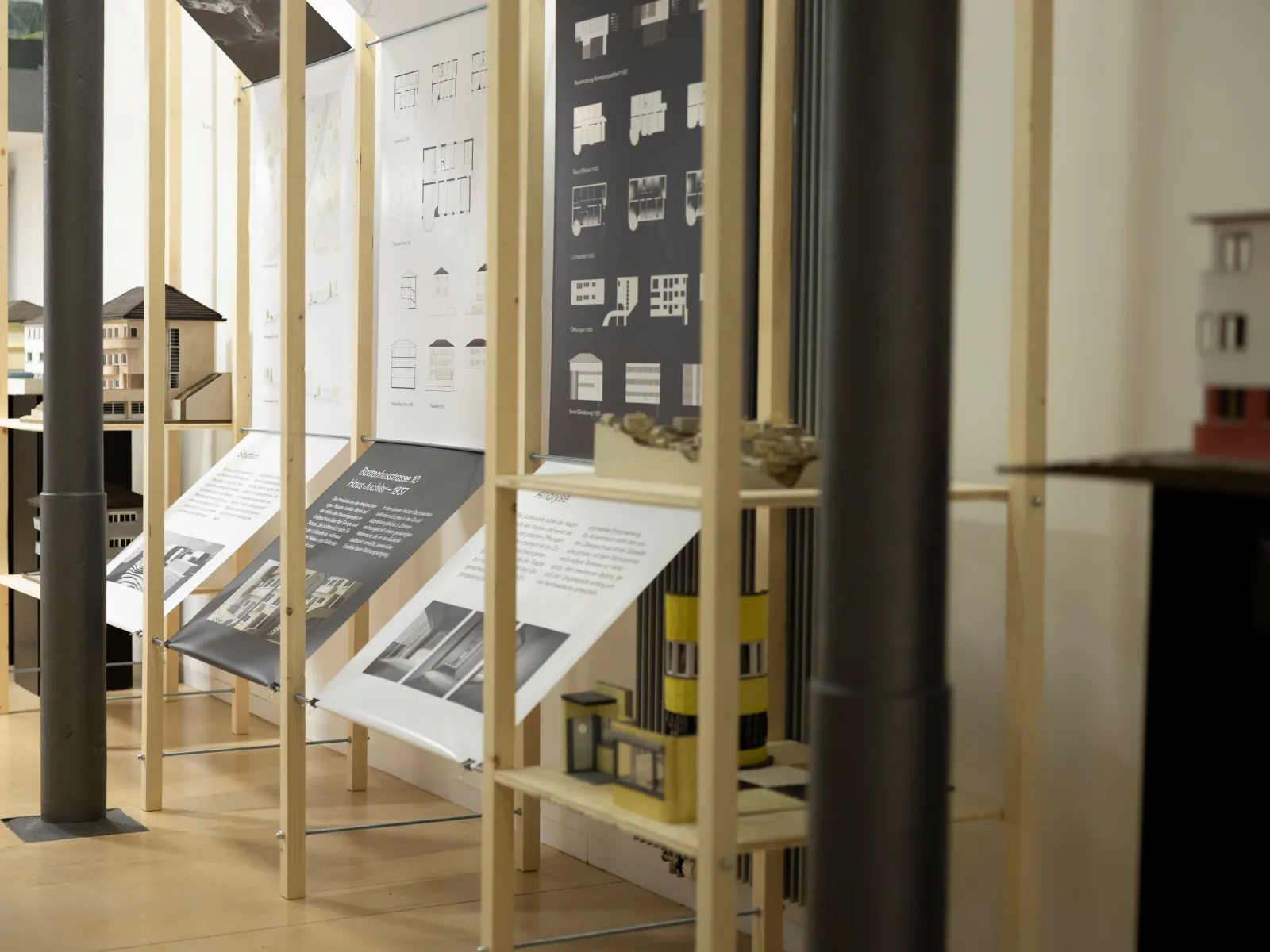
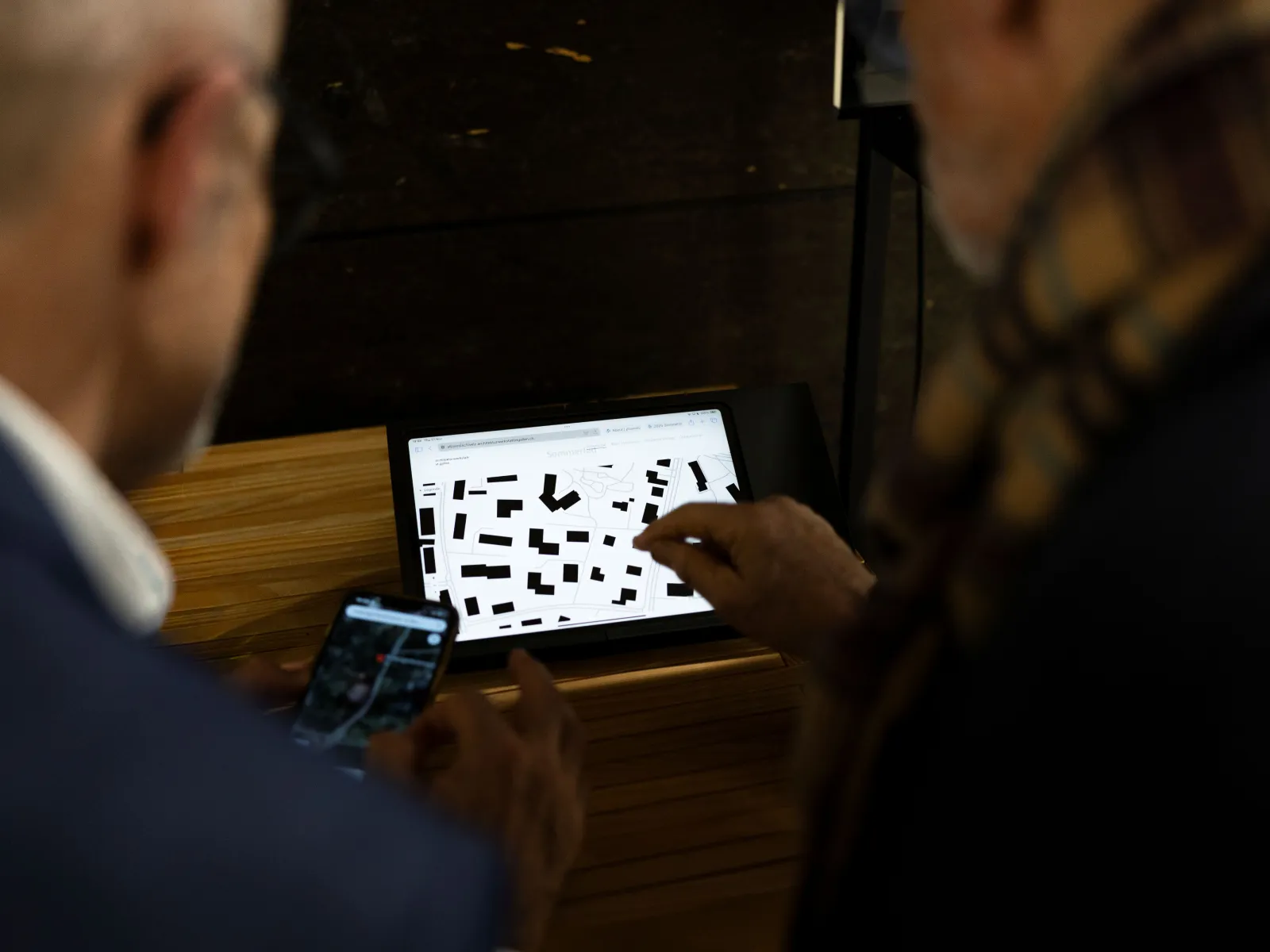
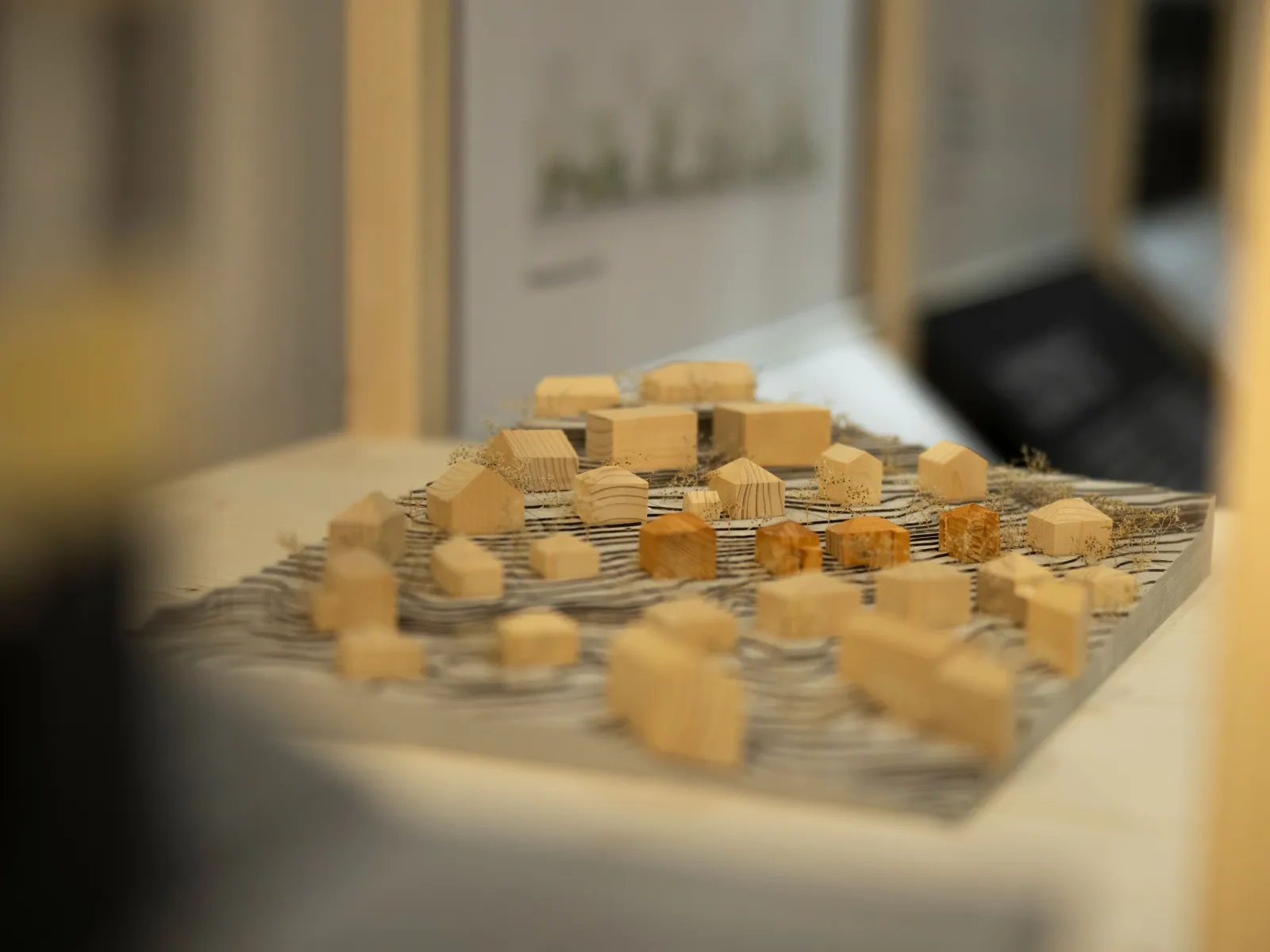
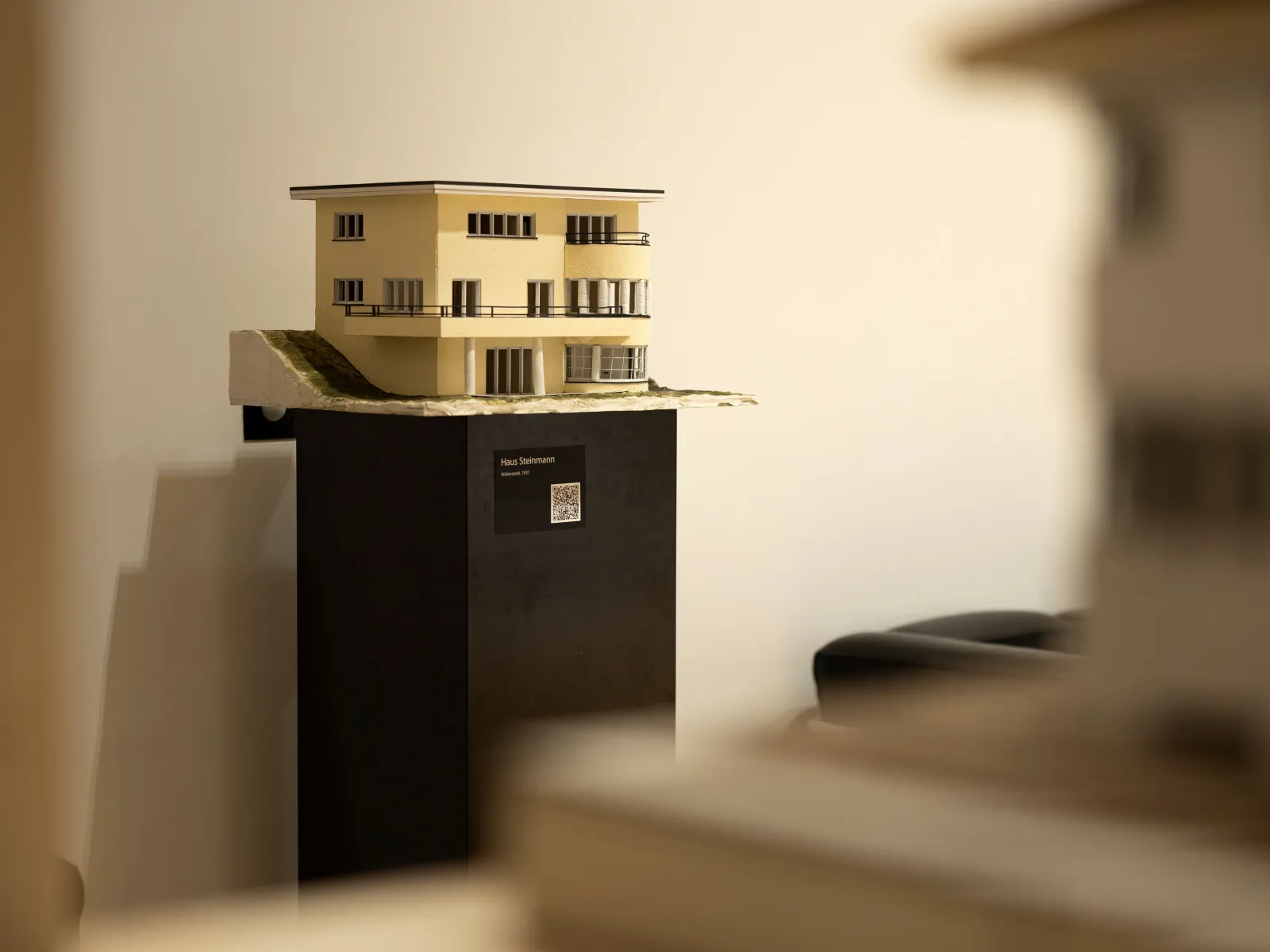
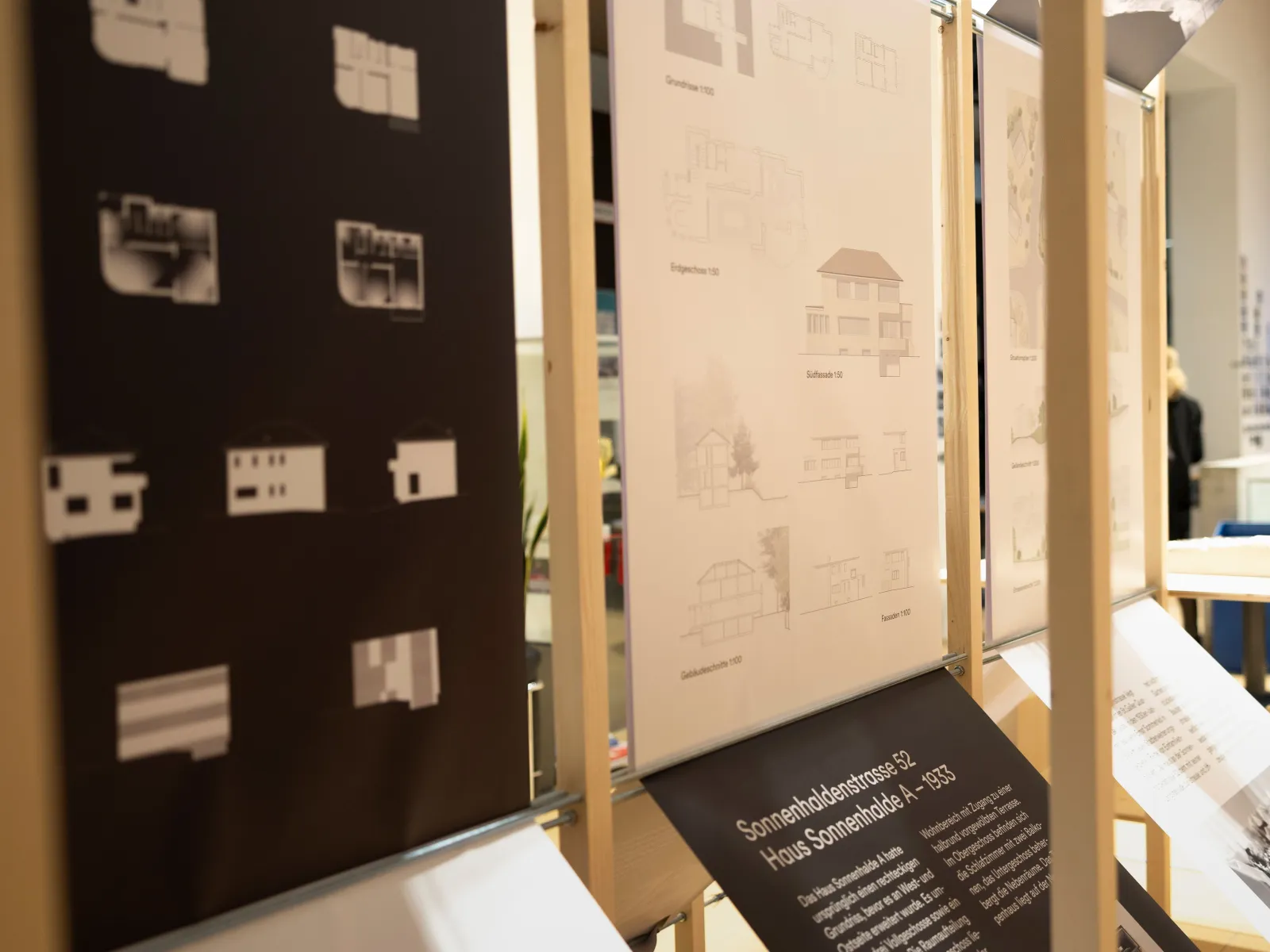
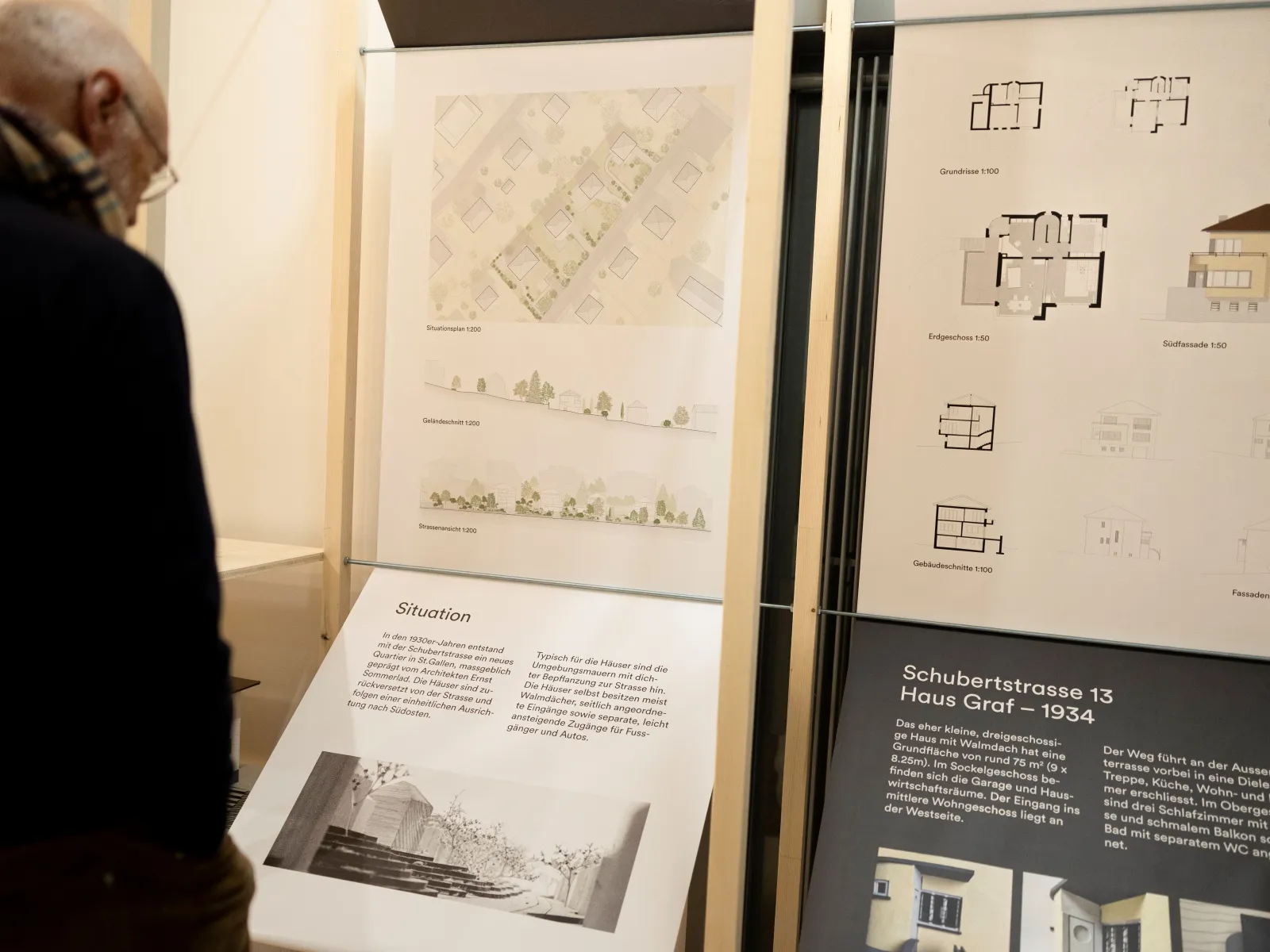
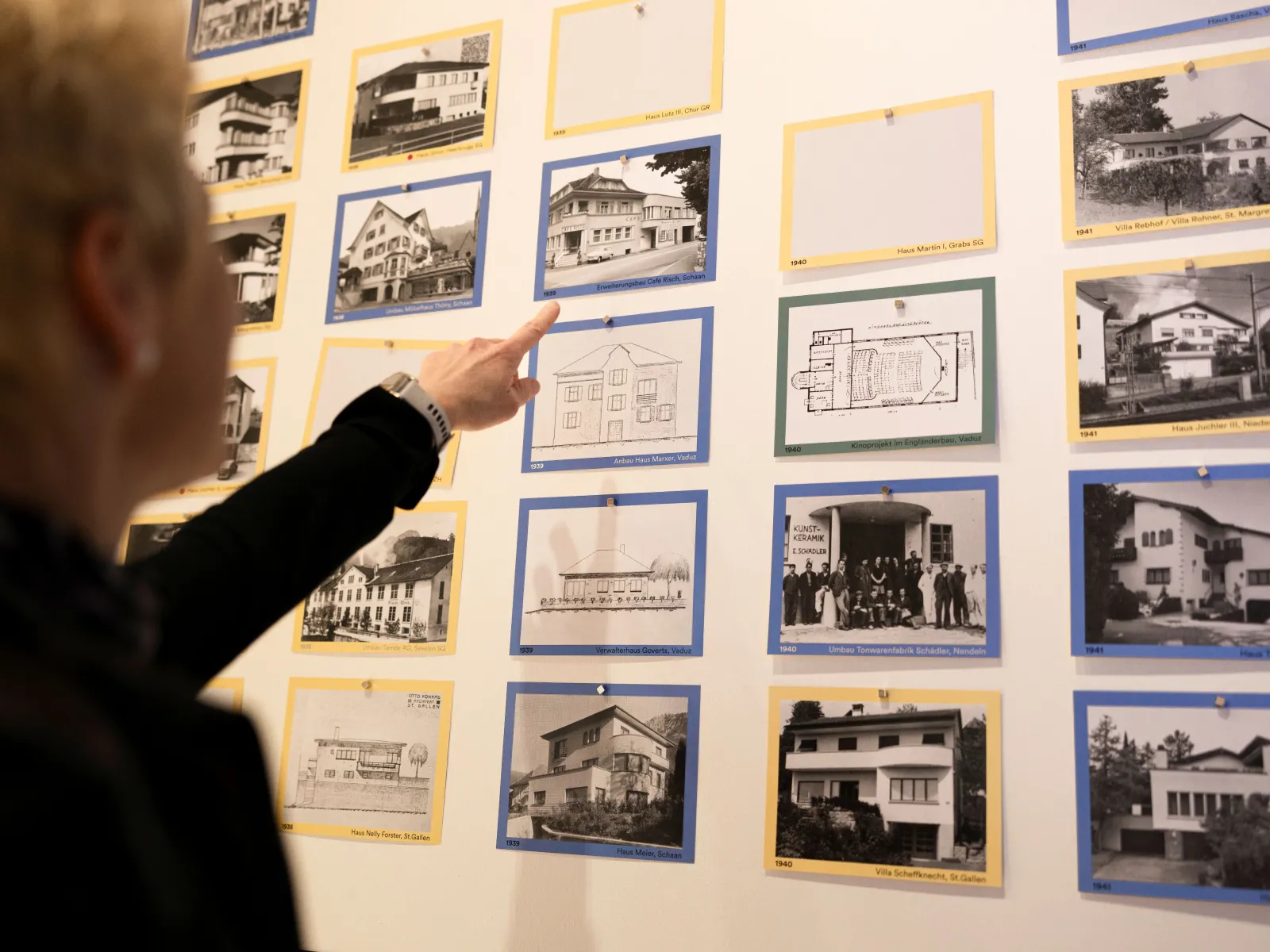
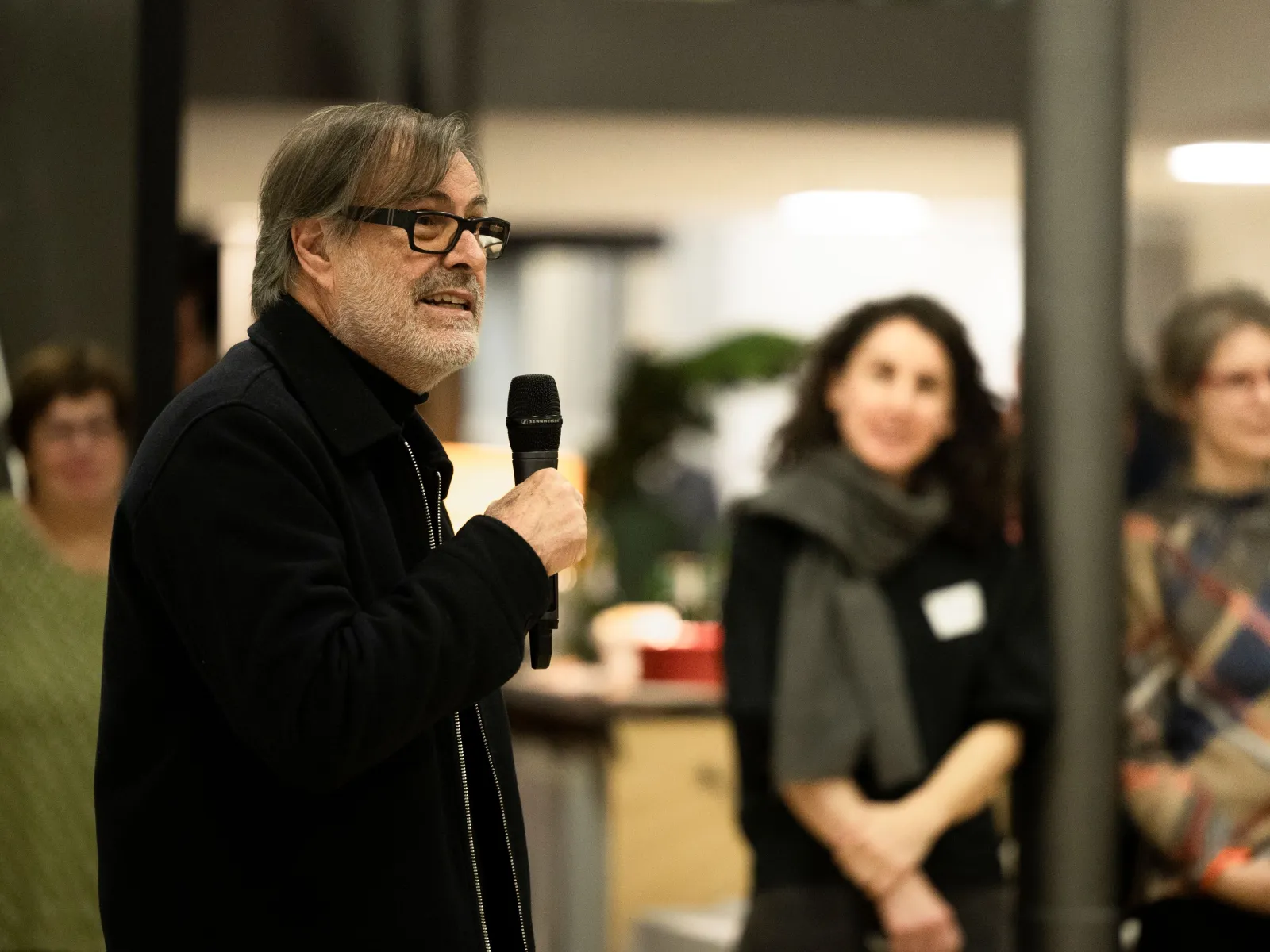
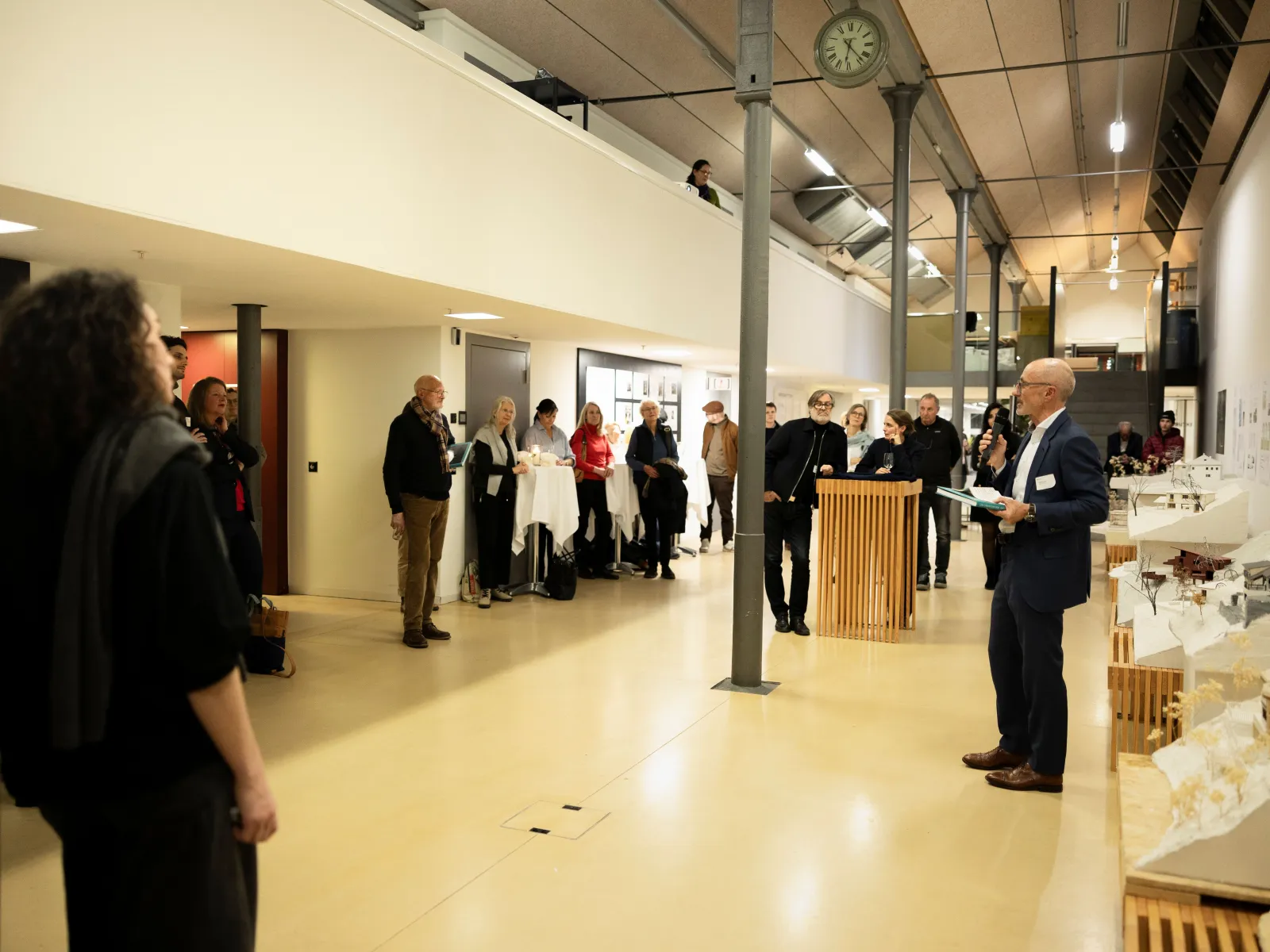
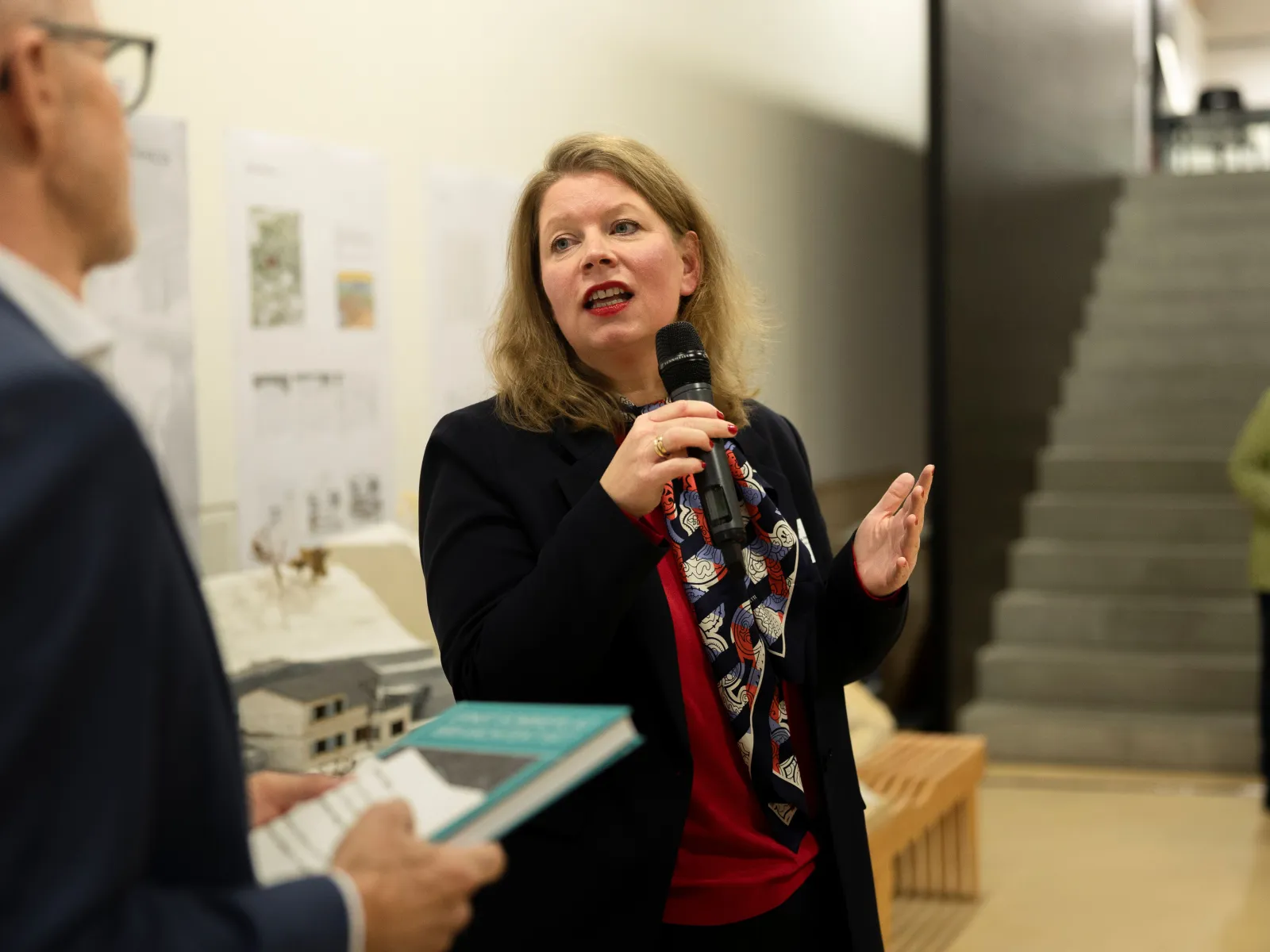
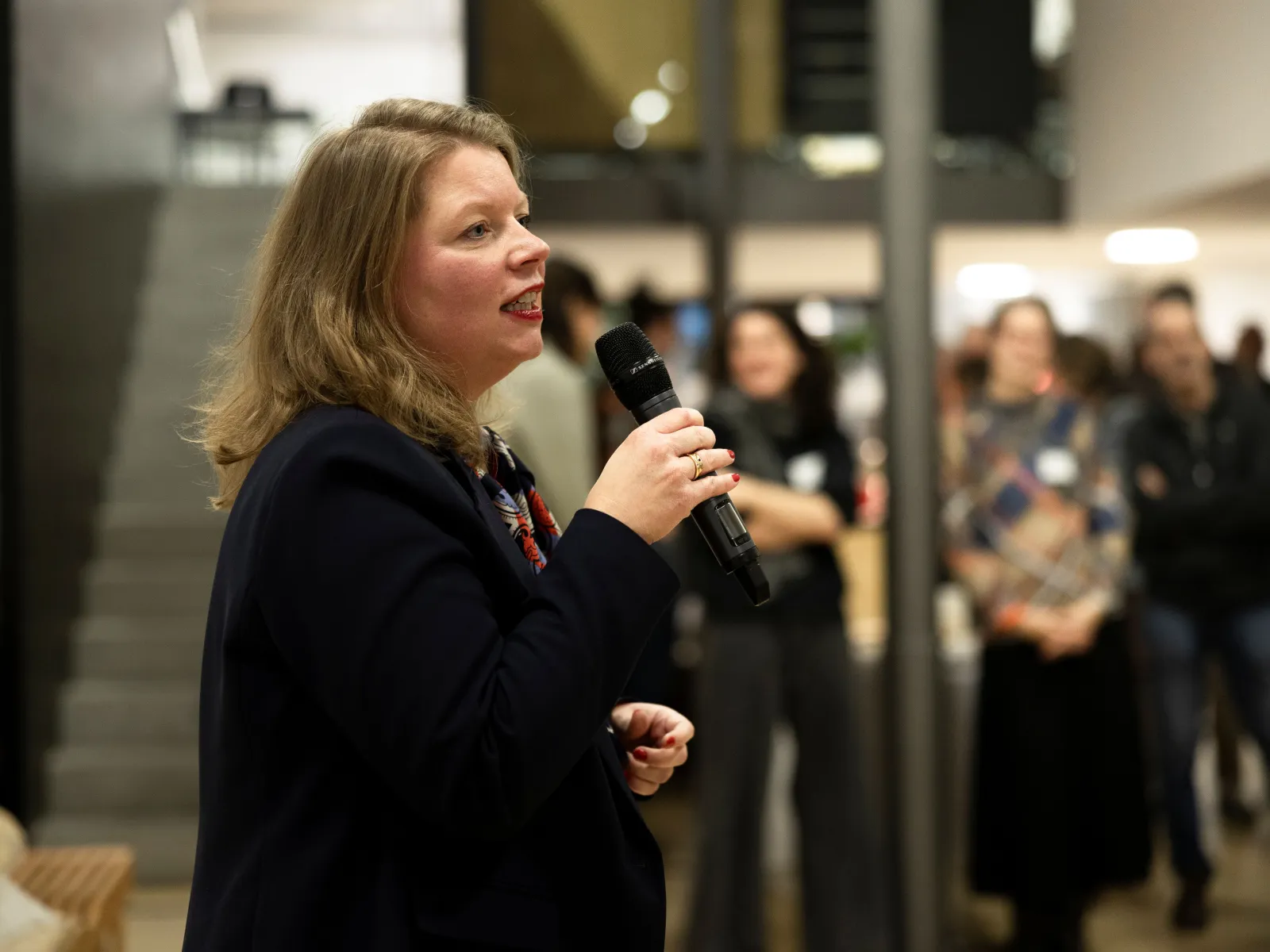
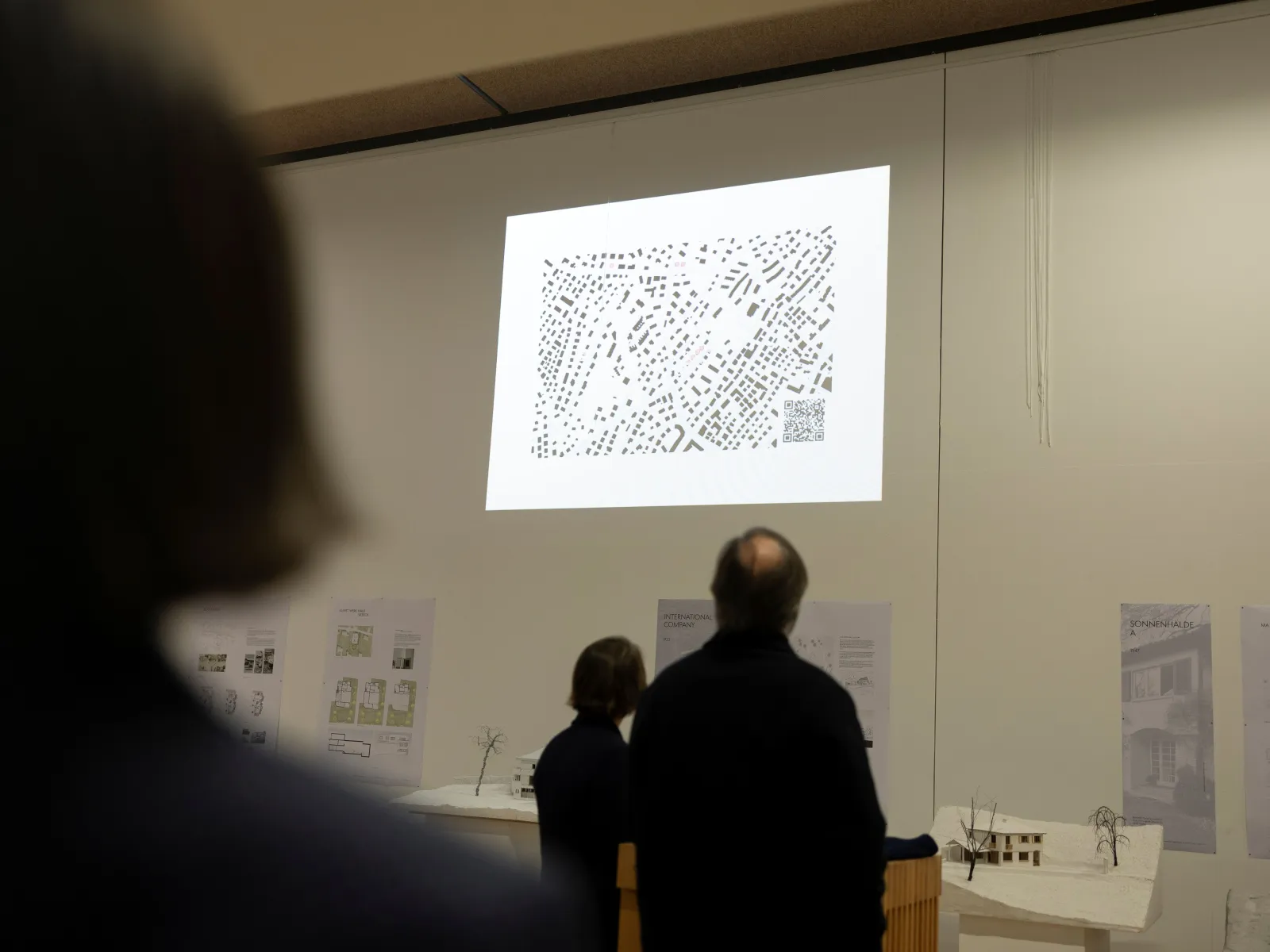
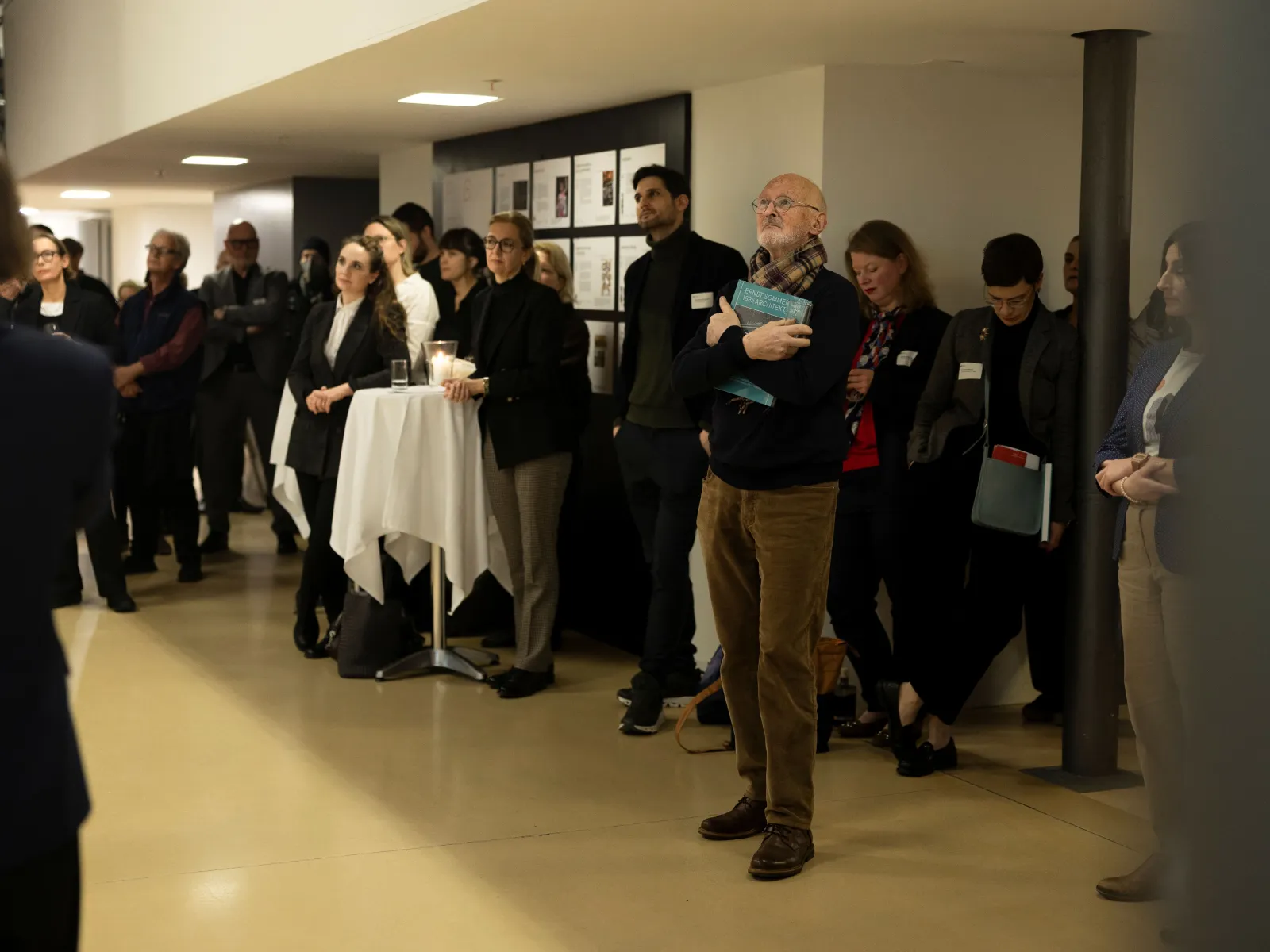
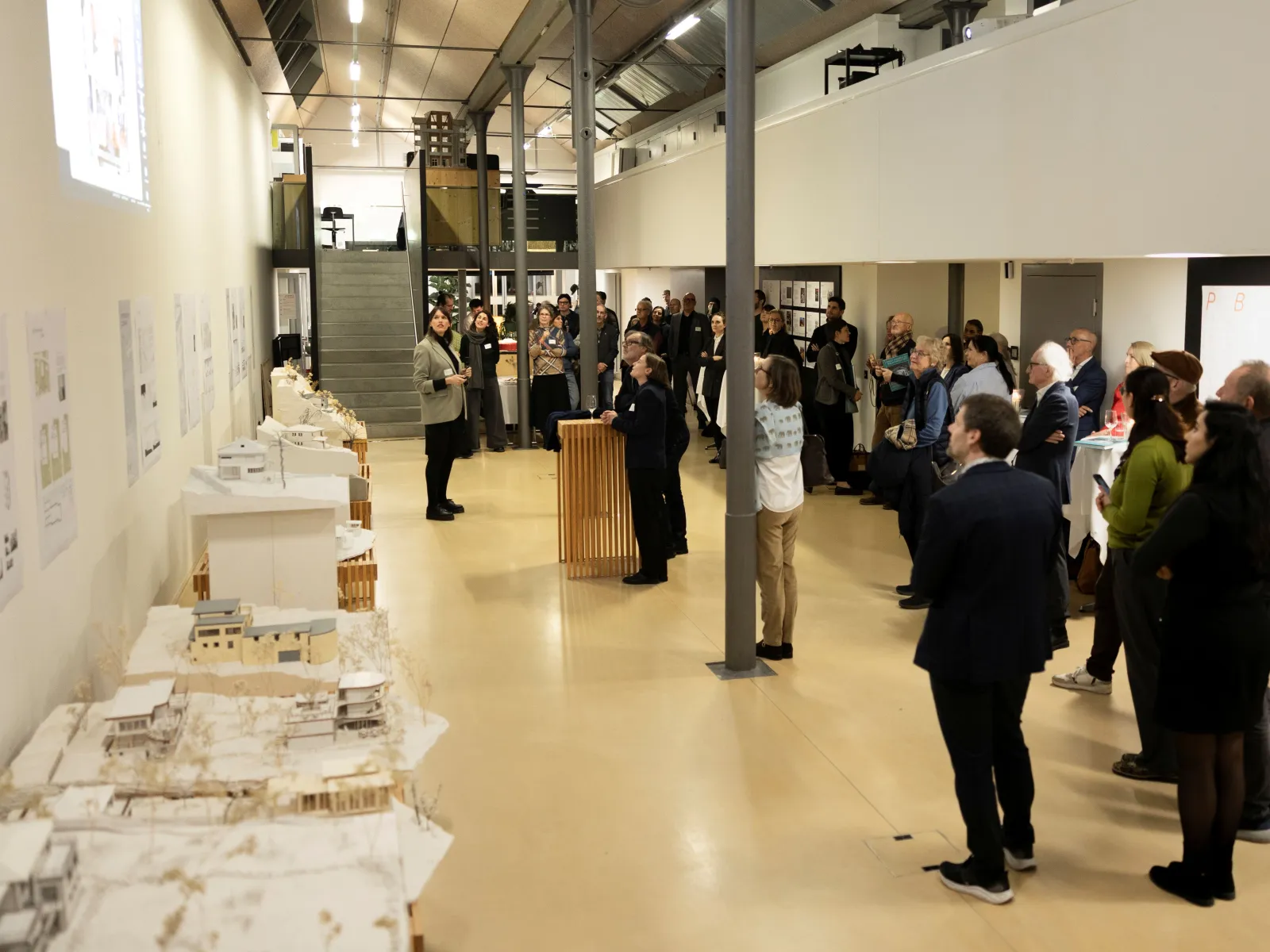
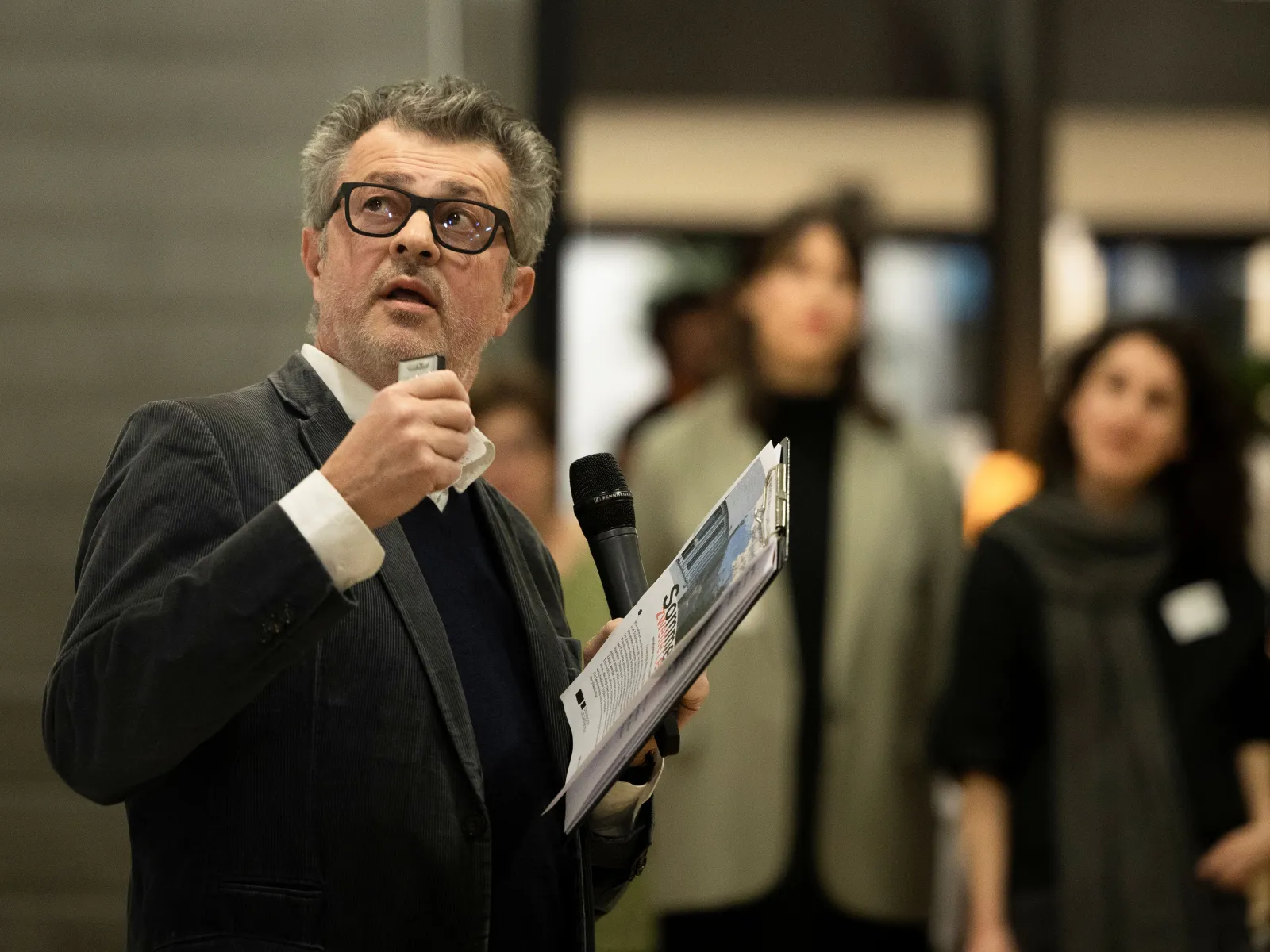
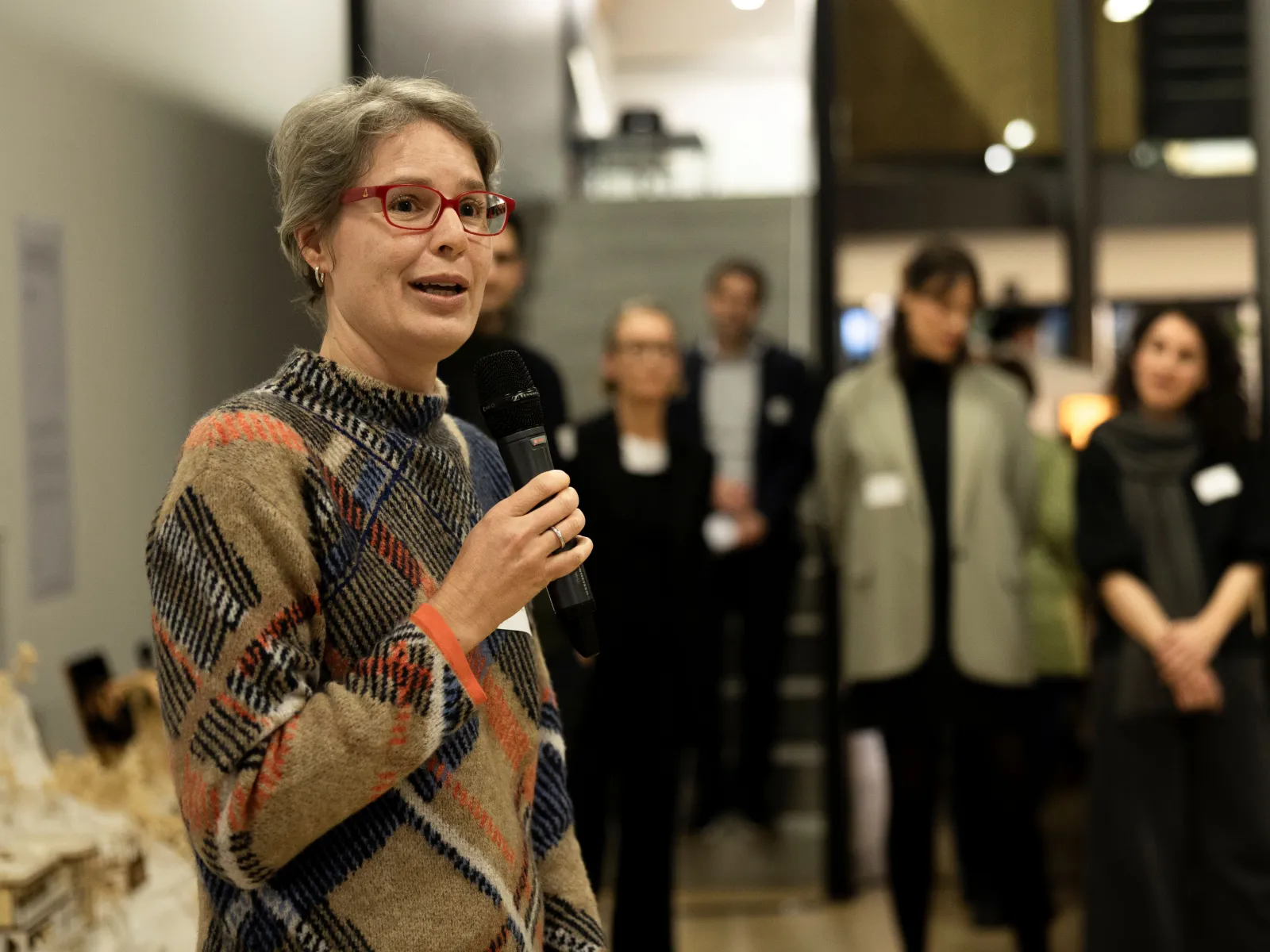
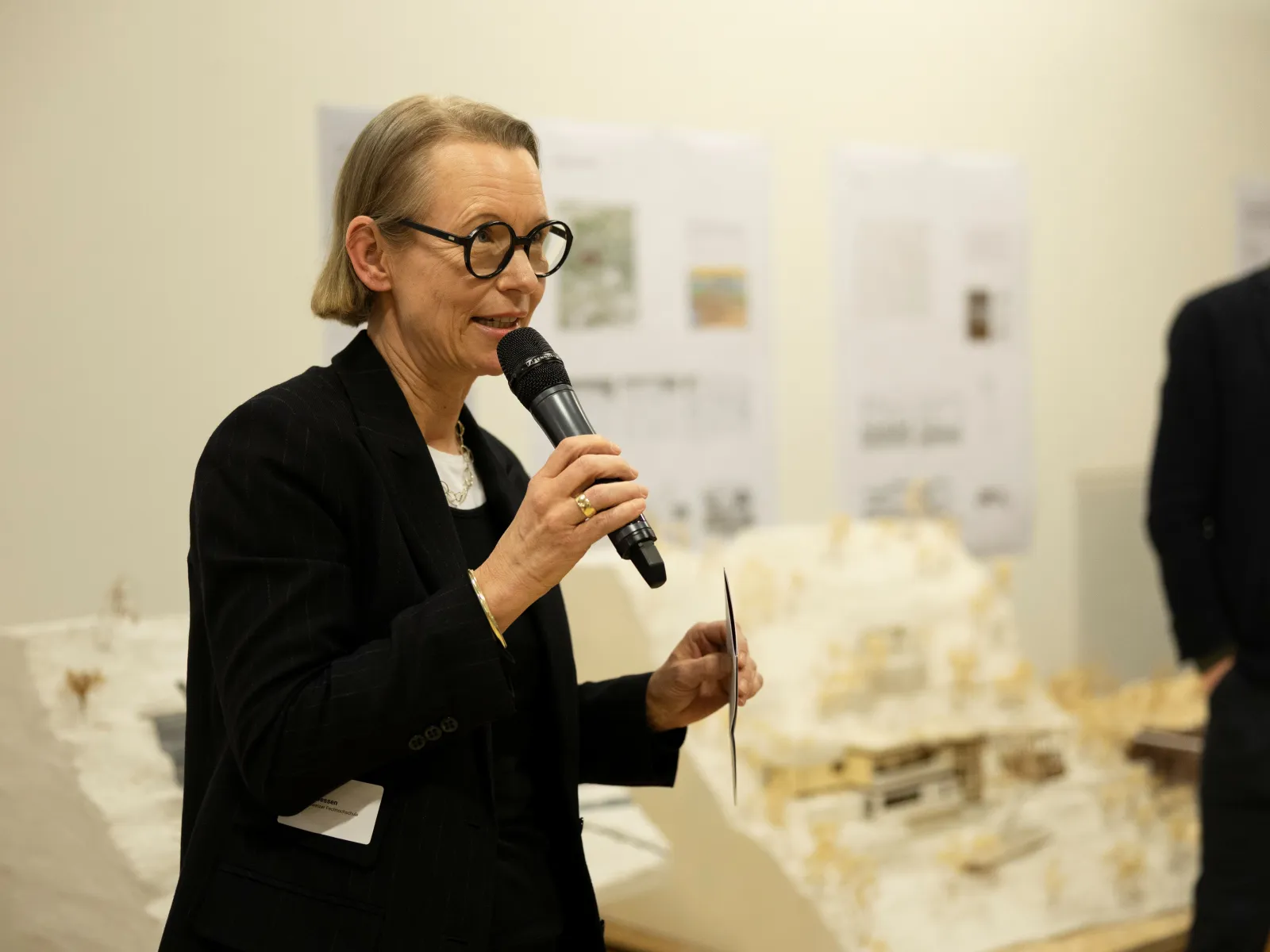
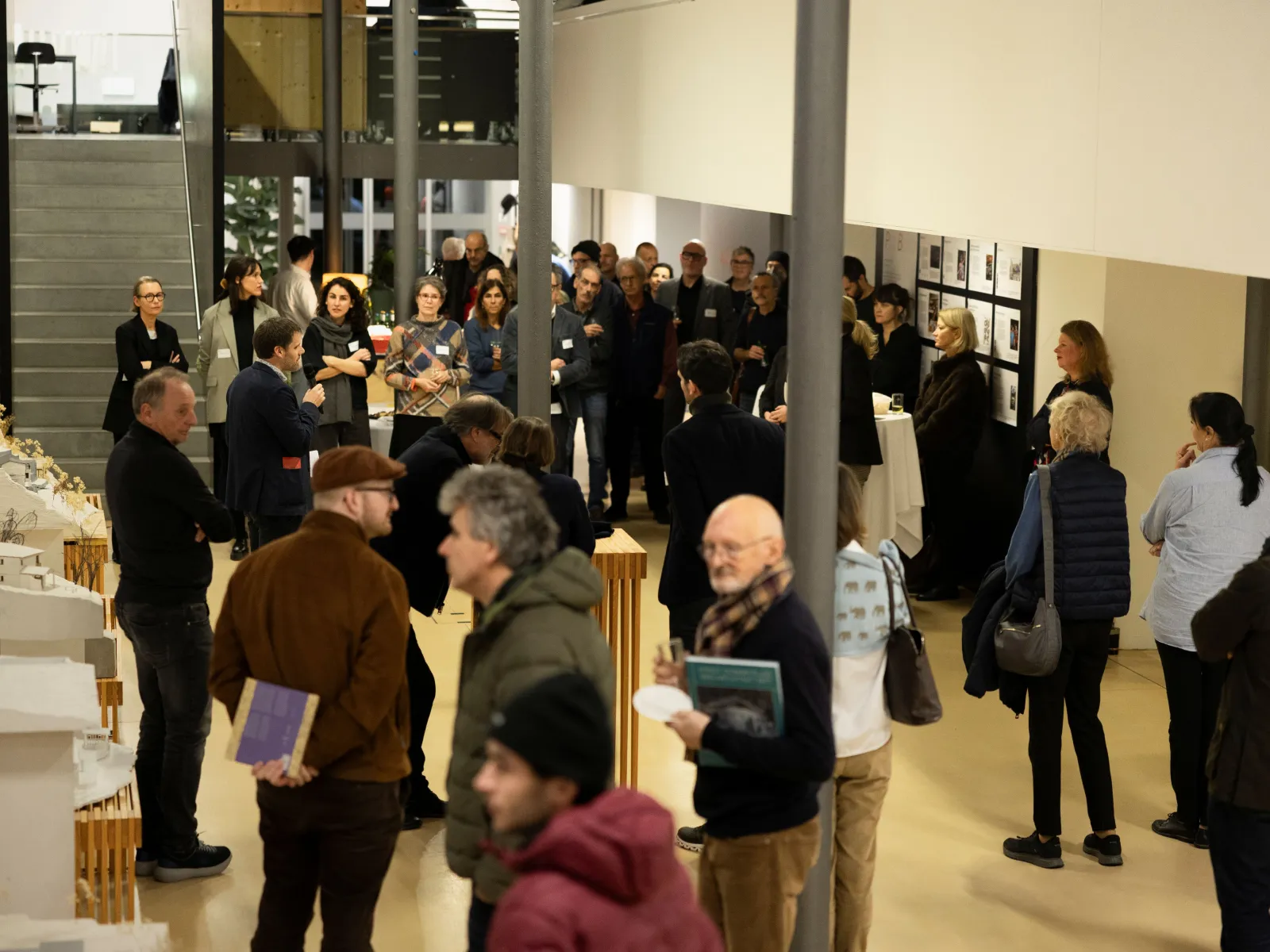
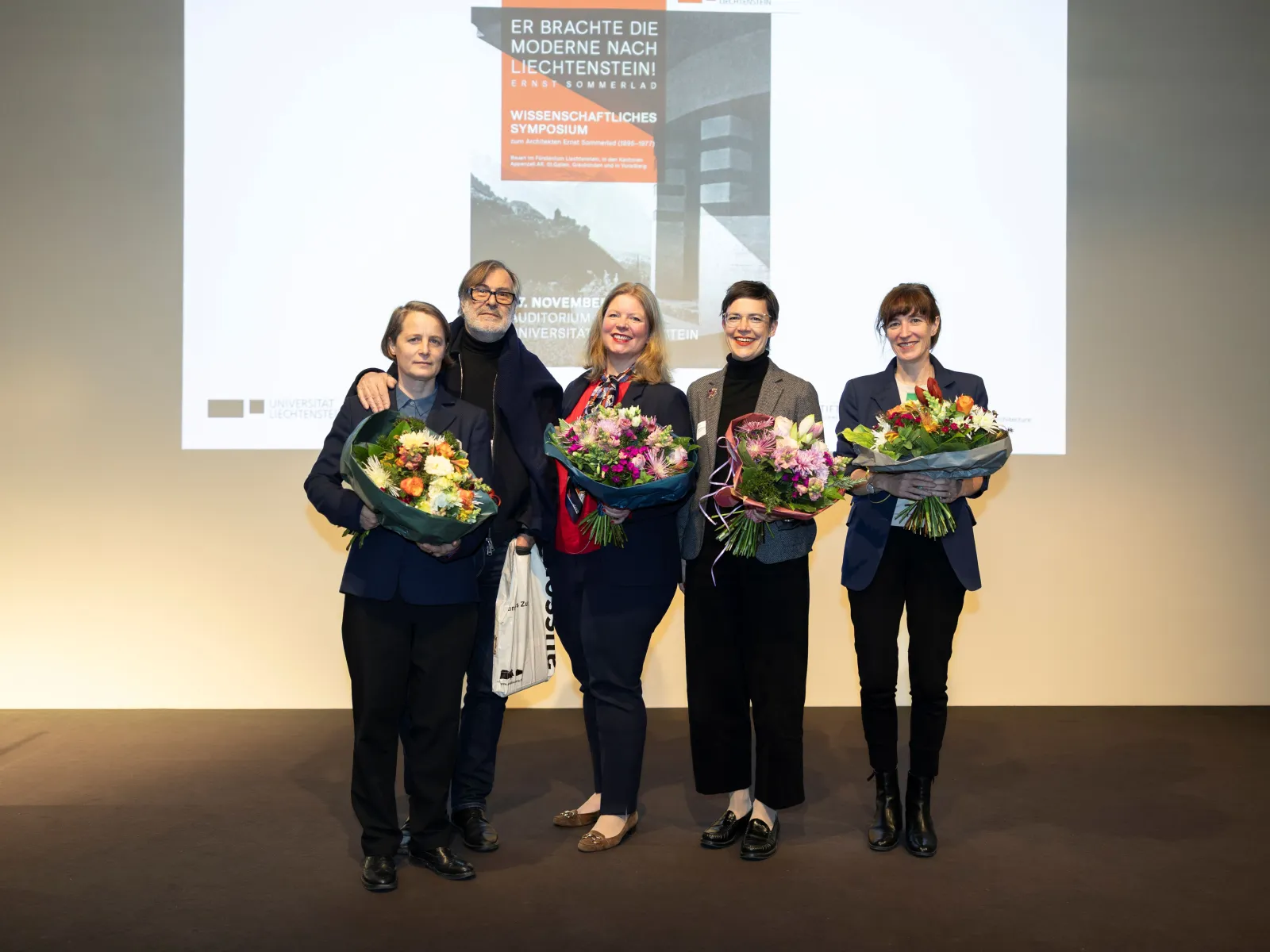
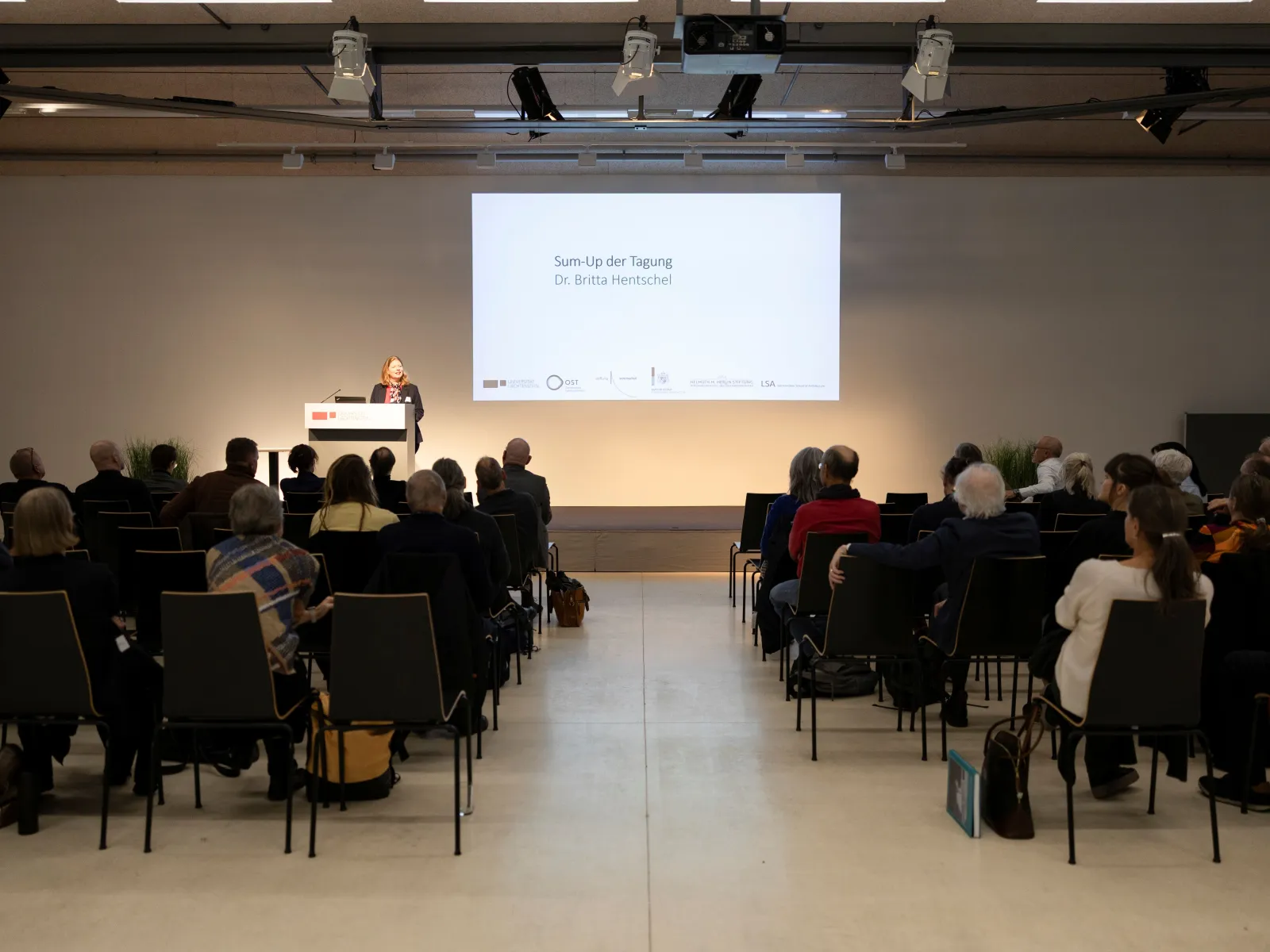
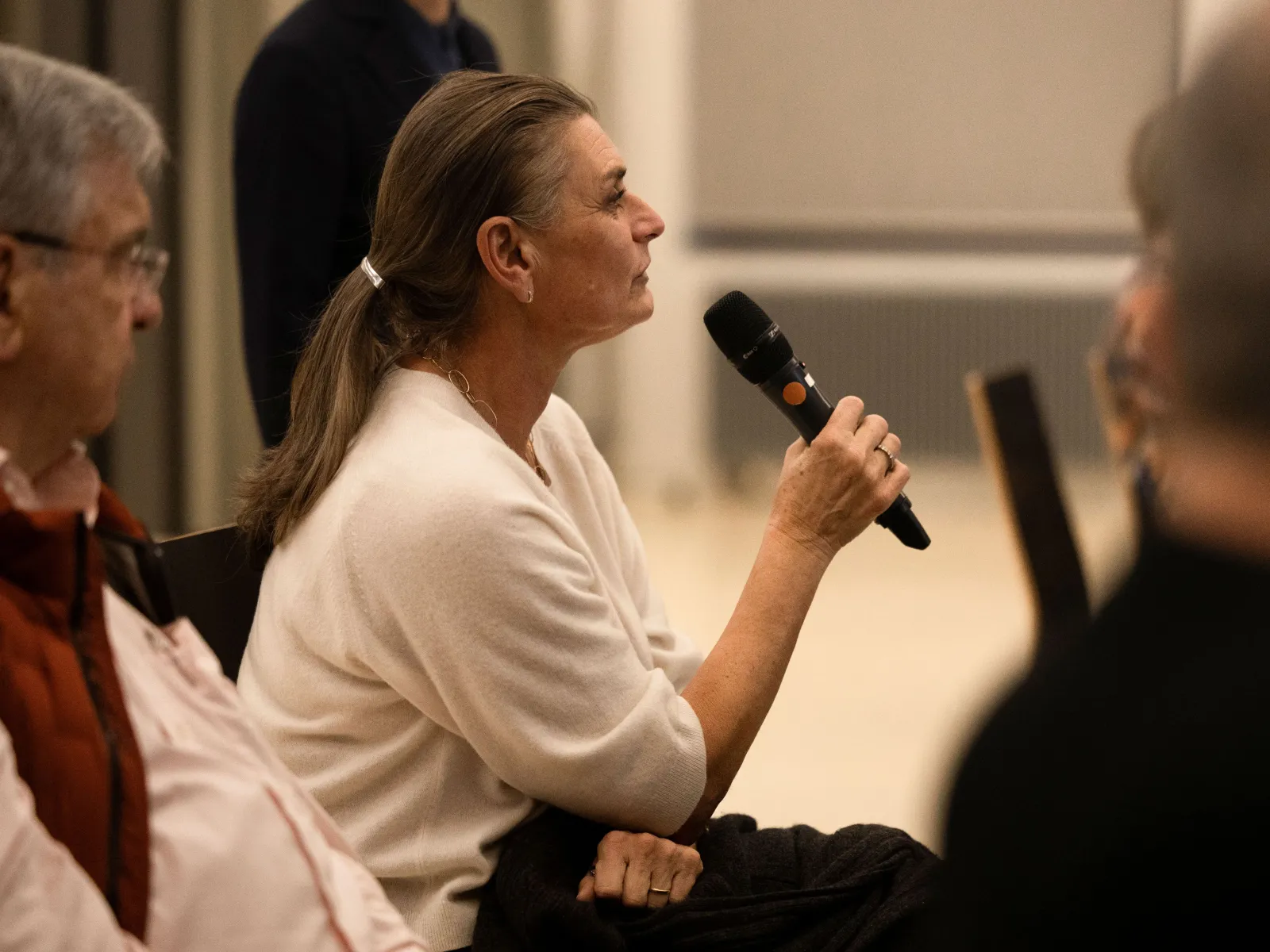
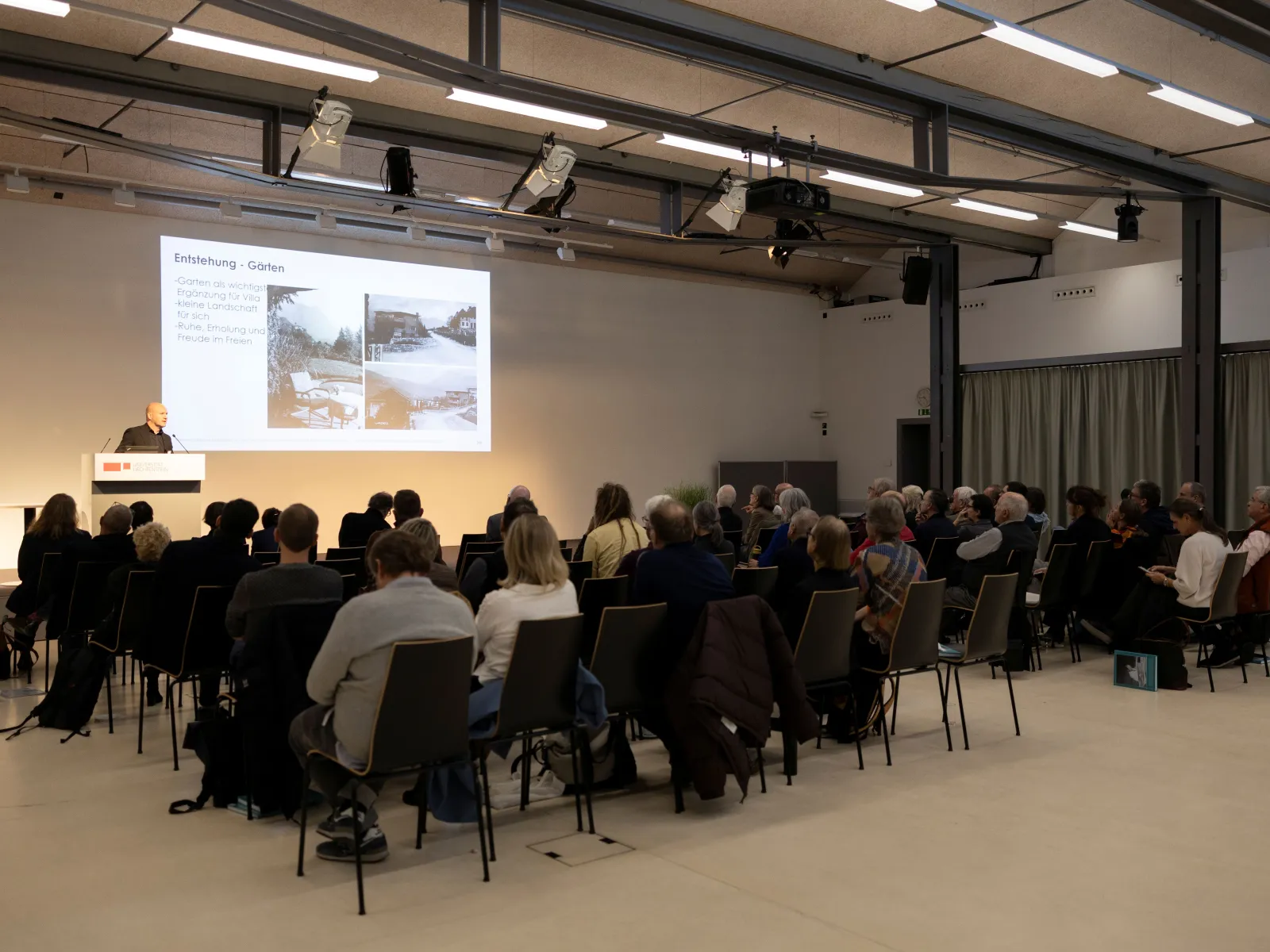
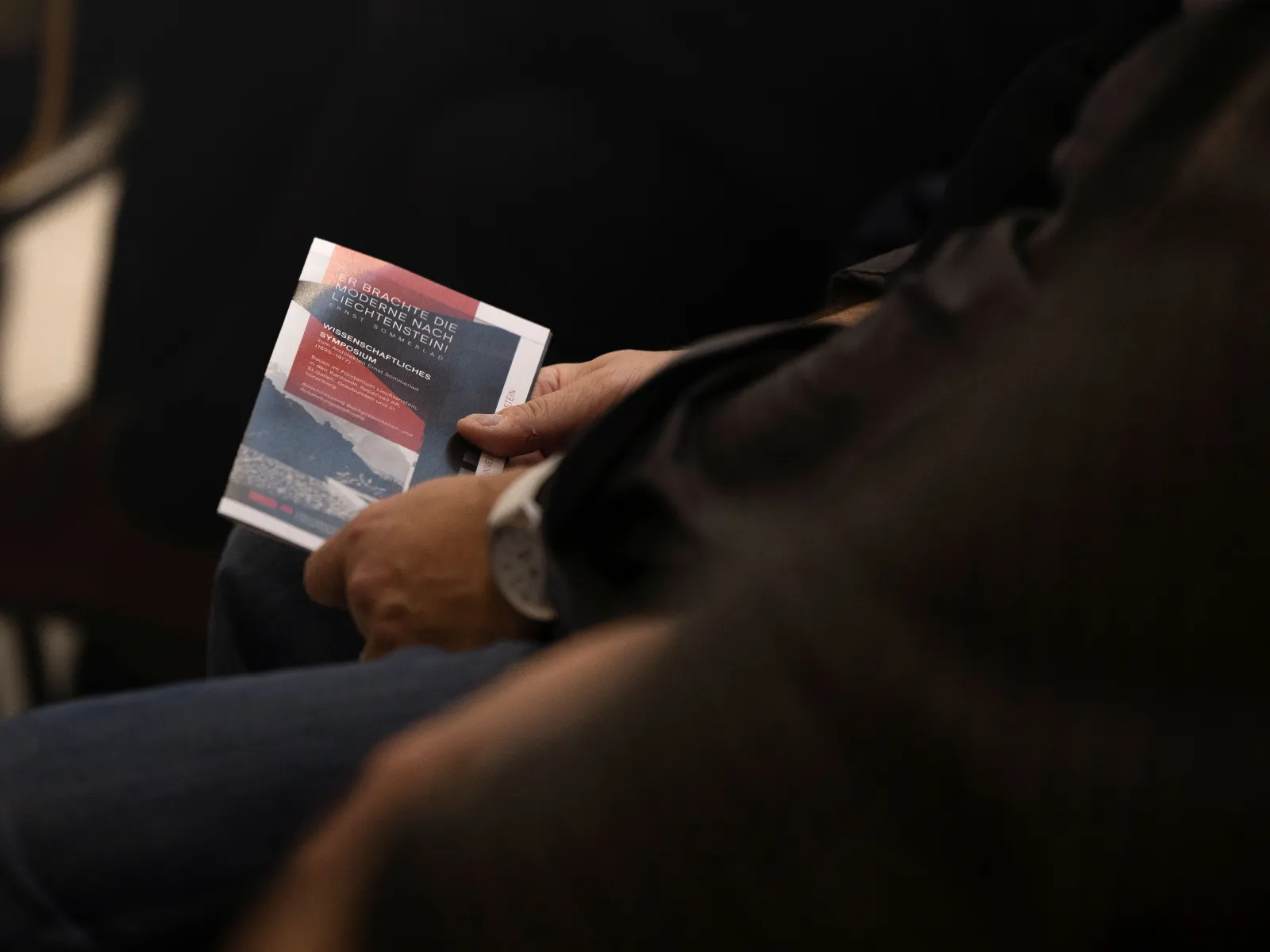
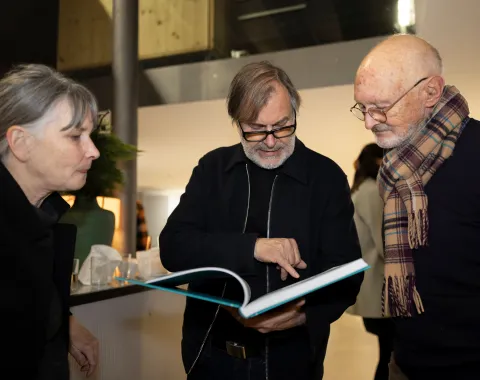
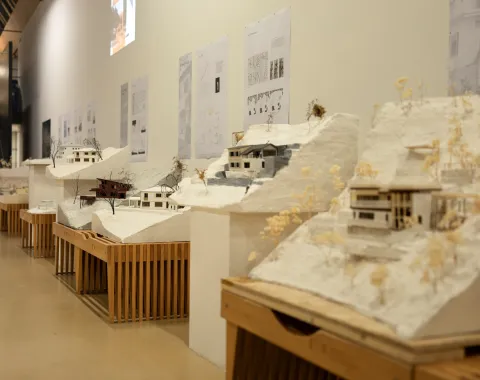
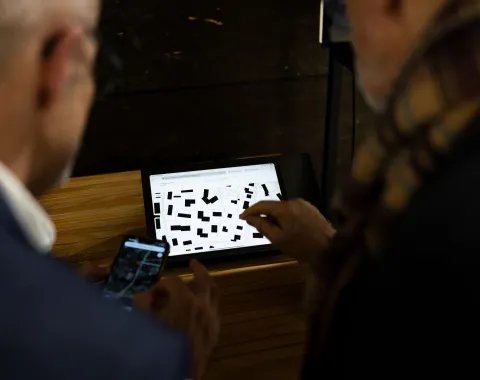
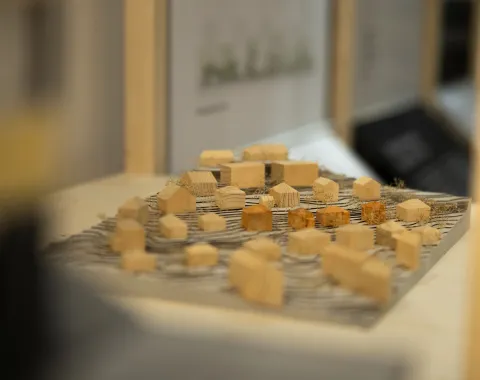
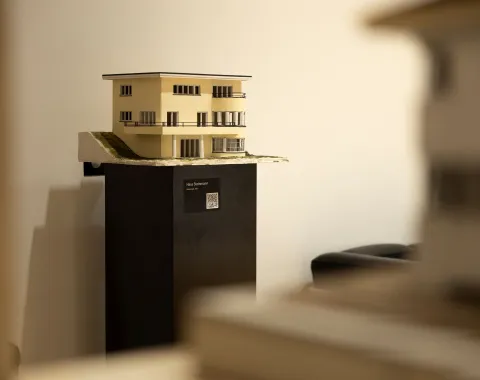
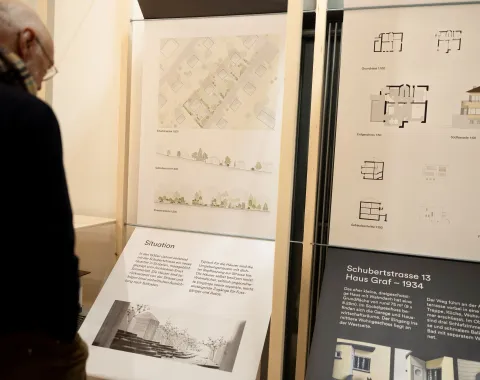
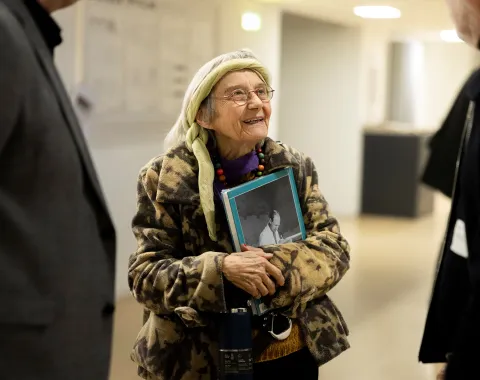
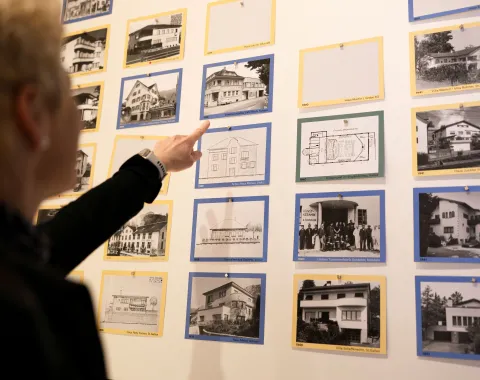
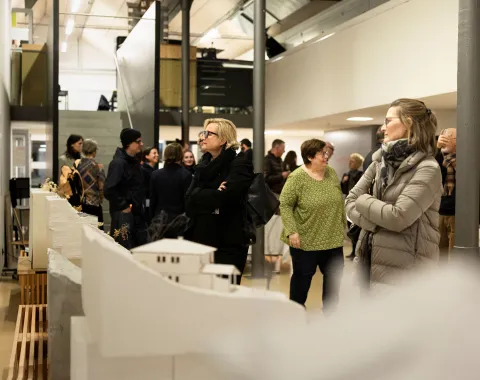
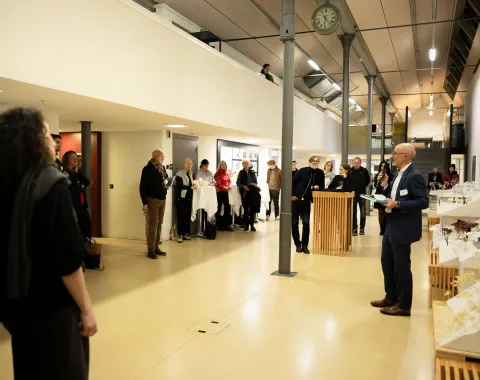
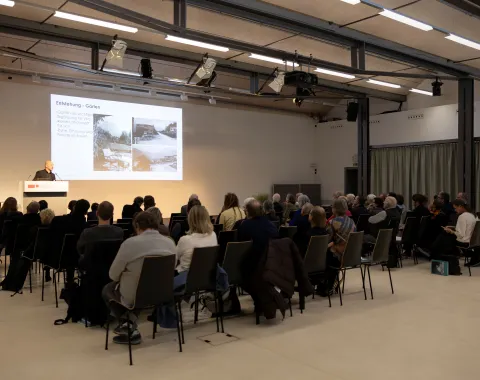
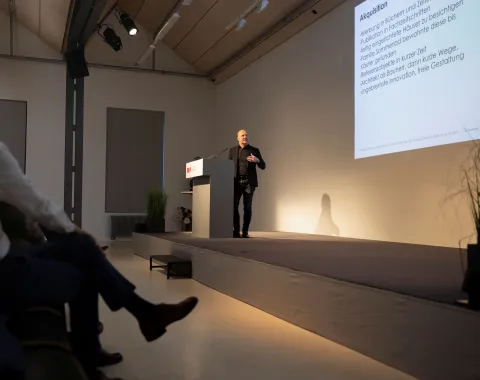
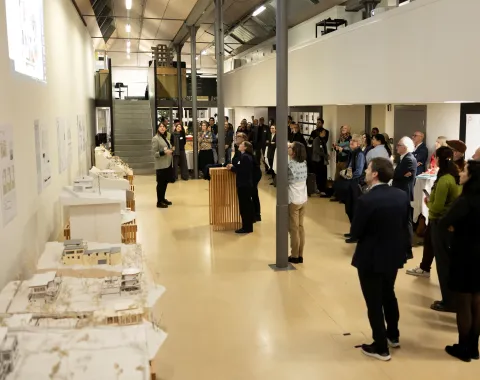
On 27 November 2025, the campus of the University of Liechtenstein was dedicated entirely to Ernst Sommerlad. Marking the architect’s 130th birthday, the auditorium filled with experts, interested members of the public and homeowners, all keen to trace the legacy of a man who placed Liechtenstein on the map of modern architecture at an early stage. Sommerlad was the first academically trained architect to settle in the Principality. With more than 200 buildings in Liechtenstein as well as in St Gallen, Appenzell Ausserrhoden, Graubünden and Vorarlberg, he shaped whole landscapes and settlements.

Anyone who speaks about Sommerlad today also speaks about an extraordinary pioneering achievement. When the 29 year old architect arrived in Liechtenstein in 1924 and opened his office in Schaan, modern building was virtually unknown here. Even so, he found support among local craftspeople, realised his first projects, and later shifted his main field of activity to Vaduz. There, he also designed the Ebenholz villa quarter, in the immediate vicinity of today’s University.

Academic symposium

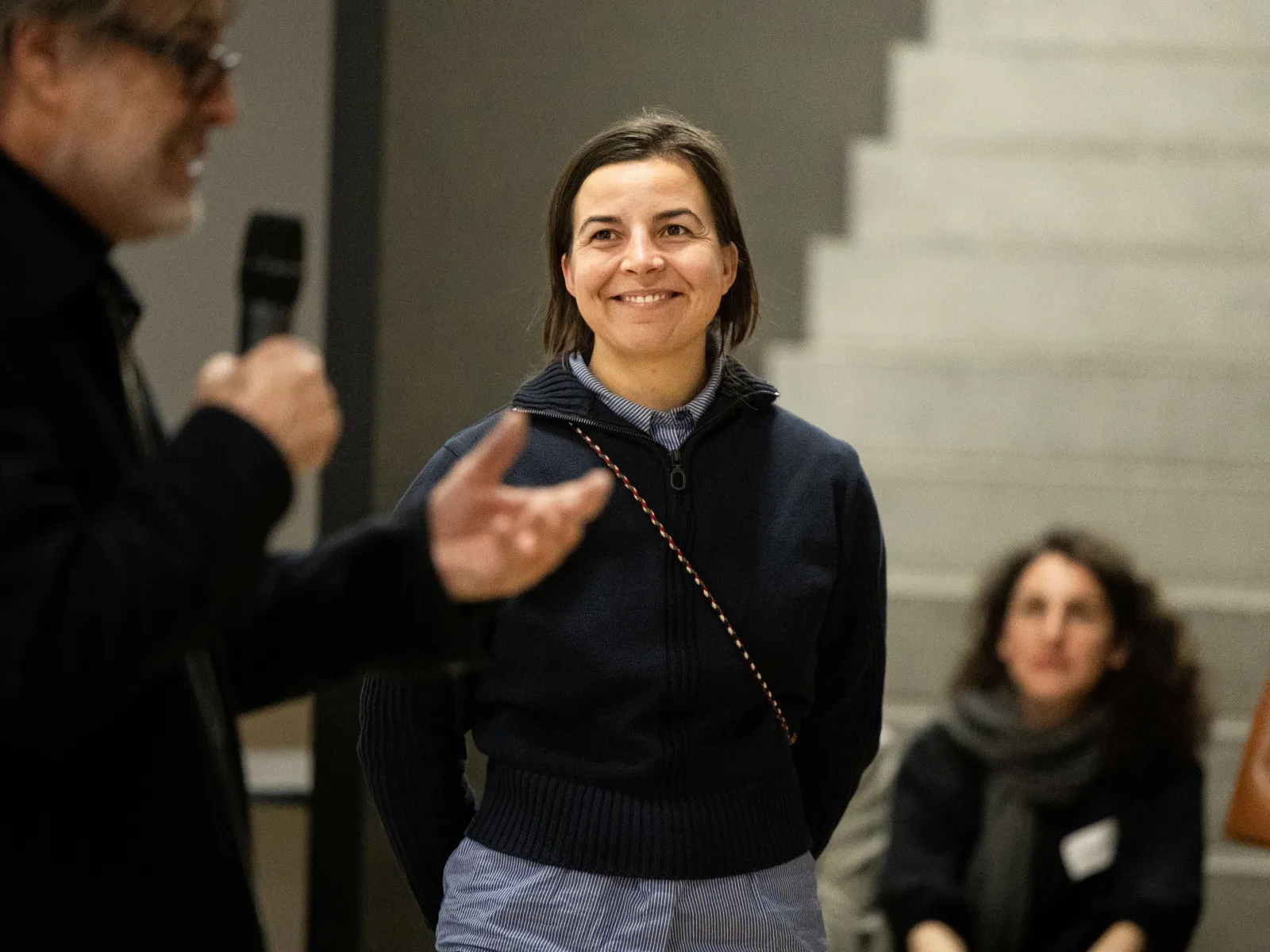
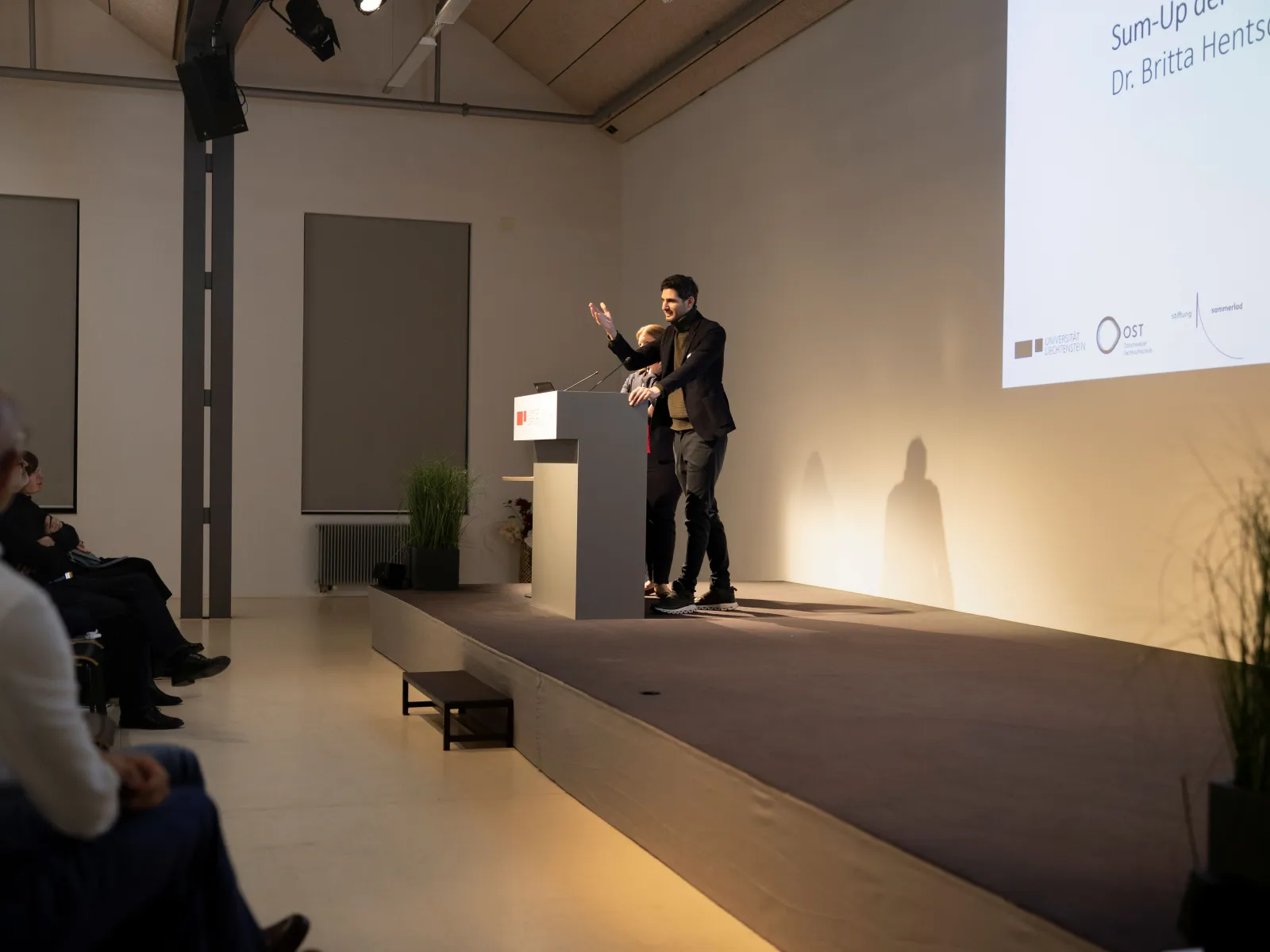
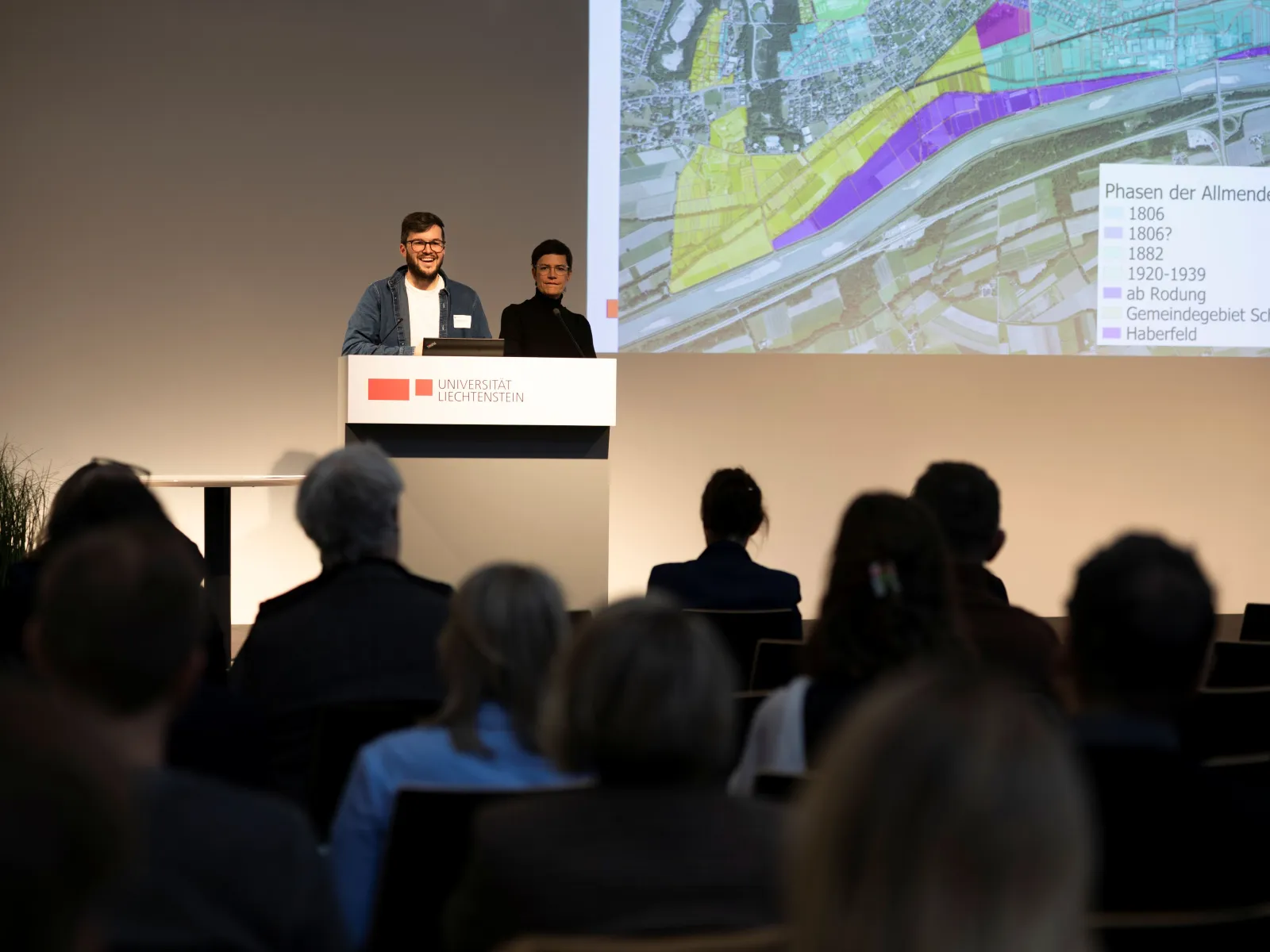
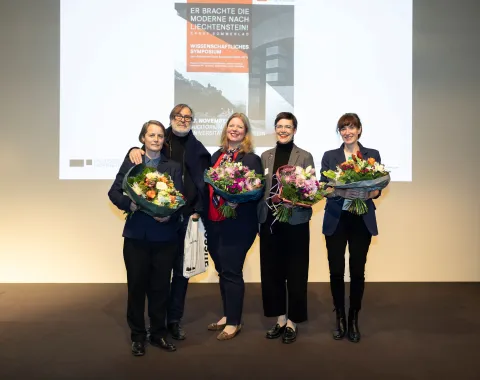
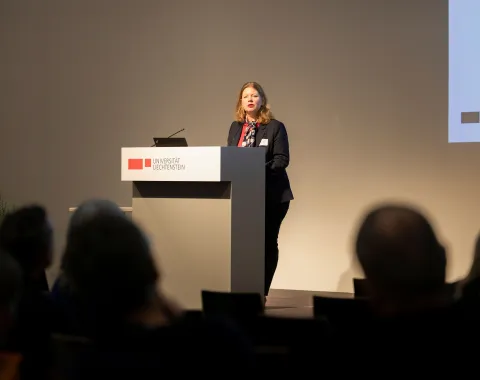
The day began with welcomes and an introduction to the topic and the collaboration. The symposium was conceived and curated by Dr Britta Hentschel (University of Liechtenstein, LSA, Built Heritage and Upcycling Unit) and Prof. Dr Katrin Albrecht (OST University of Applied Sciences of Eastern Switzerland), who set the framework for a multi layered engagement with Sommerlad’s work.

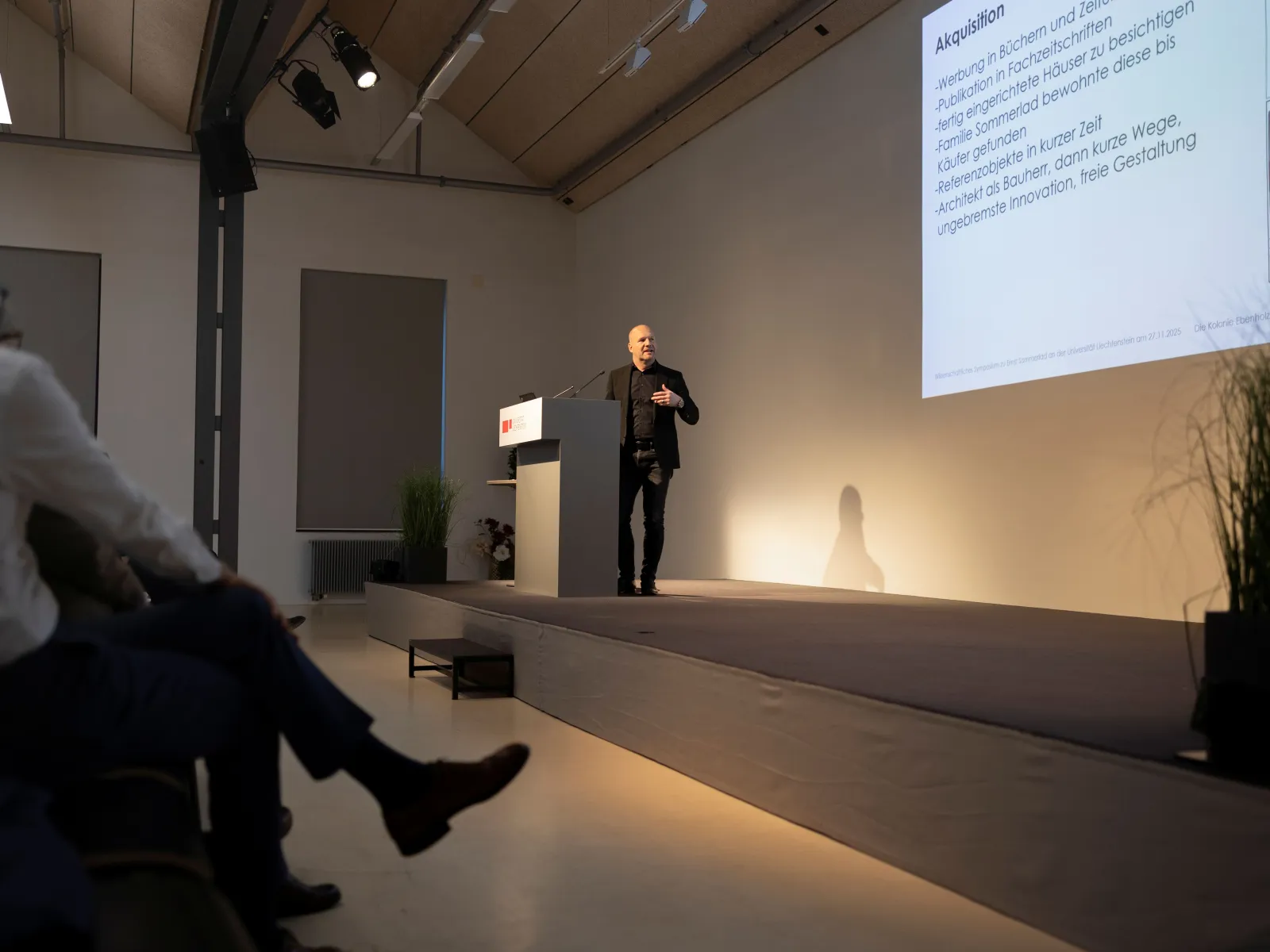
Under the title “Sommerlad, the border crosser”, the morning focused on the historical and social context in which Sommerlad worked. The contributions traced how he moved between different regions and encountered very diverse cultural and architectural conditions, and at times significant obstacles. This made clear which currents, expectations and opportunities shaped his practice. Rather than listing individual buildings, the emphasis lay on how Sommerlad acted as a mediator between places, traditions and the spirit of modernity, and how he developed his own architectural position rooted in the Alpine region.

In the afternoon, the perspective widened further, with a focus on preserving and continuing to develop Sommerlad’s buildings. From different professional angles, speakers showed how his works can be read today as part of a building culture that understood borders more as connections than as divides. The discussion sharpened the image of an architect who did not operate as an isolated figure, but as someone who worked, negotiated and translated with great openness. This adaptability emerged as one of his defining qualities, both in dealing with clients and contexts and in the lasting character of his buildings, many of which have remained remarkably flexible to this day. All the more regrettable, therefore, is the fact that almost half of Sommerlad’s roughly 120 buildings in Liechtenstein have already fallen victim to increased pressure for plot exploitation and profit.

Sommerlad’s own skilful use of the new possibilities offered by the Persons and Companies Act (PGR) from 1926 was also highlighted from a constitutional law perspective, and the land policy he initiated in the country was analysed in terms of its social and spatial impact.

Exhibition opening and book presentation

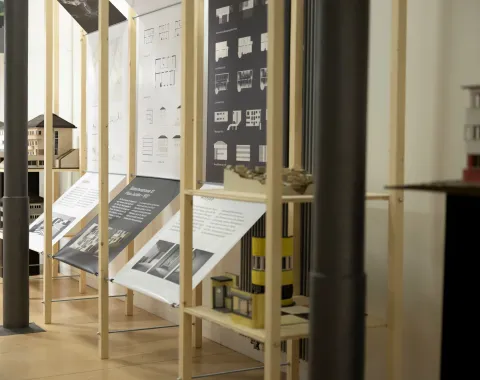
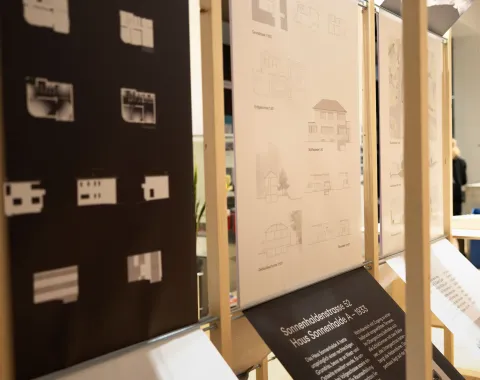
After the academic part, the late afternoon moved into the book presentation and the opening of the accompanying exhibition. Deputy Prime Minister and Minister of Culture Sabine Monauni opened the exhibition, underlining Ernst Sommerlad’s importance for the cultural memory and building culture of the country. The vernissage gave visible form for a wider public to what had previously been discussed in lectures and debates.

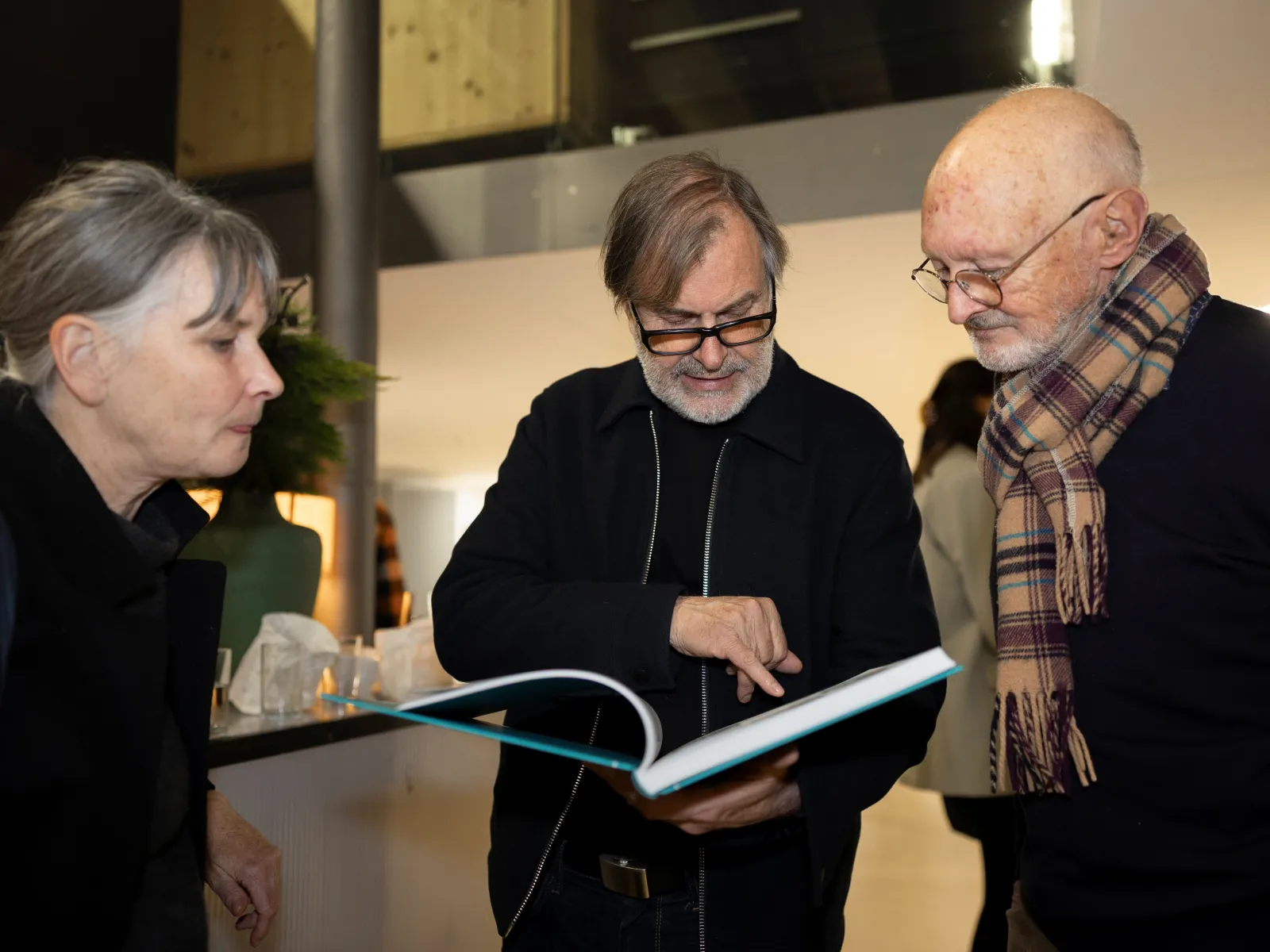
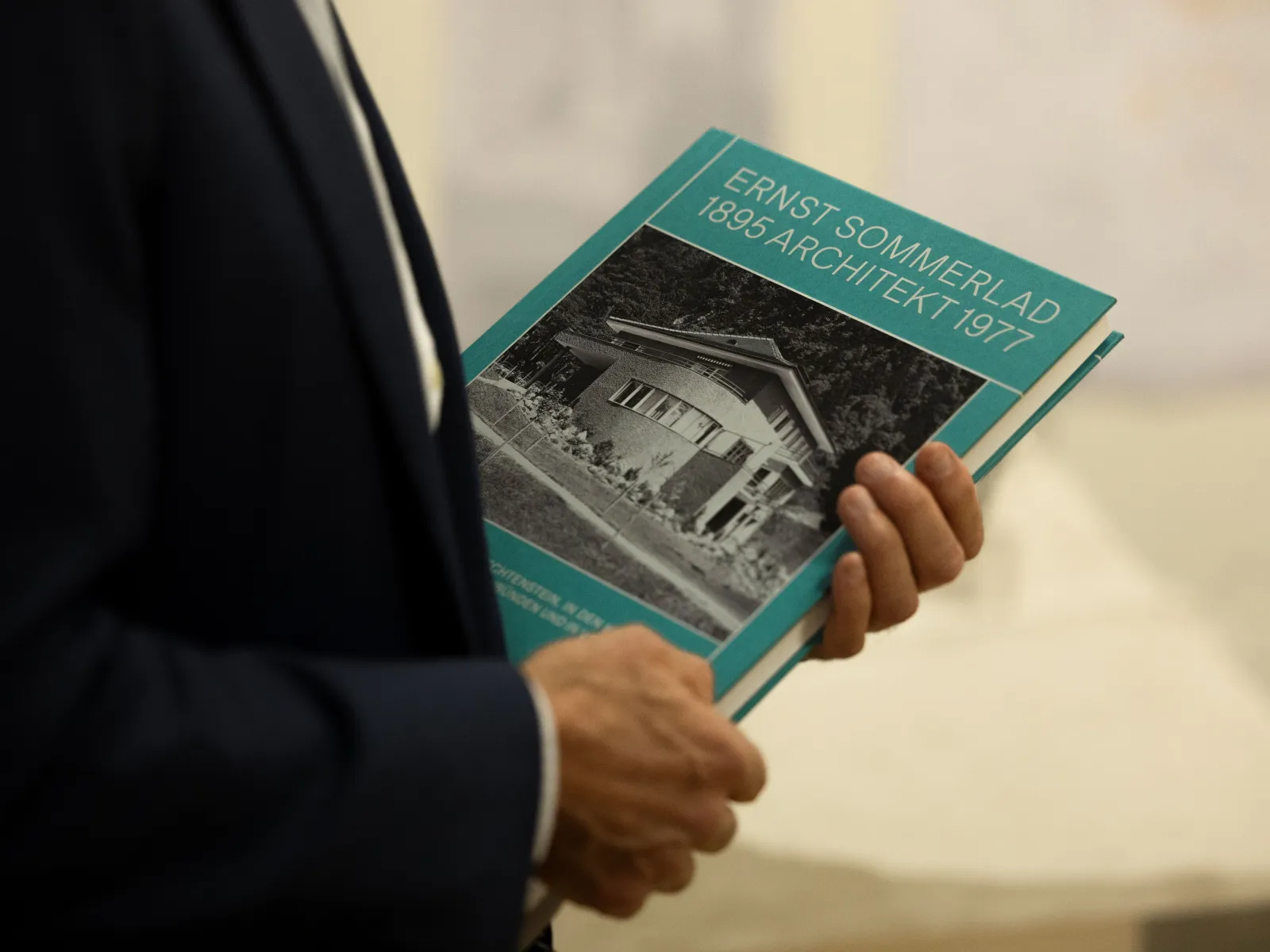
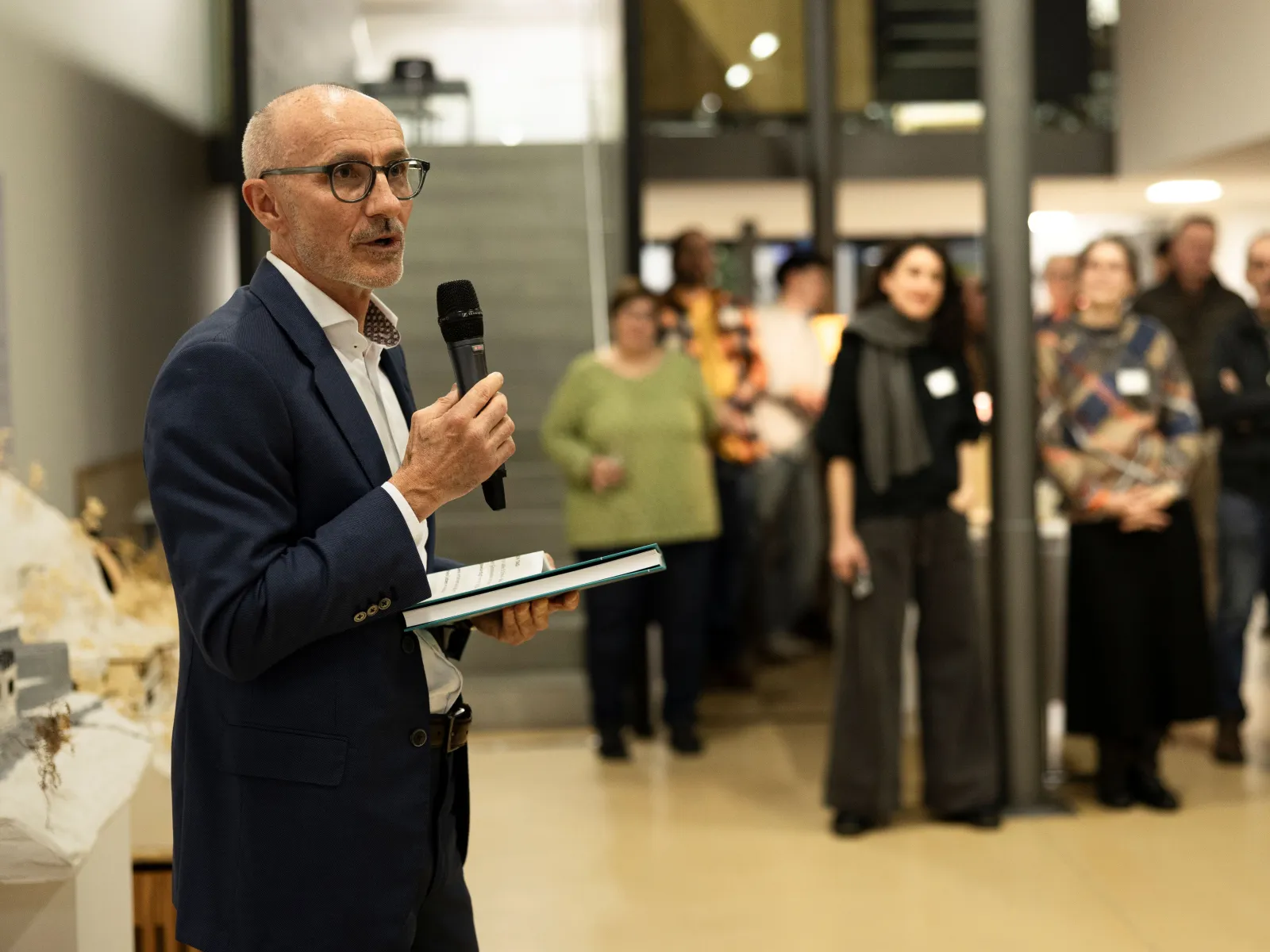
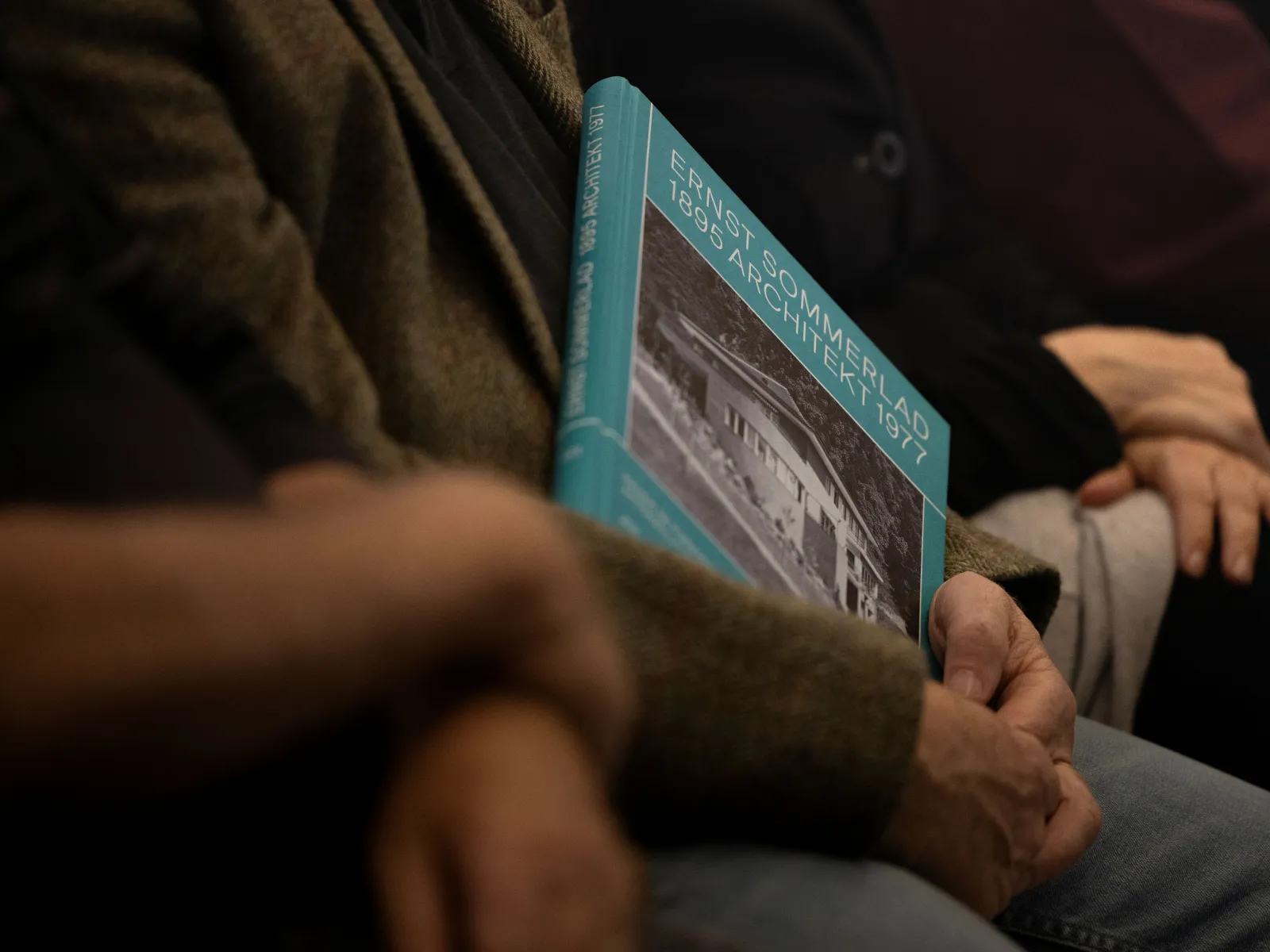
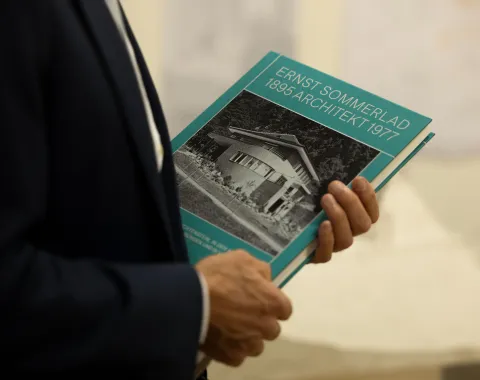
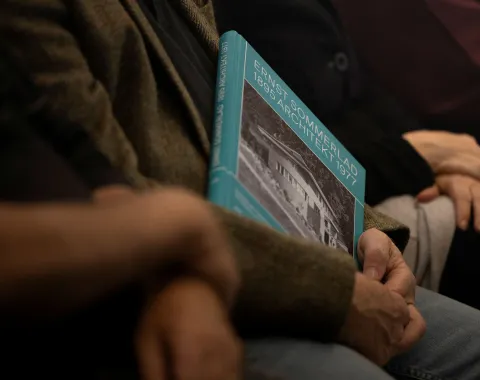
The day concluded with the presentation of the new monograph “Ernst Sommerlad Architect 1895 to 1977”. Dr Frank Zindel, Ernst Sommerlad’s grandson and Chair of the Sommerlad Foundation, introduced the publication and in doing so created a personal link to the occasion. The book has been published by Park Books and brings together the results of the engagement with Sommerlad’s extensive work across the entire Alpine region, including a catalogue of works.

On 28 and 29 November 2025, following guided tours in St Gallen, further tours in the Principality visited Ernst Sommerlad’s buildings, rounding off the diverse anniversary programme on site.

In summary, the day offered far more than a survey of works. It showed how wide Sommerlad’s intellectual and geographical reach truly was. The different approaches to his person and his buildings, political, legal, architectural historical and heritage based, brought out the essence of modernity that underpins his oeuvre. It also became clear how formative Sommerlad was for Liechtenstein and the wider region. The fact that the University itself stands in the midst of an area shaped by his buildings gave this insight a particularly immediate resonance.

More information at www.uni.li/sommerlad

Menschen, die auf Architekturmodelle schauen

Ernst-Sommerlad-Symposium

We need your consent
To view this YouTube video, you must accept data processing under the category “Third-party marketing”. Further details on data processing can be found here.
Display Cookie Settings

Follow-up report on the evening seminar “MiCAR and criminal law”

Follow-up report on the evening seminar “MiCAR and criminal law”

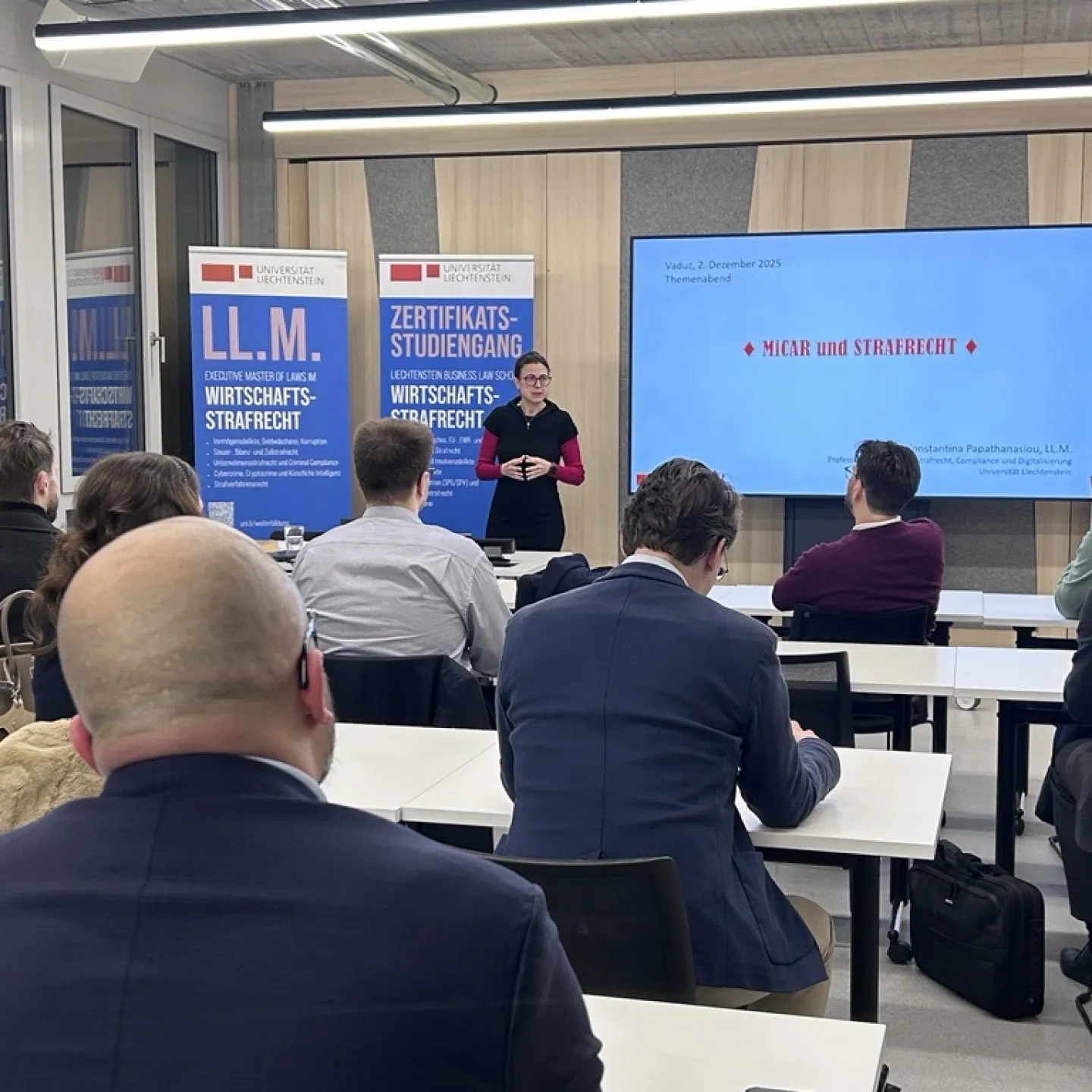
Blick in den Hörsaal während des Themenabends

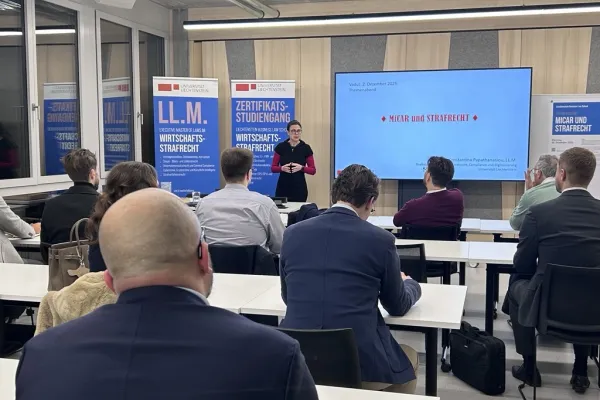
On December 2, 2025, a themed evening on “MiCAR and criminal law” was held with Prof. Dr. Konstantina Papathanasiou, LL.M. (Professor of Commercial Criminal Law, Compliance, and Digitalization), which also marked the conclusion of the FFF project “The criminal law dimension of MiCAR implementation in Liechtenstein.”

The MiCA Regulation has been fully applicable in the EU since December 30, 2024. In Liechtenstein, the EEA MiCA Implementation Act entered into force on February 1, 2025. Following the decision of the EEA Joint Committee on February 20, 2025, MiCAR was effectively incorporated into the EEA Agreement on June 24, 2025, and has been directly applicable in the EEA since then.

The event focused in particular on the penal provisions of the EEA MiCA-DG:

° Art. 26: Breach of confidentiality and unauthorized activity

° Art. 27: Insider trading and unlawful disclosure of insider information

° Art. 28: Market manipulation

° Art. 31: Administrative offenses

When discussing the risks of criminal liability, Prof. Papathanasiou also explained the general issues of intent, negligence, and corporate liability.
The event addressed a highly topical issue and shed light on the new regulations as well as the resulting risks of criminal liability.

Blick in den Hörsaal während des Themenabends

Successful partner workshop held by the Chair of Technology and Innovation with Fraunhofer INT

Successful partner workshop held by the Chair of Technology and Innovation with Fraunhofer INT

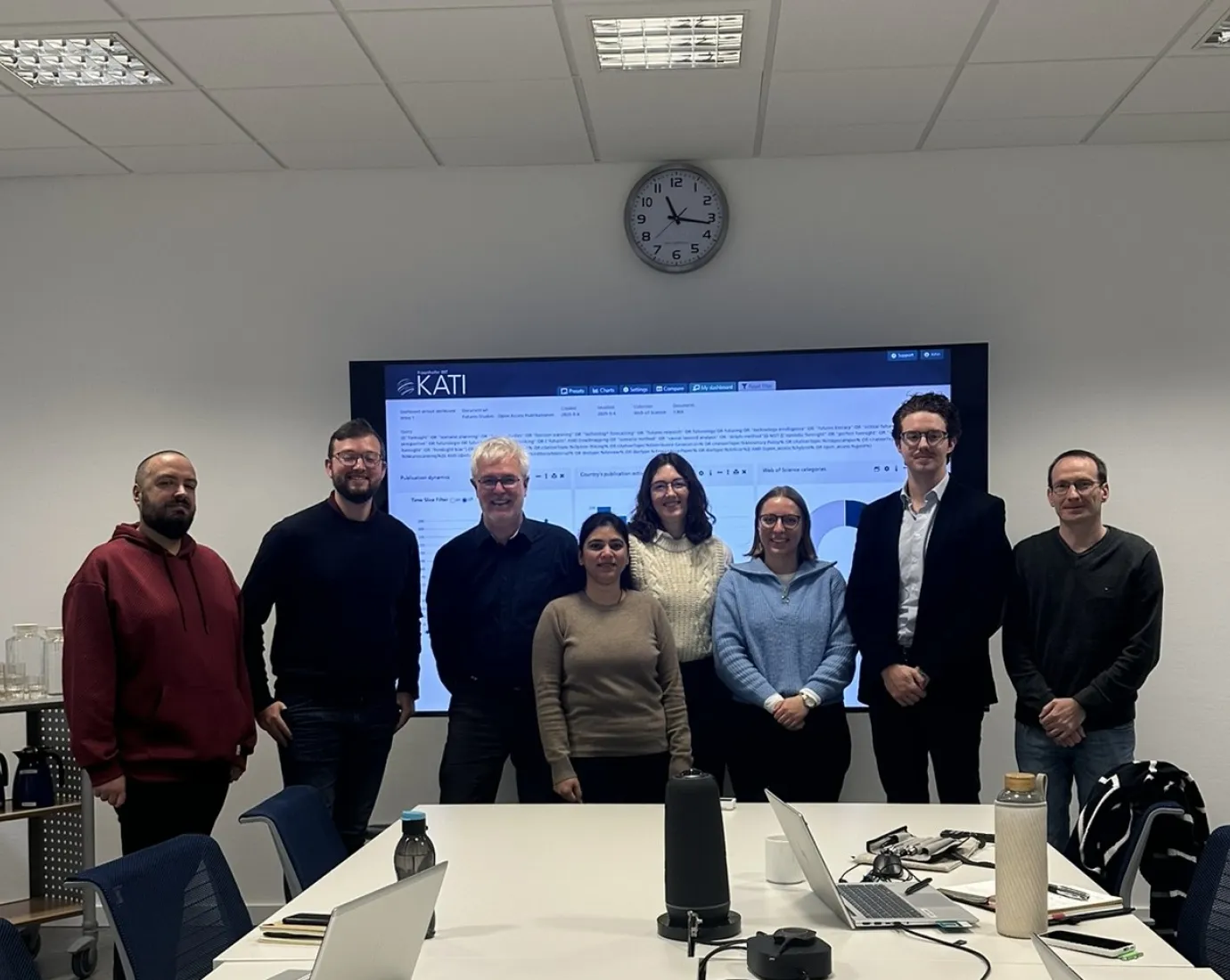
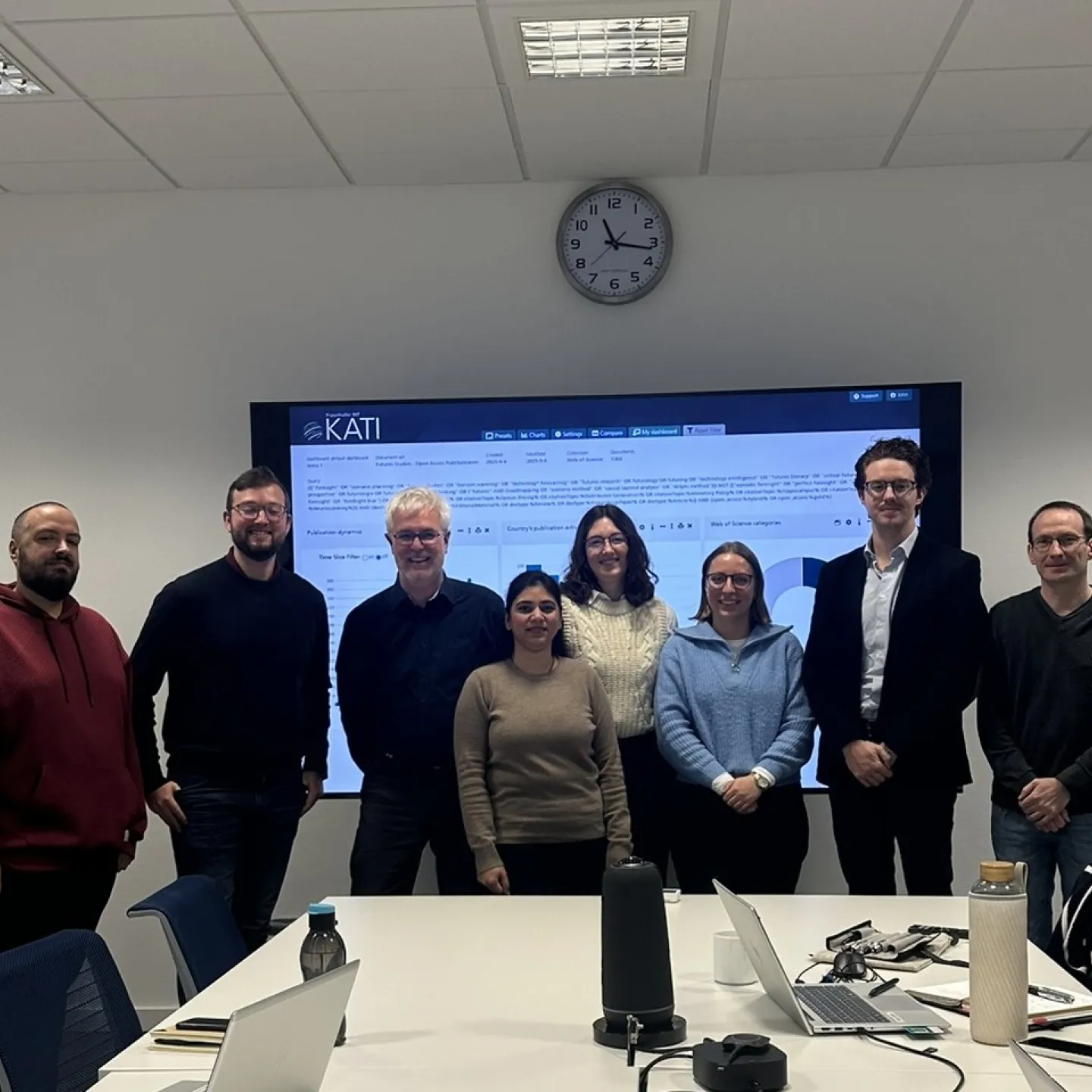
Teilnehmende des Partnerworkshops Fraunhofer INT Euskirchen

As part of the FFF project “Breaking New Ground in Data-Driven Foresight” run by the Chair of Technology and Innovation in collaboration with the Fraunhofer Institute for Technological and Scientific Trend Analysis, a joint partner workshop was held at the Fraunhofer INT Institute in Euskirchen from November 26 to 28, 2025.

Niels Fetkenheuer, Clemens Armellini, and Marie Scheuffele from the University of Liechtenstein visited the project partner in Germany and were not only fascinated by the applied foresight research conducted by Fraunhofer INT, but also discussed joint research results, future cooperation opportunities, and ongoing cross-border collaboration.

After Dr. Marcus John and Melanie Martini from Fraunhofer INT visited the University of Liechtenstein last year, where the first joint partner workshop took place, this year saw a return invitation to Euskirchen, where the cooperation between the two project partners, which has now been in place for around two years, was further strengthened. The partner workshop kicked off with a research presentation by Melanie Martini (Fraunhofer INT, KATI Lab) and Marie Scheuffele (University of Liechtenstein, T&I Chair) on the topic of "Skills of the Future: What job postings reveal about AI skills" as part of the Fraunhofer INT public institute seminar. In their presentation, the speakers presented their current research on the use of online job posting data for data-driven foresight purposes and discussed the strengths and weaknesses of this innovative data source as well as its potential for the early detection of technology skill trends in the context of AI technology. Around 60 participants logged in online for the presentation, and the topic provided the perfect kick-off for the rest of the workshop agenda.

In addition to research-related discussions on data-driven foresight, data analysis, and tool applications, the agenda also included the creation of transfer opportunities, mutual support options, and collaboration in the MBA Technology and Innovation program. The overall outcome of the partner workshop was agreement that cooperation between the two organizations will continue and that joint paper submissions, new research project launches, and fresh teaching input are on the horizon. Ideally, the partner workshop will then enter its third round and the University of Liechtenstein will once again welcome Fraunhofer INT researchers to Vaduz.

The Chair of Technology and Innovation, headed by Prof. Dr. Leo Brecht, would like to express its sincere thanks to Fraunhofer INT for its hospitality and the excellent organization of the workshop. The staff of the Chair will be happy to answer any questions you may have about research topics and projects.

About Fraunhofer INT: The Fraunhofer Institute for Technological and Scientific Trend Analysis INT offers scientifically sound assessment and consulting services across the entire spectrum of technological developments. For 50 years now, Fraunhofer INT has been a reliable partner for the German Federal Ministry of Defense, advising it and carrying out research projects in the fields of technology analysis and strategic planning. Fraunhofer INT also conducts successful research for civil public clients and companies, both nationally and internationally, ranging from medium-sized companies to DAX30 corporations.

Teilnehmende des Partnerworkshops Fraunhofer INT Euskirchen

40 METERS OF CARE. Biennale Sessions

40 METERS OF CARE. Biennale Sessions

TAKING CARE OF CARE

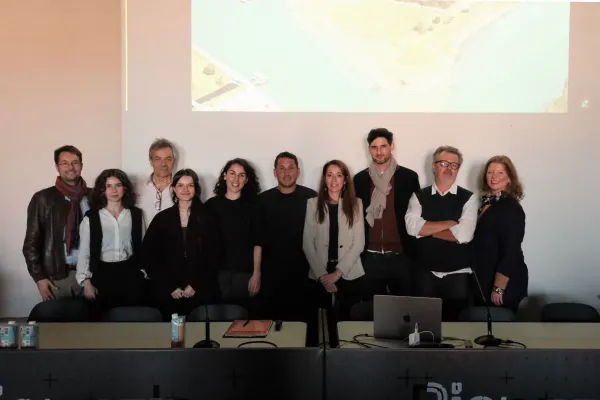
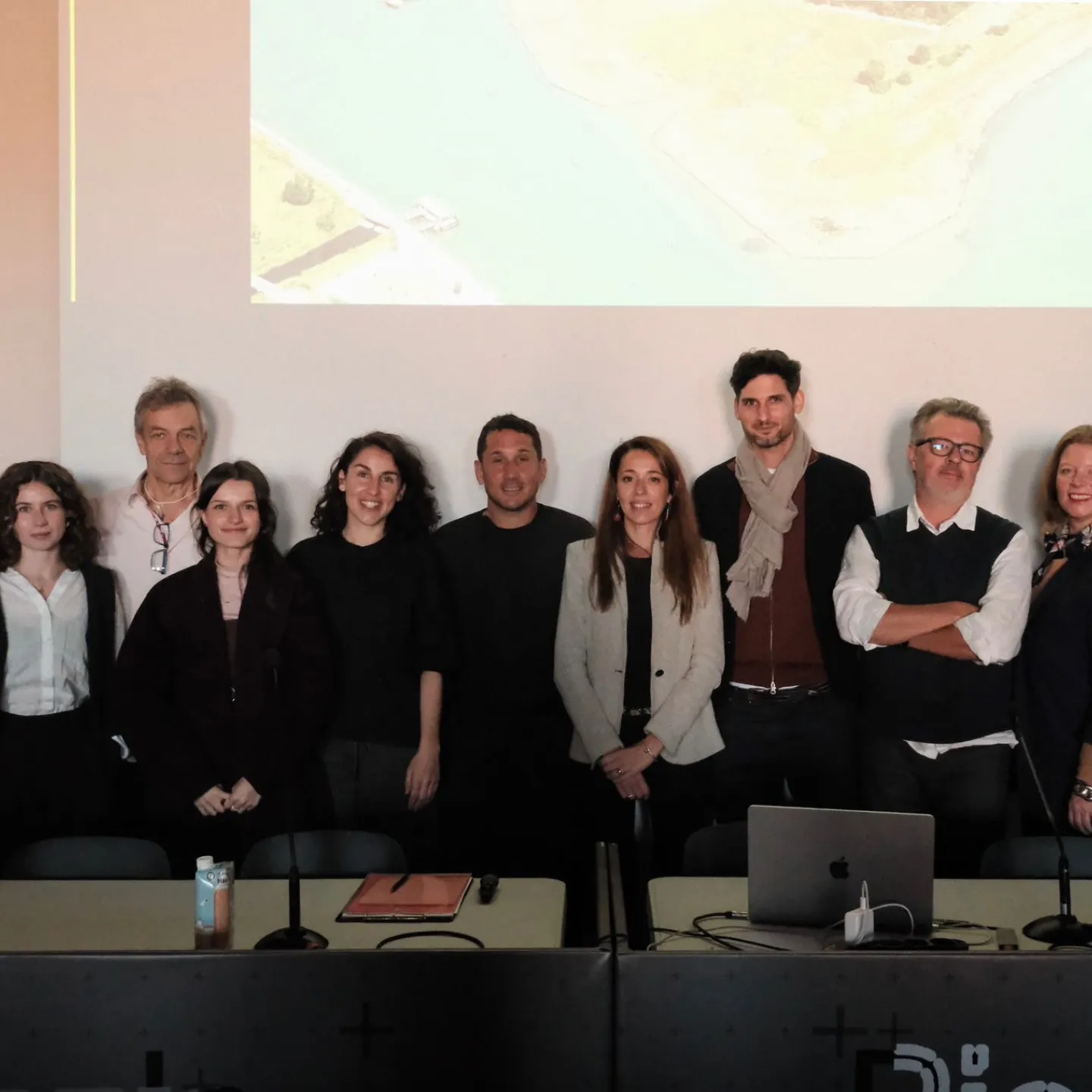
Ein Gruppenbild von 10 Personen vor einer Leinwand

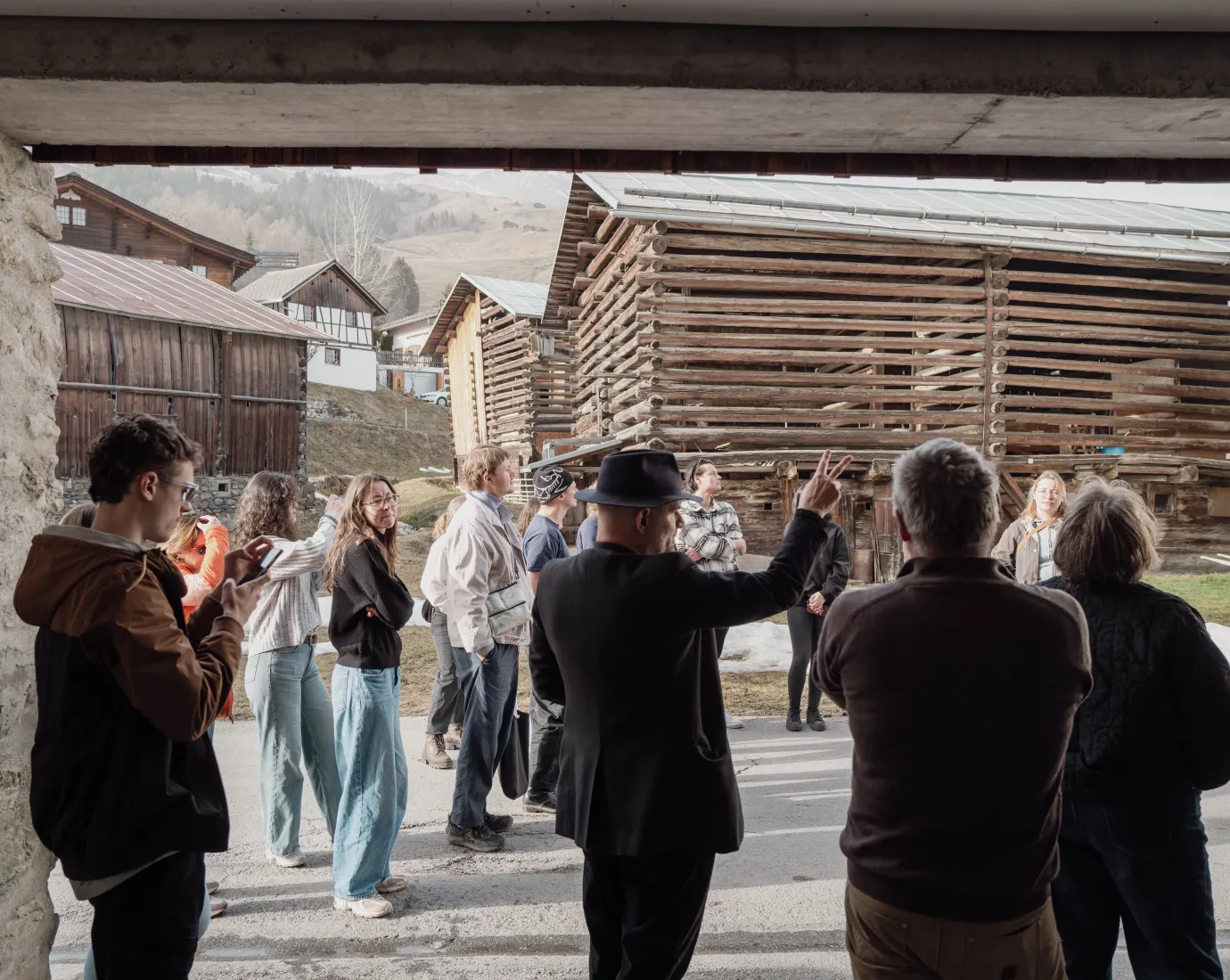
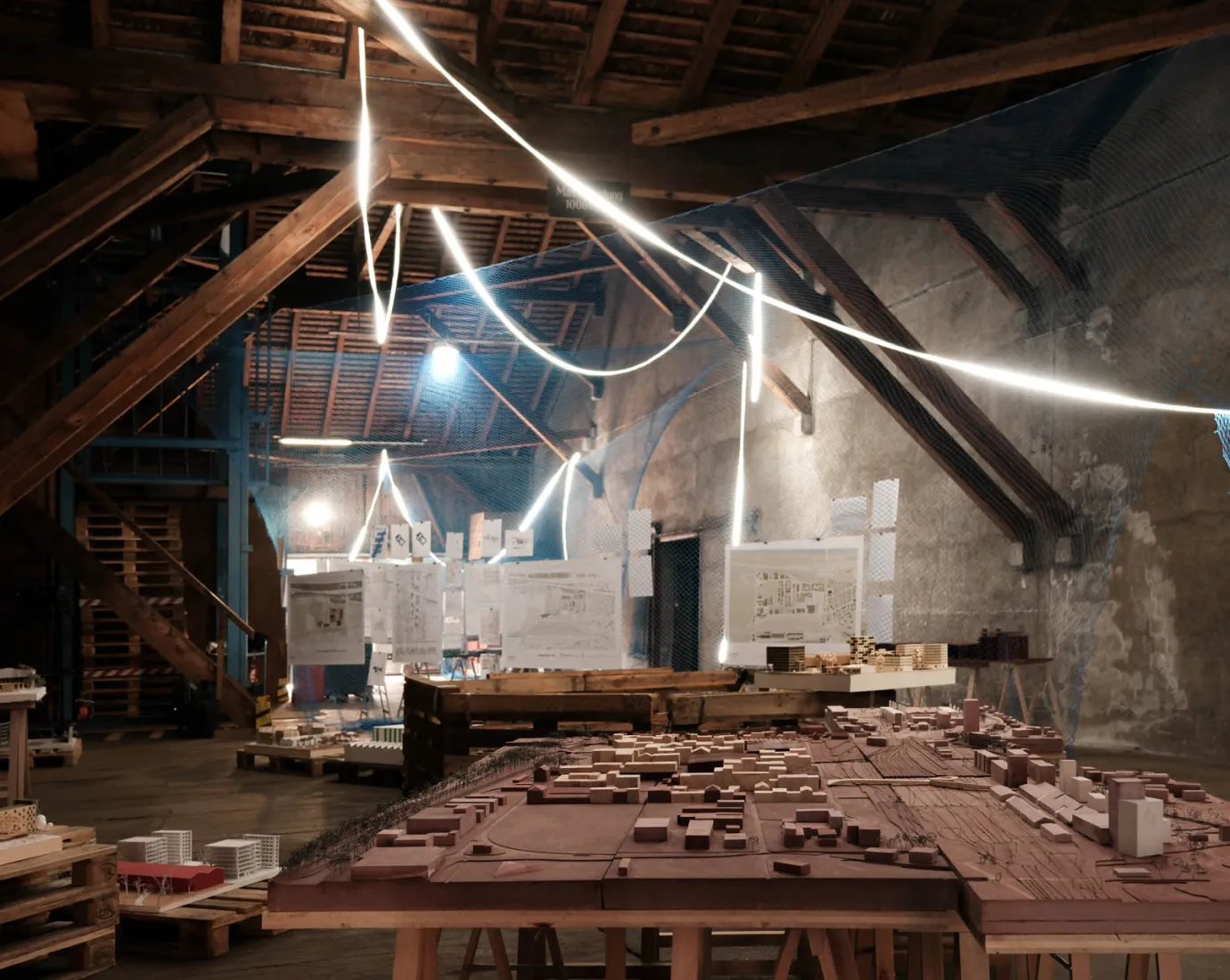
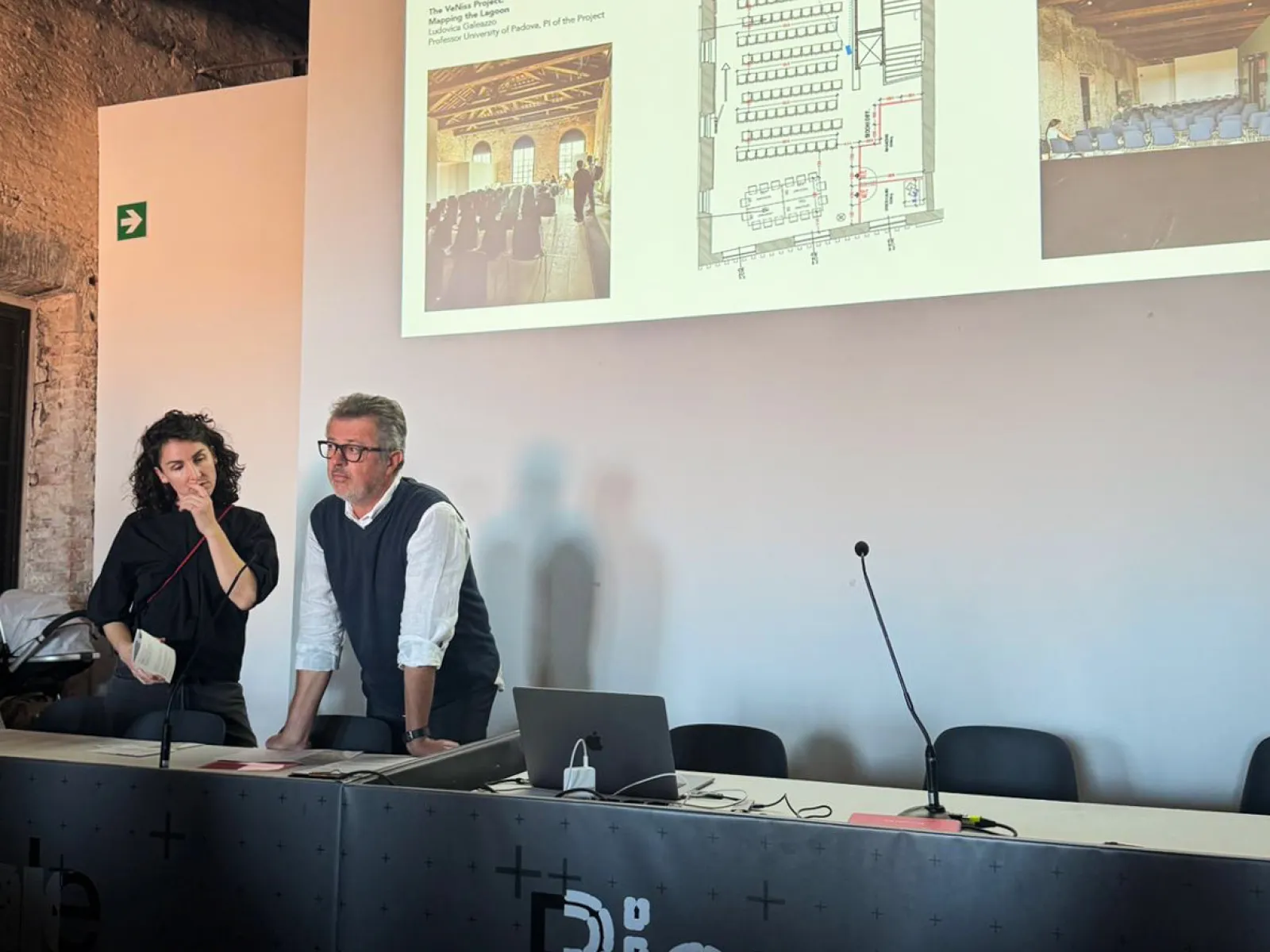
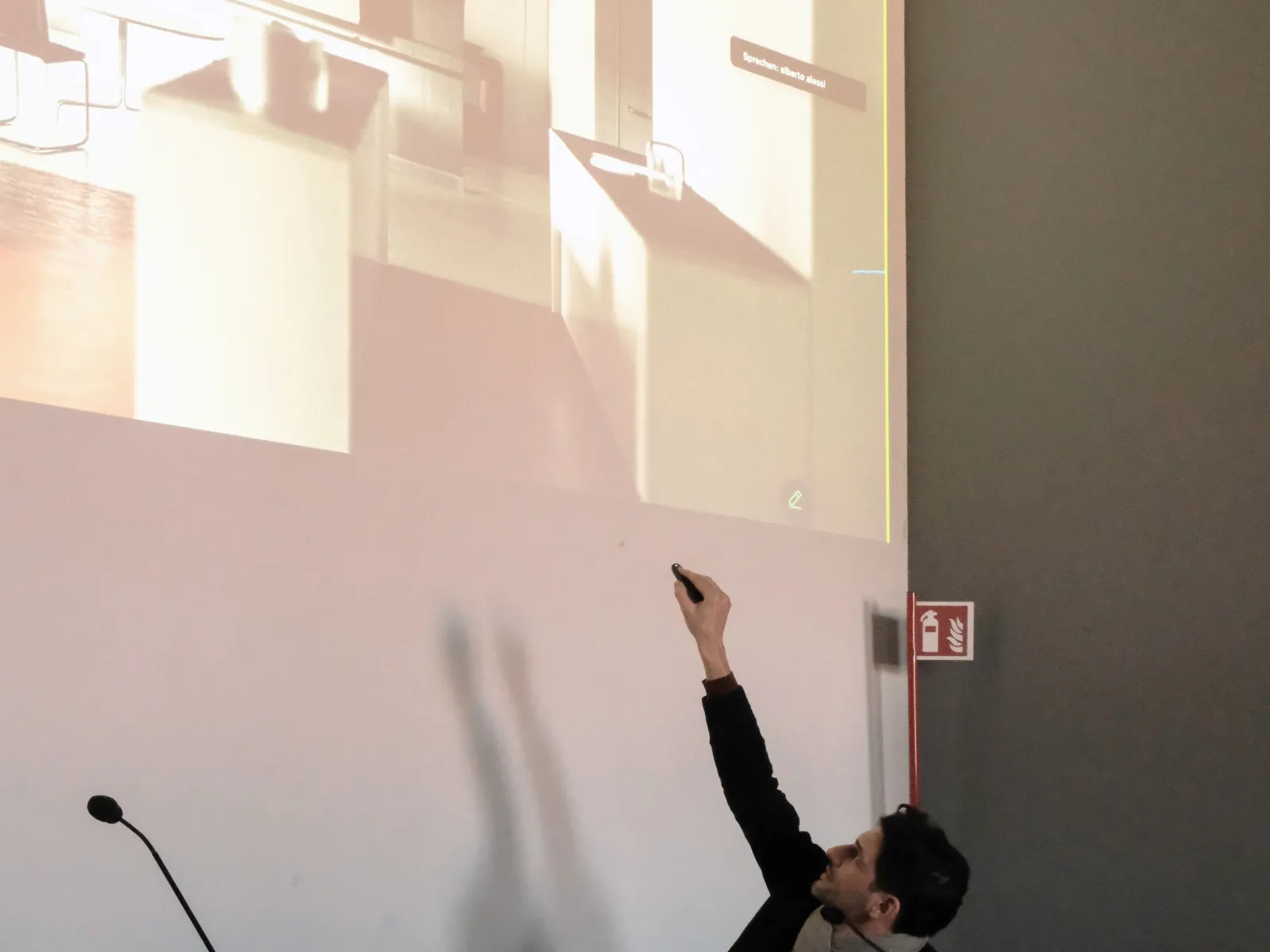
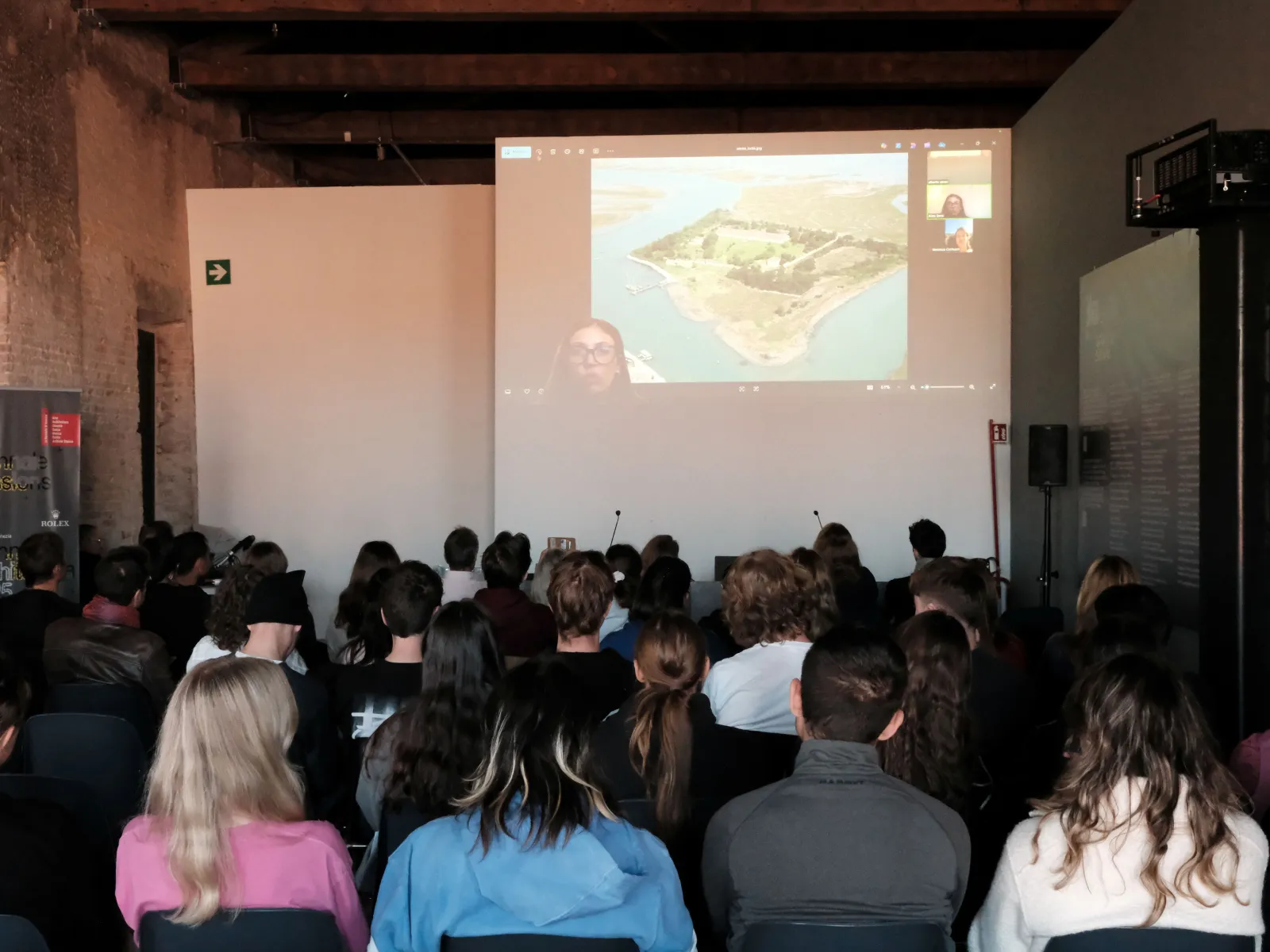
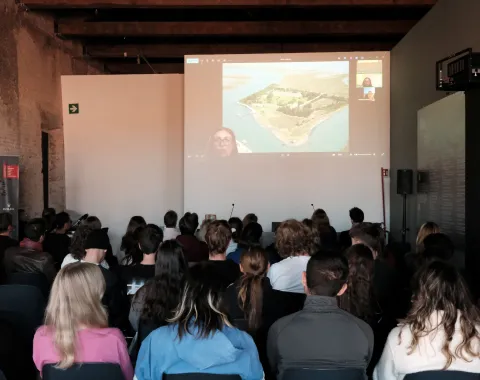
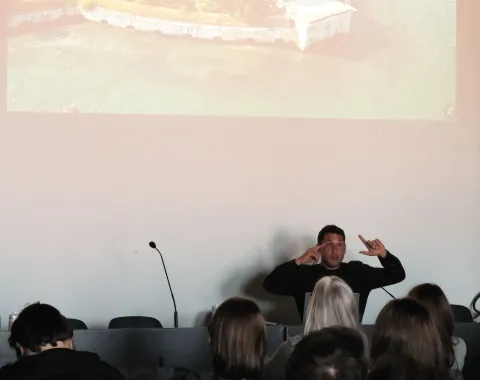
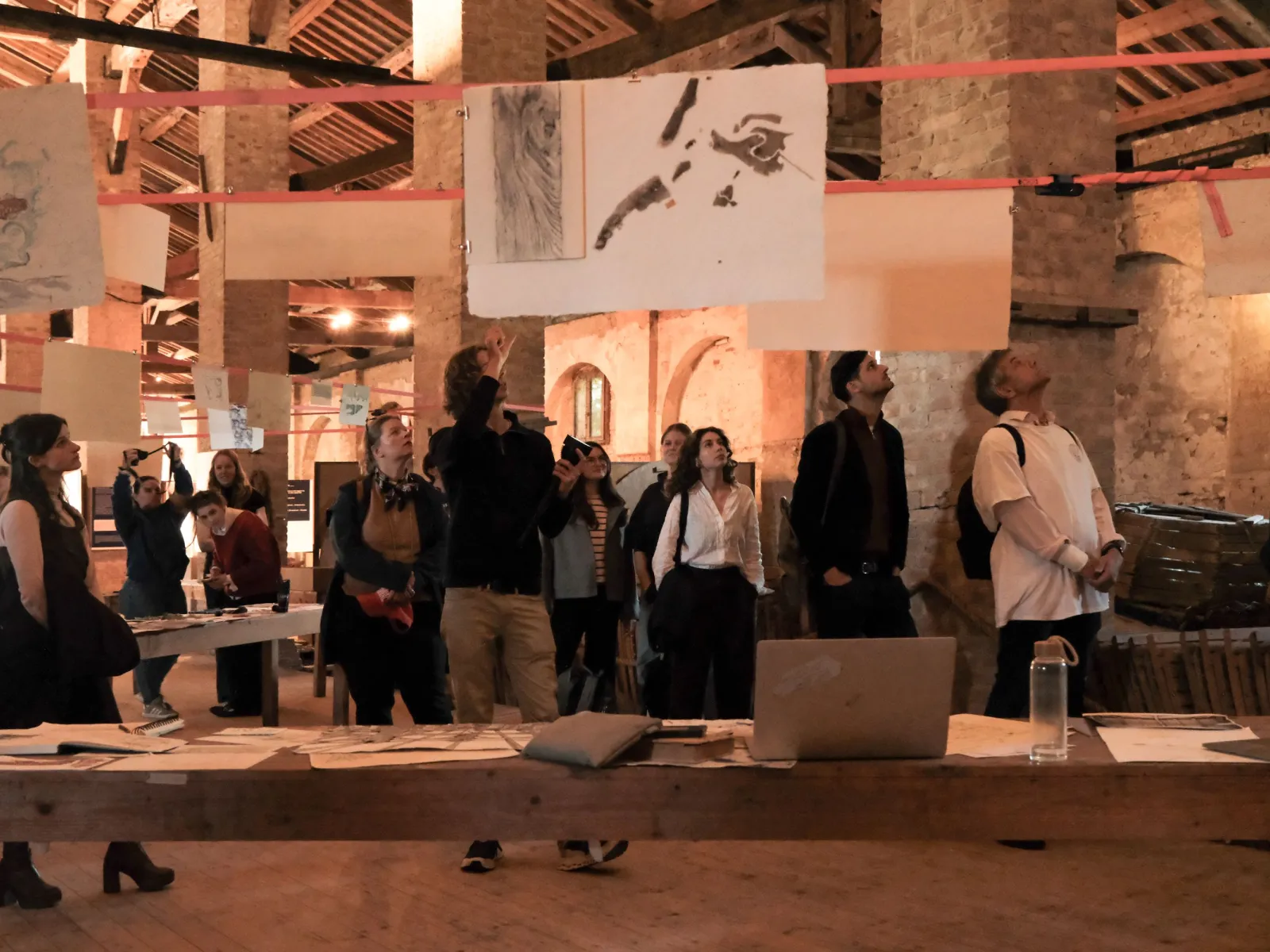
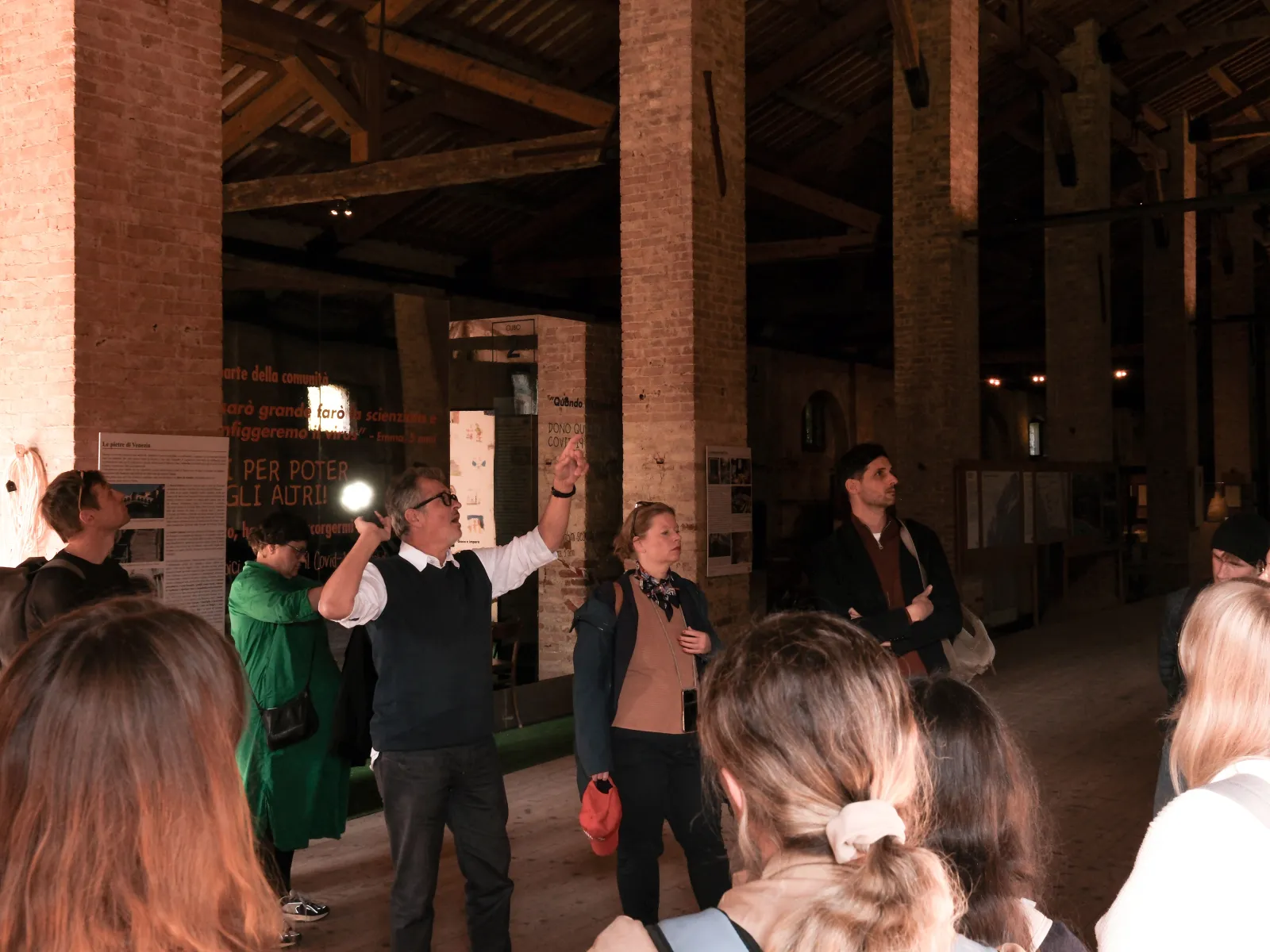
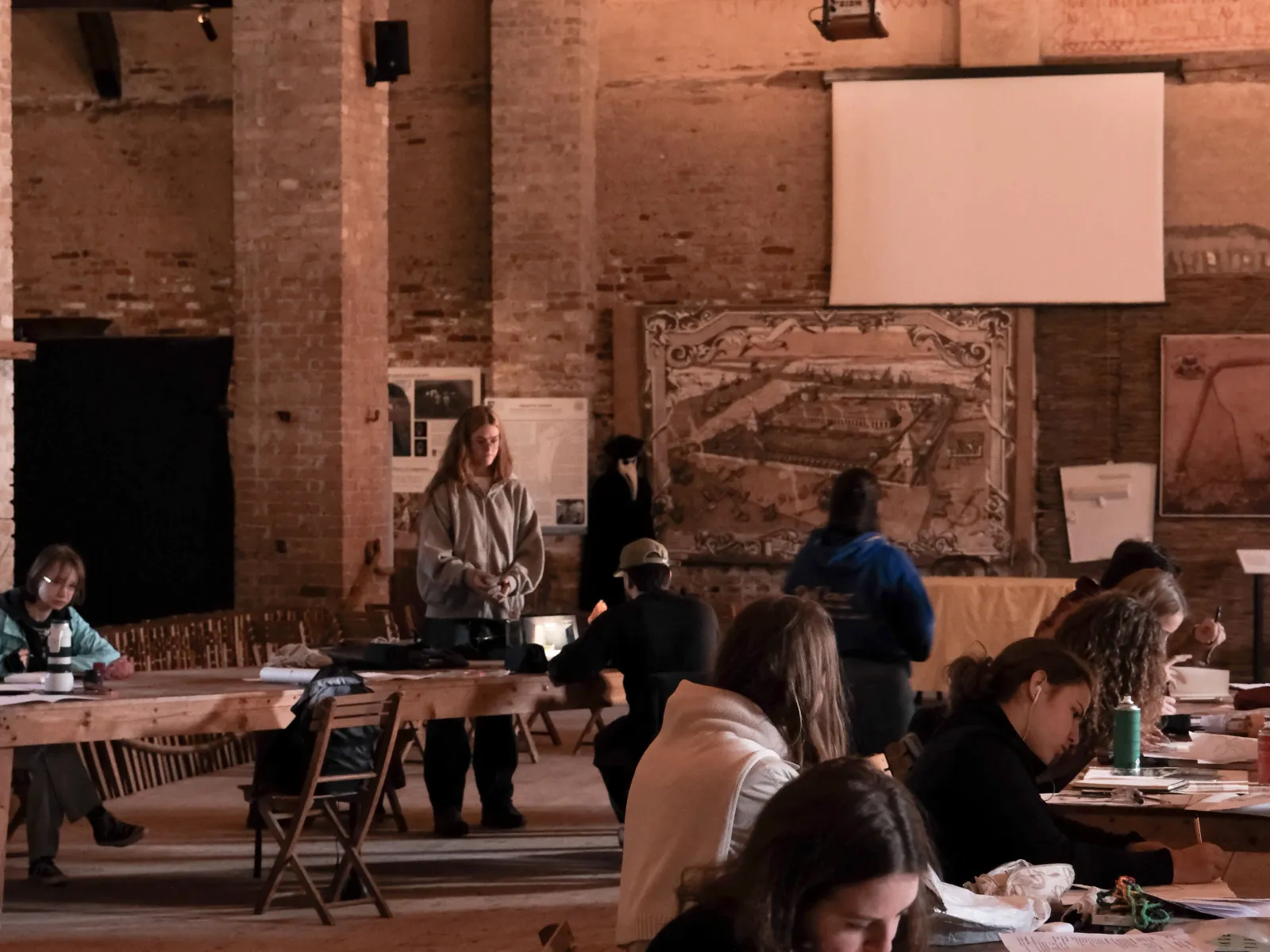
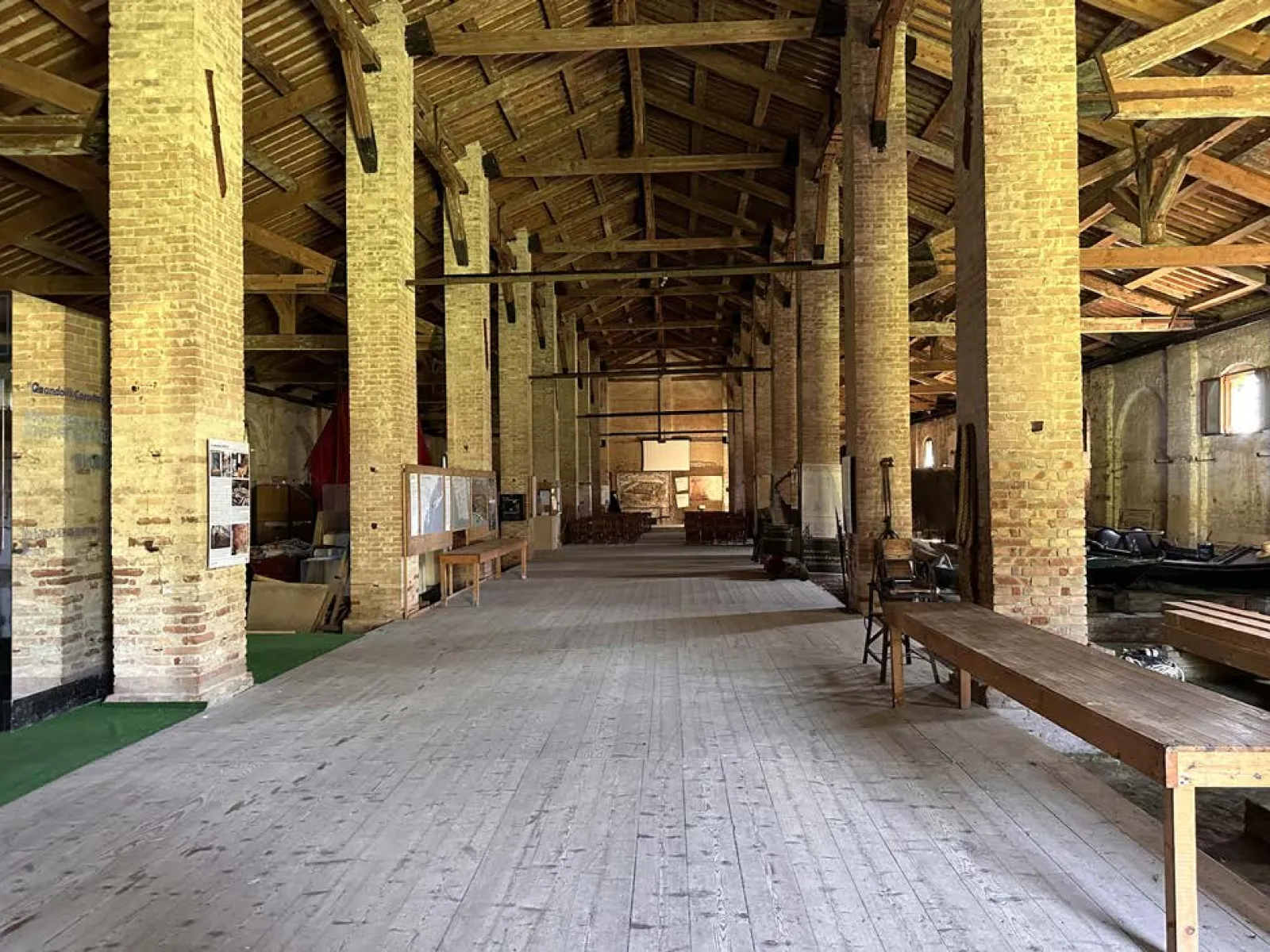
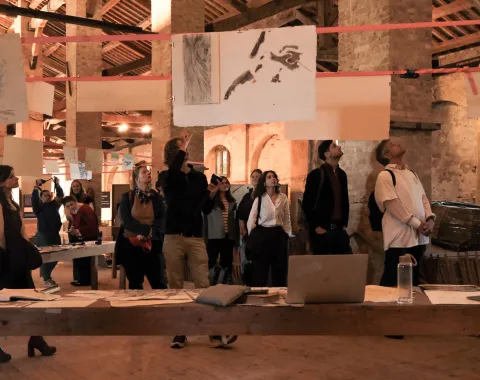
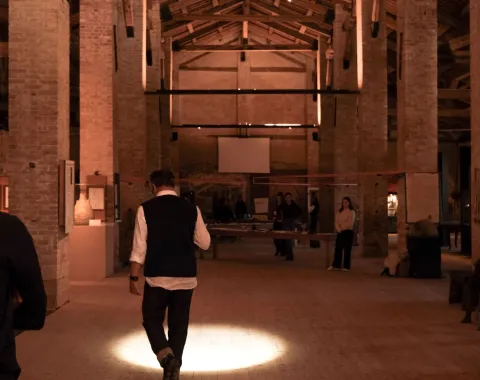
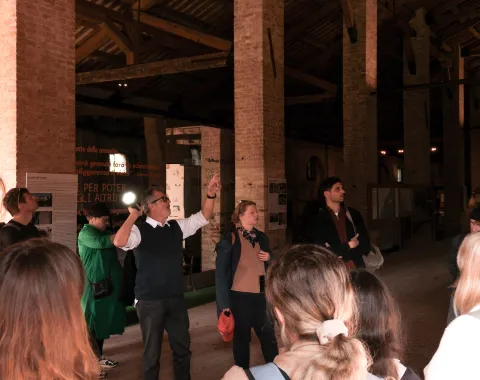
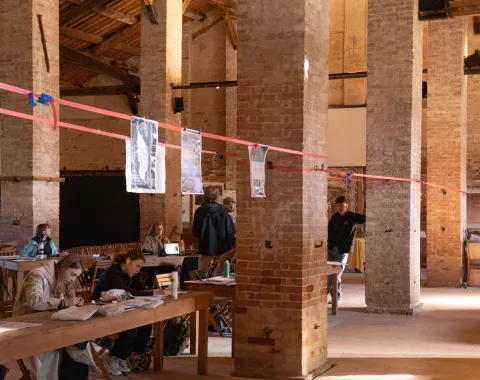
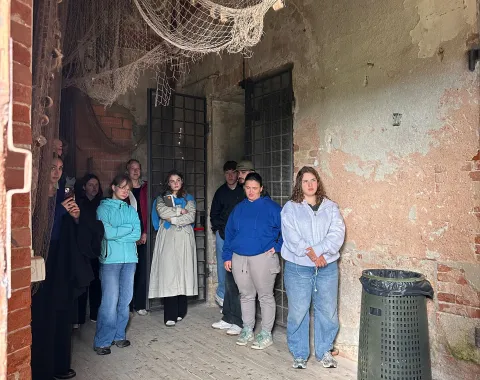
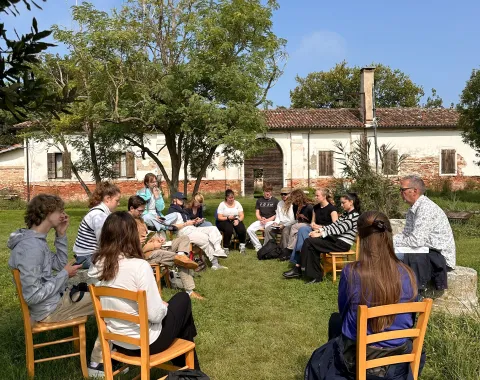
As part of the International Architecture Exhibition of the Biennale di Venezia 2025, the design studio of Alberto Alessi and Barbara Ruech at the University of Liechtenstein organised the Biennale Sessions under the title “Taking Care of Care”. The event in the Sala d’Armi, Arsenale brought together contributions from artists, architects and researchers, who presented their work in a series of talks: Hannes Brunner (Zurich–Berlin, in cooperation with the University of Zurich) with “The Ketchup-Boat. A Restitution Reconsidered.”, Alice Doro (board member of the Ecomuseo dei Lazzaretti Veneziani) with “The Lazzaretto Nuovo. Reloading the Island”, Prof. Dr. Ludovica Galeazzo (University of Padua) with “The VeNiss Project. Mapping the Lagoon”, Paolo Rosso (Artistic Director, Venice) with “The Microclima Programme. An Interactive Research”, Dr Britta Hentschel with “Healing Architecture” and Prof. Dr Daniel Stockhammer with “Reuse in Architecture” (University of Liechtenstein, LSA, Head Built Heritage and Upcycling Unit). Students from the University of Liechtenstein and the University of Zurich, as well as Biennale visitors, took an active part in this exchange.

The aim was to offer impulses for thought and reflections on CARE as an architectural attitude: to observe attentively, to preserve, and to continue building responsibly. The Biennale Sessions brought different perspectives together and opened up a discourse on a conscious approach to the built heritage.

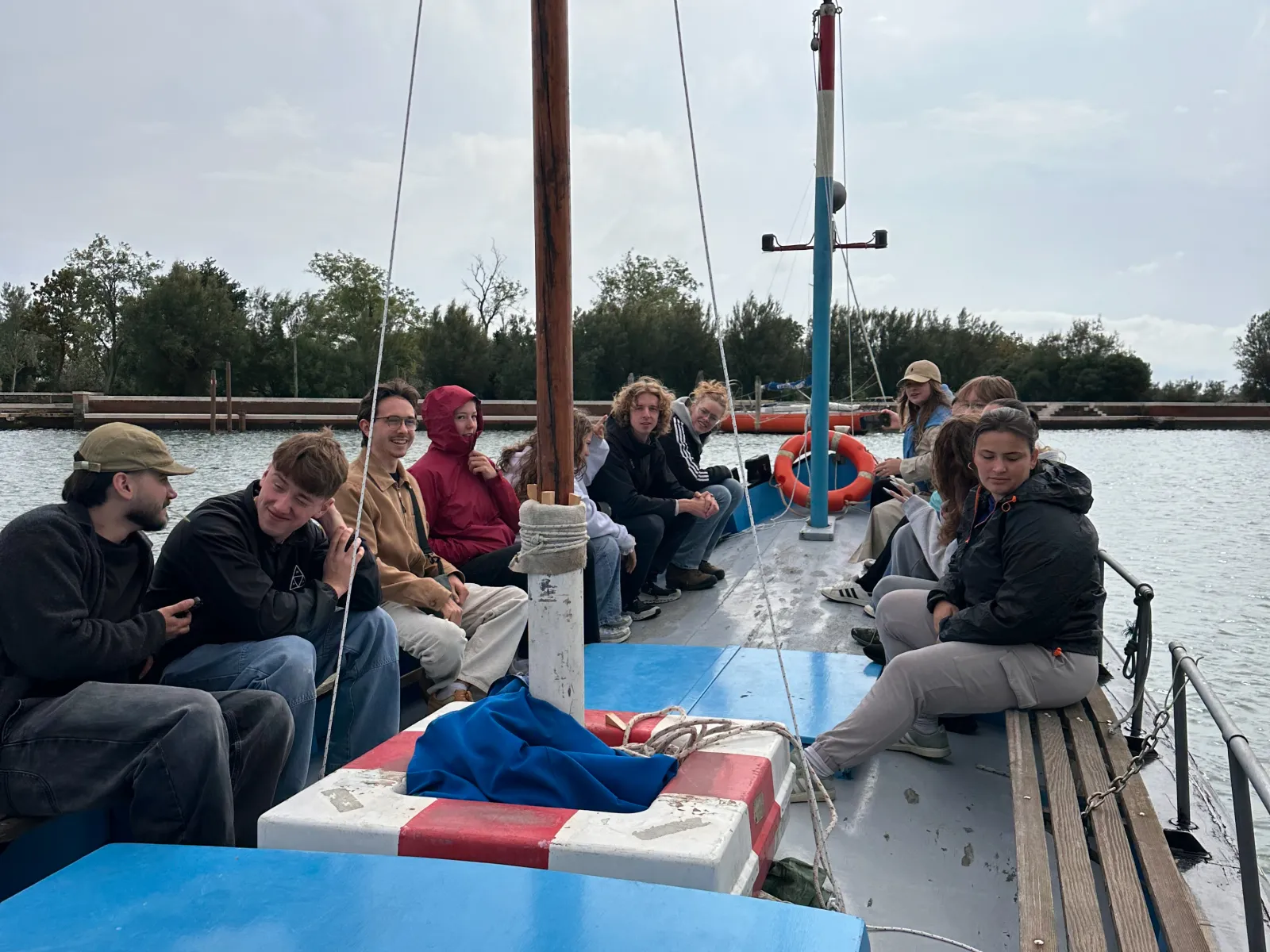
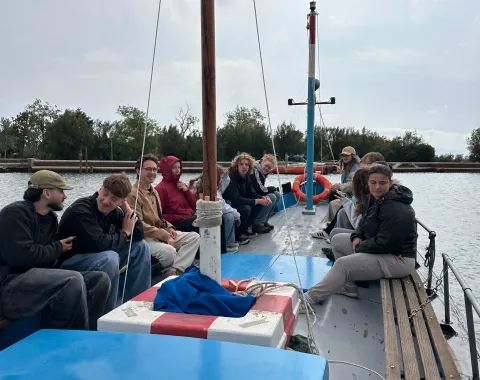
To conclude, a boat took all participants and speakers directly from the Biennale Sessions to Lazzaretto Nuovo, where students from the University of Liechtenstein presented their Empathic Recordings in a performative format, followed by a shared aperitif.

The Liechtenstein contribution to the Biennale Sessions 2025 was made possible through the Ministry of Foreign Affairs, Environment and Culture of the Government of Liechtenstein.

Photos: Barbara Lydia Ruech and Alberto Alessi

Ein Gruppenbild von 10 Personen vor einer Leinwand

40 METRES OF CARE. Learning and Working with the Lazzaretto Nuovo

40 METRES OF CARE. Learning and Working with the Lazzaretto Nuovo

Ein grosser Saal mit mehreren Menschen

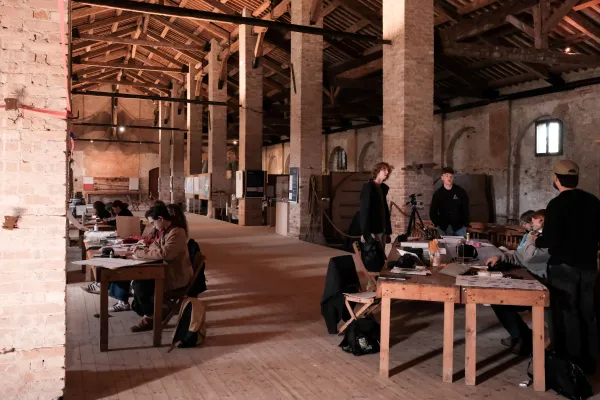
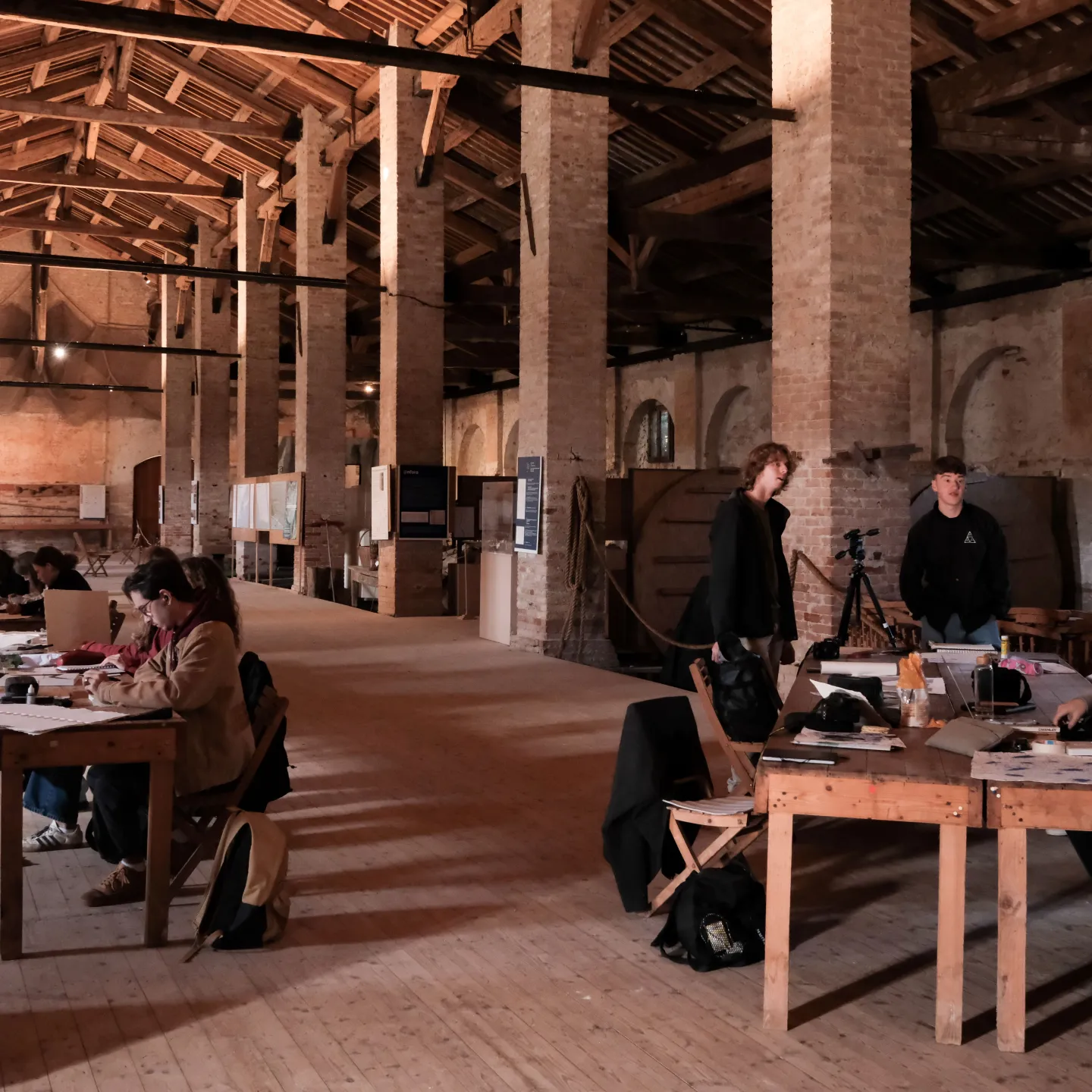
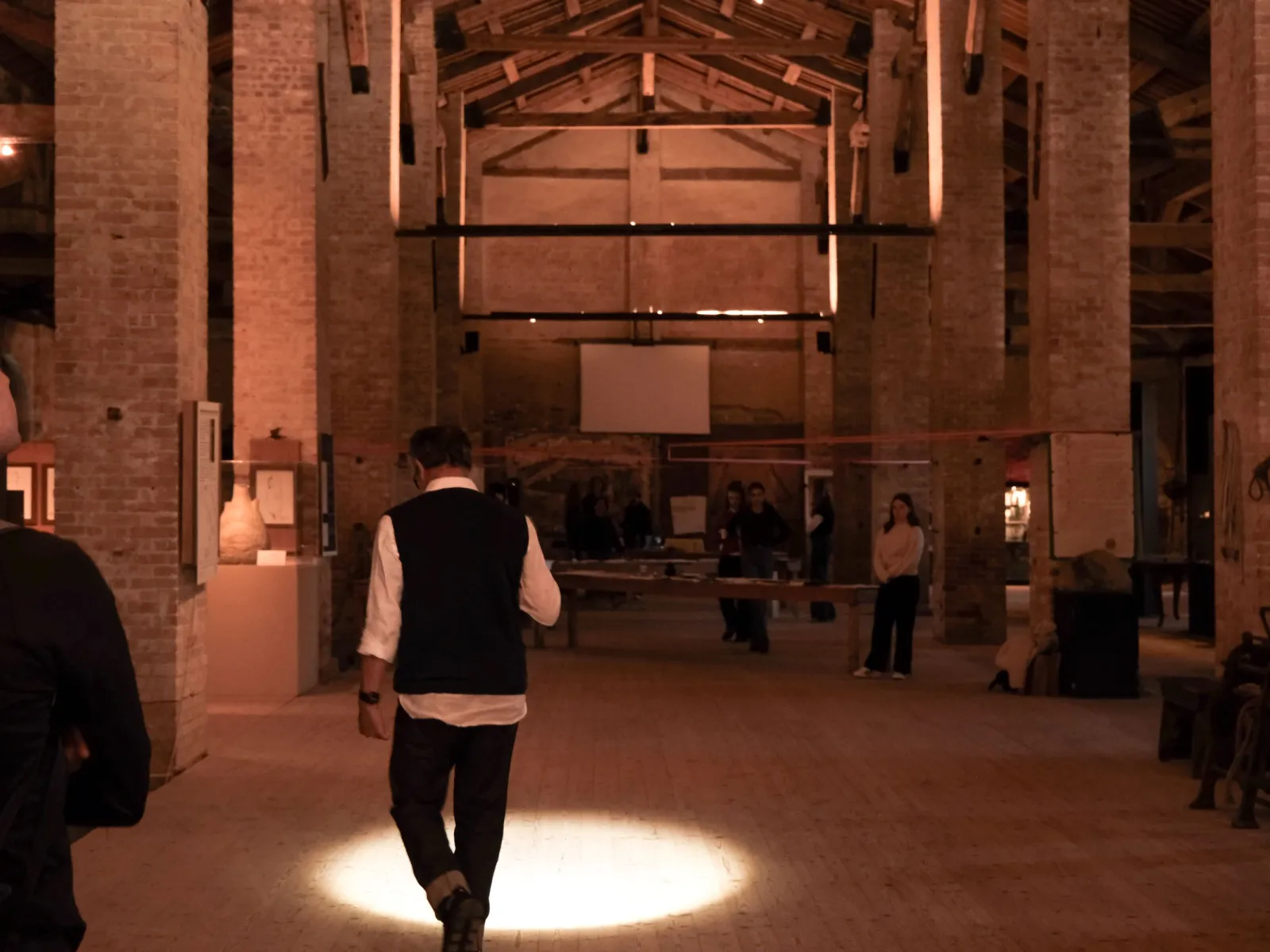
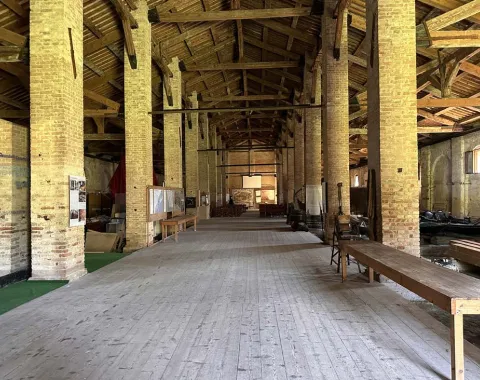
As part of this year's International Architecture Exhibition of the Venice Biennale, the Liechtenstein contribution, titled 40 METRES OF CARE, is dedicated to Lazzaretto Nuovo in the Venetian Lagoon. This island, historically used as a quarantine station, stands as an exemplar of an architecture of healing and is understood as a complex place of material and immaterial layers. Time and space here become essential points of reference for a responsible continuation of building within the existing fabric.

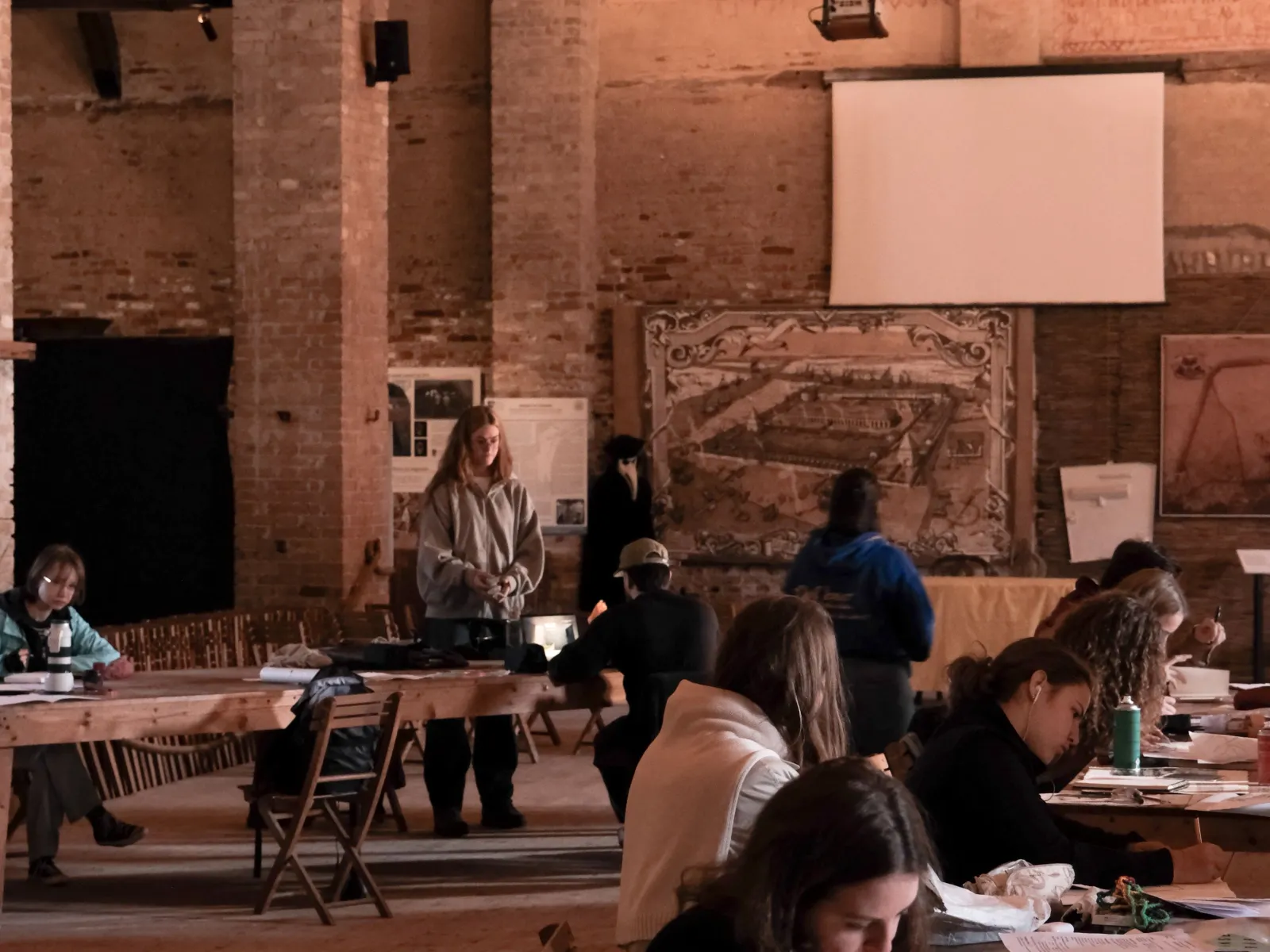
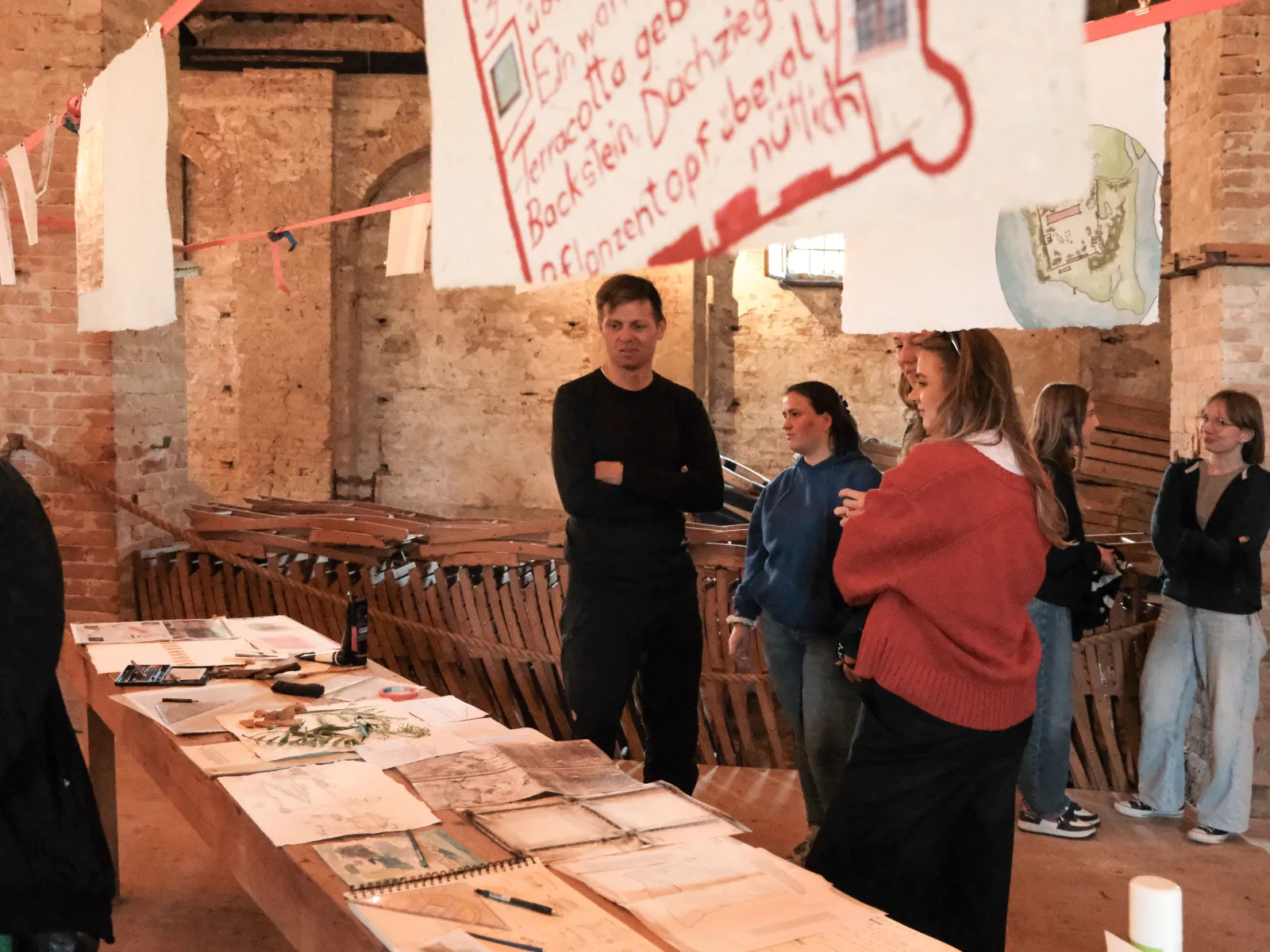
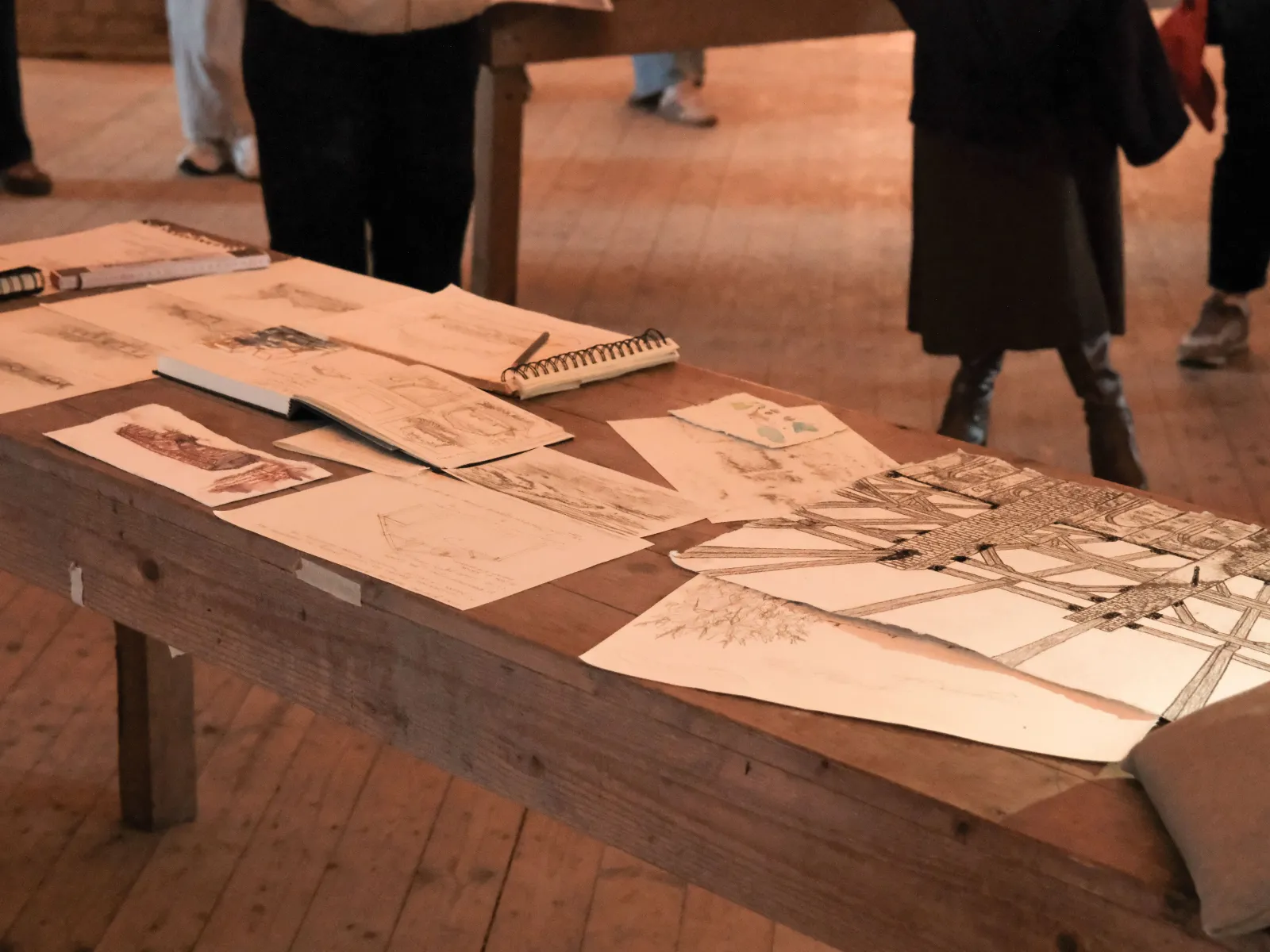
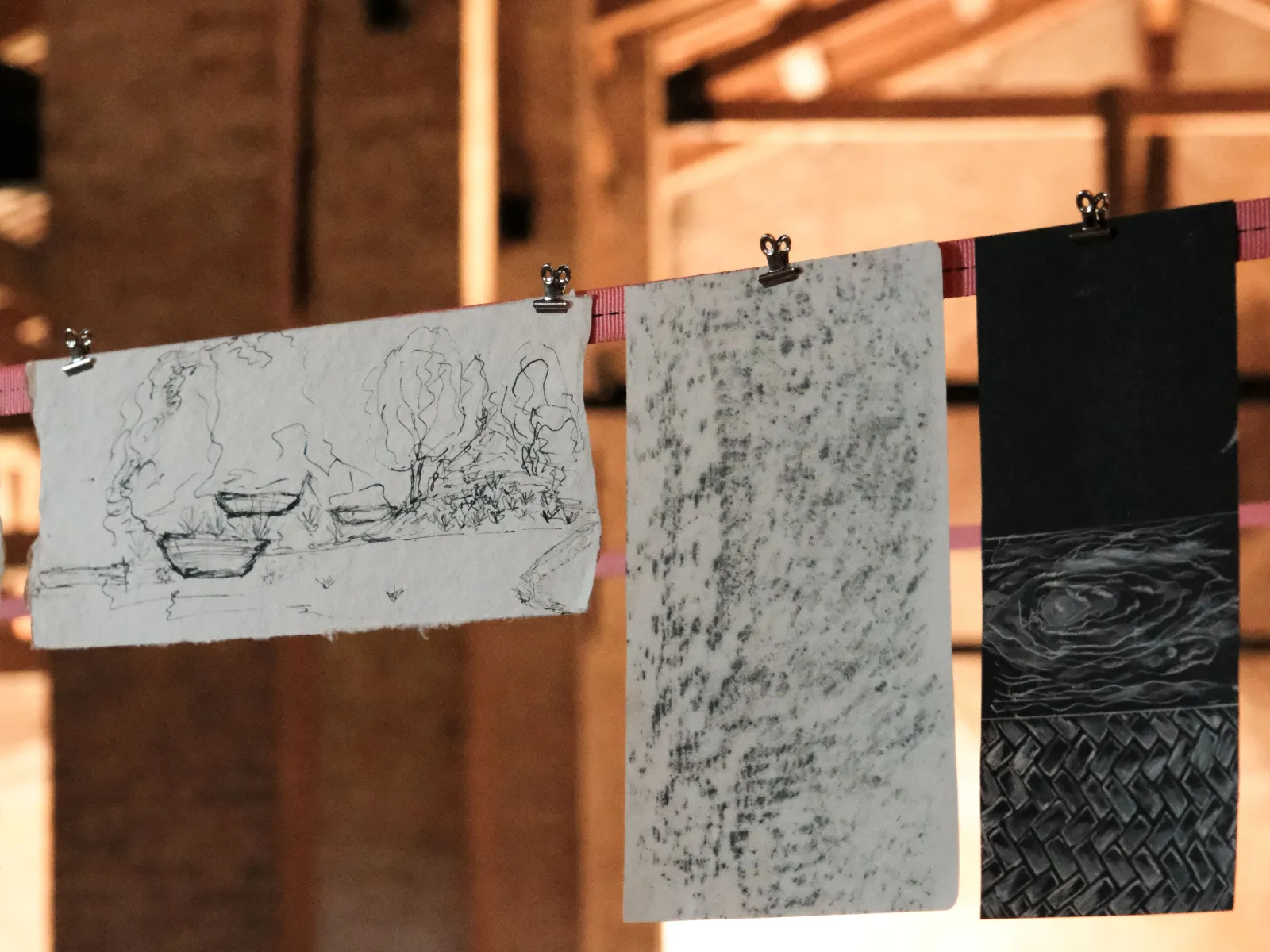
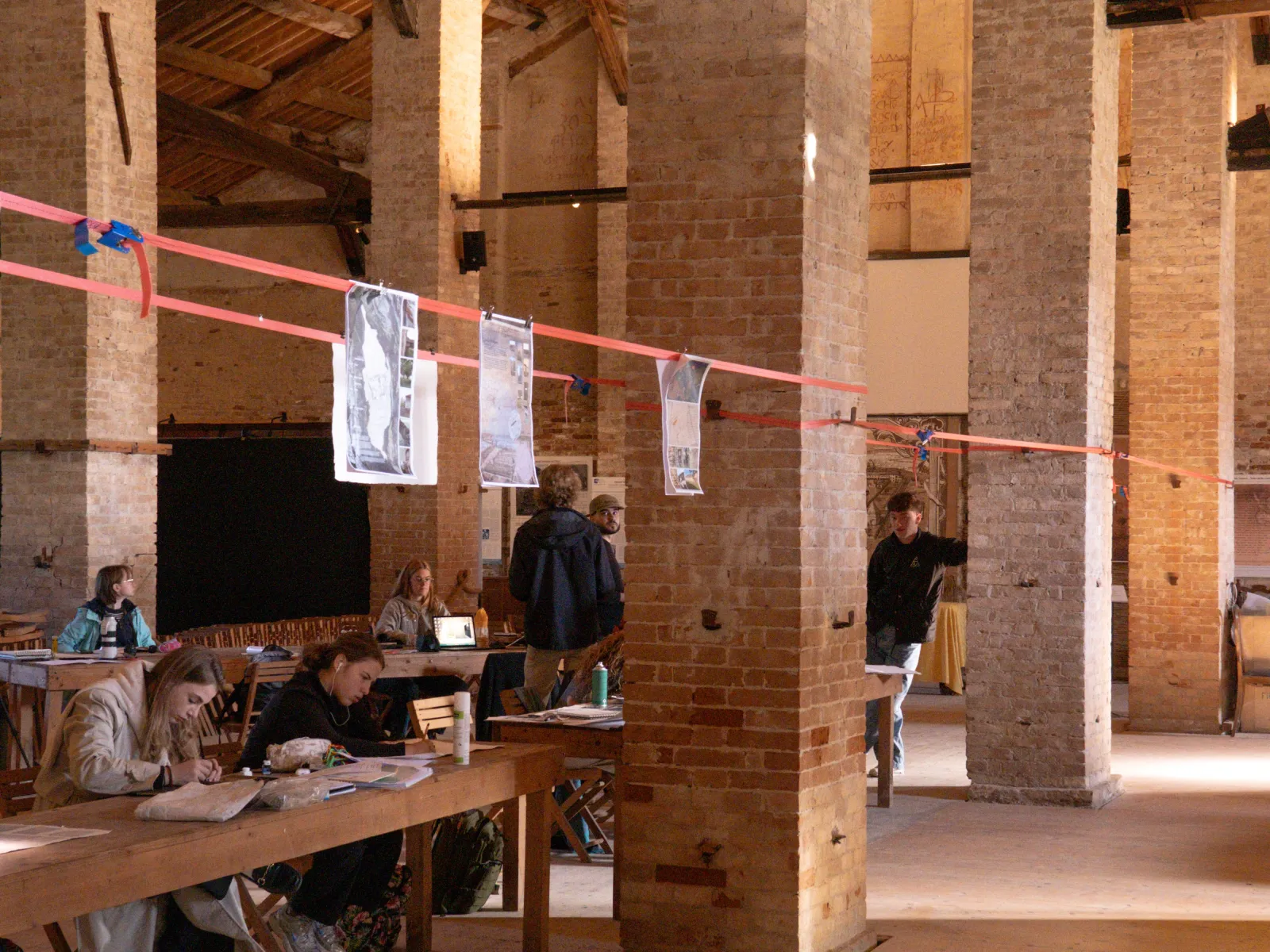
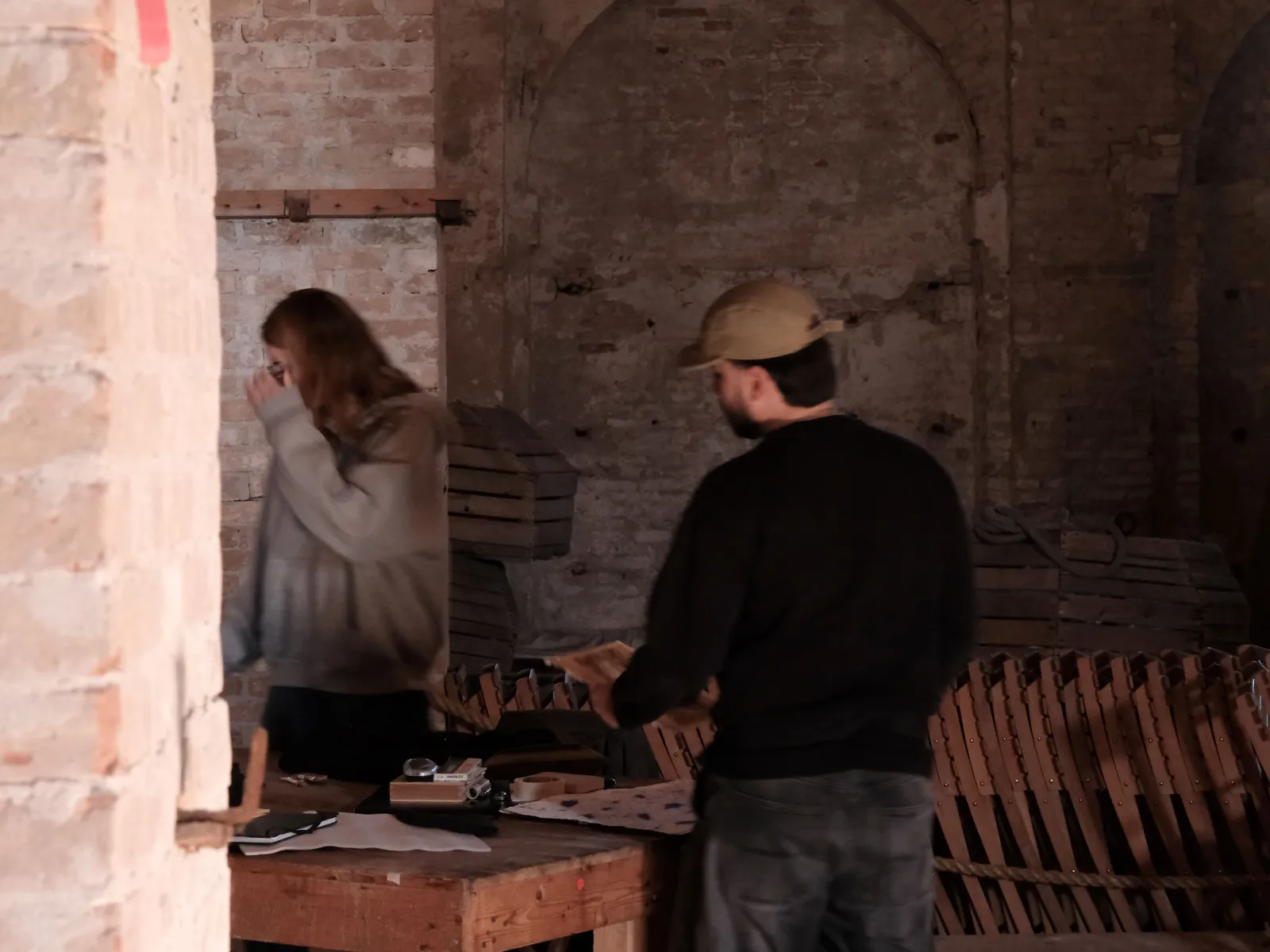
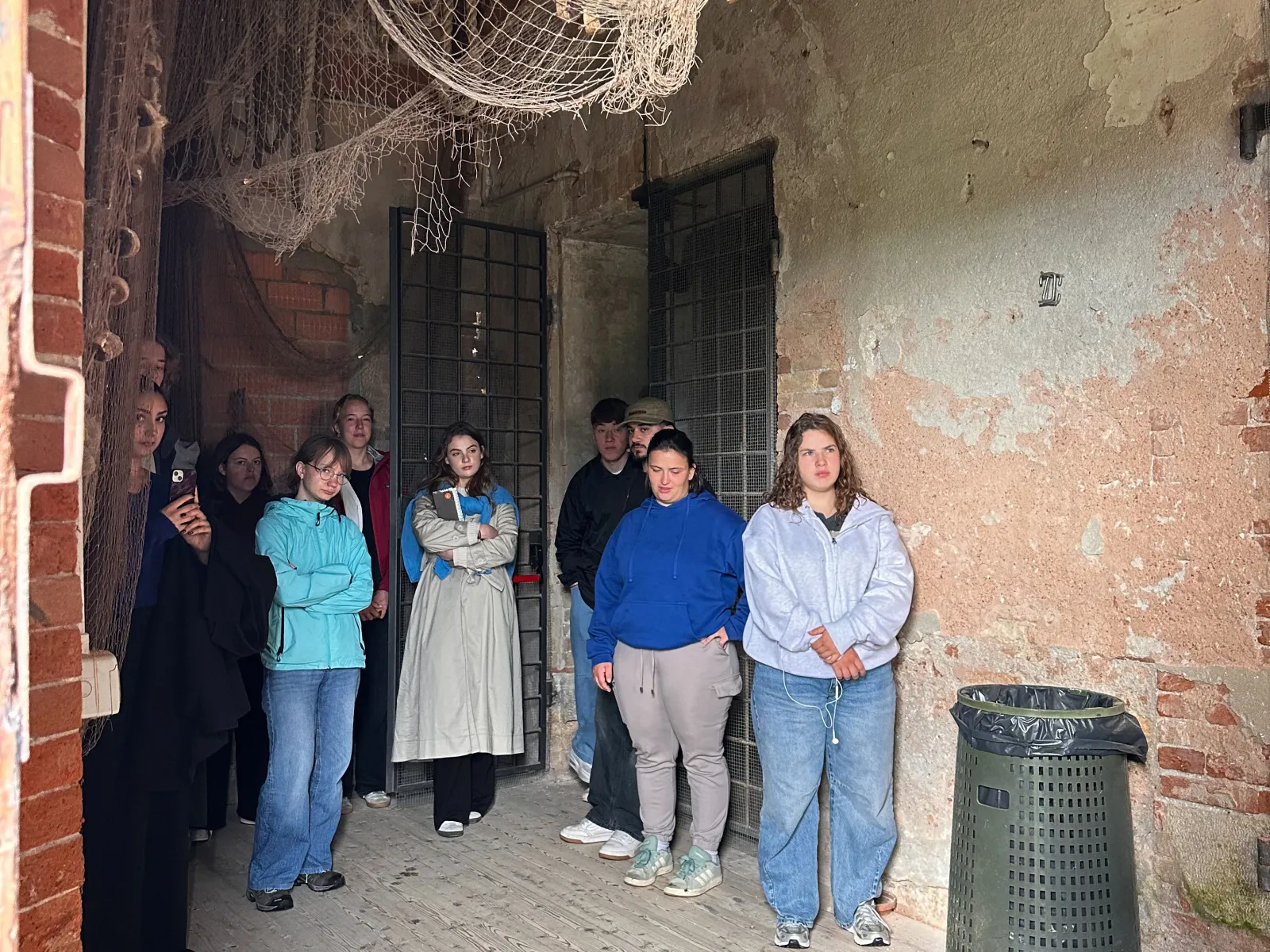
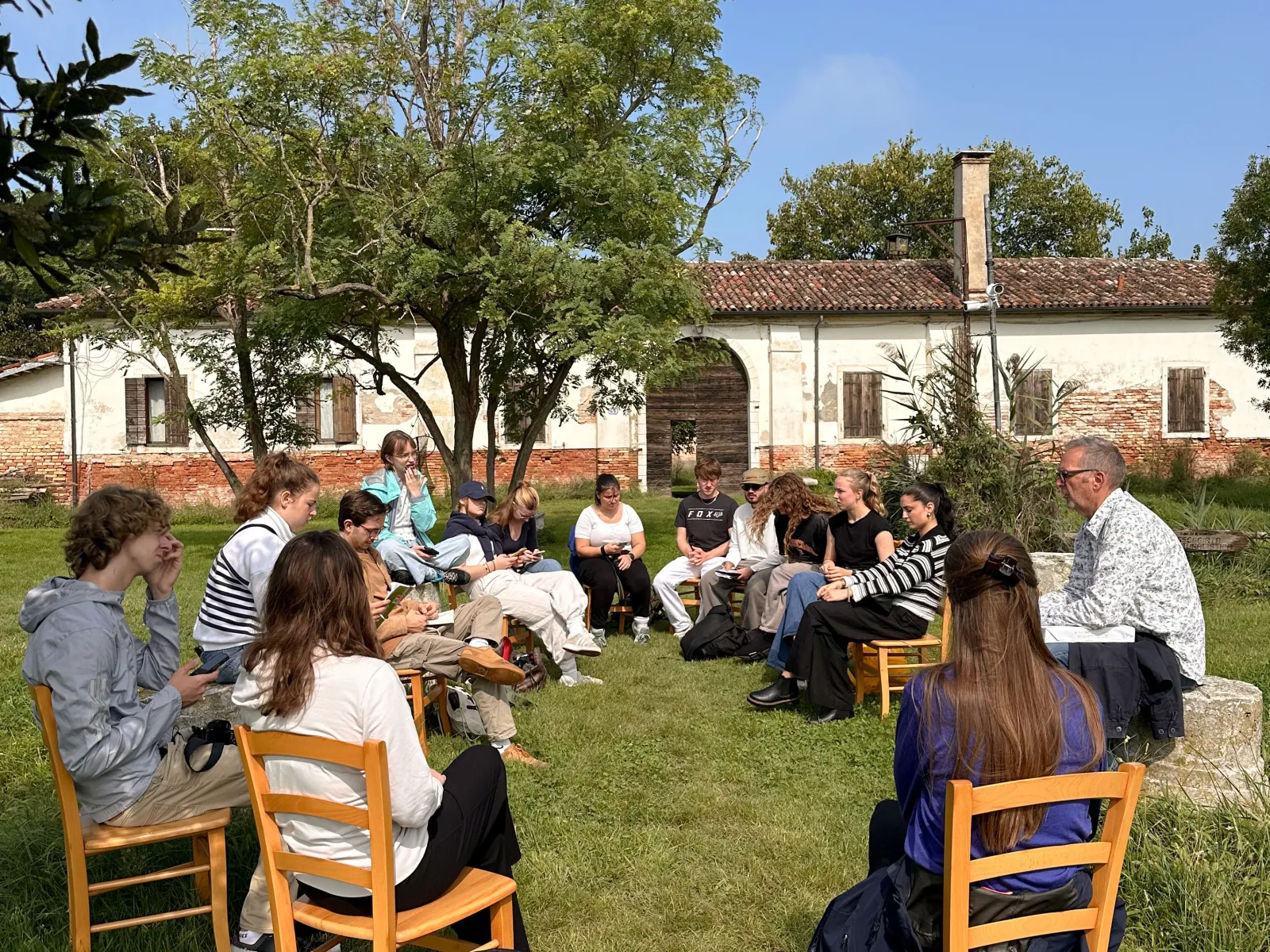
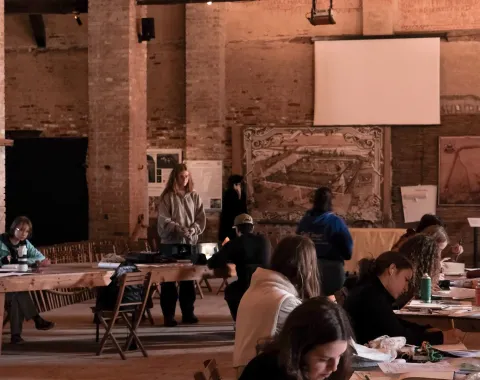
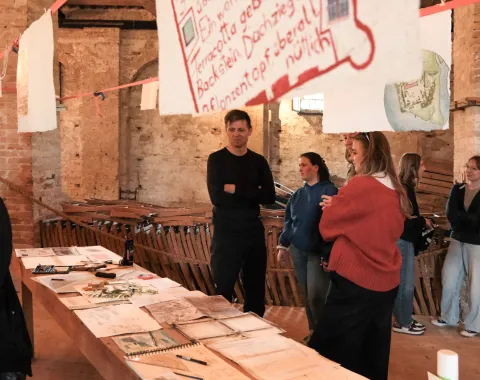
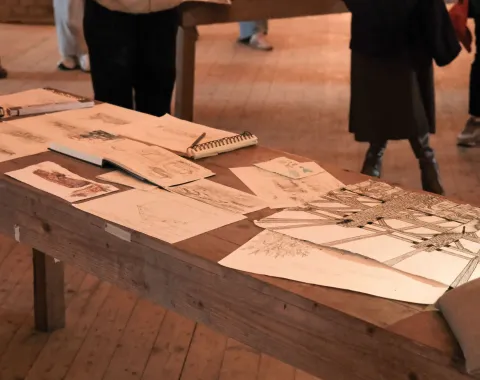
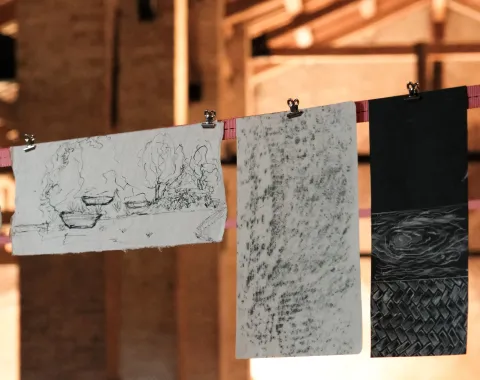
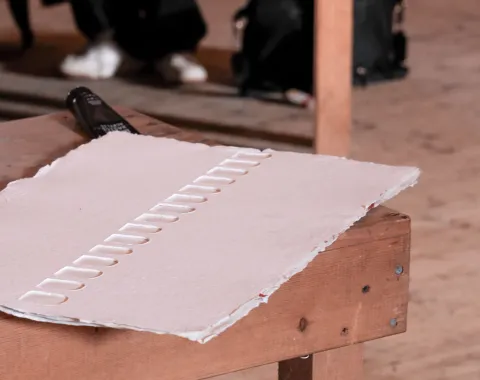
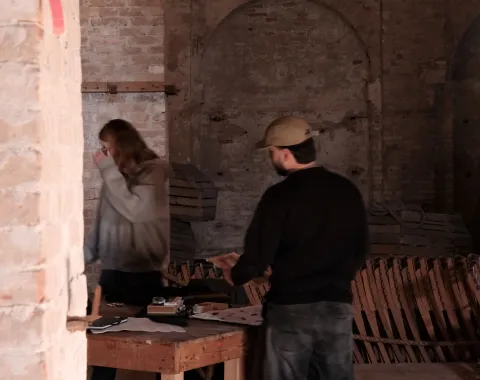
Parallel to the Biennale Sessions in the Arsenale, the practical work took place directly on Lazzaretto Nuovo. The students of the design studio 40 Metres of Care, Designing in a Cultural Context at the University of Liechtenstein documented and analysed the historic quarantine island of Lazzaretto Nuovo through an empathic survey, in collaboration with the Ecomuseo dei Lazzaretti Veneziani. This resulted in an archive of drawings, texts, photographs and found objects.

These recordings formed the foundation for the subsequent empathic design proposals for the main building, the Tezon Grande, and its landscape and historical context.

Under the guidance of Alberto Alessi and Barbara Ruech, the students experienced an experimental learning process that connects theory and practice: careful observation, collecting, transforming and interweaving. Lazzaretto Nuovo thus became a laboratory for empathy and an architectural attitude of TAKING CARE.

Participating students:
Muhammed Emre Kücük, Selina Meisser, Latisha Mitrovic, Maik Müller, Annika Leonie Nicolussi, Jakob Niggli, Maribel Piccon, Maria Luisa Sánchez Tholen, Valentina Scheurer, Ida Simma, Laura Stefanita, Linda Vith, Moritz Vogler.

With contributions from:
Roman Banzer, Jara Malevez, Ludovica Galeazzo, Britta Hentschel, Hansjörg Quaderer.

Photographs: Barbara Ruech, Alberto Alessi

Ein grosser Saal mit mehreren Menschen

First Philanthropy Report Creates Transparency in Liechtenstein’s Foundation and Non-Profit Sector

First Philanthropy Report Creates Transparency in Liechtenstein’s Foundation and Non-Profit Sector

Philanthropiereport_News_universitaet-liechtenstein

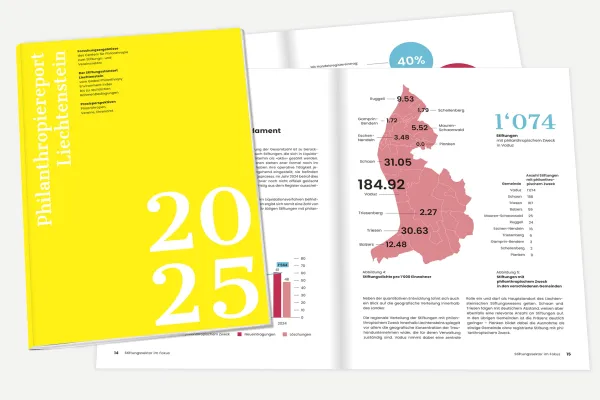
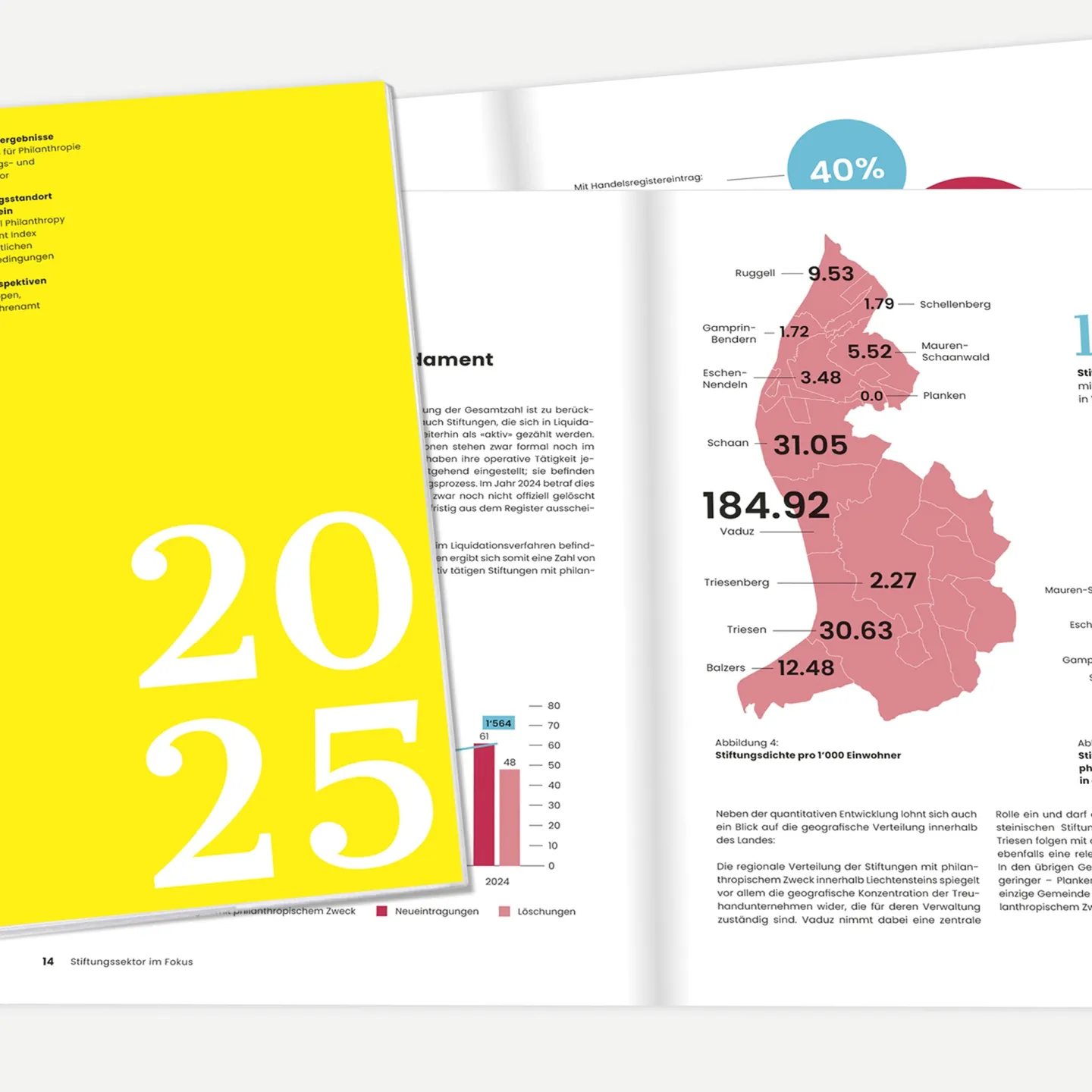
The Center for Philanthropy at the University of Liechtenstein has published the country’s first comprehensive philanthropy report. Closing a long-standing data gap, the report provides—in a systematic and scientifically grounded manner—a clear overview of Liechtenstein’s foundation and non-profit association sector for the first time.

Philanthropy has a long and deeply rooted tradition in Liechtenstein. A strong culture of giving, combined with stable institutions, fosters sustained engagement in charitable causes. Alongside international philanthropists, many local individuals actively contribute through foundations, non-profit associations, and volunteer work.

“With this report, we are closing a significant gap: for the first time, we now have a comprehensive, scientifically robust overview that creates transparency and reflects the diversity of philanthropy in Liechtenstein,” says Prof. Marc Gottschald, Director of the Center for Philanthropy.

The report focuses on the two central pillars of public welfare: foundations and non-profit associations. For the first time, independently collected data quantifies philanthropic engagement in Liechtenstein and illustrates the extent to which these organizations contribute to the country’s social fabric. Gottschald adds: “Never before have key figures on philanthropy in Liechtenstein been systematically collected and analyzed in such scope and depth. This report offers a reliable foundation for evidence-based insights into structures, activities, and impact.”

1,564 Foundations with Charitable Purposes

The analysis highlights Liechtenstein’s considerable philanthropic potential. As of December 31, 2024, there were 1,564 foundations with charitable purposes in the country. This total includes 1,398 predominantly charitable foundations and 166 predominantly private foundations whose statutes allow for at least some charitable activities.

Focus on Social Issues, Culture, and the Environment

The report shows that foundations with charitable purposes focus most strongly on social issues (19.3 percent). This is followed by science and research and by art and culture, each supported by around 14 percent of foundations.

New foundations established over the past ten years show a growing focus on global challenges: environmental causes (11.5 percent) and development and disaster relief (9.8 percent) have gained in importance. By contrast, traditional areas such as education and health have seen a slight decline. Strategically, most foundations pursue a focused approach: 68 percent limit their activities to one or two areas of purpose.

International orientation confirms top ranking

Liechtenstein’s geographical orientation highlights its strong international focus: only three percent of foundations restrict their activities to the domestic market, while the vast majority operate both nationally and internationally. The country continues to offer outstanding framework conditions, ranking first in the Global Philanthropy Environment Index (GPEI) 2025 for the second time since 2022. This leading position reflects its highly favorable legal, tax, and societal environment.

The aim of the report is to pool knowledge, combine practice and science, and further strengthen philanthropy in and from Liechtenstein – and to provide new impetus for engagement, participation, and charitable giving.

Philanthropiereport_News_universitaet-liechtenstein

Alumni Chapter Zurich: Year-End and Outlook for 2026

Alumni Chapter Zurich: Year-End and Outlook for 2026

Alumni-Chapter Zürich - Team Ambassadors

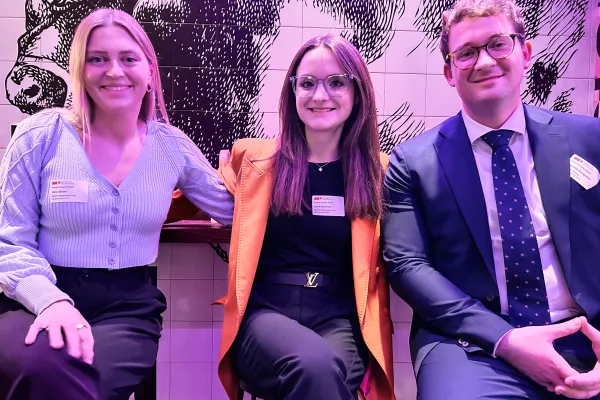
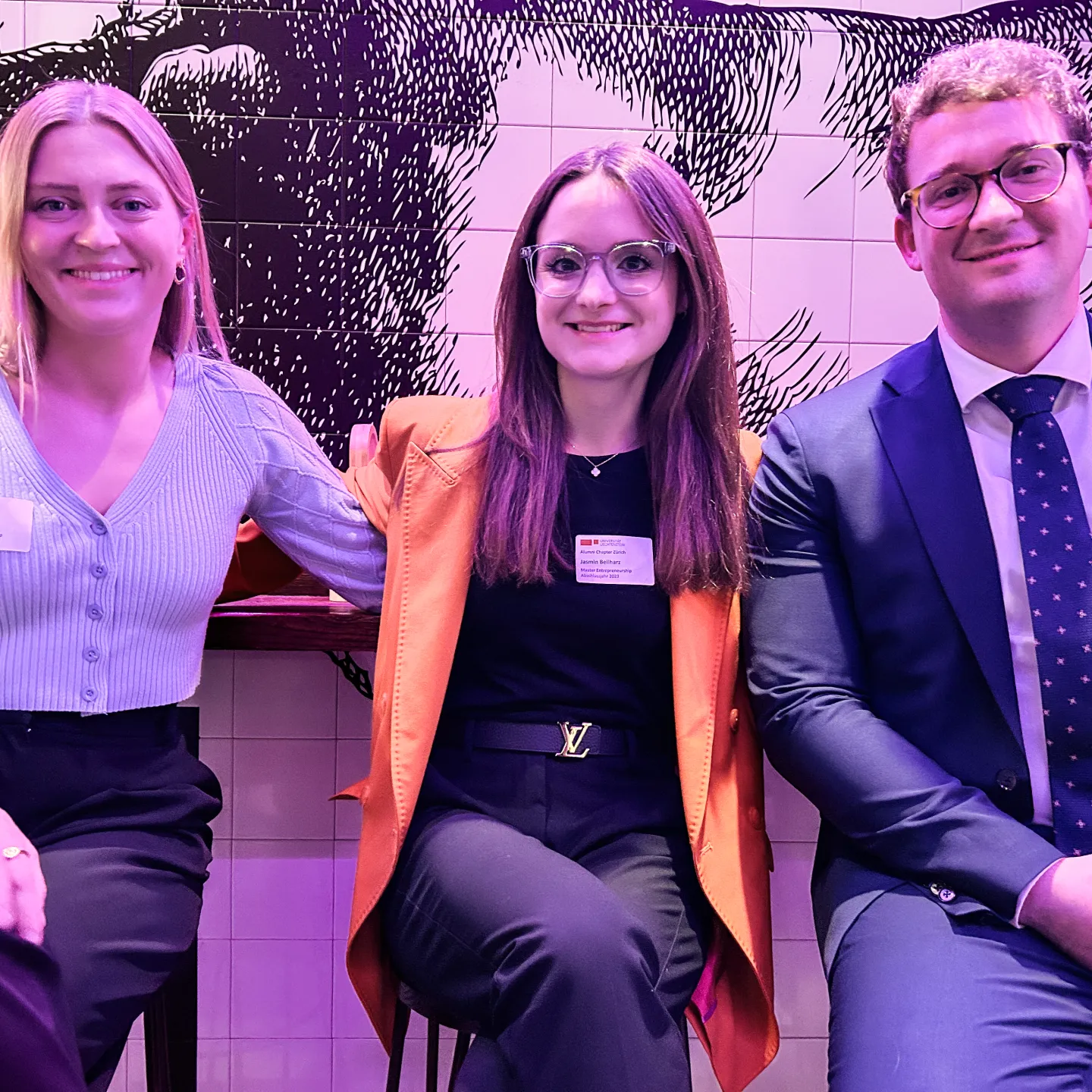
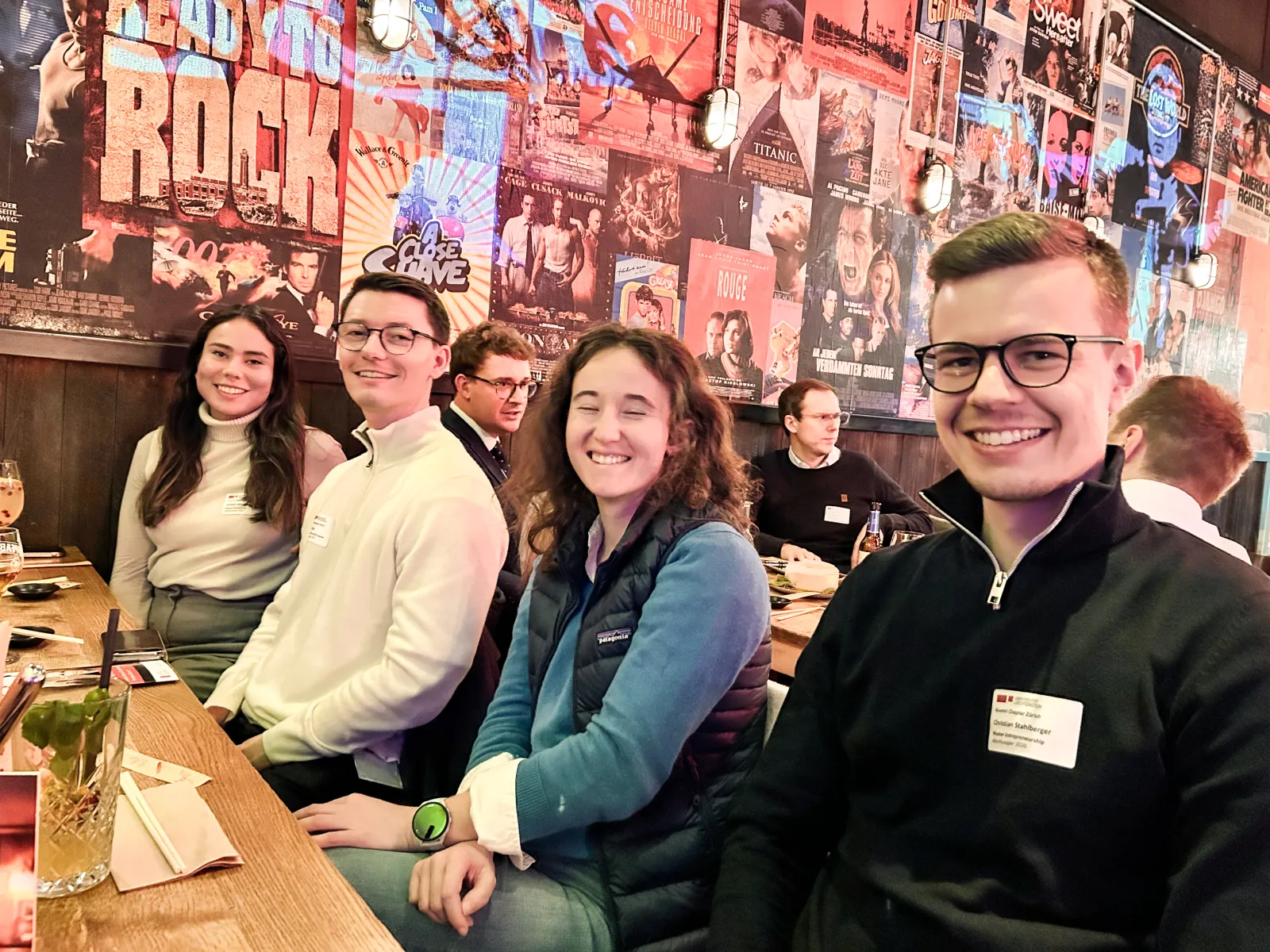
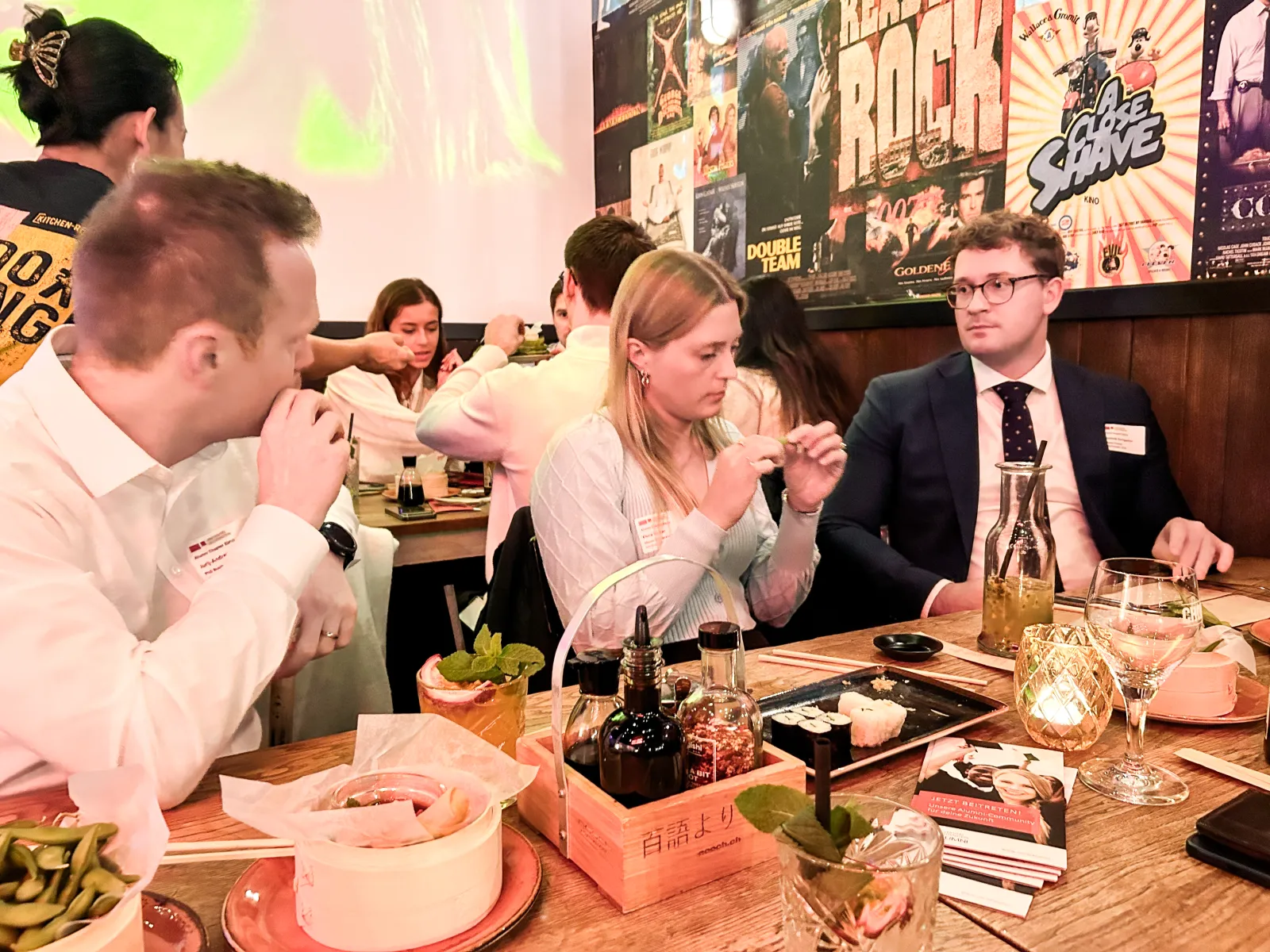
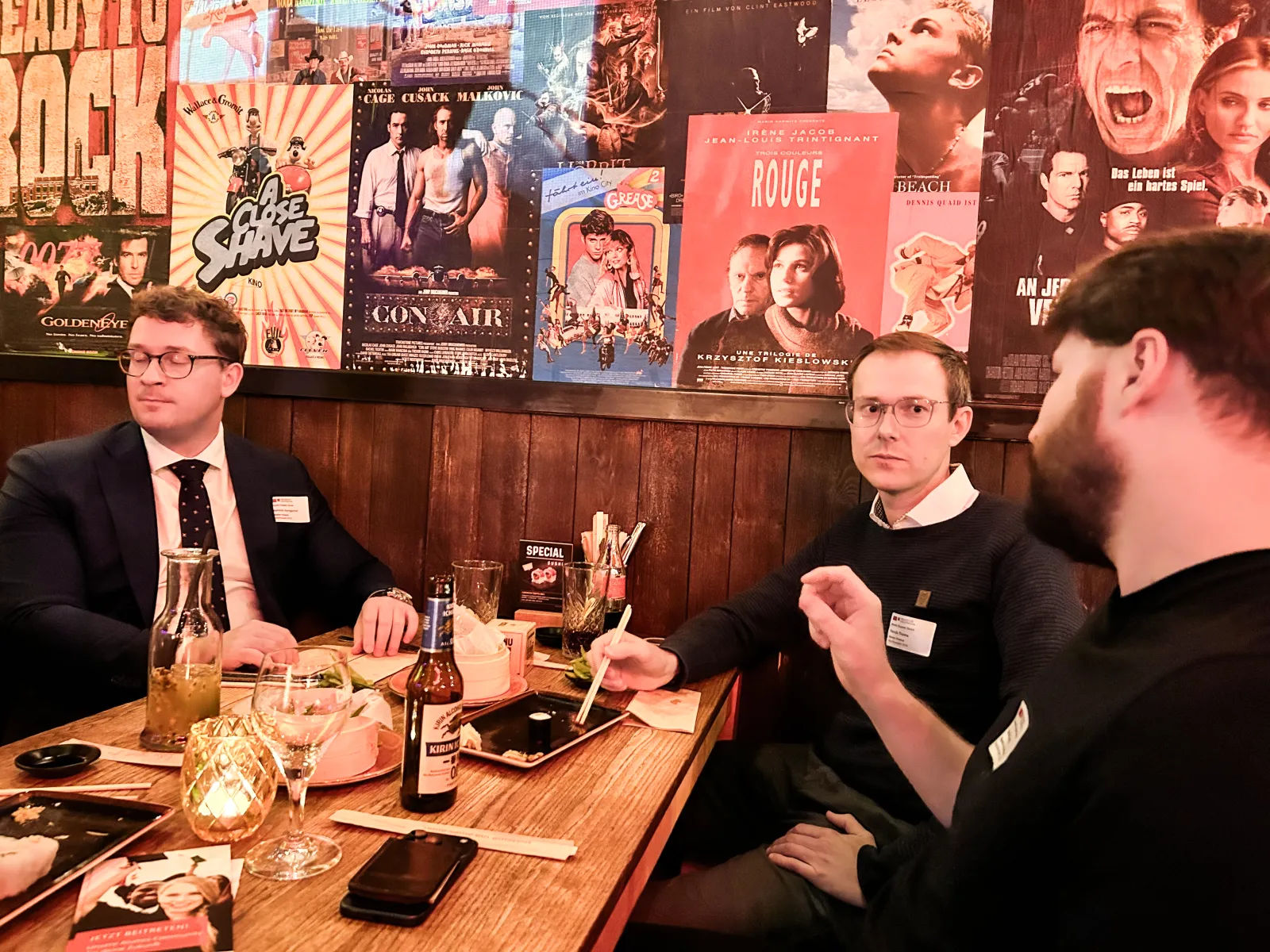
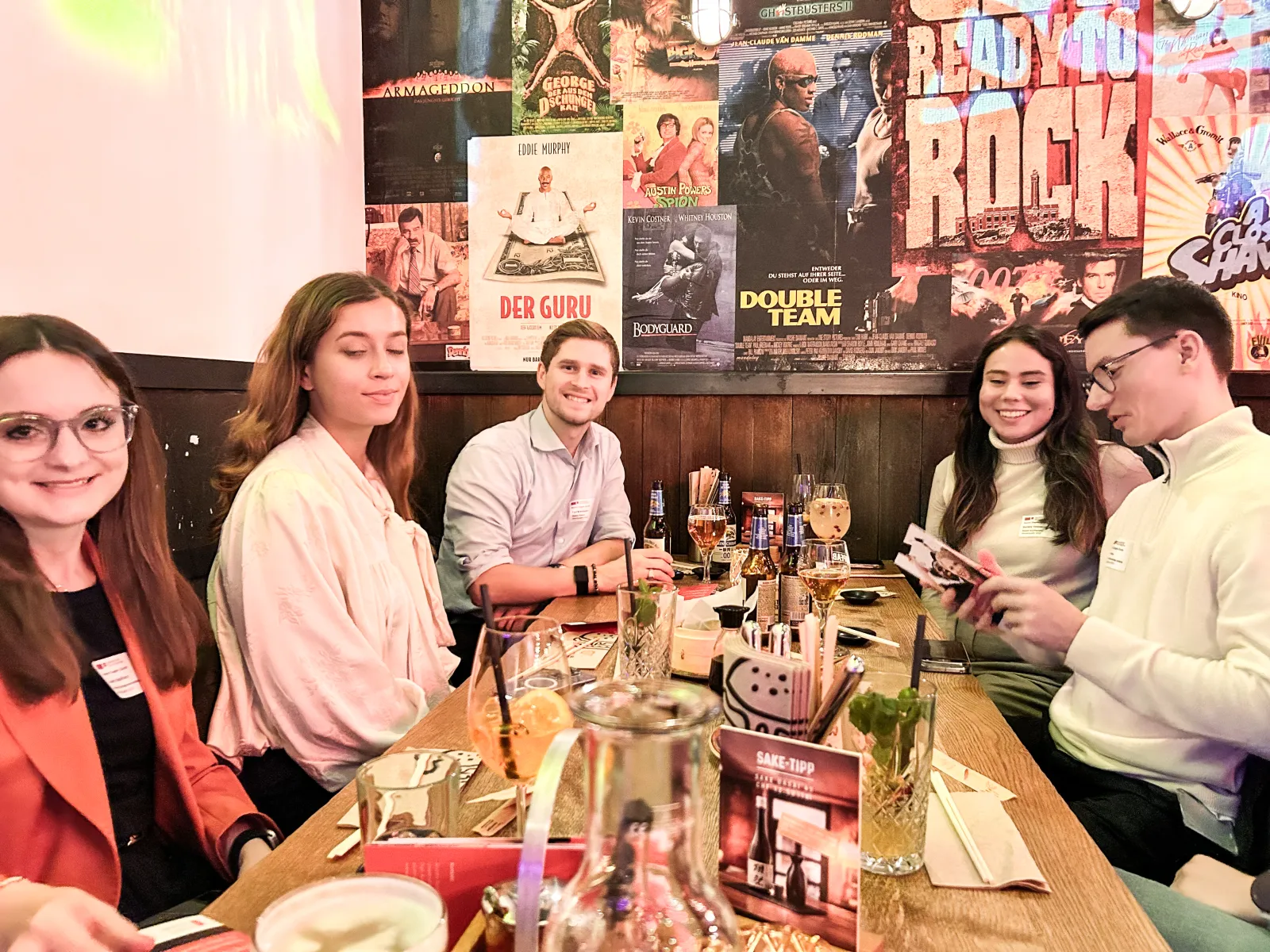
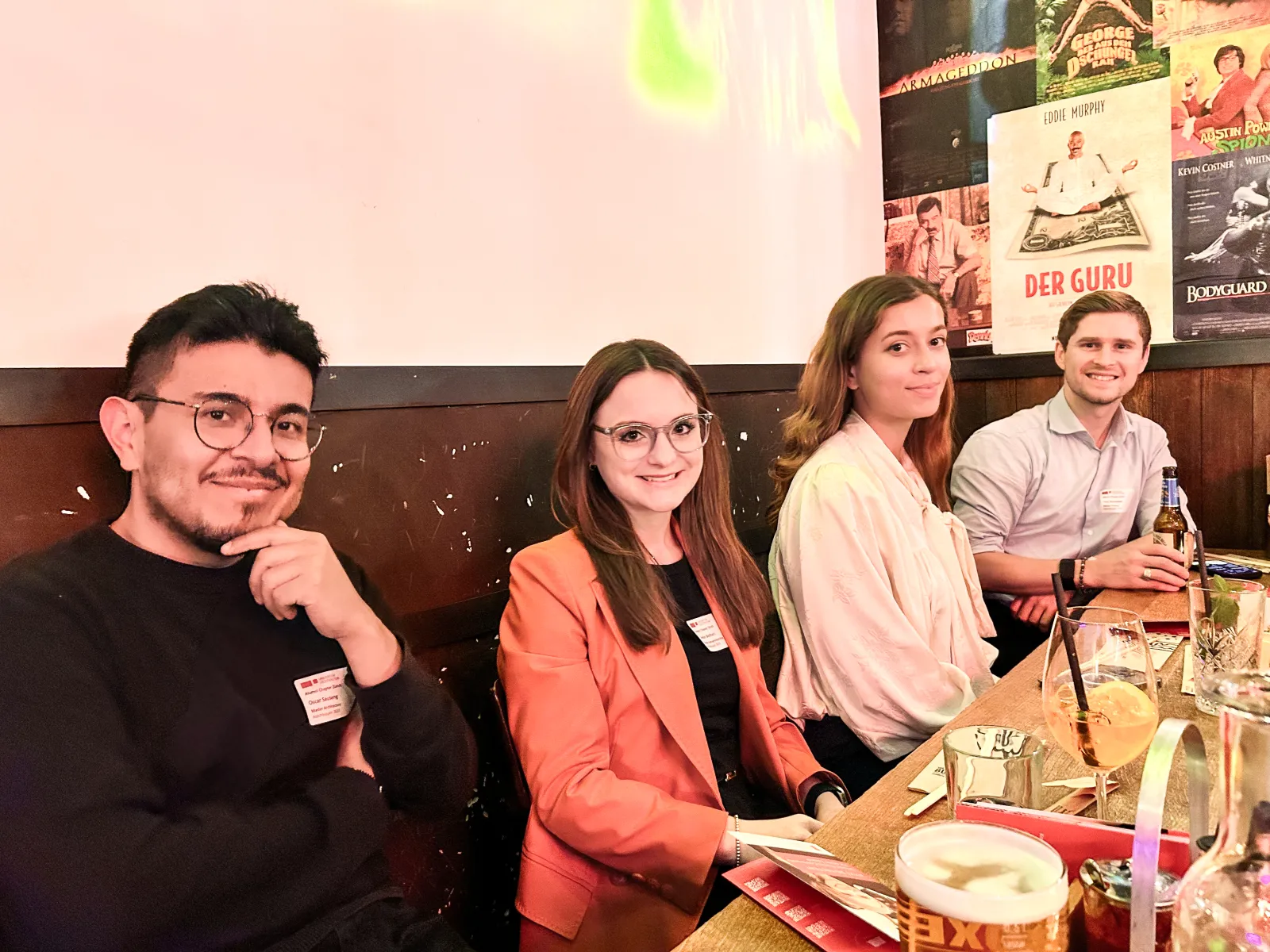
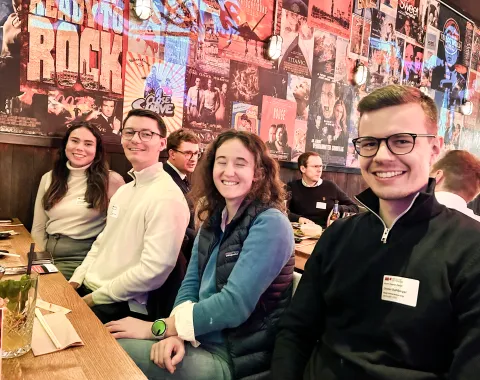
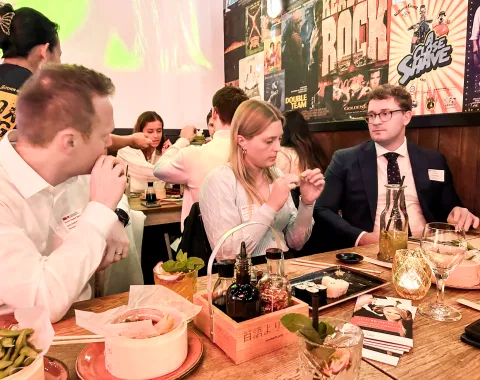
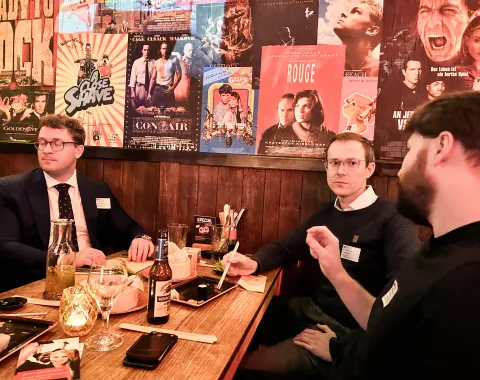
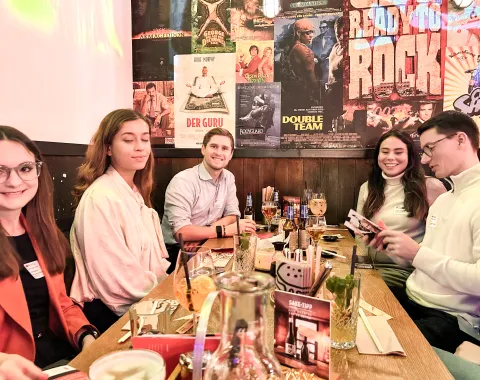
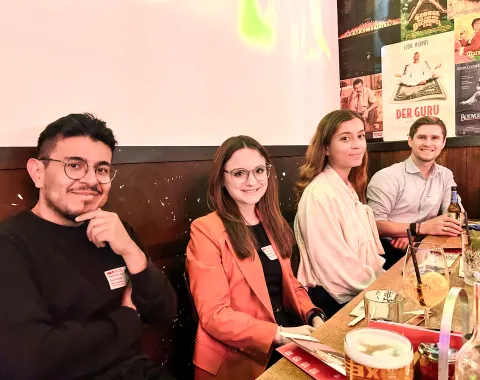
With a fourth meeting, the Zurich Alumni Chapter of the University of Liechtenstein concluded an eventful year 2025 on Thursday, 20 November. Over drinks and Asian snacks at Kitchen Republic Zurich, the team of Alumni Ambassadors was already making plans for 2026.

At this fourth meeting of the Zurich Chapter, former students from Architecture, Entrepreneurship, Finance, and Information Systems once again gathered. Once a quarter, alumni take the opportunity to expand their professional and personal networks on site, reconnect with former classmates, and exchange memories of their time studying. Together with the Alumni Officer of the University of Liechtenstein, Simone Brandenberg, ideas were also collected for a meeting in the first quarter of 2026 (details coming soon on the channels of the Alumni Community*).


Active Chapter in Zurich

Since the launch of the new Alumni Chapter format in Liechtenstein, Switzerland, Austria, and Germany at the end of 2024, the alumni hub in Zurich has also been represented by an active chapter. After a founding meeting in November 2024, the local alumni have already initiated two meetings themselves:

  • In March 2025, Noah Bellwald, alumnus of the Master’s in Entrepreneurship, invited the Zurich Chapter as the organizer to the Talent Pitch Switzerland 2025 at the Volkshaus Zurich.
  • And in June 2025, Entrepreneurship alumna Elena Weber brought together the alumni chapters of START Zurich and the University of Liechtenstein at a rooftop party overlooking Lake Zurich.


Alumni Ambassadors of the Zurich Chapter

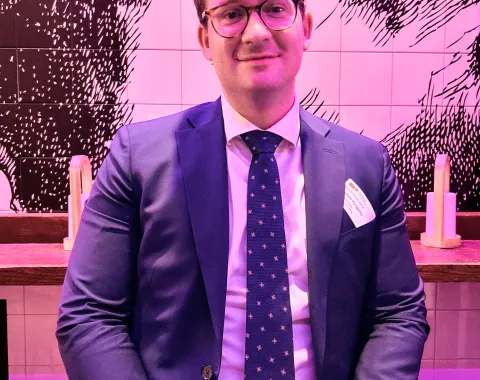
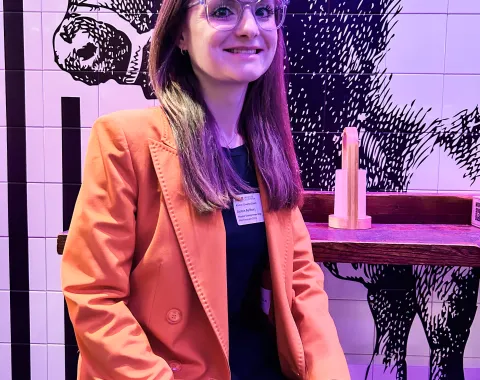
At the founding meeting in November 2024 at YNOS Kitchen Bar Zurich, a team of Alumni Ambassadors came together to shape and bring the chapter to life alongside the Alumni Officer. The personal connection of the four alumni is meant to ensure the relevance of each chapter meeting for local alumni.


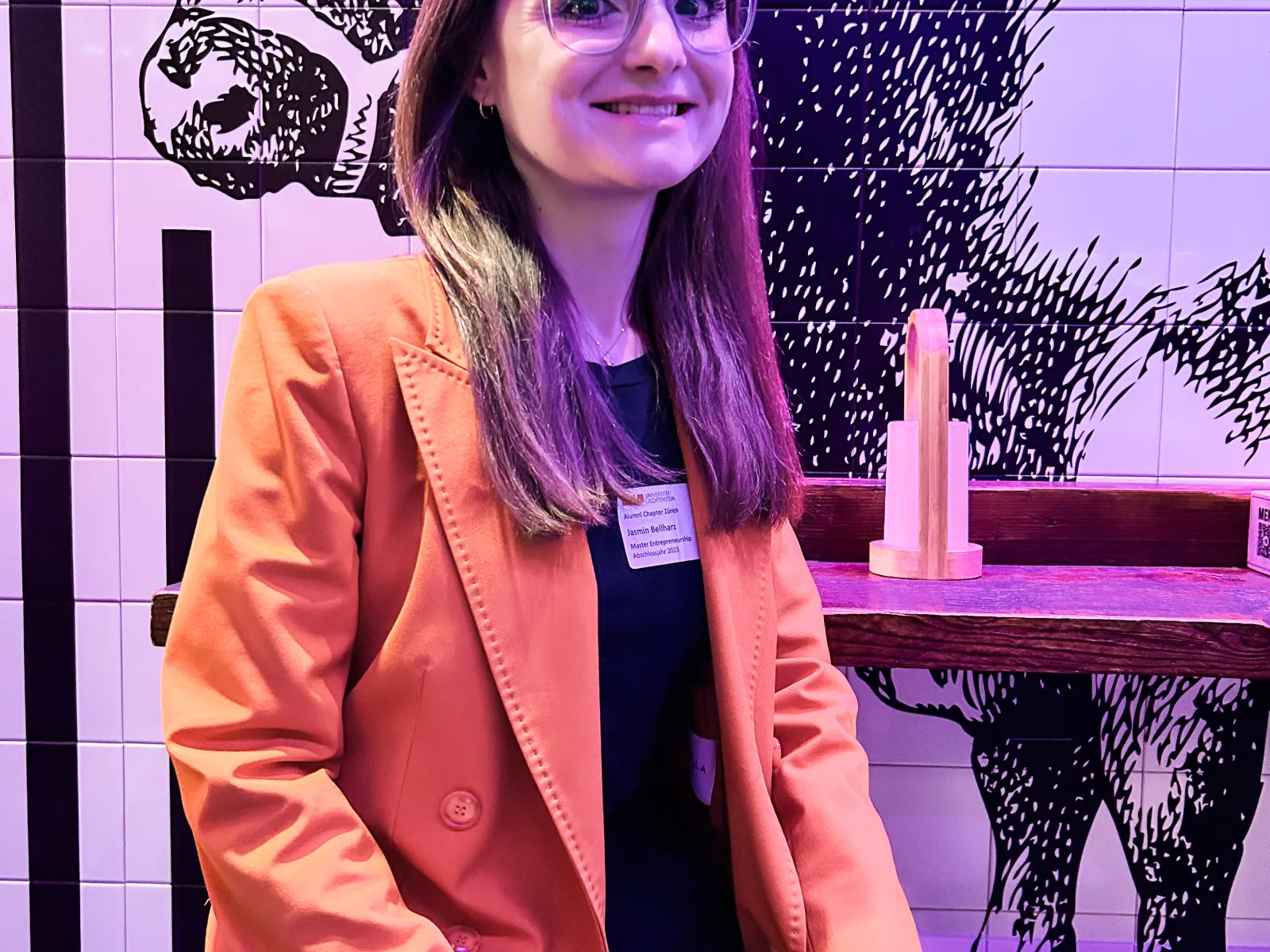
Jasmin Beilharz

  • Master’s in Entrepreneurship | Graduated 2023
  • Financial Services Assurance / Audit Banking Assistant | EY

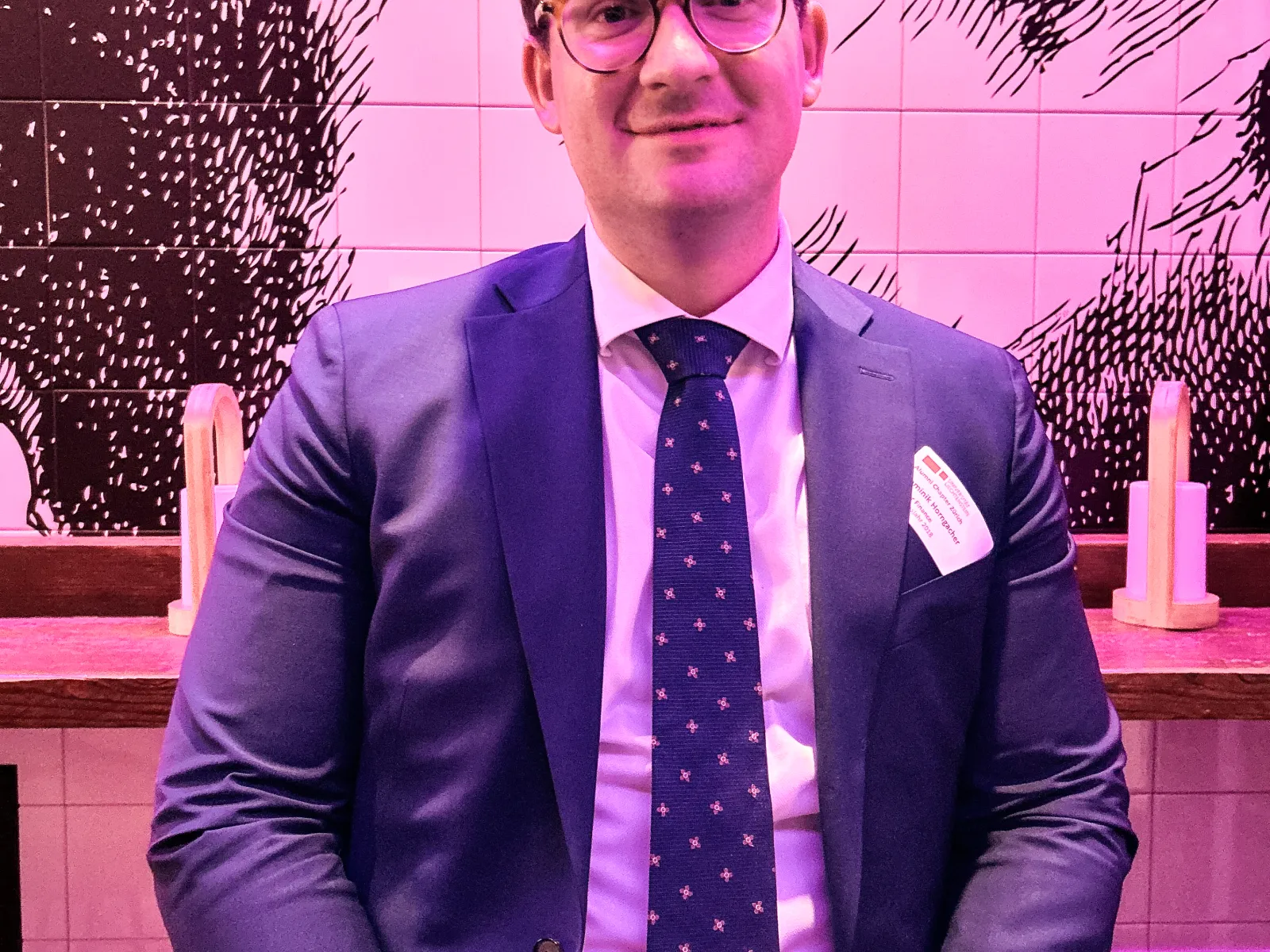
Dominik Horngacher

  • Master’s in Finance | Graduated 2018
  • Head of Wholesale German-Speaking Switzerland | Edmond de Rothschild
Fiona Koh

  • Master’s in Information Systems | Graduated 2023
  • Schwarzman Scholar 2026 | Master’s in Global Affairs at Tsinghua University
  • Senior Consultant | Deloitte (until July 2025)

Elena Weber

  • Master’s in Entrepreneurship | Graduated 2023
  • Accelerator and Bridge Program Manager | SINGA Switzerland
  • Expert Transformation & Sustainability | Businessincub


Upcoming Chapter Meetings

All alumni are warmly invited to attend the meetings of other chapters as well. Dates for the first quarter of 2026 will be announced as soon as possible on the Alumni Community channels:

Alumni-Chapter Zürich - Team Ambassadors
Alumni-Chapter Zürich - Treffen 4 im Kitchen Republic
Chapter-Treffen #4 - Alumni-Chapter Zürich
Alumni-Chapter Zürich - Ambassadors Dominik Horngacher
Alumni-Ambassador Dominik Horngacher - Alumni-Chapter Zürich
Alumni-Chapter Zürich - Ambassadors Elena Weber
Alumni-Ambassador Elena Weber - Alumni-Chapter Zürich
Alumni-Chapter Zürich - Ambassadors Jasmin Beilharz
Alumni-Ambassador Jasmin Beilharz - Alumni-Chapter Zürich
Alumni-Chapter Zürich - Treffen 4 Kitchen Republic
Chapter-Treffen 4 - Alumni-Chapter Zürich
Alumni-Chapter Zürich - Treffen 4 Kitchen Republic
Chapter-Treffen - Alumni-Chapter Zürich
Alumni-Chapter Zürich - Treffen 4 Kitchen Republic
Alumni-Chapter 4 - Alumni-Chapter Zürich
Alumni-Chapter Zürich - Treffen 4 Kitchen Republic
Chapter-Treffen #4 - Alumni-Chapter Zürich
Alumni-Chapter Zürich - Treffen 4 Kitchen Republic
Chapter-Treffen im Kitchen Republic - Alumni-Chapter Zürich
Alumni-Chapter Zürich - Treffen 4 Kitchen Republic
Chapter-Treffen Kitchen Republic - Alumni-Chapter Zürich
Alumni-Chapter Zürich - Treffen 4 im Kitchen Republic
Alumni-Chapter Zürich - Ambassadors Dominik Horngacher
Alumni-Chapter Zürich - Ambassadors Elena Weber
Alumni-Chapter Zürich - Ambassadors Jasmin Beilharz
Alumni-Chapter Zürich - Treffen 4 Kitchen Republic

Promising start: First Alumni Talk in Information Systems

Promising start: First Alumni Talk in Information Systems

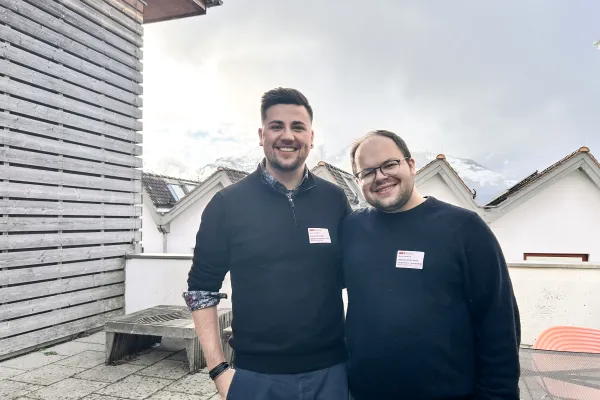
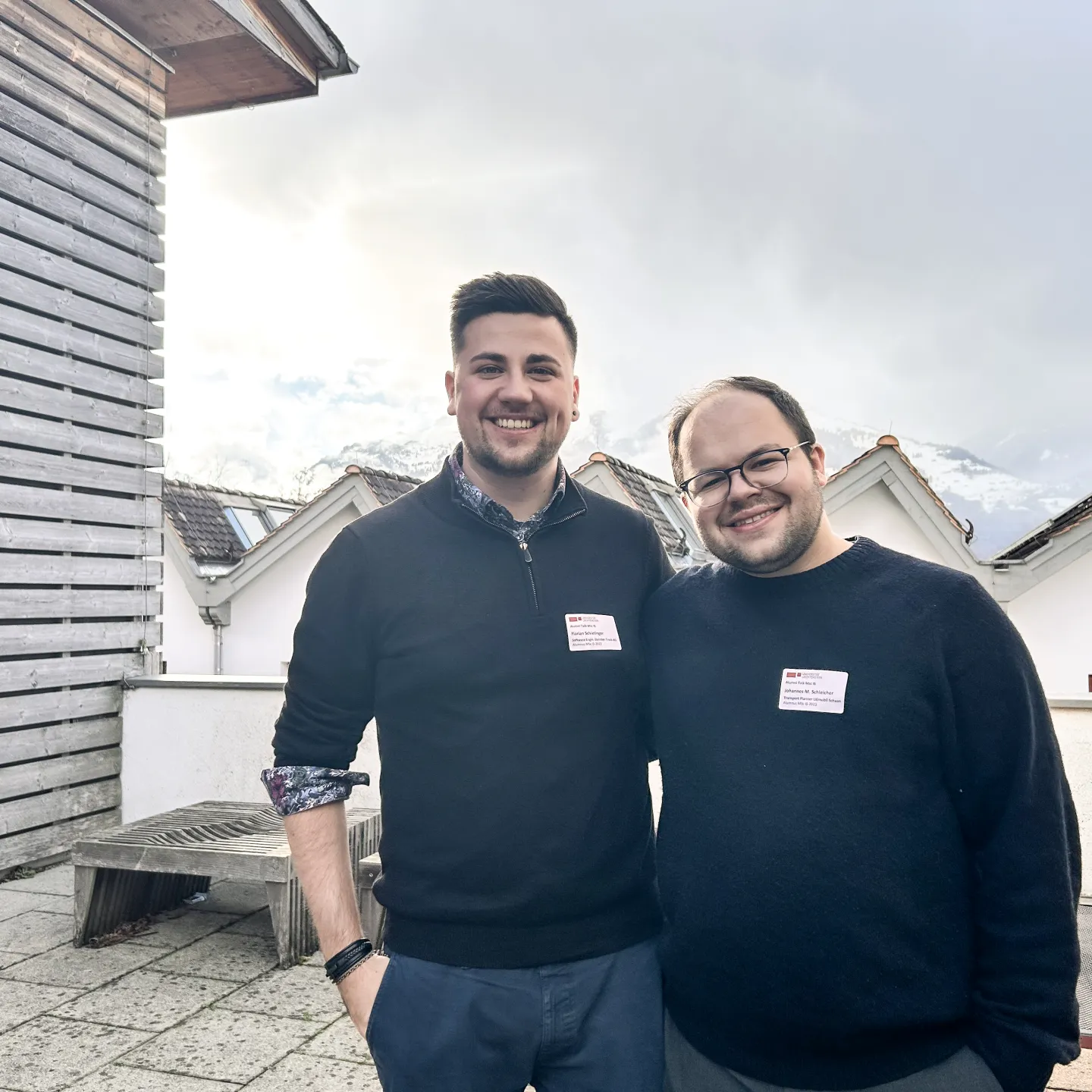
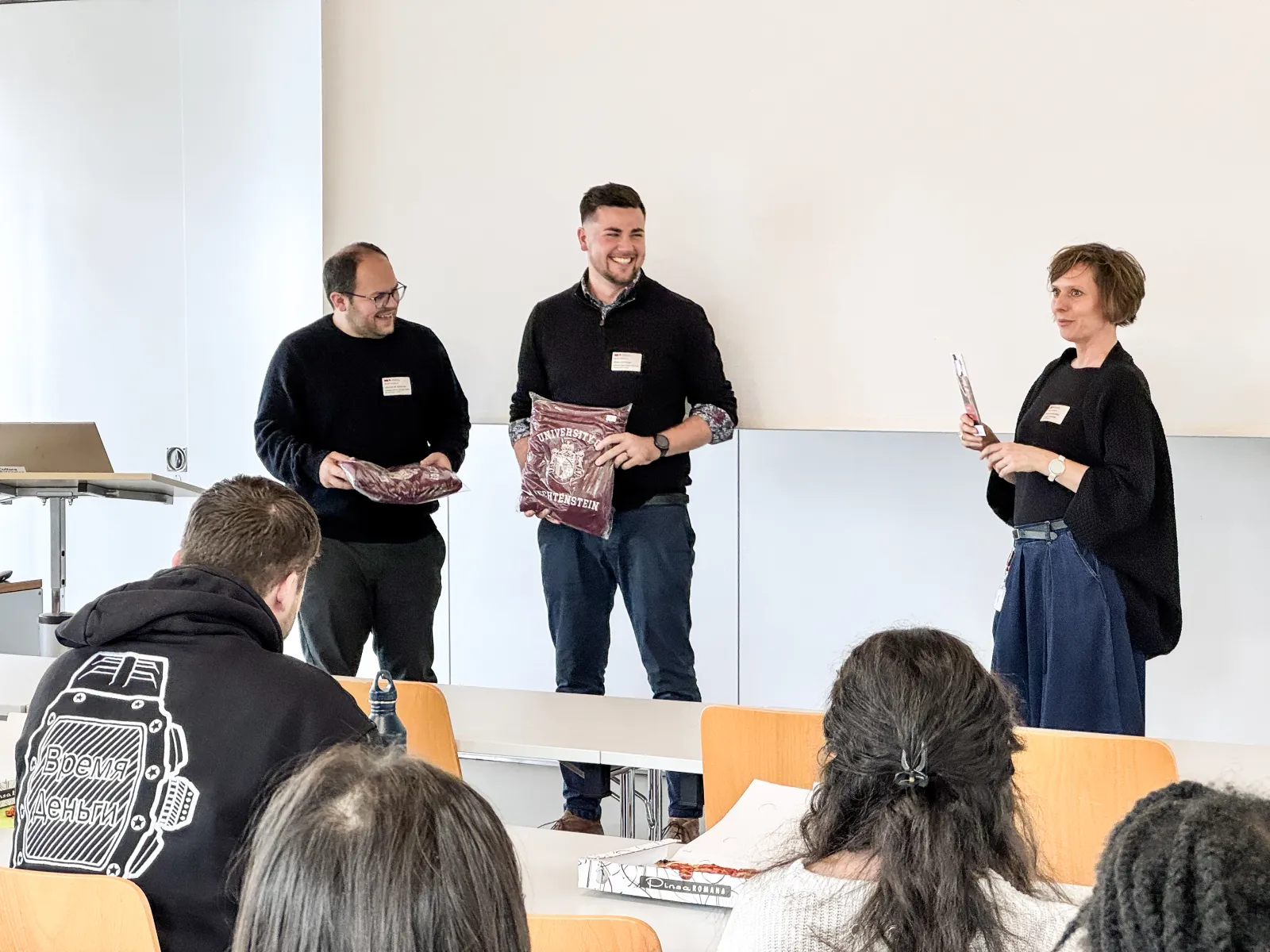
Florian Schietinger und Johannes Schleicher

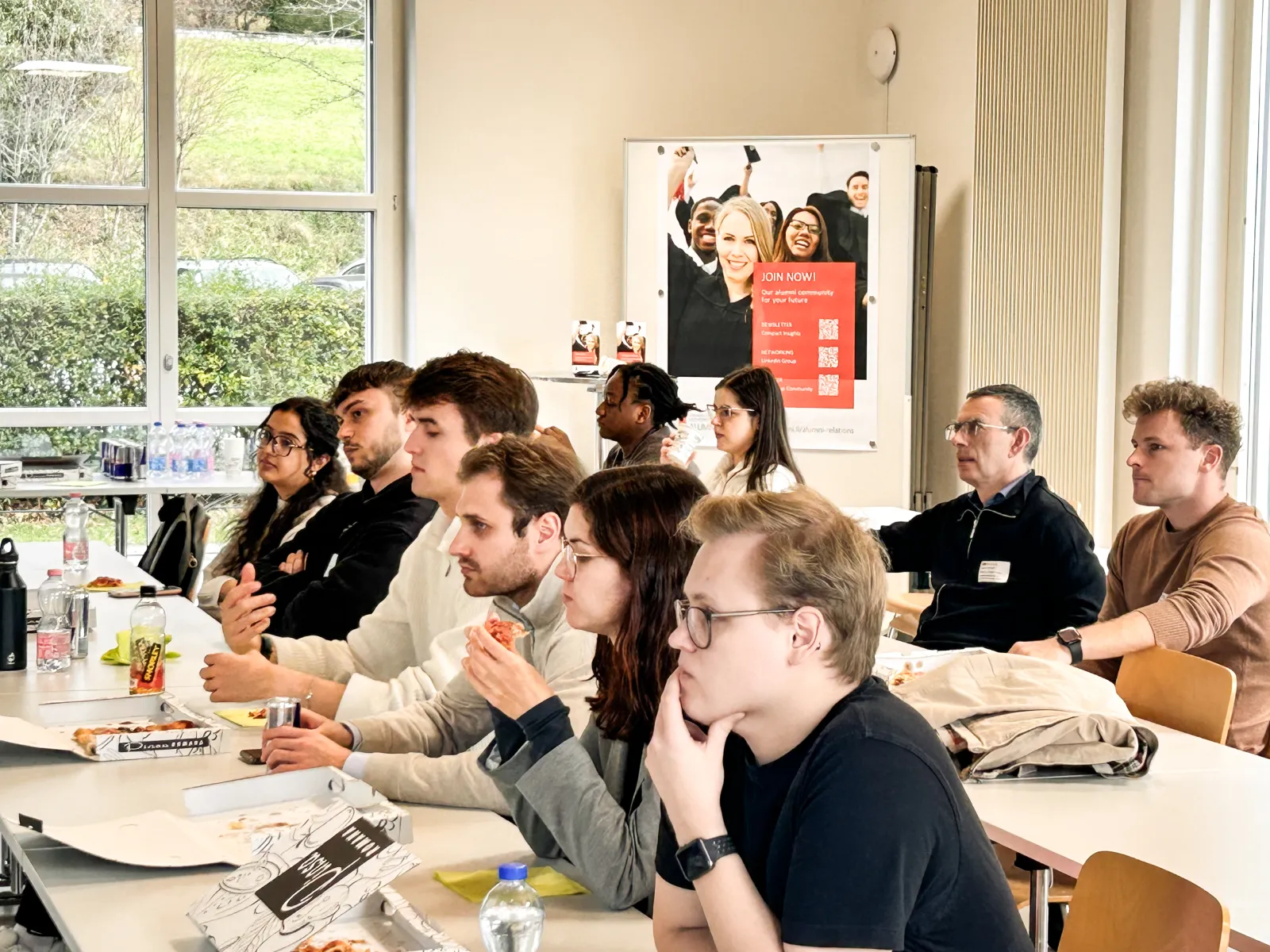
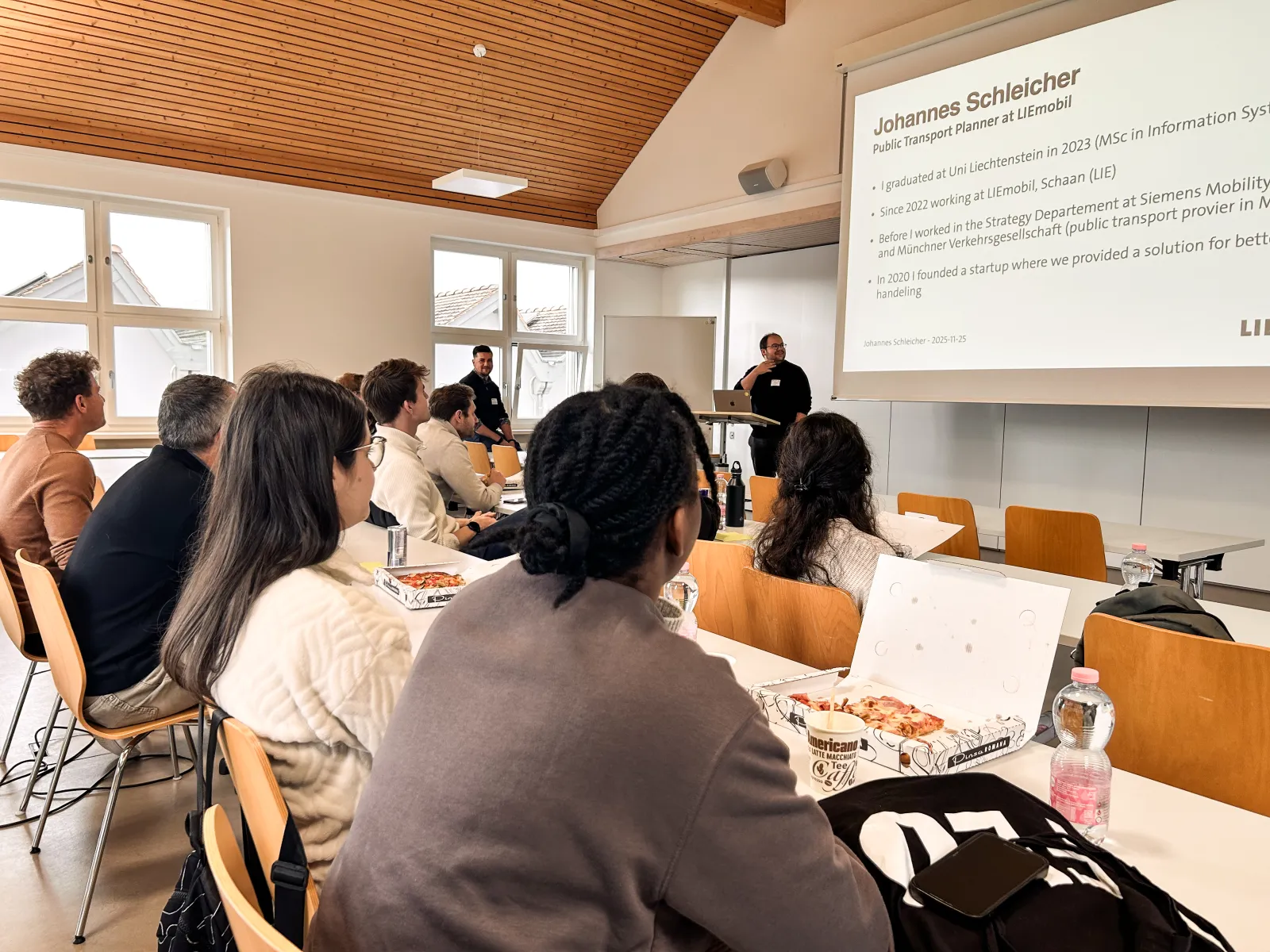
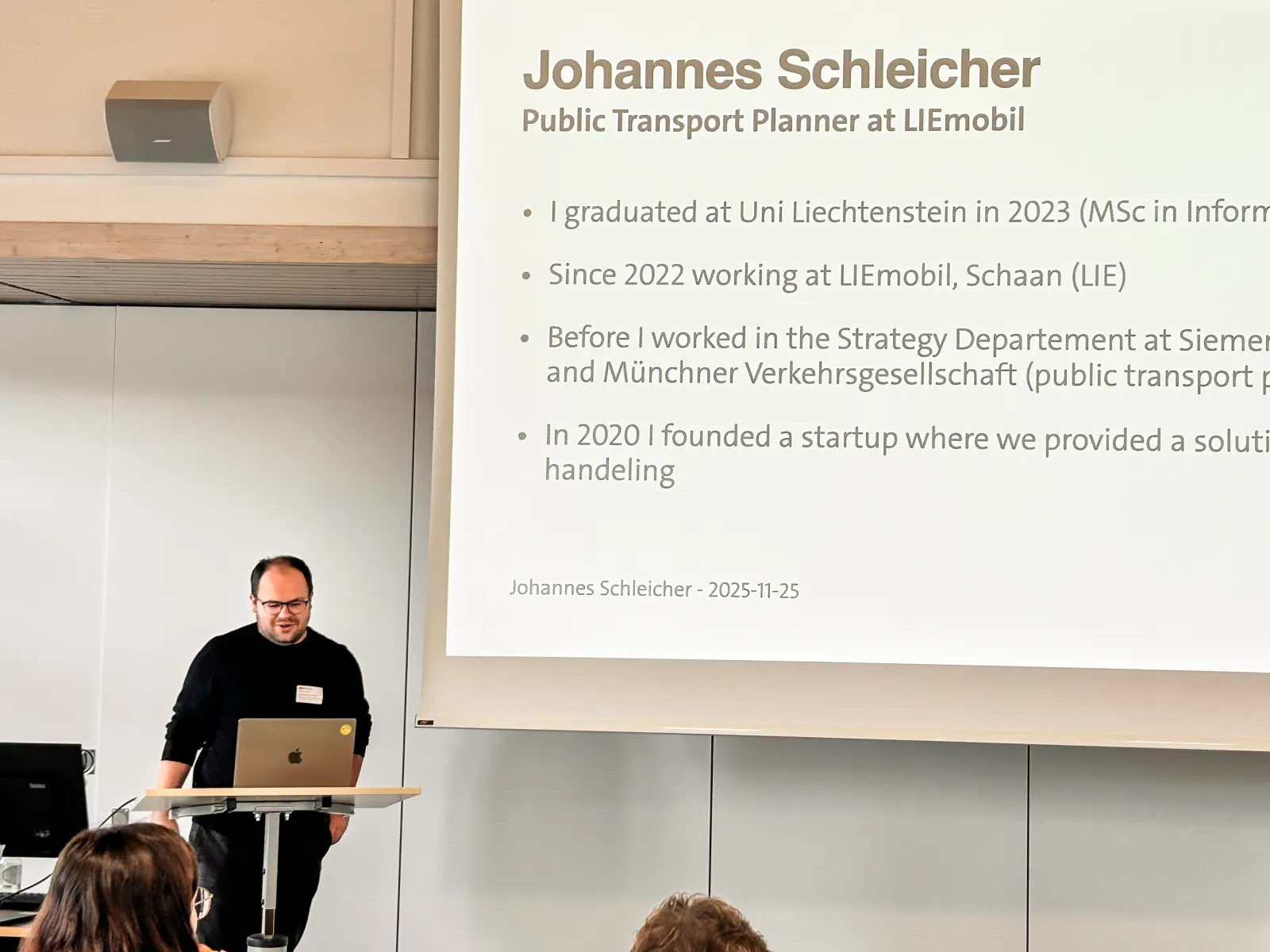
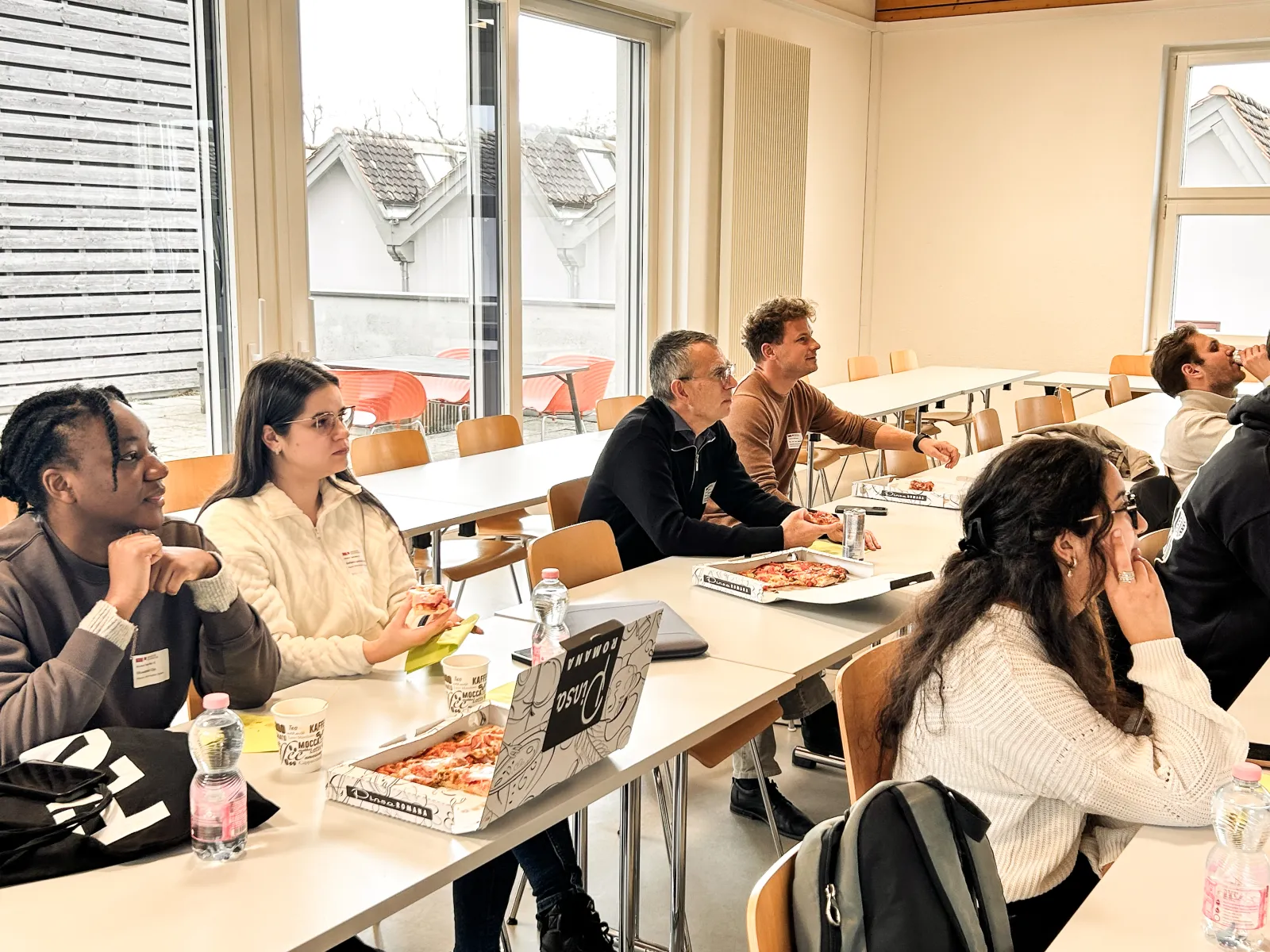
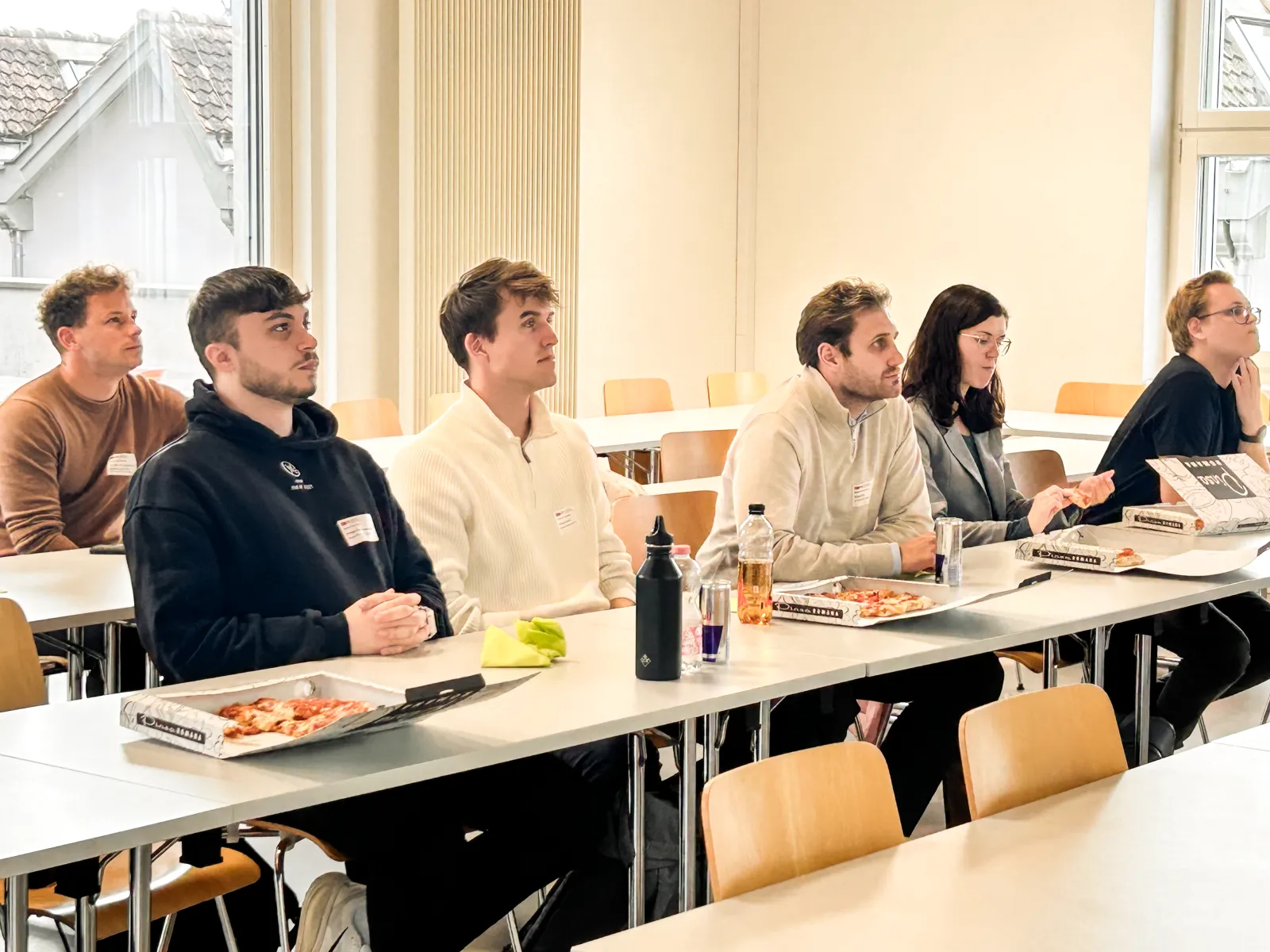
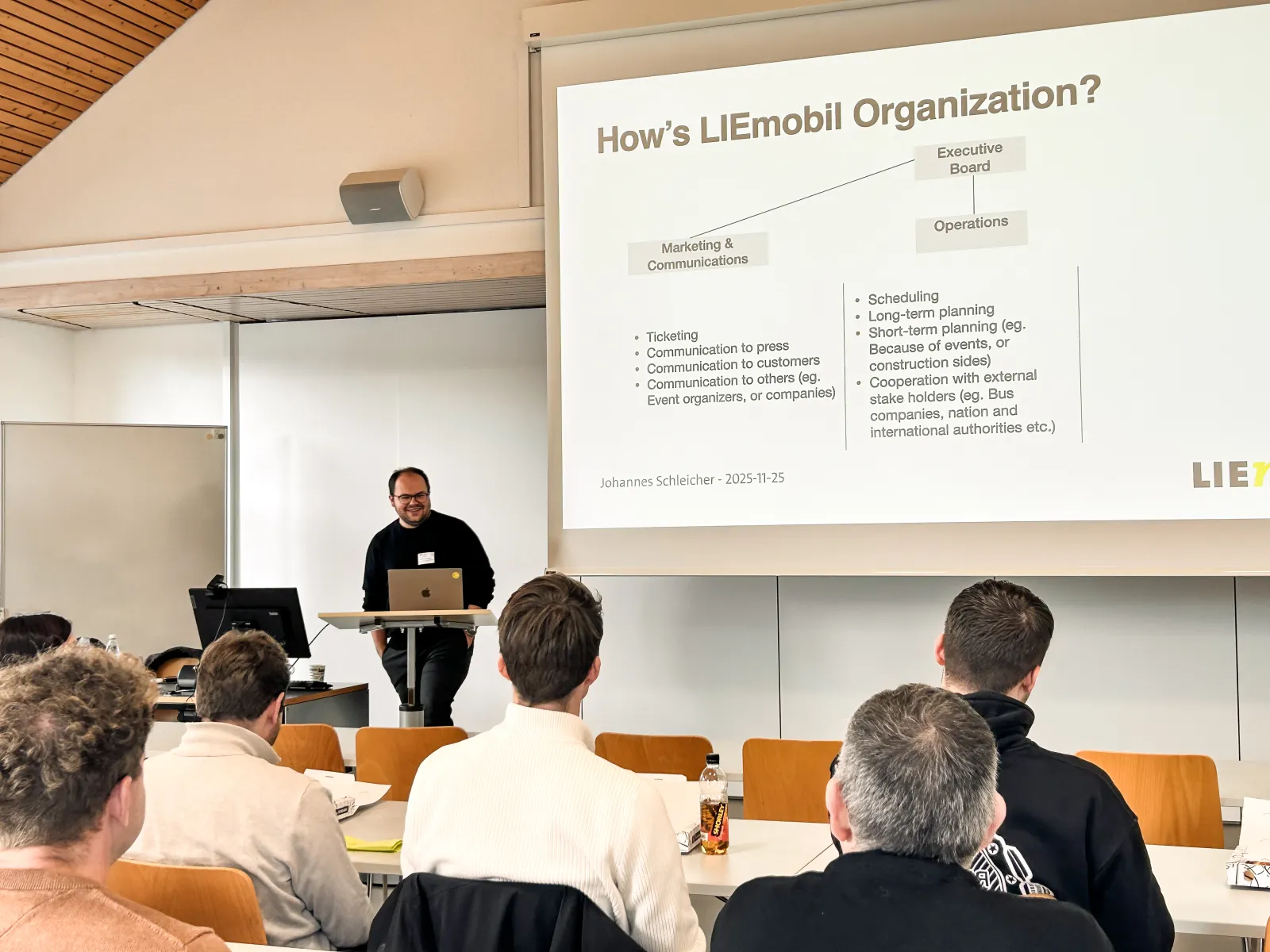
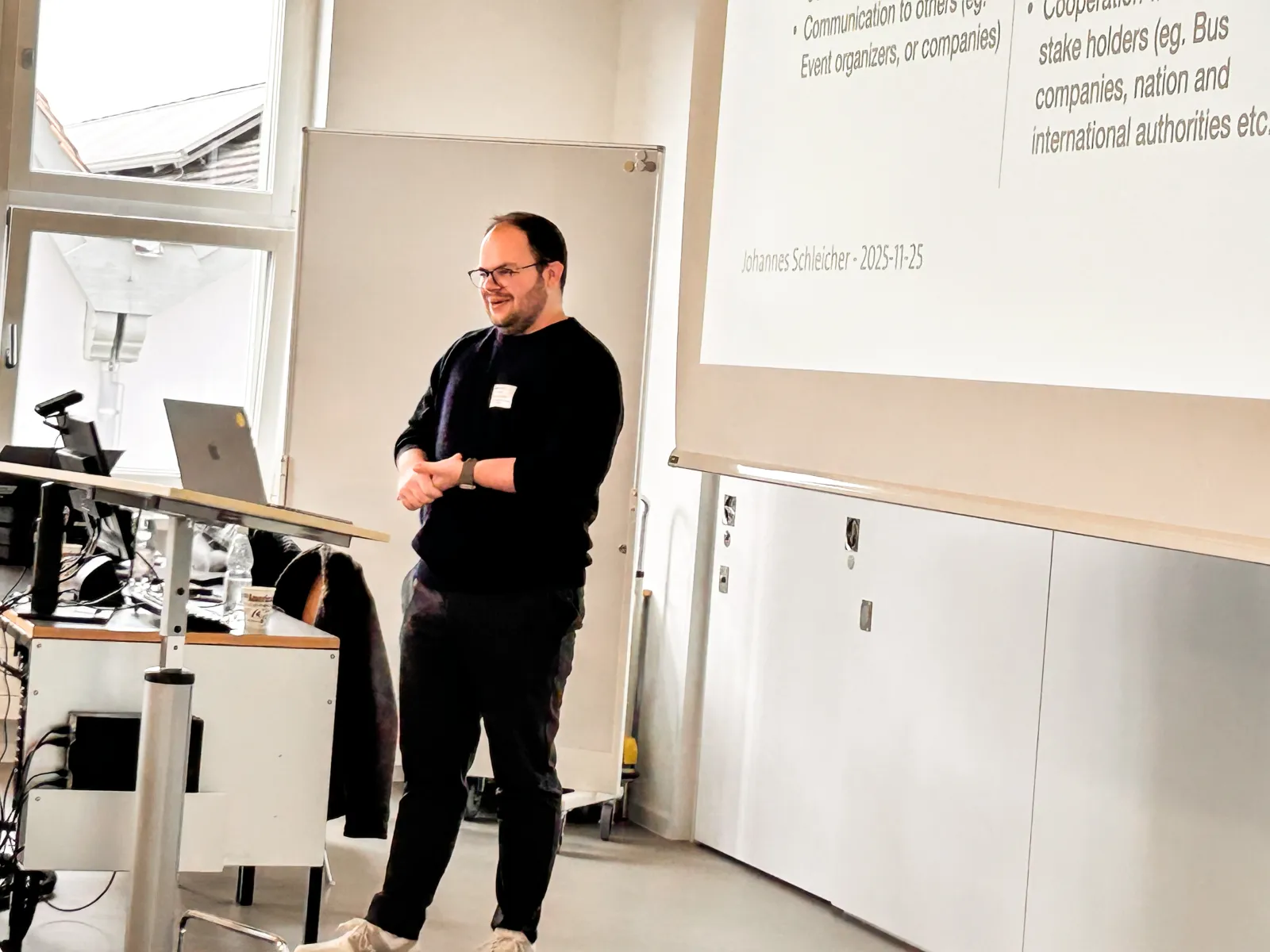
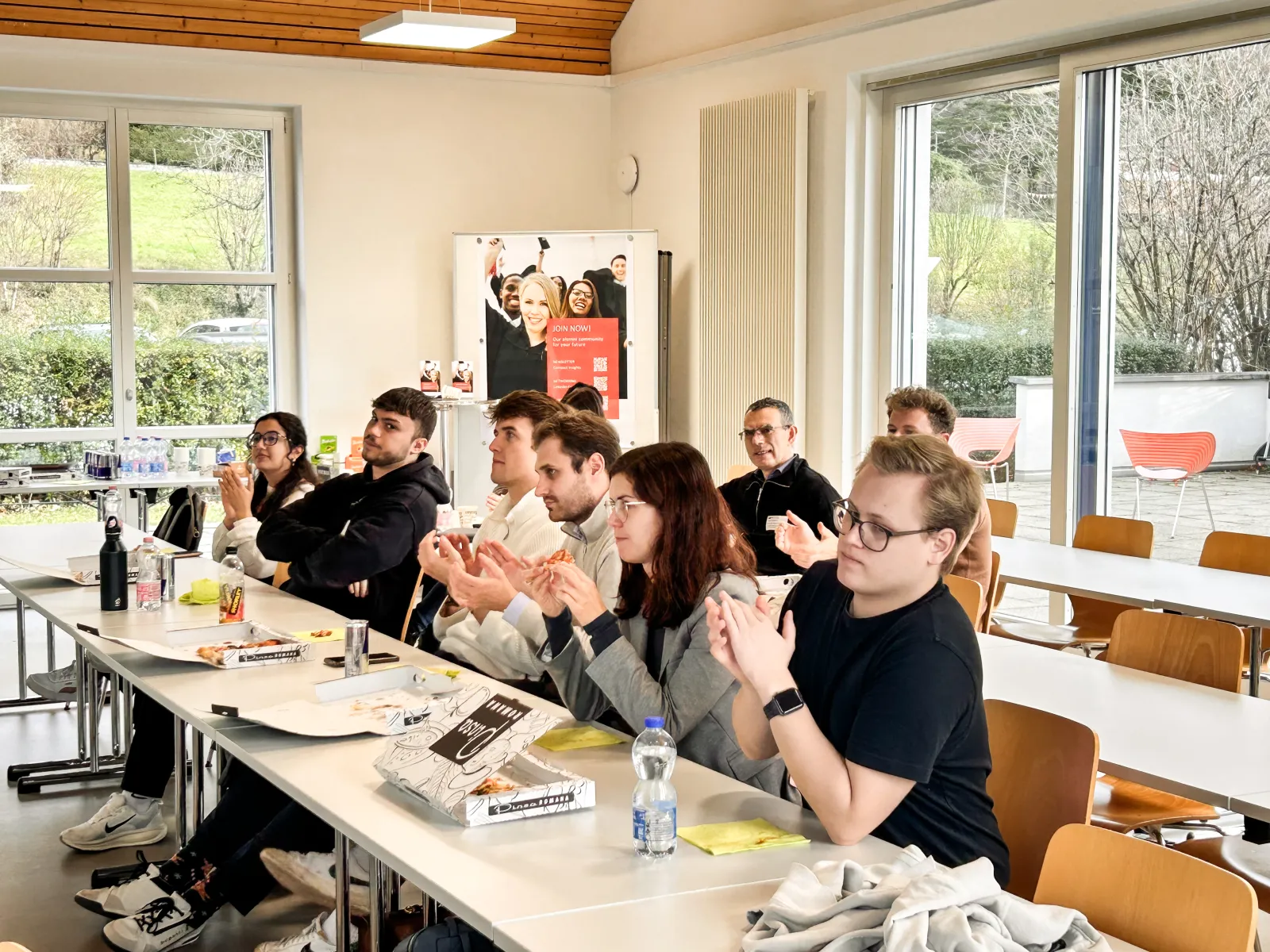
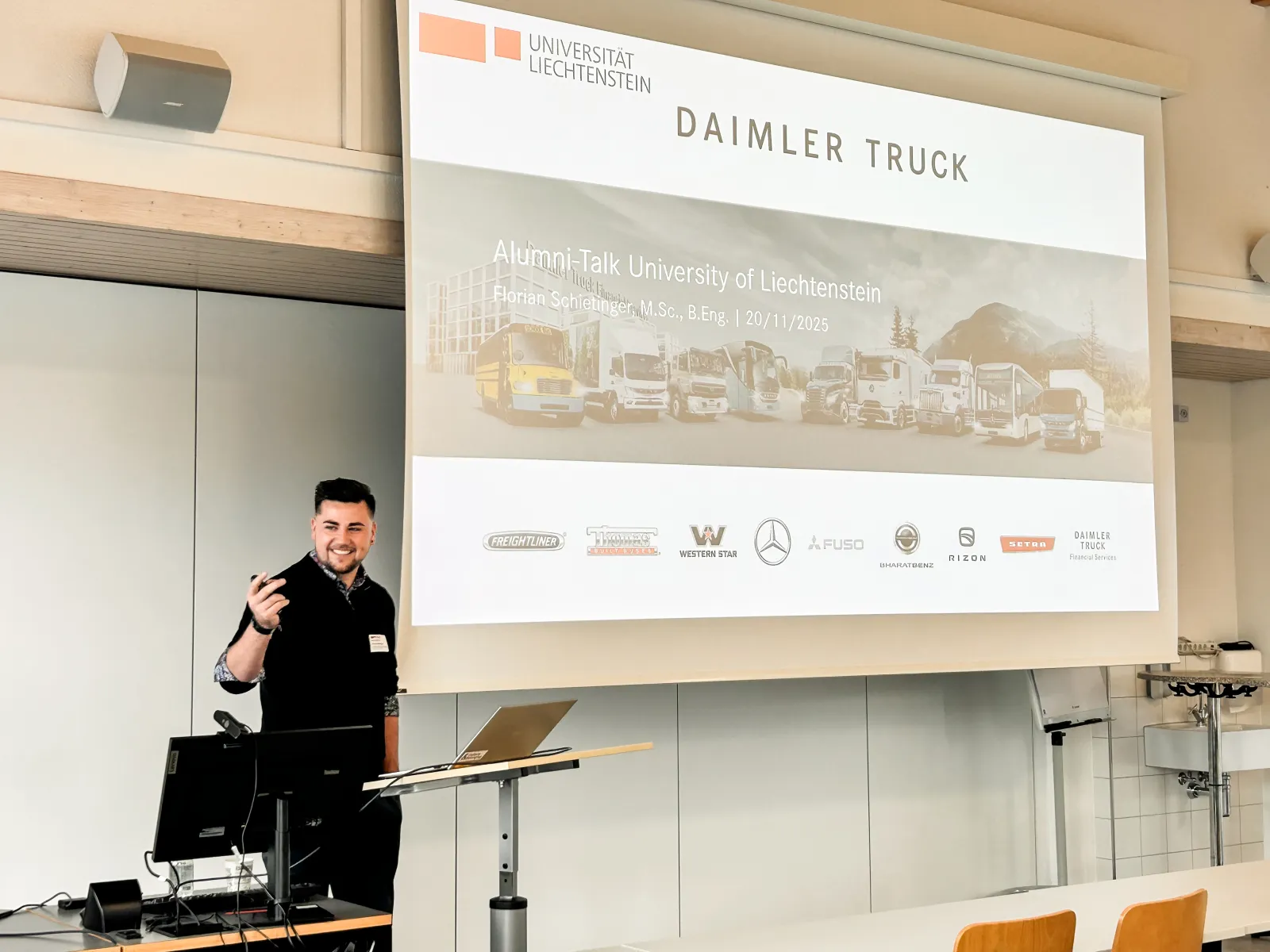
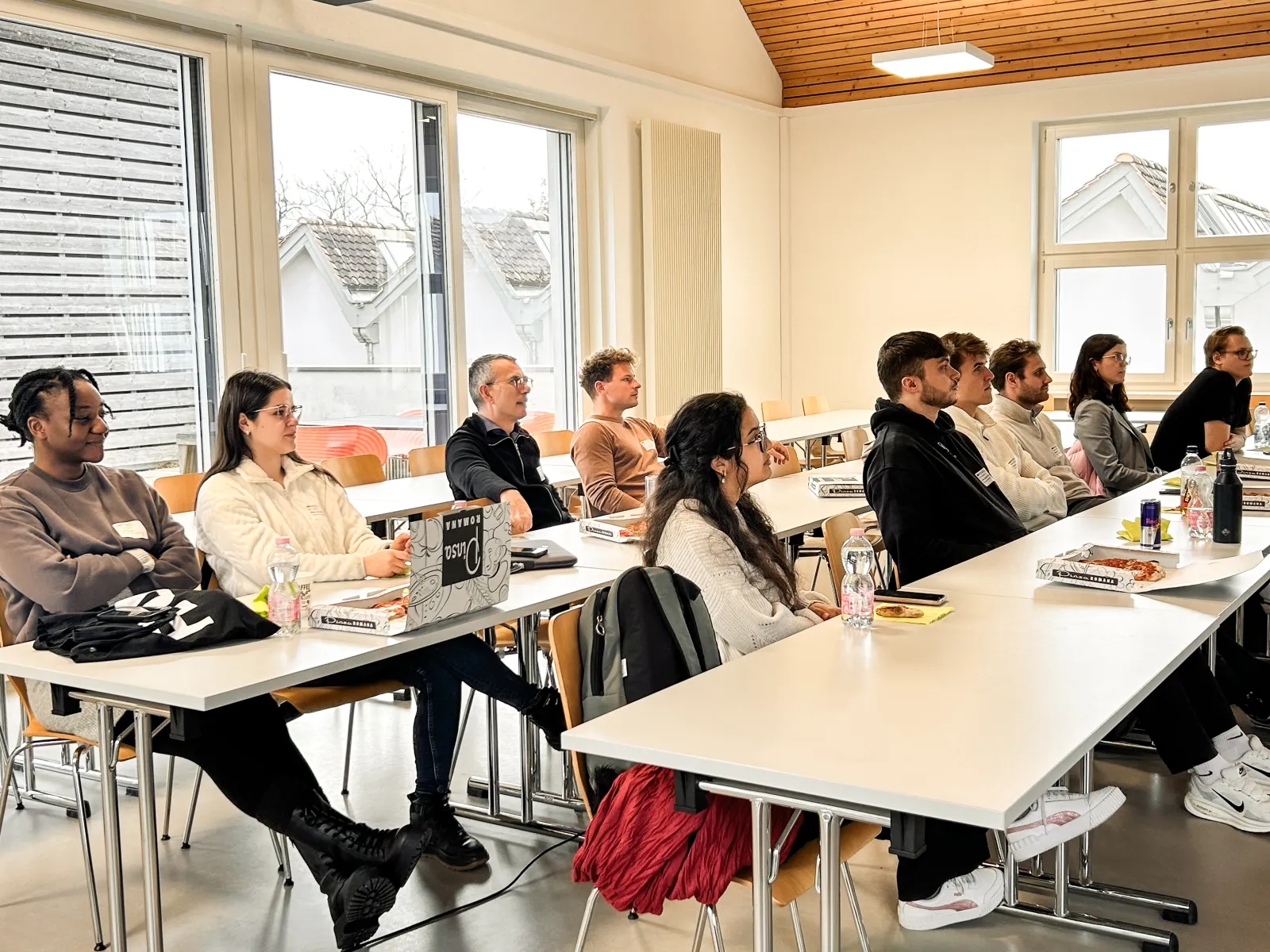
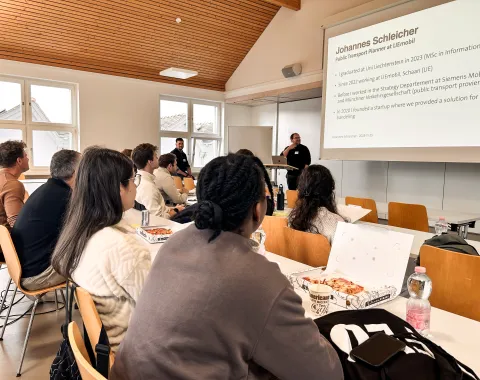
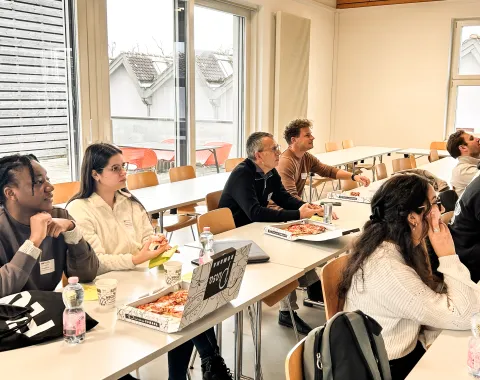
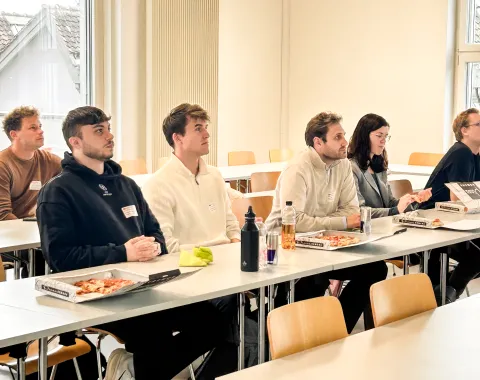
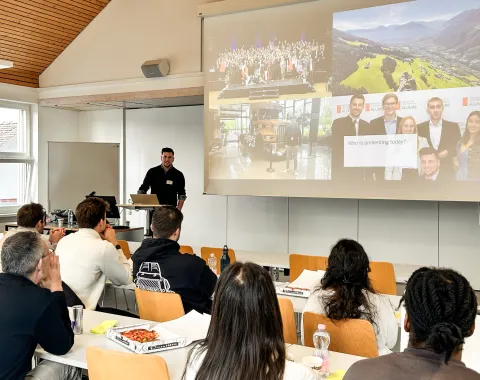
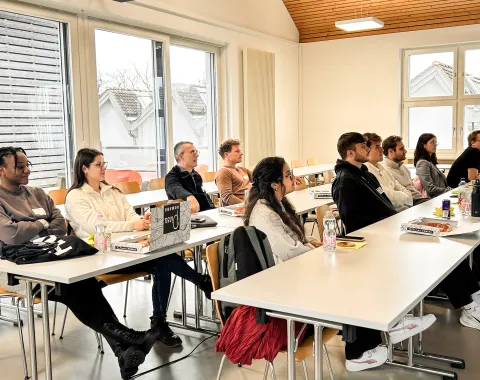
On Thursday, 20 November 2025, the new Alumni Talk series of the Master’s in Information Systems was launched. This compact lunchtime format offers students insights into industry practice and the opportunity to network with selected alumni of the University of Liechtenstein.


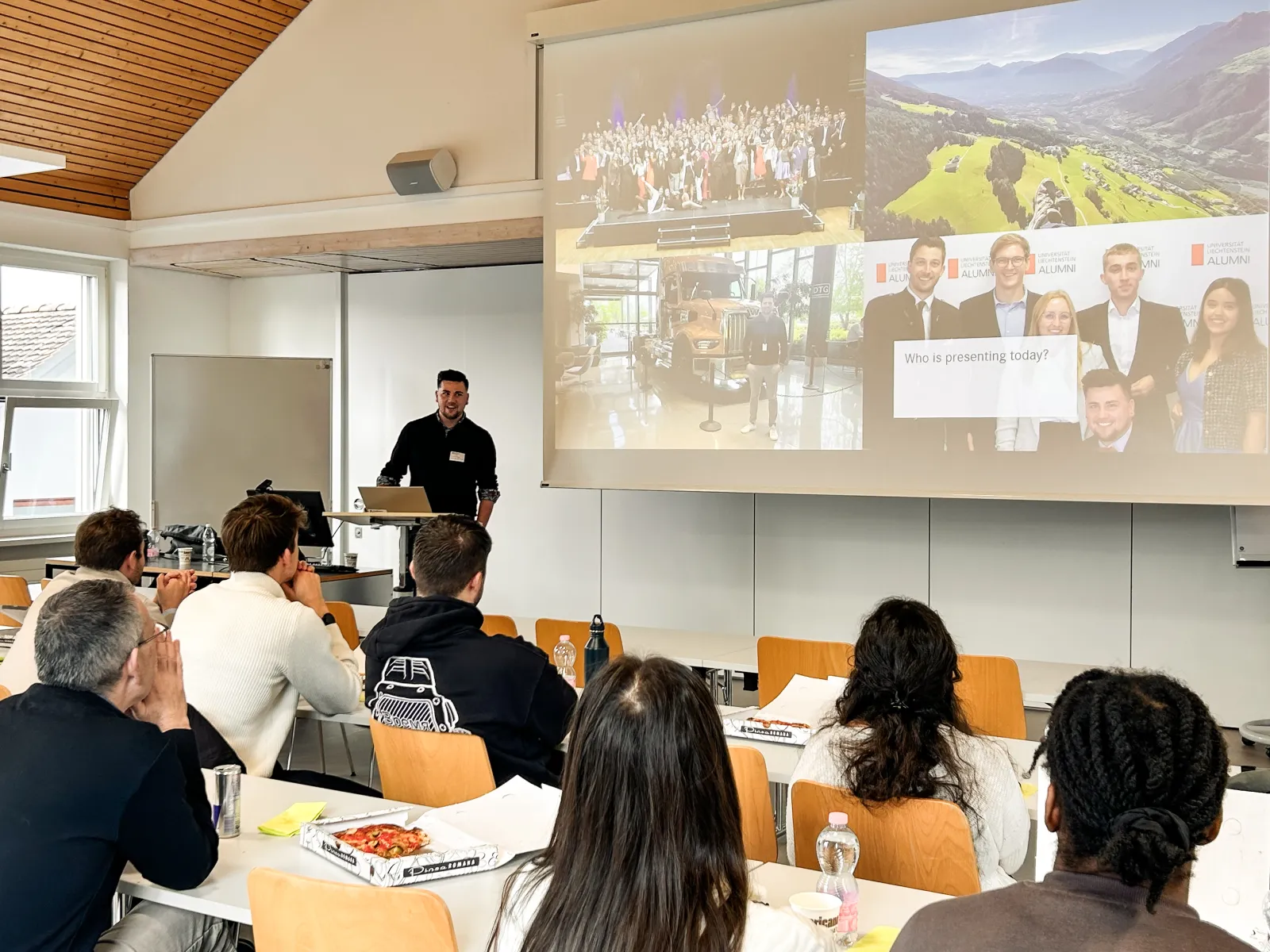
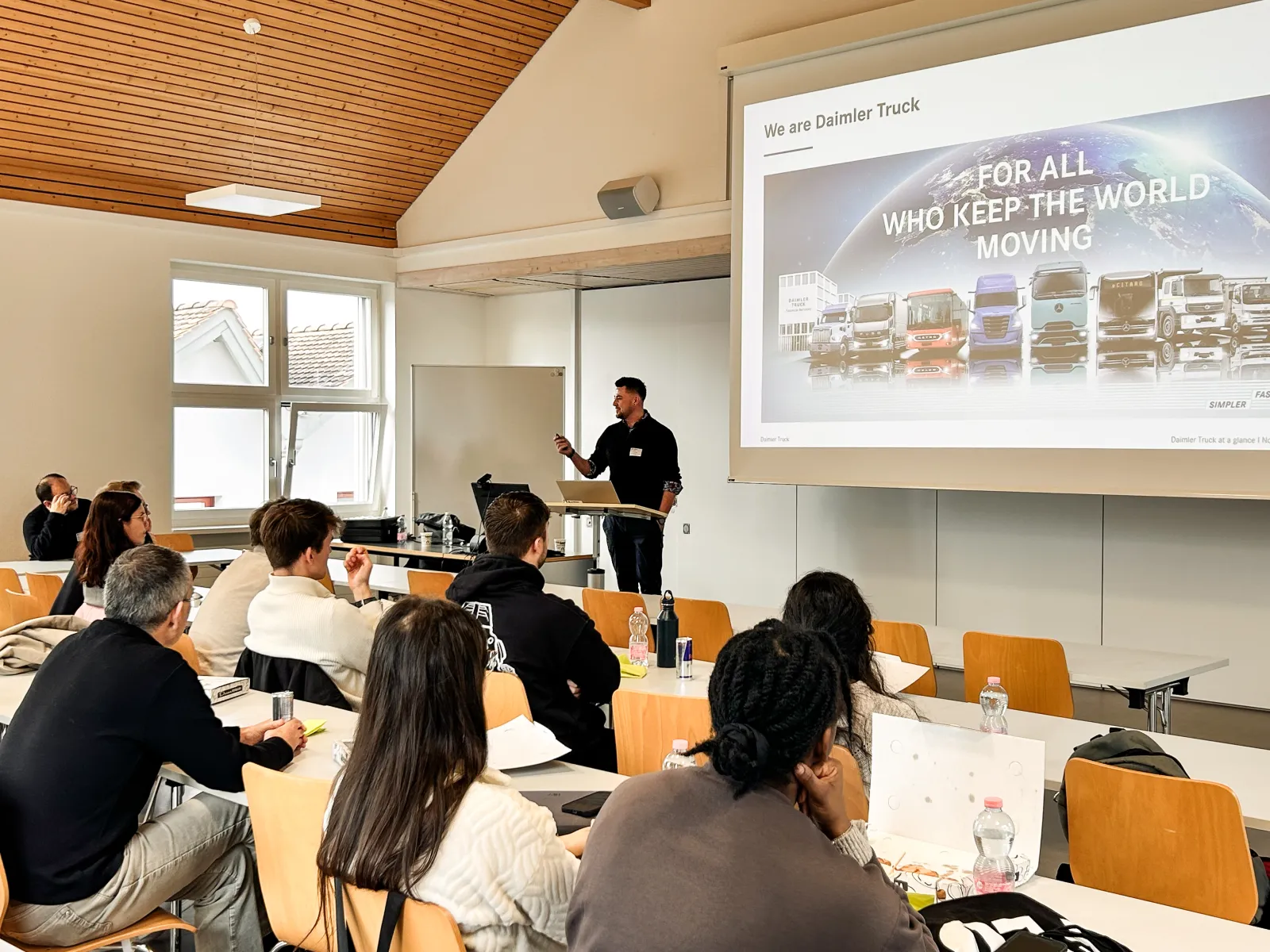
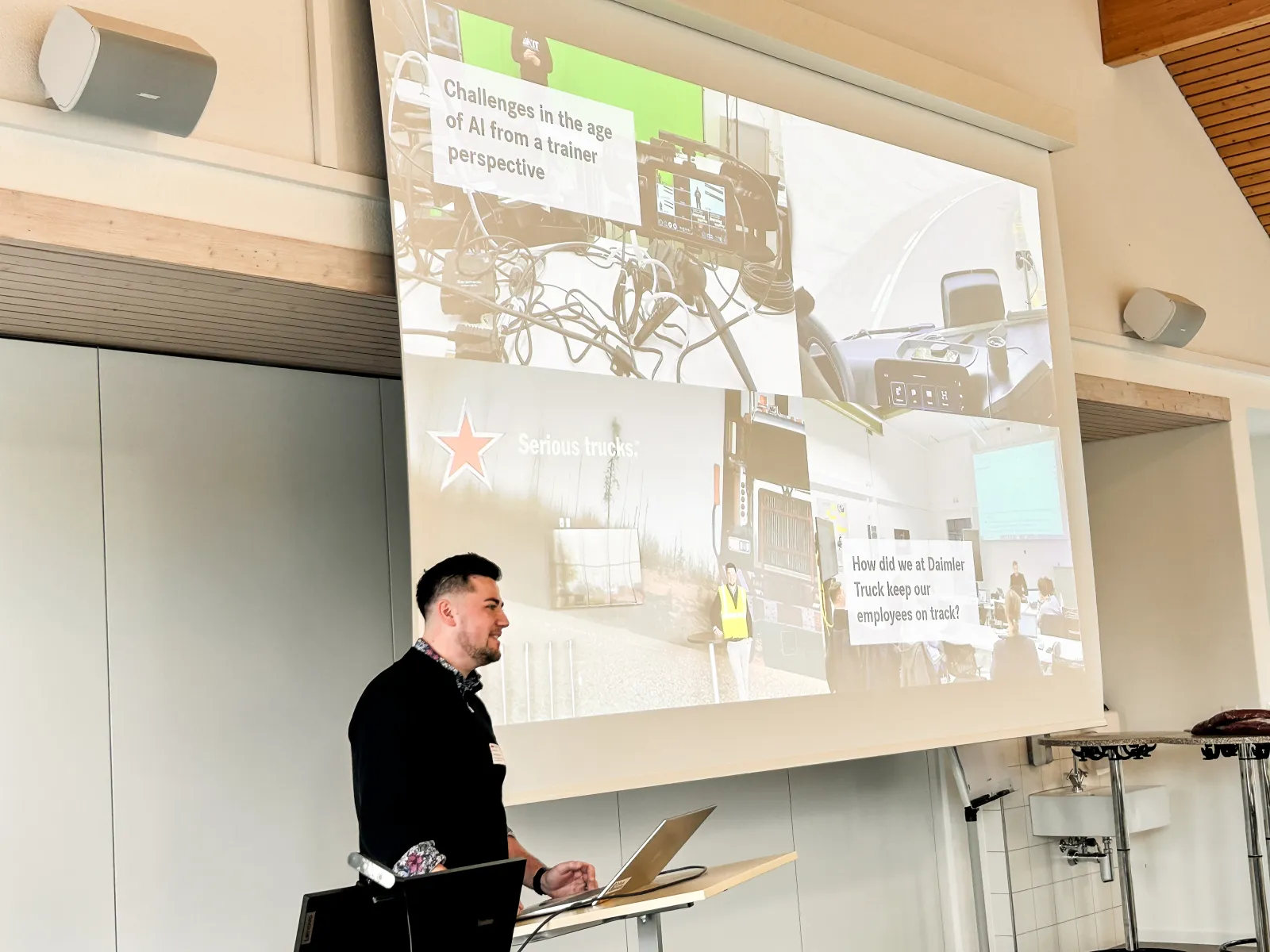
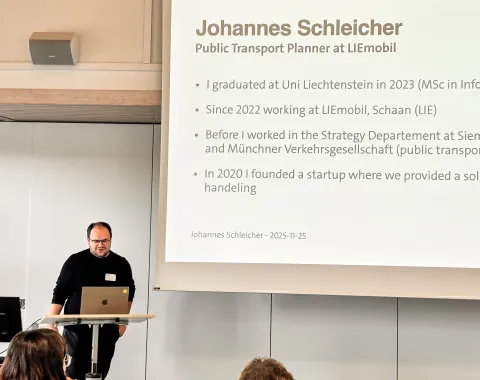
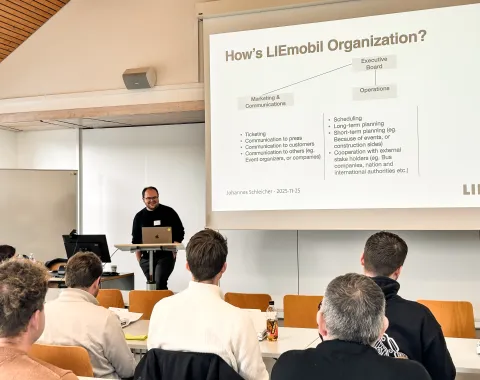
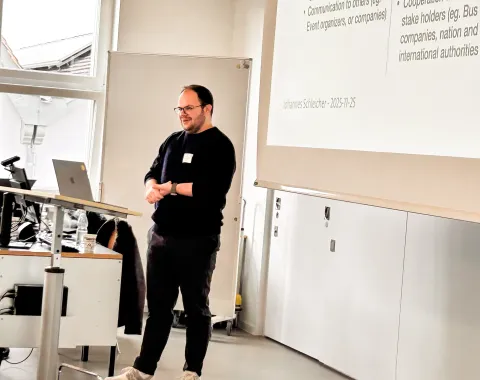
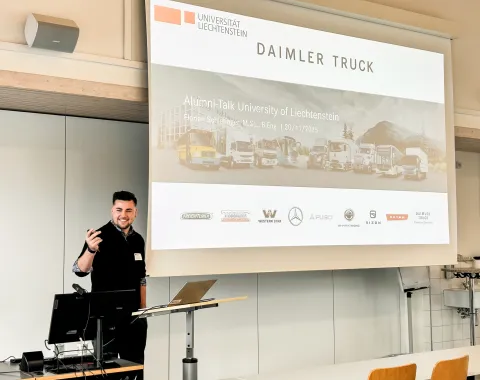
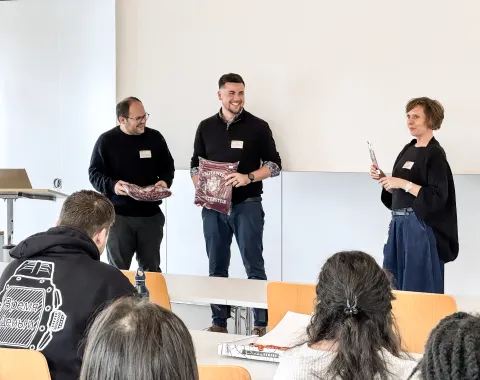
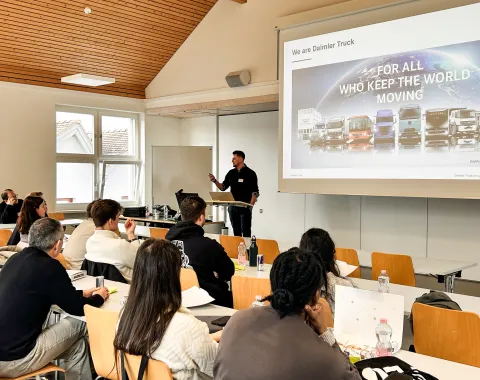
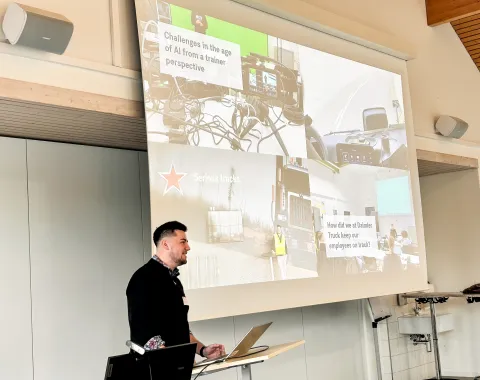
At the first Alumni Talk in Information Systems, two graduates of the Master’s programme shared their experiences with implementing AI in business processes. Johannes Schleicher, Transport Planner at LIEmobil, provided insights into the potential of AI to reduce workload in analysing passenger flows and processing around 20,000 data sets per day. Florian Schietinger, Trainer and Program Manager at Daimler Truck AG’s Learning Academy, offered a behind-the-scenes look at a global AI training initiative for more than 45,000 employees in six languages.


Practical insights and networking
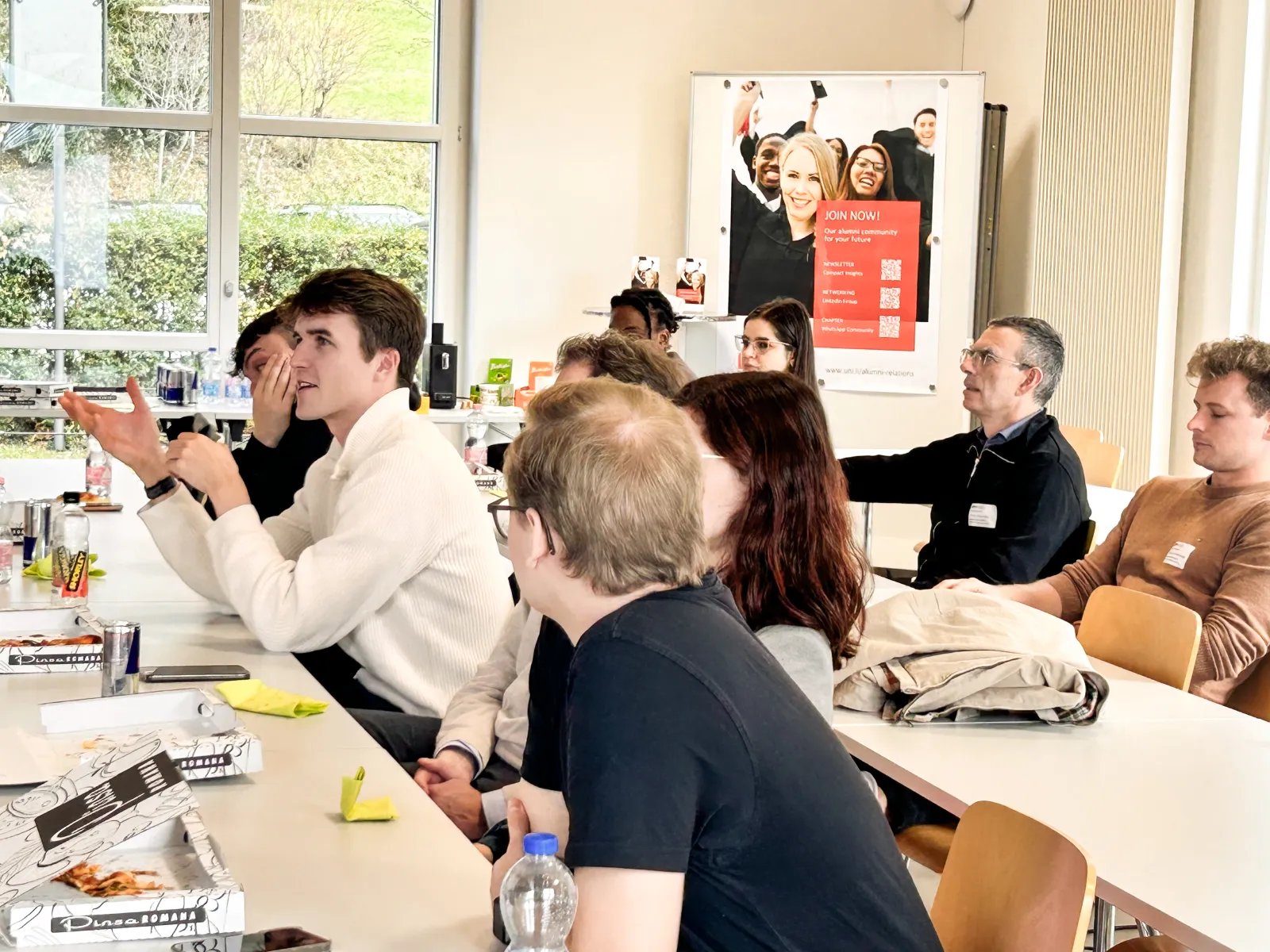
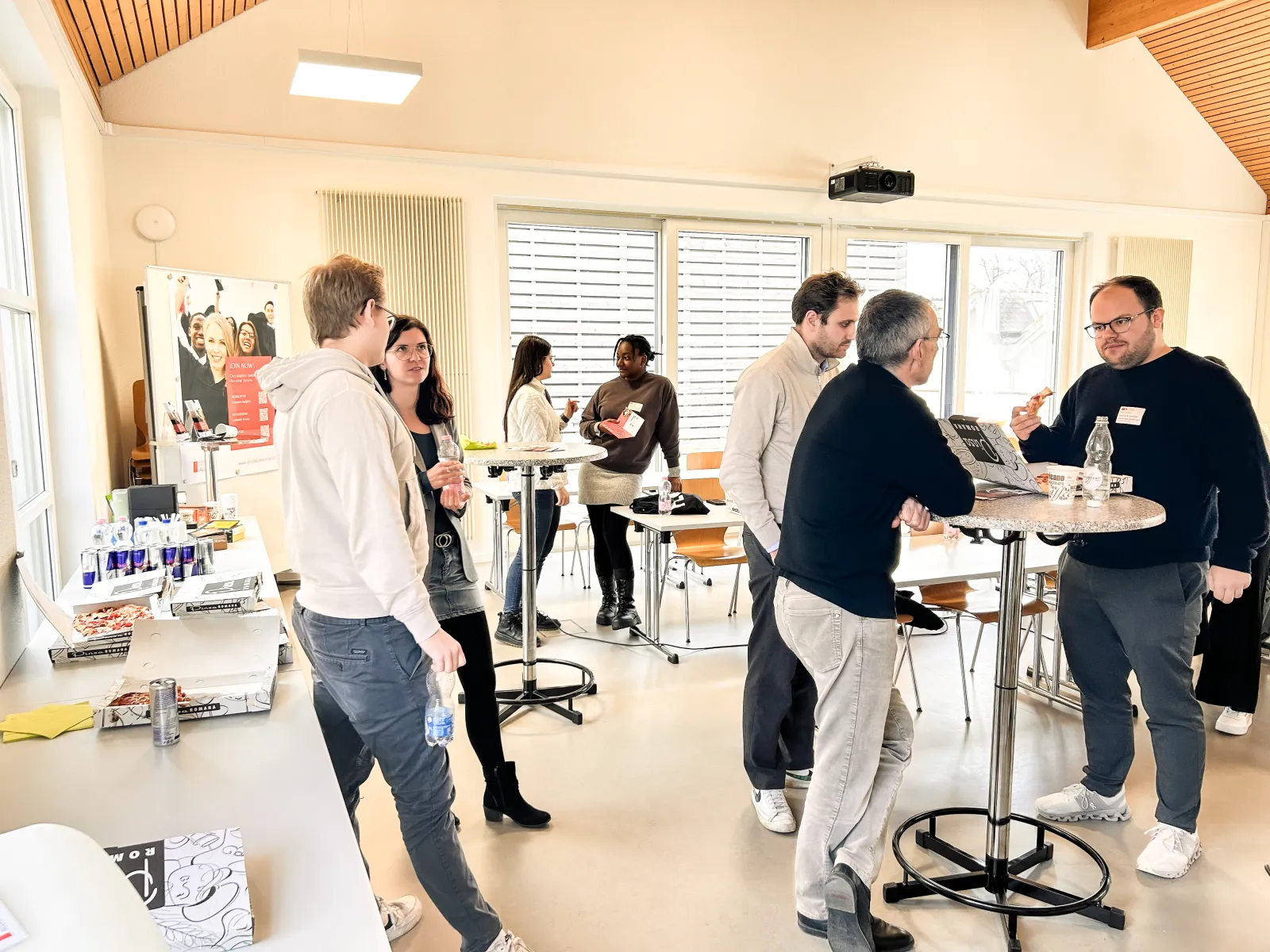
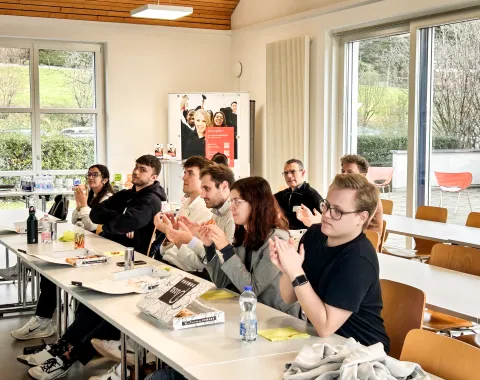
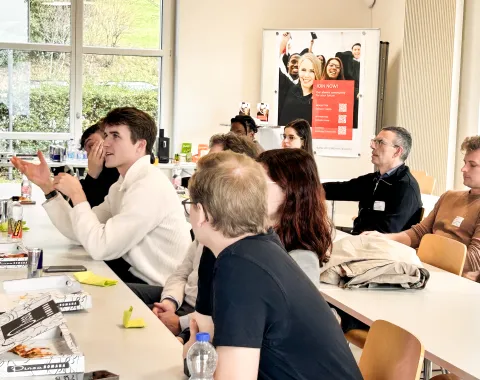
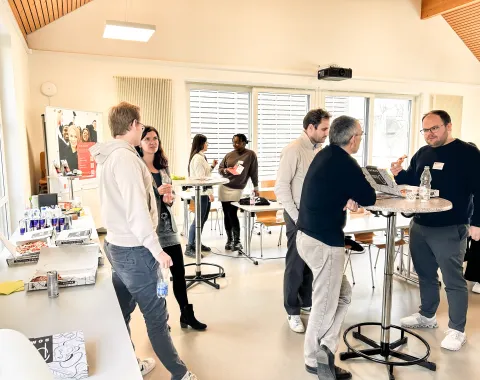
The event series aims to give students at the University of Liechtenstein early insights into professional practice and access to the university’s strong alumni network. During a lunch break, students took the opportunity to ask individual questions and network with the alumni and the Information Systems team, represented by Academic Director Prof. Dr. Pavel Laskov and Programme Manager and co-initiator of the Alumni Talk series, Dr. Daniel Knapp.


Next Alumni Talk in December
On Thursday, 11 December, alumni Paula Elsensohn, Strategic Program Manager at VP Bank Vaduz, and Leo Richard Irudayam, Senior SAP BTP Solution Advisor at SAP St. Gallen, will return to campus as part of the next Alumni Talk. Registrations are open until 8 December via this link.


----------------------------------------------------------------

*Johannes Schleicher
Transport Planner | LIEmobil (Schaan)
The mobility and data analysis specialist previously worked at Siemens Mobility and Stadtwerke München, where he was responsible for traffic surveys and timetable optimisation. In addition to his background in business development and consulting, he also brings experience from founding his own startup.

*Florian Schietinger
Trainer and Program Manager | Learning Academy, Daimler Truck AG (Stuttgart)
In addition to his experience in various software development roles and international practical experience in countries such as Spain and the USA, he also gained experience through his teaching activities at high schools and universities. He completed his Master’s in Information Systems with a double master’s degree in Liechtenstein and Würzburg.

Florian Schietinger und Johannes Schleicher
Subscribe to