Skip to Main Content

Diverse, Relevant, and Internationally Visible: Publications of the Liechtenstein Business School in the First Half of 2025

Diverse, Relevant, and Internationally Visible: Publications of the Liechtenstein Business School in the First Half of 2025

Research at the Liechtenstein Business School is as diverse as it is current: In the first half of 2025, numerous studies were published and presented at international conferences – ranging from citizen science and artificial intelligence to cryptocurrencies and resource-efficient investing.


These publications not only demonstrate a high level of academic quality but also highlight a strong connection to socially and economically relevant issues. The following contributions provide an insight into the broad spectrum of research topics. Additional links to further publications and news can be found below.


Research for All: How Citizens Can Shape Science


Science is no longer just the domain of lab coats and ivory towers – as shown by a new research project from the University of Liechtenstein. In a study published earlier this year in the prestigious journal Electronic Markets, Michael Gau and his co-authors present an innovative system that actively involves citizens in research. Rather than merely consuming results, participants are encouraged to think along, ask questions, and explore problems together with researchers. This is made possible through a digital platform that has been designed and evaluated in several studies with volunteers. The goal is to bring science closer to everyday life and work together to find solutions to real-world challenges. A significant step towards a more open and participatory research culture.


Gau, M., Greif-Winzrieth, A., Maedche, A., Weinhardt, C., & vom Brocke, J. (2025). Engaging citizen scientists: designing an open research system for collaborative problem exploration. Electronic Markets. https://doi.org/10.1007/s12525-025-00757-z


Generative AI in Action – Between Fascination and Implementation


In March, digital-liechtenstein.li, in cooperation with the University of Liechtenstein, hosted a webinar on Generative AI and MLOps – and the interest was tremendous! Over 200 participants joined the session to learn more about the latest developments in this field.

The speakers, Prof. Dr. Johannes Schneider and Jonas Bokstaller, provided fascinating insights into the current state of Generative AI and demonstrated how Machine Learning Operations (MLOps) work in practice.


Three Contributions at DESRIST 2025


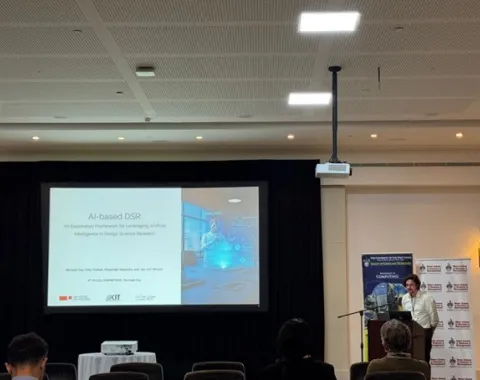
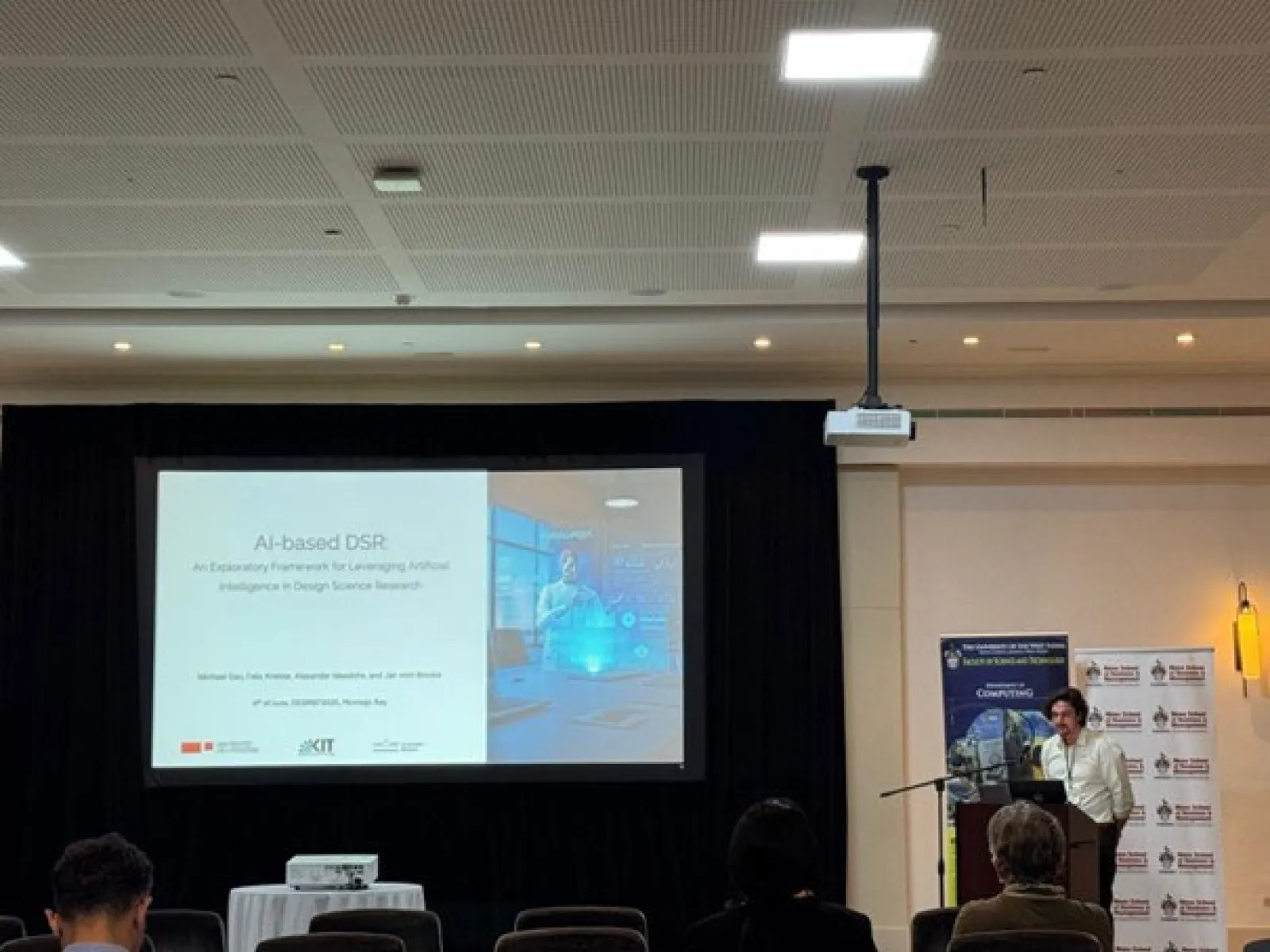
Michael Gau, Senior Scientist at the University of Liechtenstein, participated in this year's DESRIST – the leading conference in the field of Design Science Research – with three contributions alongside his colleagues:

  • The paper "AI-Based Design Science Research: An Exploratory Framework for Leveraging Artificial Intelligence in Design Science Research" explores how artificial intelligence can be integrated into the design science process. It presents a framework that supports researchers and practitioners in harnessing the potential of AI.
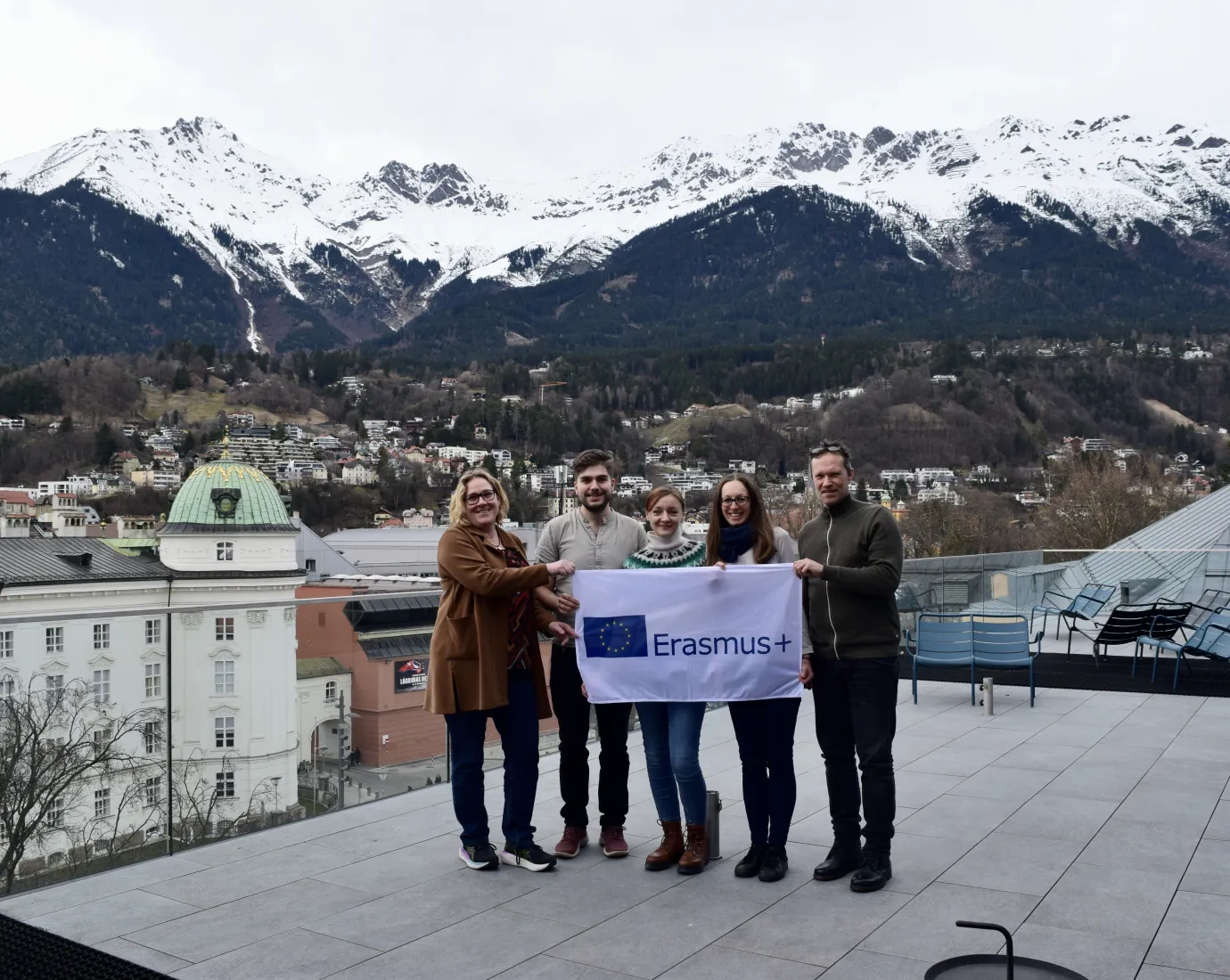
  • The paper "Past Lessons, Future Directions: An Author-Informed Review of Design Science Research in Information Systems" was developed as part of the Erasmus+ project Design Science Research Academy. Based on 14 interviews with DSR experts, it analyzes the evolution and future of design science research in the field of information systems.
  • The third contribution introduced the Design Science Research Academy, developed within the Erasmus+ project of the same name – an open prototype for innovative and collaborative DSR teaching materials.


Artificial Intelligence in Focus: Job Postings as a Trend Barometer


How can future trends in AI be identified? The conference paper "Job Postings Analysis as a Tool for Technology Foresight," presented by Marie Scheuffele, doctoral candidate at the Liechtenstein Business School, at the ISPIM Innovation Conference in Bergen (Norway), introduces a new approach: Using text mining, more than 100,000 online job postings from 2023 and 2024 were analyzed globally to reveal current developments in the demand for AI-related skills.


The study not only identifies in-demand AI competencies and their evolution across time, countries, and industries – it also demonstrates how job advertisements can serve as a data-driven foundation for technology foresight. The paper was nominated for the prestigious Knut Holt Award, which recognizes the best conference paper at the ISPIM Innovation Conference.


Reference:
Scheuffele, M., Martini, M., John, M., & Brecht, L. (2025). Job Postings Analysis as a Tool for Technology Foresight. Paper presented at the ISPIM Innovation Conference, Bergen, Norway.


Phishing Detection: The limitations of existing detectors against Chinese phishing websites (and how to fix these)


Phishing websites are a major global issue. Yet many existing detection systems focus almost exclusively on the “Western” side of the world---overlooking that phishing websites are pervasive also in other areas, such as China. An international study, co-authored by Dr. Giovanni Apruzzese, Assistant Professor of Data & Application Security, shows that many common phishing detectors that work well on websites tailored for Western users (e.g., English or German) struggle to identify fraudulent websites from China – in some cases, with detection rates below 1%.


To investigate this, the research team collected a new dataset of Chinese phishing websites (ChiPhish) and tested existing systems. Based on their findings, they proposed an improved detector that identifies phishing sites from various regions with a detection rate above 98% – while maintaining a very low false positive rate.


The study was published in the renowned journal Computers & Security:
Yuan, Y., Apruzzese, G., & Conti, M. (2025). Beyond the West: Revealing and Bridging the Gap Between Western and Chinese Phishing Website Detection.Computers & Security (January).


Identifying Technology Trends – Thanks to Online Job Postings


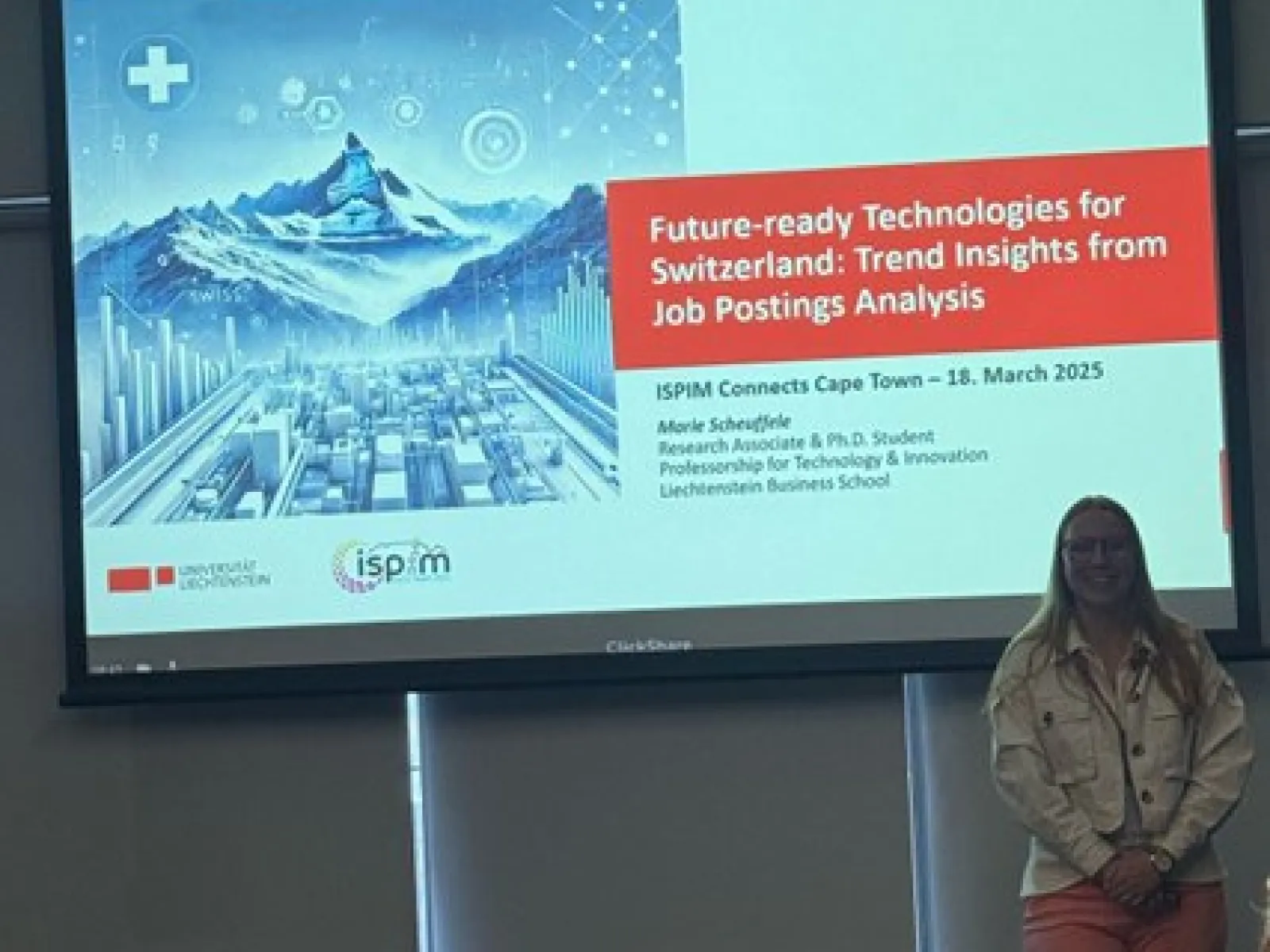
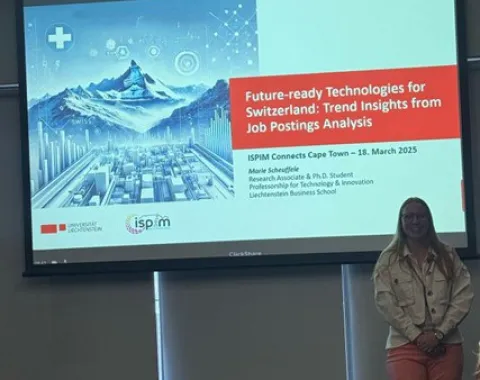
In March, Marie Scheuffele, a doctoral student at the Liechtenstein Business School, presented her research on future-relevant technologies for Switzerland at the ISPIM Connects conference in South Africa. Together with Prof. Dr. Leo Brecht, she examined how online job postings can be used as an alternative data source to identify technological trends and analyse the hiring behaviour of Swiss companies across various industries. The conference paper also provides an overview of current scientific trend studies as well as new data-driven approaches in innovation research.


Scheuffele, M., & Brecht, L. (2025). Future-ready technologies for Switzerland: Trend insights from job postings analysis. Paper presented at the ISPIM Connects Cape Town, South Africa - Transforming Futures Through Innovation, Cape Town, South Africa.


Investing Resource-Efficiently – and Earning More? New Study Reveals Surprising Resu


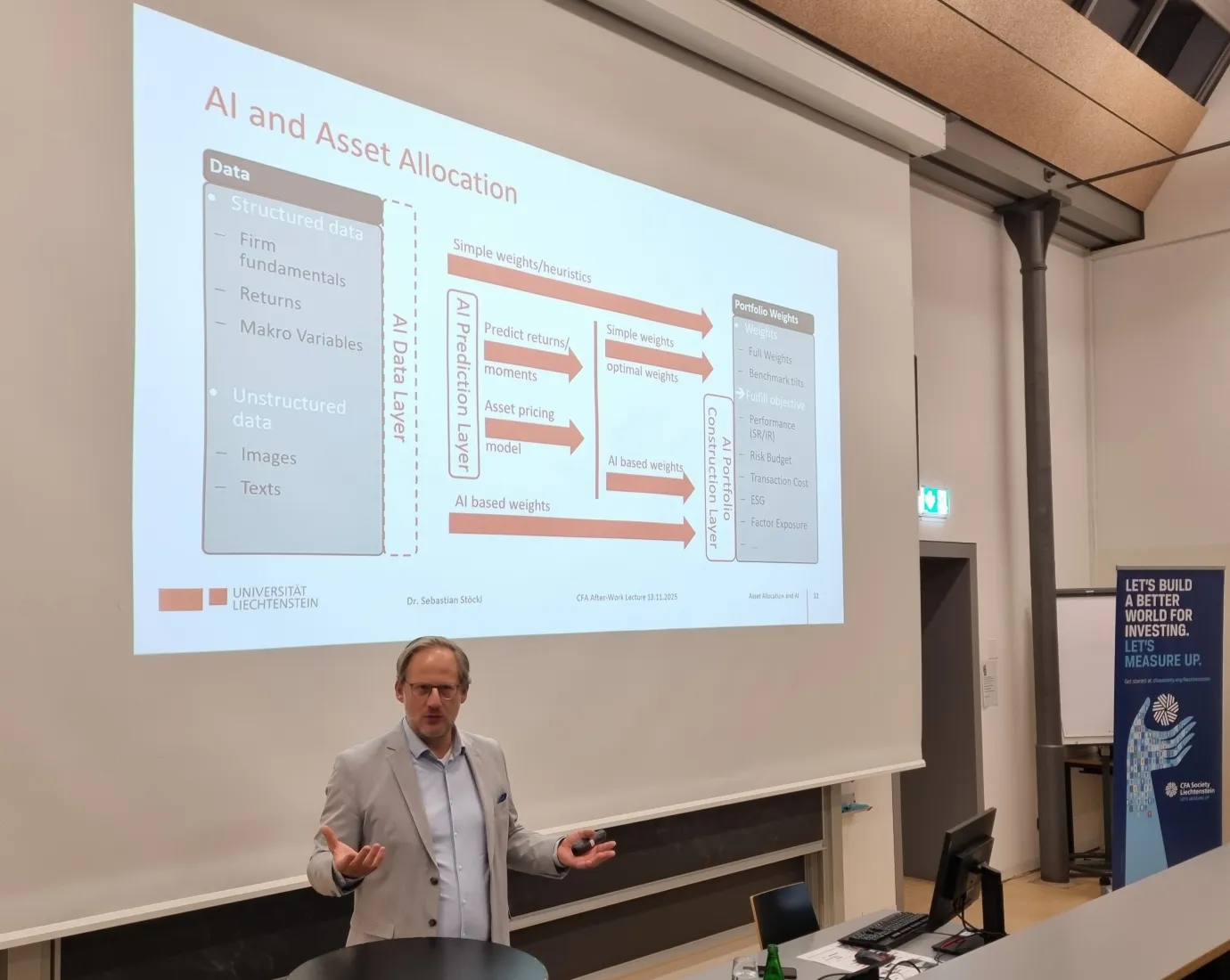
Can companies that use resources such as energy or water particularly efficiently perform better on the stock market? This is the question explored by a study presented at the 36th ISPIM Innovation Conference in Bergen.


Thomas Beales, Dr. Djordje Zivkovic, and Prof. Dr. Leo Brecht from the Liechtenstein Business School applied a novel analytical method called Data Envelopment Analysis (DEA) and tested it on a sample of 1,500 publicly listed U.S. companies. The surprising finding: firms with high resource efficiency achieved better returns than those assessed using standard ESG criteria.


The study suggests that focusing on actual environmental performance rather than general sustainability ratings may lead to more successful long-term investments.


Beales, T., Zivkovic, D., & Brecht, L. (2025). Resource efficient firms and stock returns. Paper presented at the 36th ISPIM Innovation Conference, Bergen, Norway.


Why Choosing the Right Crypto Exchange Can Make or Break Your Returns


Cryptocurrencies are booming – but many people are unaware that choosing the right trading time and exchange can save (or cost) a lot of money. A new study by the Liechtenstein Business School shows: Anyone trading cryptocurrencies like Bitcoin or Altcoins should pay attention to liquidity – that is, how easily and quickly one can buy or sell without significantly impacting the price.


Prof. Dr. Martin Angerer, Dr. Marius Gramlich, and Prof. Dr. Michael Hanke analyzed thousands of trading data points and found that trading conditions vary significantly depending on the platform, time of day, and currency. On some exchanges, trading is significantly cheaper – especially for less-known coins.


Also interesting: Exchanges themselves can influence how liquid their markets are – for example, by the number of trading pairs offered or through specific trading rules. In short: Paying attention to the details in crypto trading can help avoid high hidden costs and increase profits.


Angerer, M., Gramlich, M., & Hanke, M. (2025). Order Book Liquidity on Crypto Exchanges. Journal of Risk and Financial Management, 18(3).


Central Bank Digital Currency: Threat to Banks or Opportunity for Stability?


More than 100 central banks worldwide are currently working on the introduction of Central Bank Digital Currencies (CBDCs). But how would such a new form of money affect the behavior of bank customers?


A new study by Prof. Dr. Michael Hanke, Professor of Finance, and researchers from the UK investigates precisely this question. Through economic experiments, the researchers analyze how people behave when they can convert their bank deposits into CBDCs – and which designs of these digital currencies increase or reduce the risk of a bank run.


The findings are especially relevant for central banks and policymakers: Anyone aiming to introduce CBDCs must ensure that these innovations stabilize – rather than destabilize – the financial system.


Shakina, Ekaterina, Hanke, Michael and Ellis, Scott. "Central Bank Digital Currencies: Experimental Evidence of Deposit Conversion". The B.E. Journal of Economic Analysis & Policy, vol. 25, no. 1, 2025, pp. 127–137. https://doi.org/10.1515/bejeap-2024-0192


Self-Leadership: The Underrated Key Competence for Entrepreneurs


What does it take to successfully start and grow a business? The new study "Self-leadership: The essential drive for entrepreneurs" by Prof. Dr. Marco Furtner, Professor of Entrepreneurship & Leadership, together with Dr. Simon Liegl and Dr. Kilian Klösel, shows: One of the most crucial factors is the ability to lead oneself – meaning to set clear goals, develop a vision, stay organized and motivated, and follow through with ideas.


The researchers show that self-leadership strengthens the impact of personality on innovation and performance. In other words: Entrepreneurs who can lead themselves are more innovative and effective – regardless of how strong their entrepreneurial personality is.


Their conclusion: Anyone planning to start a business should work deliberately on their self-leadership skills – ideally before the first idea is ever implemented.


Furtner, M., Liegl, S., & Klösel, K. (2024). Self-leadership: The essential drive for entrepreneurs. Journal of the International Council for Small Business.


Further studies were presented at the European Conference on Information Systems (ECIS). An overview can be found here.


Moreover, three additional papers were published in international academic journals, all of which have already been featured in dedicated news articles:
New Publication on Early Detection of Innovation Trends Released

New Publication on Early Detection of Innovation Trends Released

How can promising future technologies be identified at a very early stage – and how does their relevance manifest in practice? This question is addressed in a recent publication by Marie Scheuffele, Niels Fetkenheuer, and Prof. Dr. Leo Brecht from the Liechtenstein Business School, published in the renowned International Journal of Innovation Management.


The study, titled “Introducing a Data-Driven Approach for Validating the Practical Relevance of Emerging Innovation Fields – Trend Insights on Technologies and Twin Transformation”, presents a data-based method for systematically analyzing early innovation fields. It combines two key data sources: academic literature and job postings from innovative companies. This comparison enables the researchers to bridge the gap between research and practice, providing early insights into important technology trends.
 

One key finding: Sustainability and digitalization are two of the three most important innovation fields in the coming years. The so-called “twin transformation” – the integration of ecological and digital development – is becoming increasingly relevant for companies.


The study was published in the prestigious Twin Transformation special issue of the International Journal of Innovation Management, which is recognized as a high-quality academic publication in the German-speaking world (VHB rating: B in Technology, Innovation, and Entrepreneurship).


Scheuffele, M., Fetkenheuer, N., & Brecht, L. (2025). INTRODUCING A DATA-DRIVEN APPROACH FOR VALIDATING THE PRACTICAL RELEVANCE OF EMERGING INNOVATION FIELDS - TREND INSIGHTS ON TECHNOLOGIES AND TWIN TRANSFORMATION. International Journal of Innovation Management, 29(05n06). https://doi.org/10.1142/S1363919625400122

The International Office of the University of Basel Visits the University of Liechtenstein

The International Office of the University of Basel Visits the University of Liechtenstein

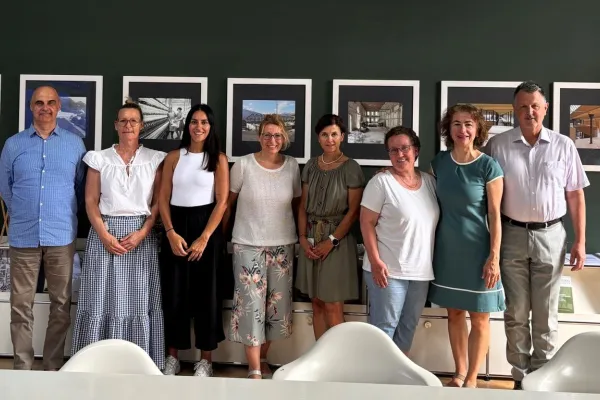
Eine Gruppe von acht Personen steht lächelnd vor einer Wand mit gerahmten Bildern. Sie befinden sich in einem Besprechungsraum der Universität Liechtenstein.

As part of a team excursion, the International Office of the University of Basel visited the team of the International Office at the University of Liechtenstein in early July. The colleagues engaged in a personal exchange on shared topics such as student mobility, bilateral agreements, and questions related to internationalisation strategy.


In addition to an introduction to the University of Liechtenstein and a brief overview of the country, the discussion also focused on the planned re-entry of Switzerland into the Erasmus+ programme from 2028 and the challenges this may entail.


A particularly impressive highlight is that the University of Basel offers a certificate in intercultural competence for administrative staff—a valuable tool for promoting international collaboration and cultural understanding in the higher education context.


The visit provided a meaningful opportunity for networking and open dialogue on current developments in international higher education. The International Office team of the University of Liechtenstein extends its sincere thanks for the engaging exchange!

Eine Gruppe von acht Personen steht lächelnd vor einer Wand mit gerahmten Bildern. Sie befinden sich in einem Besprechungsraum der Universität Liechtenstein.

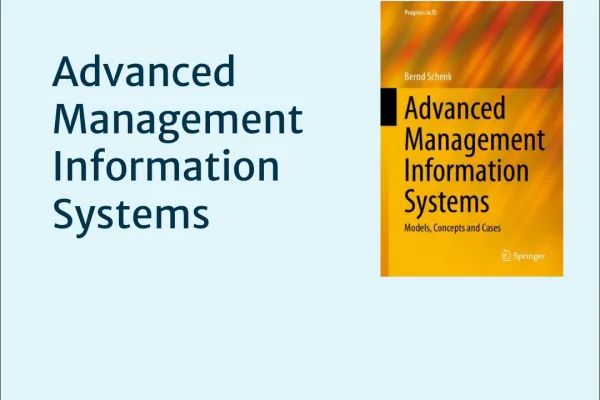
Bernd Schenk's New Textbook on “Advanced Management Information Systems” Published

Bernd Schenk's New Textbook on “Advanced Management Information Systems” Published

Cover des Buches "Advanced Management Information Systems" von Bernd Schenk, veröffentlicht von Springer Nature. Das Buch behandelt Modelle, Konzepte und Fallstudien im Bereich Management-Informationssysteme.

The textbook is based on the competency model for graduate programs in Information Systems, which was developed jointly by the AIS (Association for Information Systems) and the ACM (Association for Computing Machinery). It is designed to support information systems students and faculty who wish to integrate state-of-the-art MIS concepts, frameworks and applications into their teaching.


When teaching his Management Information Systems (MIS) course, Bernd Schenk often had difficulty finding a suitable textbook and explains: "This gap inspired me to develop a coherent textbook based on existing foundations in order to provide students and lecturers in Bachelor's and Master's programs with deeper, practice-oriented insights. This textbook is based on the competency model for graduate programs in Information Systems, which was jointly developed by the AIS (Association for Information Systems) and the ACM (Association for Computing Machinery). It is designed to support information systems students and faculty who wish to integrate state-of-the-art MIS concepts, frameworks and applications into their teaching. I hope it will help close the gap for anyone teaching or studying MIS."
 

The result is a textbook for advanced courses on management information systems (MIS). It bridges the gap between theoretical frameworks and practical applications, offering insights into both fundamental principles and emerging trends. Covering topics such as artificial intelligence, data analytics, enterprise architecture, and information systems governance, the book explores the multi-layered nature of MIS and its transformative impact on modern organizations.


Each chapter integrates foundational IS research with the latest thinking and applies it to case studies to ensure both relevance and academic rigor. Topics include alignment between business and IT, data-driven decision making, and the ethical challenges of managing information systems in today's complex, interconnected world. Through a combination of theoretical models, practical frameworks, and real-world examples, this book provides readers with the tools they need to navigate the evolving MIS landscape.
This book is supported by a companion website: www.advanced-mis.com, which provides teaching materials such as lecture slides, discussion questions and other resources to support teachers and students.
Cover des Buches "Advanced Management Information Systems" von Bernd Schenk, veröffentlicht von Springer Nature. Das Buch behandelt Modelle, Konzepte und Fallstudien im Bereich Management-Informationssysteme.

Pop-Up-Exhibition: Maasai Women Builders from Ololosokwan

Pop-Up-Exhibition: Maasai Women Builders from Ololosokwan

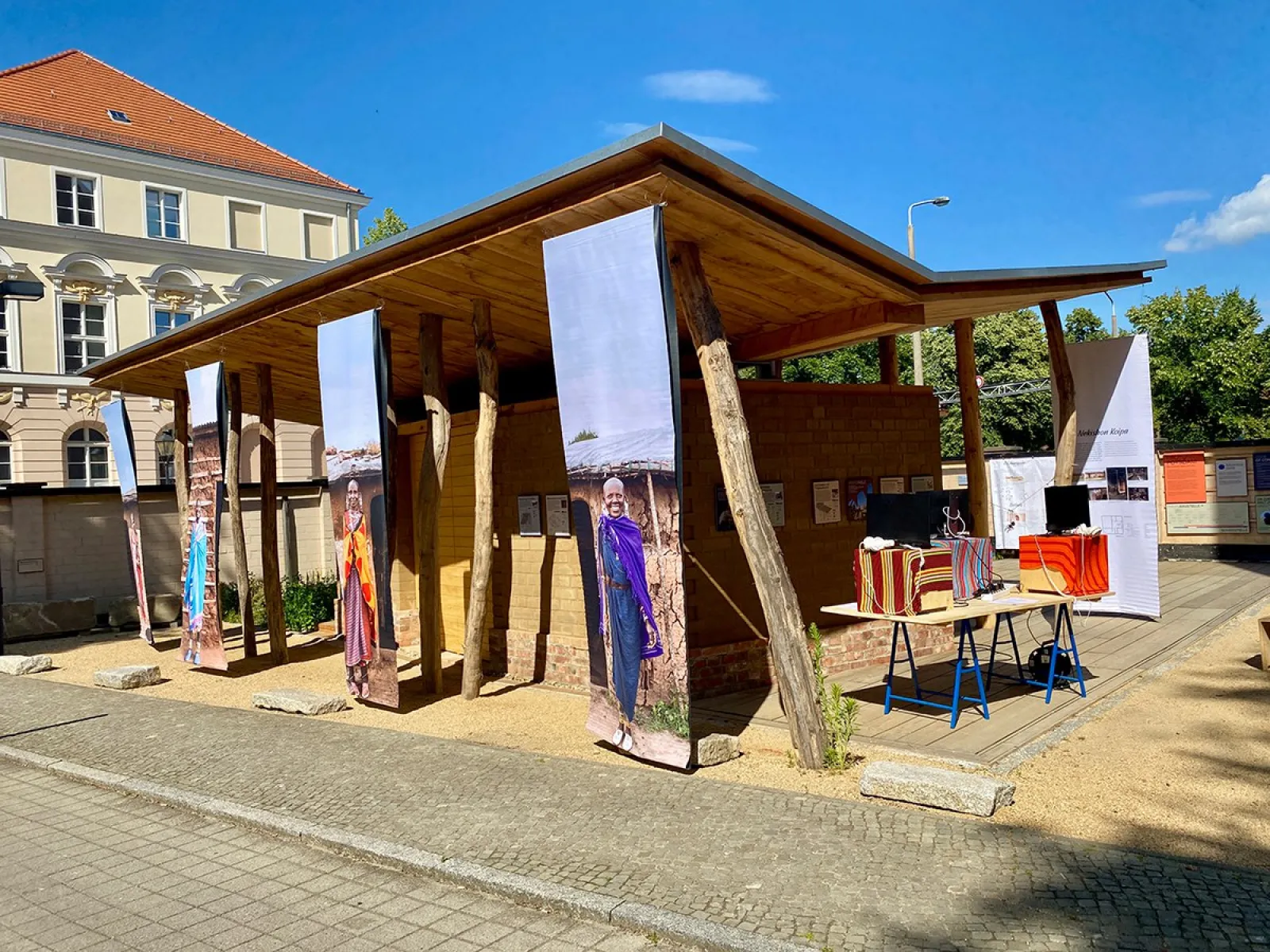
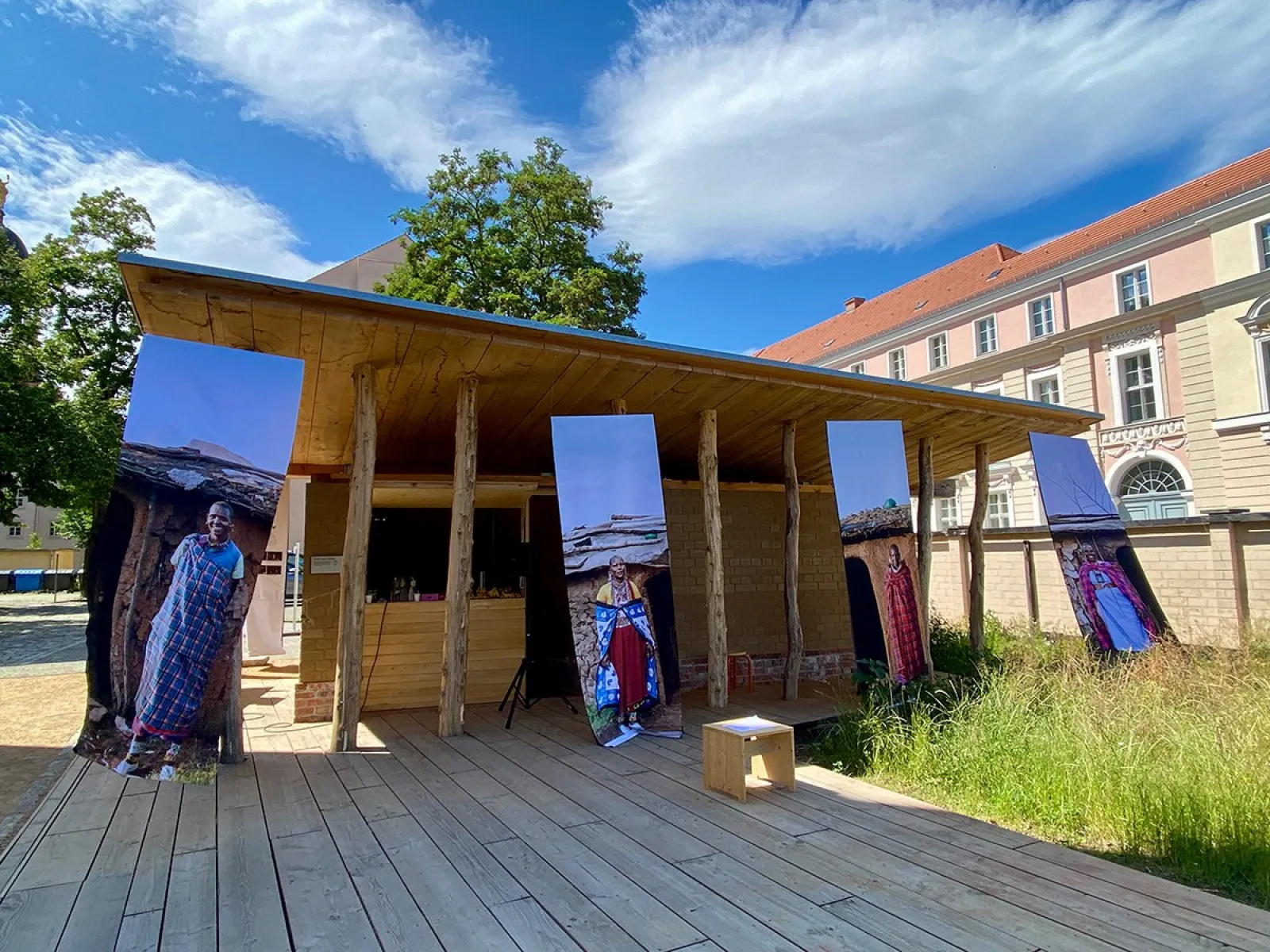
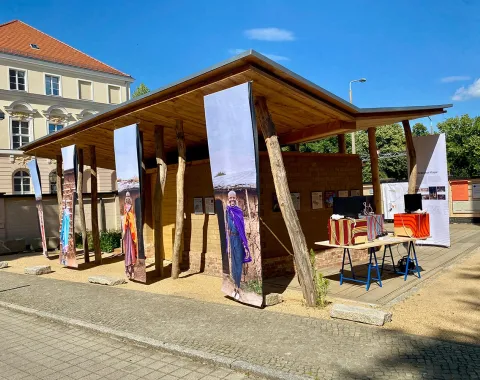
The "Day of Architecture" and the "Women in Architecture" Festival, which was organized throughout Germany for the first time, were celebrated on the last weekend in June. With 265 events, the festival aims to promote the debate on equality and diversity in building culture. Cornelia Faisst, university lecturer at the Liechtenstein School of Architecture, took part in the WIA Festival in Potsdam with the pop-up exhibition “Female African Architects”.


The project by Bauhaus Erde in cooperation with the German Color Center and the University of Liechtenstein presented the architecture of the Maasai women builders from Ololosokwan (Tanzania) and female perspectives on a regenerative, culturally rooted building practice in a pop-up exhibition. The exhibition offered an excerpt from the multi-award-winning exhibition at the Frauenmuseum Hittisau (Vorarlberg), curated by Cornelia Faisst as part of the earth HUB at the University of Liechtenstein. The focus was on the connection between architecture, culture and female creative power.


Against the impressive backdrop of the Serengeti's high plateaus, the exhibition highlighted the central role of Maasai women in building and maintaining their traditional dwellings. The focus was on female master builders from Ololosokwan in Tanzania and the huts (enkaji) they built, which provided rare insights into their craftsmanship and everyday life.


The exhibition saw itself as an architectural cultural approach to a largely unknown architectural tradition supported by women.

30 Years of EEA Membership: University of Liechtenstein Hosts Interdisciplinary Evening Event

30 Years of EEA Membership: University of Liechtenstein Hosts Interdisciplinary Evening Event

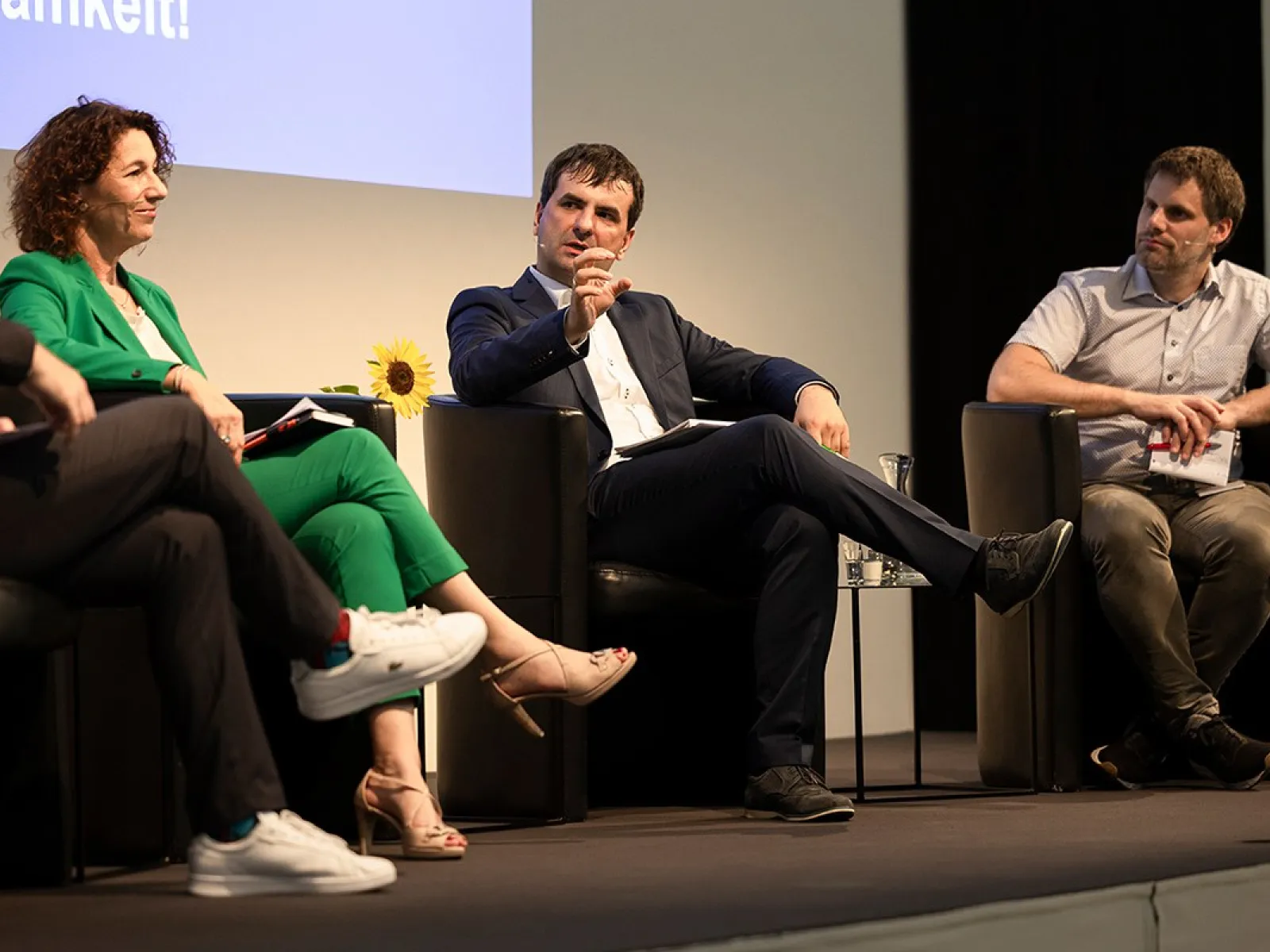
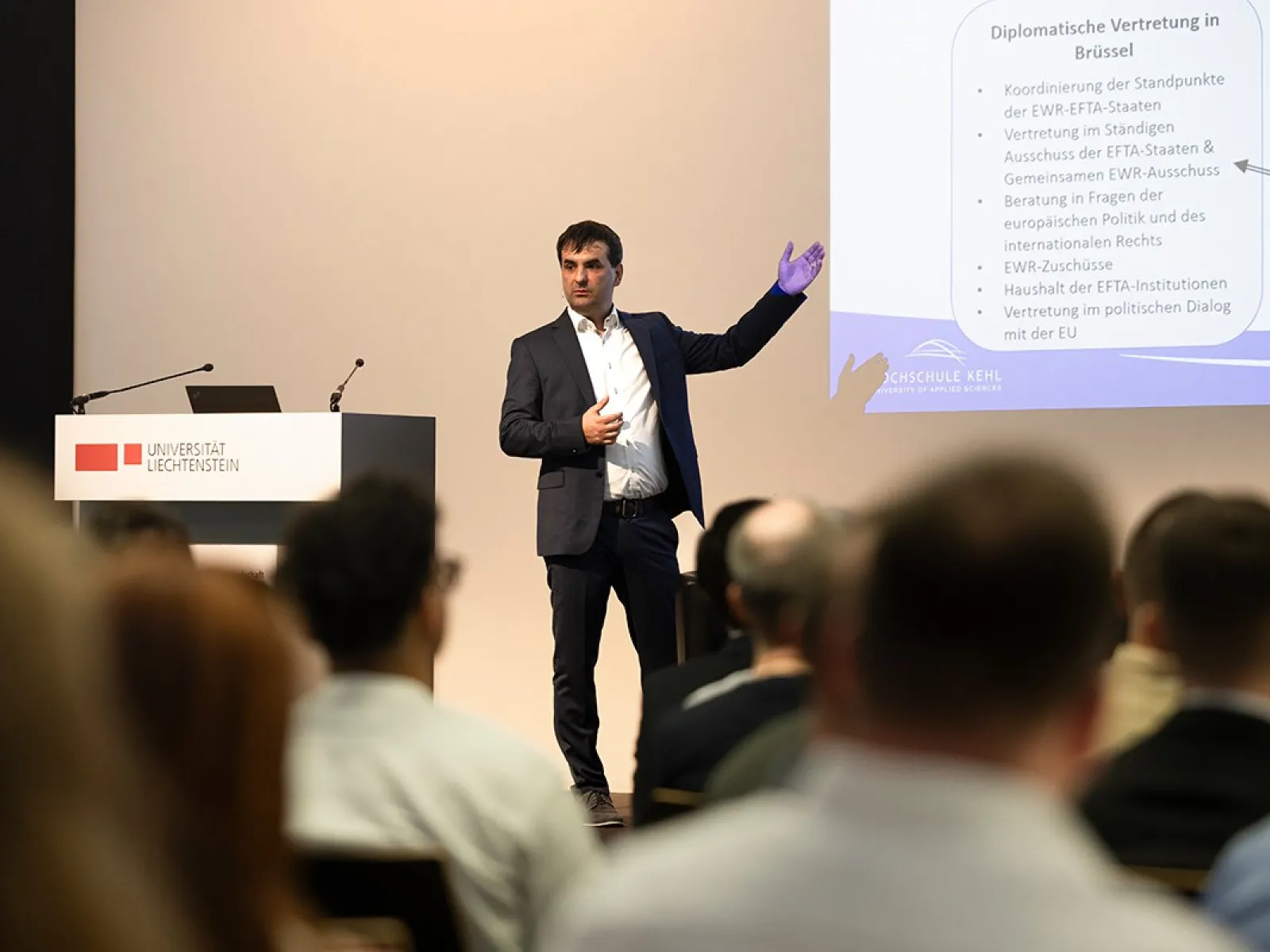
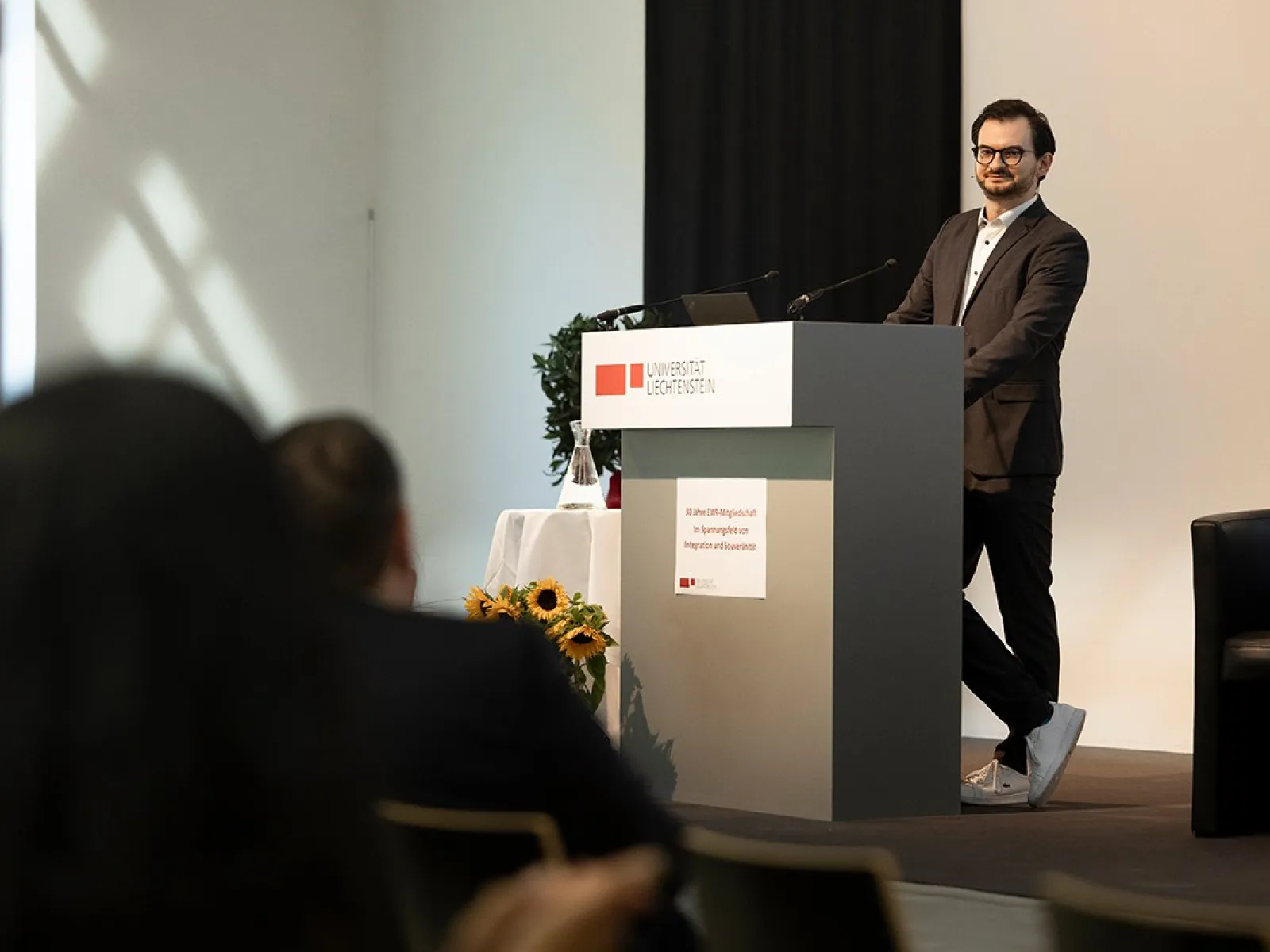
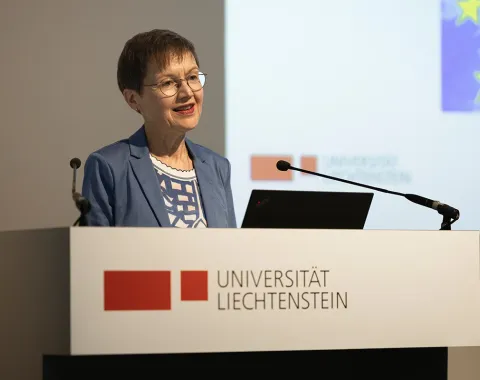
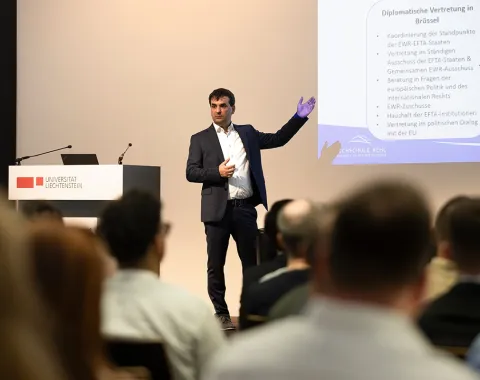
On the occasion of the 30th anniversary of the Principality of Liechtenstein's EEA membership, a discussion event was held at the University of Liechtenstein on July 1, 2025 on the topic of “In the field of tension between integration and sovereignty” from an administrative science perspective. Around 80 guests, including numerous representatives of the Liechtenstein national administration, took part.


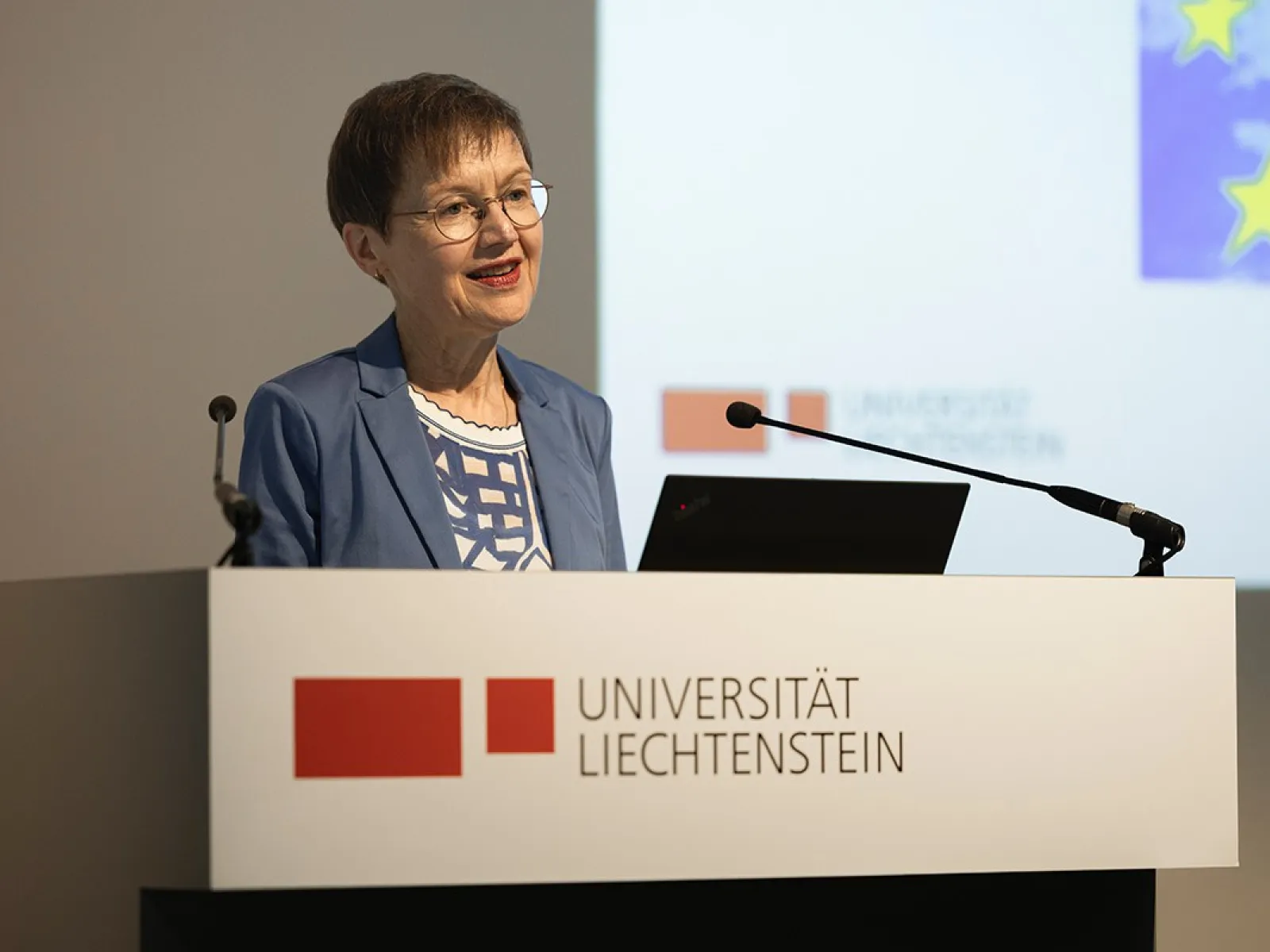
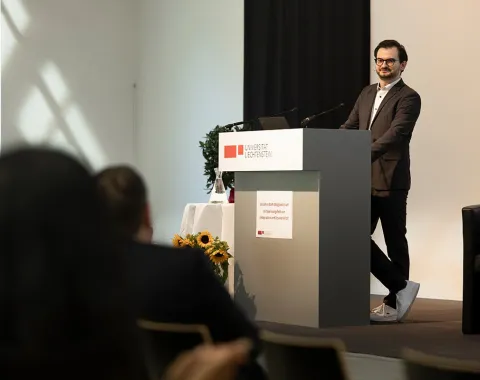
Marco Lettenbichler, Assistant Professor at the Chair of Company, Foundation and Trust Law at the University of Liechtenstein, hosted the evening and the panel discussion. Head of Government Brigitte Haas opened the event with introductory words of welcome, highlighting in particular the importance of EEA membership for the Liechtenstein economy.


Lecture and discussion


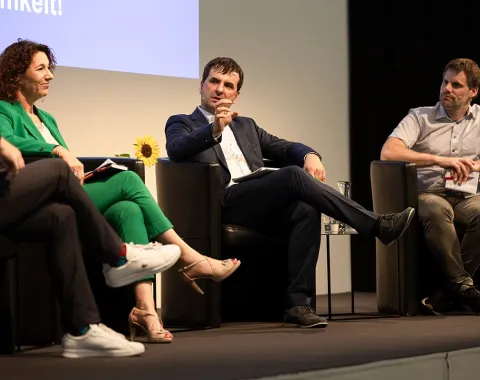
The evening focused on a lecture by Jörg Röber, Professor of Administrative Management at Kehl University of Applied Sciences, on the topic of “30 years of Liechtenstein's EEA membership: opportunities and challenges of international and regional integration from an administrative perspective”. He addressed the issue of administrative capacity and underlined the efficient organization of Liechtenstein's national administration in terms of EEA membership. Jörg Röber, Andrea Entner-Koch, Head of the EEA Office, and Christian Frommelt, Rector of the University of Liechtenstein, then discussed the development and future of the EEA in Liechtenstein.


Liechtenstein and the EEA


Andrea Entner-Koch gave the audience fascinating insights into her daily work with EEA legislation. Among other things, she showed how Liechtenstein can influence the development of EEA law through its participation in EU and EFTA committees. Christian Frommelt emphasized, among other things, that Liechtenstein cannot be described as an EEA model pupil. Rather, Liechtenstein acts very strategically. By implementing EEA law correctly and on time, Liechtenstein gains the trust of the EFTA institutions and the EU. In turn, Liechtenstein uses this trust to negotiate selective exemptions from the implementation of EEA law. As a result, Liechtenstein has a high transposition rate, but by far the most exemptions of all EEA states.


Direct democracy and EEA legislation


In the final round, the panel discussed the role of direct democratic elements in EEA legislation. Formally, direct democracy has not been restricted by EEA membership, as a referendum can be held both against the incorporation of an EU legal act into the EEA Agreement and against the implementation of an EEA law into a national law. To date, however, no referendum has ever been held against the incorporation of an EU legal act into the EEA Agreement. In the opinion of the panel, this also underlines the high level of political and public support for the EEA - a fact that facilitates the administration of EEA membership.


The concluding reception provided an opportunity for exchange and networking.

We need your consent
To view this YouTube video, you must accept data processing under the category “Third-party marketing”. Further details on data processing can be found here.
Display Cookie Settings

New Deputy Chairman Elected to the Senate

New Deputy Chairman Elected to the Senate

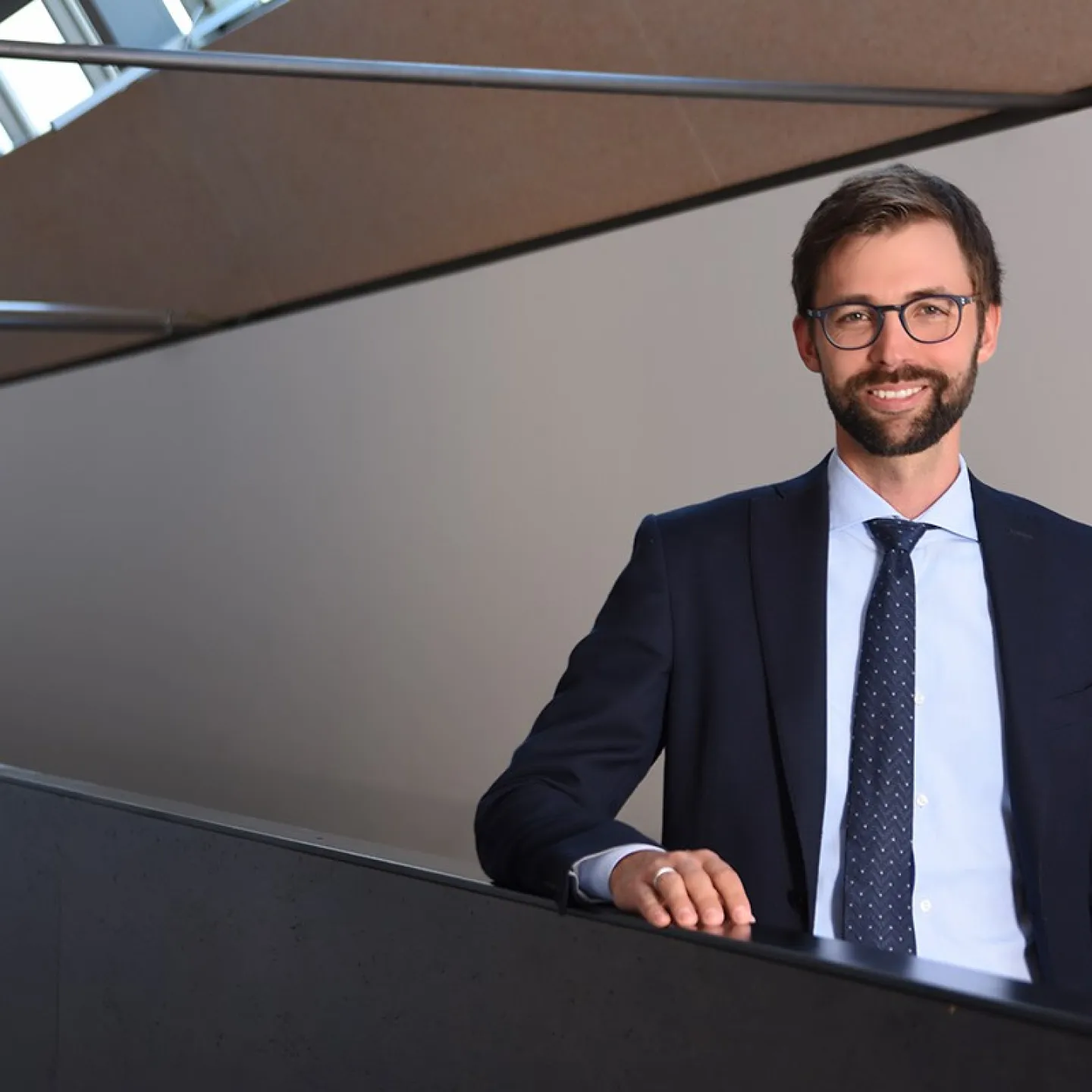
Ein Mann in Anzug und Krawatte steht lächelnd in einem modernen Gebäude mit schrägen Decken und großen Fenstern.

Prof. Dr. Bernhard Burtscher was elected Deputy Chair of the Senate of the University of Liechtenstein on Wednesday, 2 July 2025, with 20 valid votes and 1 invalid vote. He succeeds Prof. Dipl. Arch. ETH Urs Meister, who has reached the end of his term of office.

Ein Mann in Anzug und Krawatte steht lächelnd in einem modernen Gebäude mit schrägen Decken und großen Fenstern.

Guest Lecture by Antonia Trager at Bauhaus-University Weimar

Guest Lecture by Antonia Trager at Bauhaus-University Weimar

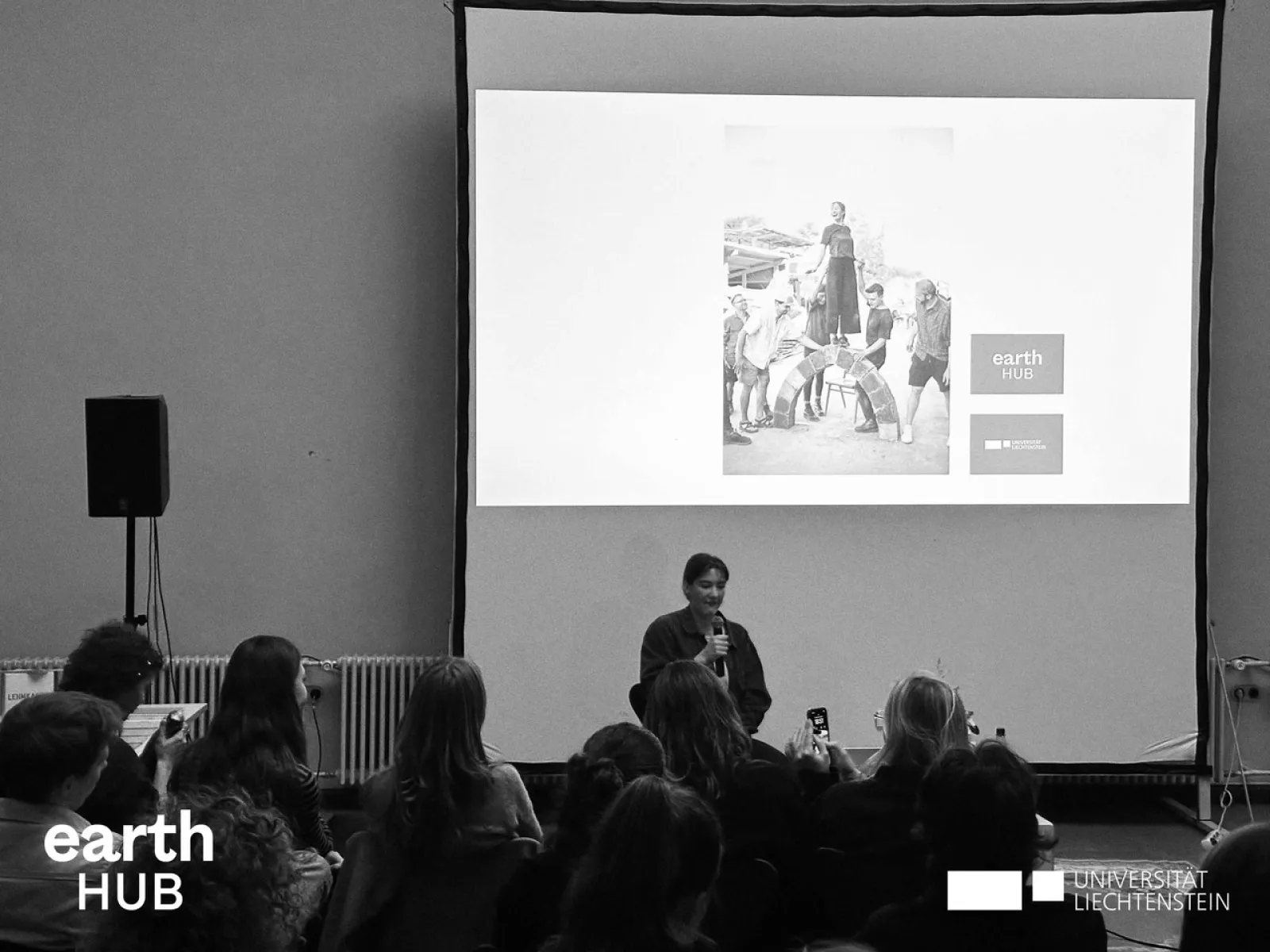
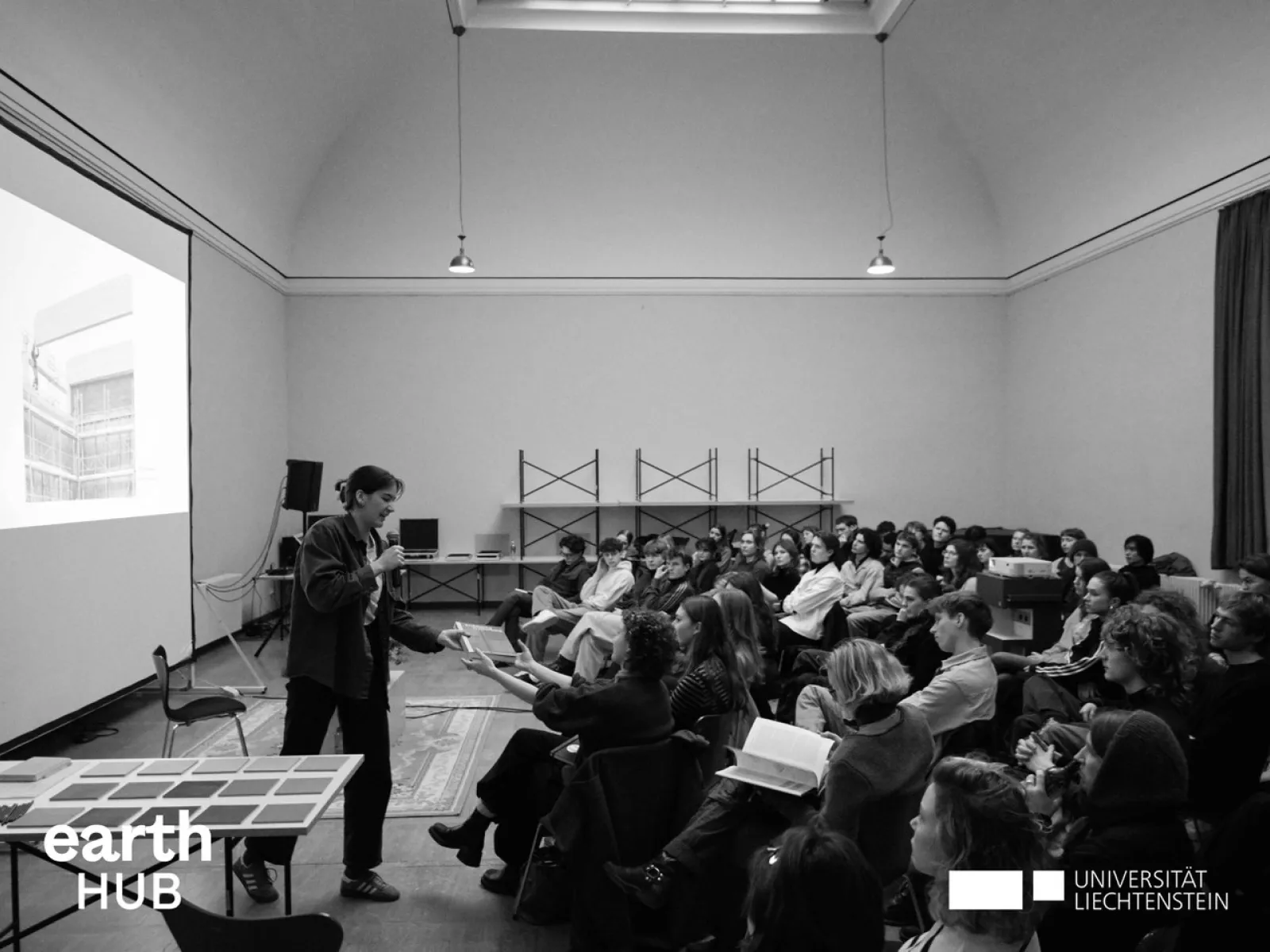
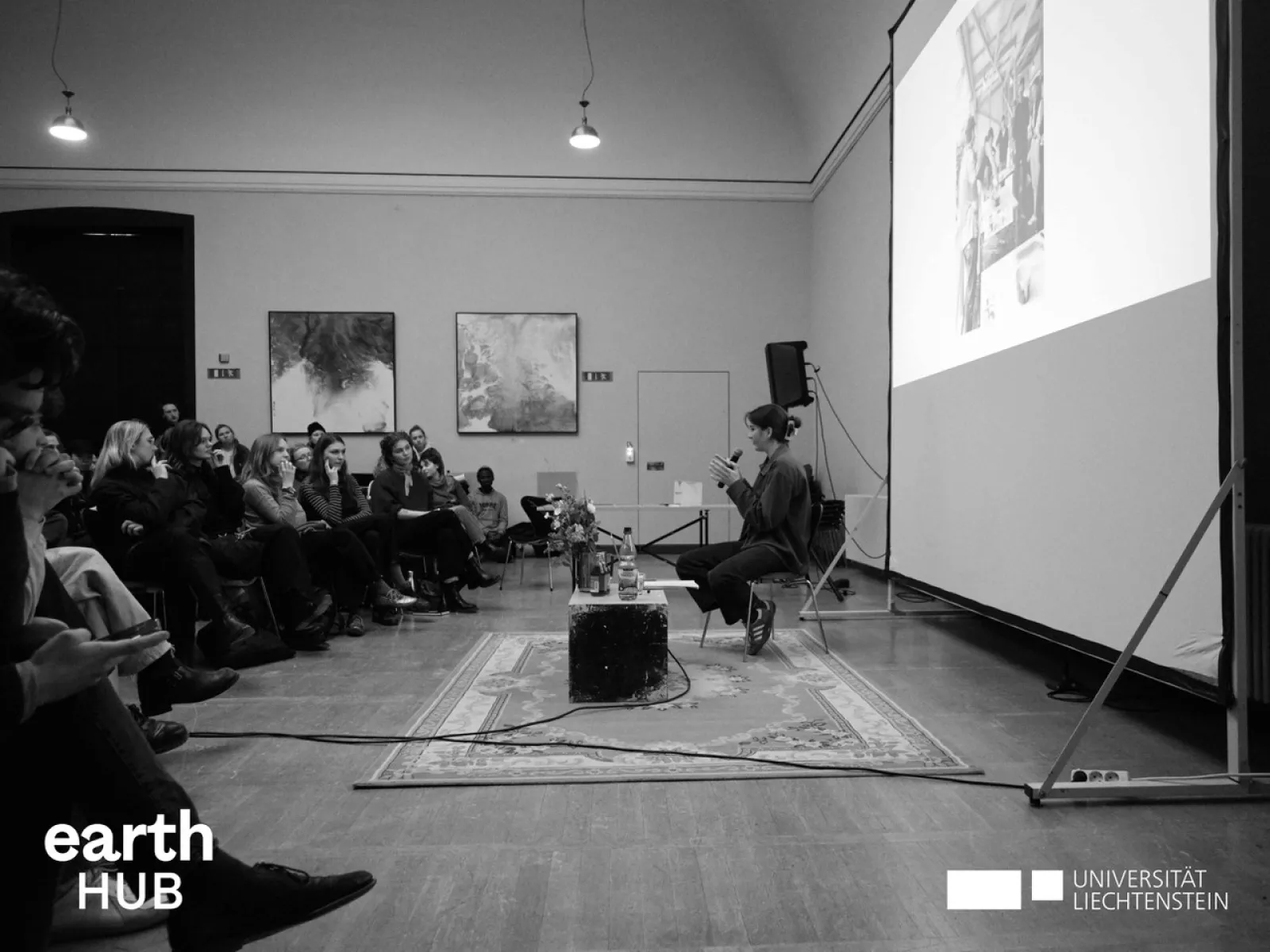
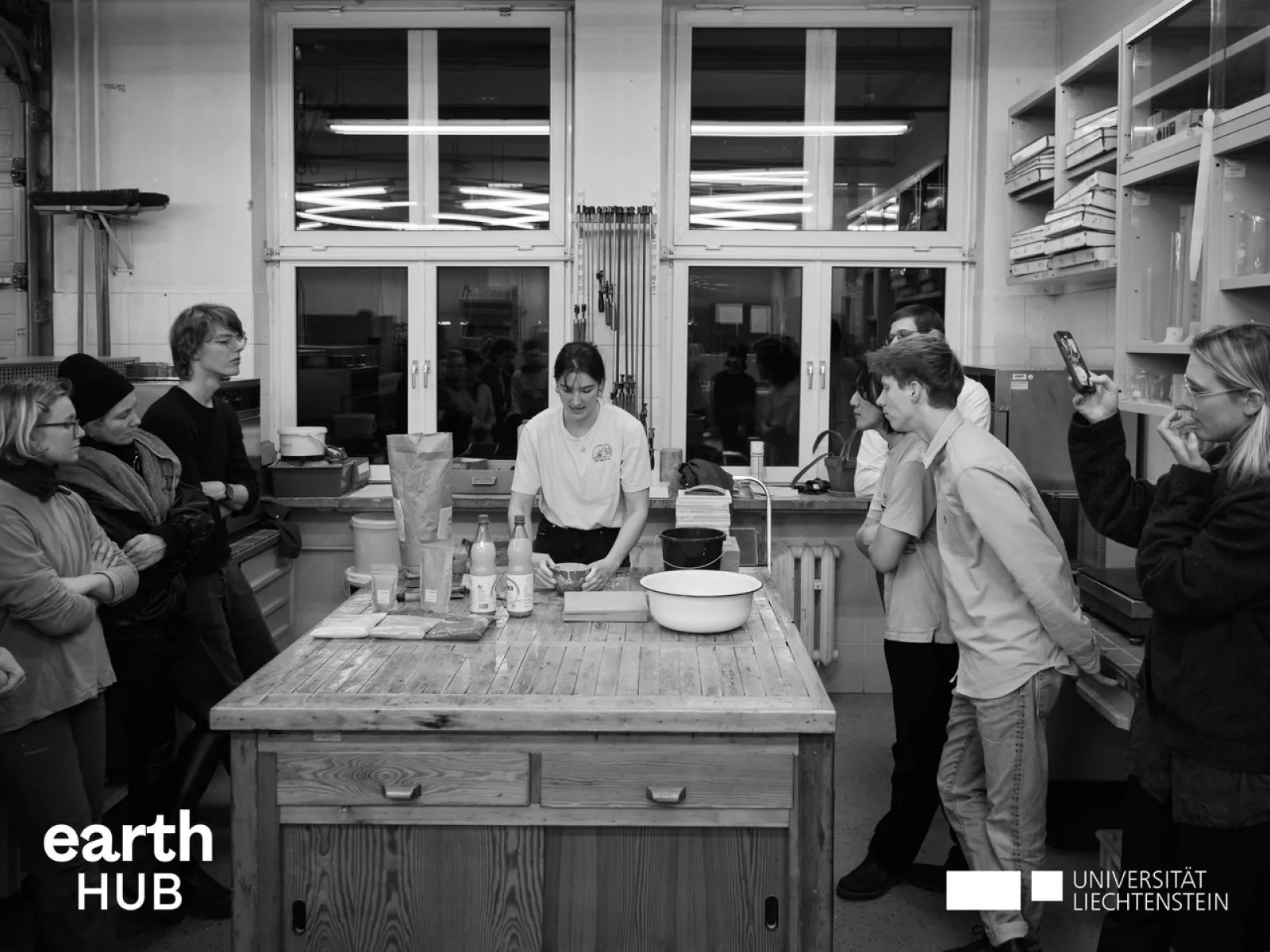
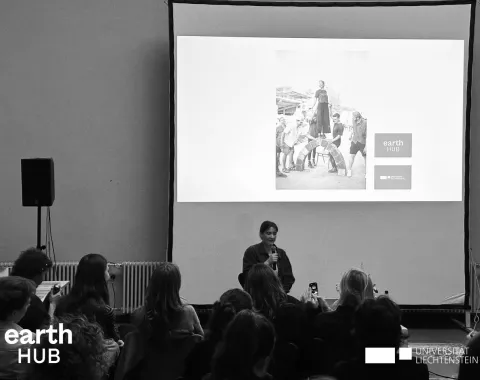
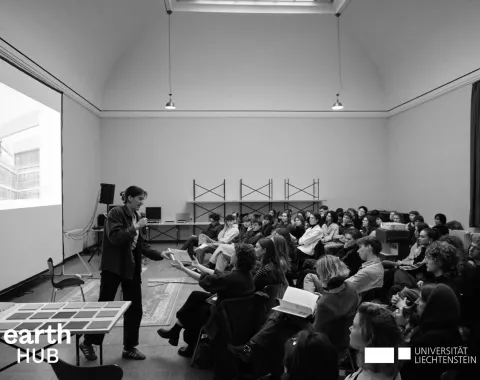
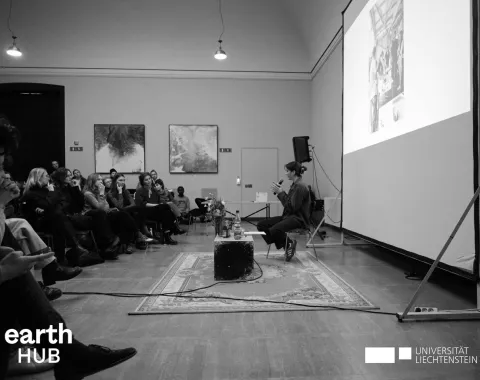
In January 2025, Antonia Trager, a student assistant and Master's student at the University of Liechtenstein, delivered a guest lecture at Bauhaus-University Weimar. The invitation was extended as part of the university-wide lecture series Tomorrow’s Menu, organised by horizonte.


In her dual role, Antonia Trager spoke on behalf of the company Lehm Ton Erde as well as the earth HUB at the University of Liechtenstein. Her lecture focused on the philosophy and sustainable possibilities of earthen construction—particularly the material clay casein.


The event attracted great interest: both the lecture and the subsequent workshop were fully booked. Participants had the opportunity to experiment with the material themselves and engage in an in-depth exploration of the properties and applications of sustainable building materials.


The company Lehm Ton Erde was founded by Martin Rauch, who has been combining traditional craftsmanship with innovative technologies in earthen construction for over 30 years. His main focus is on rammed earth techniques, which enable resource-efficient building with a high standard of design quality. In recognition of his outstanding contributions to this field, Martin Rauch was awarded an honorary doctorate by the University of Liechtenstein in 2023.


Through this guest lecture and workshop, an important contribution was made to the discussion on sustainable building, fostering an exciting exchange between research, practice, and education.

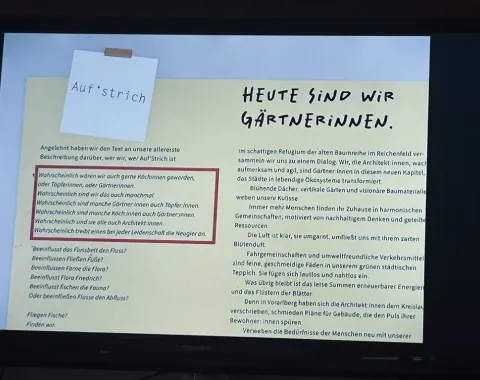
Architecture by Dessert with Atelier Auf’strich

Architecture by Dessert with Atelier Auf’strich

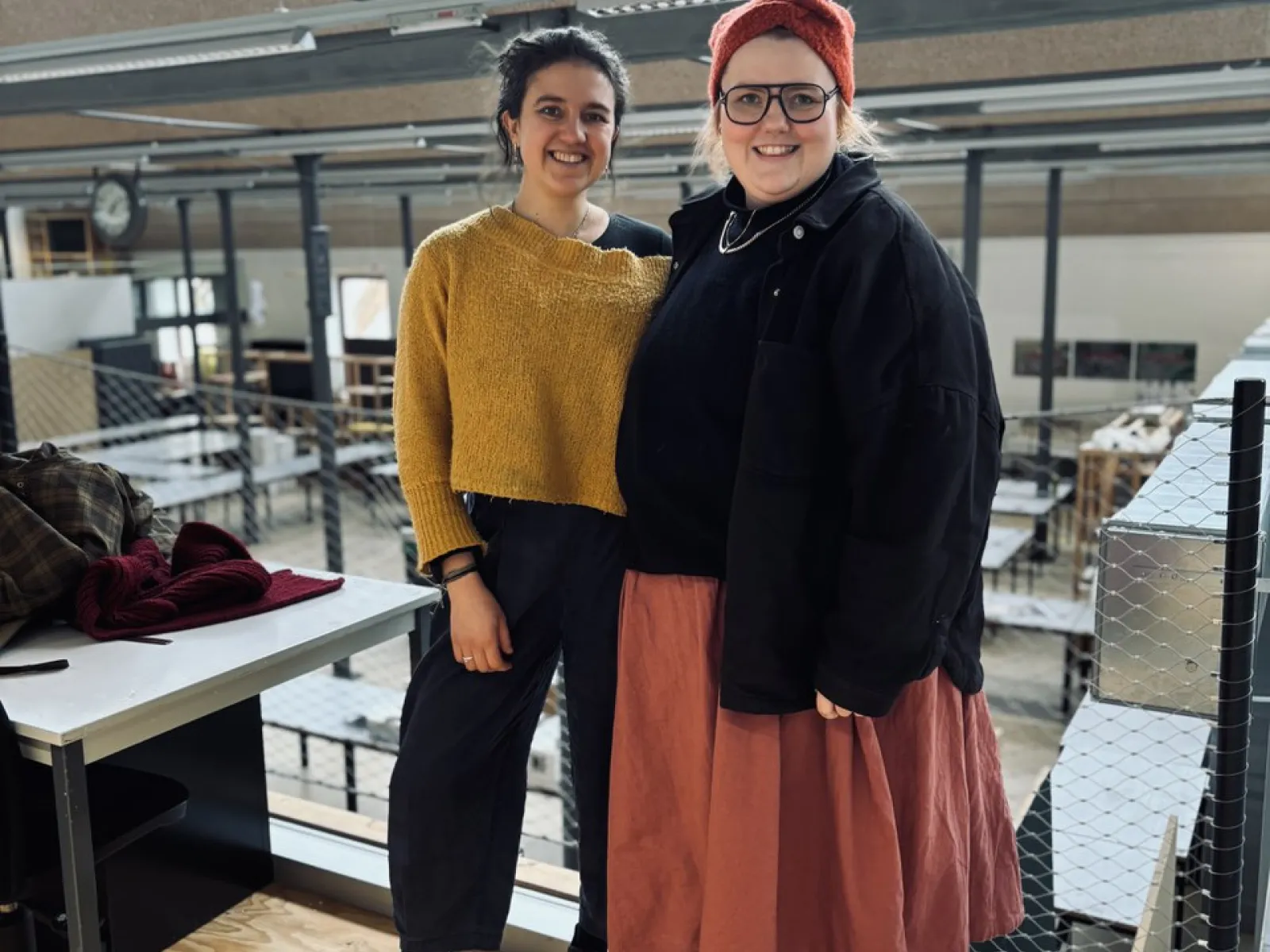
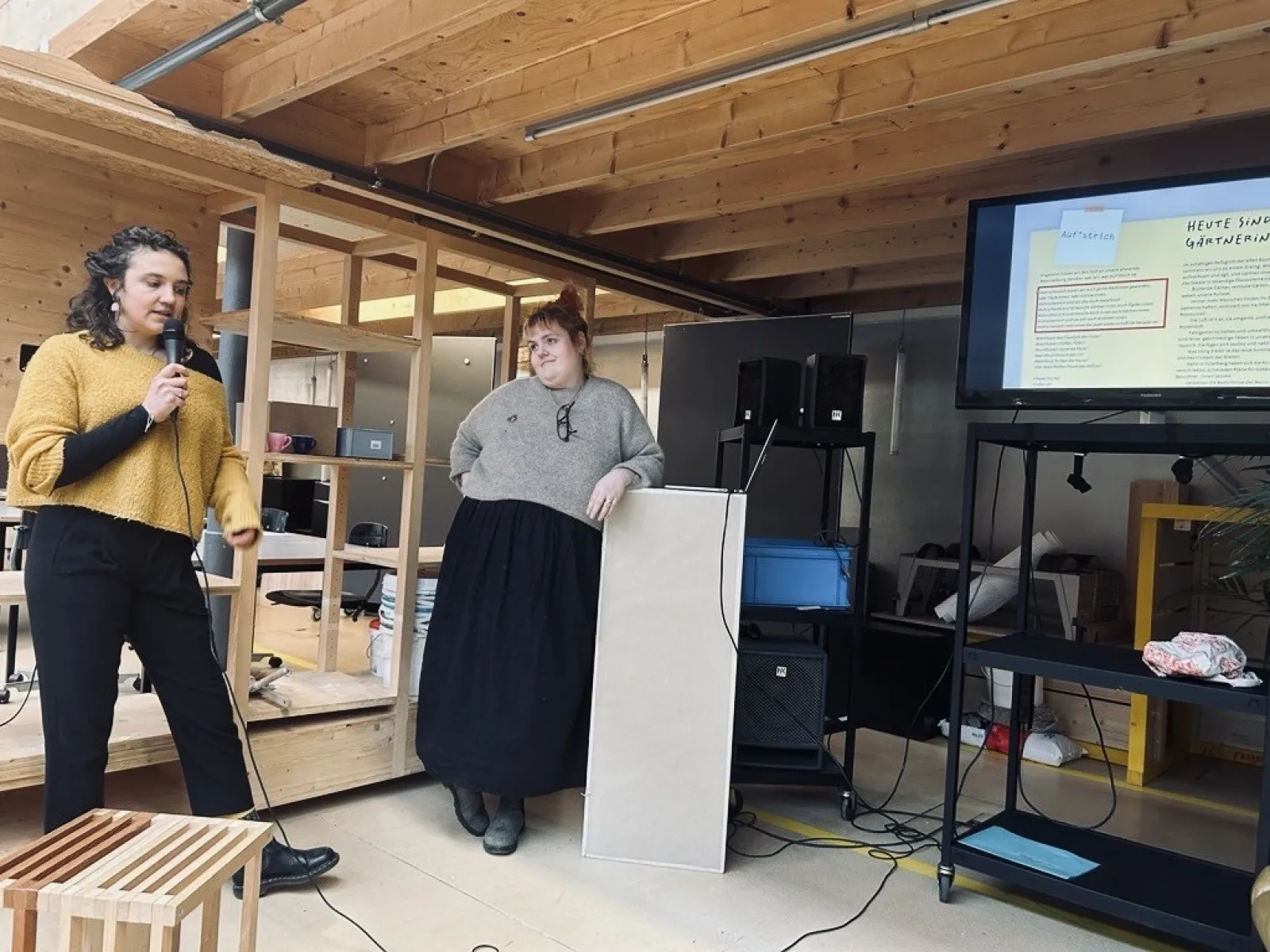
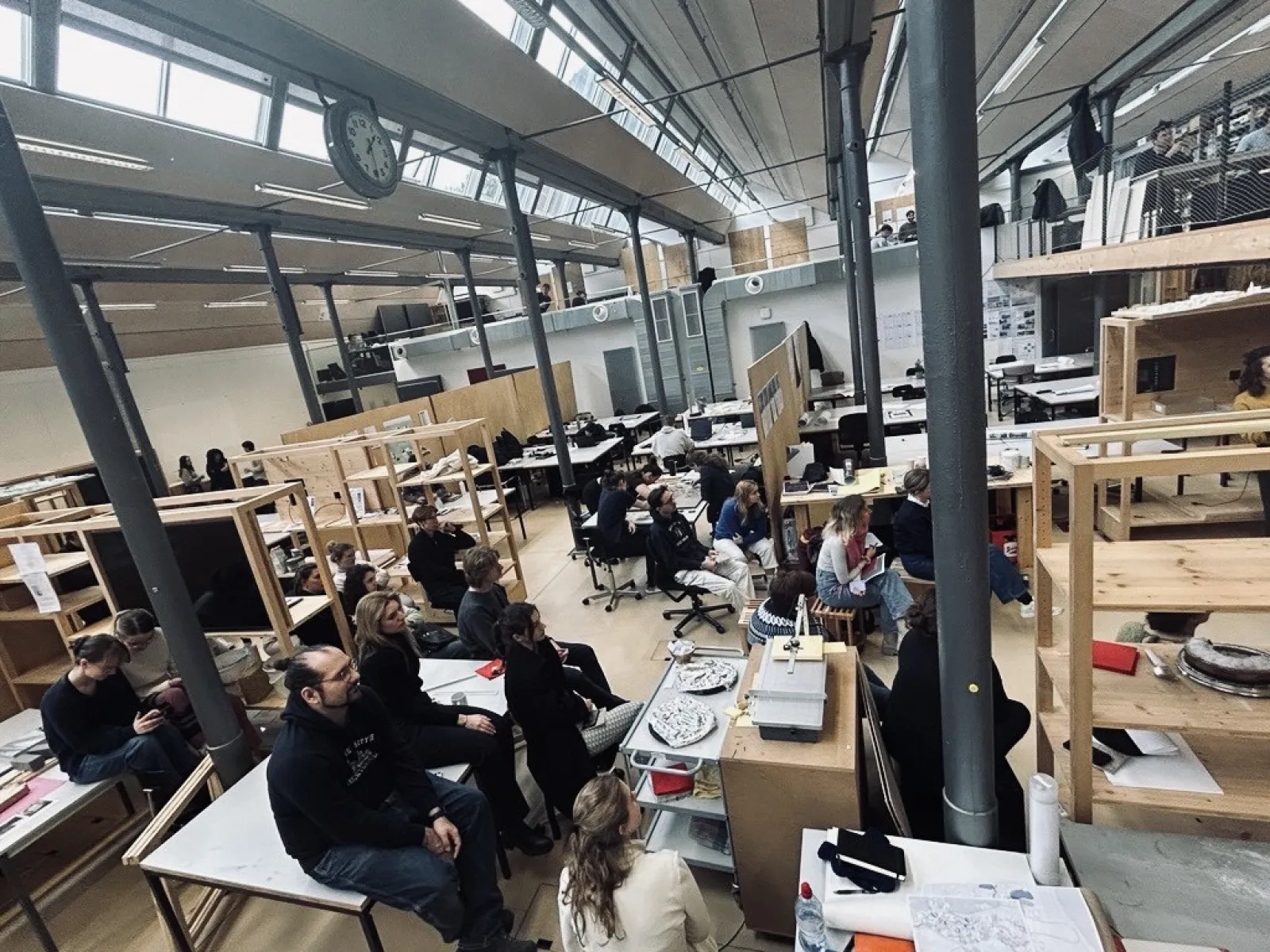
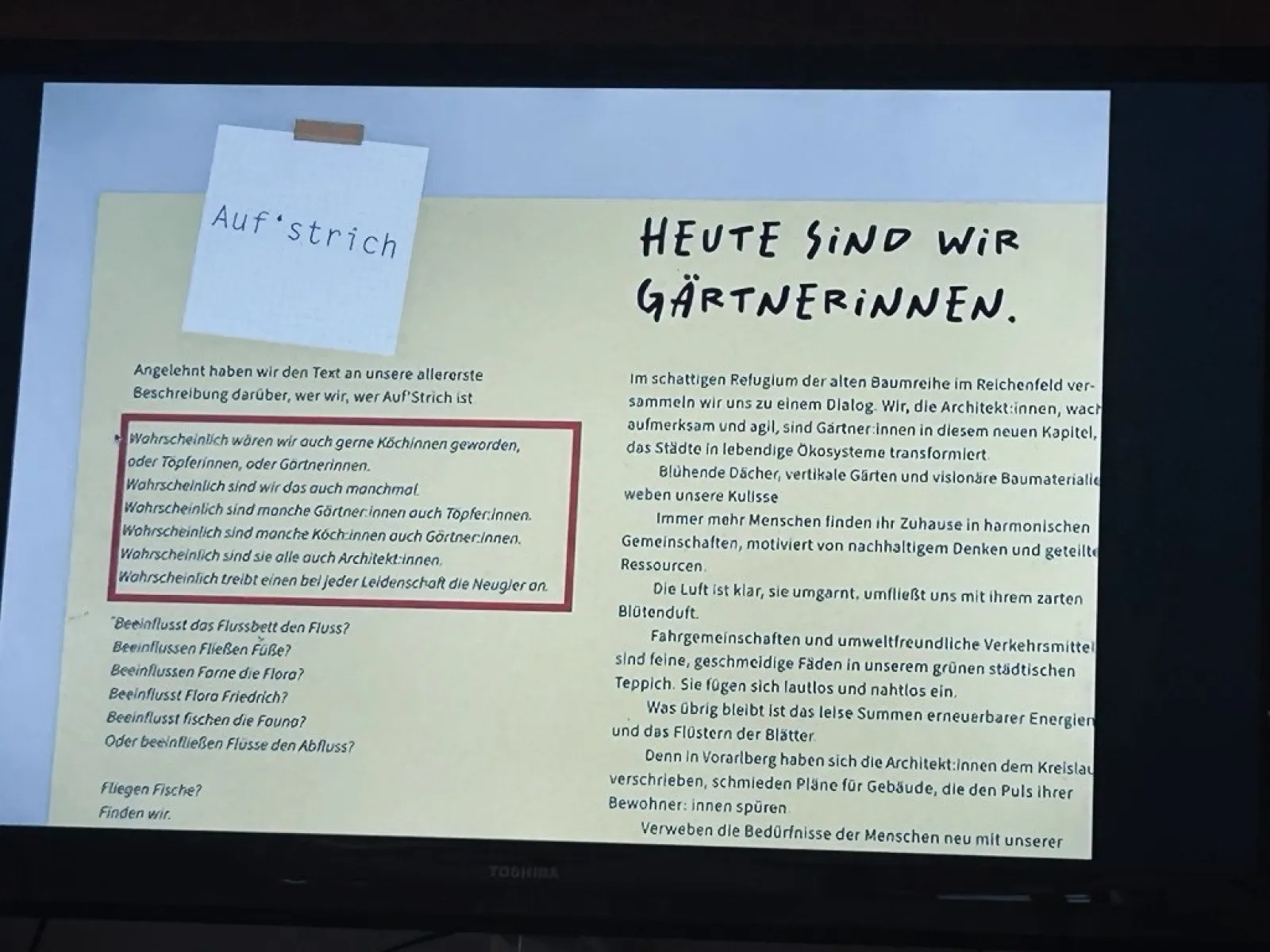
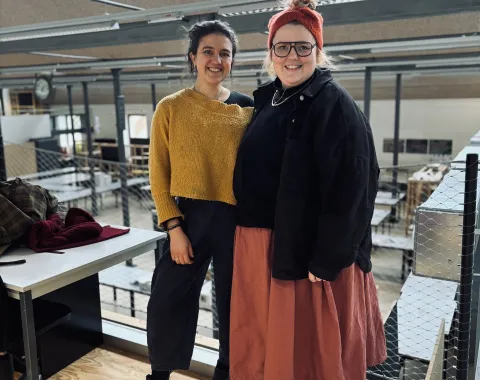
On February 20, 2025, another "Architecture by Dessert" event took place at the Liechtenstein School of Architecture. Atelier Auf’strich, represented by our alumnae Franziska Möhrle and Valerie Rainer, captivated students with fascinating insights into their creative projects and innovative approaches to rethinking the built environment.


The two architects shared their perspectives on spatial development processes and their fresh approach to architecture, bringing new ideas to the discipline. Participants had the opportunity to learn about their concepts and be inspired by their passion for new design possibilities.


Another highlight of the event was the homemade cake by Kirsten Steinhofer. Additionally, two hand-crafted Auf’strich mugs were raffled among the attendees.


The Liechtenstein School of Architecture sincerely thanks Franziska Möhrle and Valerie Rainer for their inspiring contribution, as well as all students for their participation.


The next Architecture by Dessert will take place on Thursday, March 13, 2025, where Postdoc Wolfgang Schwarzmann will provide insights into his work.

Jason Rüesch: Successful Cross-Country Skier and Committed Student

Jason Rüesch: Successful Cross-Country Skier and Committed Student

Langläufer überquert bei sonnigem Winterwetter als Sieger die Ziellinie eines Langlaufrennens, trägt einen rot-weißen Rennanzug mit Startnummer 27, hebt den Arm zum Jubel – im Hintergrund jubelnde Zuschauer und schneebedeckte Landschaft.

The Swiss cross-country skier and student at the University of Liechtenstein Jason Rüesch has achieved remarkable success in the current season. As a member of the Swiss men's cross-country relay team, he surprisingly won the silver medal at the Nordic World Ski Championships in Trondheim!


At the World Cup in Les Rousses, the 30-year-old from Graubünden achieved 9th place in the 10 km freestyle, his best World Cup result to date. His previous personal best was a 15th place in the 15 km freestyle in Ulricehamn, Sweden.


In addition to his sporting achievements, Rüesch is also committed to academia. In September 2024, he began a Master's degree in Innovative Finance at the University of Liechtenstein. Despite the challenges of top-class sport, he has so far been able to successfully combine his studies with his career. “The compatibility of top-class sport and studies has worked well overall. Although I was rarely on site, I was able to engage with the material through regular exchanges with other students and literature research. Moodle was particularly helpful, as I could see what content was being covered at any time,” explains Rüesch.


Time management and discipline play a crucial role here. One example of this is his course in Financial Economics: “I was only able to be on site once and worked through the rest of the material on my own using the literature provided. The literature was challenging and sometimes difficult to understand, but it was still doable.” However, he admits that it was a challenge to rarely be on site. “You don't always know exactly what the focus of the exams is. Even if you study the material intensively, you sometimes lack a sense of which topics are particularly prioritized.”


Rüesch describes the first semester as a challenge, but one that was manageable with the right attitude and organization. For the second semester, he expects an even more difficult balance, as he will probably be on the road more often. “When things are going well athletically, I'll be traveling even more. Although there is time to study in the meantime, it is more difficult to be physically present at the university.”
Fortunately, he has been able to take all his exams on site so far, which may not always be possible in the future. “The athlete status helps me because I can minimize attendance times and postpone exams.” The regular exchange with the university and coordination with the Swiss-Ski Team make it easier for him to organize. The great support of the University of Liechtenstein, which helps him to successfully complete his studies with flexible learning models, digital resources and individual solutions, deserves special mention.
Despite all the challenges, Rüesch is happy to have taken on this double burden. “Combining top-class sport at the highest level with a Master's degree is demanding, but at the same time a valuable school of life that also prepares me perfectly for my career after sport.”


30-year-old Jason Rüesch was born in Davos and is a dual citizen of Switzerland and Canada. He speaks German, English and French and is a member of SC Davos. His career highlights to date include participation in the 2022 Winter Olympics in Beijing, three World Championships appearances with a 4th place in the relay and an 11th place over 50 km, as well as a 2nd place and a 3rd place with the relay in the World Cup.
With his determination and discipline, Jason Rüesch sets standards at both sporting and academic level and serves as a role model for the successful combination of competitive sport and study. “I have big goals in sport as well as in my studies and I aim for the best conditions. That's why I opted for the Master's in Innovative Finance at the University of Liechtenstein. The flexible study structure and the intensive exchange enable me to combine my sporting career and academic ambitions in the best possible way.”

Langläufer überquert bei sonnigem Winterwetter als Sieger die Ziellinie eines Langlaufrennens, trägt einen rot-weißen Rennanzug mit Startnummer 27, hebt den Arm zum Jubel – im Hintergrund jubelnde Zuschauer und schneebedeckte Landschaft.
Subscribe to