Skip to Main Content

Prof. Dr. Konstantina Papathanasiou Delivers Welcome Address at the 50th Anniversary Celebration of the Onassis Foundation

Prof. Dr. Konstantina Papathanasiou Delivers Welcome Address at the 50th Anniversary Celebration of the Onassis Foundation

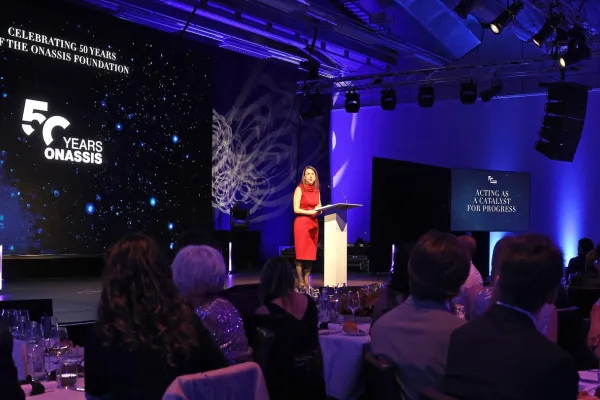
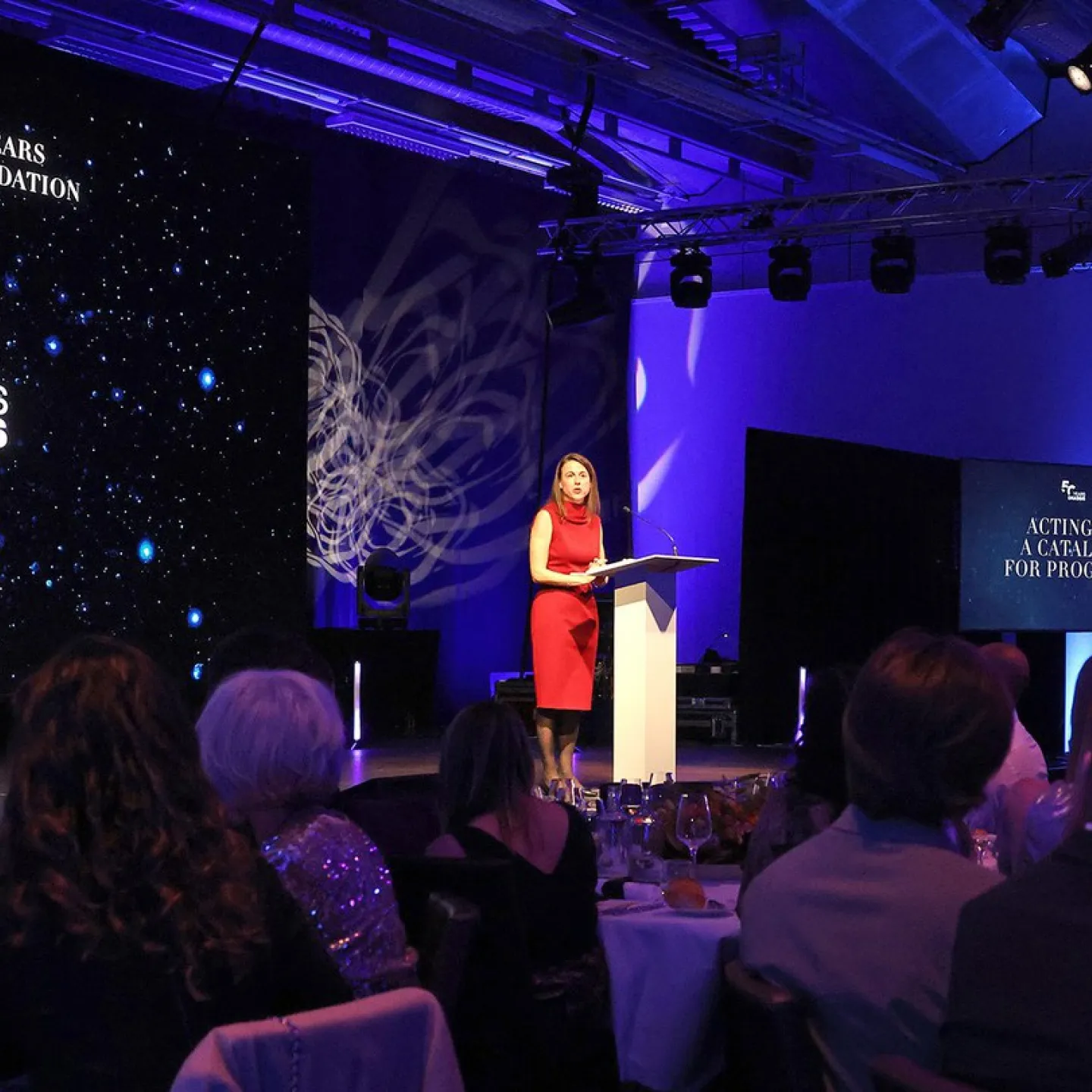
Eine Rednerin in rotem Kleid steht an einem Podium auf einer Bühne, umgeben von Publikum. Im Hintergrund ist eine Leinwand mit der Aufschrift "Celebrating 50 Years of the Onassis Foundation" zu sehen. Die Veranstaltung findet in einem festlich beleuchteten Raum statt.

On the evening of Friday, 16 May 2025, Prof. Dr. Konstantina Papathanasiou, LL.M., had the honour of delivering a welcome address as part of the 50th anniversary celebrations of the Onassis Foundation.


In her speech, she emphasised the profound influence the foundation has had on both her personal and academic journey.


Thanks to a doctoral scholarship awarded by the Onassis Foundation, she was able to pursue her decision to begin a PhD at Heidelberg University (Ruprecht-Karls-Universität) in 2008/2009—an important milestone in her path toward personal fulfilment and academic growth.

Eine Rednerin in rotem Kleid steht an einem Podium auf einer Bühne, umgeben von Publikum. Im Hintergrund ist eine Leinwand mit der Aufschrift "Celebrating 50 Years of the Onassis Foundation" zu sehen. Die Veranstaltung findet in einem festlich beleuchteten Raum statt.

Kick-off for Erasmus+ project “SocioEcoHoods”: Together for sustainable neighborhoods

Kick-off for Erasmus+ project “SocioEcoHoods”: Together for sustainable neighborhoods

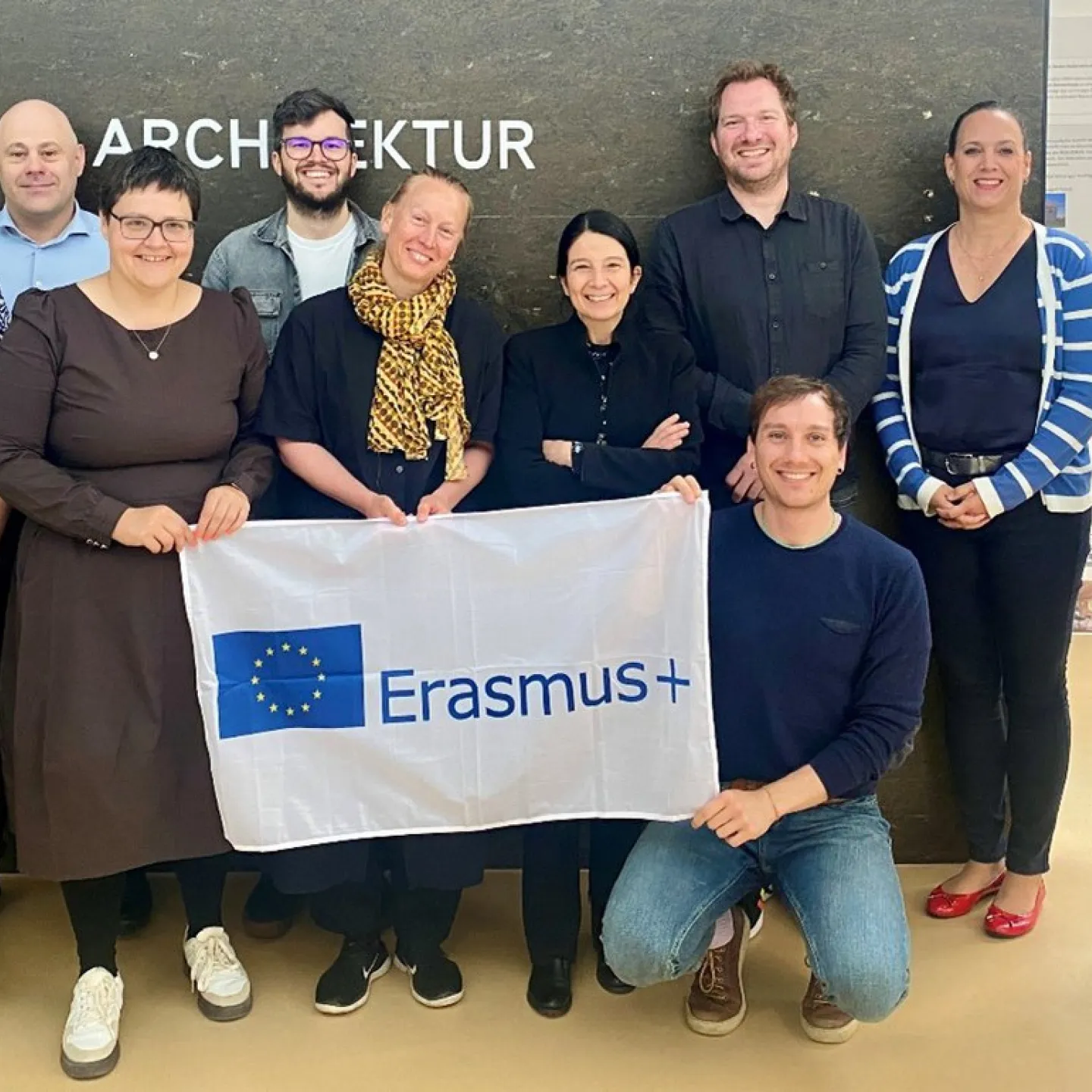
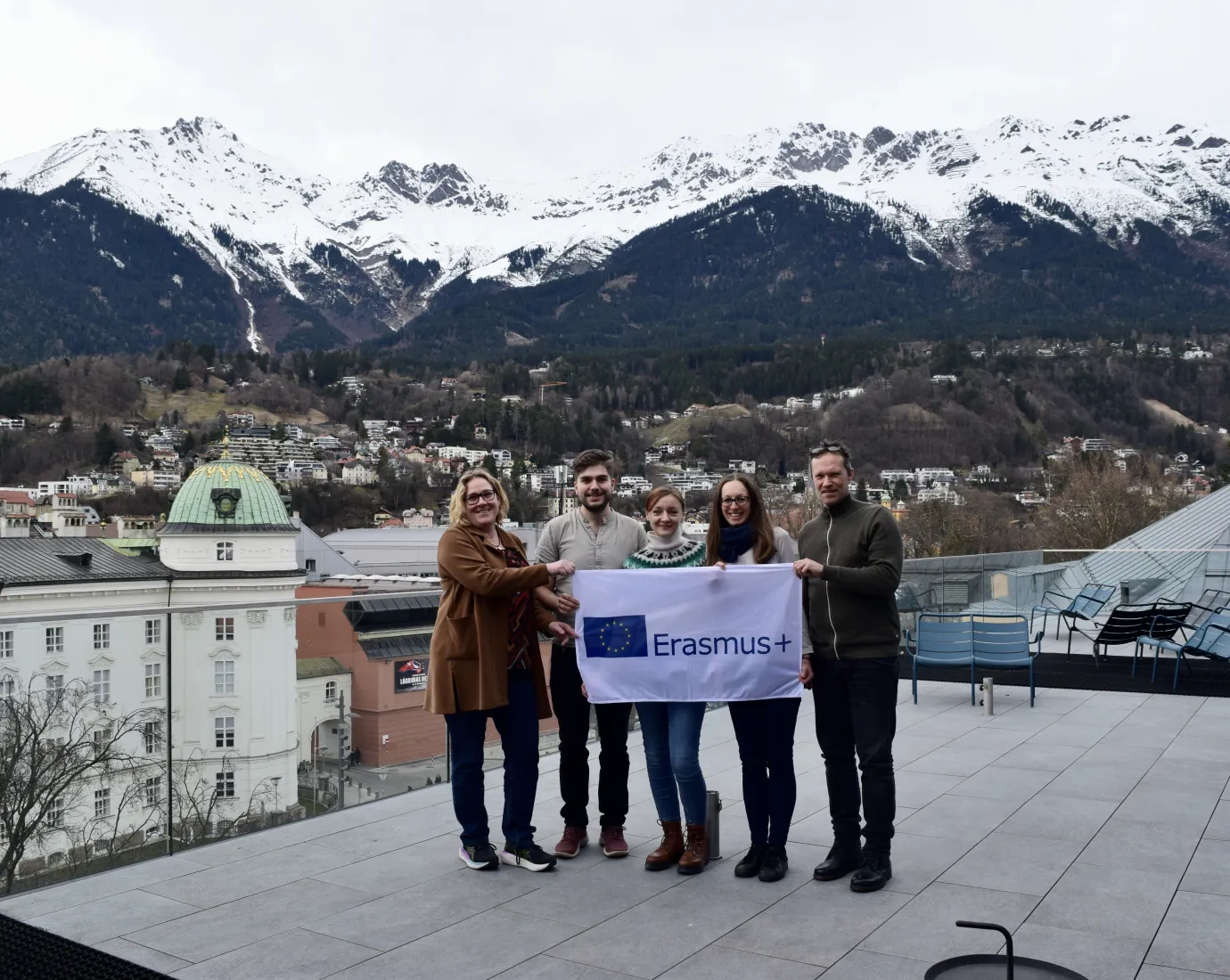
Gruppe von zehn Personen steht vor einer Wand mit dem Schriftzug "Architektur" und hält ein Erasmus+ Banner. Sie lächeln in die Kamera.

The European Erasmus+ project “SocioEcoHoods”, which is led by the Liechtenstein School of Architecture and its staff members Cornelia Faisst and Johannes Herburger, was officially launched with a kick-off meeting in Vaduz. The aim is to promote civic engagement, social participation and sustainable urban development in neighborhoods in four European cities through inter- and transdisciplinary learning.


The project is based on the objectives of the EU Leipzig Charter and the New European Bauhaus Compass. The focus is on combining research, teaching and practice to promote the socio-ecological transformation of urban spaces. Innovative teaching formats are intended to provide new impetus for sustainable neighborhood development - always in close exchange between science, students and local stakeholders.


Each partner institution is responsible for its own work package that combines research and teaching. Applied teaching and research formats such as real-world laboratories, workshops and case studies are planned at the respective locations. The project will conclude with an international conference that will create space for exchange, reflection and networking.


In Liechtenstein, the focus is on local neighborhoods in collaboration with Offene Jugendarbeit Vaduz - Camäleon and Streetwork Liechtenstein. Together with young people, students and experts, participatory planning approaches are being tested in the local context.


The project involves the University of Liechtenstein (LI), the University of Münster (DE), the Bergen School of Architecture (NO) and the University of Genoa (IT). Under the title “SocioEcoHoods - Teaching for the Socio-Ecological Transformation of Neighborhoods: An Inter- and Transdisciplinary Approach”, multi-day workshops with students will take place at all partner universities until the end of the project in 2027.


In the long term, the project contributes to the implementation of European sustainability goals, strengthens local planning skills and promotes social participation through new forms of learning and design.

Gruppe von zehn Personen steht vor einer Wand mit dem Schriftzug "Architektur" und hält ein Erasmus+ Banner. Sie lächeln in die Kamera.

Study Trip of the Executive Master of Laws (LL.M.) in Company, Foundation and Trust Law to the United States

Study Trip of the Executive Master of Laws (LL.M.) in Company, Foundation and Trust Law to the United States

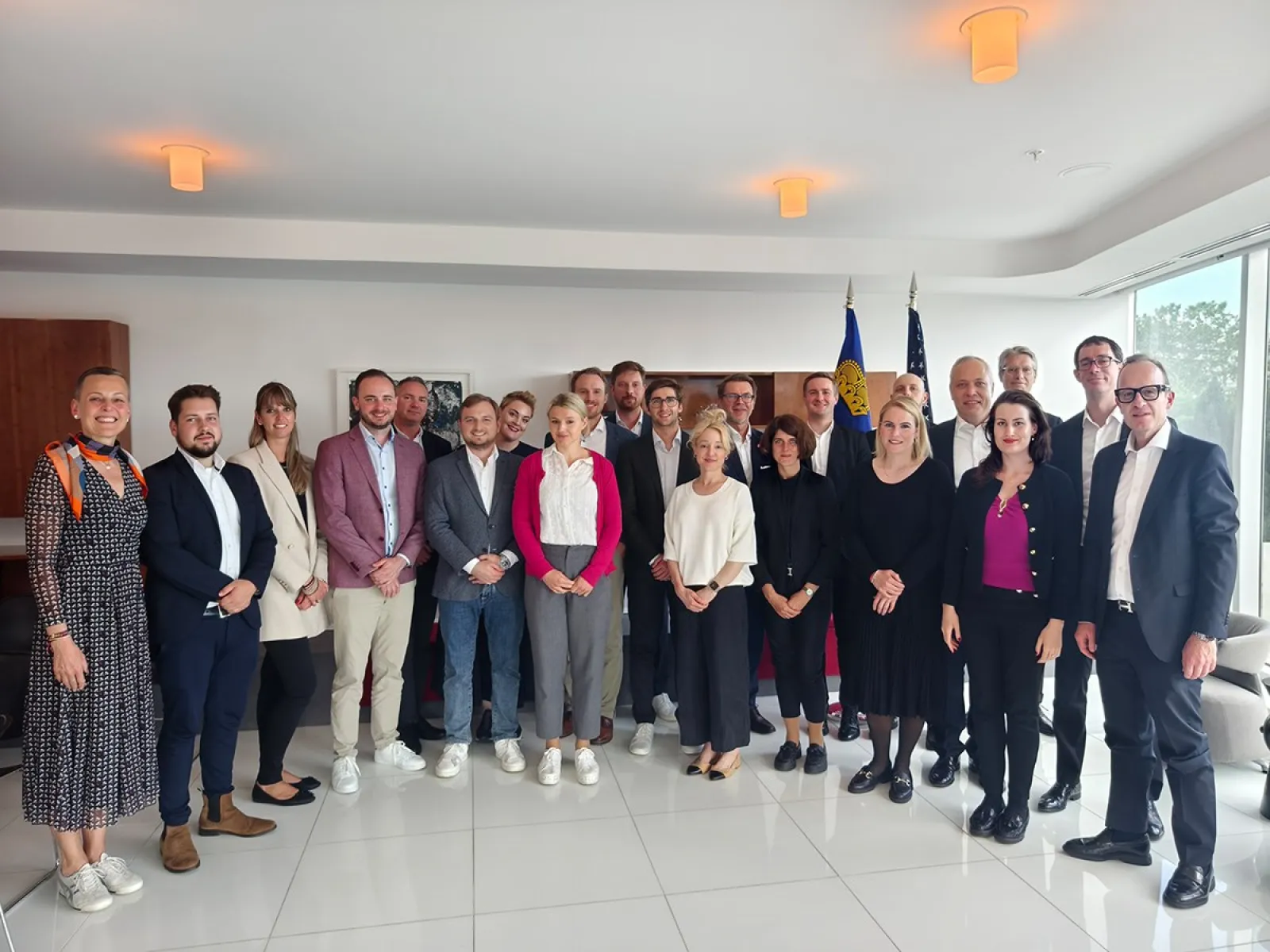
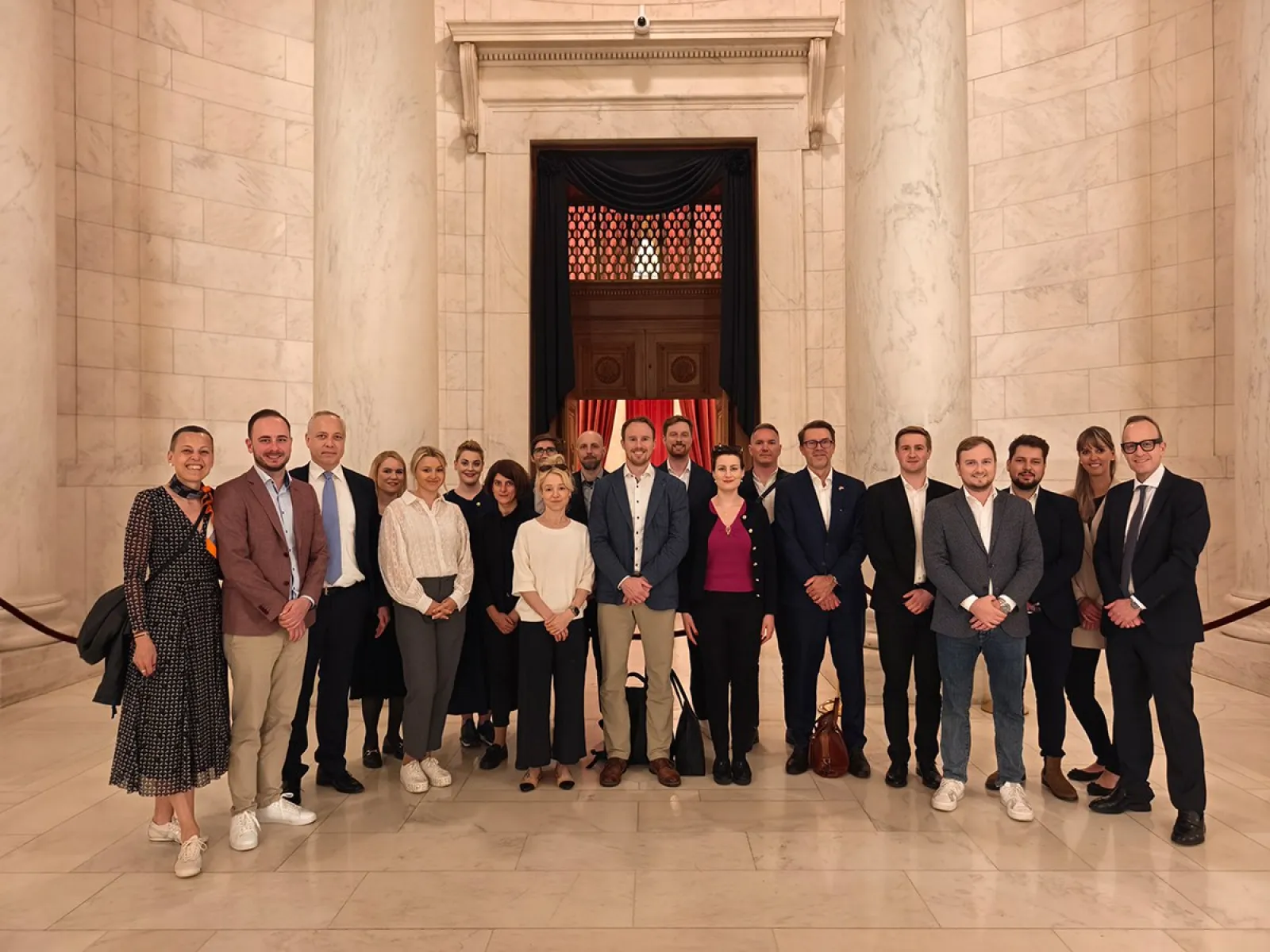
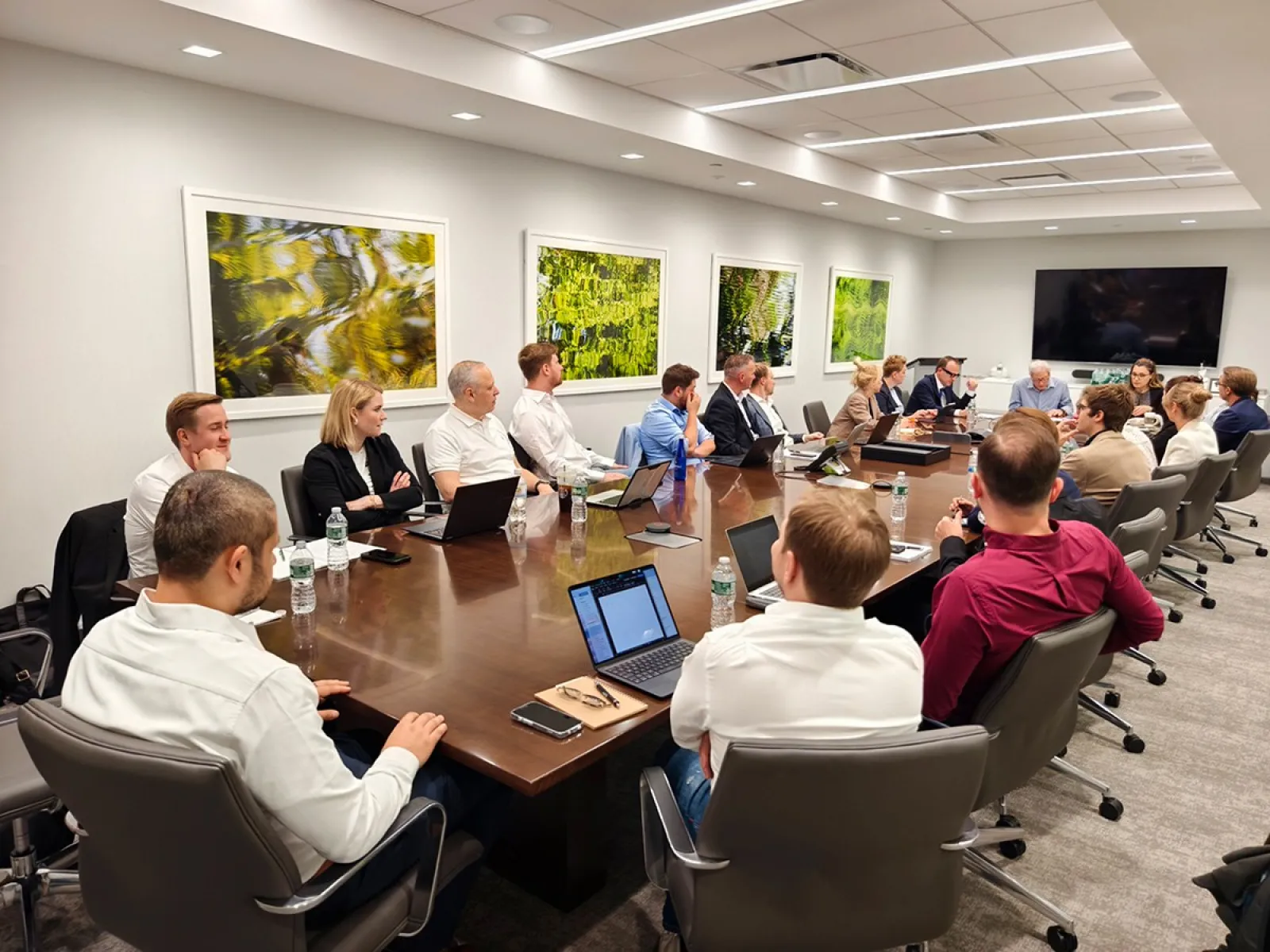
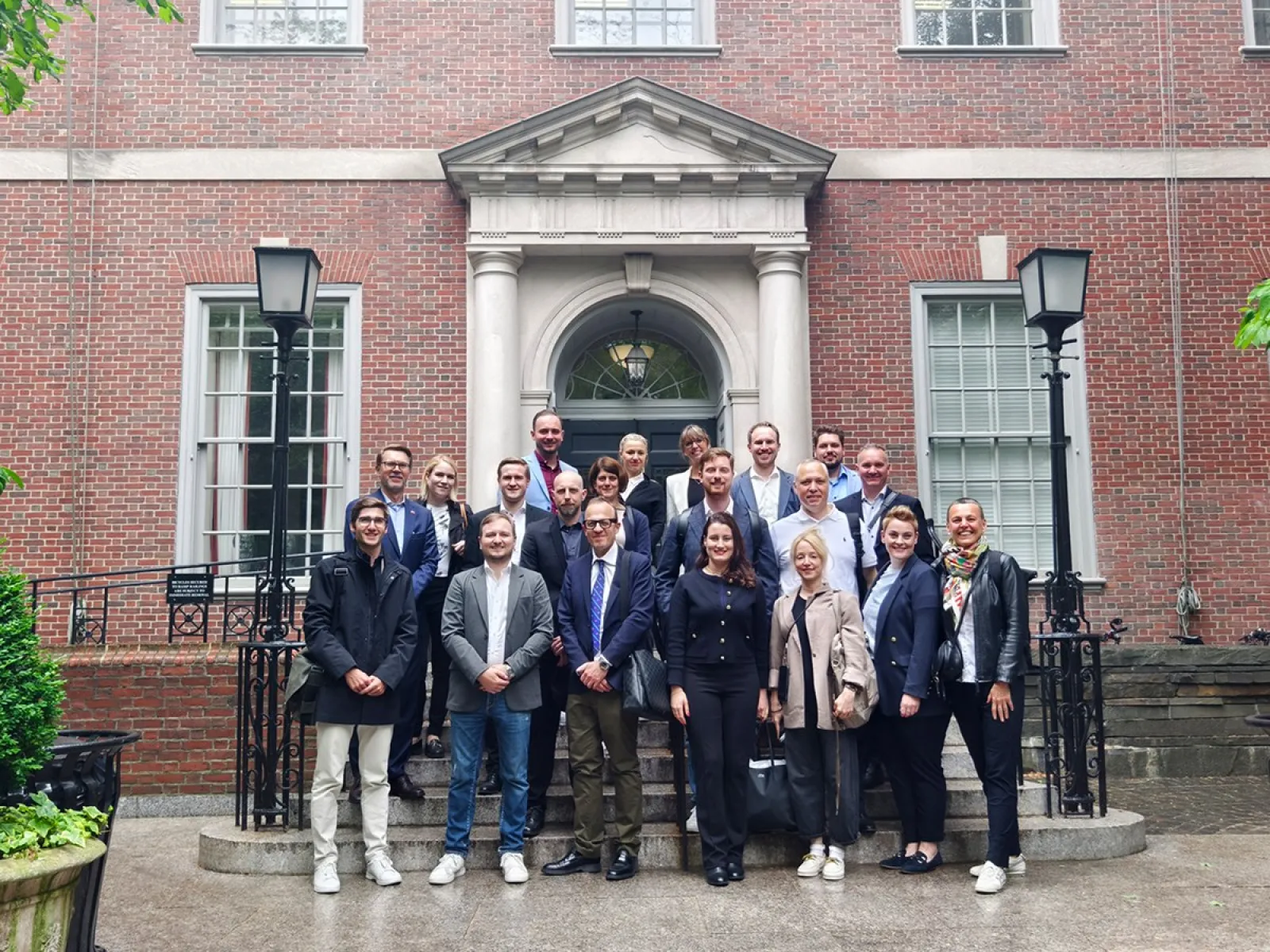
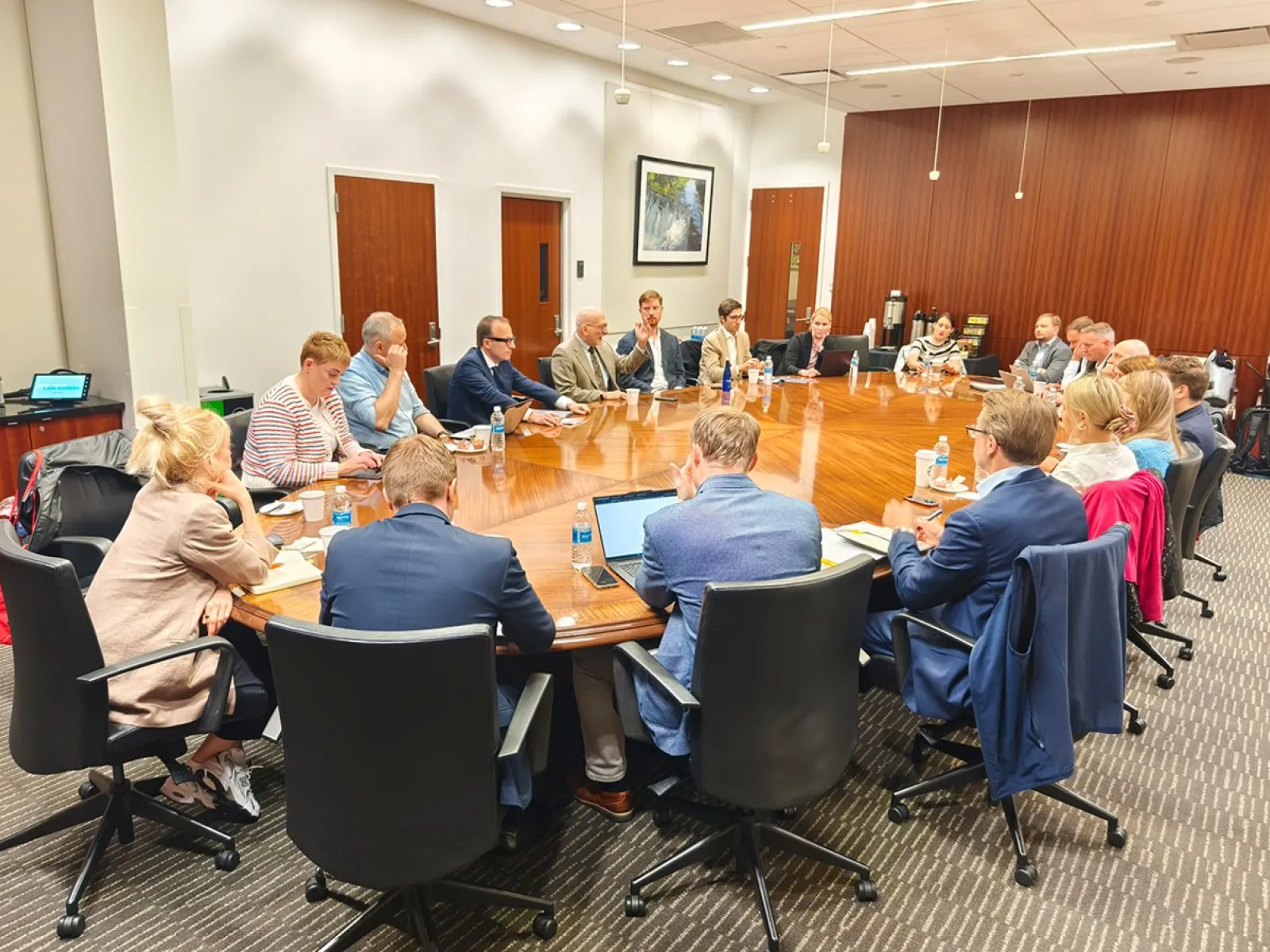
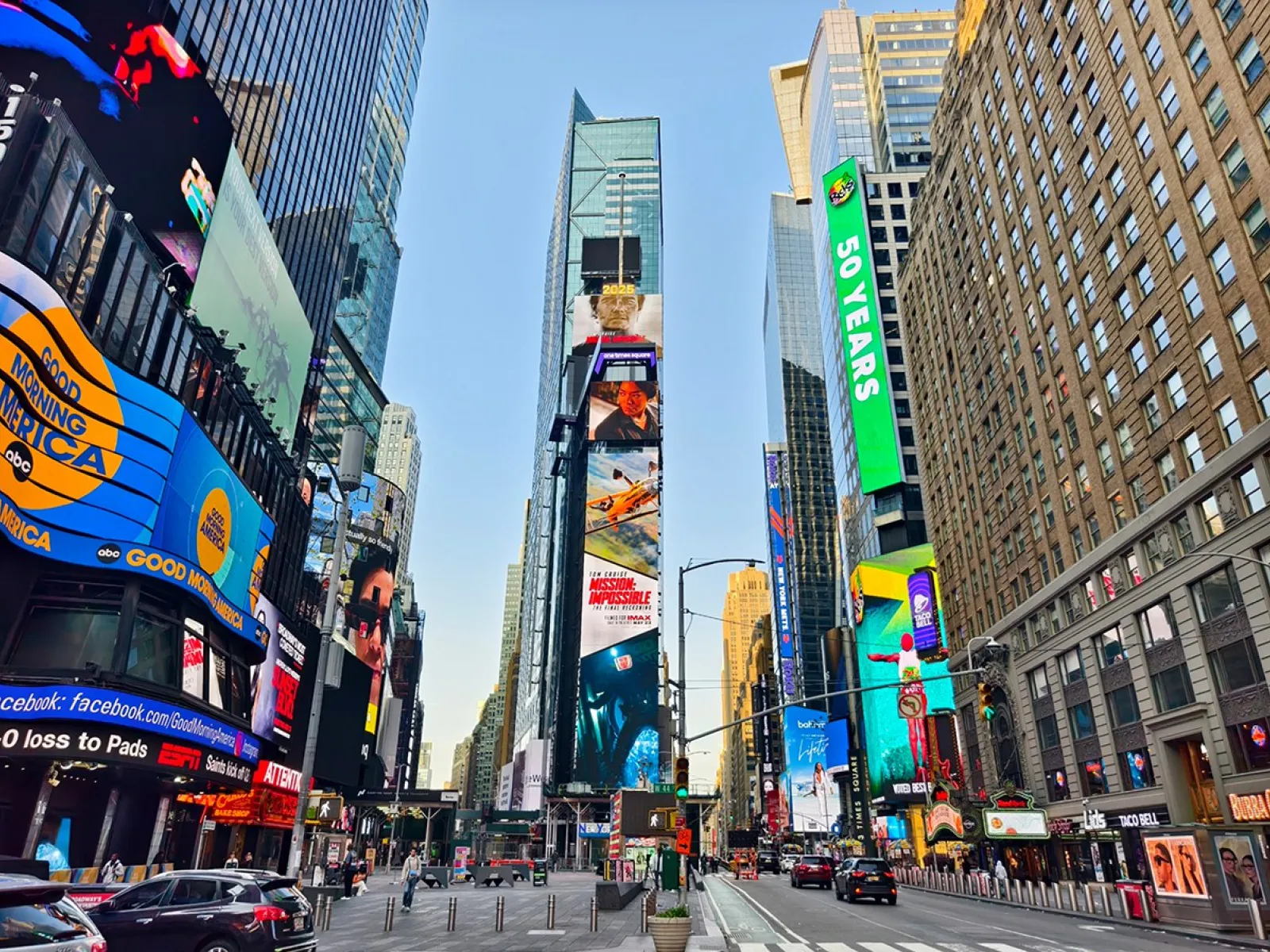
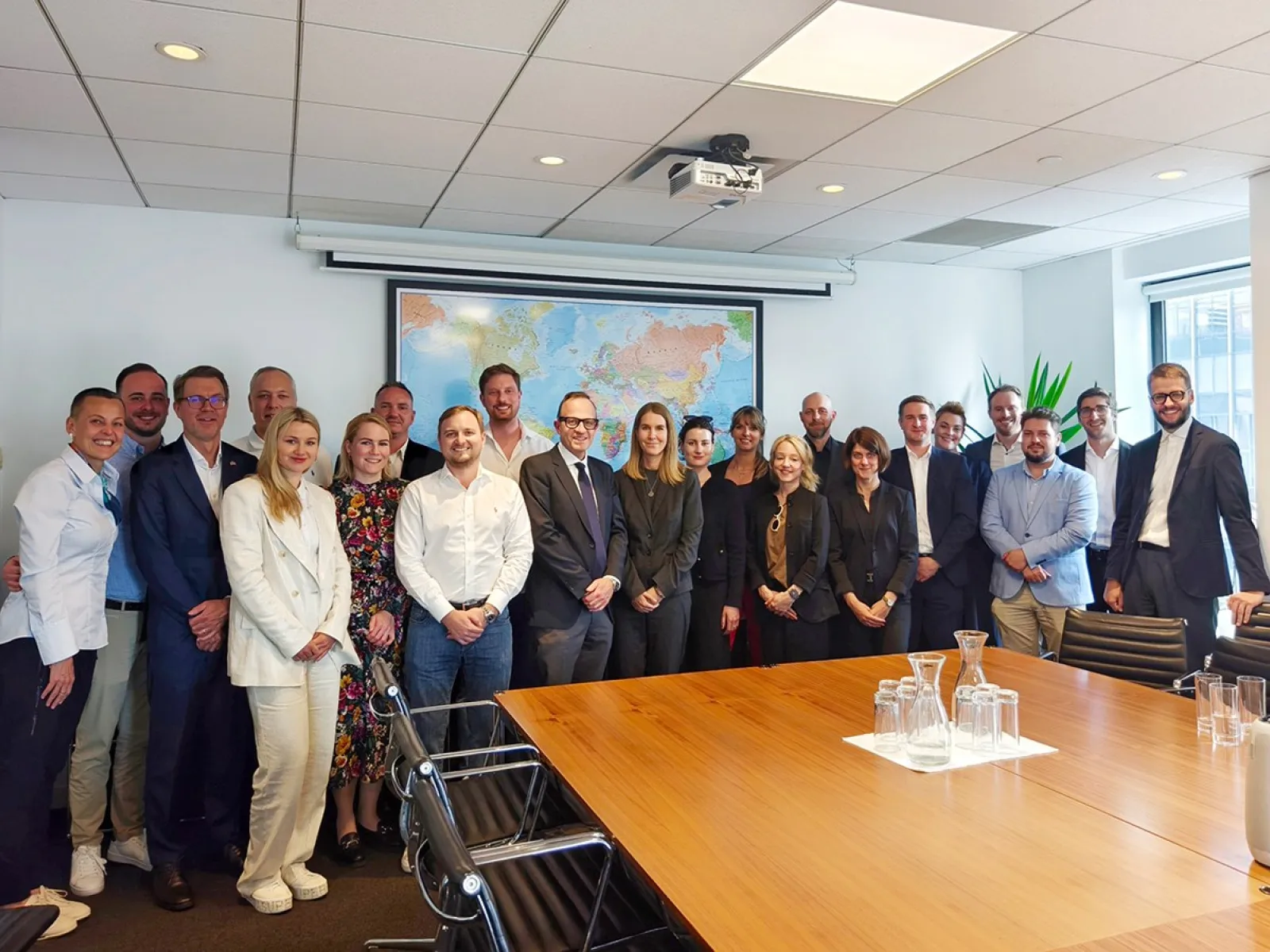
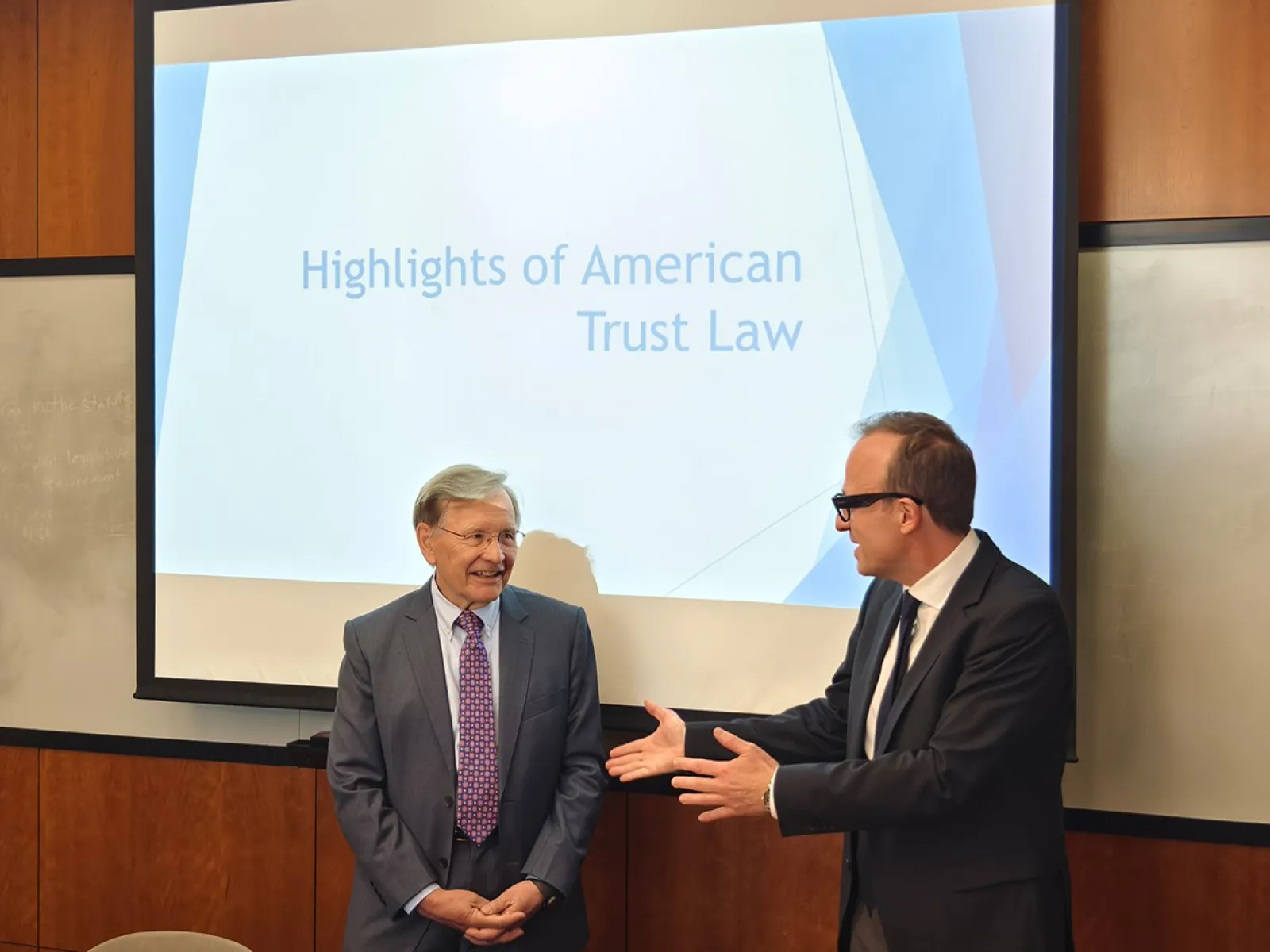
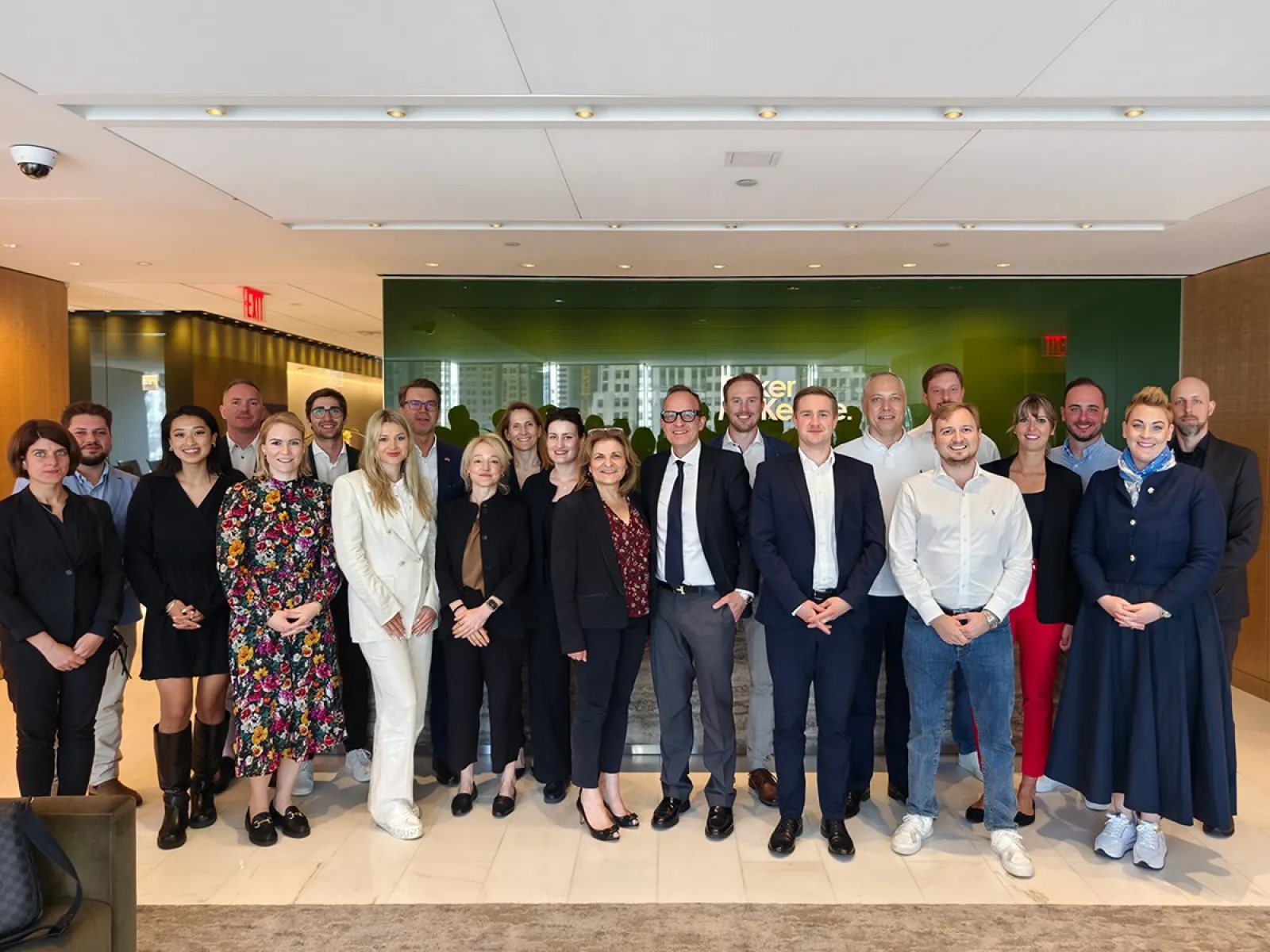
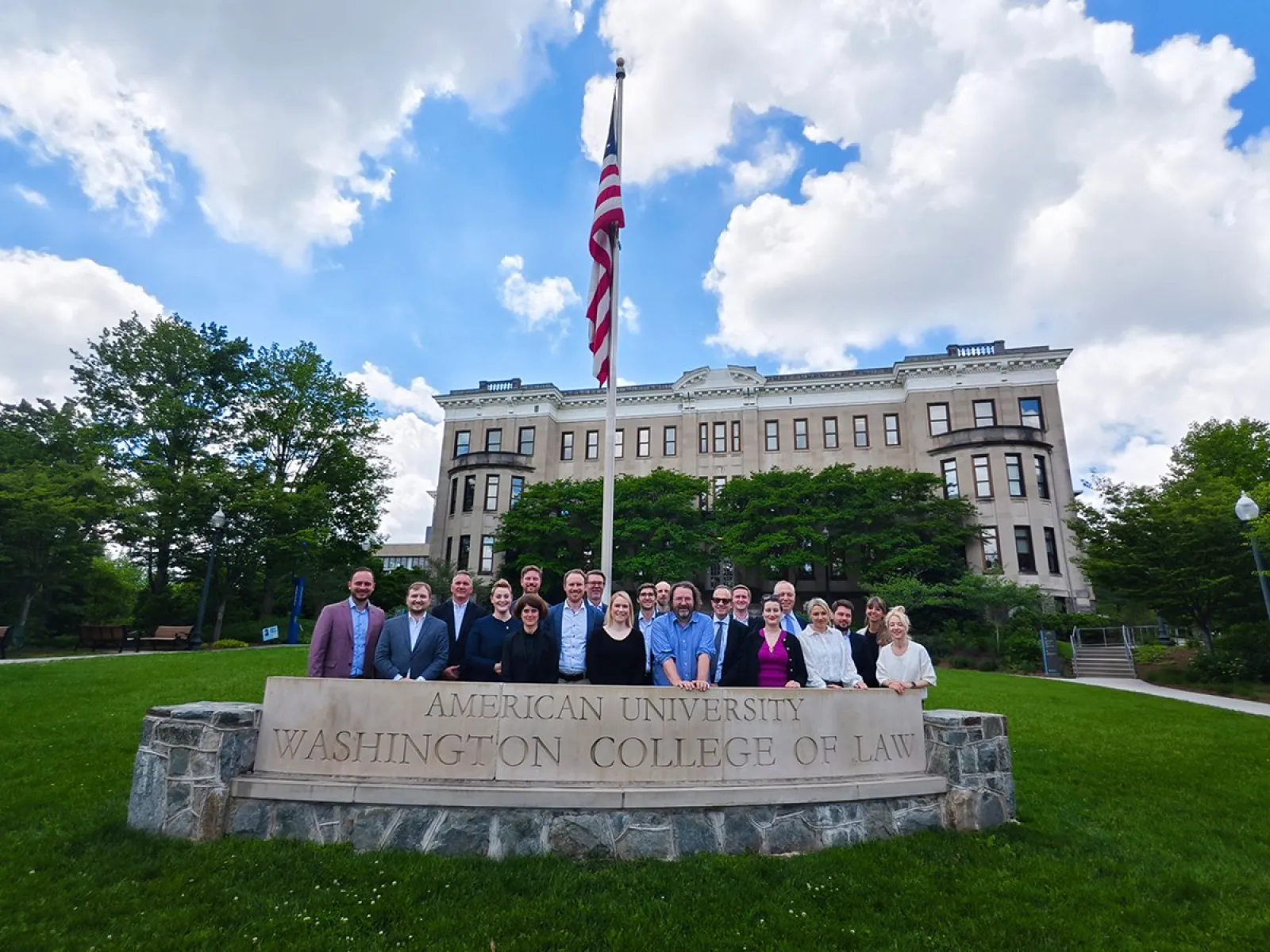
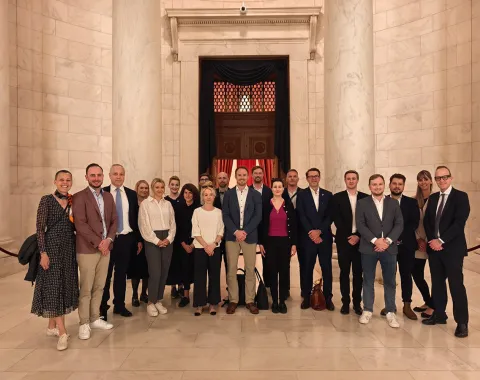
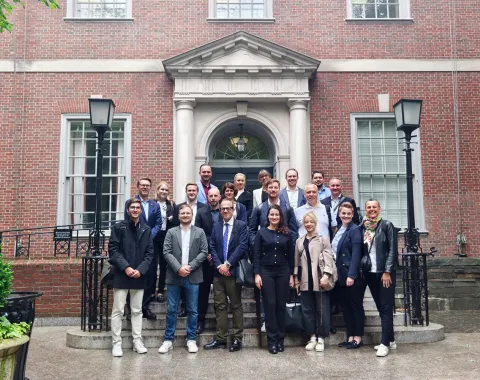
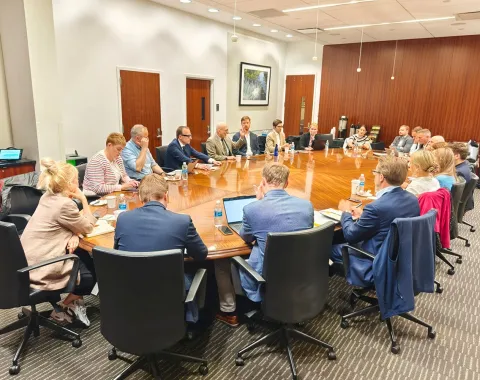
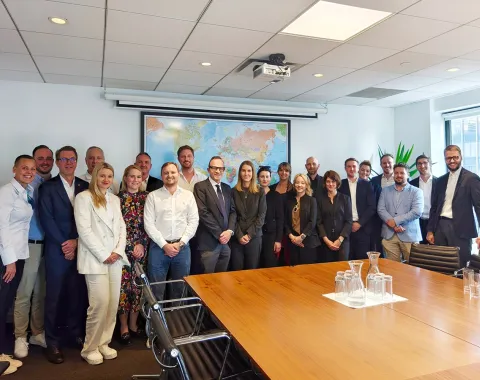
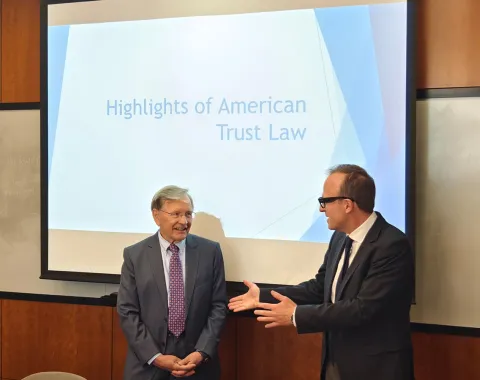
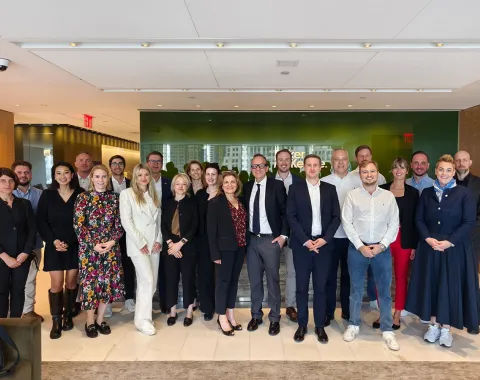
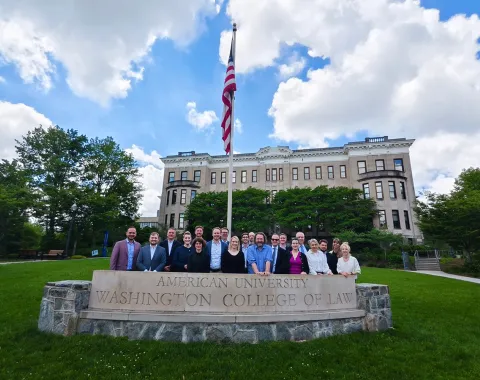
From 11 to 17 May 2025, the students of the Executive Master of Laws (LL.M.) in Company, Foundation and Trust Law undertook a nearly week-long study trip to New York and Washington, D.C.


Under the academic direction of Prof. Dr. Alexandra Butterstein, LL.M., and Prof. Dr. Francesco A. Schurr, the students gained in-depth insights into U.S. trust and corporate law.


New York: Insights into U.S. Trust Law


The study trip began in New York with a thematic focus on international wealth planning at Baker McKenzie and Schwartz Sladkus Reich Greenberg & Atlas LLP. At the prestigious law firm Katten Muchin Rosenman LLP, participants gained practical insights into U.S. trust structures for international clients. From an academic perspective, visits to the Cardozo School of Law, New York University School of Law, and New York Law School added significant value. A particular highlight was the visit to the Permanent Mission of the Principality of Liechtenstein to the United Nations, where Myriam and Noah Oehri provided an overview of the Mission’s work.


Washington, D.C.: Encounters with Law and Diplomacy


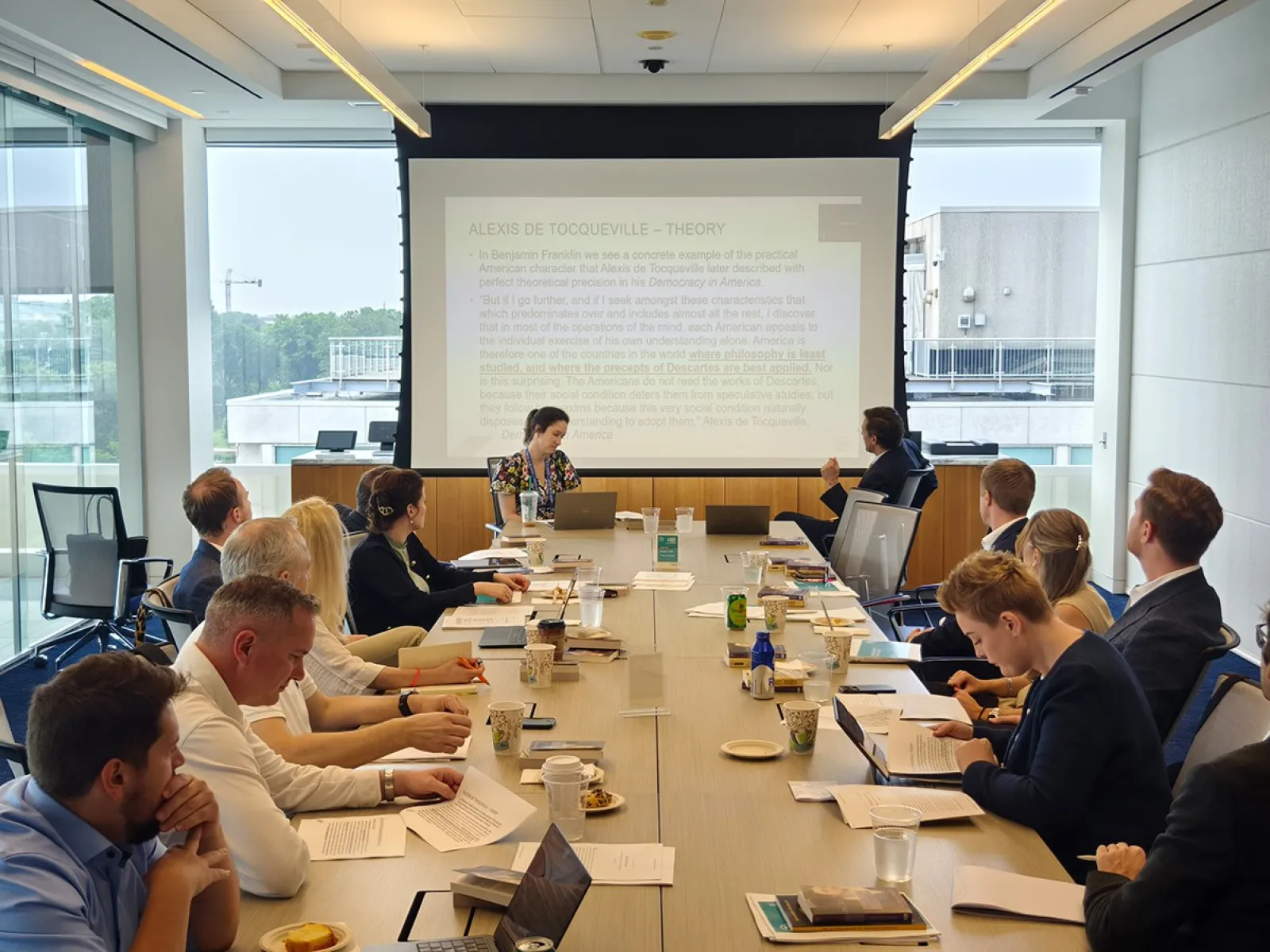
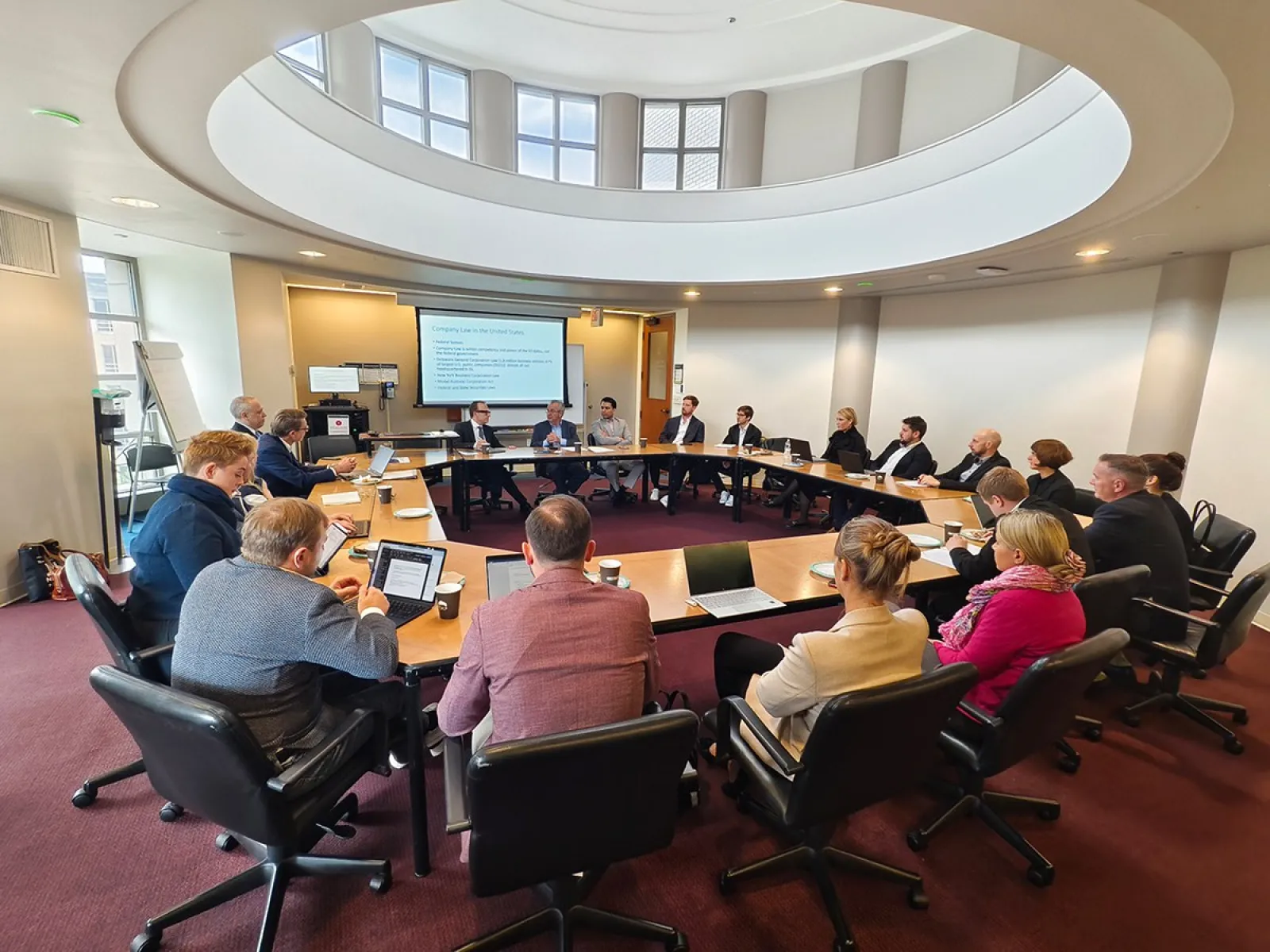
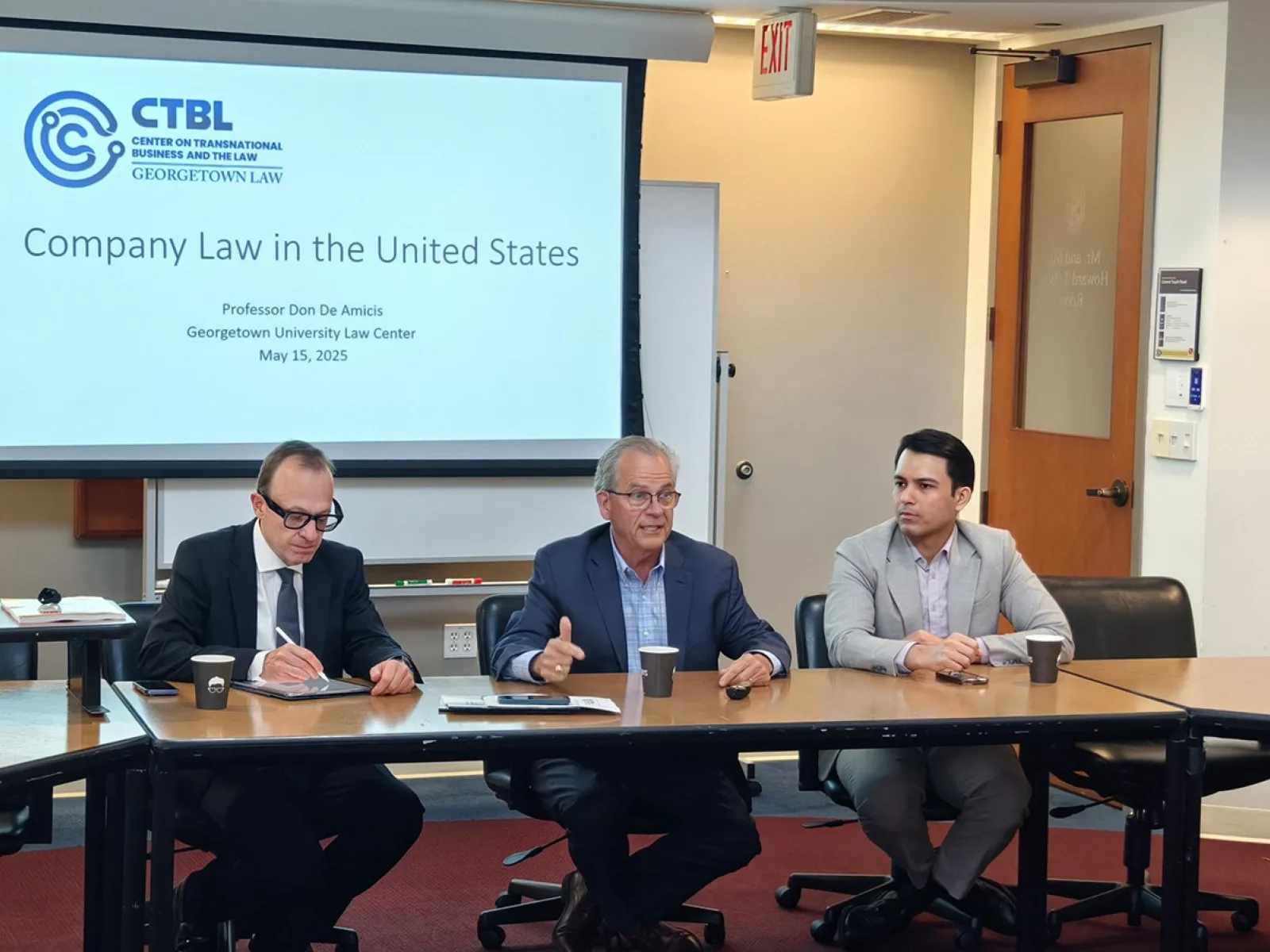
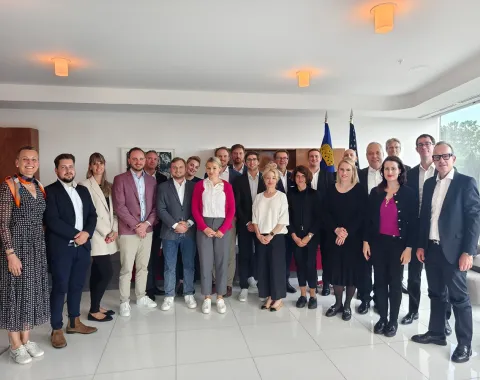
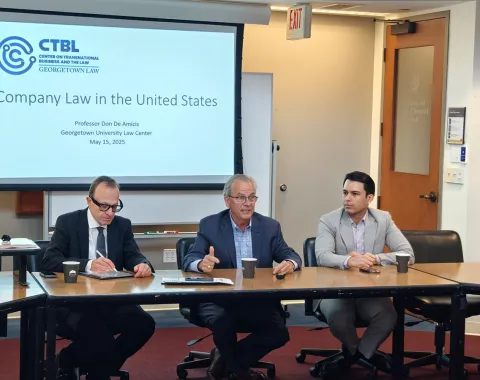
The second part of the trip took place in Washington, D.C., beginning with visits to Georgetown University and American University. Here, students engaged in workshops on legal approaches to wealth transfer. This was followed by a visit to the U.S. Supreme Court, including a guided tour of the court and a courtroom lecture. The day concluded with a visit to the Embassy of Liechtenstein in Washington, D.C., where Ambassador Georg Sparber welcomed the group.

To round off the trip, current challenges in private wealth structuring were discussed during a session at the law firm McDermott Will & Emery LLP. Overall, the study trip offered participants a unique opportunity to link theoretical knowledge with practical experience while expanding their international networks and professional expertise.

Recap of the Intensive Course “Tax Criminal Law”

Recap of the Intensive Course “Tax Criminal Law”

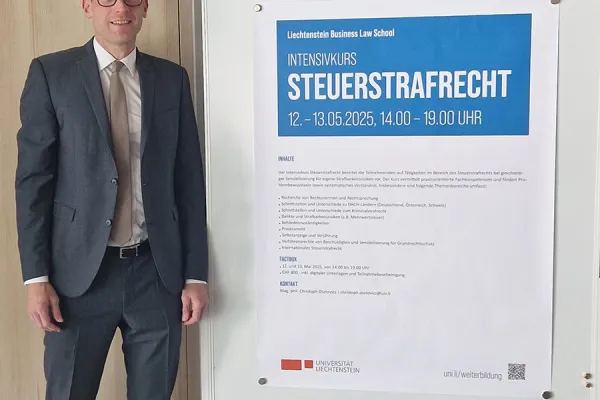
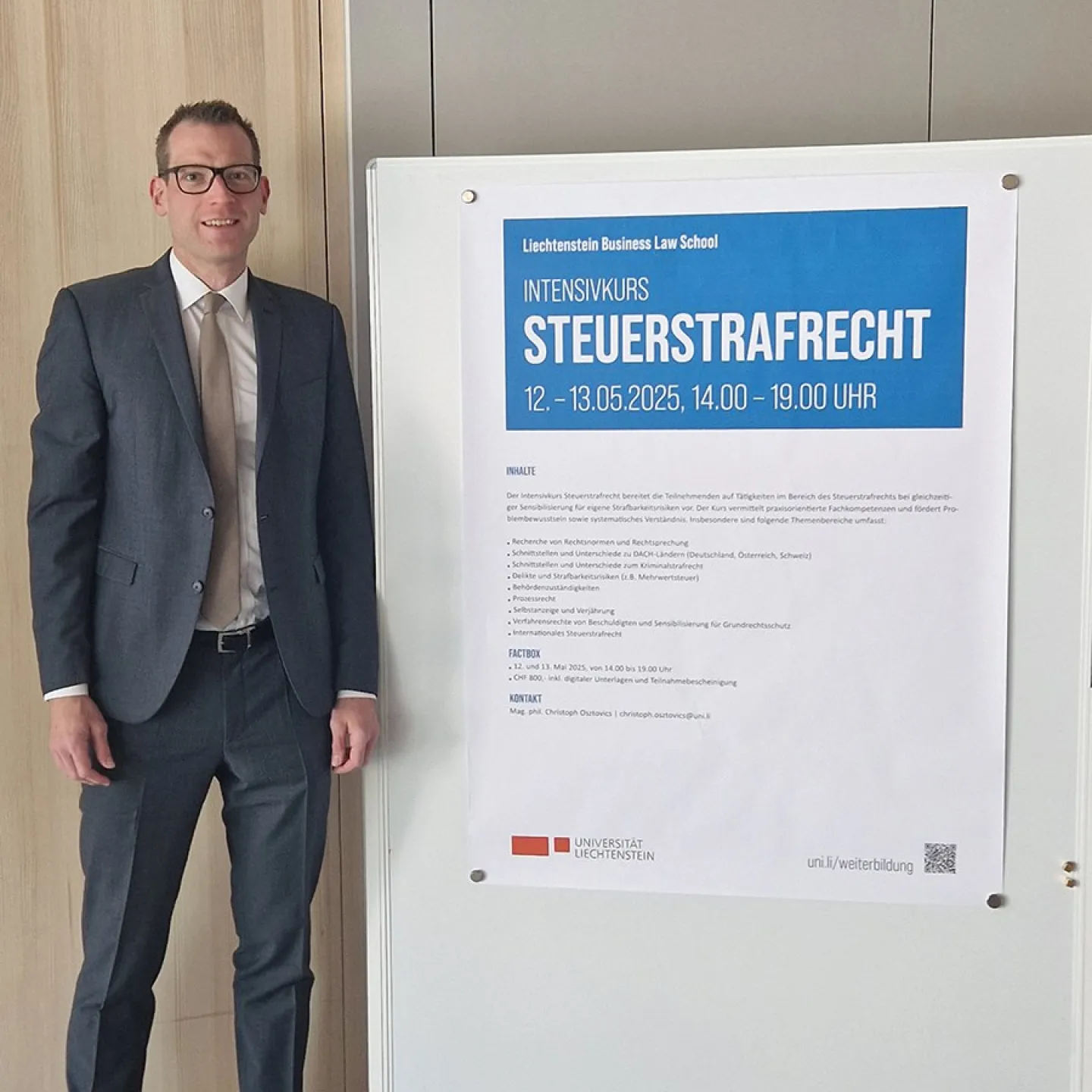
Ein Mann in Anzug steht neben einem Plakat, das den Intensivkurs „Steuerstrafrecht“ der Universität Liechtenstein ankündigt. Das Plakat enthält Informationen zu Datum, Uhrzeit und Inhalten des Kurses.

On 12 and 13 May 2025, the Professorship for Economic Criminal Law, Compliance and Digitalisation conducted the intensive course “Tax Criminal Law”.


The sheer scale of tax-related crime illustrates the topicality and practical relevance of this field: The so-called tax gap refers to the difference between the taxes that should be collected under the law and those that are actually paid. It also includes losses resulting from criminal conduct. Studies for Austria, for instance, suggest a tax gap of up to CHF 15 billion in 2021—around 8% of total expected revenue. The European Union’s VAT gap for 2020 was estimated at around CHF 90 billion—roughly 9% of total expected VAT revenue. Approximately one-quarter of this shortfall is said to be directly attributable to VAT fraud.


Tax criminal law is a classic cross-disciplinary field: the two demanding legal domains of tax law and criminal law go hand in hand, yet differ significantly in character. Practical work in tax criminal law therefore requires a solid foundation in both. Procedural issues can be particularly complex, as there is no unified code of procedure comparable to the Liechtenstein Code of Criminal Procedure. This presents challenges, particularly from the perspective of the fundamental rights of the accused.


The course focused on teaching the fundamentals of tax criminal law within the broader regulatory framework. Solving legal problems in practice requires a “toolbox.” The most important tools include basic skills in legal methodology, awareness of legal issues, and systematic understanding. Dr. Günther Schaunig, postdoctoral assistant at the Professorship for Economic Criminal Law, Compliance and Digitalisation, provided these foundations and structured insights to help participants make sense of the fragmented legal framework. The course then delved into key topics such as VAT-related offences and procedural law, which is especially relevant in legal defence practice. Prof. Dr. Konstantina Papathanasiou, LL.M., concluded the course with a session on corporate criminal liability.

Ein Mann in Anzug steht neben einem Plakat, das den Intensivkurs „Steuerstrafrecht“ der Universität Liechtenstein ankündigt. Das Plakat enthält Informationen zu Datum, Uhrzeit und Inhalten des Kurses.

Congratulations to Jonas Bokstaller on Defending his Doctoral Thesis with Distinction

Congratulations to Jonas Bokstaller on Defending his Doctoral Thesis with Distinction

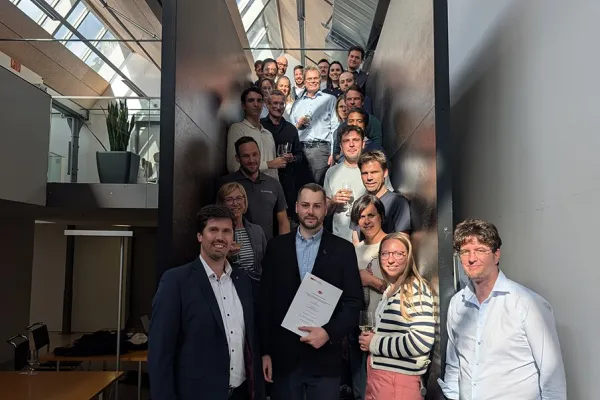
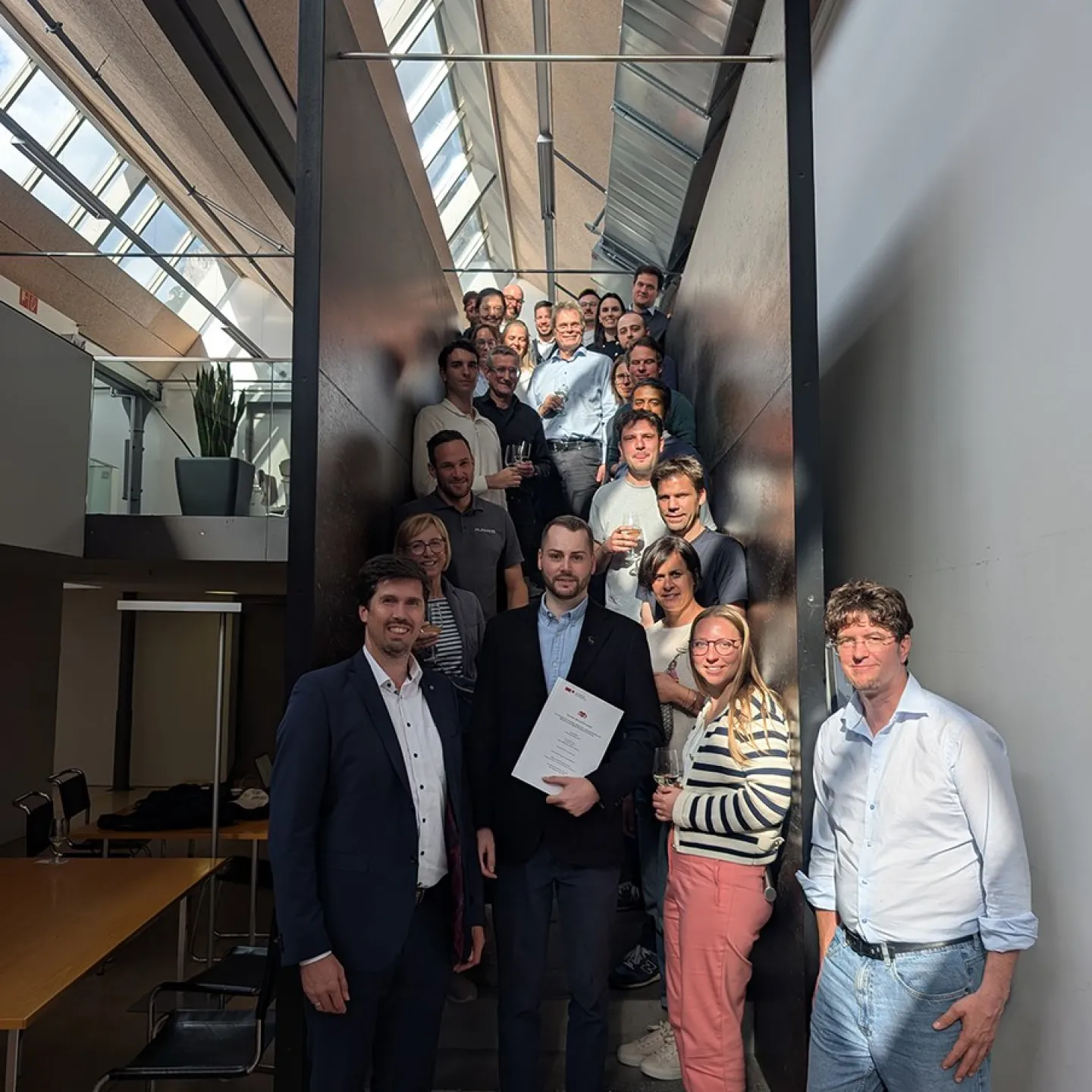
Eine Gruppe von Menschen steht auf einer Treppe in einem modernen Gebäude. Im Vordergrund hält eine Person ein Dokument in der Hand, umgeben von lächelnden Kollegen. Die Szene ist gut beleuchtet durch ein Oberlicht.

The University of Liechtenstein warmly congratulates Jonas Bokstaller on successfully defending his doctoral thesis with the highest distinction. Jonas, a native of Liechtenstein, was supervised by Assoc. Prof. Dr. Johannes Schneider and co-mentored by Prof. Dr. Jan vom Brocke and Prof. Dr. Simon Lux. His dissertation was developed in close collaboration with Hilti, once again highlighting the excellent partnership between the University of Liechtenstein and regional industry.


The research focuses on the development of a platform to monitor, predict, and maintain the health of batteries powering Internet of Things (IoT) devices. The work emphasises the importance of long-term maintenance for battery-powered IoT systems and demonstrates how IoT functionality can be used to transmit battery health data to the cloud.


The study centres on small, energy-efficient IoT devices, where usage and battery data are primarily collected using counters. It explores the feasibility of using only low-frequency usage data to track, predict, and maintain battery health. Furthermore, the dissertation discusses the integration of capacity-based State of Health (SoH) with data-driven SoH models. The ultimate goal is to ensure up-to-date and reliable information on battery health at all times.


We sincerely congratulate Jonas Bokstaller on this outstanding achievement and wish him continued success in his future endeavours!

Eine Gruppe von Menschen steht auf einer Treppe in einem modernen Gebäude. Im Vordergrund hält eine Person ein Dokument in der Hand, umgeben von lächelnden Kollegen. Die Szene ist gut beleuchtet durch ein Oberlicht.

Alumni with a Clear Stance

Alumni with a Clear Stance

Eva Lässer and Michael Fenk create meaningful in-between spaces


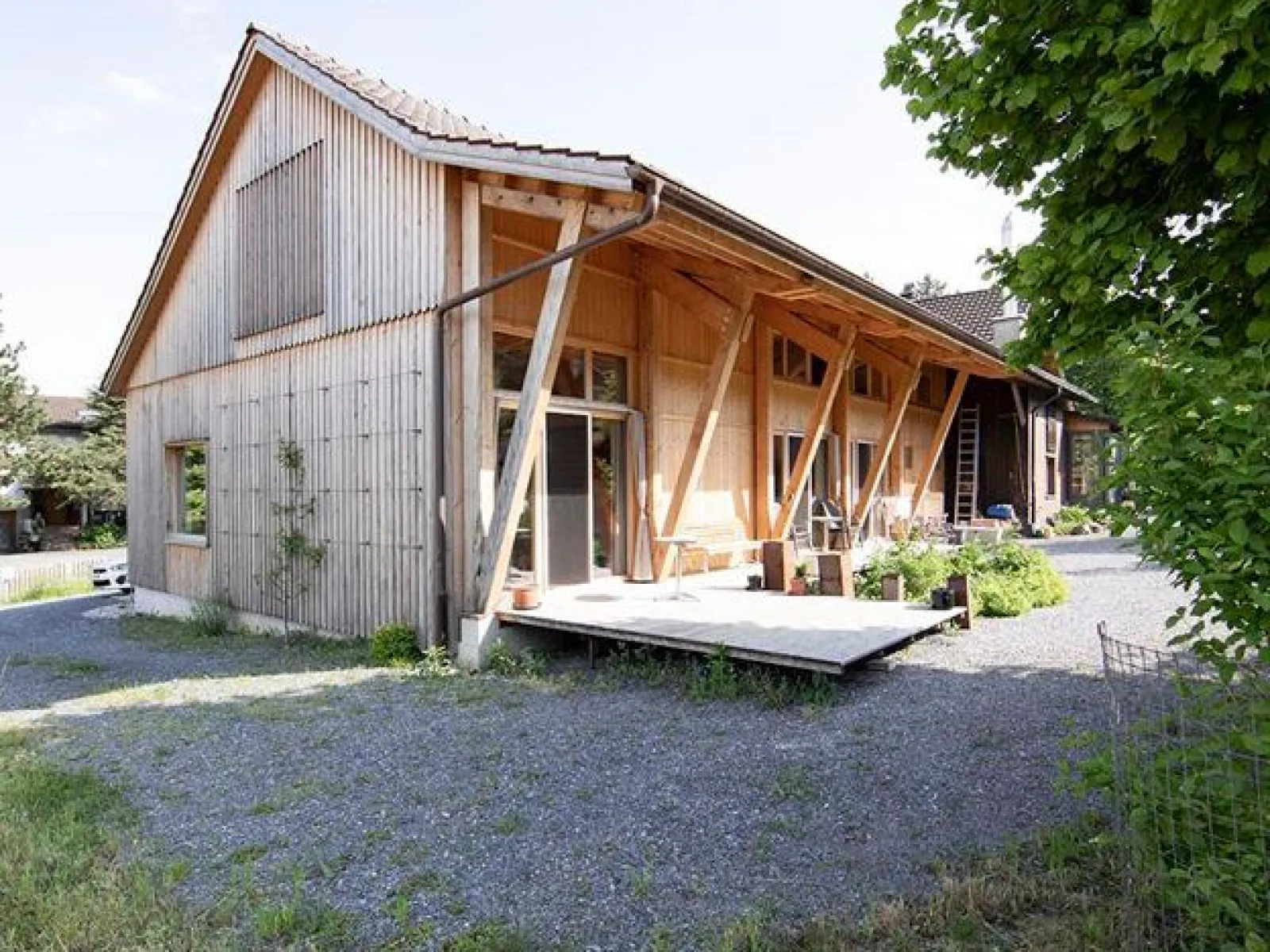
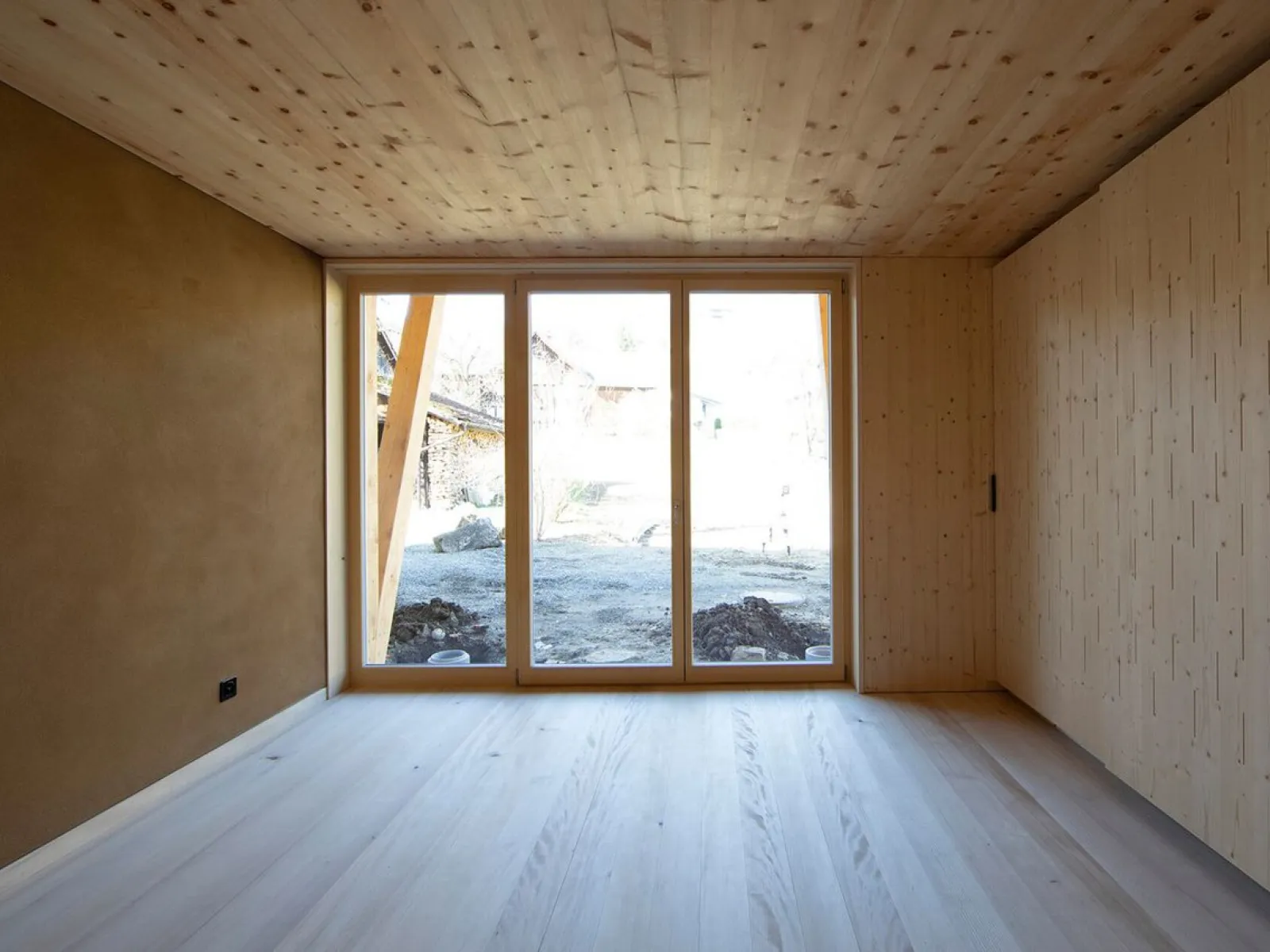
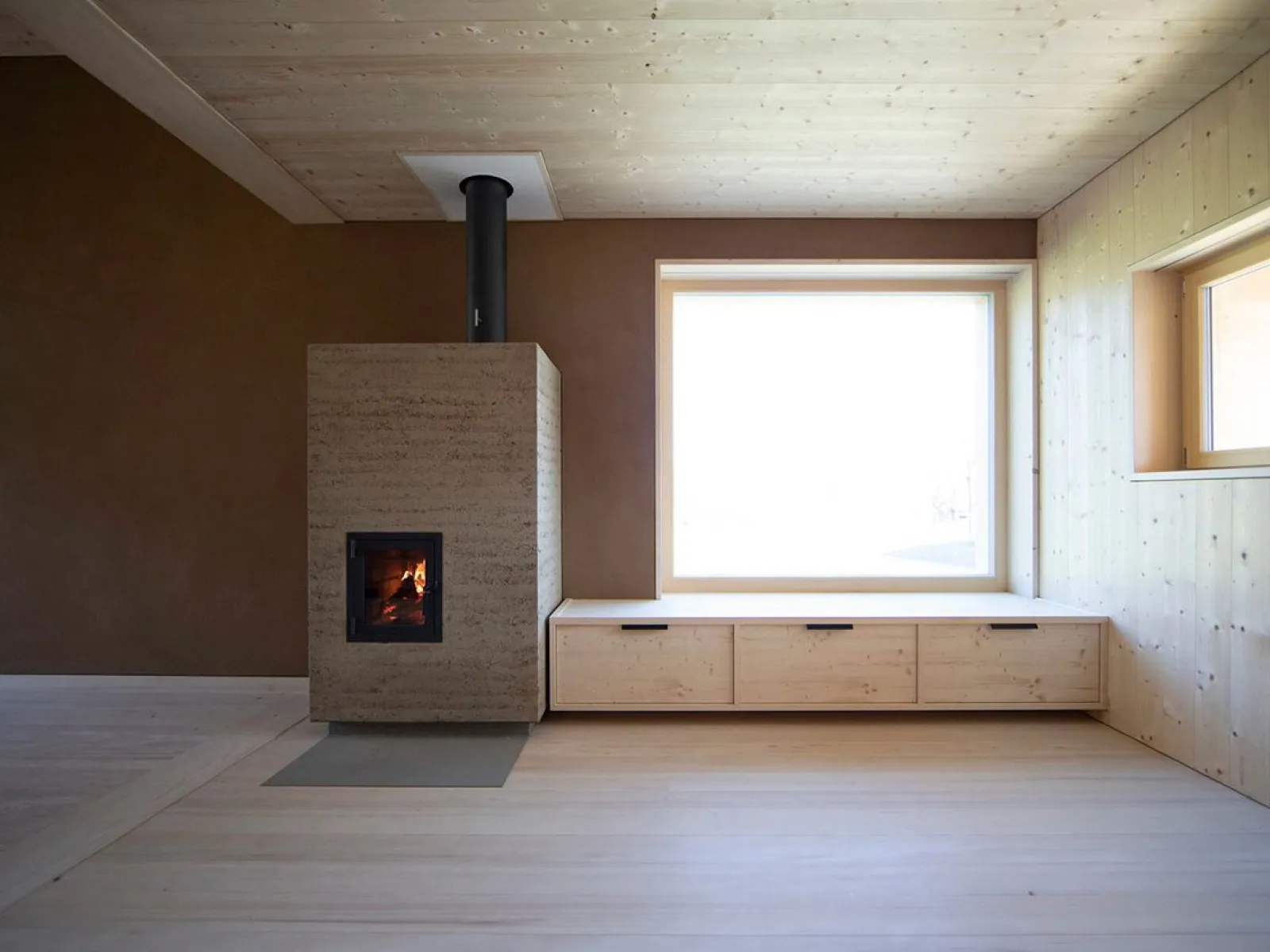
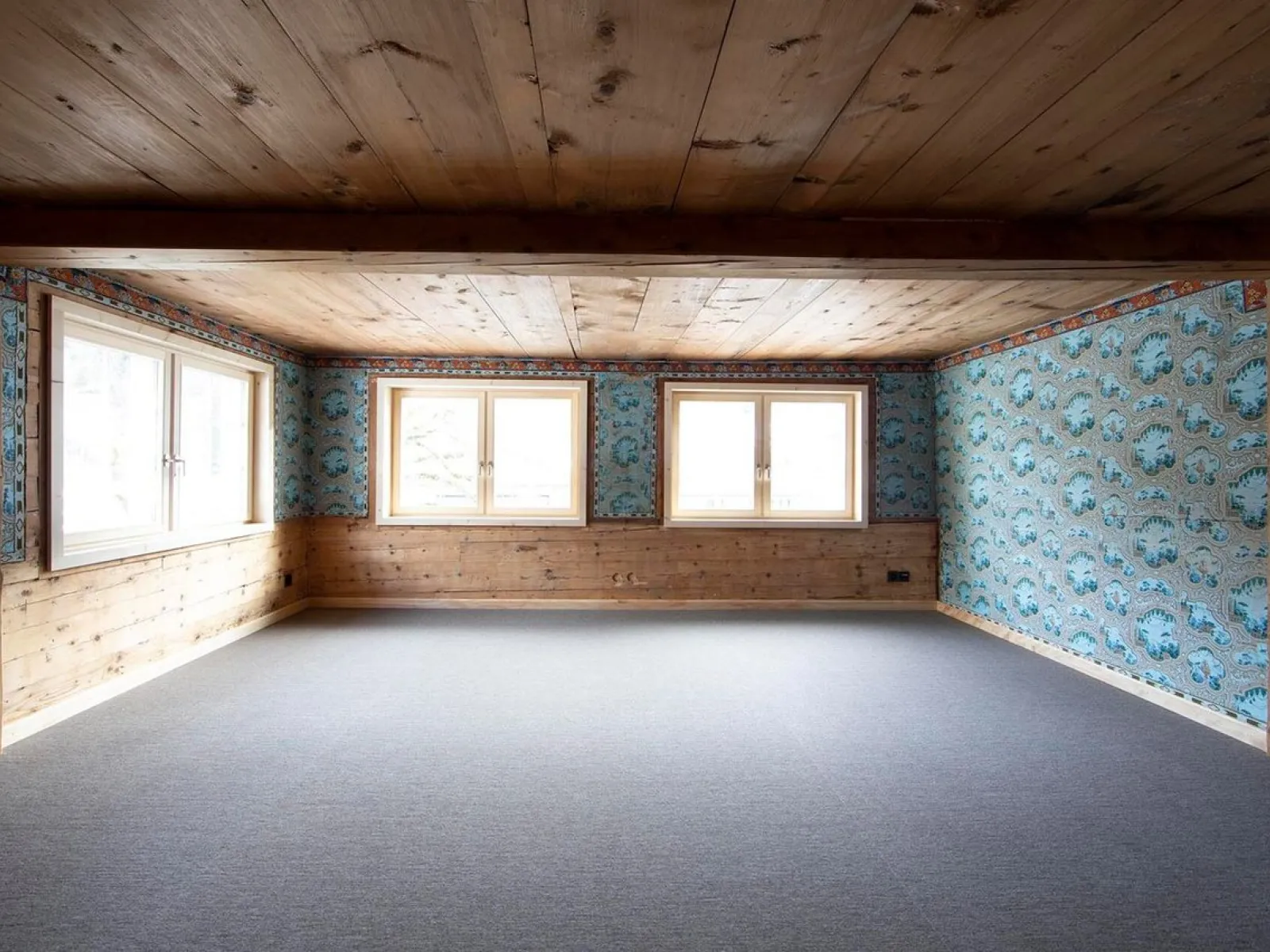
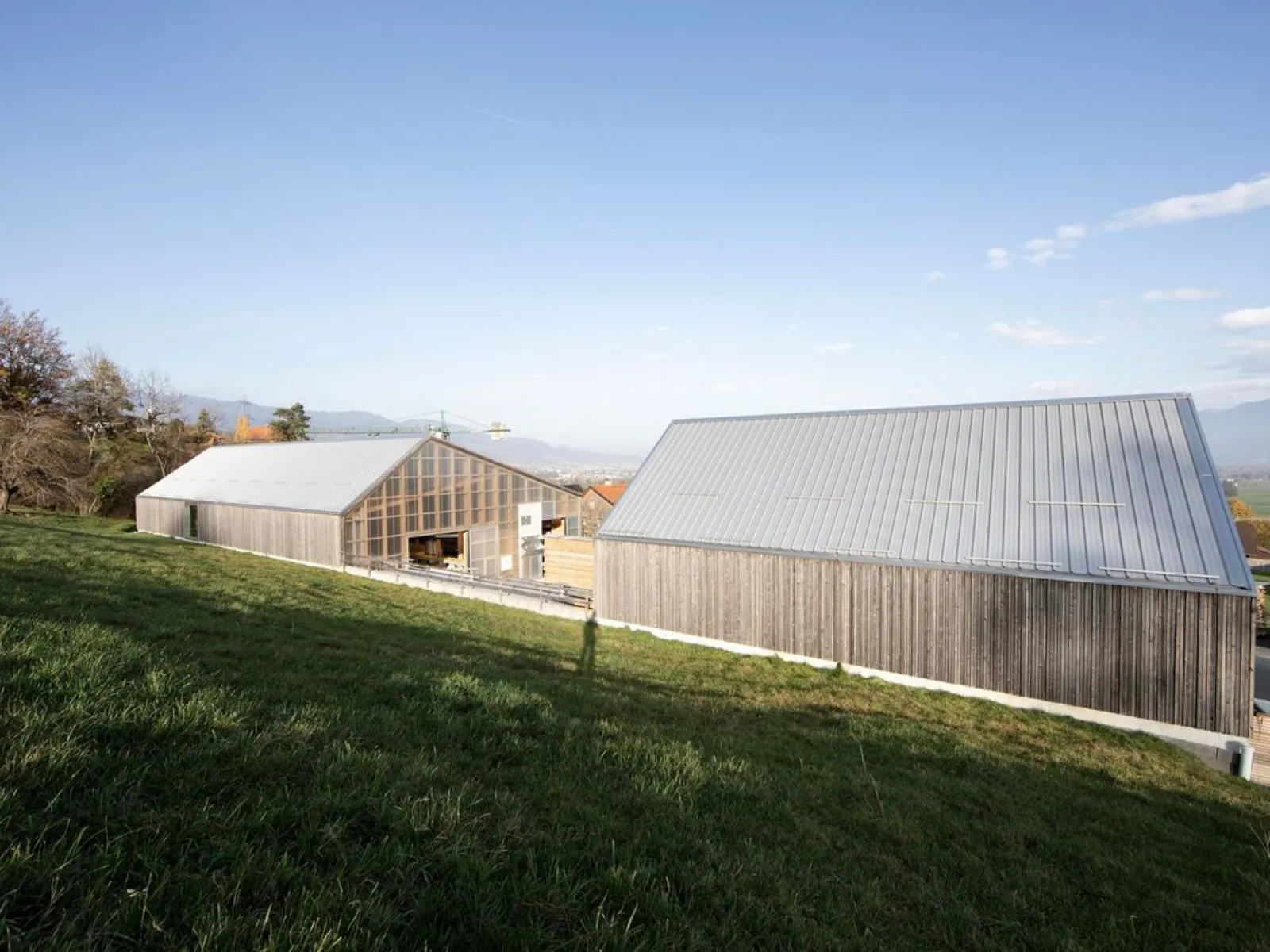
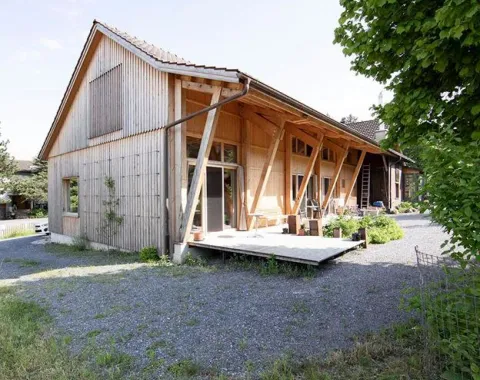
In the heart of the rural St. Gallen Rhine Valley, Eva Lässer and Michael Fenk run EMM Architekten, an architectural practice focused on sharpening the eye for what truly matters: contextual, pared-back, and enduring architecture. Both graduated in Architecture from the University of Liechtenstein and now contribute a distinctive attitude to the built environment, deliberately engaging with marginal and in-between spaces.


Building with awareness for what often goes unnoticed


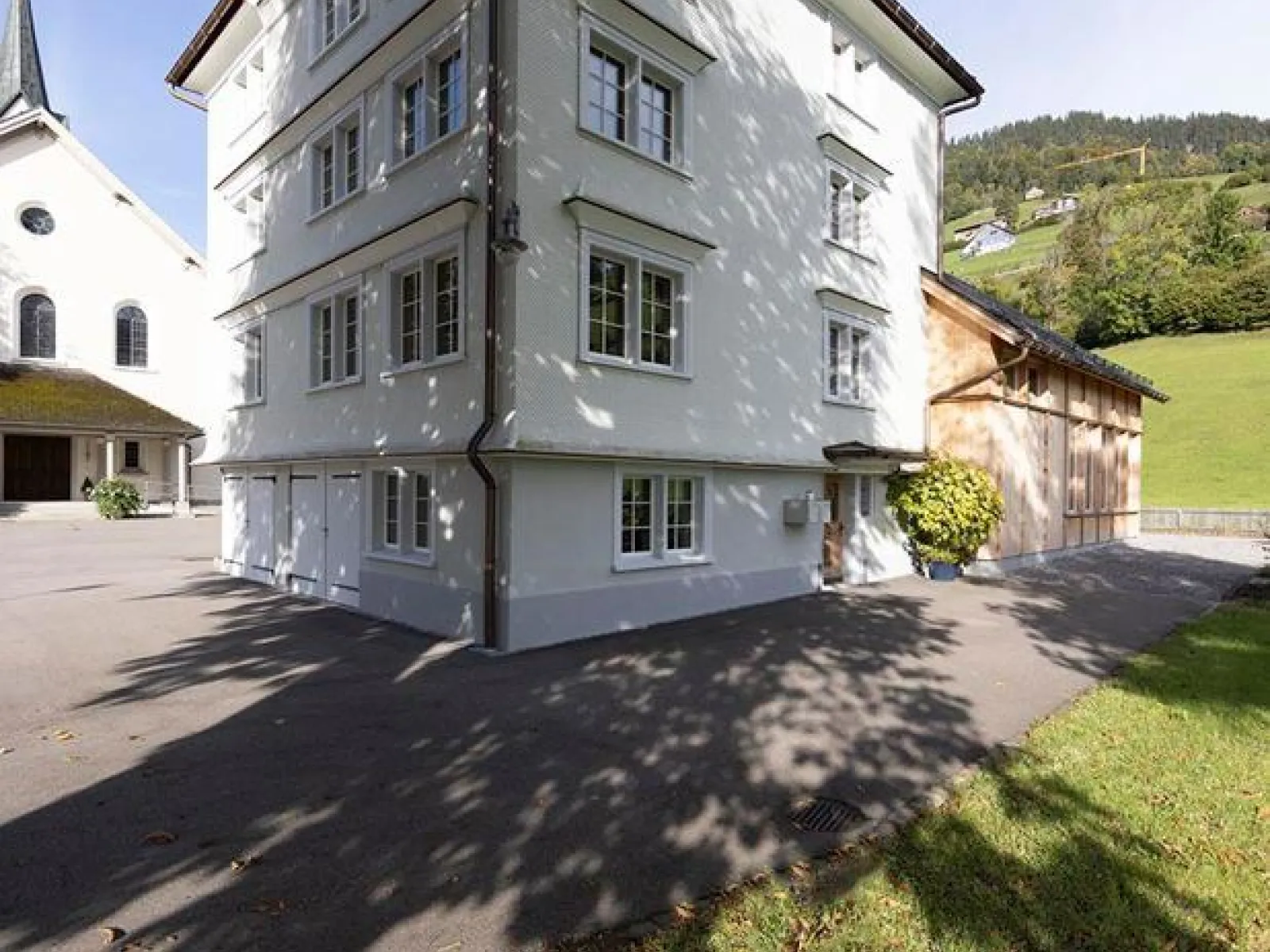
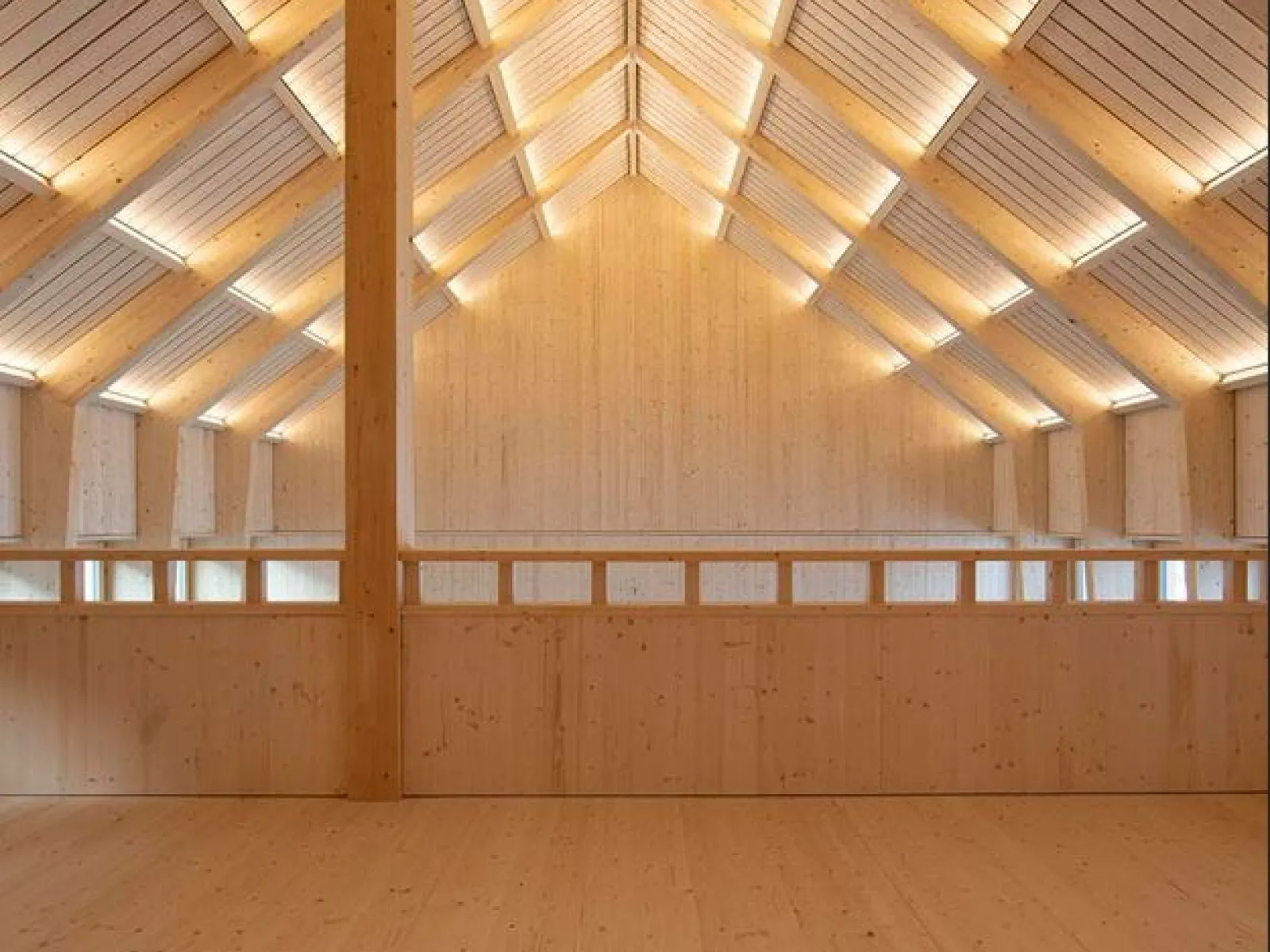
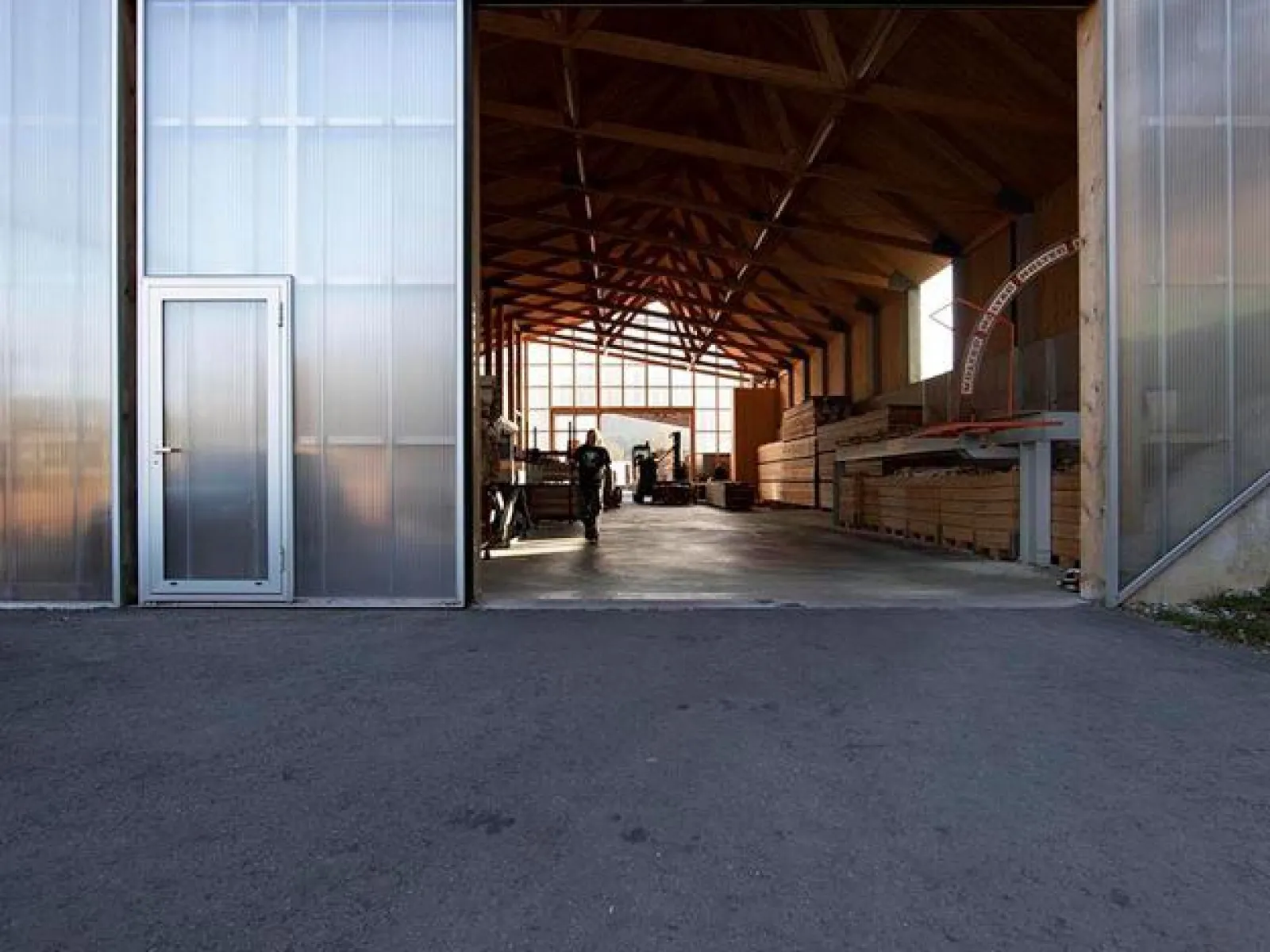
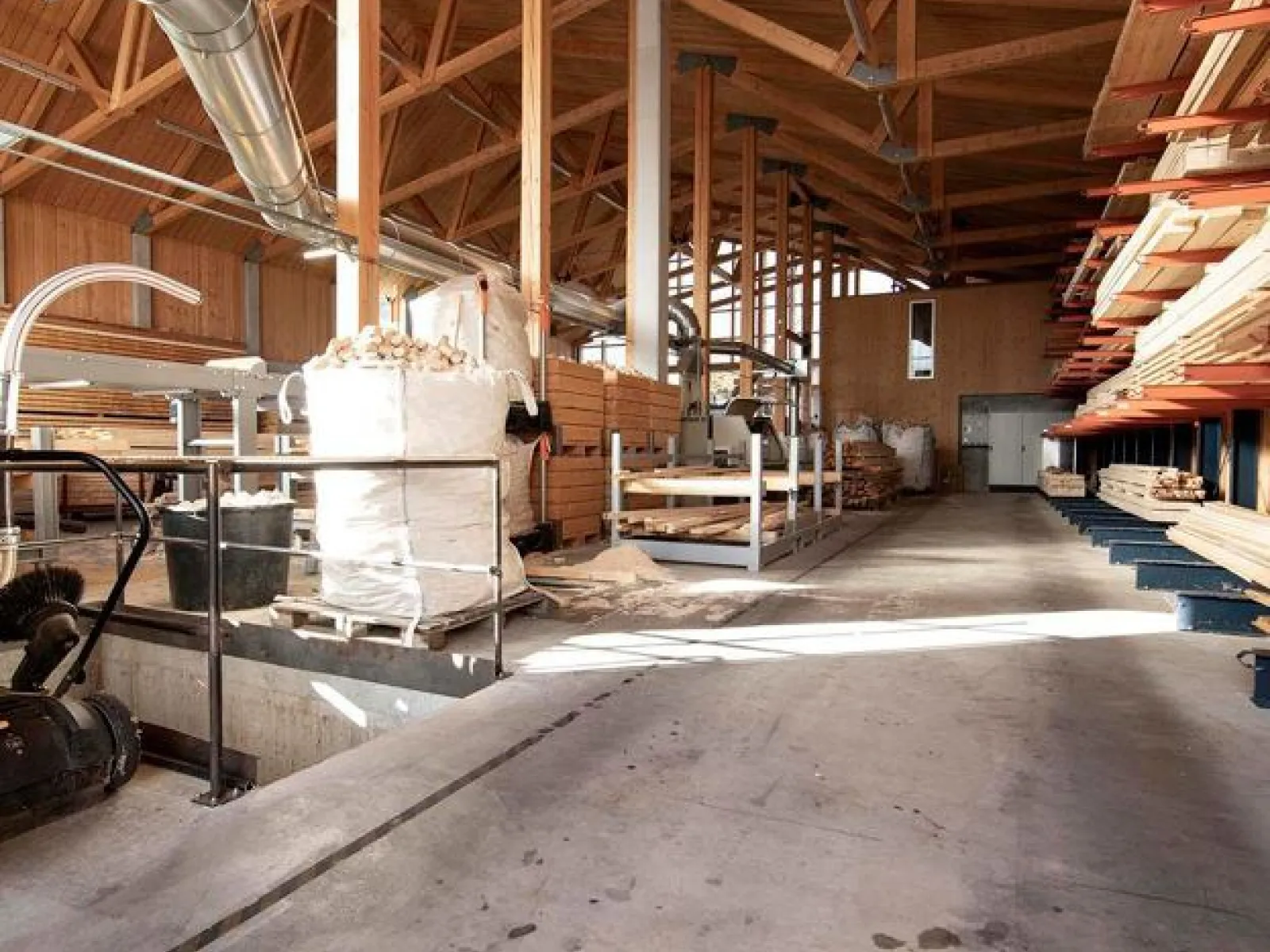
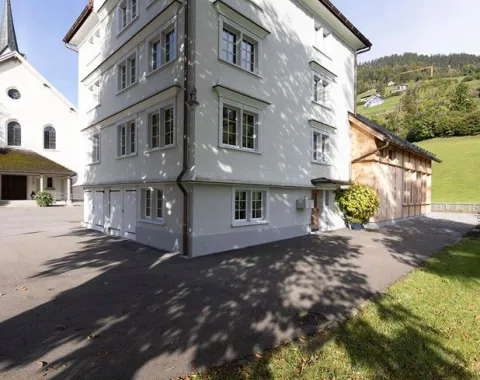
As architects working in the rural St. Gallen Rhine Valley, they have specialised in regional fringe issues: houses outside zoning areas, listed buildings, and construction using – primarily local – timber. Although there is significant building activity in their region, these topics often take a back seat to individual interests and financial return.


In contrast, they interpret architecture and its surroundings as a collective entity. When it comes to the necessary and qualitative densification of village contexts, they consider in-between spaces to be just as important as the buildings themselves. They aim to understand existing structures and preserve their inherent qualities. It is precisely these specific and precise responses that enable buildings to stand the test of time.


„Not everything that counts can be measured.“
– Eva Lässer & Michael Fenk


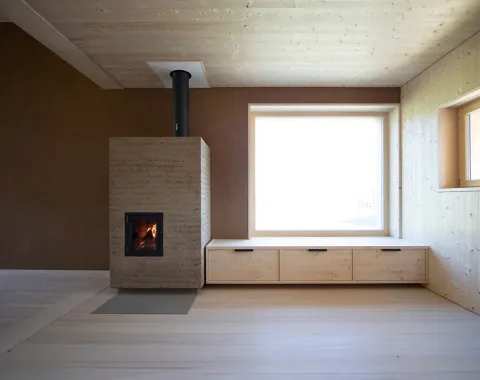
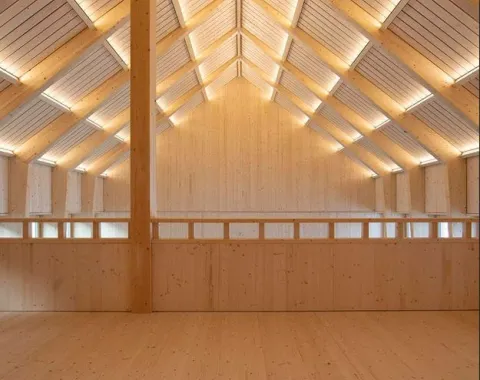
Achieving this requires not only architects like them, but also committed clients, sustainable materials, and skilled craftsmanship. EMM Architekten consciously pursue reduction – taking the time to weigh up needs, planning, and execution: quality over quantity. By using local and natural building materials – especially wood and clay – they aim to create liveable spaces and a pleasant indoor climate. At the same time, these materials have the capacity to evolve and age gracefully – the ideal basis for ensuring a building retains its value in the future.


Professional background at a glance


Michael Fenk
After completing an apprenticeship as a structural draughtsman along with a technical baccalaureate, he studied architecture at the University of Liechtenstein – alongside practical experience in an architectural office. This was followed by positions at Archraum in Altstätten, the founding of EMIL Fotografie in Hinterforst, and later the establishment of EMM Architekten. Today, he is part of the management team and contributes his expertise to three local heritage and planning commissions (Oberriet, Balgach, Thal).


Eva Lässer
After a commercial apprenticeship and a design-focused baccalaureate, she too went on to study architecture in Vaduz. Following a stay abroad in New Zealand and practical experience in offices such as bbarchitektur (Rorschach) and Archraum (Altstätten), she joined EMM Architekten and is now co-owner. In addition to her design work, she also serves on competition juries.


Their advice to current architecture students at the Liechtenstein School of Architecture


Michael Fenk:

„Get practical experience as early as possible – it helps with your studies and opens up new perspectives.“


Eva Lässer:

„Versatility pays off – those who think outside the box and bring a range of interests to the table not only broaden their horizons but also expand their career opportunities.“


Alumni-Porträt: Eva Lässer (BA 2013) and Michael Fenk (BA 2012)
Owners and Executive Management, EMM Architekten, Hinterforst (SG)


More information about the firm:
www.emm-architekten.ch


Photo Credit: EMM Architekten, EMIL Fotografie

Prof. Dr. Bernhard Burtscher wins the Banking Association Prize 2025 for his Habilitation Thesis

Prof. Dr. Bernhard Burtscher wins the Banking Association Prize 2025 for his Habilitation Thesis

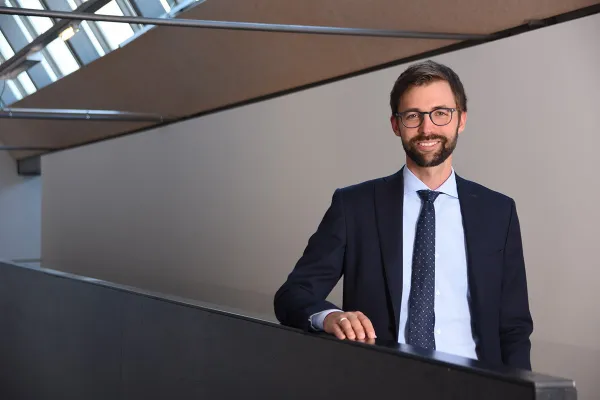
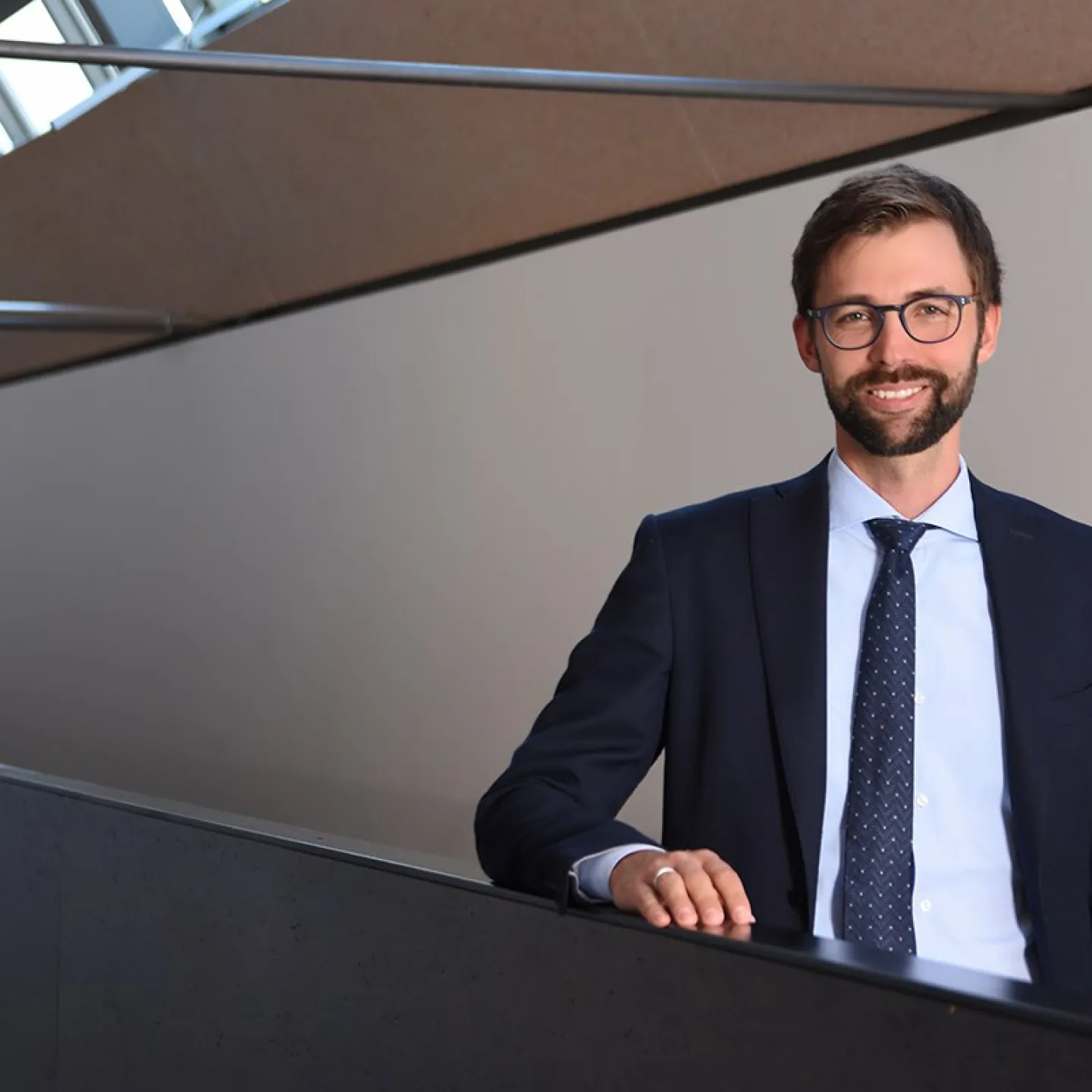
Ein Mann im Anzug steht lächelnd in einem modernen Gebäude mit schrägen Fenstern.

Prof. Dr. Bernhard Burtscher – Professor of Banking and Financial Market Law at the University of Liechtenstein – was awarded the Banking Association Prize 2025 (main prize).


The jury honored his habilitation thesis “Civil Law and Payment Transactions”, in which he comprehensively analyzes the interplay between the European Payment Services Directive PSD II and national civil law. Burtscher shows how European regulations can be harmonized with national legal requirements and highlights the effects on national dogmatics.


The jury described the work as a “genuine groundwork” that offers both theoretical and practical solutions for payment transactions. "On the other hand, it contains a wealth of important detailed results for banking law practice. The habilitation thesis is therefore highly significant," said Prof. Dr. Martin Winner, chairman of the jury.


The Banking Association Prize has been awarded since 1978 and is endowed with a total of 25,000 euros. With this award, Burtscher joins a long list of renowned prize winners and his work provides an important impetus for academic debate in banking law.

Ein Mann im Anzug steht lächelnd in einem modernen Gebäude mit schrägen Fenstern.

“Focus on Building” – Upcycling in the Spotlight of the Second Podcast Episode

“Focus on Building” – Upcycling in the Spotlight of the Second Podcast Episode

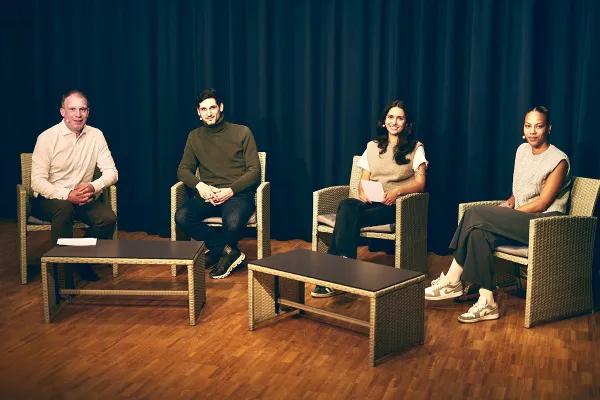
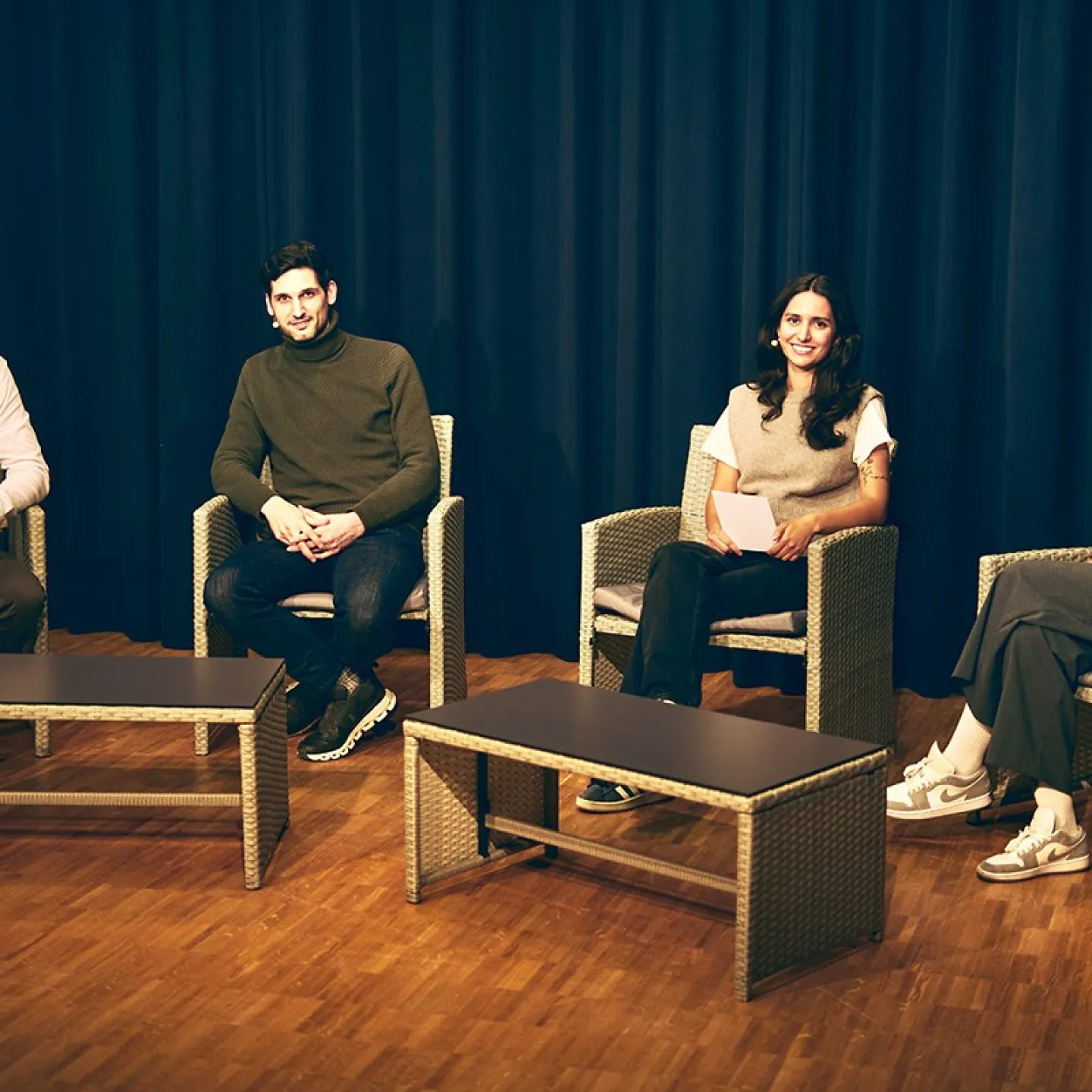
Vier Personen sitzen auf einer Bühne in Korbstühlen, vor einem dunklen Vorhang. Sie sind Teil einer Diskussionsrunde über Upcycling in der Architektur an der Universität Liechtenstein.

The second episode of the video podcast “Focus on Building” by Campus Radio at the University of Liechtenstein explores one of the most relevant topics in the construction industry today: upcycling in architecture. At its core lies the question of how existing materials and structures can be reimagined as resources—in terms of design, construction, and societal impact.


Prof. Dr. Daniel Stockhammer, Professor of Building Heritage and Circular Construction at the University of Liechtenstein and editor of the book “Upcycling: Reuse and Repurposing as a Design Principle in Architecture,” joins architecture students Stacey and Lorin to discuss design strategies, cultural responsibility, and international developments surrounding reuse in construction. The conversation takes place as part of the elective course Campus Radio.


“Upcycling challenges us not only to rethink architectural design, but also to approach existing resources with respect and creativity,” emphasizes host Andreas Krättli, lecturer at Campus Radio at the University of Liechtenstein.


The episode is now available on www.podcasthus.li, YouTube, Spotify, Apple Podcasts, SoundCloud, and via livestream at www.campusradio.li, as well as on the official channels of the University of Liechtenstein.

Vier Personen sitzen auf einer Bühne in Korbstühlen, vor einem dunklen Vorhang. Sie sind Teil einer Diskussionsrunde über Upcycling in der Architektur an der Universität Liechtenstein.

LSA Summer Festival and Alumni Reunion 2025

LSA Summer Festival and Alumni Reunion 2025

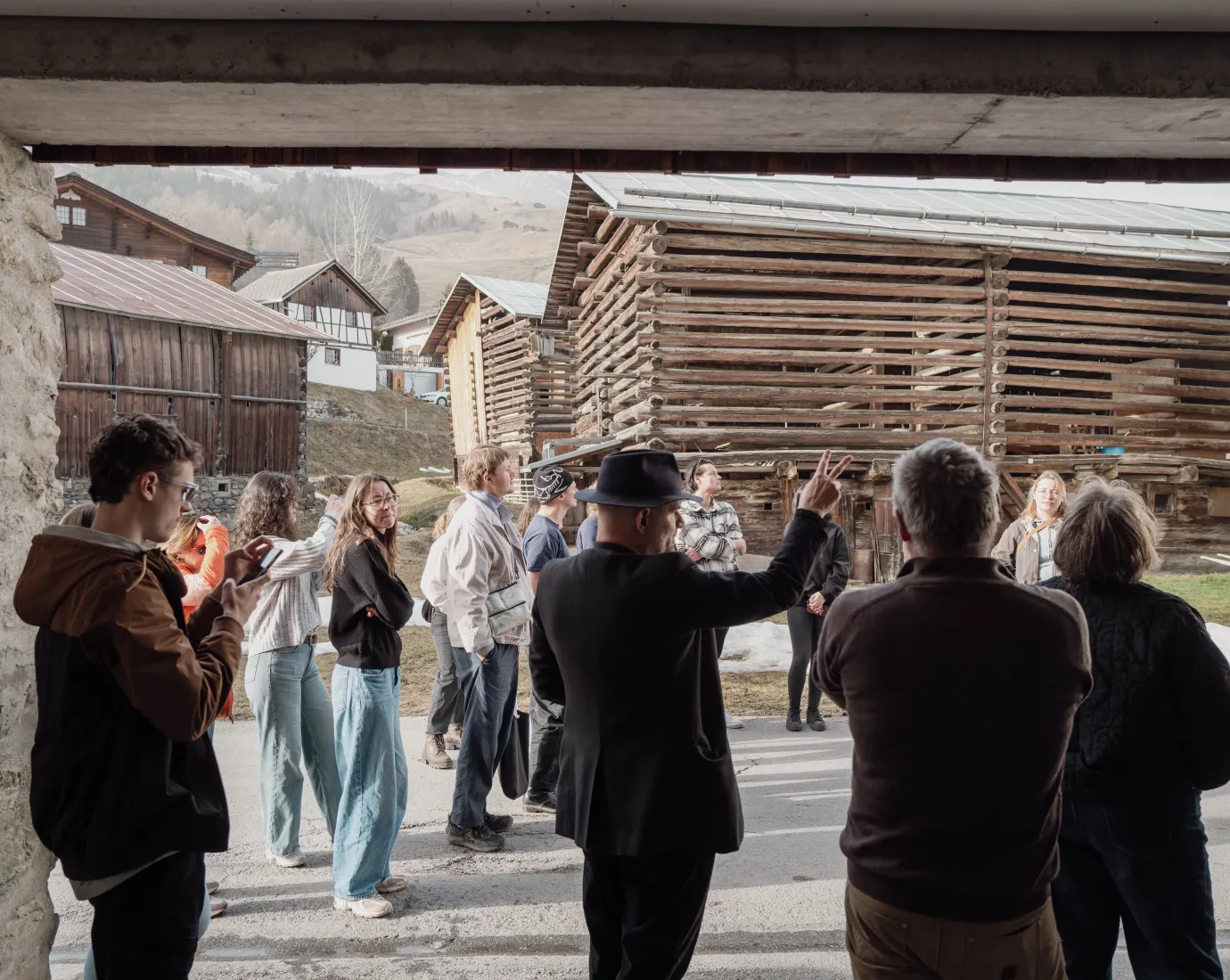
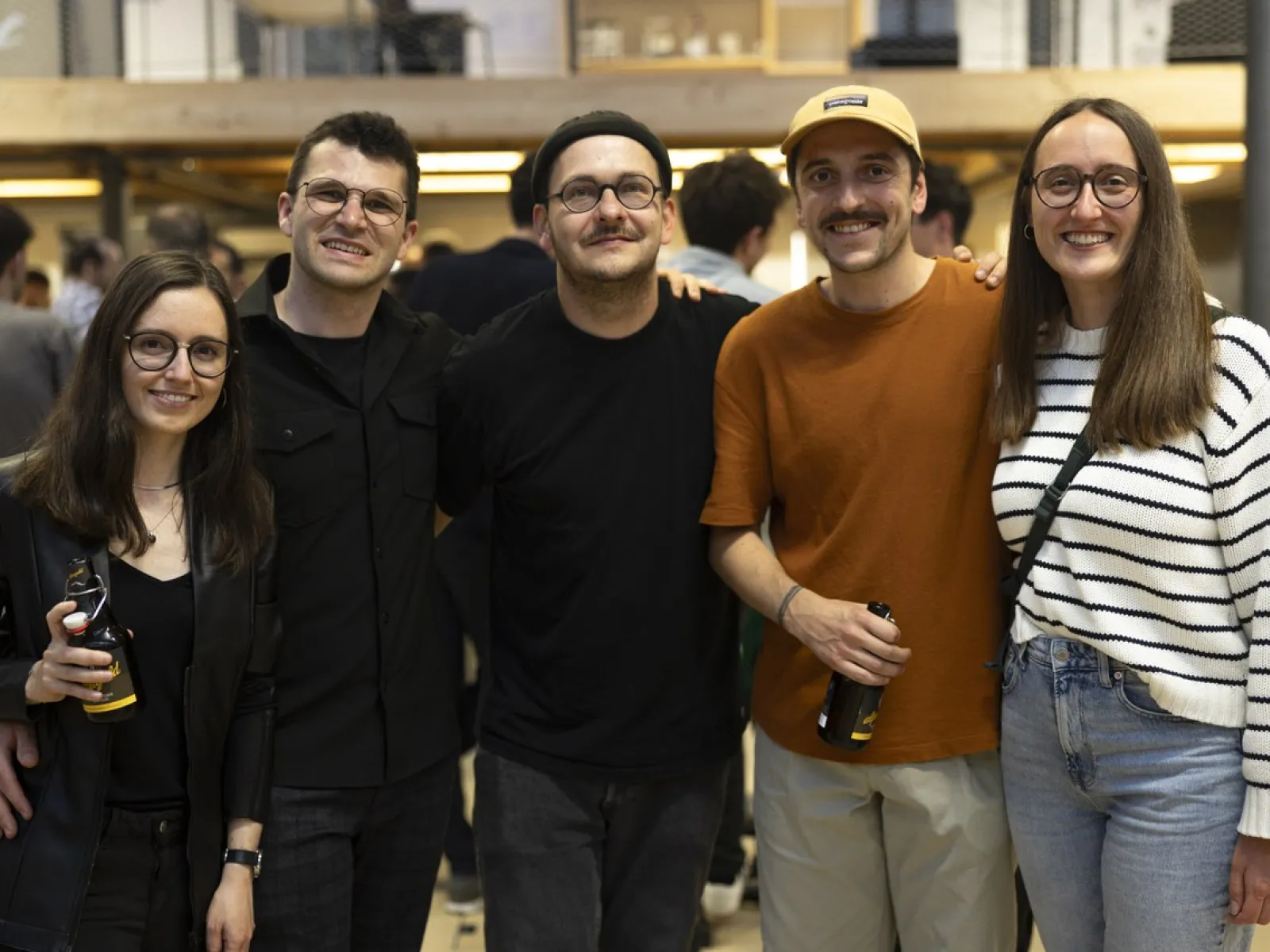
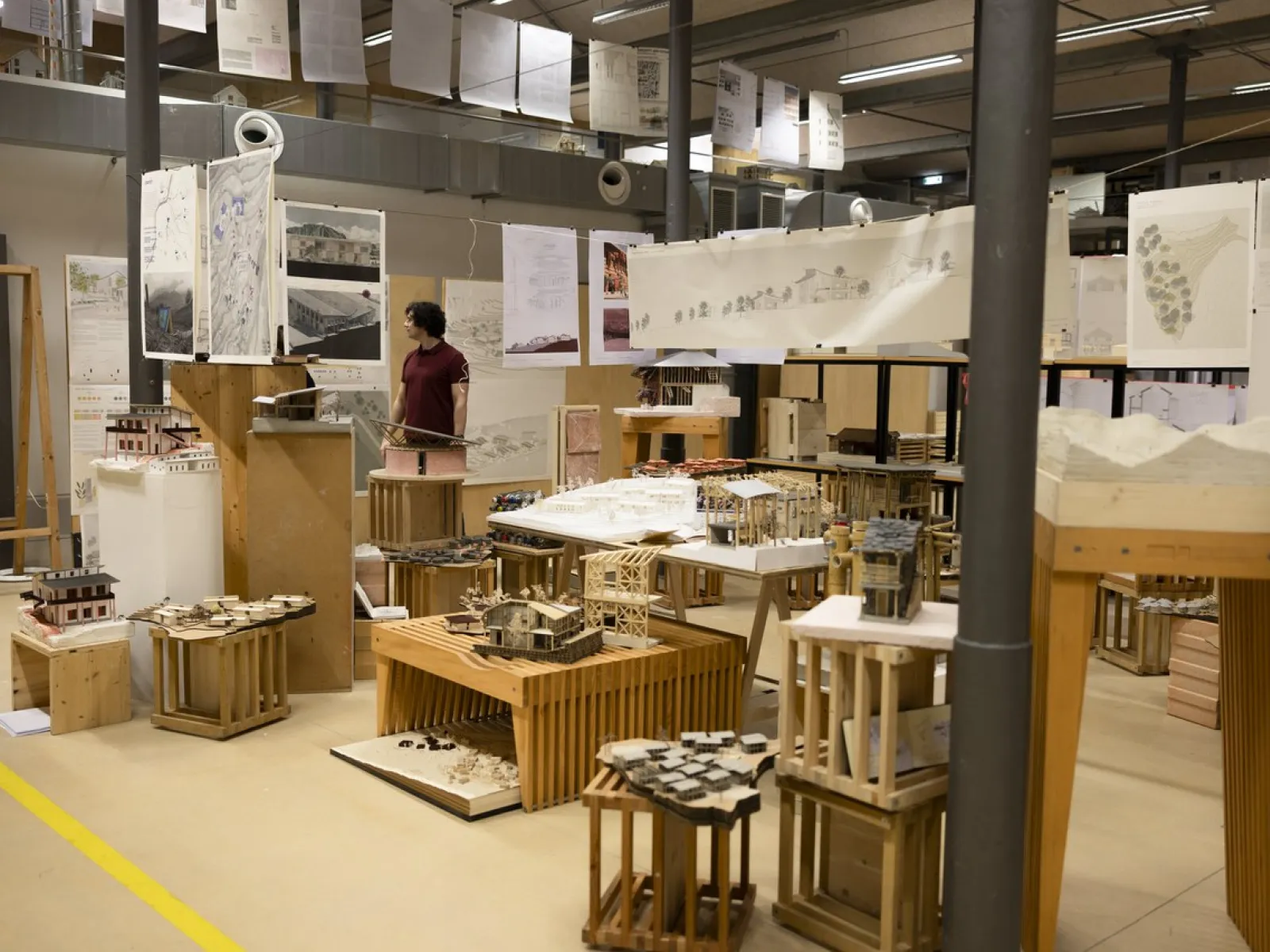
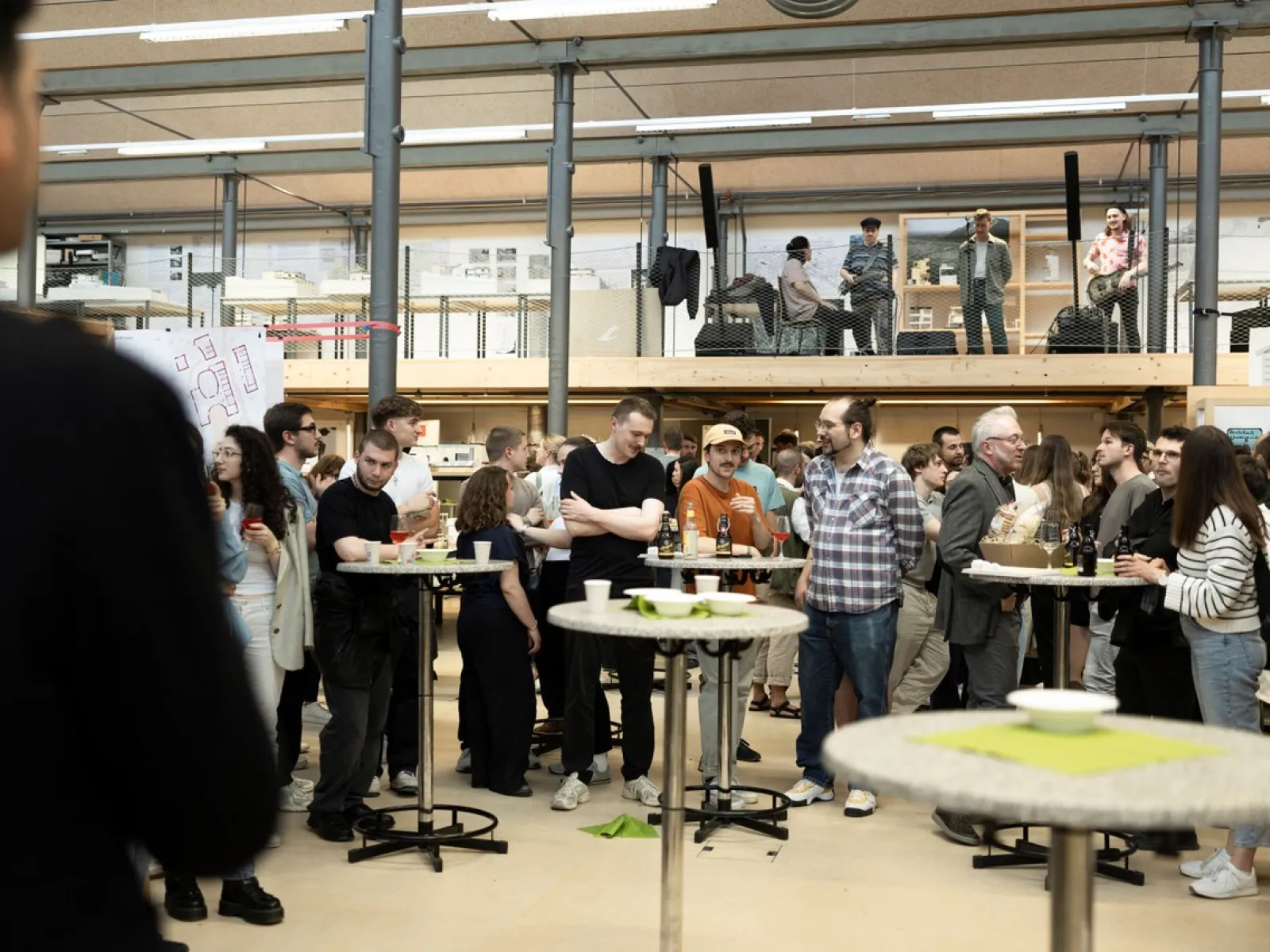
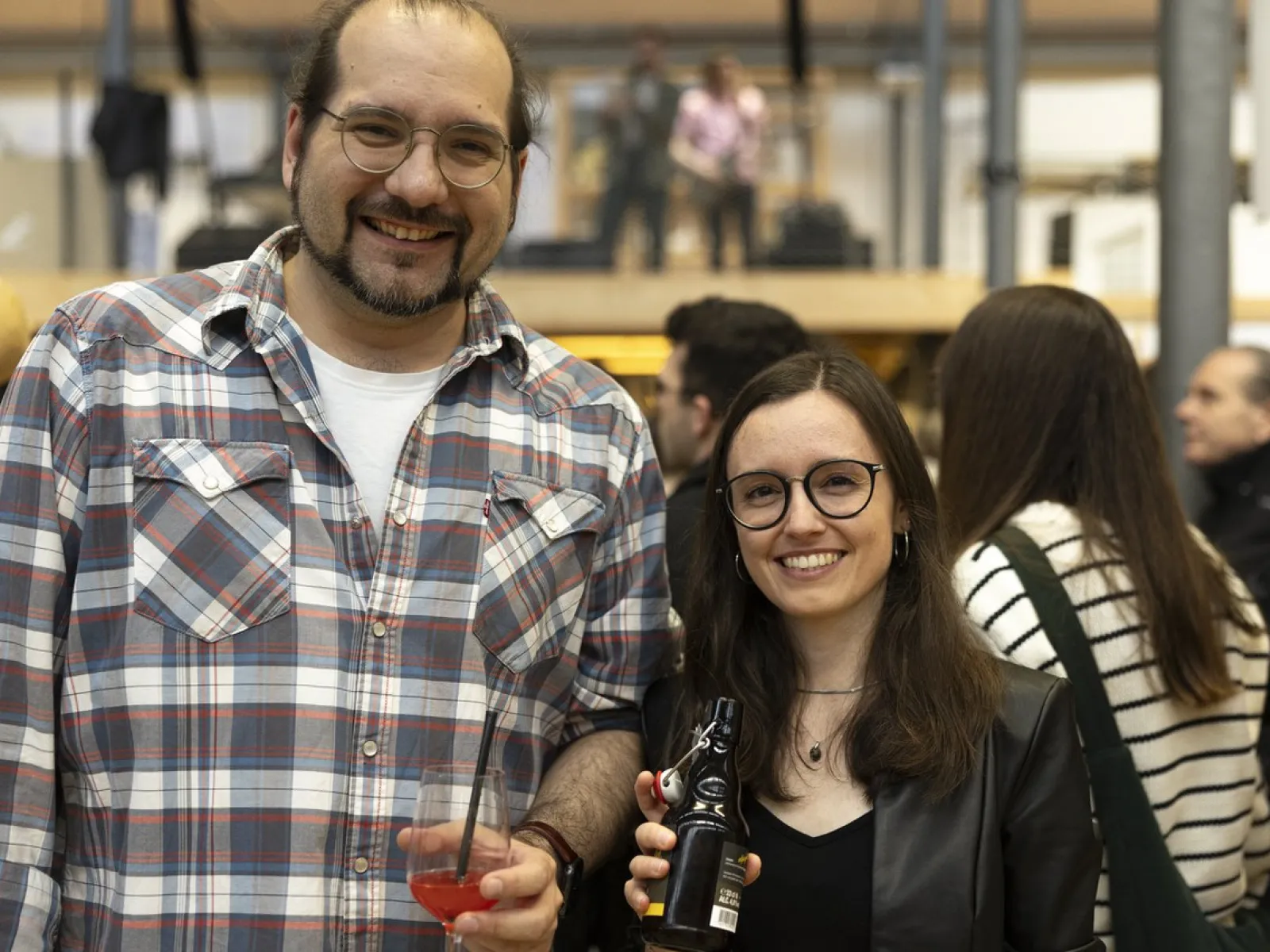
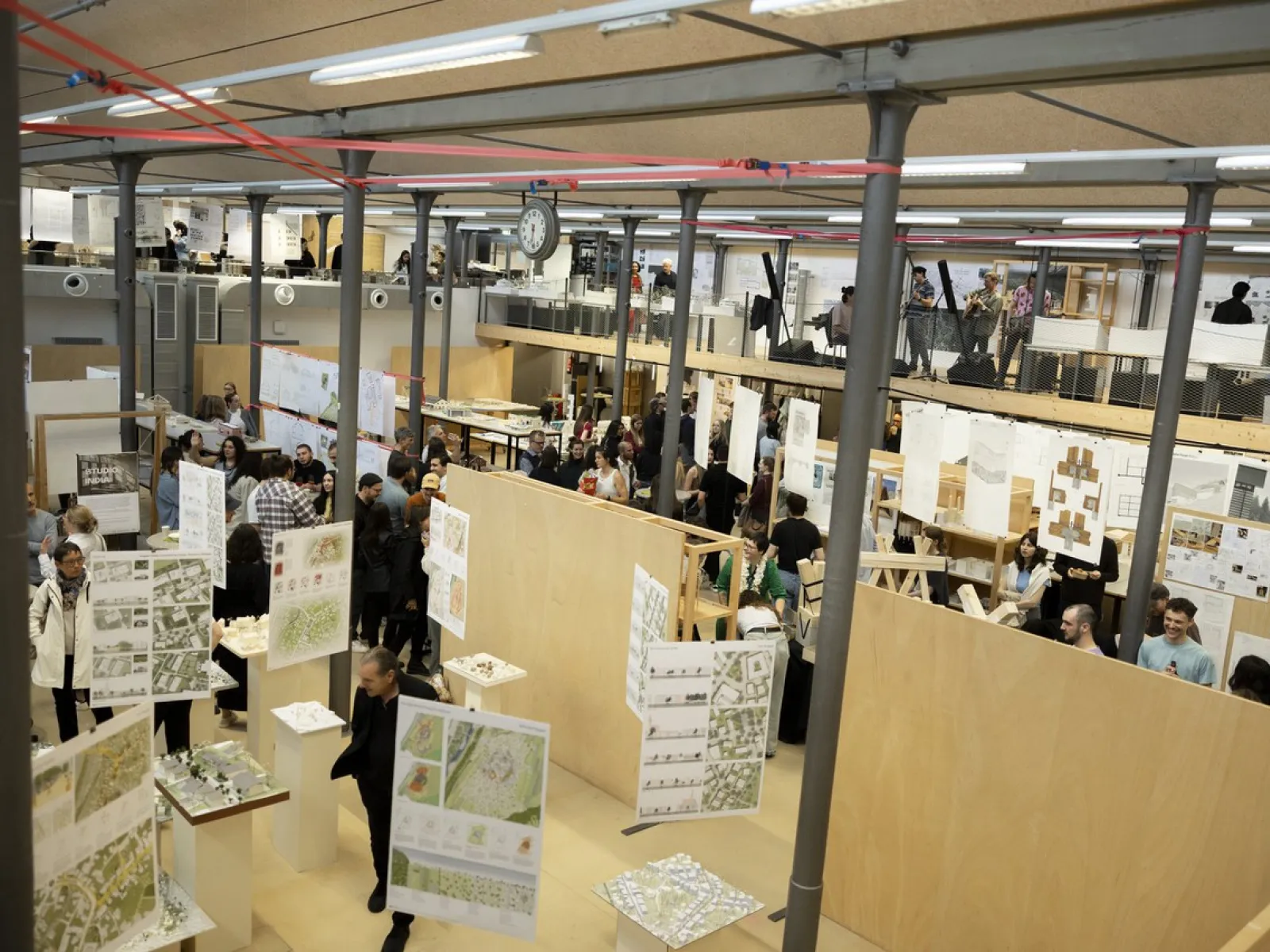
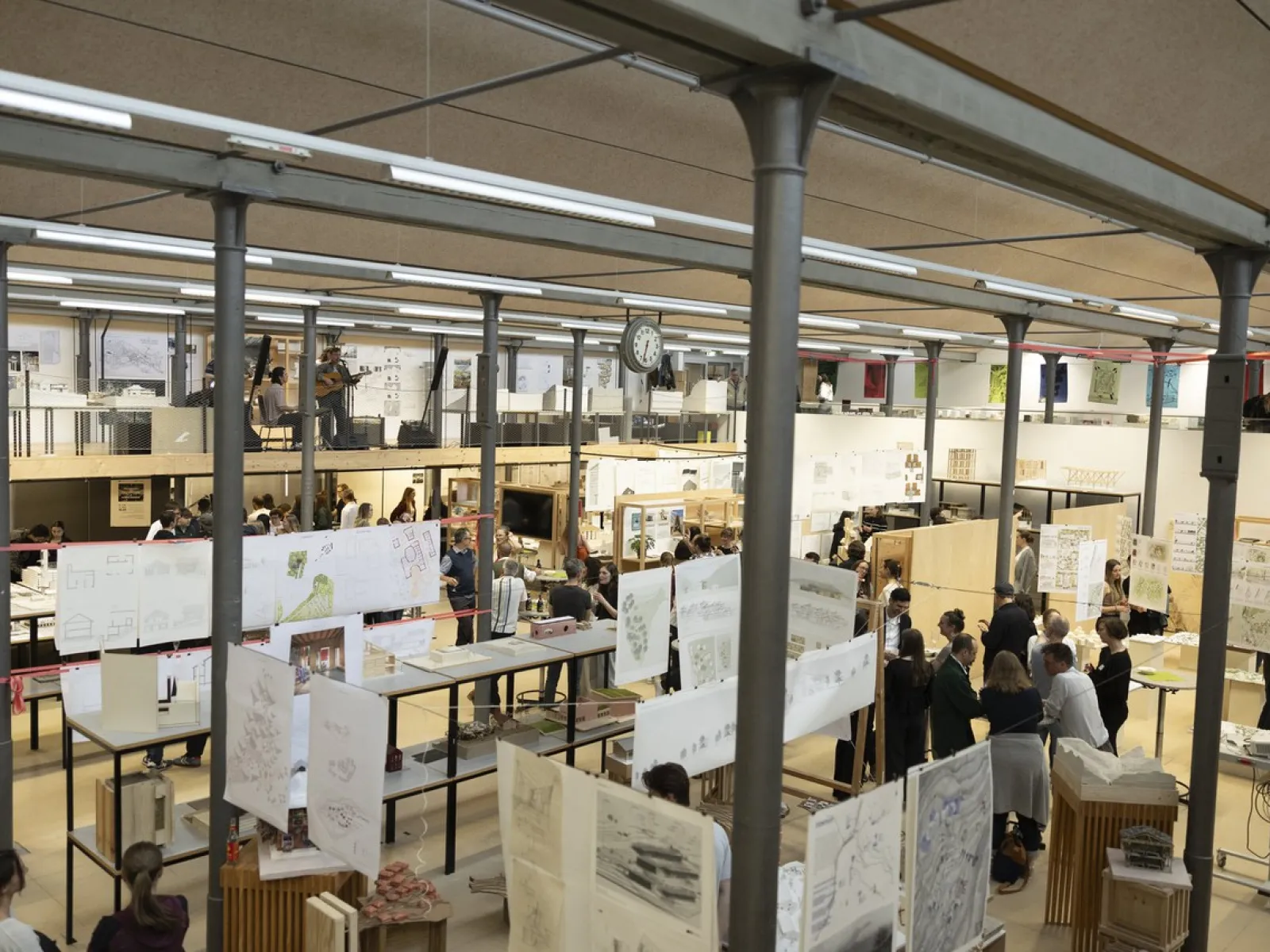
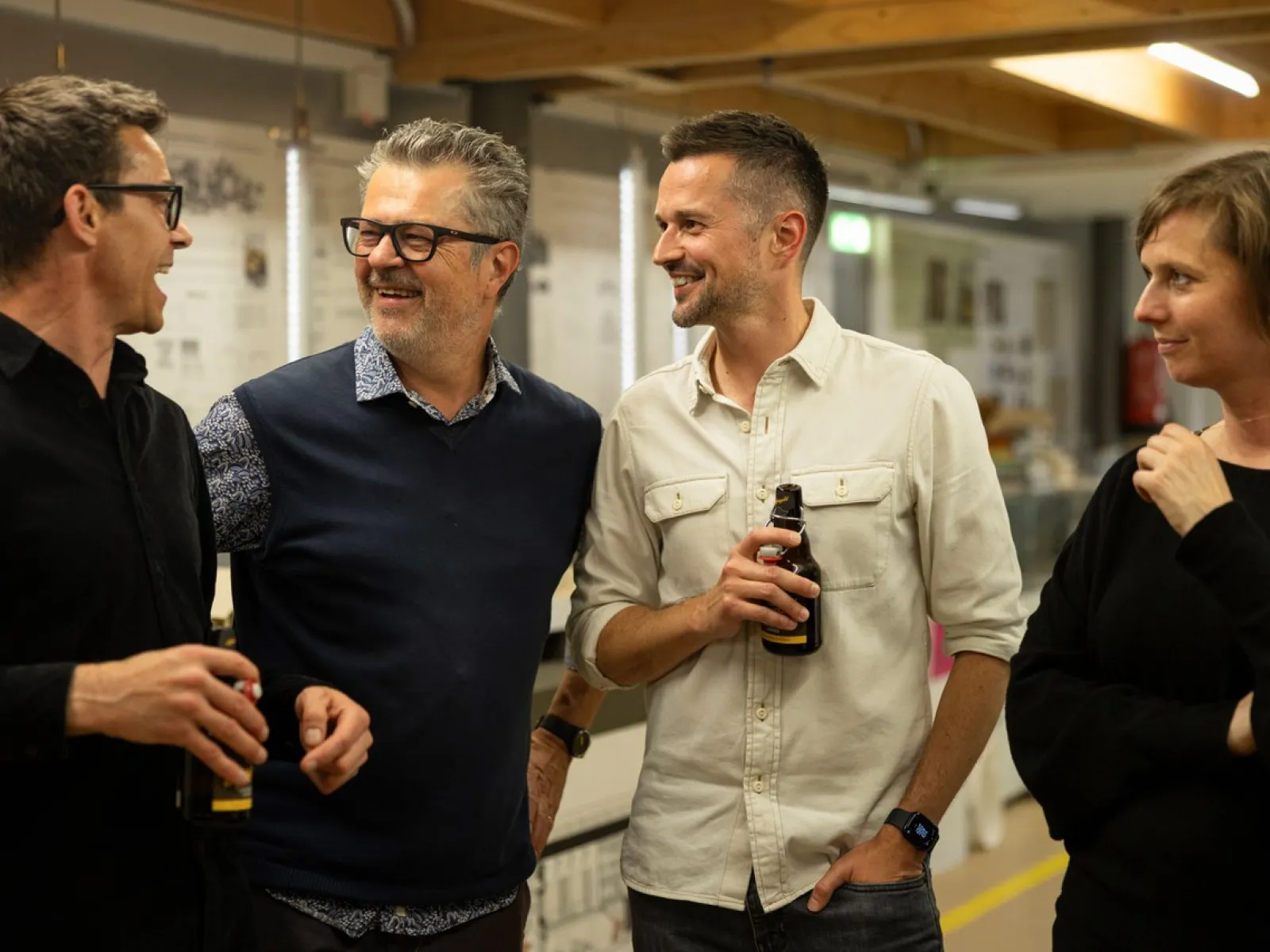
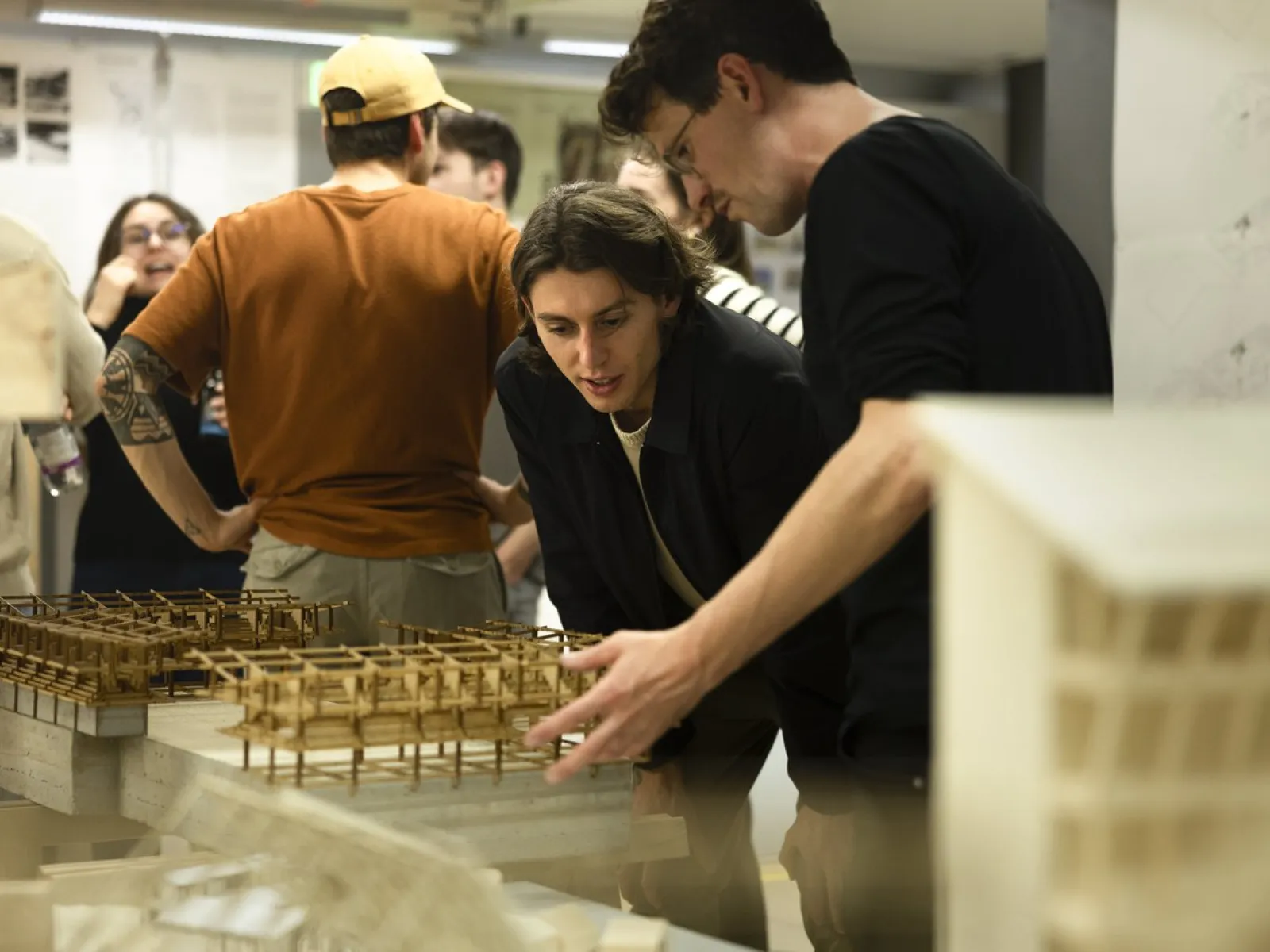
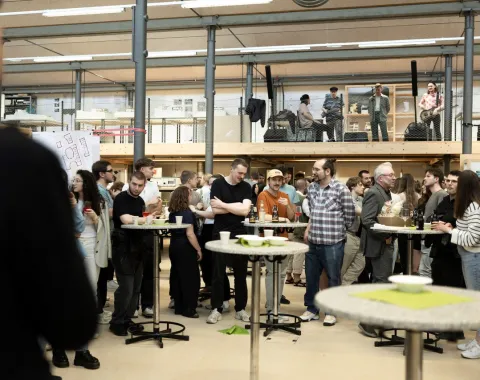
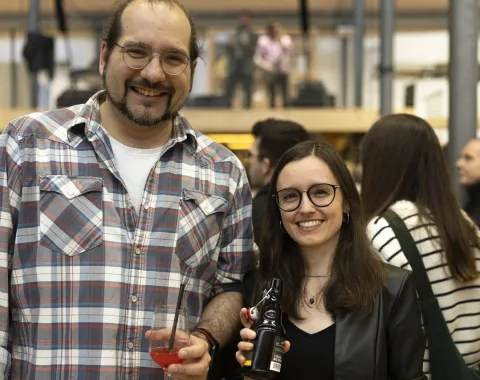
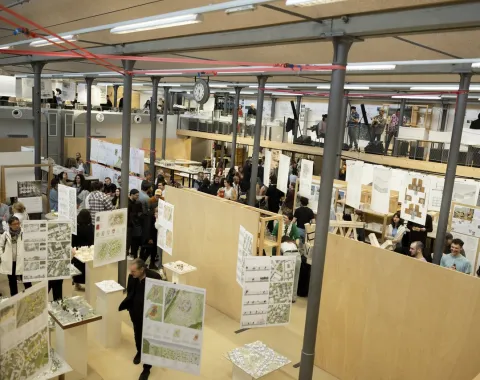
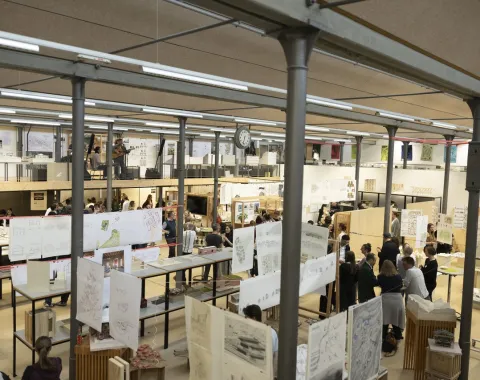
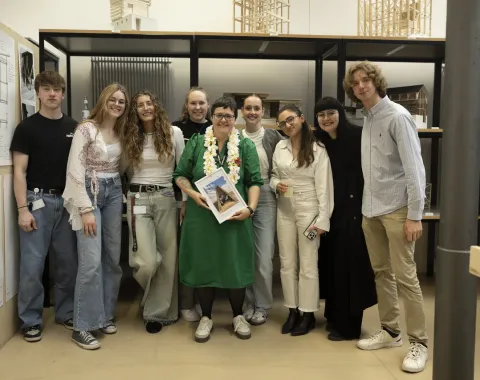
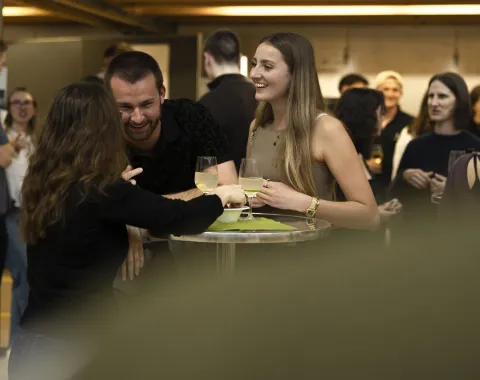
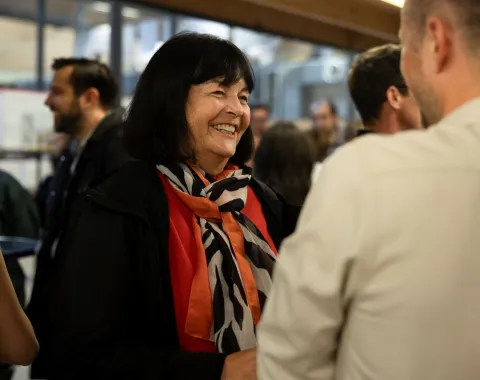
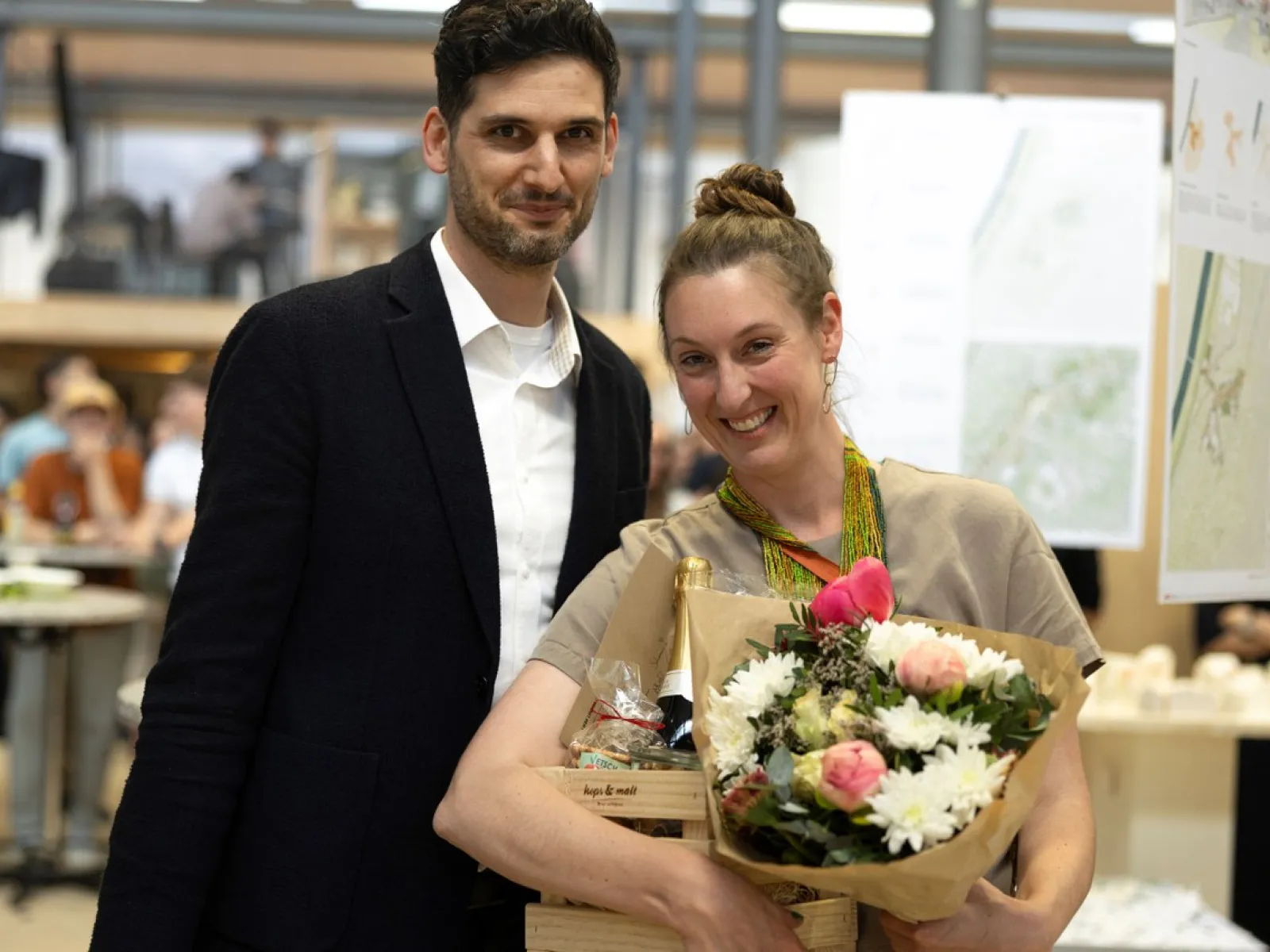
On Wednesday, 28 May 2025, the Liechtenstein School of Architecture (LSA), together with Alumni Relations and the Spinnerei, invited guests to the LSA Summer Festival and Alumni Reunion. Despite heavy rain, around 150 attendees, including approximately 30 alumni, numerous students, family members, and architecture enthusiasts, gathered on the University of Liechtenstein campus. They were rewarded with a diverse programme, inspiring conversations, and a great atmosphere.


Excursion: Experiencing Circular Construction Firsthand


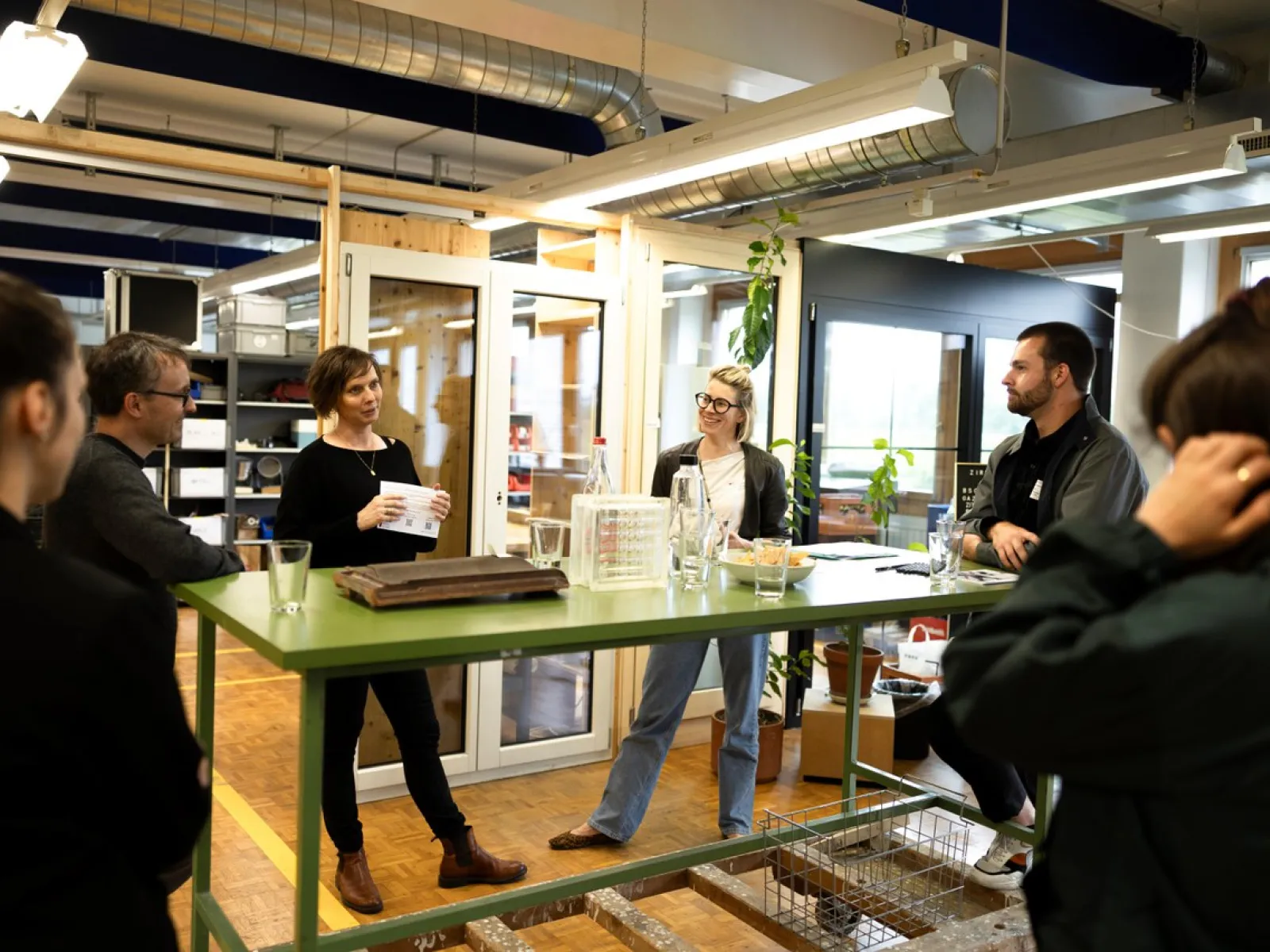
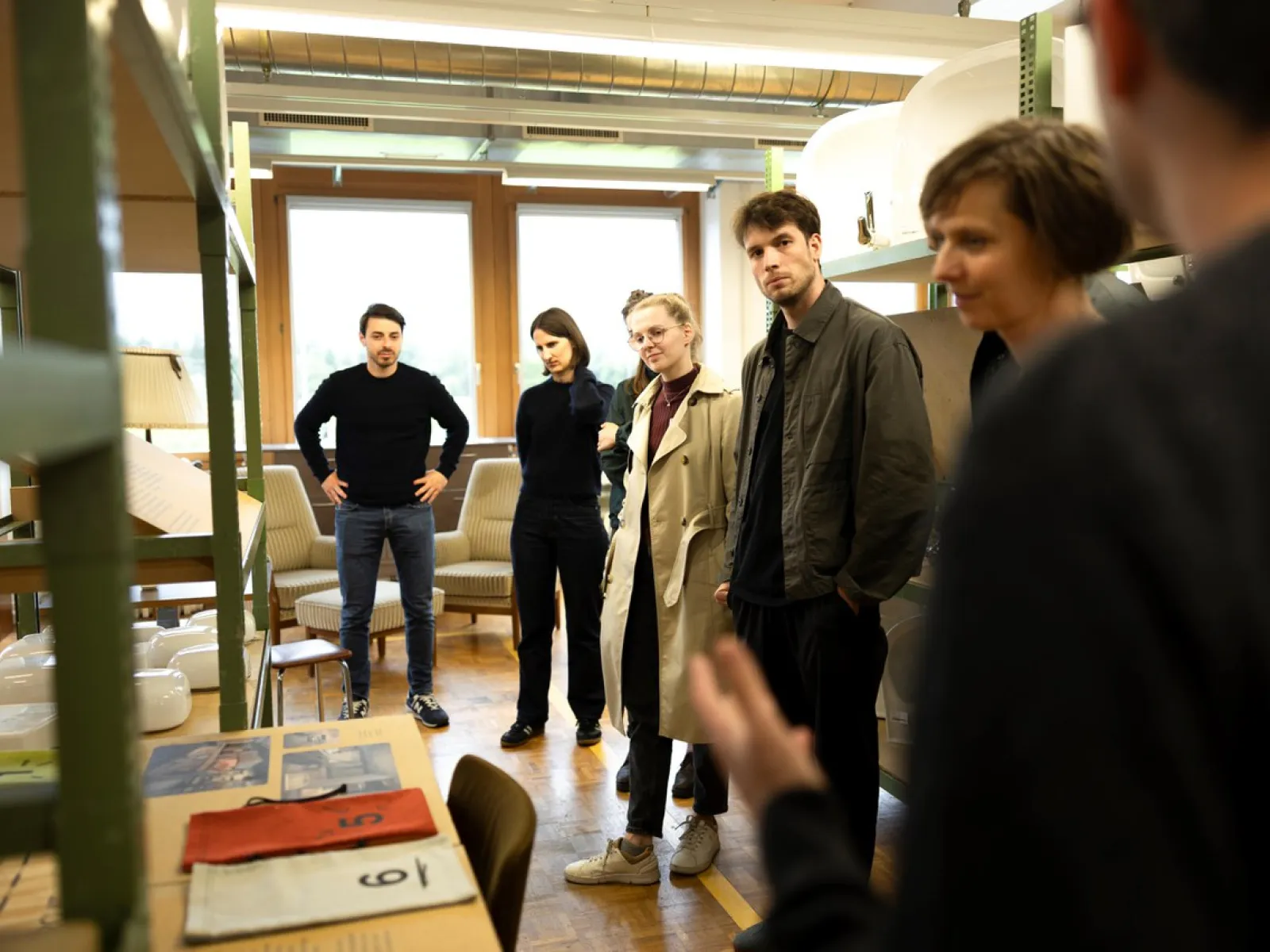
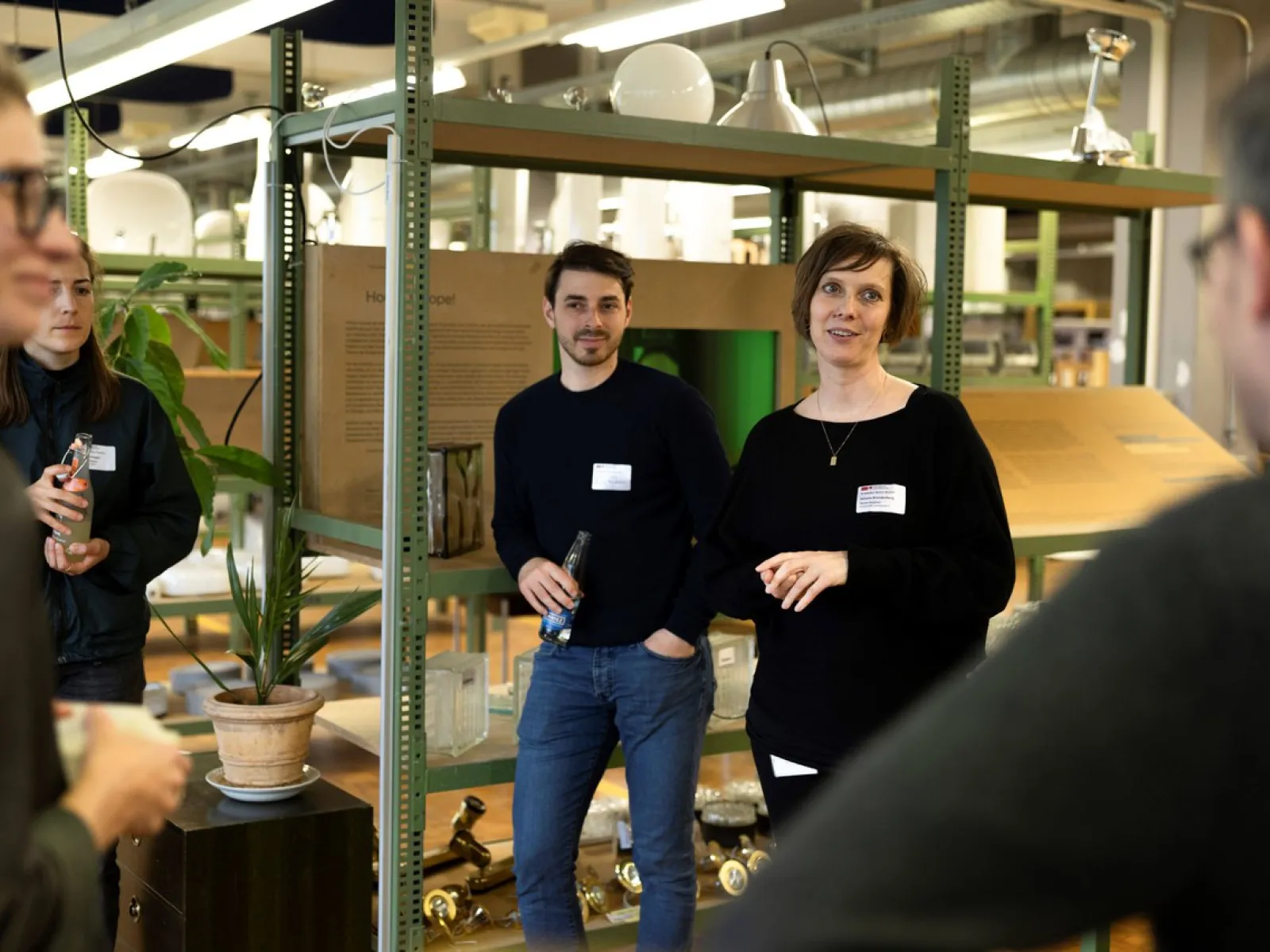
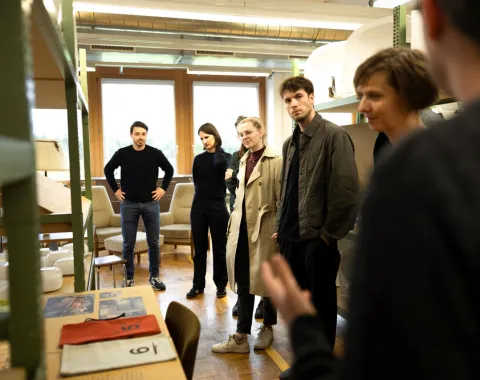
The afternoon began at 4:00 p.m. with an alumni excursion to the ZirkuLIE component reuse warehouse in Triesen. There, Dr. Clarissa Rhomberg, an alumna of the university, and Clemens Quirin from vai Vorarlberg guided participants through the project. Despite the rainy weather, the excursion provided exciting insights into the future of circular construction in Liechtenstein.


Exhibition Opening and Award Ceremony


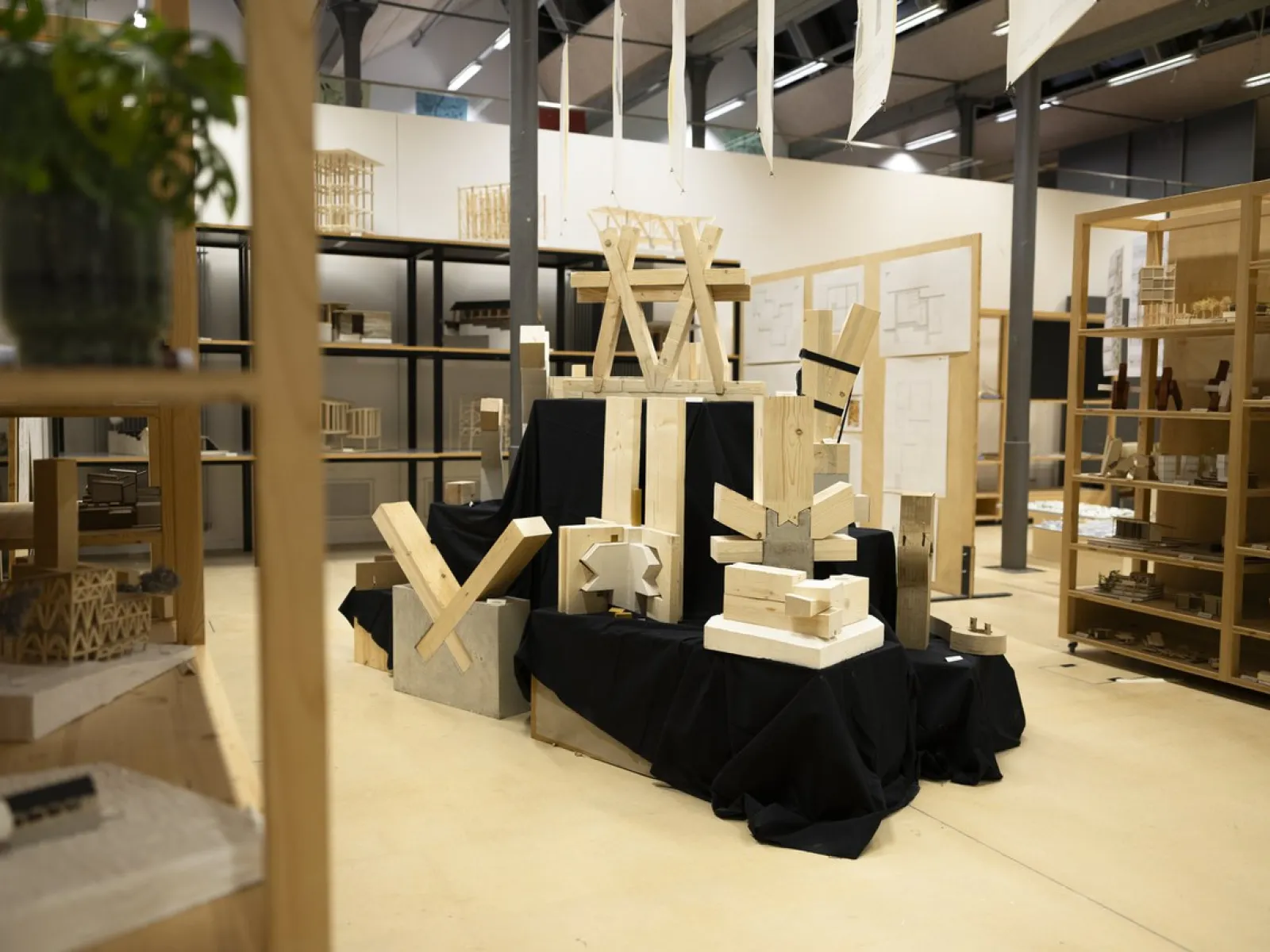
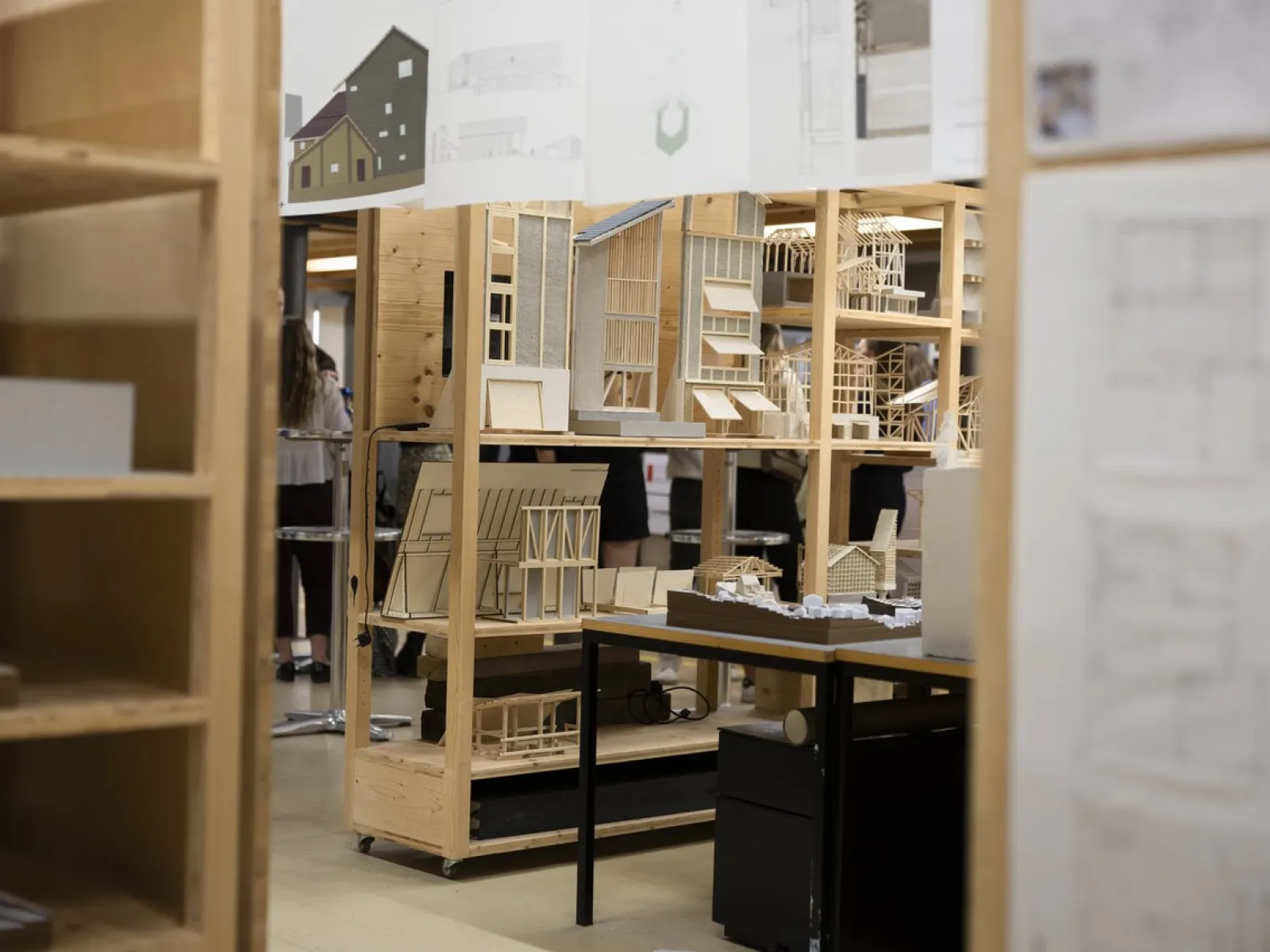
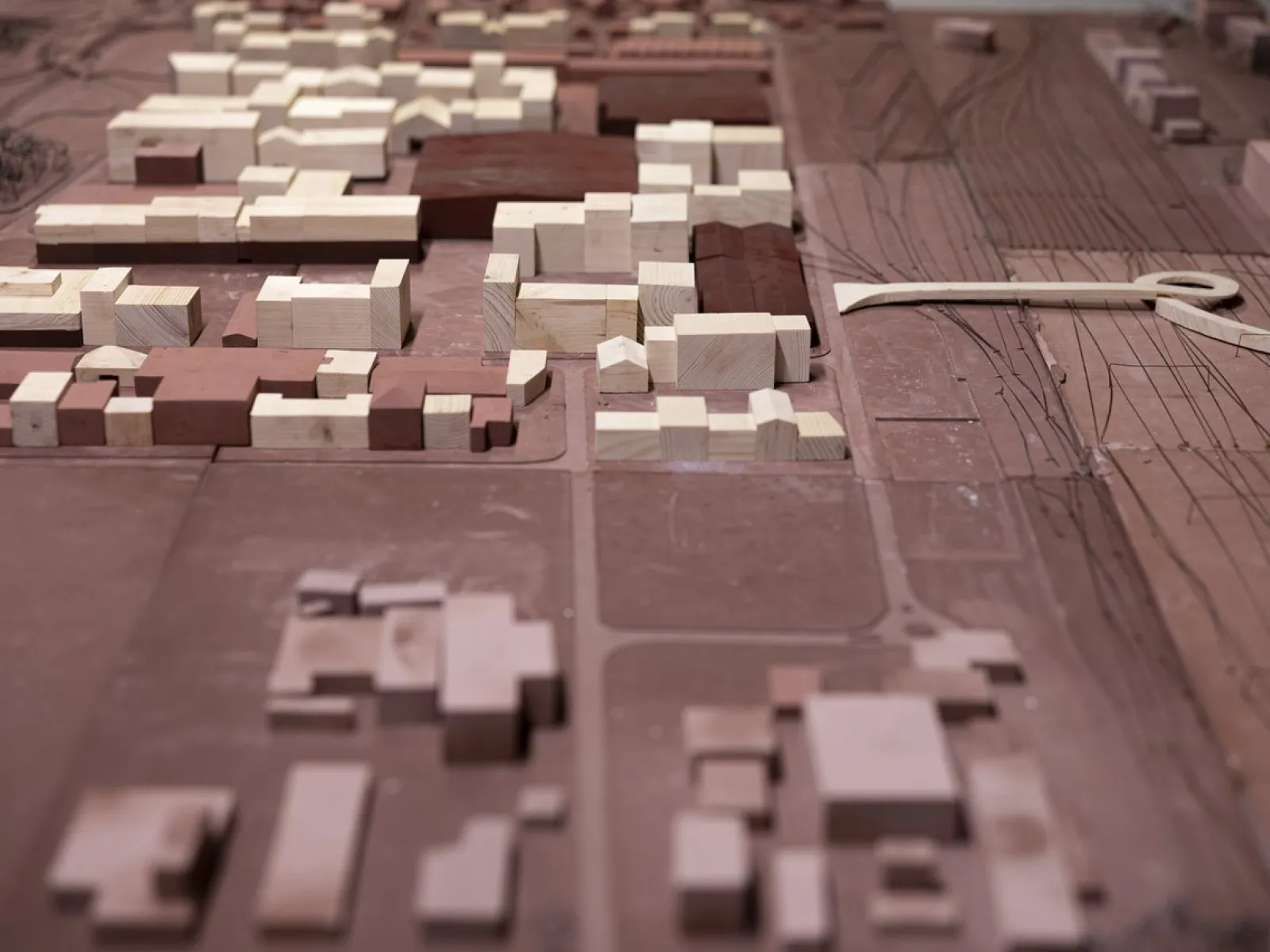
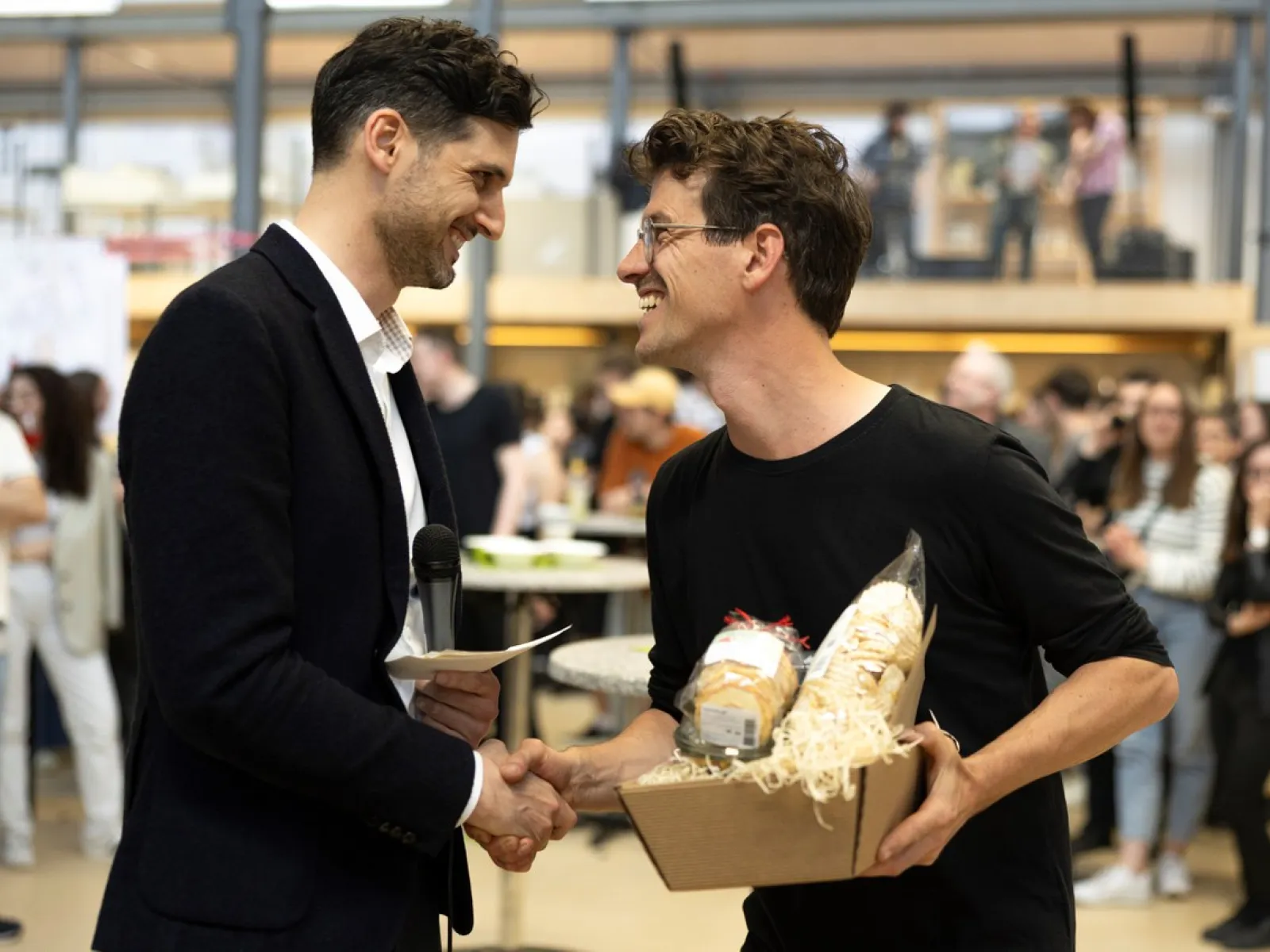
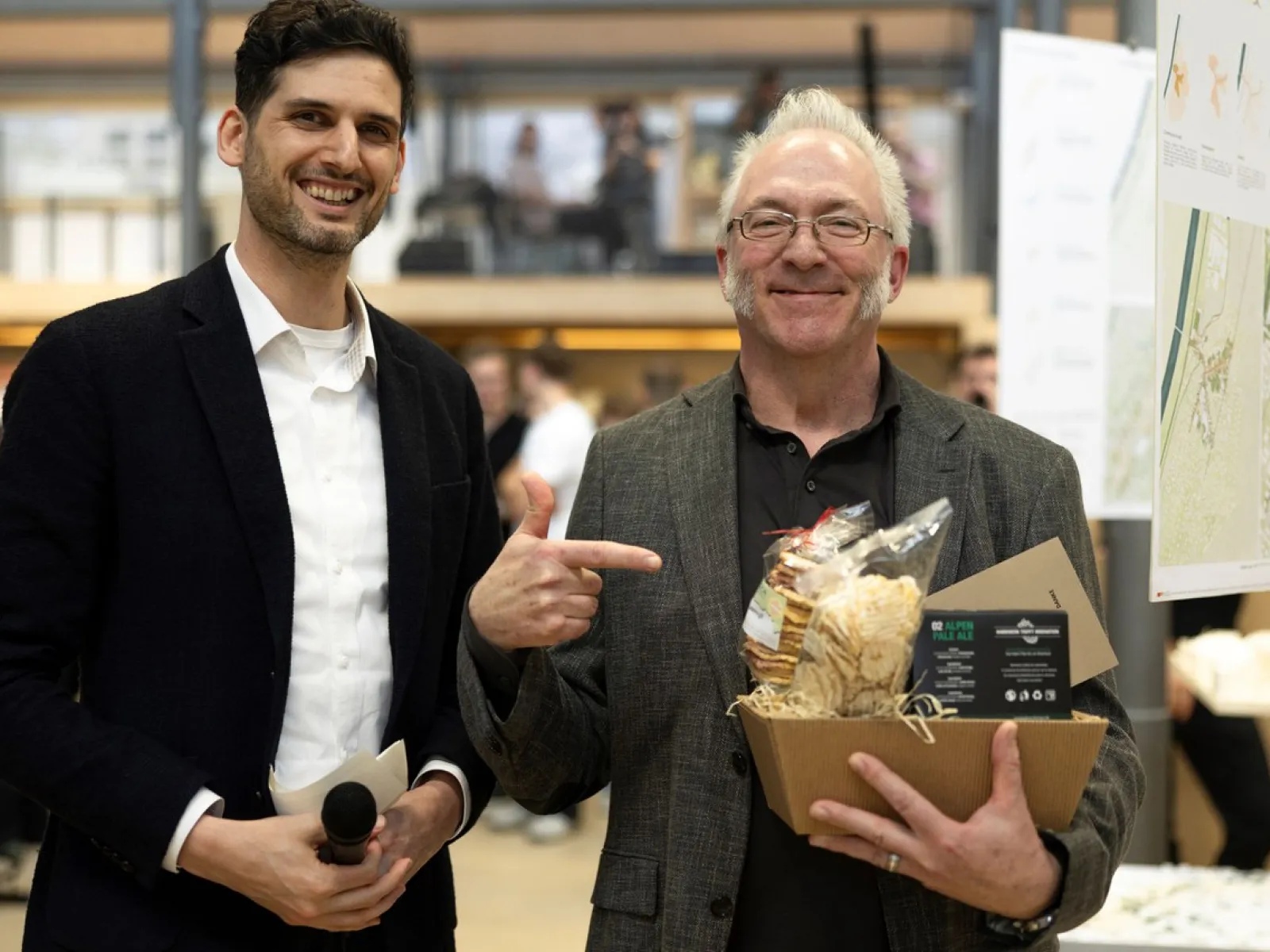
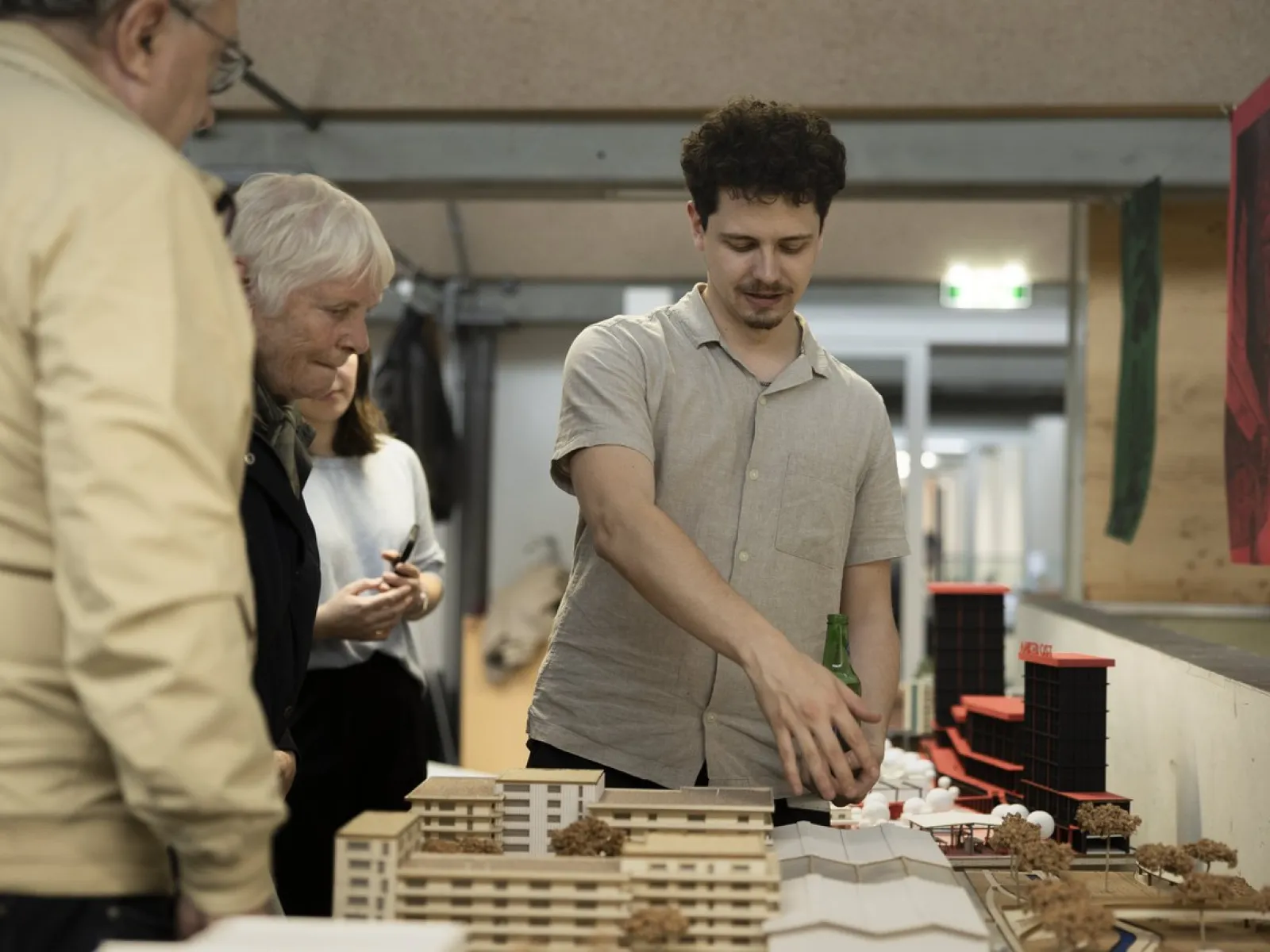
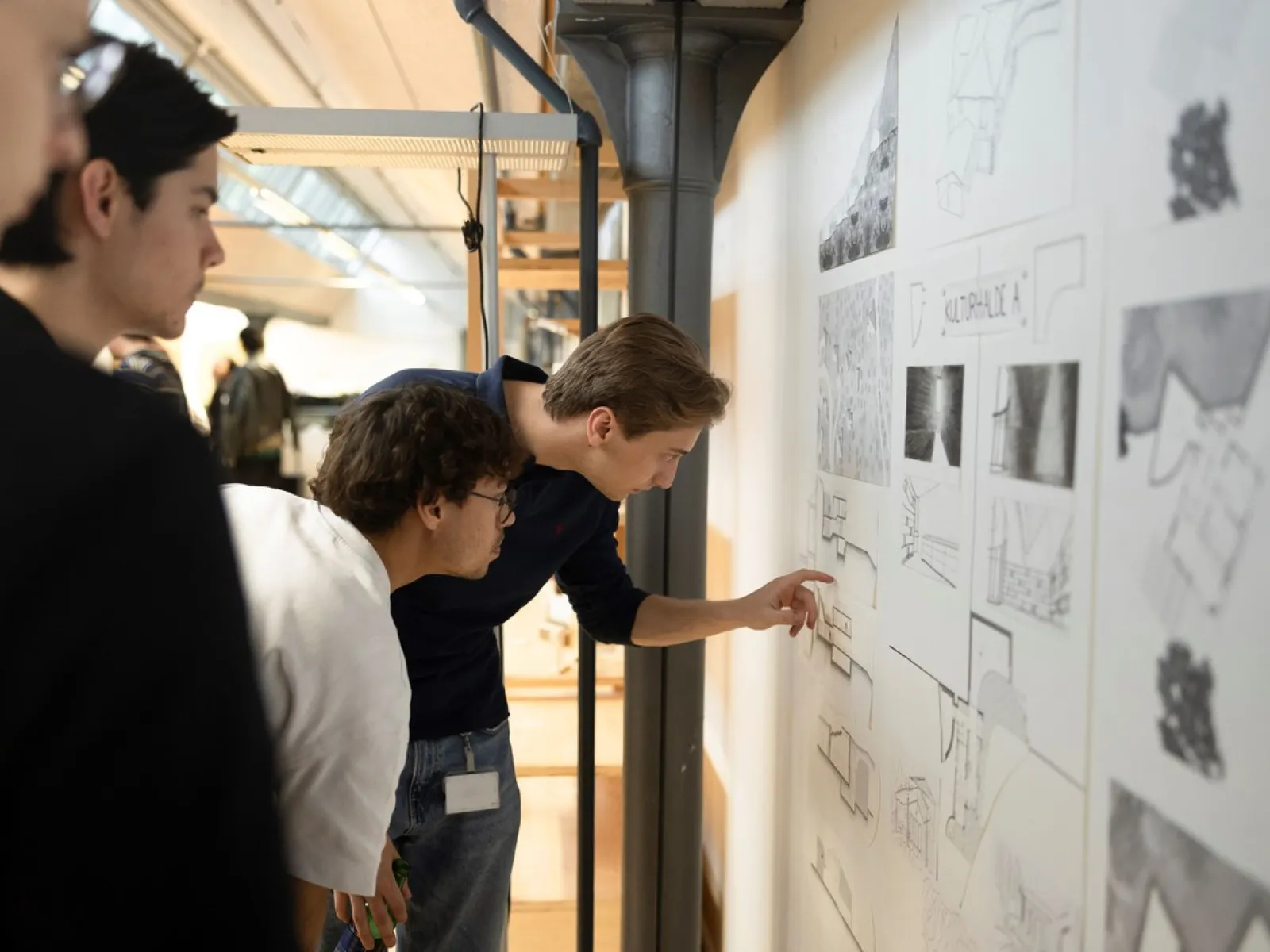
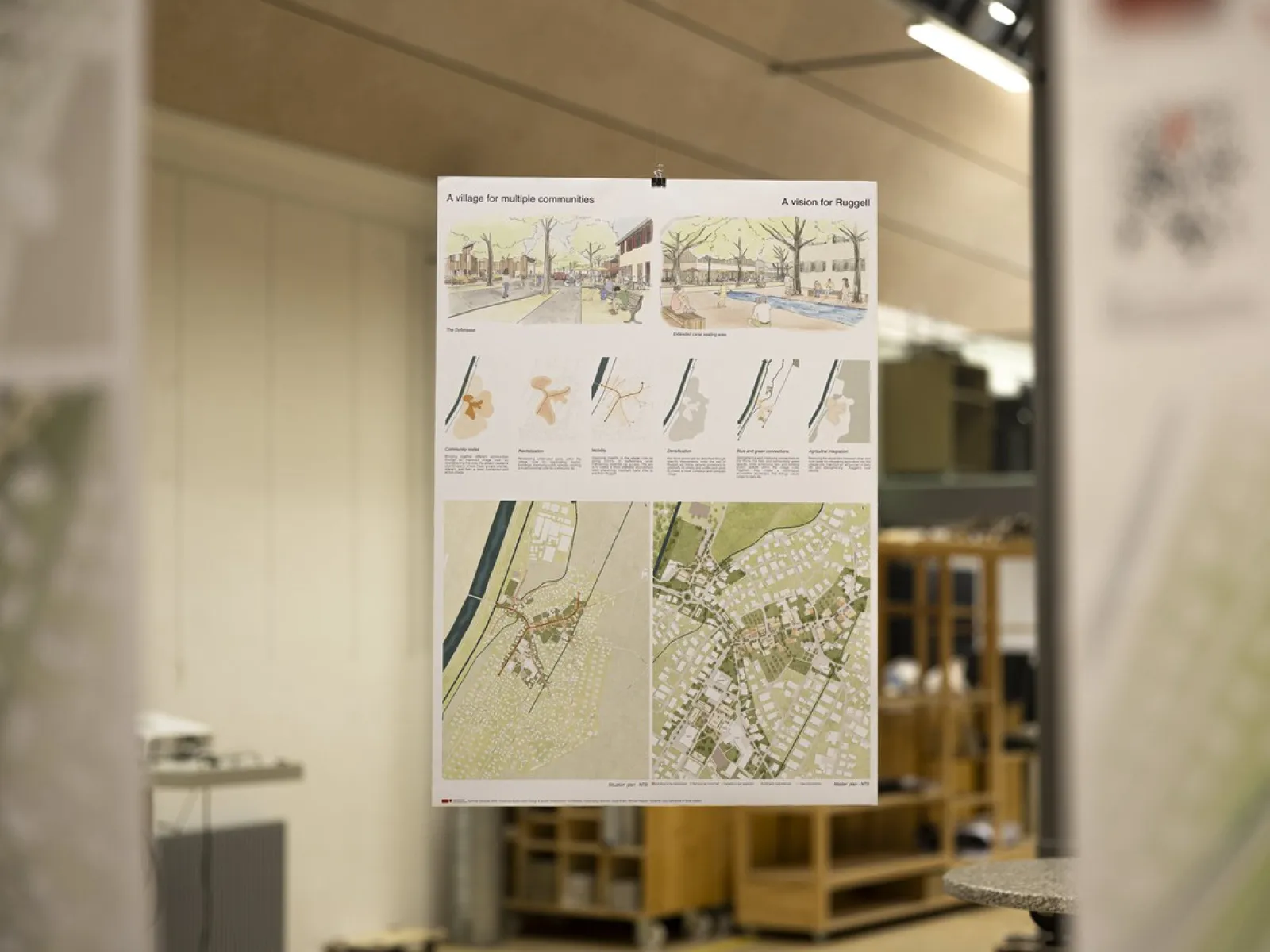
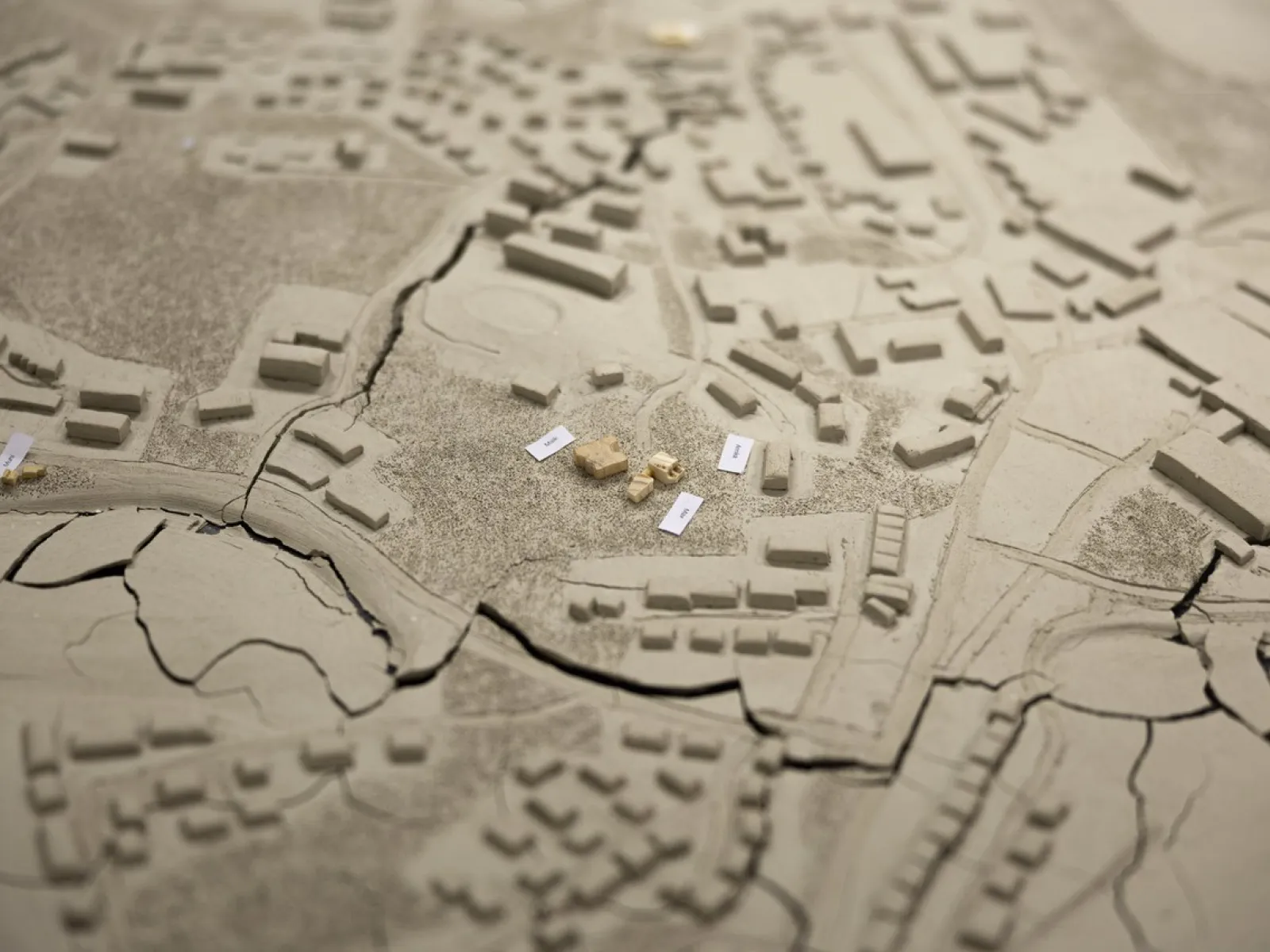
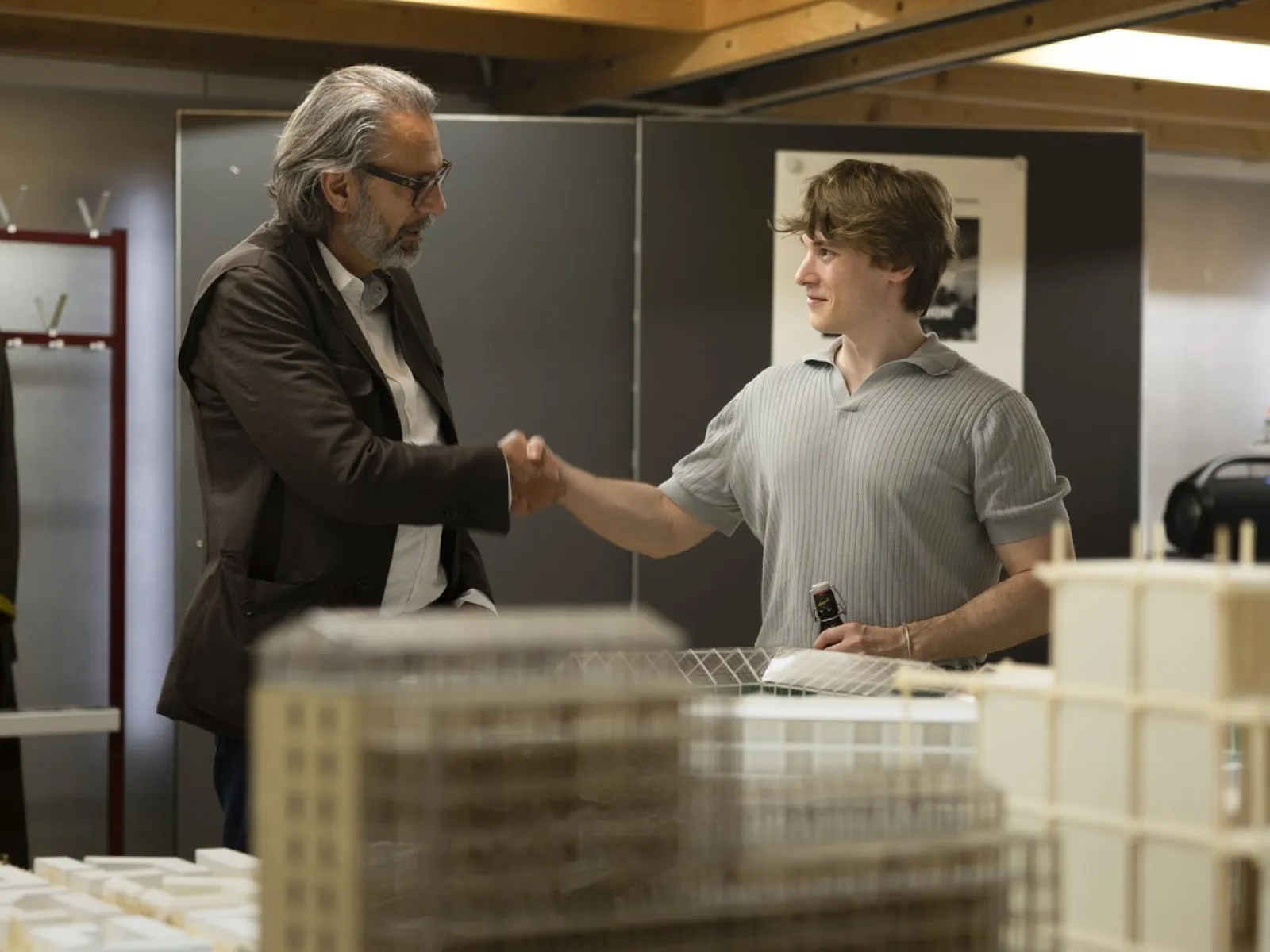
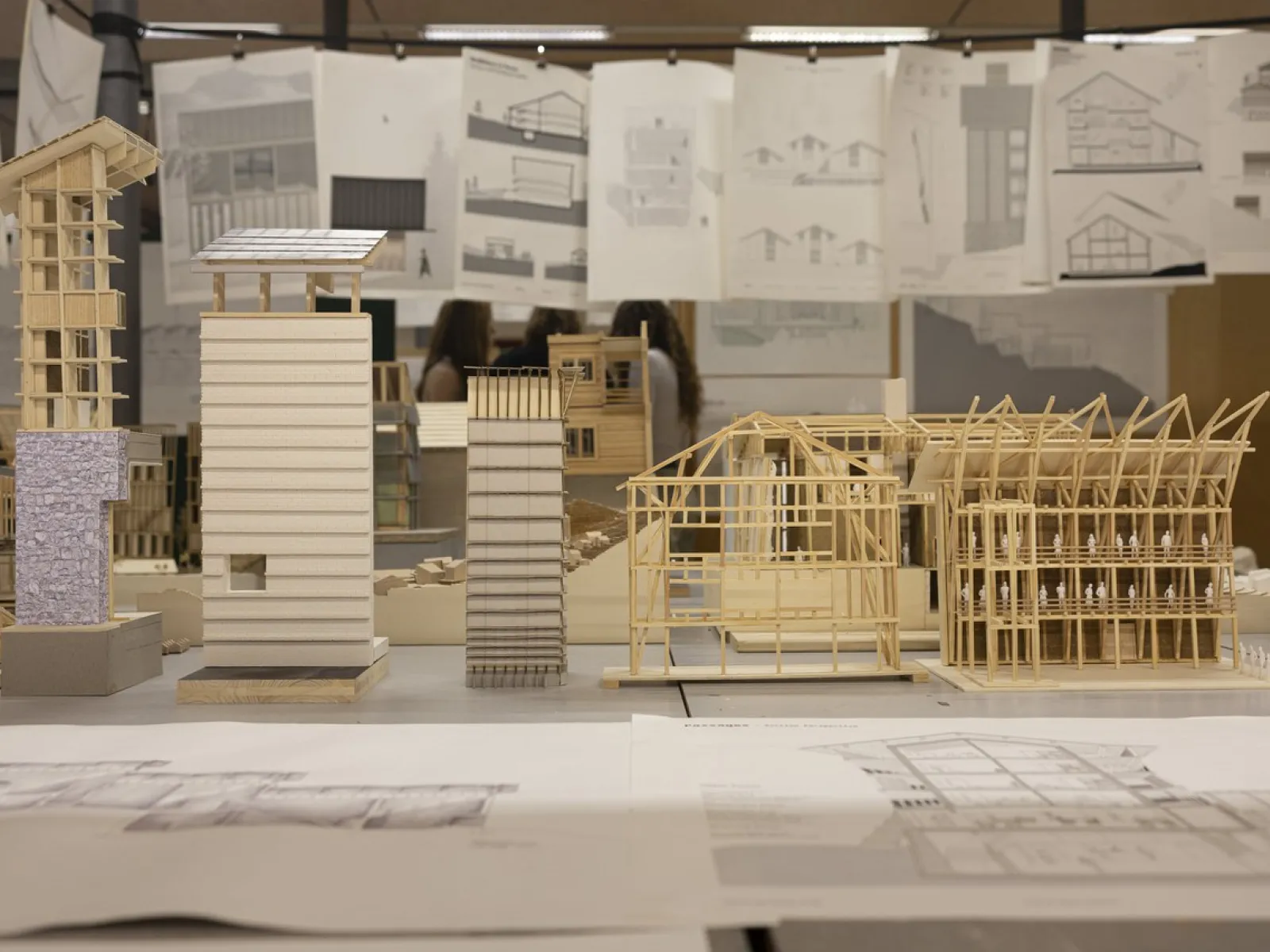
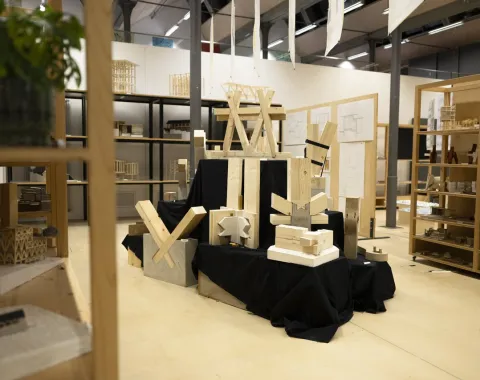
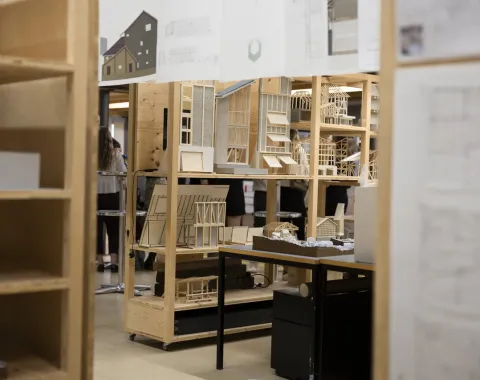
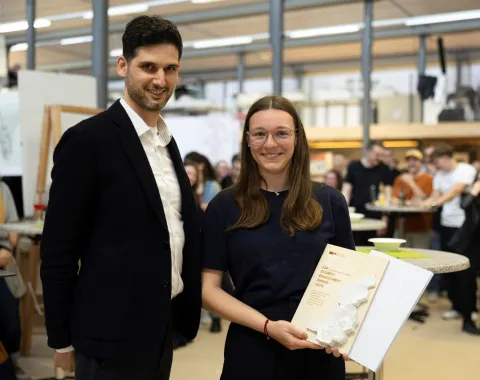
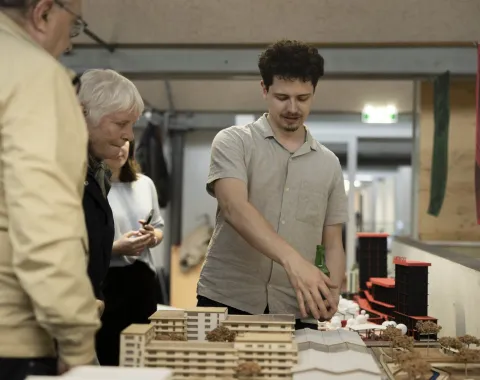
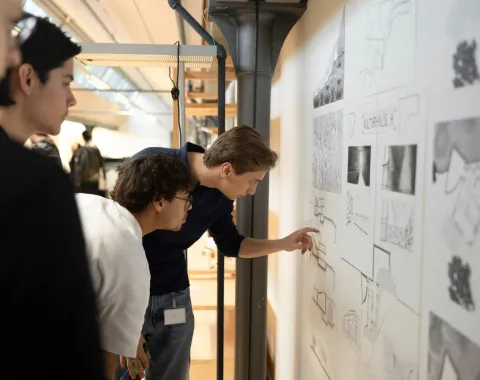
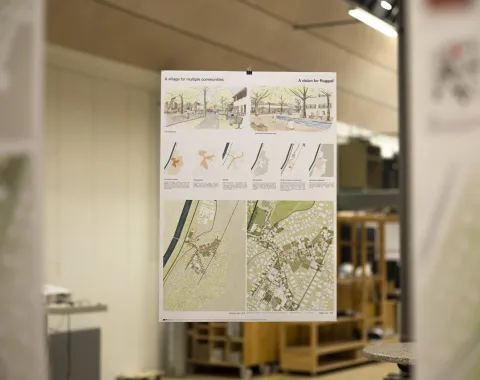
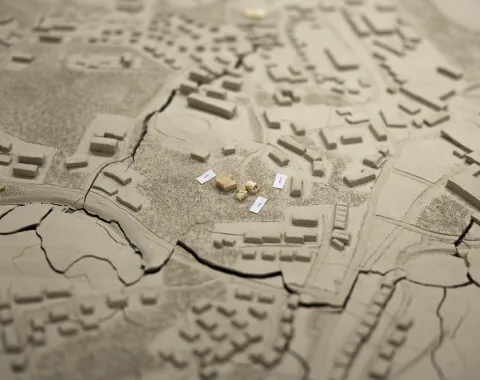
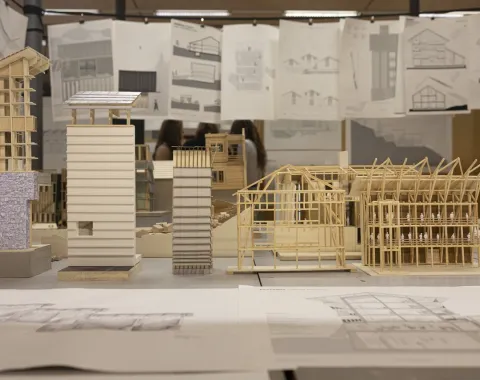
At 6:00 p.m., Prof. Dr. Daniel Stockhammer opened the LSA Summer Exhibition, showcasing models and projects by LSA students. The exhibition hall was well attended, with many guests taking the opportunity to experience the students’ creative work up close.


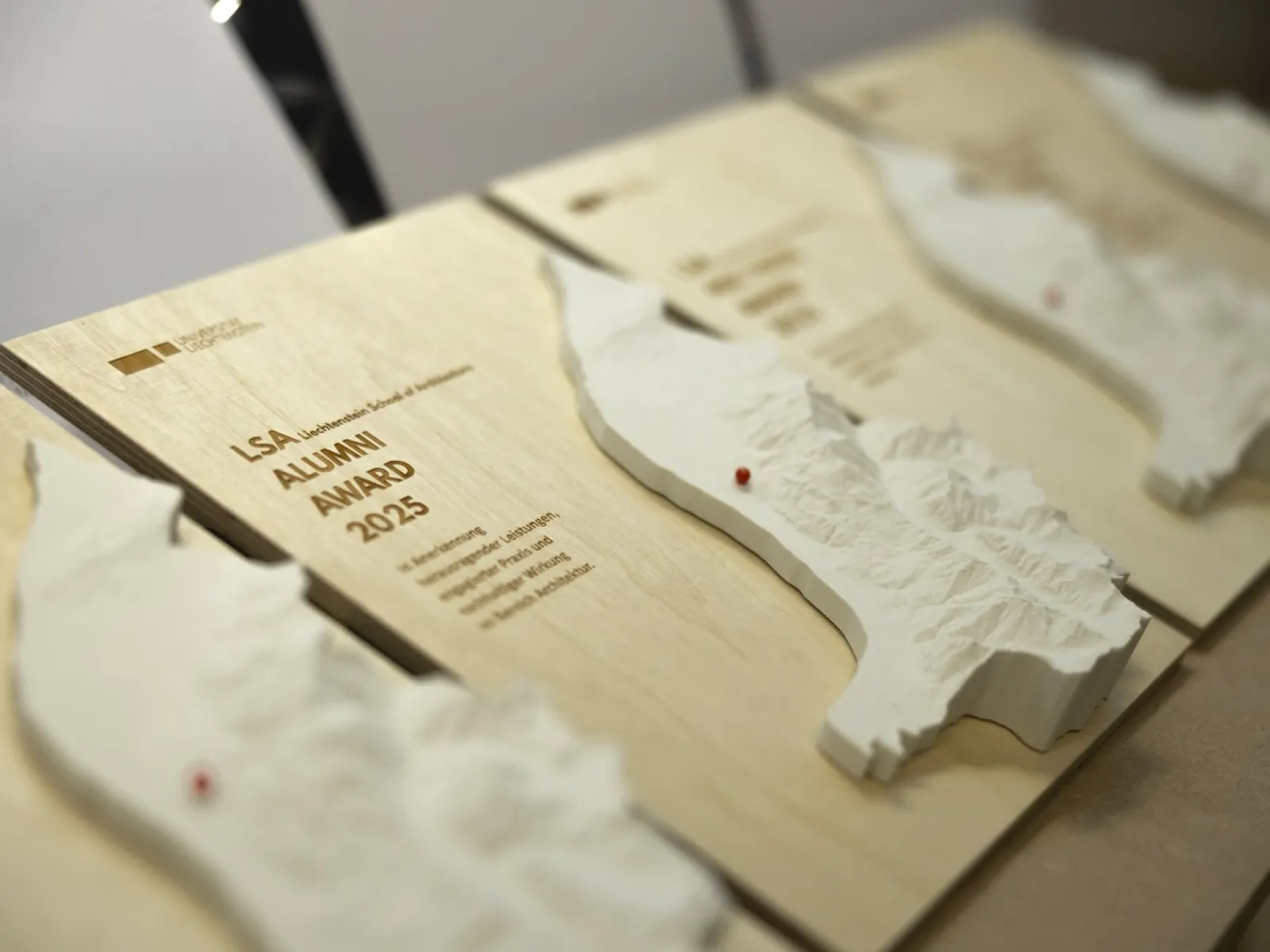
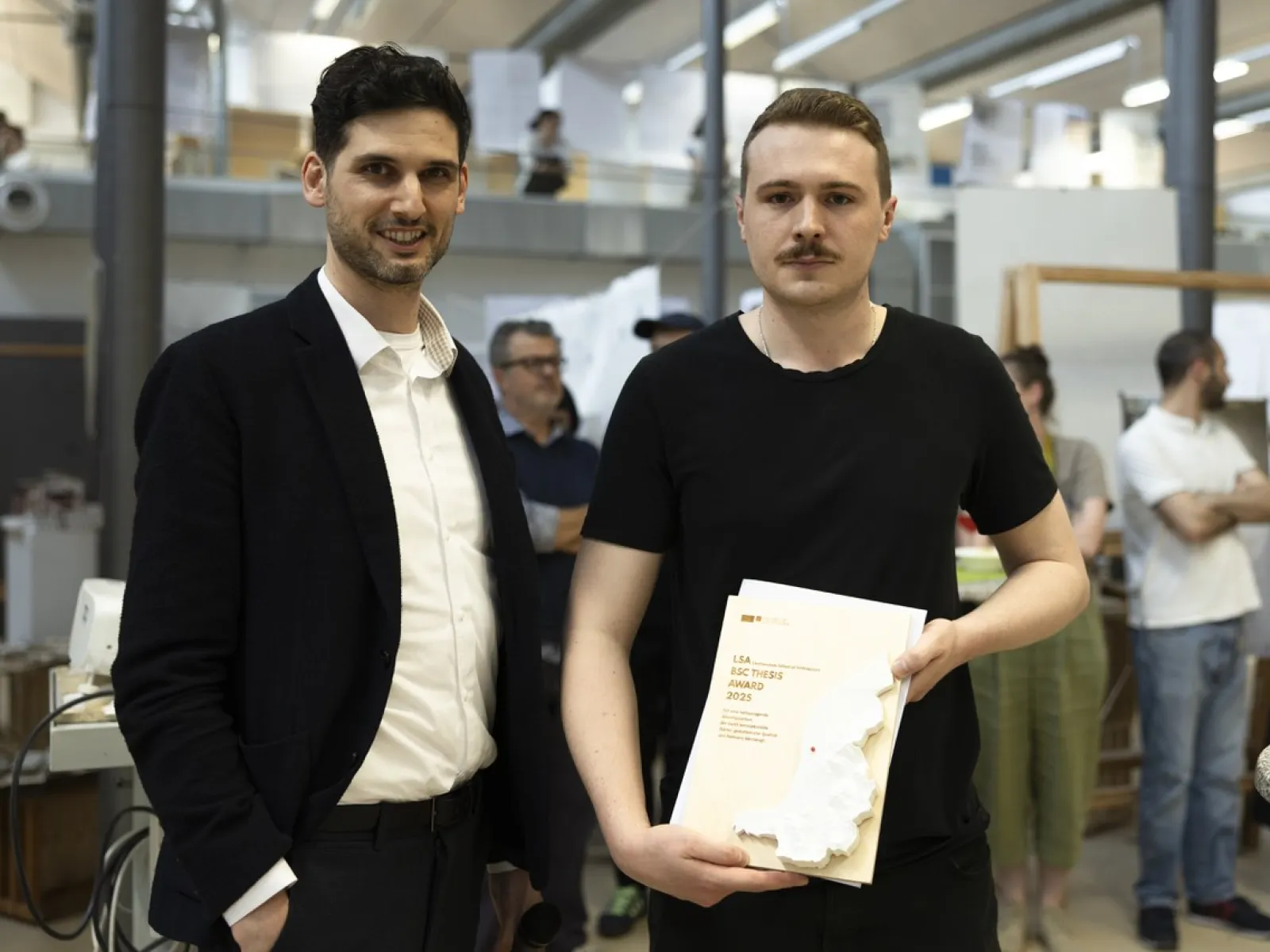
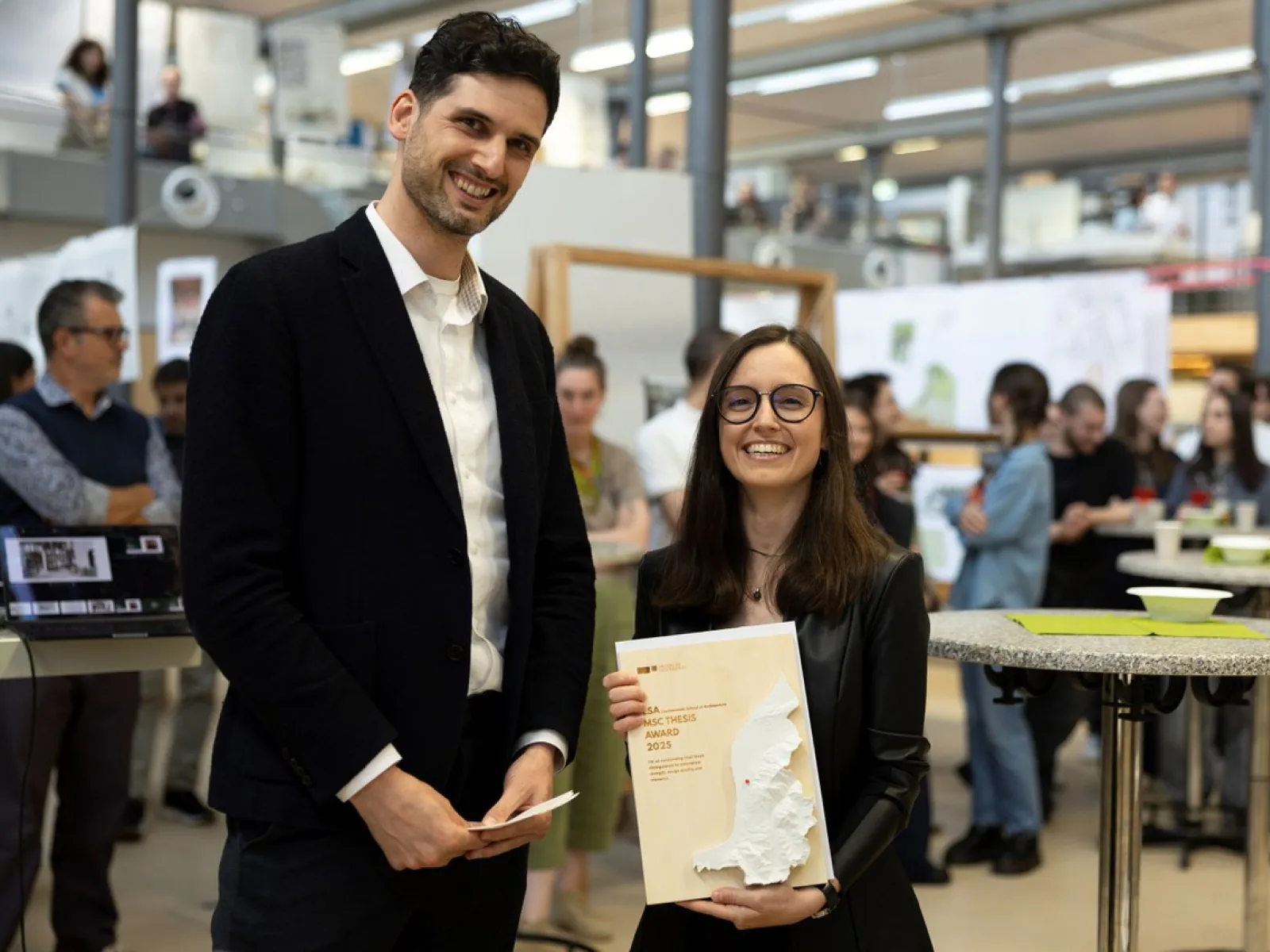
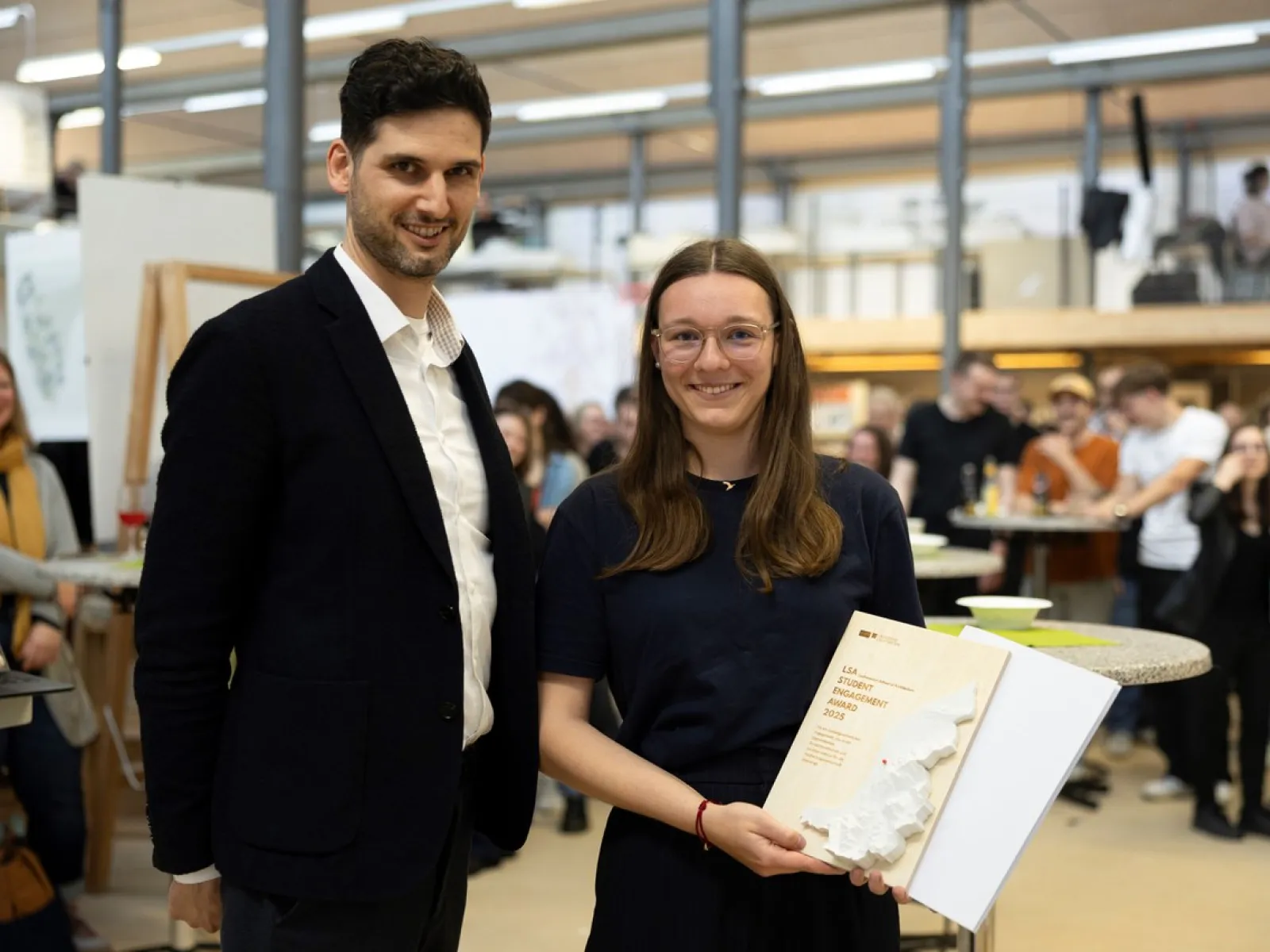
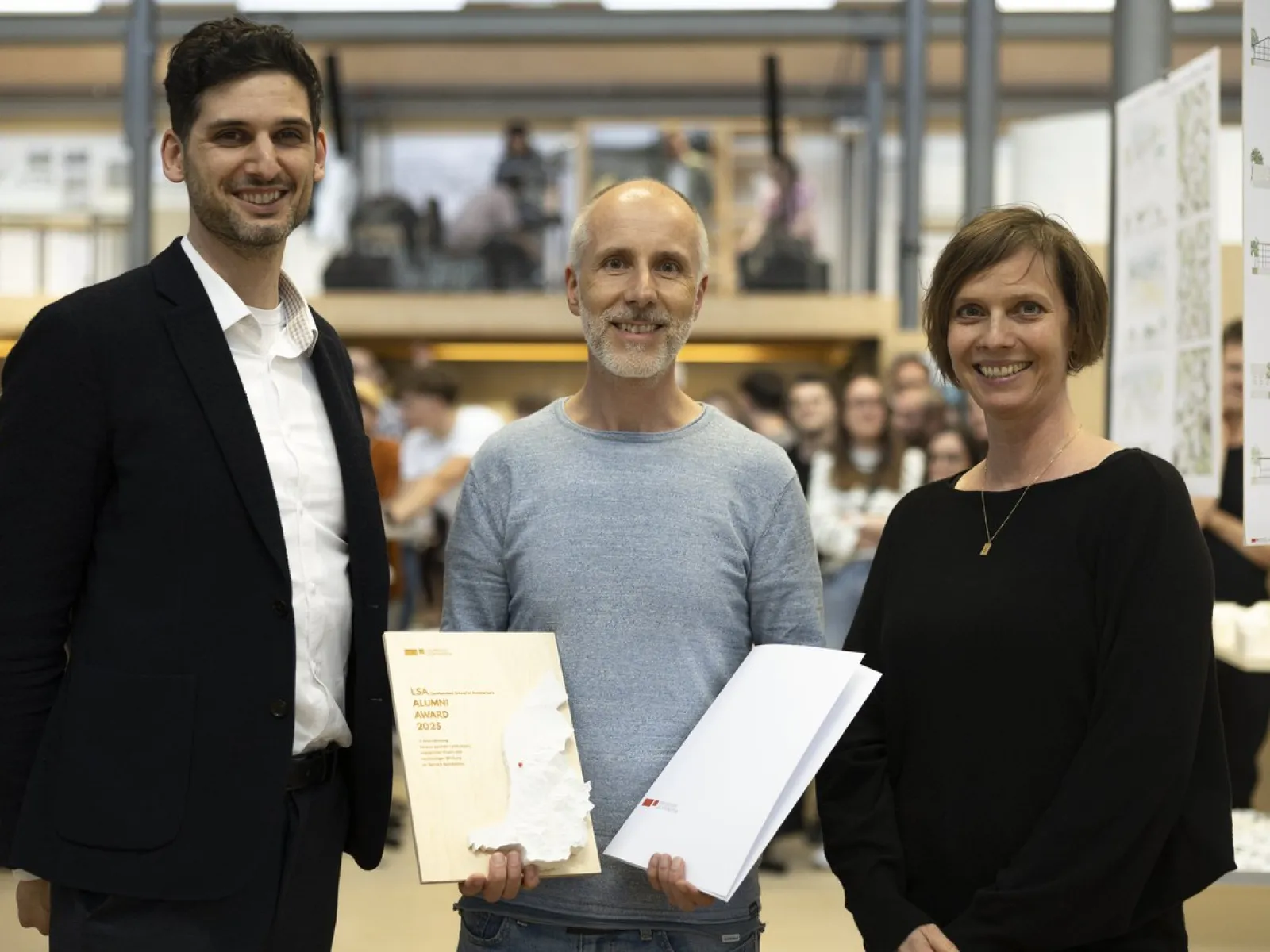
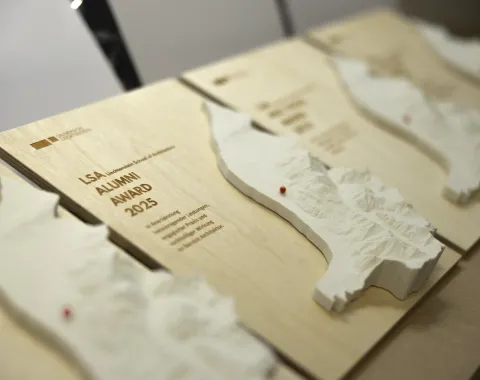
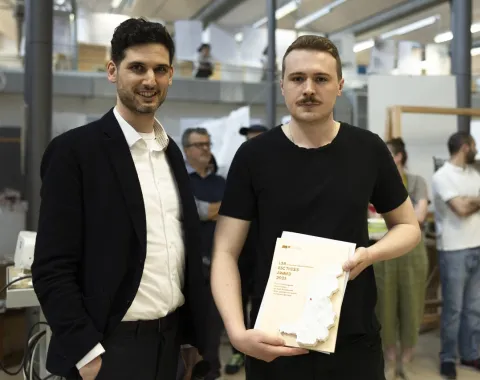
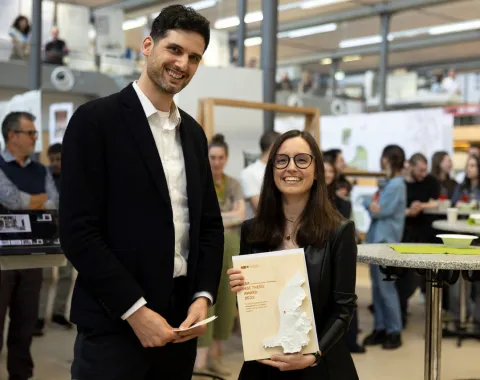
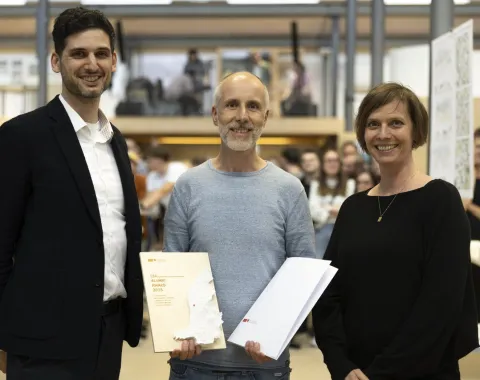
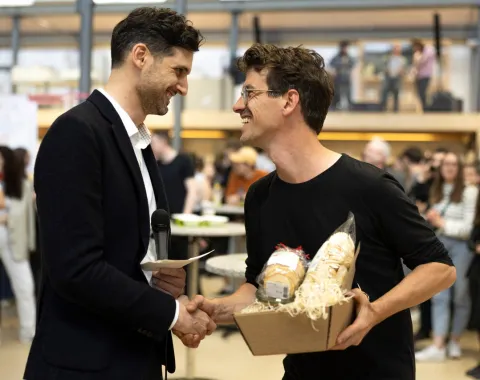
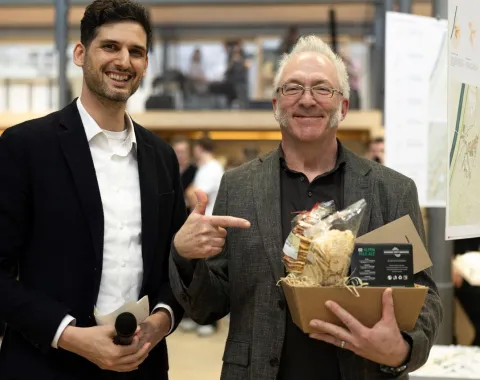
As part of the exhibition, this year’s LSA Awards were presented:


  • The LSA Student Engagement Award went to Sophie Breitruck (ULSV),
  • The Bachelor Thesis Award to Martin Dupont,
  • The Master Thesis Award to Lina Gasperi, and
  • The LSA Alumni Award (in cooperation with Alumni Relations) to Beat Burgmaier for his commitment to sustainability.


Heartfelt Farewells and Inspiring Reflections


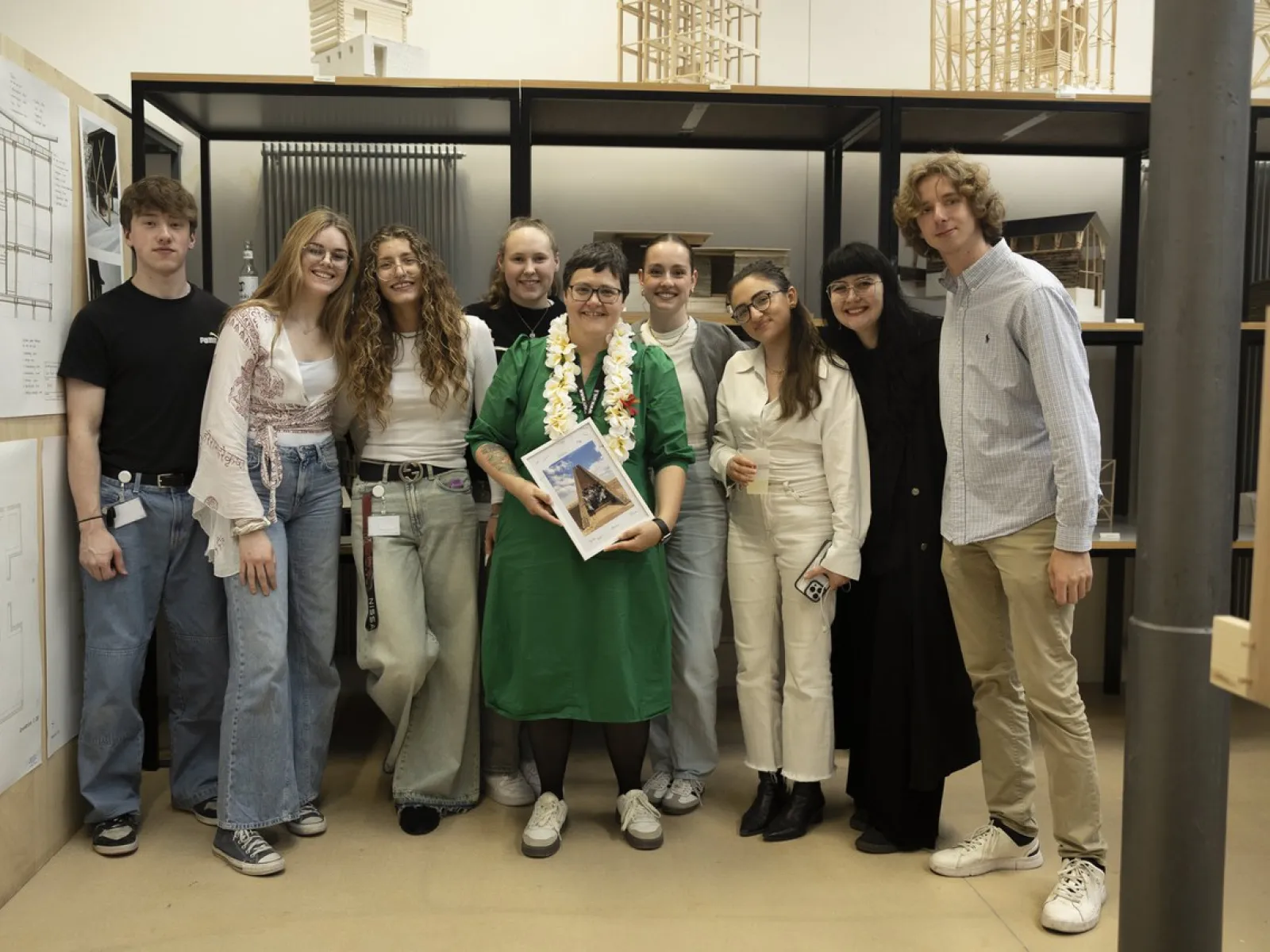
Emotional moments marked the farewell of long-time members of the LSA community: The school bid farewell to Bernhard Gasser, Christoph Angehrn, and Prof. Dr. Lindsay Howe, who have significantly shaped architectural education at the University over the years.


A notable anecdote from an alumna now working in the Netherlands highlighted LSA’s international influence:


“During our studies, we were often shown reference projects by Dutch architects. Now, in our office, we present references from German-speaking architects—including projects by uni.li alumna and former lecturer Bianca Böckle (bothand architecture).”


Music, Food, and Good Vibes in the Rain


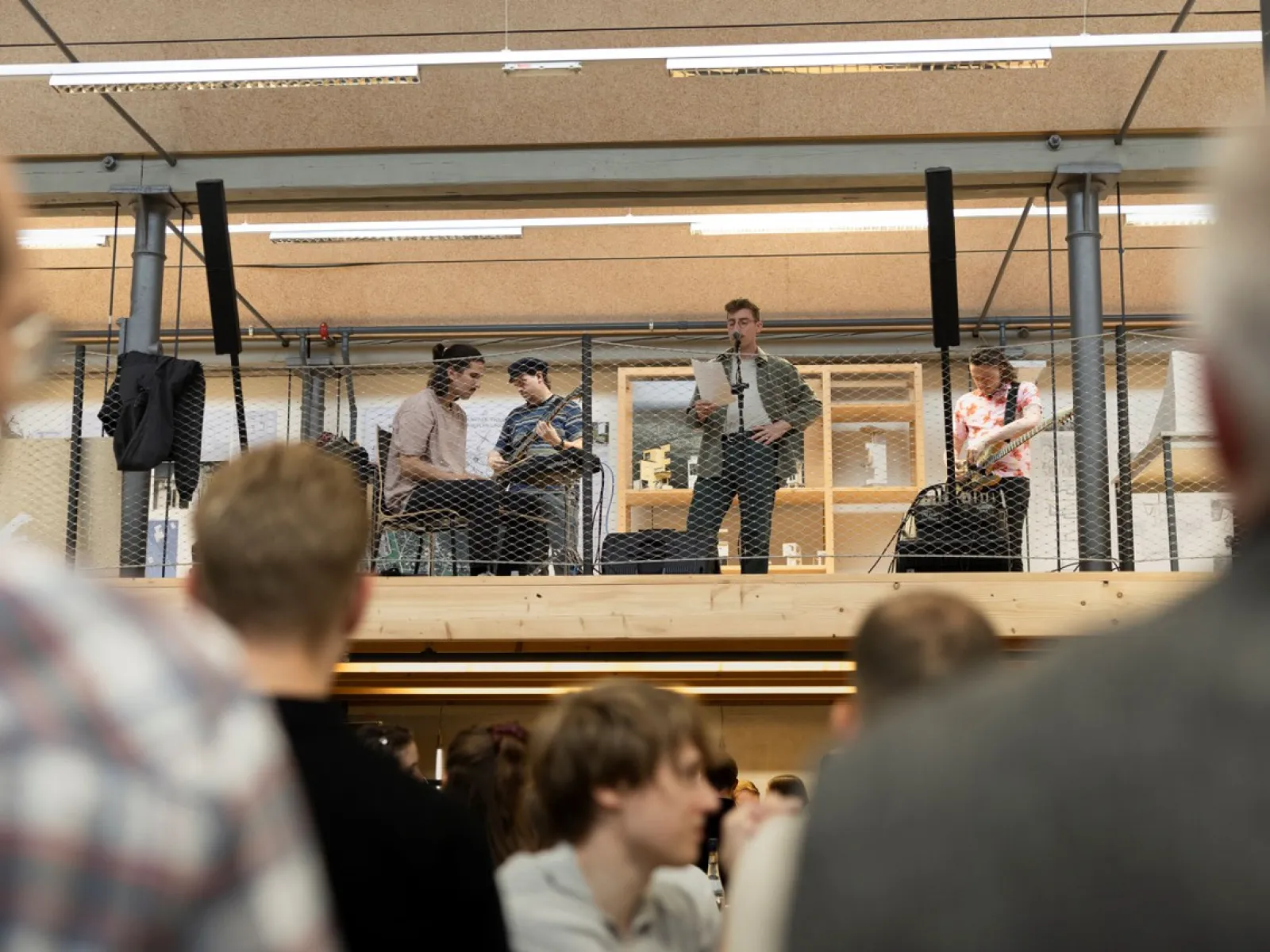
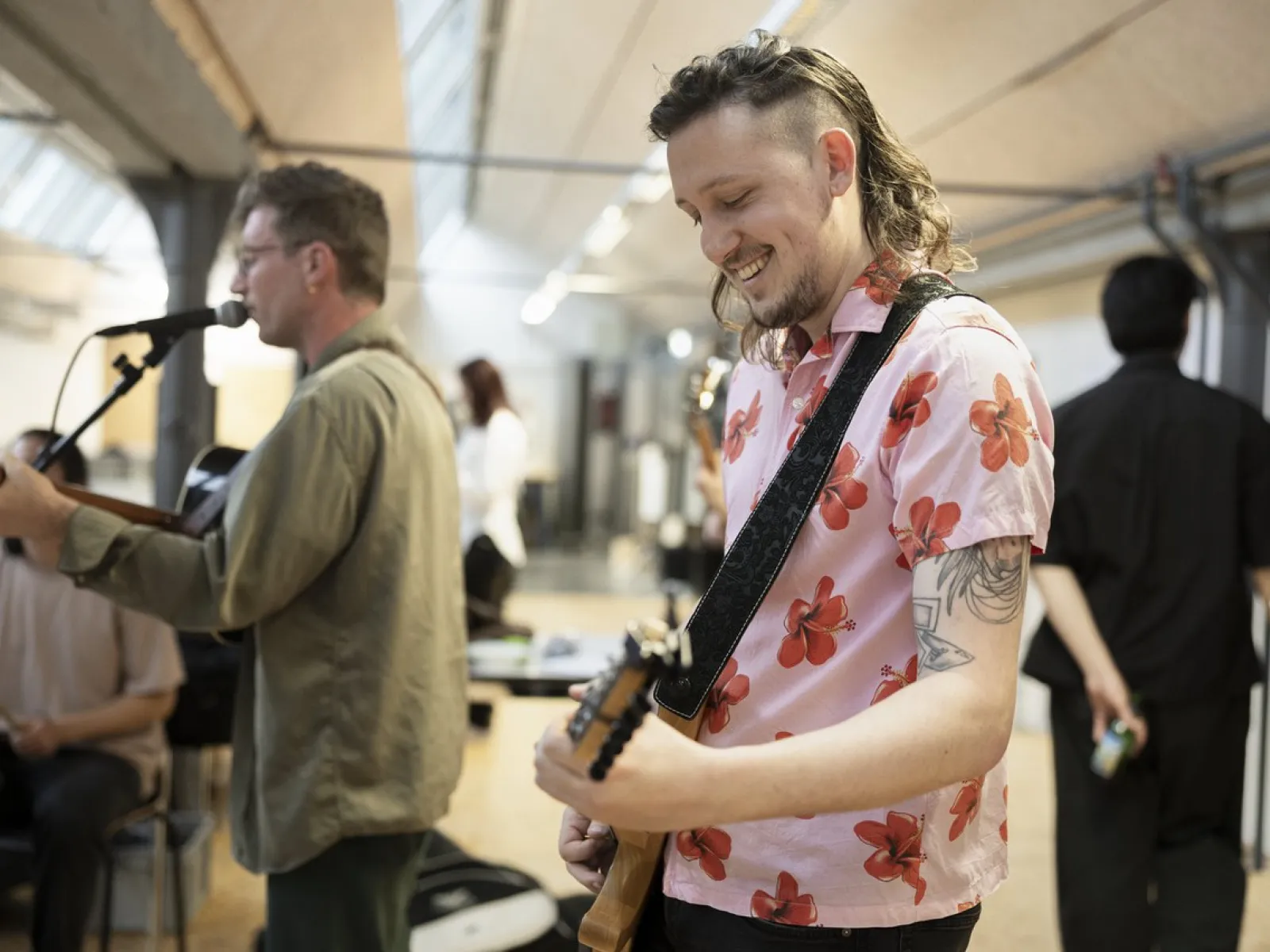
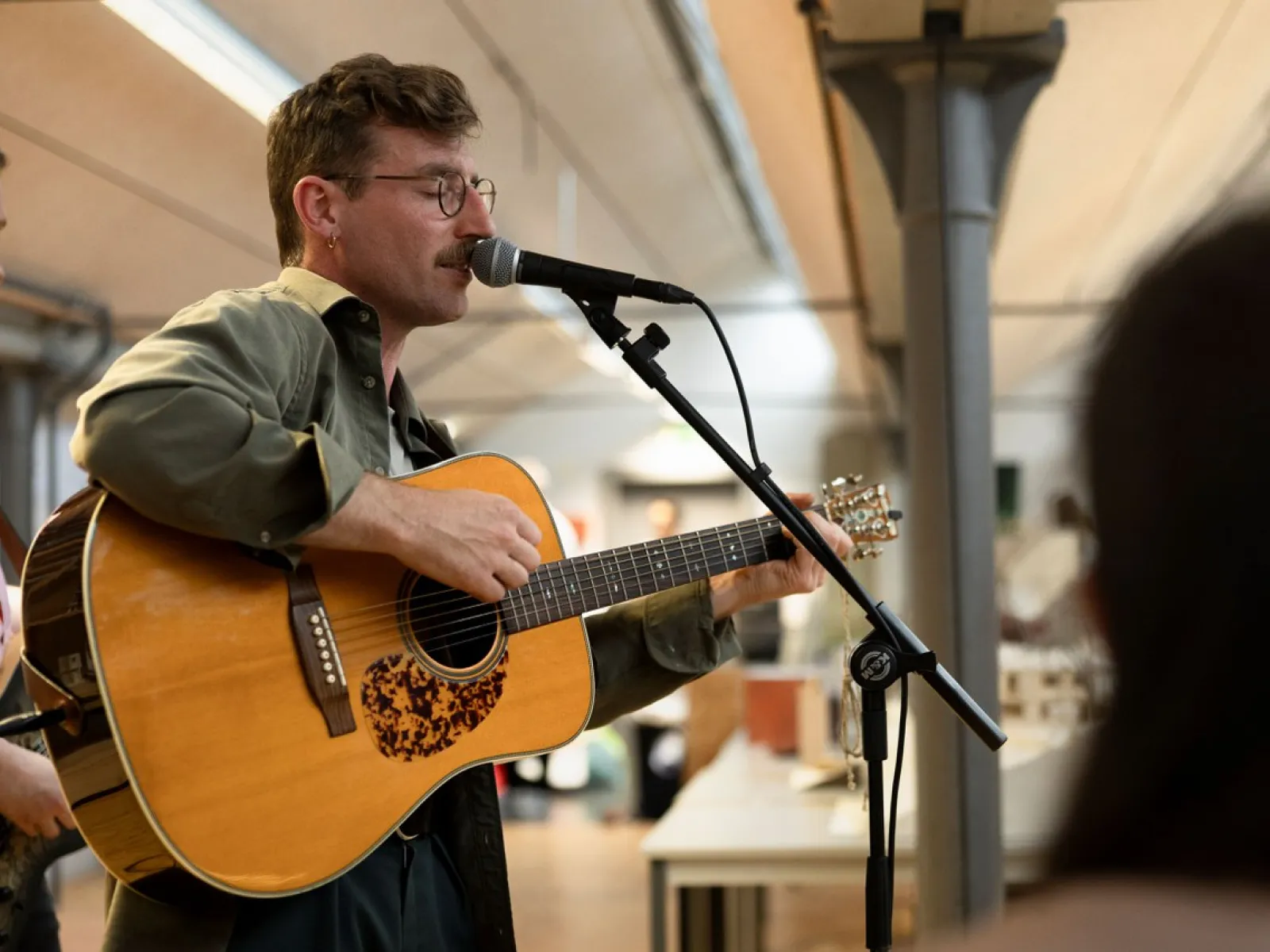
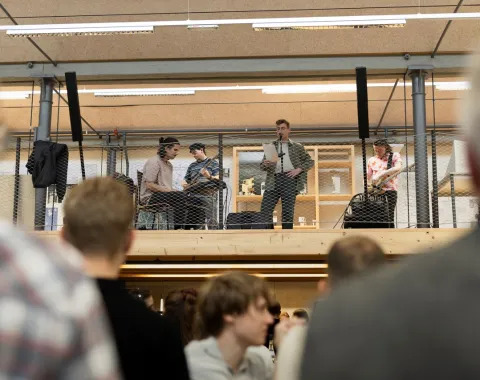
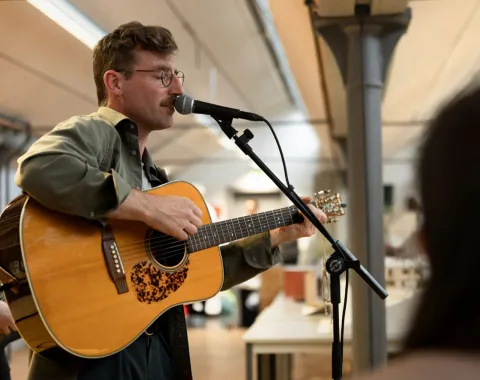
Musical entertainment was provided by the alumni band Betonleiter, featuring Simon Egger, Loris Vogt, Noah Laternser, and Julian Huber—creating the perfect festival atmosphere. The Spinnerei served refreshing drinks, and Pasta Barn delighted guests with freshly made pasta.


A Strong Sign of Community Spirit


The LSA Summer Festival 2025 was a vibrant testament to the strong sense of community within the LSA network—an event full of energy, inspiration, and joyful reunions. Despite the rain, it was a true highlight of the academic year—and a great party, too.


Photos: Fabio Schober

Criminal Law History Conference “Feuerbach 250” in Jena – Reflections and Impulses

Criminal Law History Conference “Feuerbach 250” in Jena – Reflections and Impulses

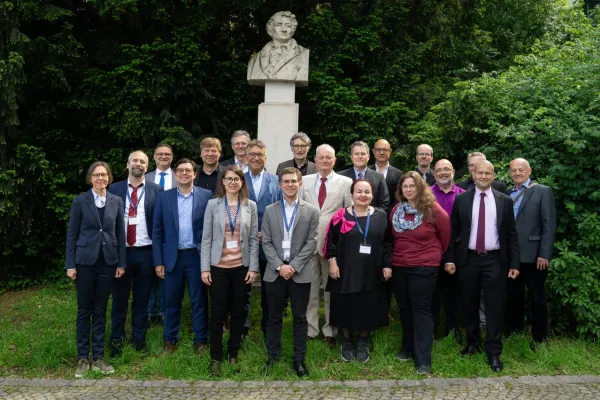
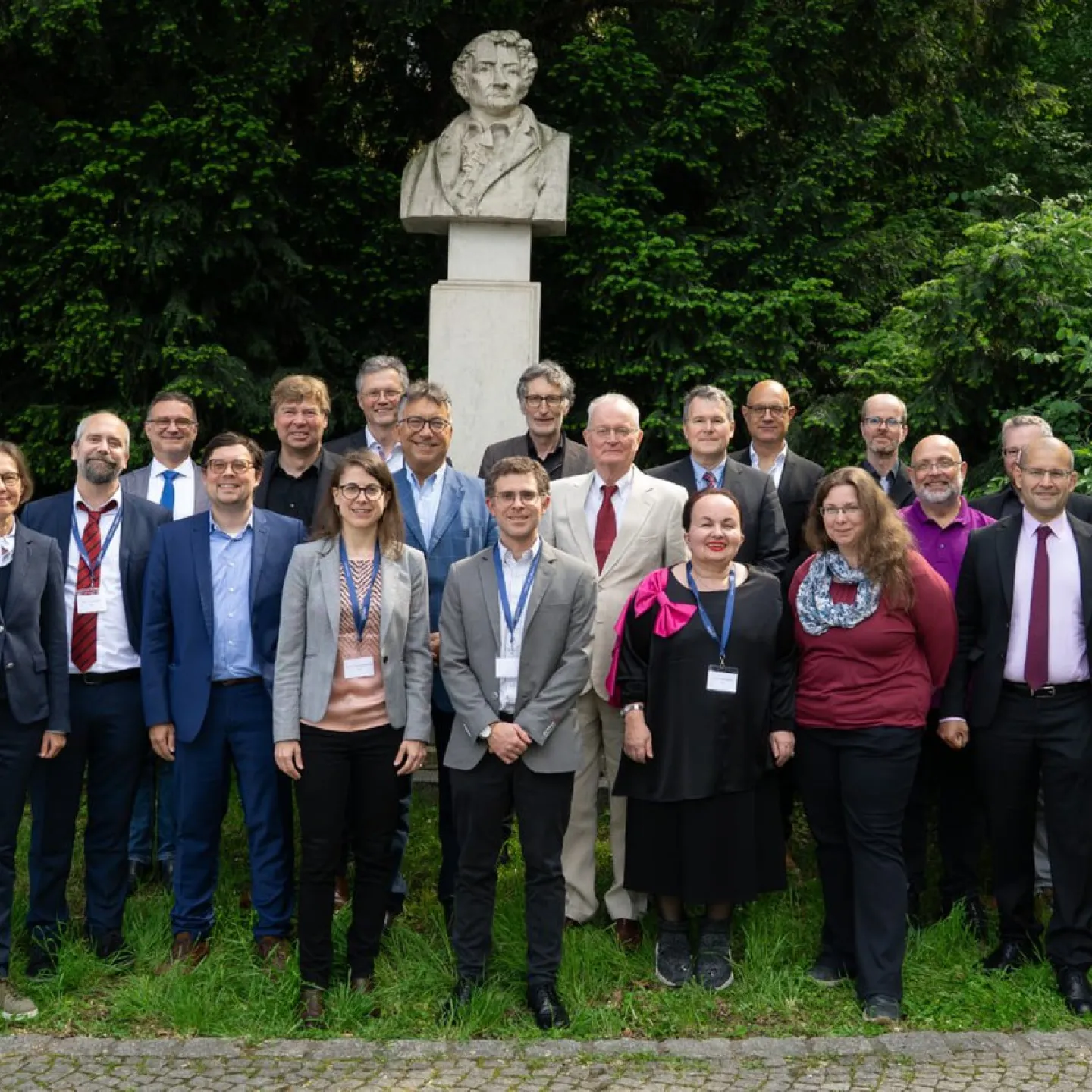
Eine Gruppe von Menschen steht vor einer Büste von Paul Johann Anselm von Feuerbach im Freien. Die Personen tragen formelle Kleidung und lächeln in die Kamera. Im Hintergrund sind grüne Büsche und Bäume zu sehen.

Foundational legal disciplines are not only intellectually stimulating, but also essential for a comprehensive and in-depth understanding of current law. This was clearly demonstrated by the criminal law history conference “Feuerbach 250 – Theory and Dogmatics, Criminology and Criminal Policy, History and Reception”.


The conference took place from 19 to 21 May 2025 at Friedrich Schiller University Jena, commemorating the 250th birthday of Paul Johann Anselm von Feuerbach (1775–1833). Feuerbach, the author of the Bavarian Penal Code of 1813, was born in Hainichen near Jena, studied philosophy and law at the University of Jena, and briefly held a professorship there. As a founder of modern German criminal law theory, he fundamentally shaped the conception of the rule-of-law-based criminal justice system. His famous maxim “Nullum crimen, nulla poena sine lege” became a globally cited legal postulate and, as Gustav Radbruch put it, marked a “turning point” in the history of criminal law.


A quarter-century after the last Feuerbach conference in Jena, the Faculty of Law once again dedicated itself to his legacy and influence—this time through a wide-ranging, interdisciplinary analysis. The event was organised by Prof. Dr. Anette Grünewald, Prof. Dr. Florian Knauer, Prof. Dr. Adrian Schmidt-Recla, and Prof. Dr. Dr. h.c. Edward Schramm.


Feuerbach and the Greek Penal Code


As part of the conference, Prof. Dr. Konstantina Papathanasiou delivered a lecture on the topic “Feuerbach and the Greek Penal Code”—a research area she has been pursuing intensively for the past three years. She has co-organised conferences on the topic, and corresponding conference volumes are currently in preparation.


The first Greek penal code was drafted in 1833 by the Bavarian jurist Georg Ludwig von Maurer, who served as a member of the Regency Council under King Otto, the youngest son of King Ludwig I of Bavaria. Although the French Code pénal of 1810 and Feuerbach’s Bavarian Penal Code of 1813—including the drafts of 1822, 1827, and 1831, along with corresponding rescripts and annotations—played a central role in Maurer’s work, he deliberately refrained from a mere adoption of these texts. Instead, he sought to create an independent body of law tailored to the needs of Greece.


Prof. Papathanasiou concluded her lecture with the following words: “Maurer’s Penal Code remained in force until 1950—outlasting all other contemporary penal codes by far. In this sense, the Greek Penal Code of 1834—using Maurer’s own words—can be regarded as the most comprehensive, most lenient, and longest-standing among historical criminal codes. In conclusion: The era of liberal criminal law did not begin with the Bavarian Penal Code of 1813, but with the Greek Penal Code of 1834.”


Prof. Papathanasiou also emphasized the importance of historical legal scholarship for the Principality of Liechtenstein. While the Liechtenstein Penal Code is largely based on the Austrian model, it has also developed its own distinctive features and deviations. Against this backdrop, she aims to raise the visibility of Liechtenstein’s national criminal law identity within academic discourse. A dedicated commentary on the Liechtenstein Penal Code is planned to mark its 40th anniversary in June 2027.

Eine Gruppe von Menschen steht vor einer Büste von Paul Johann Anselm von Feuerbach im Freien. Die Personen tragen formelle Kleidung und lächeln in die Kamera. Im Hintergrund sind grüne Büsche und Bäume zu sehen.
Subscribe to