Between Anger and Optimism
Between Anger and Optimism
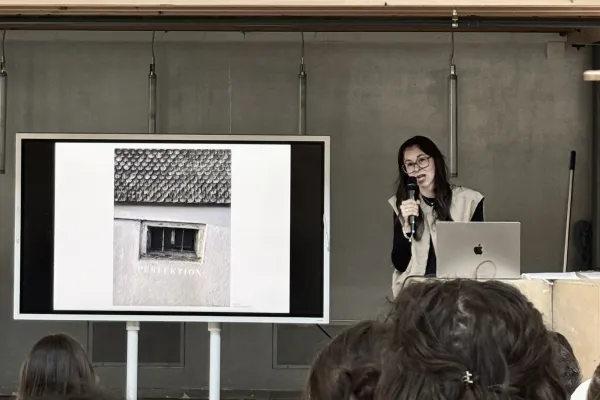
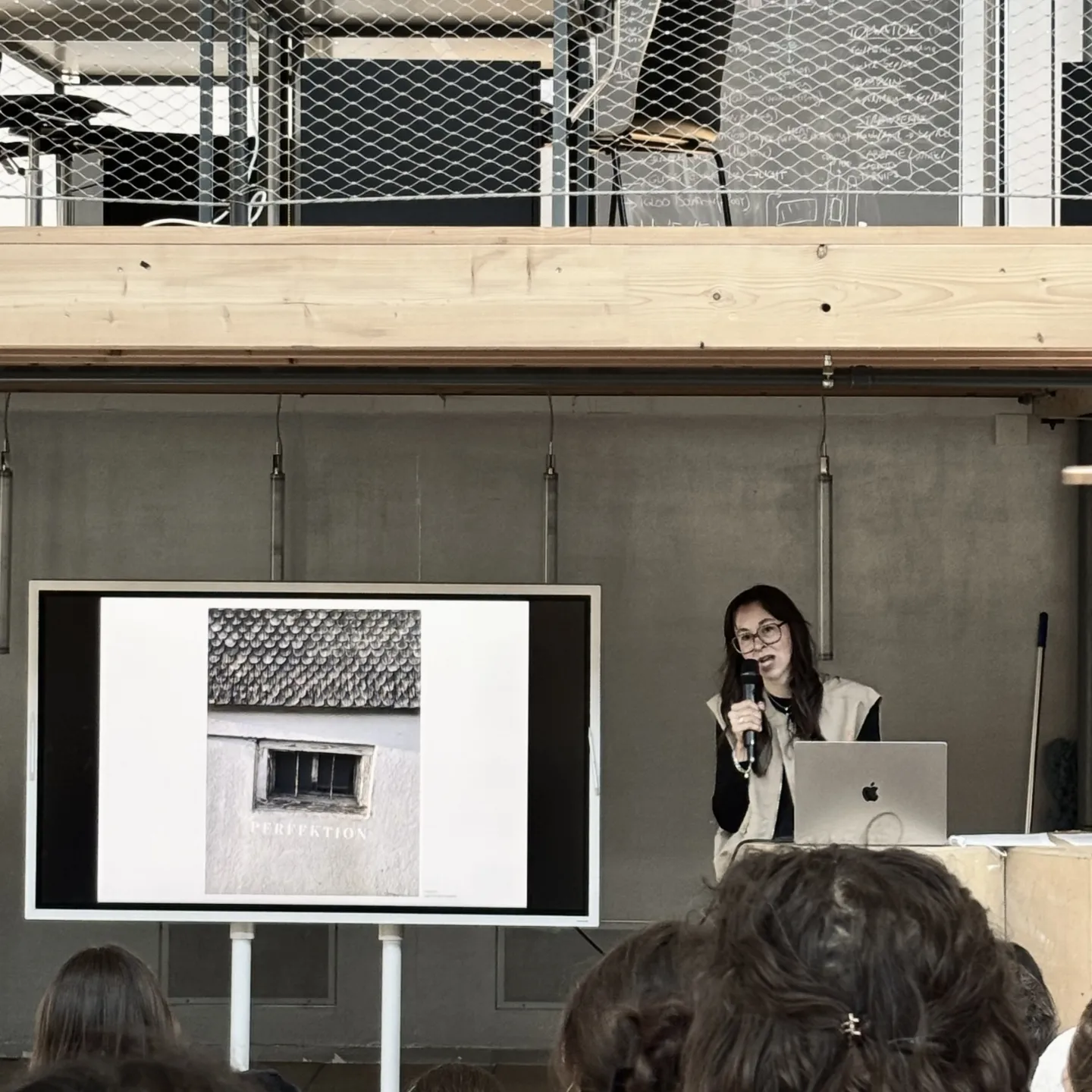
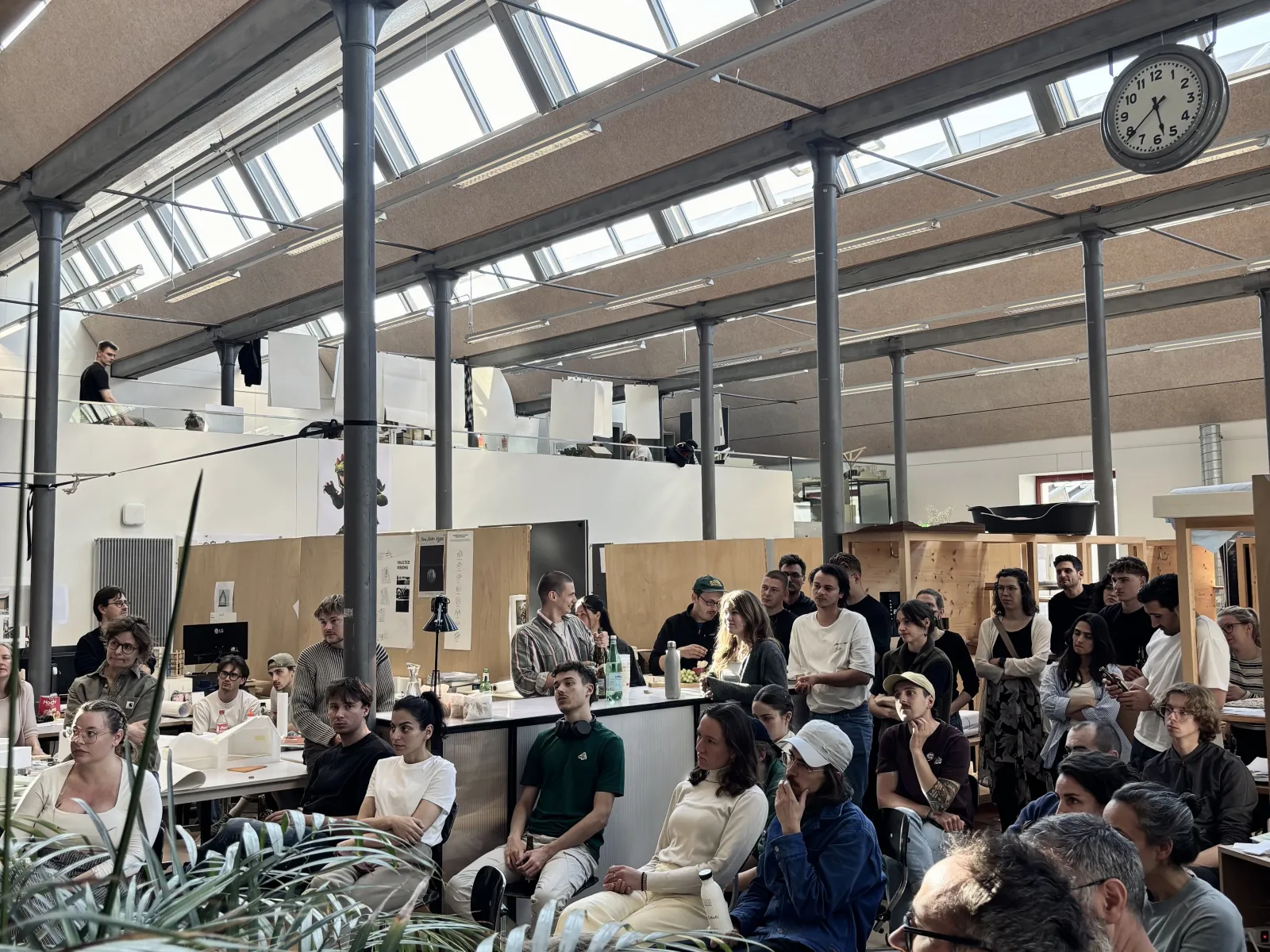
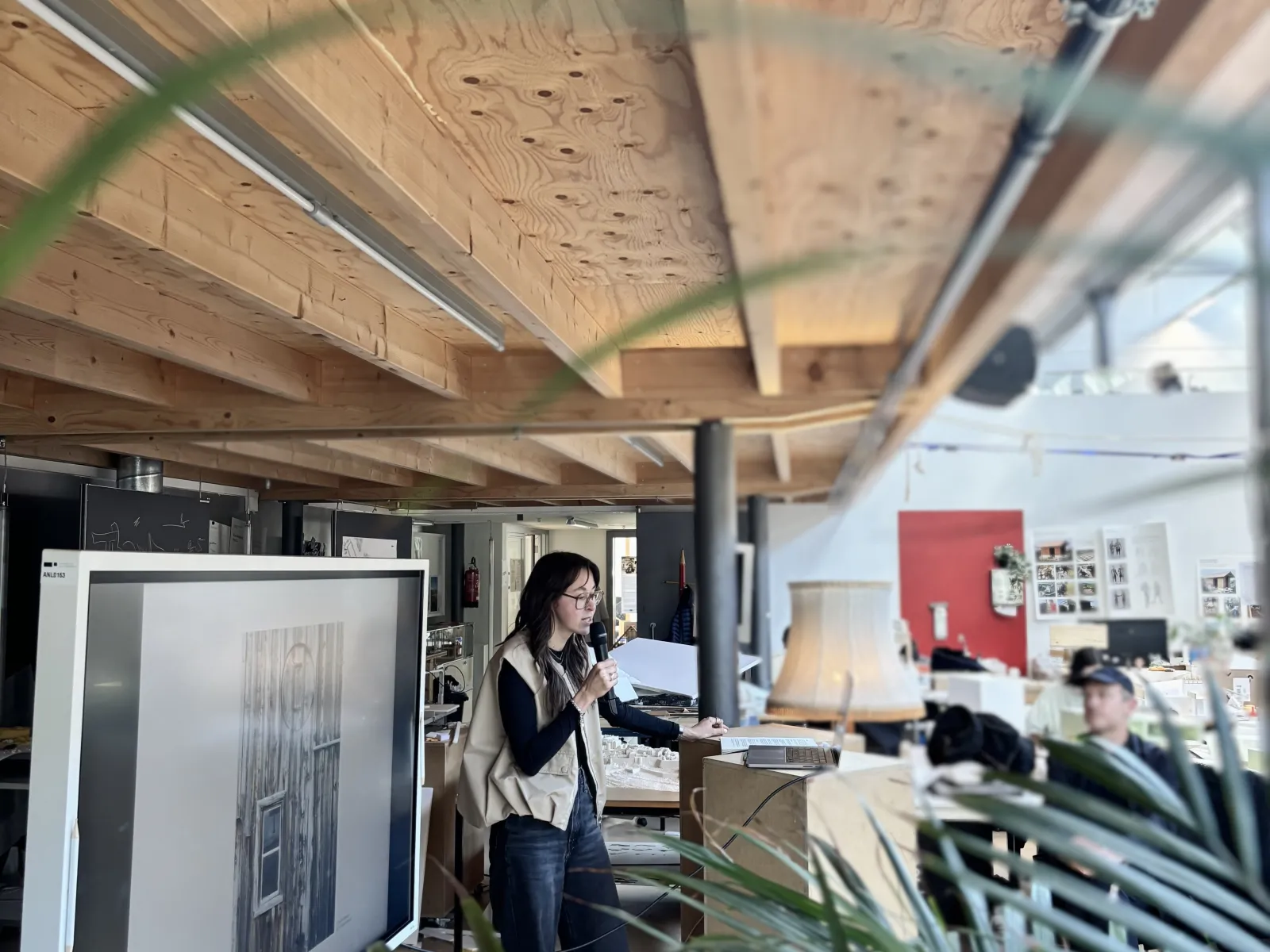
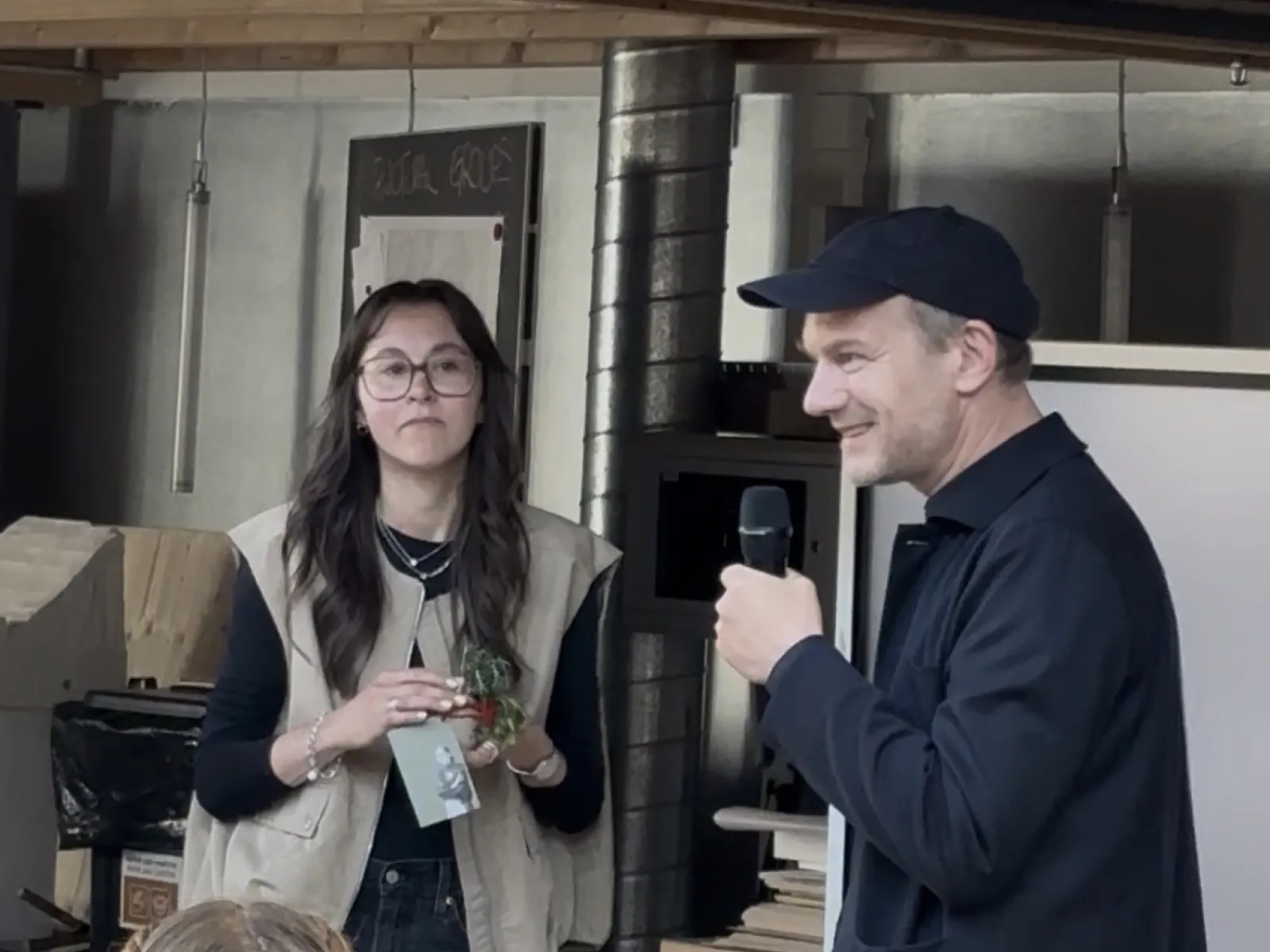
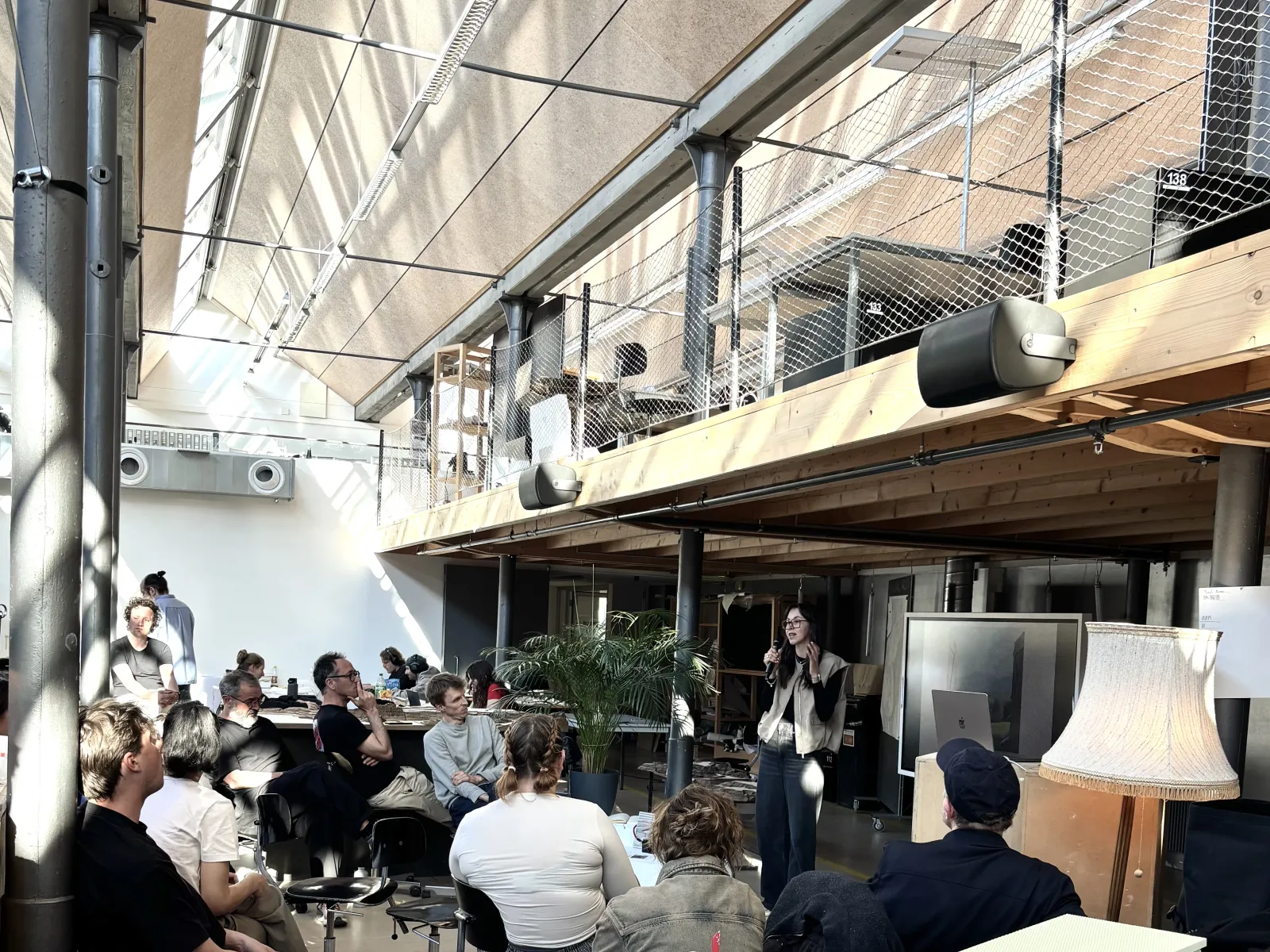
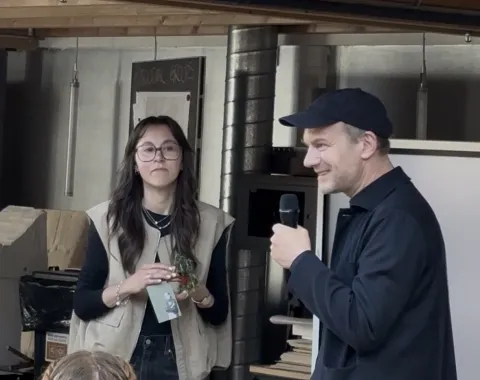
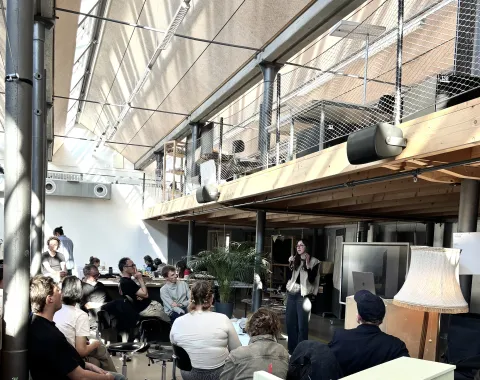
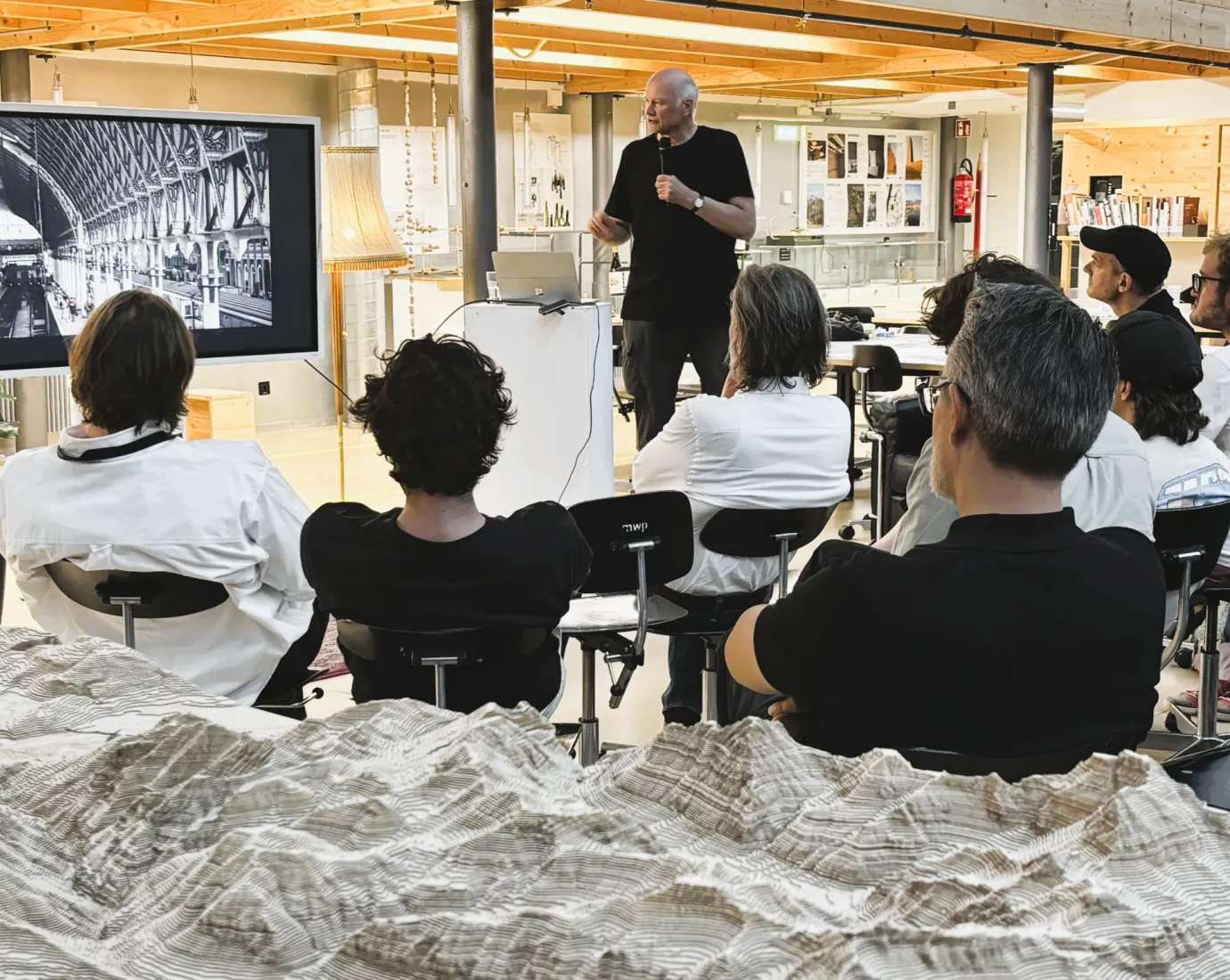
As part of the alumni lecture series, architect, practice lecturer and alumna Nina Beck spoke at the Liechtenstein School of Architecture. In her talk «Beyond Perfection», she offered open and personal insights into her approach to architecture and the questions that drive her work.
Starting from her time as a student at the University of Liechtenstein, she took the audience along on her journey into self employment. Encounters with existing buildings have always been particularly formative for her. «When I enter old buildings, something happens inside me», she explained, describing her fascination with materials, surfaces and the stories embedded within them.
«I am angry about demolition practices»
A central theme of her lecture was her clear stance against the demolition of existing buildings. She vividly described a moment that had a lasting impact on her: visiting a house just one day before the demolition machines arrived. The qualities and details she discovered there stood in stark contrast to the decision to replace the building. «I am angry about demolition practices that erase history out of convenience and economic calculation», Beck said.
This anger has become a driving force for her. At the same time, her determination to challenge these practices was evident, showing that there are alternatives. Instead of demolition, she consistently seeks ways to preserve, transform and rethink existing buildings. She questions common notions of economic efficiency and asks whether preservation might often be the more responsible path when ecological and cultural values are taken into account.
«Not erasing history, but continuing to write it»
This is exactly where her current work begins. Rather than building anew, she looks for qualities and possibilities within existing structures. Her renovation projects demonstrate how careful interventions and close collaboration with craftspeople and clients can further develop existing buildings.
For her, it is not about perfection, but about attitude. Existing structures are allowed to remain visible, and changes should be readable. «What emerges are buildings with edges and corners that continue to tell their story», she described her approach.
She understands this way of building as a sustainable and culturally sensitive practice that takes the value of what already exists seriously.
«We are at a turning point where the rules are changing»
In closing, Nina Beck reflected on her position and her outlook for the future. She sees architecture at a moment of transformation, where new paths are becoming possible. It is about taking responsibility and setting new standards with courage, rather than simply continuing as before.
Her sense of confidence is clearly tangible: that a new language for working with existing buildings can emerge, one that is sensitive, sustainable, courageous and consciously imperfect. That existing architecture is not a relic, but a promise for the future. And that many doors will open once we sharpen our awareness of what is already there.
That this path is worthwhile is also reflected in a recent recognition: together with her project team, Nina Beck was recently awarded the Austrian National Design Prize for the project «Die Gute Stube». What is particularly remarkable is that a minimally invasive transformation received this award, giving visibility to exactly the approach she advocates in her work.
The event was a joint initiative of the Liechtenstein School of Architecture and Alumni Relations at the University of Liechtenstein. The next alumni lecture is planned for September 2026.
More about Nina Beck
Built Heritage and Upcycling Unit at the Liechtenstein School of Architecture
Blog post «Between Demolition and Renewal»